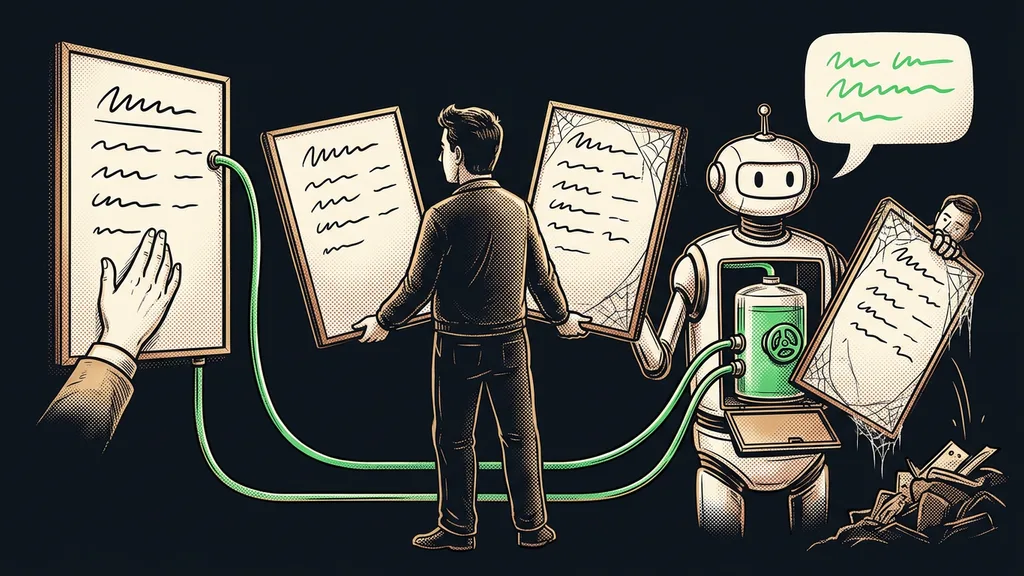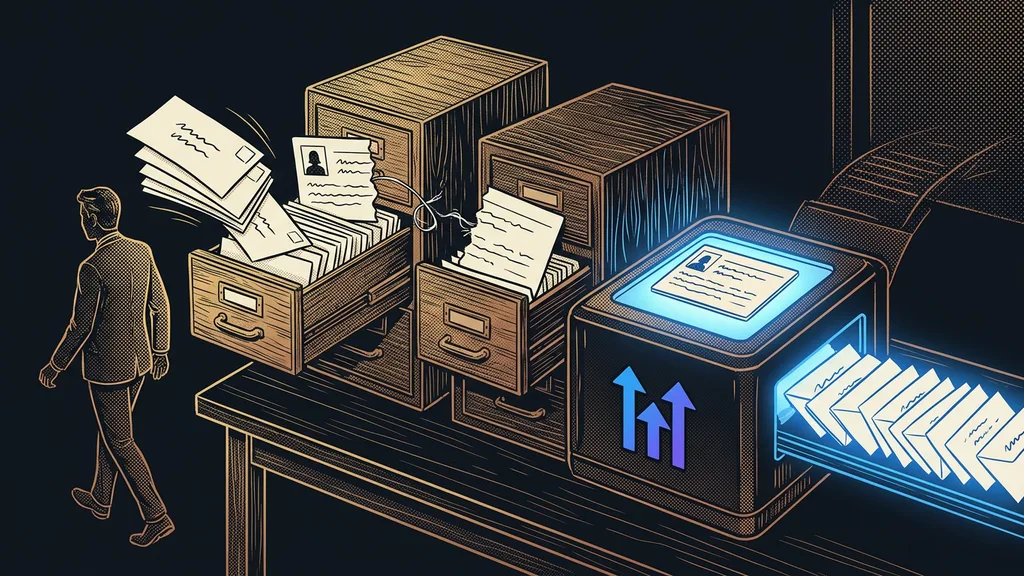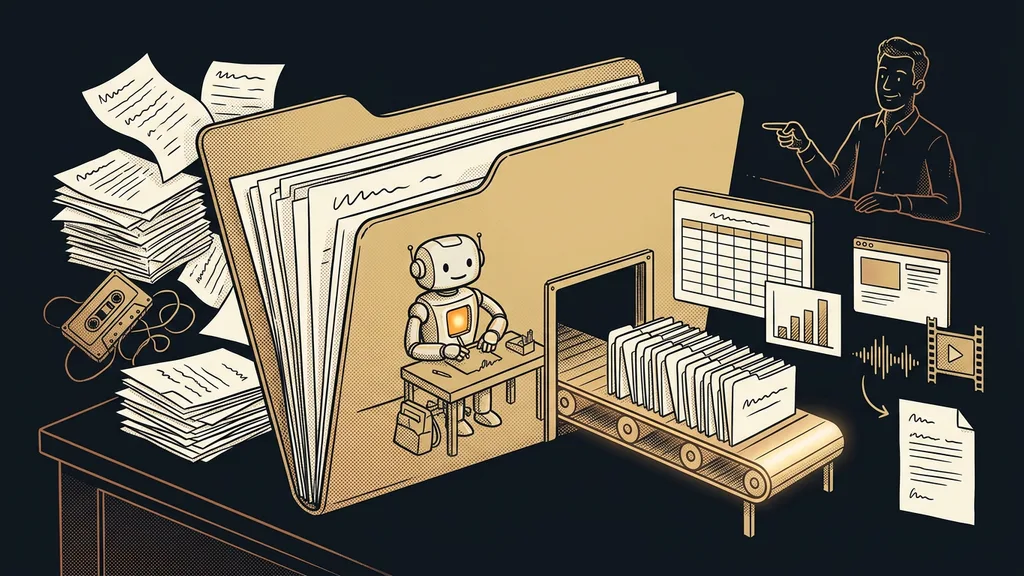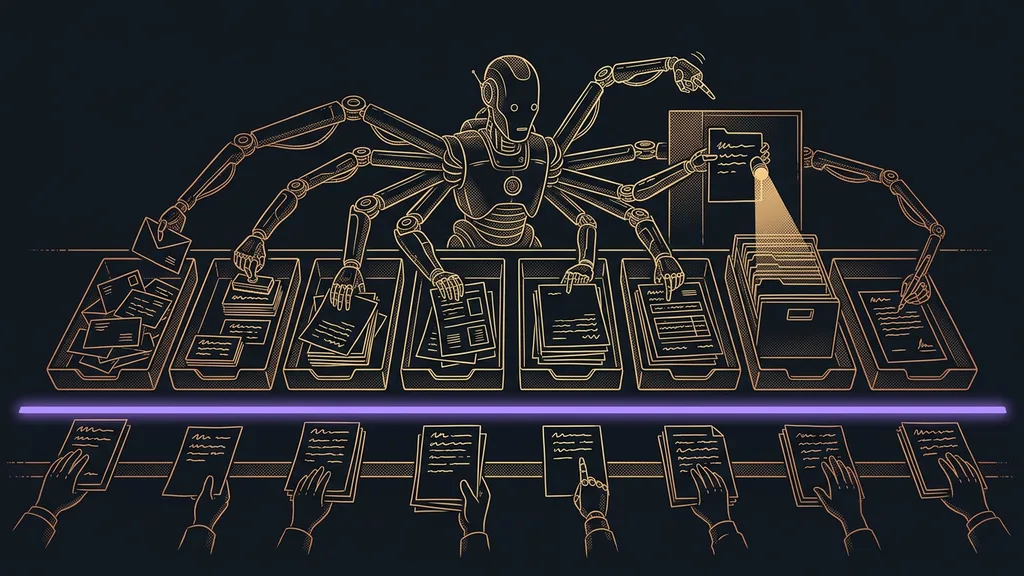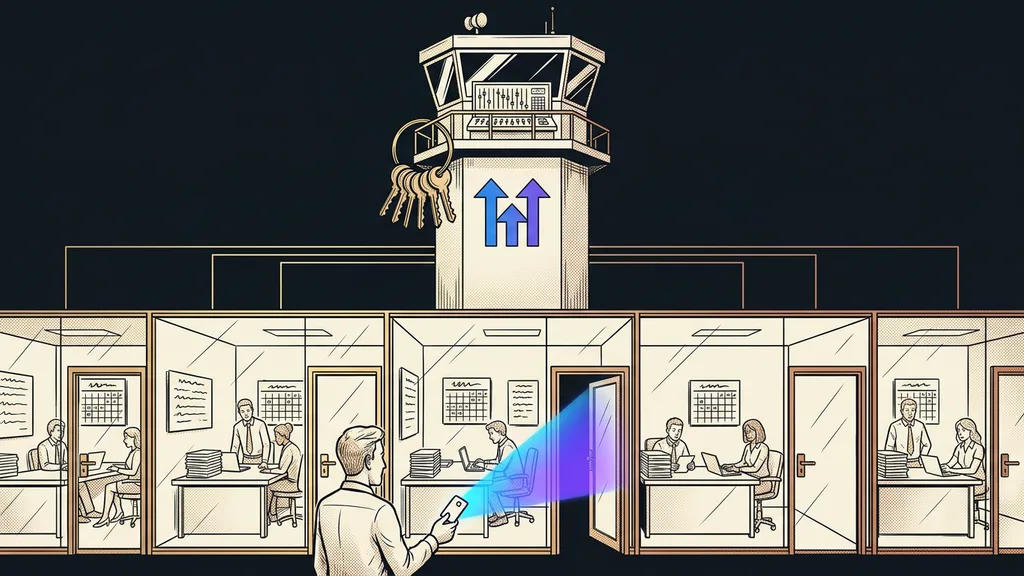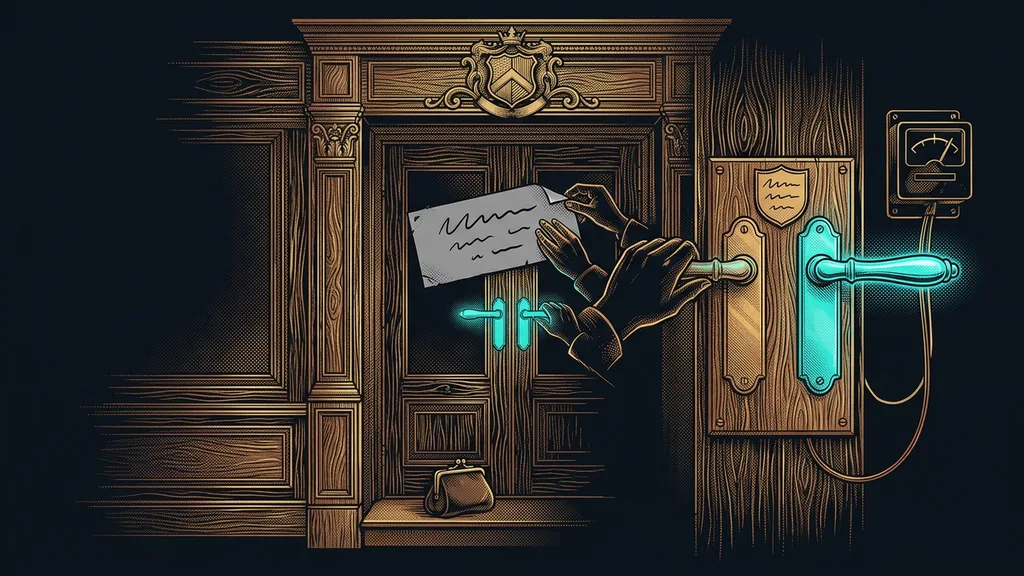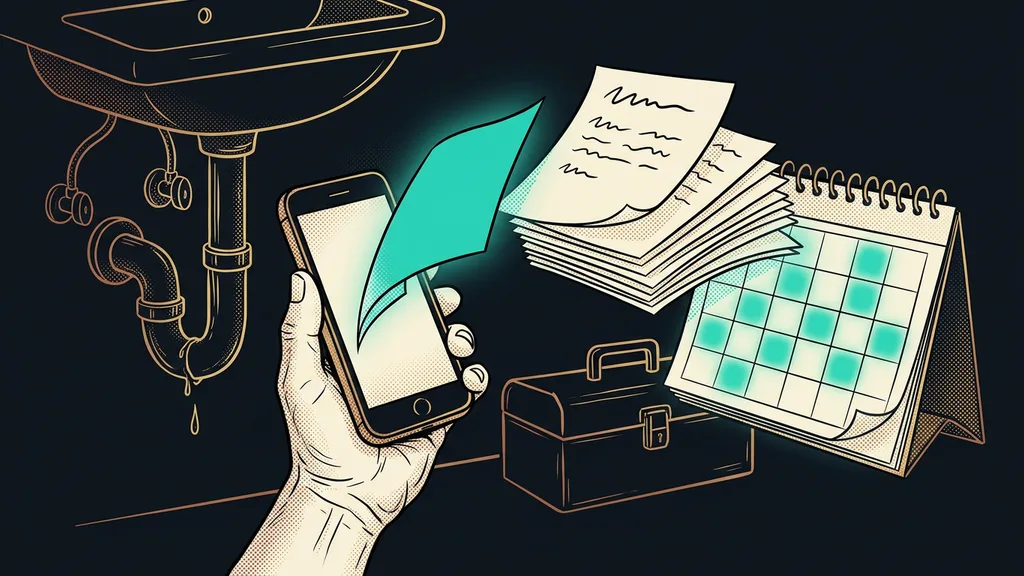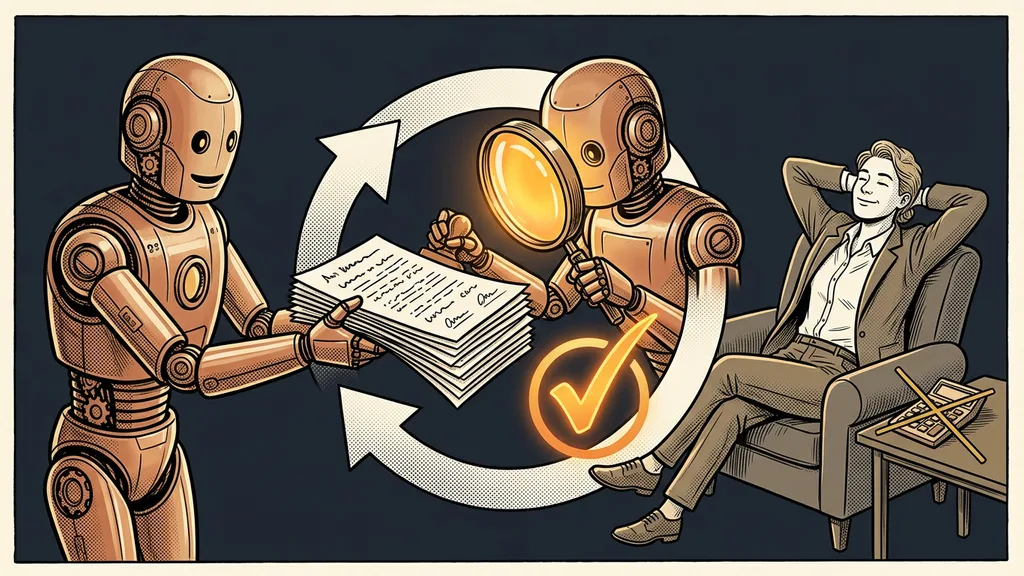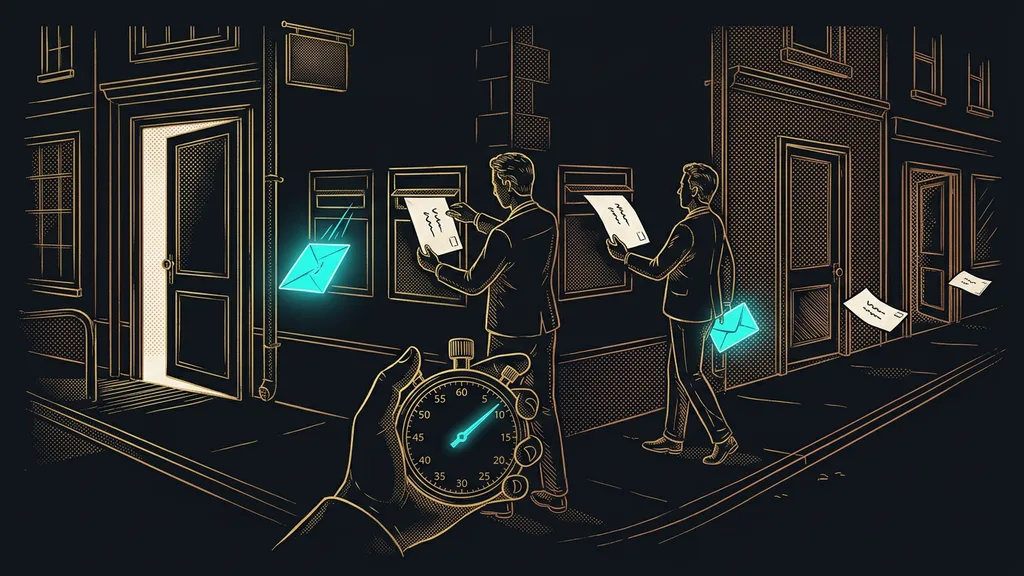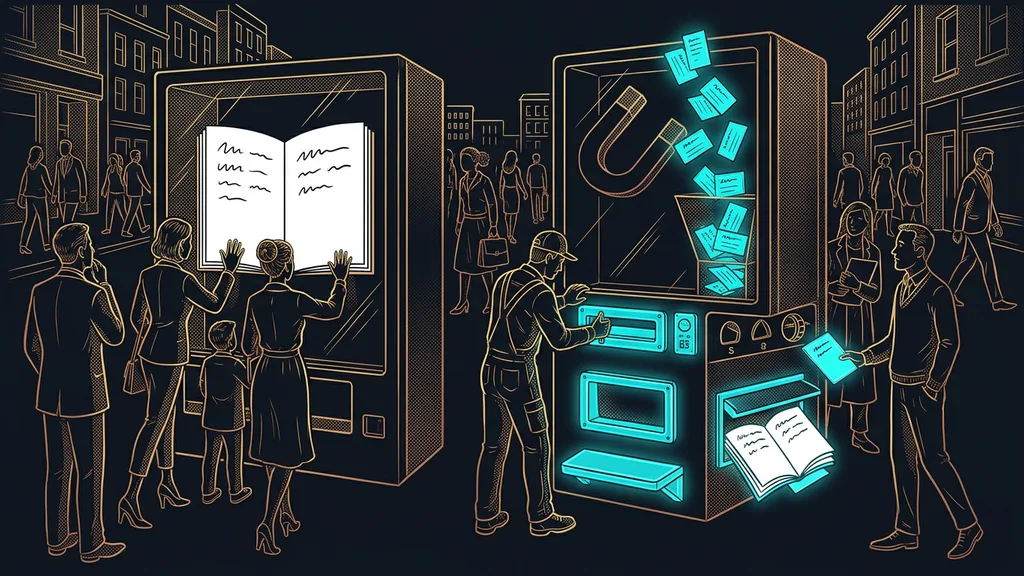
A lead magnet looks like an afternoon’s work. You write a useful PDF, put it on your website, and people leave their email for it. But between the idea and a working page stand five different crafts: the content, the layout, the download page, the form, and the email that delivers the file.
I know this from my own work and from consultations. A business has finished text, sometimes even nicely laid out, and it’s been sitting on a drive for three months. The last mile is missing: a place where someone can download it, and a message that sends it to them.
Lead magnets die on the last mile, not on the content
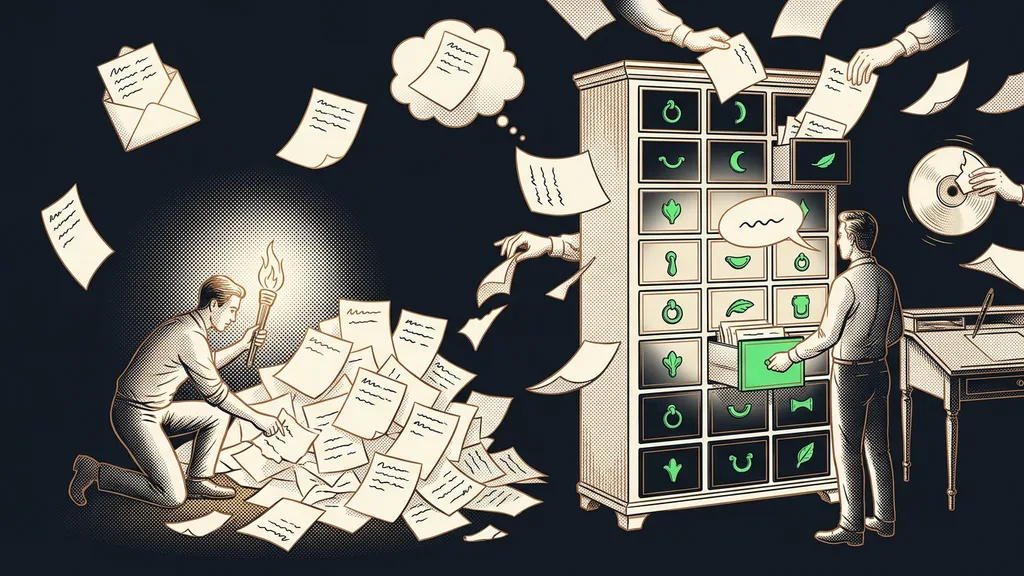
The content is usually the best part of the whole package. A business knows what it’s good at, and writing a few pages about it is no trouble. It gets stuck on things that have nothing to do with its field: layout, the page, the form, the automated email, recording the contact in the system. Five small things, each taking an hour or two. Together, though, they reliably fill a whole forgotten month, because none of them is urgent and each one waits for the one before it.
Lead magnet
Something useful you give away for free in exchange for contact details: a guide, a checklist, a template, a calculator, or a short quiz. What it sells is a reason to give you an email address, not your service. It only works when it solves one specific problem all the way. Nobody downloads general chatter about your field, and above all, nobody reads it.
A half-finished lead magnet brings zero results, not half, because nobody ever gets to it.
Choose the format before the text
The first decision is what you’ll actually make; what you’ll write comes after. The format determines how much work it will cost you and whether anyone will download it at all.
A checklist fits where someone needs to make sure nothing gets missed. A template, where they’d otherwise start from a blank page. A calculator, where they’re burning to know a number they can’t work out themselves. When you’re not sure, the shortest thing that fully solves one problem almost always wins.
Longer doesn’t mean better, either. A thick e-book looks generous, but finishing it is extra work. A two-page checklist gets printed out and used the same day.
The second decision is the promise you put in the title. It has to say what exactly the reader will be able to do afterward, not roughly what it’s about. Nobody downloads a guide to online marketing. Ten ready-made sentences for answering an inquiry within a minute, on the other hand, get downloaded.
The package is done only when everything around it works too
A finished lead magnet is more than two pages in a PDF. It’s five things that have to work in sequence, or the contact never gets recorded anywhere:
- a document that clearly comes from your business,
- a page where it can be downloaded,
- a form that records the contact on its own,
- a thank-you page that says what happens next,
- an email with the link that arrives within a minute.
Today, each of these steps can come together at the same time as the others. The document gets laid out in your own branding instead of someone else’s template, the page and form get built as one unit, and the reply goes out on its own, even on a Sunday evening.
Then there’s a sixth thing almost nobody talks about. The contact has to land somewhere and carry information about what they actually downloaded. If every magnet adds its own tag, after a month you’ll see which topic interests people most. It’s free market research you’d otherwise pay for and wait weeks to get.
Funnel
The sequence of pages and messages a person goes through from the first click to a decision. For a lead magnet, it’s usually three steps: the page with the promise, the thank-you page, and the email with the link. Every step that’s missing or doesn’t fire costs you some of the people who were already interested in you.
One-minute self-test
Take the last thing you wanted to offer for free. Is there a page for it today that you could send someone a link to? And if someone filled in the form on a Sunday evening, would they get the file automatically? Wherever you answer no, that’s where your magnet got stuck.
A quiz instead of a PDF, when you want to know who you’re talking to
Sometimes it’s better to build a short questionnaire instead of a document. You get the contact plus an answer to a question you’d otherwise only get to at the first meeting. And the person leaves with a result that’s about them specifically, rather than the feeling of having filled out a form.
A quiz has one advantage over a PDF. Everyone takes away something different, because the result is built from their own answers. So an online store owner gets a different conclusion than an instructor with online courses. And you know which group that person belongs to before you even write to them.
At the same time, a quiz takes more work. It pays off where your prospects differ in meaningful ways and where you work with each group differently. It also helps that you don’t have to copy the answers over by hand, and that with a link you send out, you can tell who clicked it.
When a lead magnet isn’t worth it
For some businesses, it brings nothing at all. If you sell one thing to one type of customer and your calendar is full six months ahead, you don’t need another email list. Your problem is turning down work you don’t have time for, not getting attention.
Likewise, there’s no point building a magnet if you have nothing to send afterward. A collected contact without a follow-up message is a row in a spreadsheet that goes cold within a year. It pays off where people find you before they’re ready to buy.
The whole system in a nutshell
- Pick the format based on the one problem you want to solve completely.
- Write the content so it can be used the same day.
- Have the document laid out in your own branding, not someone else’s template.
- Build the page, the form, and the thank-you page as one unit.
- Make sure the email with the link goes out on its own and the contact gets recorded automatically.
- Only then send the first people to that page.
Let’s go back to that text that’s been sitting on a drive for three months. It’s unfinished because nobody ever scheduled that last hour of work, not because it’s bad. The test of a good lead magnet is whether it works on a Sunday evening without you, not how cleverly it’s written.