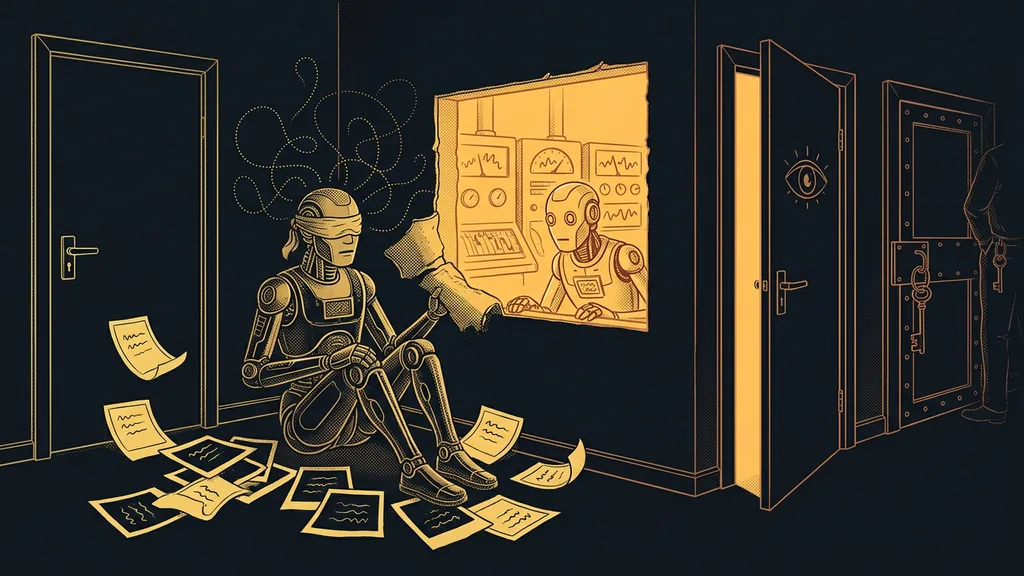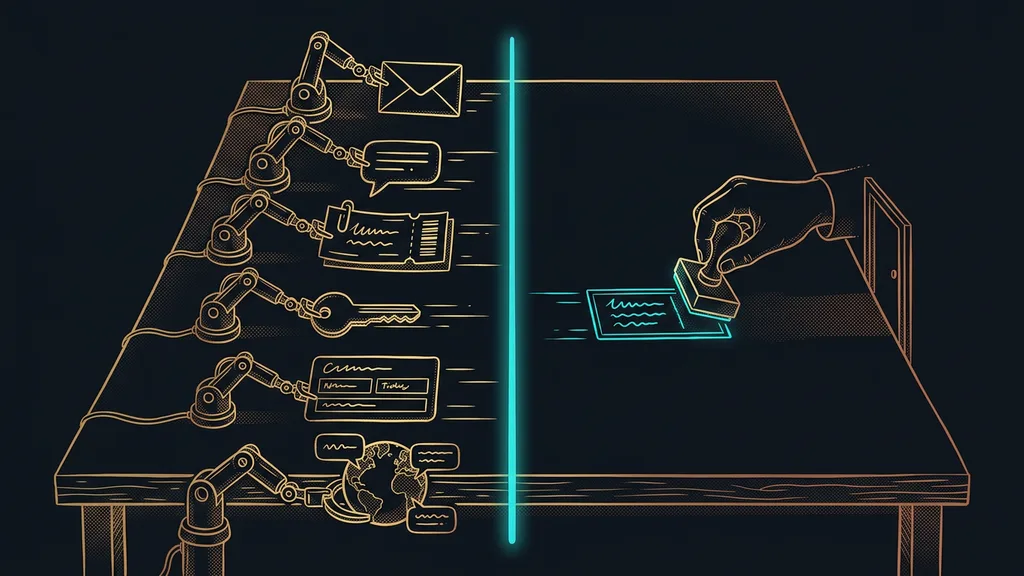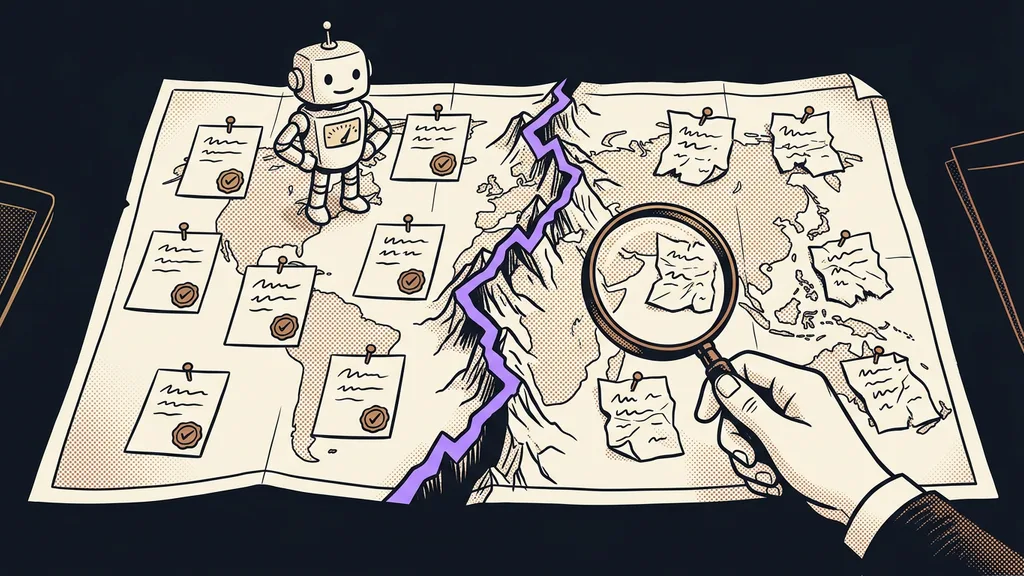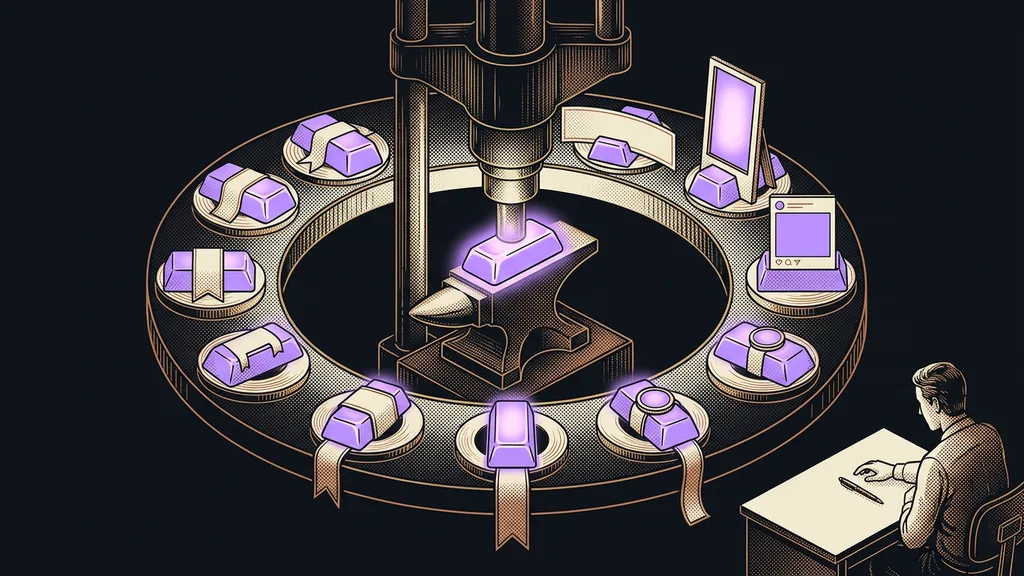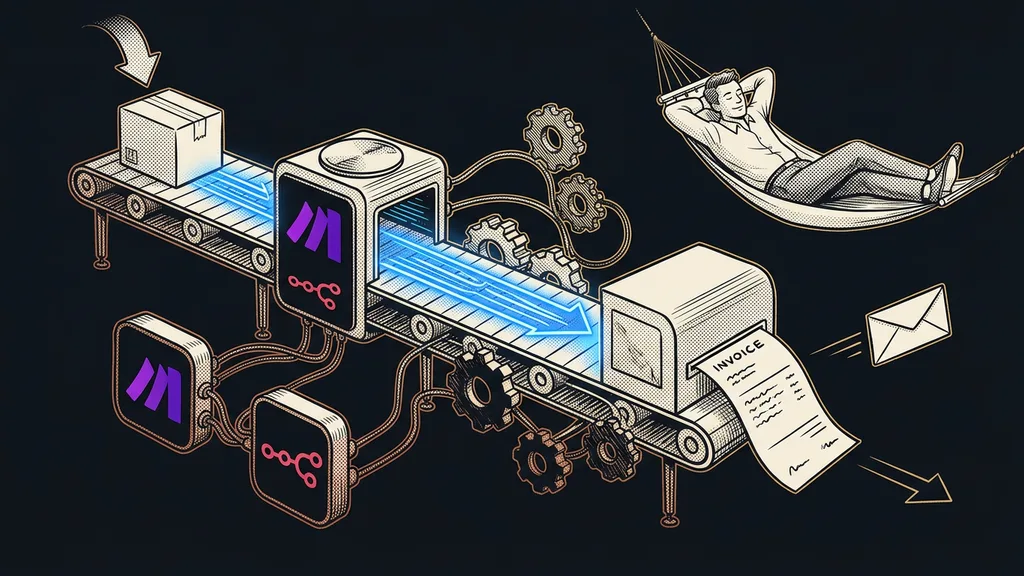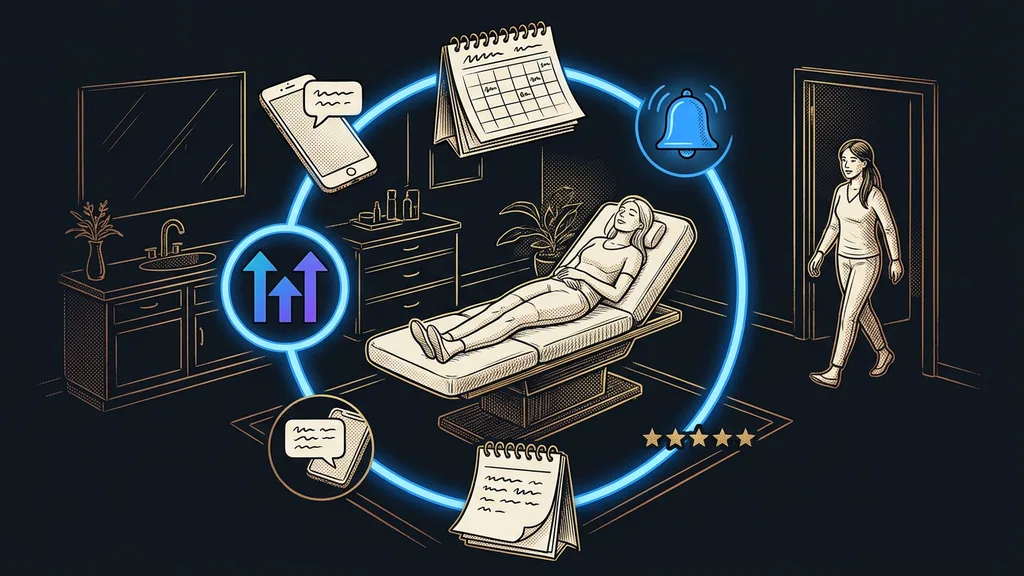
AI answers in a few seconds. Trusting that answer is much harder. Most people don’t fully trust the robot, so before they pass its output on, they read it over themselves, line by line, number by number. The speed that was supposed to save time dissolves into manual checking.
That’s exactly where I was for a long time. AI wrote copy for me, pulled data, and prepared documents, and I stood behind it like a proofreader with a red pen always at the ready. I was afraid to send anything I hadn’t gone over one more time myself.
Everyone makes mistakes. What matters is who catches them first
Everyone makes mistakes: people, robots, anyone. What matters is who catches the mistake before the result goes out. People keep saying that AI “hallucinates” or makes things up. That’s true, but only half true: with a typical task, you’re the one who catches the error.
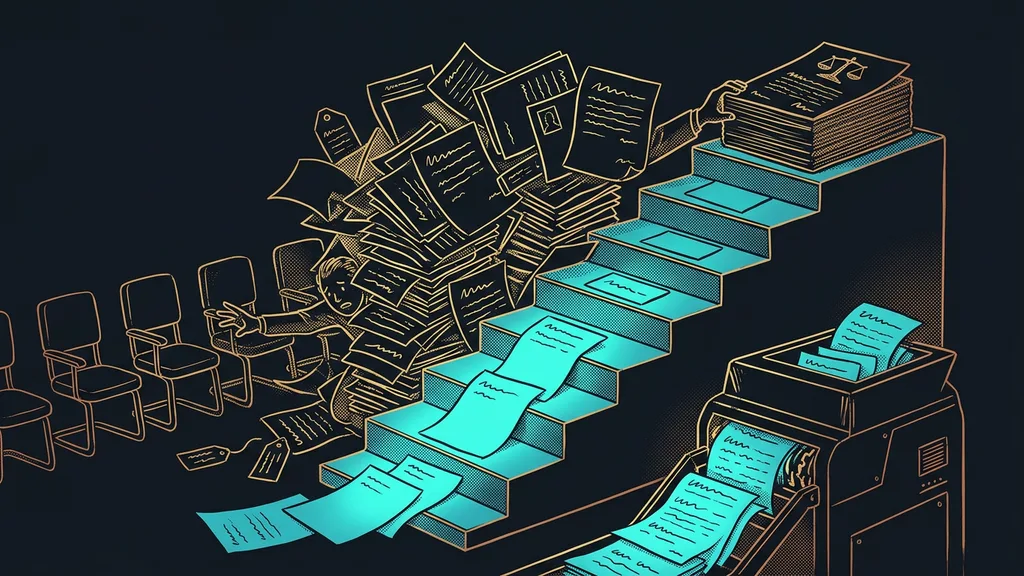
AI hands over a first draft, goes contentedly quiet, and the last line of review is you again. Responsibility for quality hasn’t moved an inch. You got a faster assistant, but its work still isn’t finished.
And that costs you. You won’t see it on an invoice. You pay in hours of your week and in a quiet tension that keeps adding up. Ten minutes here, twenty there, for every single output.
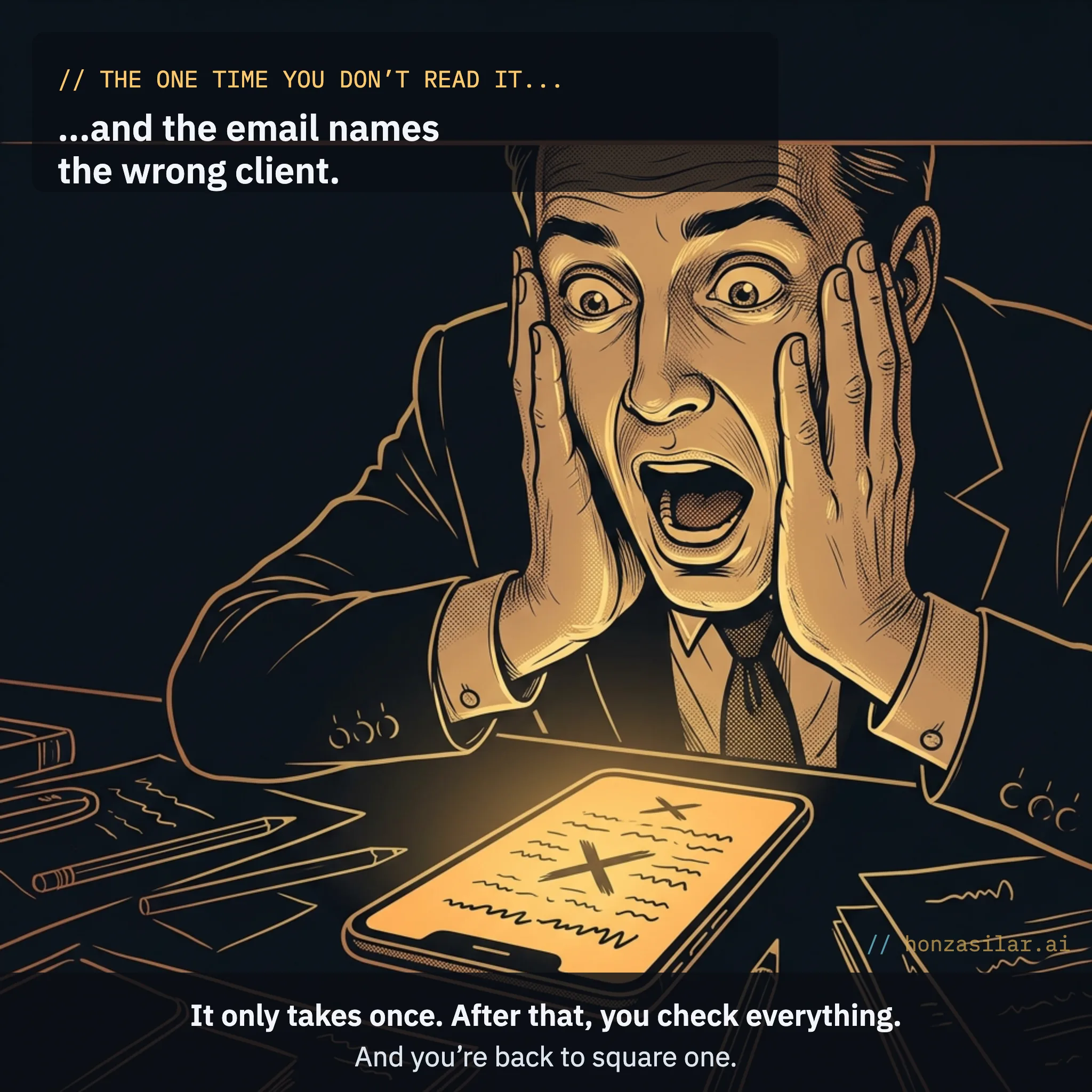
The worst moment is the one time you don’t read it, because you’re in a hurry, because you wanted to trust it, and the mistake gets out.
One-minute self-test
Take the last five things AI prepared for you. How many of them made you reach for the red pen and read them a second time after the robot? That number is the hidden tax you pay on the speed AI promised you, and it’s exactly the tax you can get back.
Fast AI that you have to re-check from top to bottom doesn’t save any time. It’s just a quicker way to make more work for yourself.
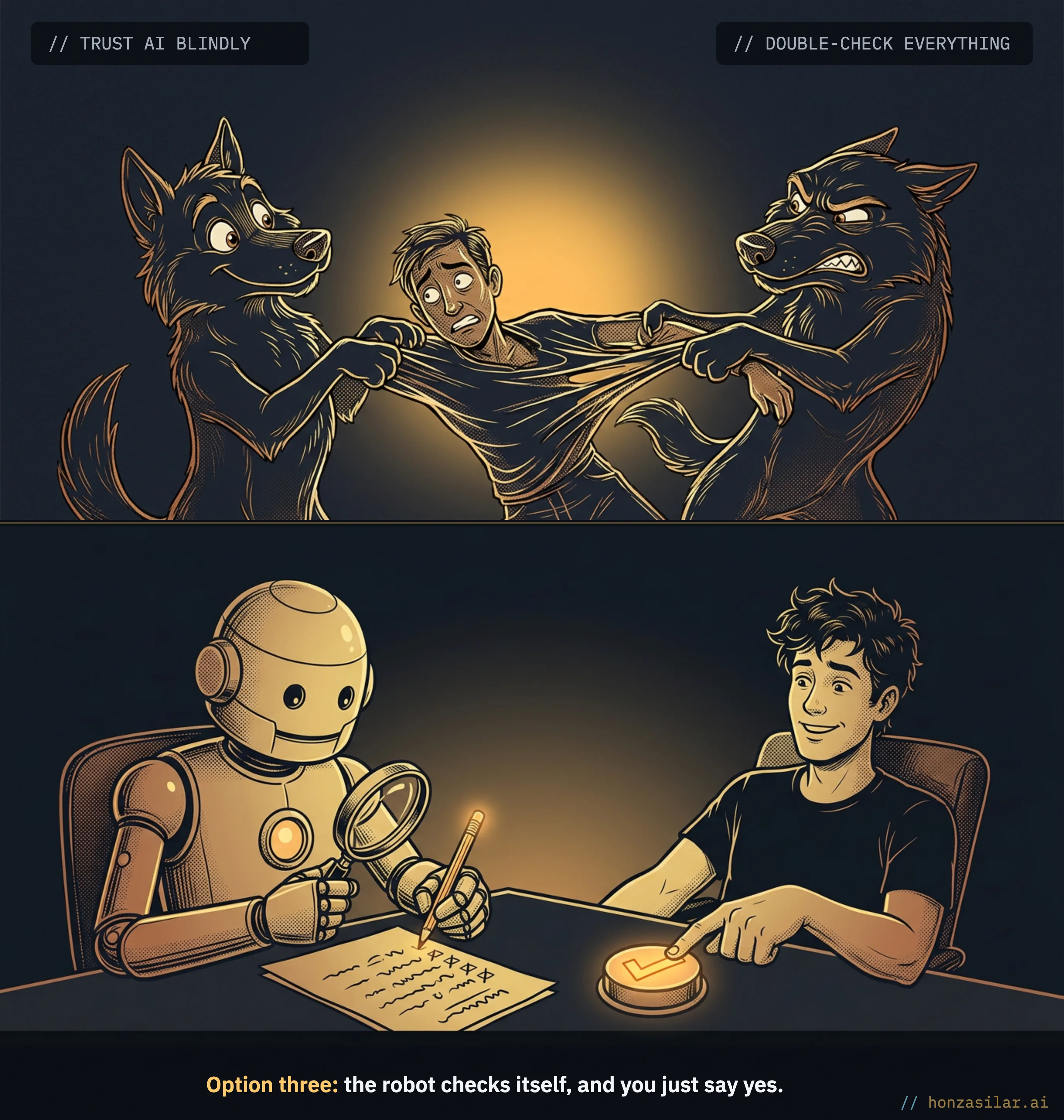
How the robot keeps itself honest
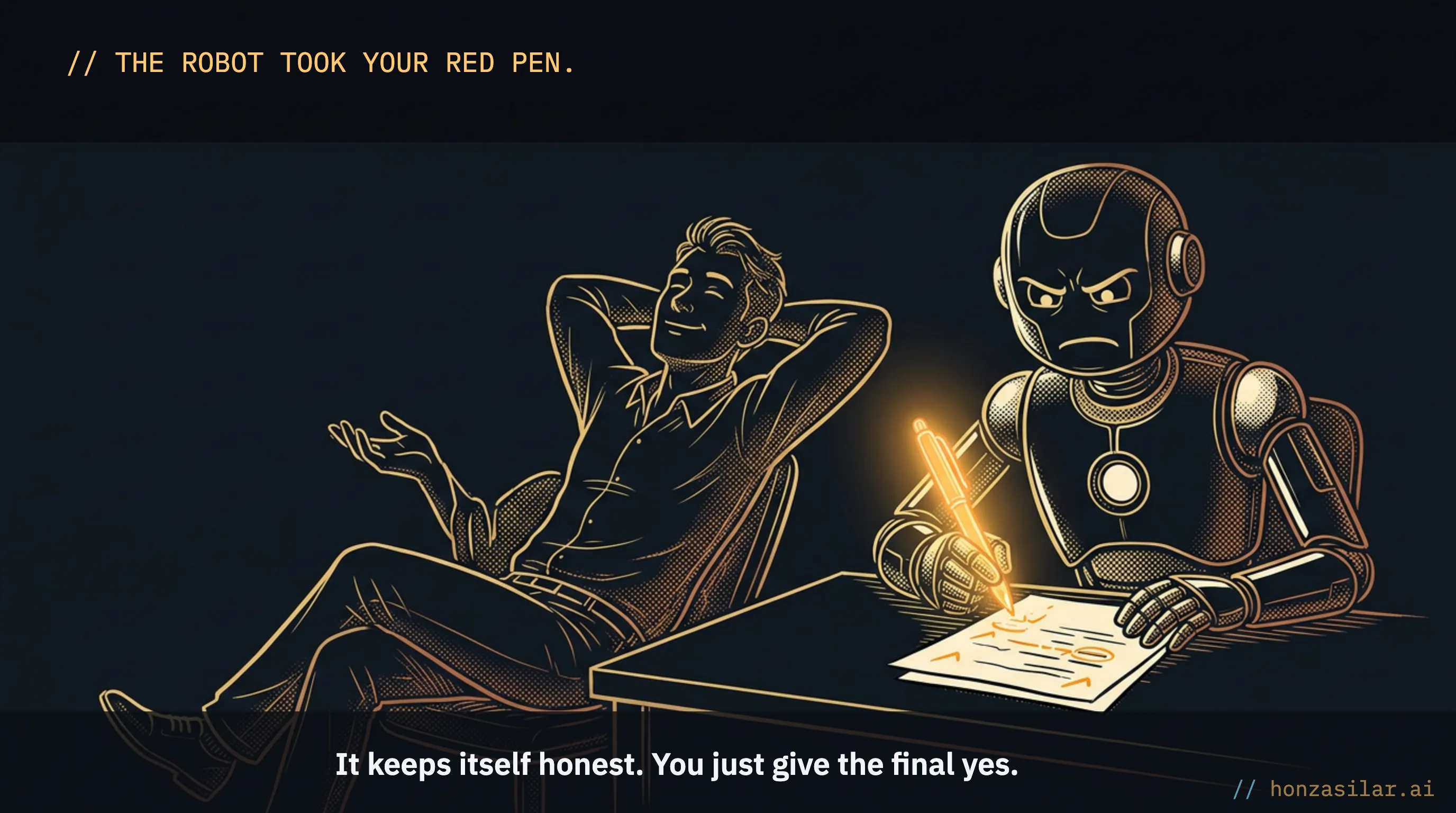
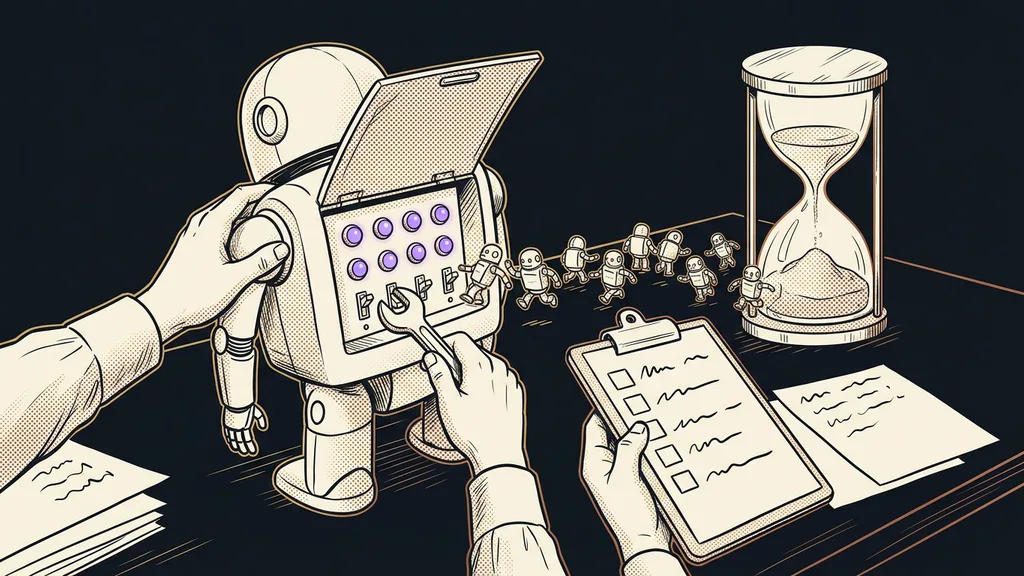
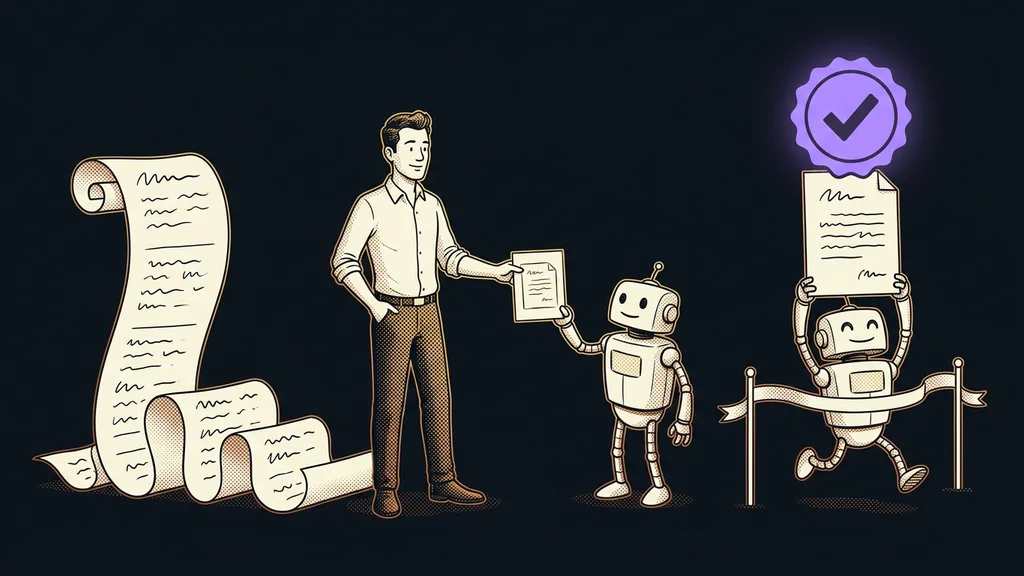
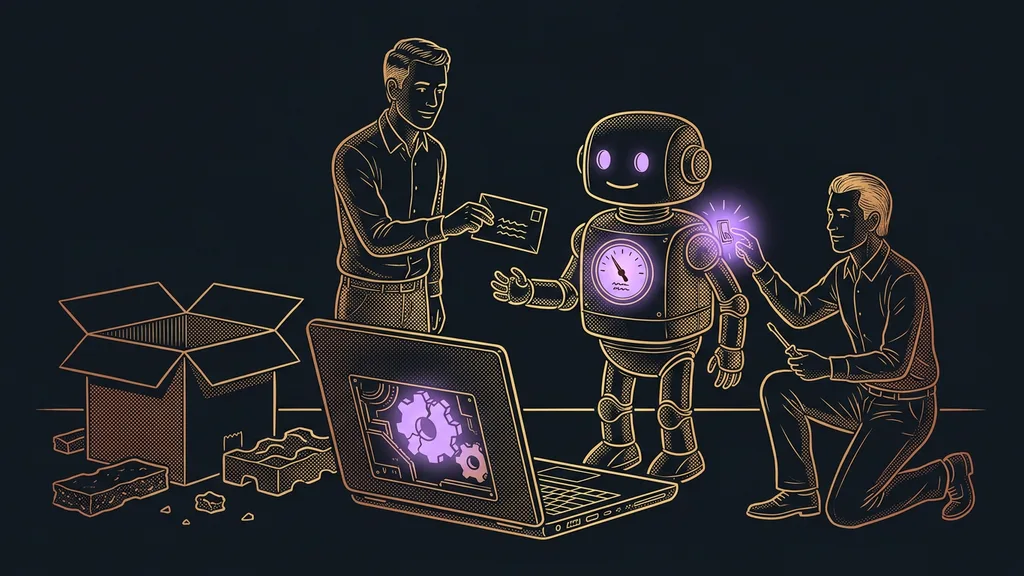
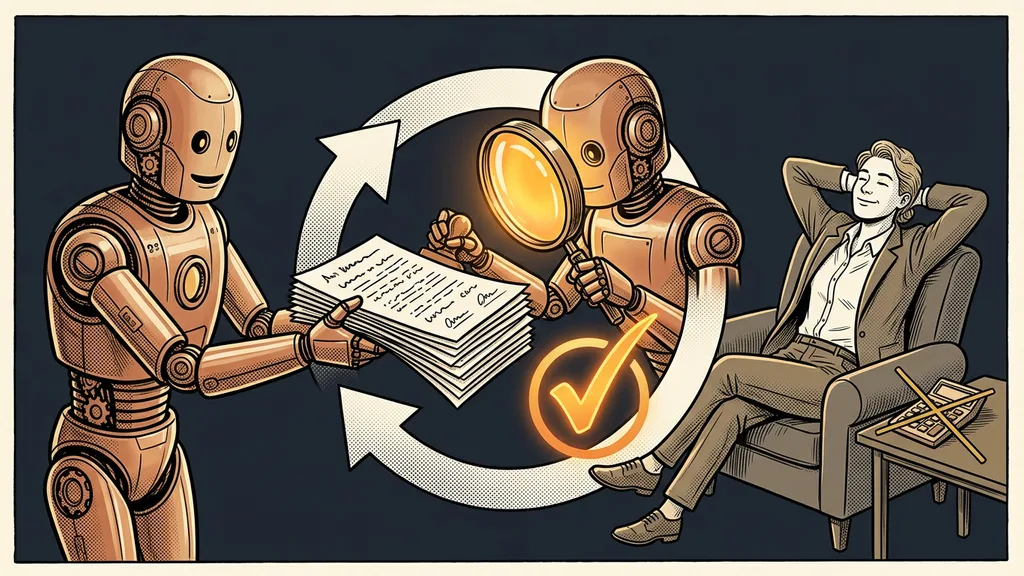
So I tried flipping it around. I handed the checking I’d been doing after the robot back to the robot itself. Not as blind trust, but as a rule I can teach it: nothing is done after the first attempt. AI self-checking means the robot goes through its result a second time, as if someone else had written it, and finds on its own what doesn’t add up.
Second pass
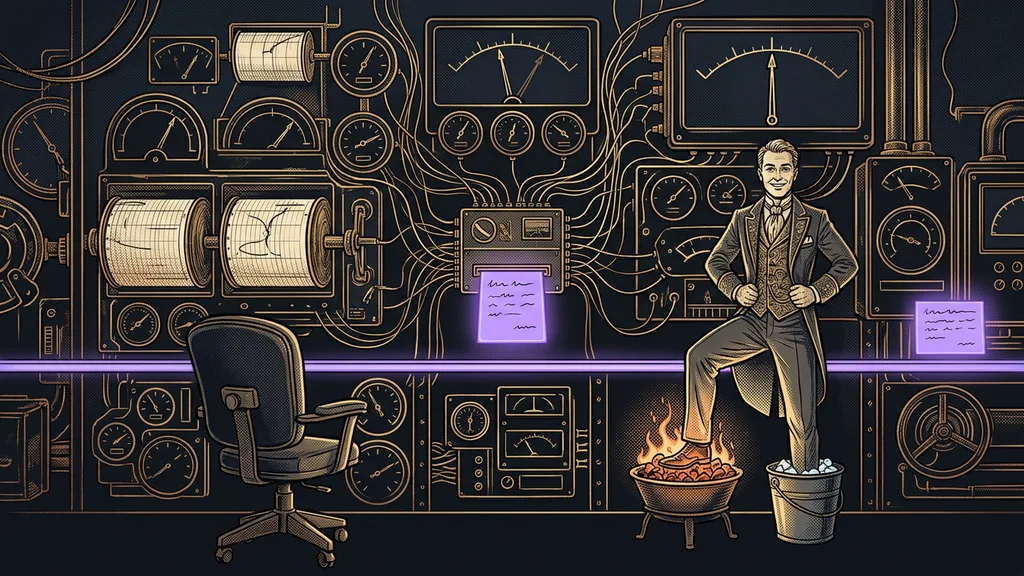
The robot goes back to its finished result and reads it once more, not to admire it, but to pick it apart. The first pass creates the result. The second treats it as someone else’s work and looks for weak spots. It’s the same with people: what you reread after stepping away, you read more strictly than while you’re still writing it.
Self-checking rests on three steps.
Three steps the robot uses to keep itself honest
- Distance. It comes back to its result like an outsider and asks “Will this hold up?” instead of “I like it.”
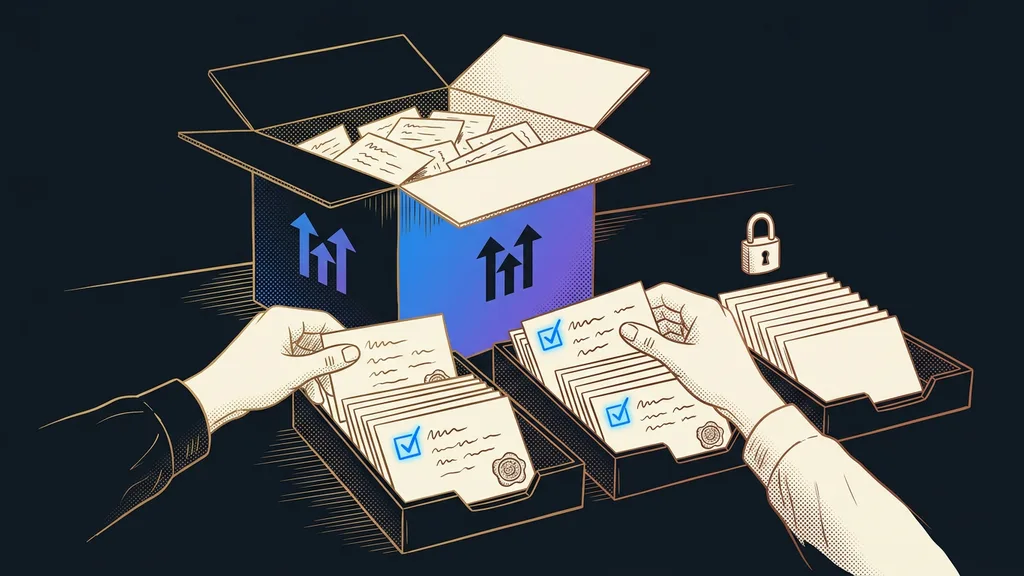
- Item by item. It doesn’t check by gut feeling. It takes the result piece by piece and verifies every number against the source.
- A critic, not the creator. Whoever checks can’t look through the same glasses as whoever wrote it, or they’ll just nod the work through.
Source of truth
The fixed point a check leans on: source documents, numbers, facts, the brief. The robot can only compare its result against something set in stone. The clearer its source of truth, the more mistakes it catches on its own. Where there’s no such point, as with a purely subjective “like it or not,” self-checking has nothing to compare against.
You’re no longer the last filter
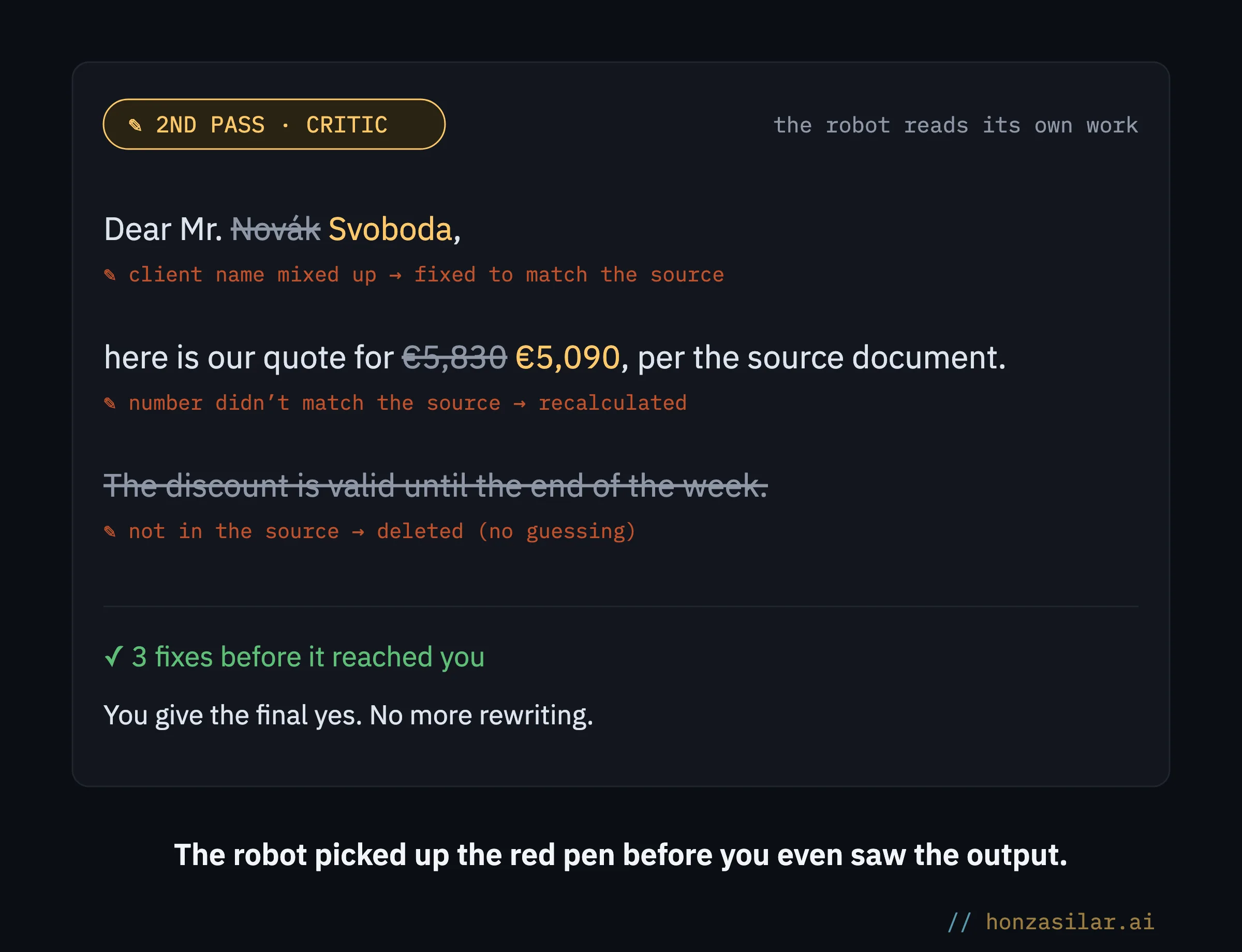
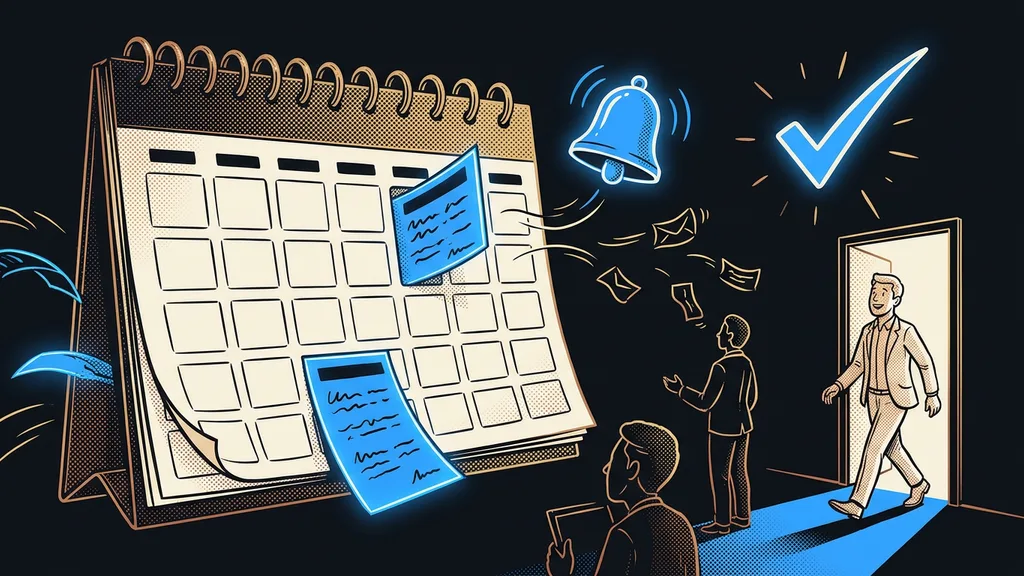
This is the real shift. Until now, you stood at the end of every output as the last filter. Now the robot stands guard over its own work, and what reaches you is a version that has been through several rounds of self-checking. Not the first thing the robot came up with. The polished one.
Who’s the last filter: before and now
Before
AI hands over a first draft and goes contentedly quiet.
You stand at the end like a proofreader with a red pen.
You reread it line by line, number by number.
Now
“Only the polished version reaches you.”
The robot reviews its result like someone else’s work and fixes it.
You just give the final yes.
And no, the robot doesn’t nod things through just to keep the peace. It keeps fixing the result until it’s actually right, not just until it looks finished. Your time moves where it belongs: to decisions, not to fixing someone else’s mistakes. And it doesn’t matter whether the robot is checking an article, a spreadsheet, or a price quote for a client. The principle stays the same.
When not to trust the self-check
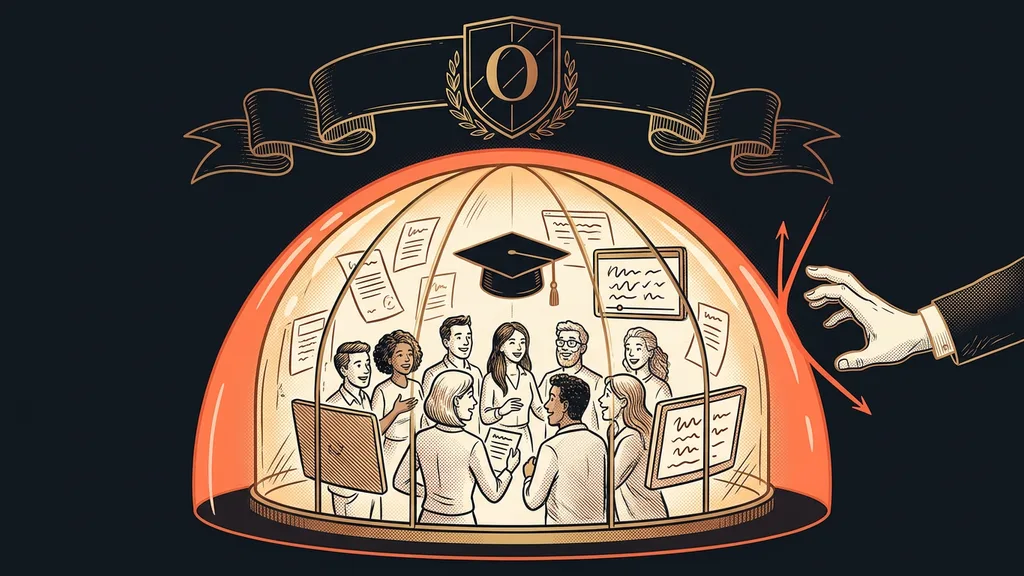
To be straight with you: for irreversible, expensive things like a contract, an invoice, or a mass email to thousands of people, you remain the last safeguard, and that’s how it should be. And where there’s no source of truth and it all comes down to taste, the robot has nothing to compare against, so a few things you’ll simply read yourself.
When to trust the self-check and when to read it yourself
| Type of output | Self-check |
|---|---|
| Numbers, facts, source documents | ✓ helps most here |
| Text with a clear source | ✓ has something to compare against |
| Contract, invoice | ✕ the final yes stays with you |
| Mass email to thousands | ✕ you’re the last safeguard |
| Taste, “like it or not” | ✕ no source of truth |
It’s the same safeguard as an invoicing setup that would rather ask than guess. And good automation stands or falls on exactly that: knowing when to stop.
Three myths about AI checking its own work
The whole thing in a nutshell
- The robot creates the result first: that’s the first pass.
- Then it picks the result up again and reads it as someone else’s work, not its own.
- It doesn’t check the overall impression. It goes item by item: does this number match the source, was this sentence in the source document?
- Whatever doesn’t add up, it fixes and goes through again until the result holds together.
- Only the polished version lands on your desk. You give the final yes.
The next time you give AI a task, you don’t have to reach for the red pen. The robot picked it up long before you did. And you finally get to read finished work as someone who just approves it, not as the one who rewrites it after the robot.