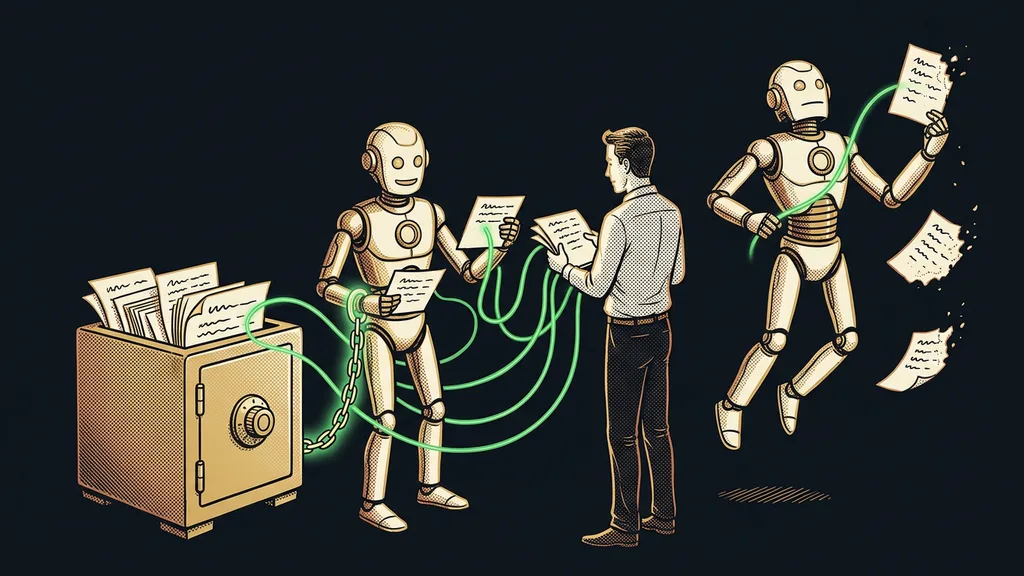
A tradesperson’s day doesn’t end when the tools go away. That’s when the second half starts: seven missed calls, three inquiries in your messages, and a quote you promised by Friday. Meanwhile, the customer is waiting and starting to wonder whether you even want the job. All that after a full, honest day of work.
The tradespeople I set up systems for keep telling me the same thing. The phone rings when their hands are in a half-finished bathroom, and there’s no way to pick up. In the evening, they sit down at a computer they only use for this and type out a quote with two fingers. Sometimes until eleven.
Jobs get lost at the desk at night, not on the roof
You know your trade. The trouble is the hours that tick by around it, away from the job. An inquiry comes in at ten in the morning, the reply goes out at nine at night, and by then the customer has booked someone else. Nobody cheated anybody. You just couldn’t get to the phone.
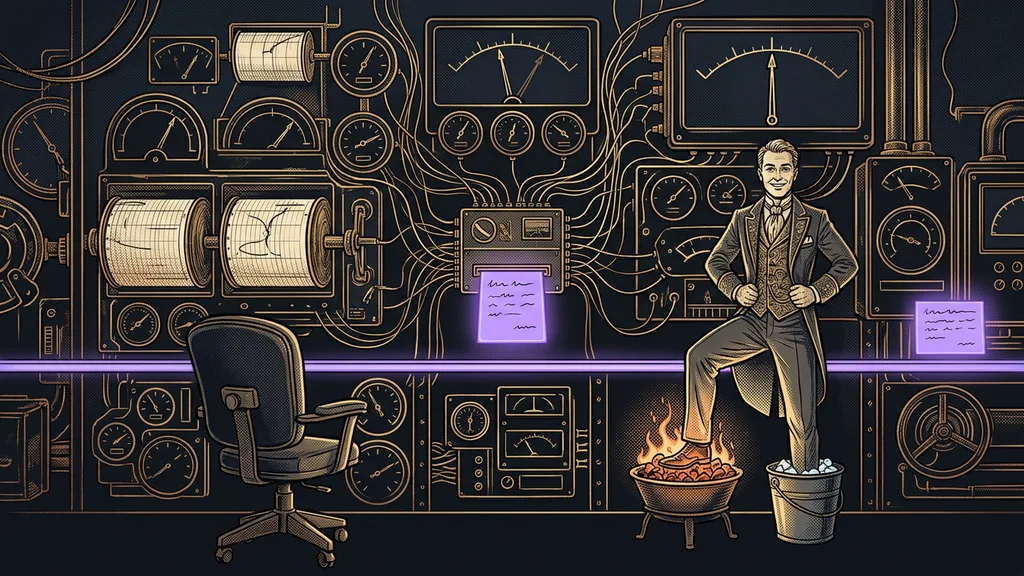
The second shift
The work waiting for a tradesperson once the tools are packed away: inquiries, quotes, scheduling, ordering materials, and invoices. Nobody orders it and nobody pays for it. Yet it decides how many jobs you’ll have next month. It gets done in the evening, tired, and most often gets pushed to tomorrow.
The costliest part of the second shift is how easily it gets put off, even more than the hours it takes. A quote that should have gone out on Tuesday goes out on Friday, and by then the customer has booked someone else. You lost that job because you had no energy left for it that evening, and the price never even came into it.
Being better at your trade than the competition wins you jobs. So does getting back to the customer before they do.
Inquiries that ask their own questions
The first thing to go from your evening is the back-and-forth. Customers almost never put what you need to know into their inquiry. They write “my faucet’s dripping,” and you call back with three questions.
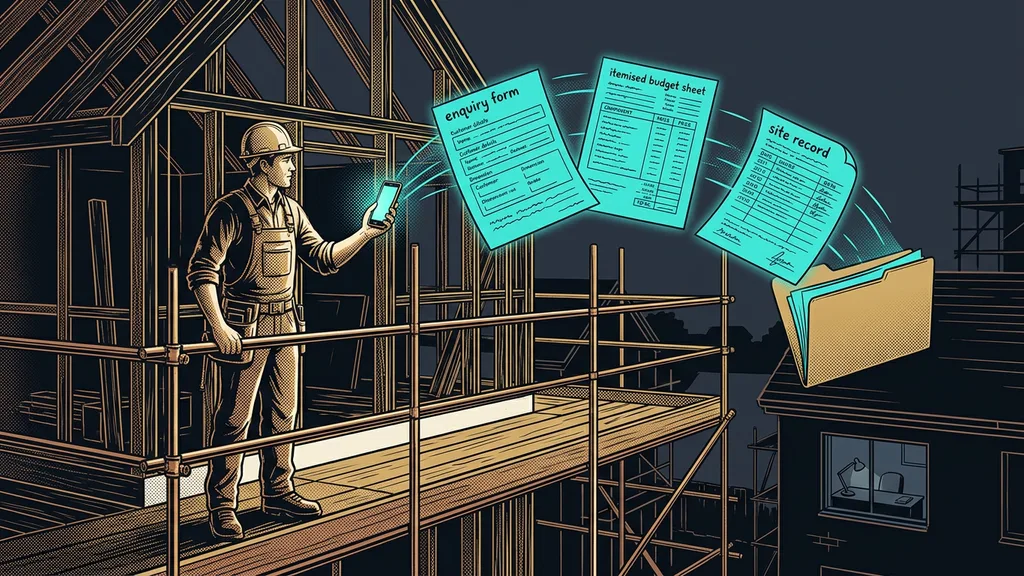
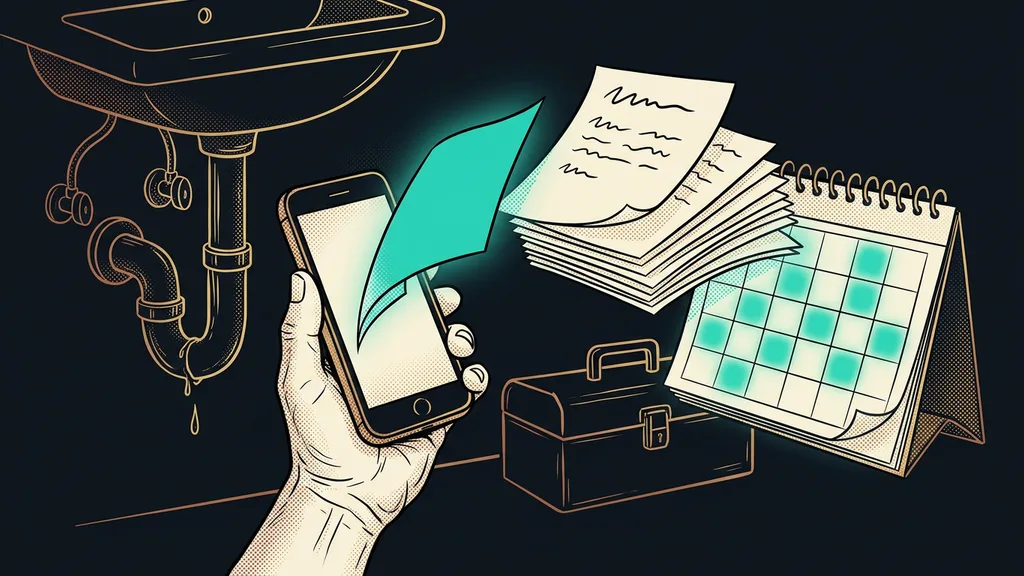
Instead, they get a short form that asks the follow-up questions itself and turns the answers into a brief right away. The customer attaches photos, describes the problem in their own words, and the system pulls out what matters: where it is, what kind of work it is, how old it is, and how urgent. If you can’t take a call on the job, a voice assistant picks it up, asks the same questions, and creates the inquiry for you.
Customers appreciate it. When someone asks right away which floor it’s on, what kind of boiler they have, and how old the pipes are, it comes across as being organized, not as an interrogation. And before you drive out, you have a picture that tells you whether the trip is even worth it.
A one-minute self-check
Take last week and count the evenings paperwork took from you. Then add the calls you returned just to ask one thing. Nobody pays for that number, and it’s time you could have spent at home.
A photo and a few sentences become a draft quote
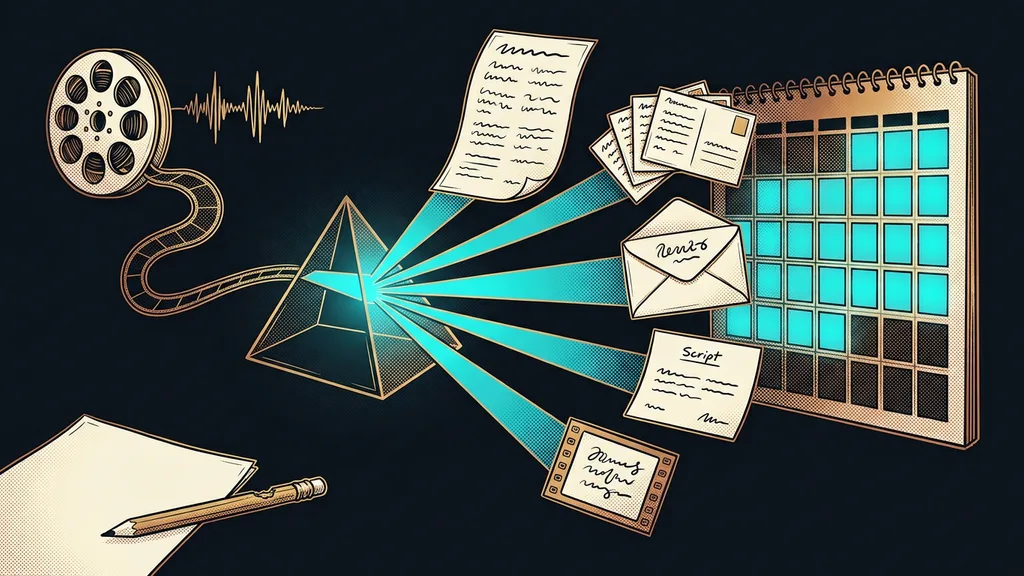
A photo doesn’t replace measuring on site, but it can make sure you only drive out where it makes sense. Photos and a description turn into a draft quote: a list of the usual line items, the questions you need to ask, and flags for anything a photo can’t show.
You fill in the prices, materials, and hours. Nobody else knows them, and no system will guess them. The rest, that hour of formatting and retyping, goes away. At the end, you get a quote that looks like it came from a design studio, even though you started it from your car.
And the driver’s seat really is enough. Dictating a few sentences is faster than typing, and with mortar on your hands you can’t type anyway. On the way back from a job, you say what you saw and what the work will involve. Then you just read the text and send it.
Appointments without five phone calls
Scheduling is the second place where an inquiry falls apart. Three messages out, two back, and in the meantime the customer has found someone else. Yet picking a time is something customers can handle on their own.
They get a link to your open slots and book a time right away. The calendar makes sure your site visits don’t overlap and leaves room between them for driving and picking up materials. The customer gets a reminder the day before, so you end up standing in front of a locked house less often.
Scheduled routine
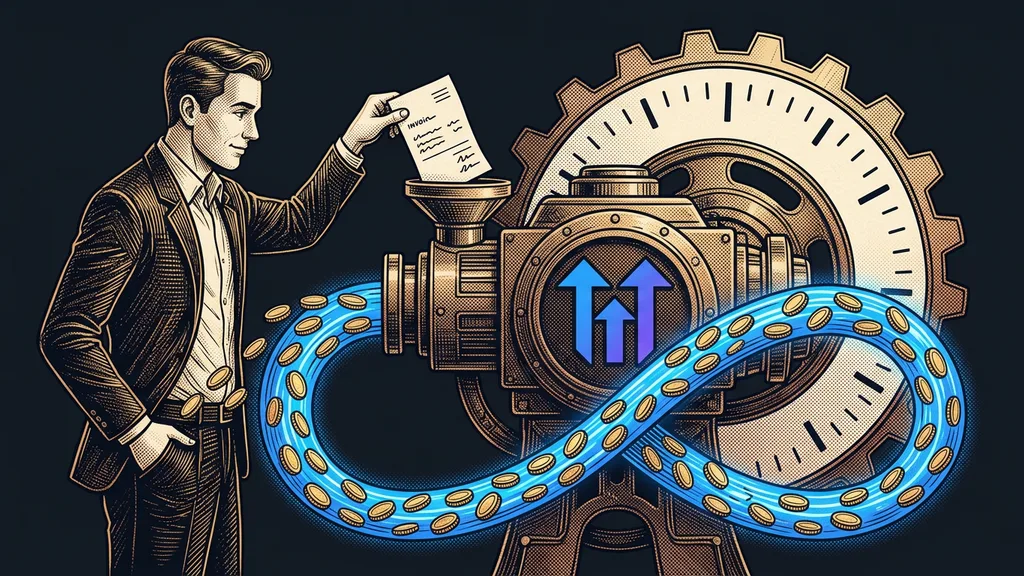
A task that runs on its own at a set time, without anyone having to remember it. For a tradesperson, that’s usually the annual service visit, an inspection, or a check after the warranty ends. The system remembers the date for you and gets in touch with the customer at the right moment, so the job gets booked without a single phone call.
Annual servicing and inspections are the cheapest jobs you’ll ever land. You know the customer, you know the way there, and nobody haggles over the price. The only thing that reliably sank them before was forgetting.
When this isn’t worth it in the trades
For some people it isn’t worth it. If you get two big jobs a year and your work comes through people you know, setting up a system will just slow you down. It also doesn’t pay off where every job is a one-off and a quote makes no sense without seeing the place in person.
Some people simply want to talk to every customer in person, and that’s a legitimate choice. It starts to make sense once more inquiries come in than you can call back and quotes pile up for the evening. Which is exactly when you start turning down work you’d otherwise take.
The whole system in a nutshell
- Inquiries from your form, your website, and missed calls all land in one place.
- The system asks for the essentials on its own, so you don’t call back over three questions.
- Photos and a description become a draft quote, and you fill in the prices and hours.
- The customer picks a time from your open slots and gets a reminder the day before.
- Annual servicing and inspections come up on their own, without a single phone call.
That evening at the computer, typing a quote with two fingers, won’t disappear completely, and it isn’t supposed to. Deciding on the price, the date, and whether to take the job at all stays with you. What goes away is retyping what you’ve already said out loud once.