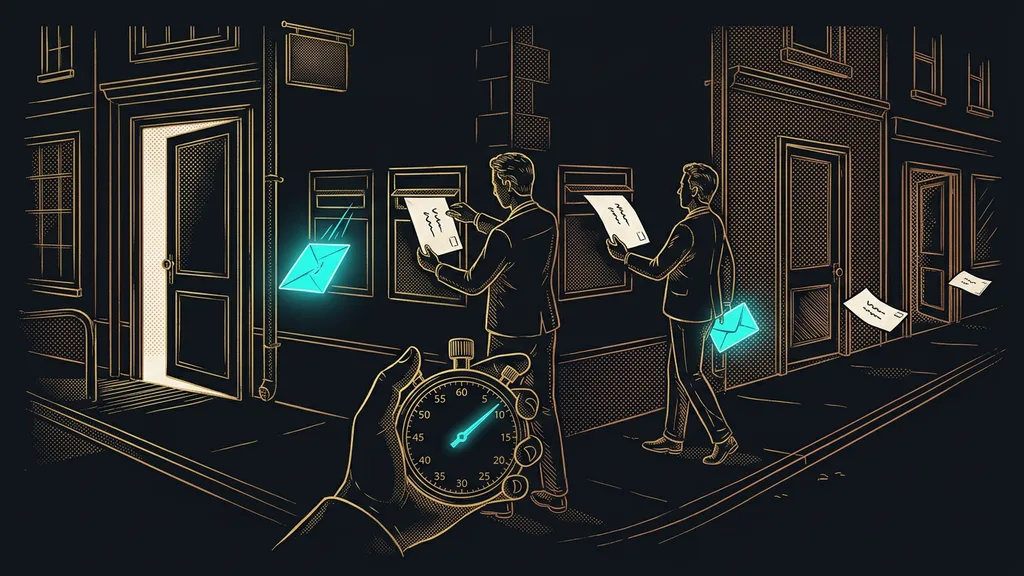
A job is often decided before you even meet. A prospect writes to three companies at once and waits to see who replies. Not because they’re impatient. They just have that task open right now and want it off their plate. And the first reply to arrive gets their full attention.
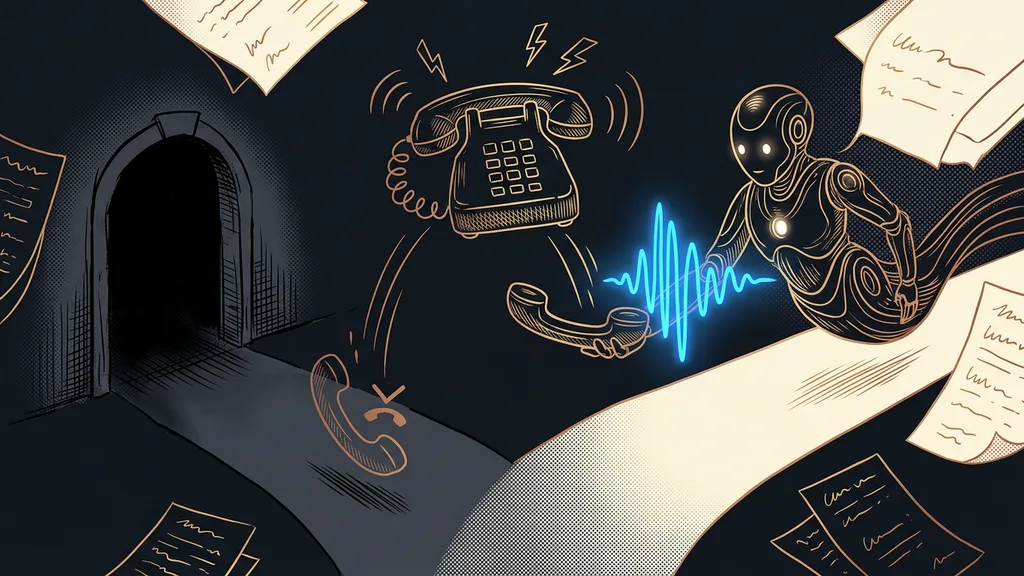
That’s how I worked for years. An inquiry landed in my inbox, I was on a call, and I replied in the evening. Politely, in detail, with a price. And then silence. For a long time, I thought I was too expensive. Until one day I asked directly and found out the person had signed elsewhere two days earlier.
Prospects don’t wait, because they’re writing to others too
A prospect who submits a form isn’t sitting by the phone waiting for you. In the same half hour, they’ve written to two or three other companies. So the offer that wins is the one that arrives while the person still has the topic open, and that isn’t necessarily the better one.
First response time
The time between the moment an inquiry is sent and the first reply the prospect receives. It’s measured from when the person sent the message, not from when you read it. It’s the only figure about your sales process that the customer measures too, even without thinking about it.
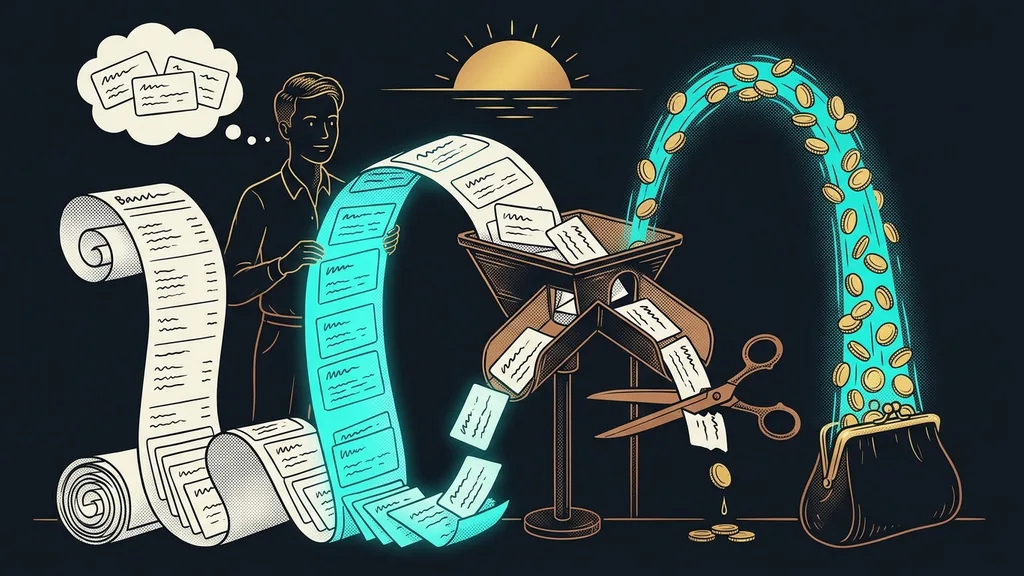
The worst part is that you’ll never see this loss anywhere. A prospect who has found another company in the meantime won’t write to tell you they’re leaving. They just stop replying, and you put it down to price or assume they weren’t serious. And a lost inquiry doesn’t get recorded anywhere, so you can live with that comfortable impression for years.
The most expensive inquiry isn’t the one that says no. It’s the one that never gets back to you, because your reply came after someone else’s.
I didn’t get the five-minute limit from a study
Five minutes is a working rule, not a measured threshold. I based it on what the person on the other side does rather than on a number from a survey. And it comes down to one thing: how long they still have the inquiry they sent on their mind.
A few minutes after submitting a form, most people still have your page open and a half-written message to someone else. A reply that arrives now gets read right away. One that arrives tomorrow gets opened with two other offers already in hand and a decision half made.
Three conditions you can’t do it without
A reply within five minutes comes down to preparation rather than discipline. Three things have to be true at once, and if any one of them is missing, the whole effect is gone.
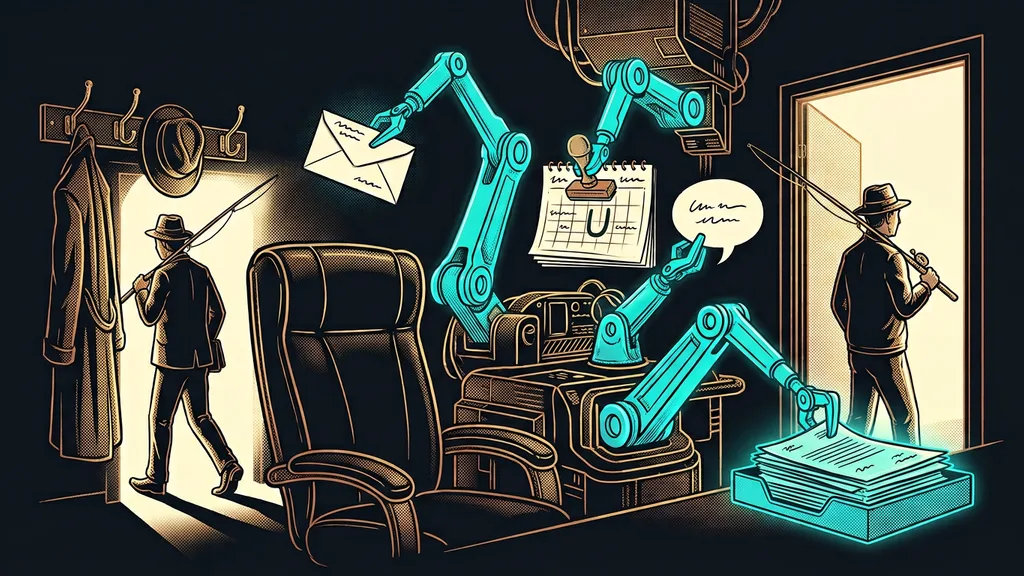
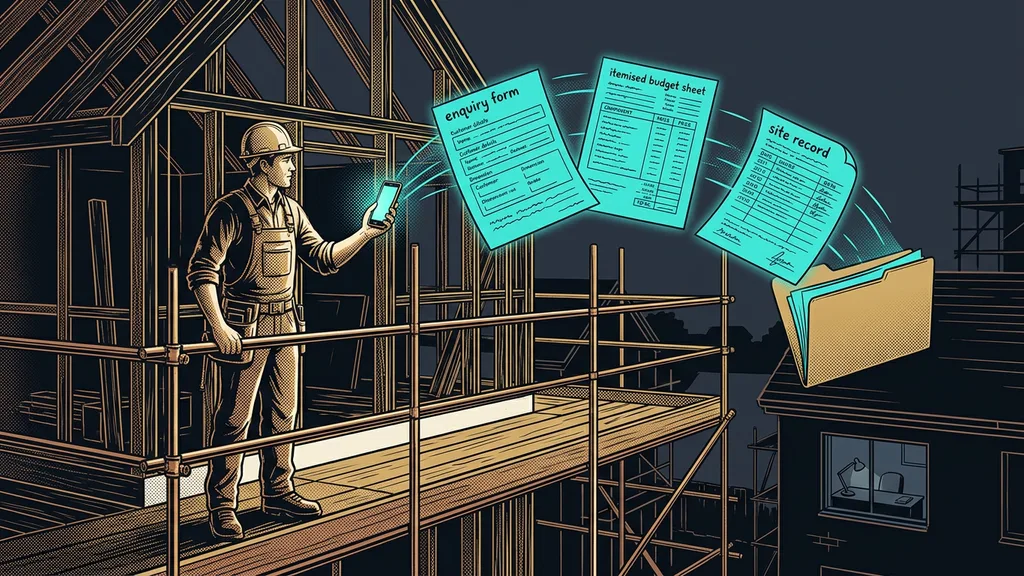
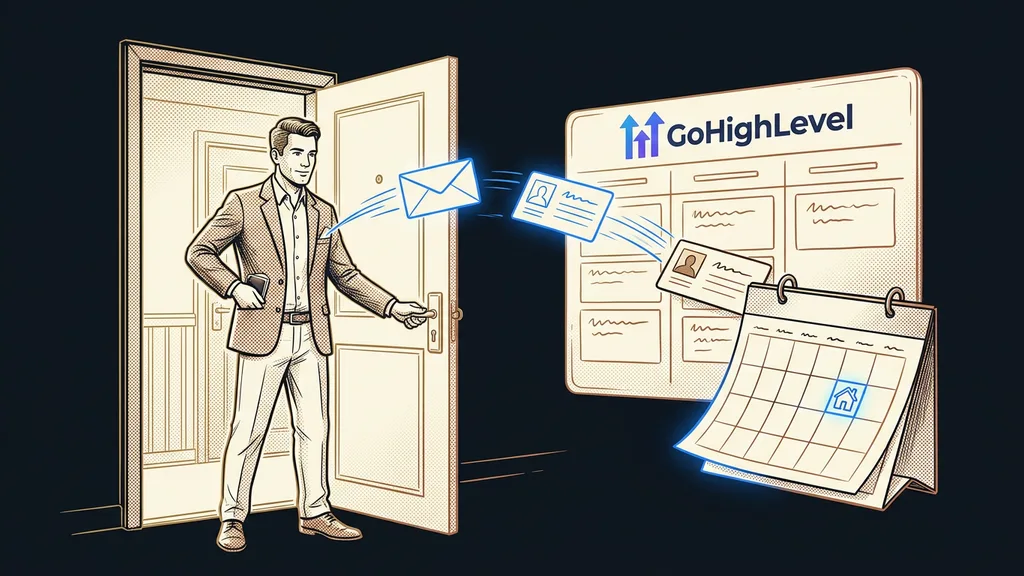
First, inquiries have to flow into one place. A form connected straight to your system creates the contact on its own, and the job shows up as a card in your pipeline of open deals. As long as inquiries end up only in your inbox, someone has to pull them out by hand. Today, even that can be handled by an assistant right in your email, so the message doesn’t sit waiting for someone to get to it.
Second, the first reply has to be ready in advance. Nobody can write it by hand in five minutes, and nobody should have to write it from scratch every time. You write it properly once, proofread it, and from then on it goes out by itself. The only things that change are the name and whatever the person filled in on the form.
Automatic first reply
A message that goes out with no human involvement right after a form is submitted. Most businesses put “thanks, we’ll be in touch” in it. It only becomes useful once it actually says something: a price range, how the work will go, when a real person will get in touch, and what the prospect should prepare in the meantime.
Third, it has to be obvious what comes next. The strongest first reply ends with a concrete step: a link to open slots in your calendar. The prospect picks one, and the meeting is booked before your phone would even have rung.
One-minute self-test
Fill in the form on your own website from your phone and start a stopwatch. When did the first reply arrive, and what did it say? If you got “thanks, we’ll get back to you as soon as possible,” that’s exactly the kind of inquiry that’s easiest to lose.
What changes and what doesn’t
A fast reply brings you more deals from the same number of inquiries, not more inquiries, because fewer of them fizzle out along the way. And you’ve already paid for each of them once, with ads, content, or your own time.
Something less obvious changes too. Whoever replies first usually sets the criteria for the decision. The other offers then get compared with yours. And you stop taking home that evening feeling that something is sitting in your inbox and going cold.
On the channels where people actually message you, you can also handle this by having an assistant prepare a draft reply that you just approve with a click. The system handles the first five minutes, and you keep the final say. And nobody has to watch the inbox anymore to get the reply out in time.
Who doesn’t need to reply in five minutes
So who isn’t it worth it for? If you take on two jobs a month through referrals and get no new people from the internet, you’ll gain almost nothing from speed. Your business rests on who recommended you to whom, and a few hours make no difference there.
It also doesn’t pay off if you’d trade substance for speed. An empty reply within a minute makes a worse impression than a thorough one within an hour. If you have nothing to say, the five minutes will only earn you a reputation as a company that answers with canned lines.
The whole system in a nutshell
- Inquiries from your website and messages land in one place and create a contact automatically.
- Within five minutes, a first reply goes out that says something about the price and the next steps.
- That reply ends with a concrete step, most often a link to open slots.
- A follow-up task pops up for you, and the deal stays in the pipeline until it moves.
- Nothing important goes out without you. The system covers the first minutes; you handle the rest.
The offer I sent that evening wasn’t too expensive, and it wasn’t bad either. It just arrived after the decision had already been made. Speed doesn’t replace quality here; it just gives quality a chance to be noticed at all. And these days, the first five minutes are work nobody has to sit at a desk for.