The most expensive part of business content is coming up with it, not writing it. Every week a blank page opens and you start from zero: what to write about this time, what angle to take, what to back it up with. Meanwhile, a month’s worth of material is usually already lying around the company. It’s in calls with customers, in team training, and in the answers you write over and over.
I worked that way for years myself. I’d give a client an hour-long walkthrough, explain the topic as well as I could, and the next day sit down at an empty document wondering what to write an article about. The best material was sitting in what I’d said out loud the day before.
You make plenty of content, you just use it once
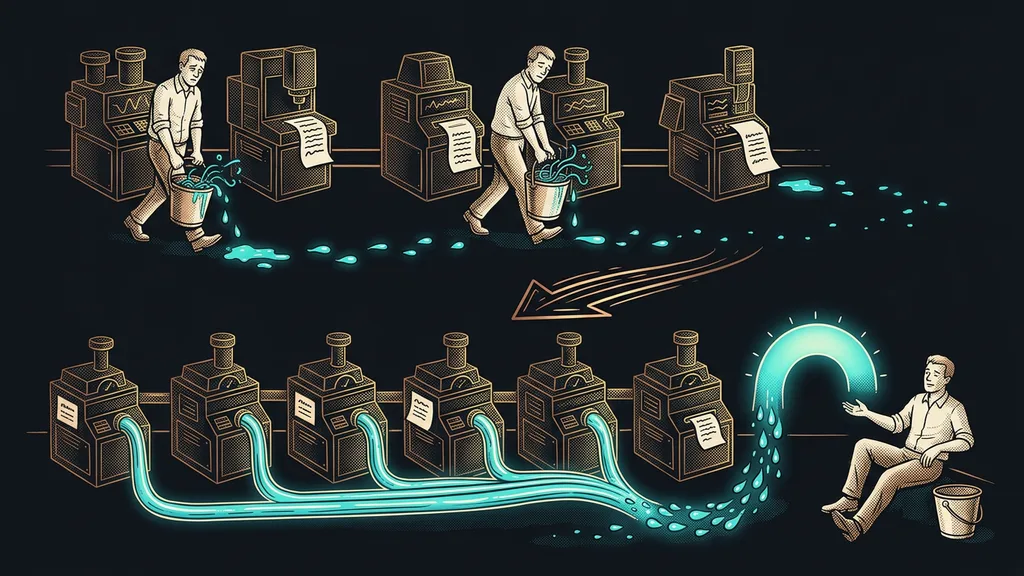
The trouble is that every piece starts from zero and ends up in exactly one place. Volume has nothing to do with it. A post gets written and that’s it. A webinar leaves behind a recording nobody plays. And the thing you explain over the phone is exactly what’s missing from your website.
Then businesses complain they have nothing to write about. They do. They just make it and throw it away every time.
You see it most clearly away from the screen. An answer you give in a meeting reaches three people. Write it up and publish it, and it reaches three hundred. The work is identical in both cases; what differs is whether anything is left of it afterward.
Source piece
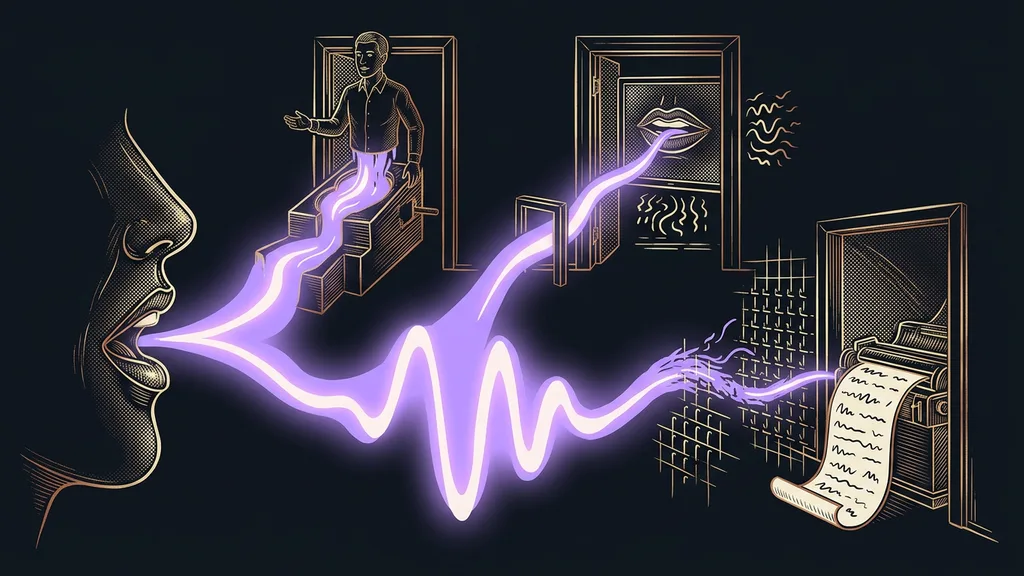
One thing you know inside out, recorded whole and in one go. A finished explanation rather than an idea or an outline: a team training, an answer to a common question, a walkthrough of your process. Everything else that goes out afterward is just a slice of it. That’s why the quality of the source piece decides the quality of the whole month.
The best content you’ll make this year, you’ve already said out loud once. You just didn’t have the recorder on.
One source, five outputs
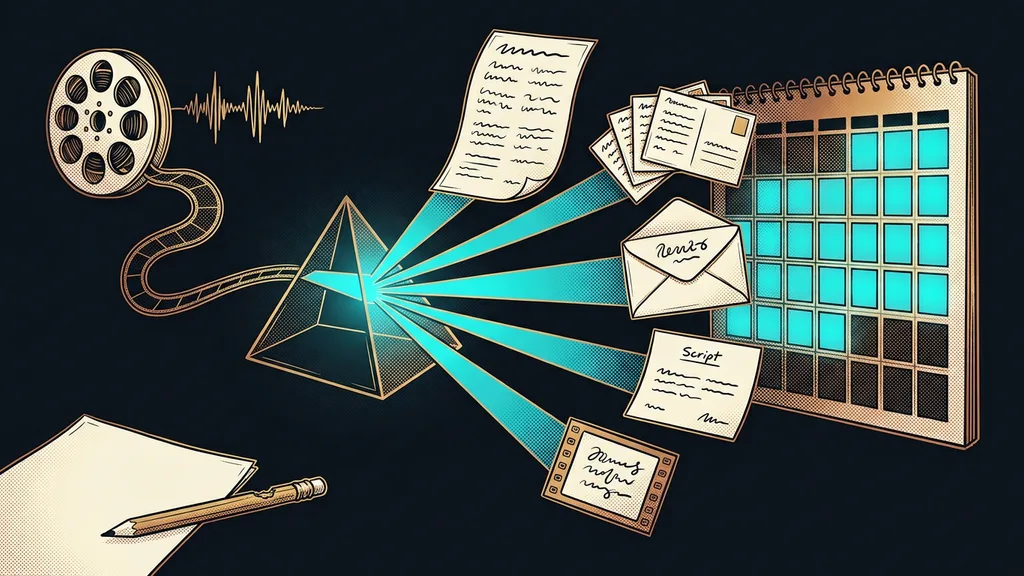
One hour-long explanation yields five different things, and none of them is written from scratch. The order is always the same, because each output is shorter than the one before:
- A blog article. The longest format; it can carry the whole explanation, tangents included.
- Three to five social posts. Each rests on one idea from the explanation instead of a summary of the whole, and distribution to the individual networks then runs on its own.
- An email to your list. One point, one link to the full article.
- A short video. The strongest minute gets cut from the original recording, and post-production happens without a video editor.
- An answer for your knowledge base. The same question will come up again, and a chatbot will answer it for you instead of you writing it a third time.
The second point matters most. A post built on one idea is different every time, while five summaries of the same explanation sound the same five times. That’s usually where the first attempt falls apart.
One-minute self-test
Think back to the last call where you properly explained something to a customer. How much of that explanation is written down anywhere today for someone else to read, and how many times have you explained the same thing since the start of the year? That number is content you’ve already made and never used.
So it sounds like you, not like the internet
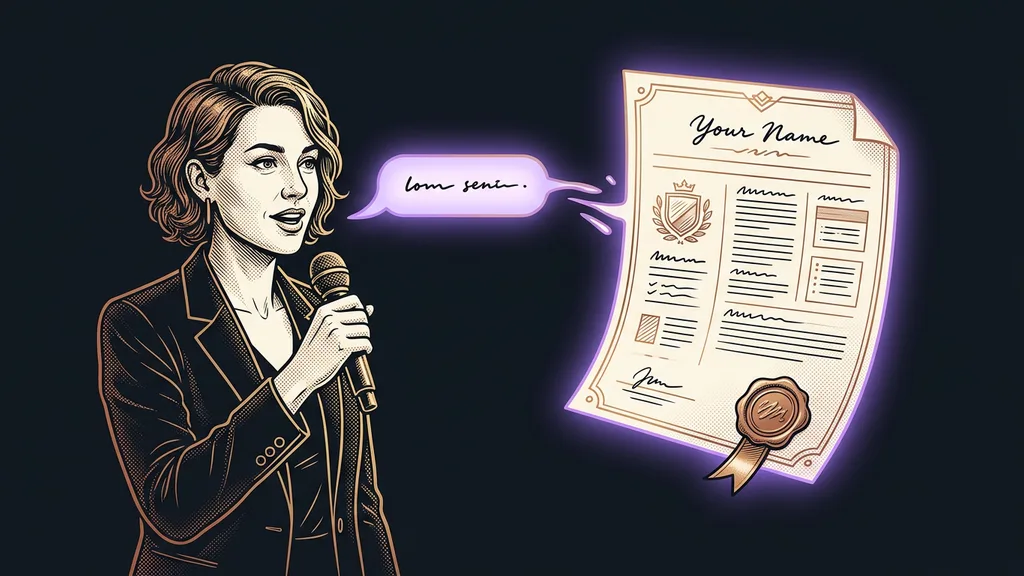
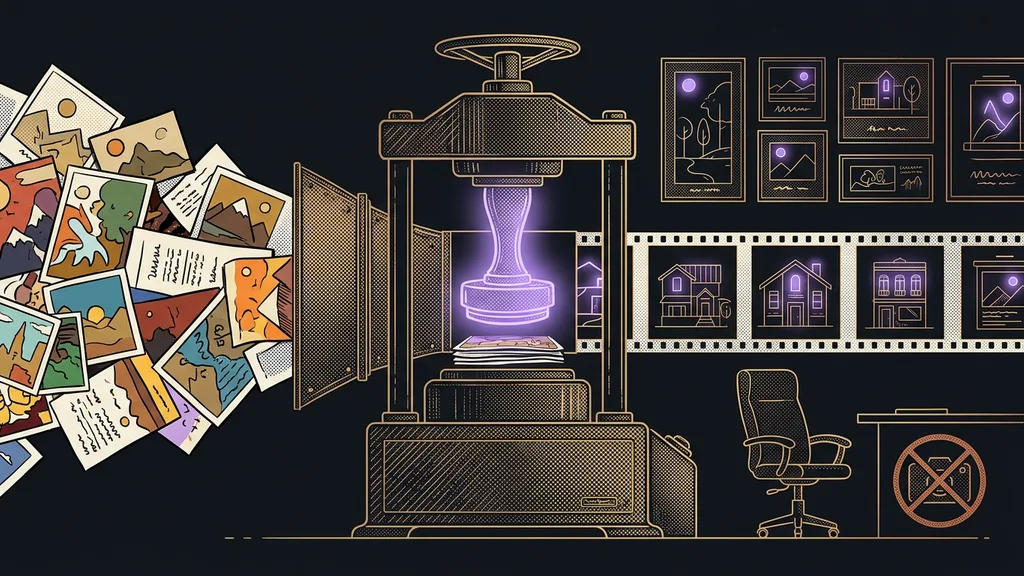
Whether an output is usable depends on what the system draws from. Give it only a topic, and it writes generic sentences you could read on a competitor’s site. Give it your recording, your older texts, and the vocabulary you use with customers, and the result sounds like you.
Context
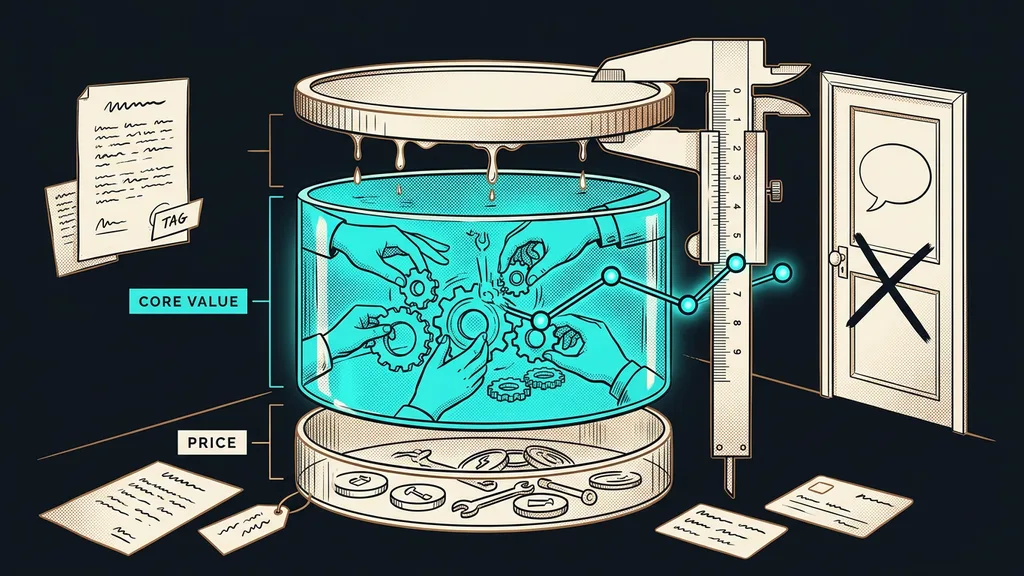
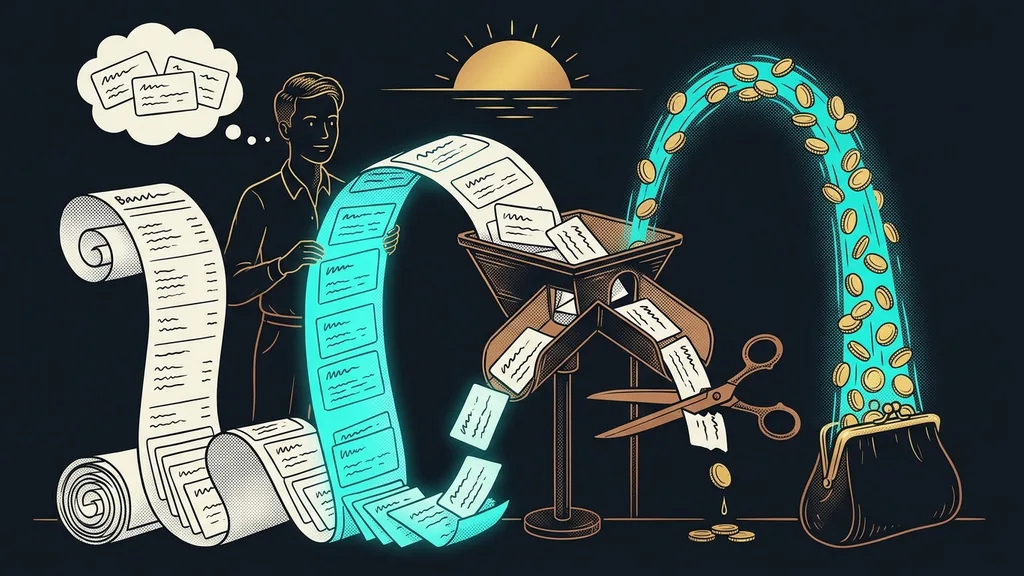
Everything the AI has in front of it while writing: the transcript of your explanation, older articles, your price list, customers’ common questions, even a list of words nobody at your company uses. The richer the context, the less the text resembles the internet average. Most disappointment with AI writing comes from empty context, not from a weak model.
In practice, that means you feed the system the material first and only then give it the topic. Skip that order and you get text that’s flawless and useless at the same time. It’s easy to spot: you won’t find one concrete detail from your business in it.
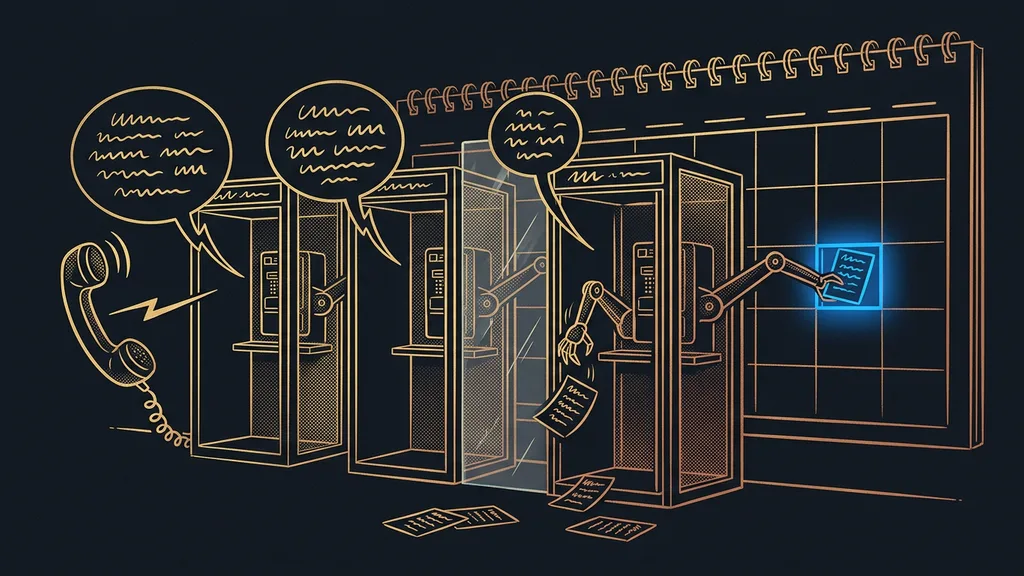
The other half of the work is the publishing rhythm. The article comes out on Wednesday, the posts are spread over two weeks, and the email goes out once the article has settled in. That whole calendar can run on its own, leaving you only the approvals, just like the newsletter that gets assembled from the finished article.
What the system won’t do
Nothing comes out of a recording that wasn’t said in it. AI can rearrange what you said, but it has nowhere to get a new opinion, a new finding, or an experience from. So everything hinges on the quality of the source. An hour in which nothing new was said produces five empty outputs.
Responsibility doesn’t transfer either. When a sentence with a wrong number gets out, the customer asks you about it. That’s why reading and approval never drop out of the process, even though they’re the boring part.
Safeguard
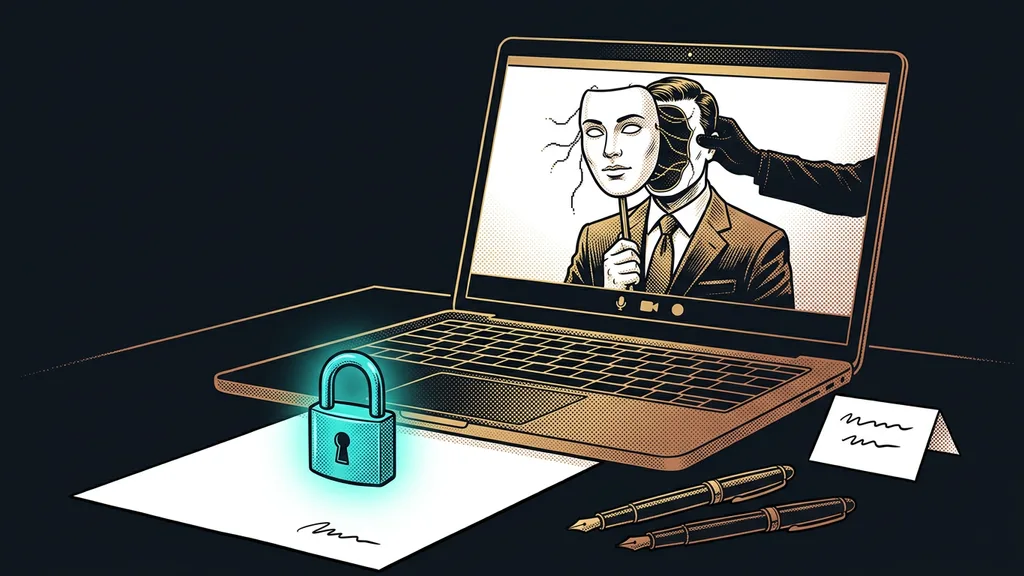
None of the five outputs goes out without approval. The second rule matters even more: every output carries a link to the source recording it came from. When something makes you stop and wonder, you can check within a minute whether it was really said that way or whether the system made it up.
When it doesn’t pay off
One group this won’t help: if you publish one post a month, preparing the source piece takes more time than it saves. It doesn’t pay off where content is purely visual, either, because you can’t get a photo out of spoken words. And the most honest caveat of all: if you have nothing to say, this process won’t help you. Five outputs from an empty explanation are five empty outputs.
The whole system in a nutshell
- Pick one thing you can explain and record it in full.
- The recording becomes a transcript, and the transcript first becomes the longest format: the article.
- The posts, the email, the short video, and the knowledge base answer are derived from the article.
- Throughout, the system works with your context: older texts, your price list, and your company’s vocabulary.
- You read, cut, and approve. Nothing goes out that you haven’t seen.
- Every output keeps a link to the original recording, so it can be checked anytime.
The empty document I used to sit in front of the day after a walkthrough, wondering what to write an article about, still exists. It’s just not where things start anymore. You start with what you once said properly, and the rest is scissor work. Because with content, the hardest part comes after the first piece: making it again next week.