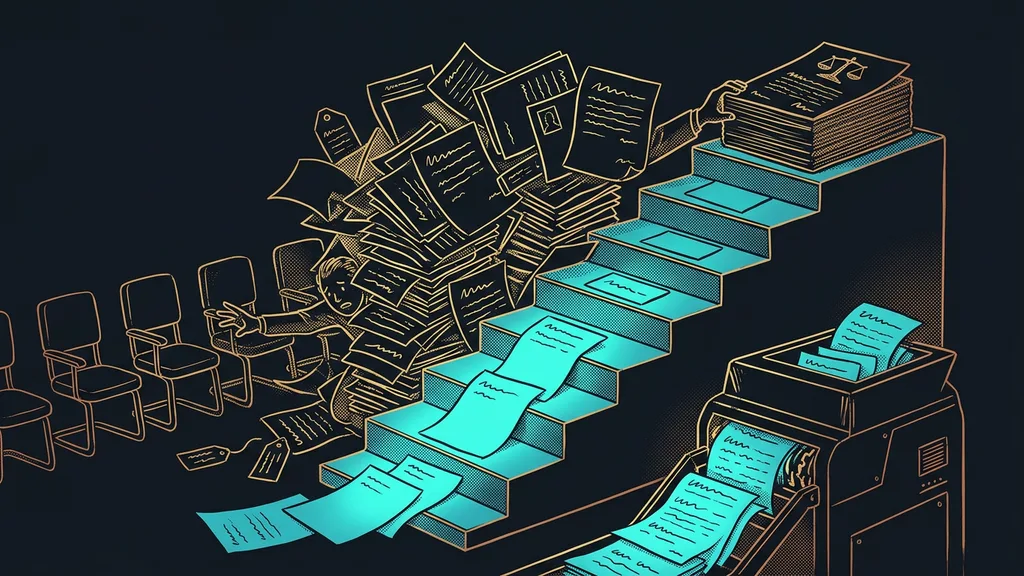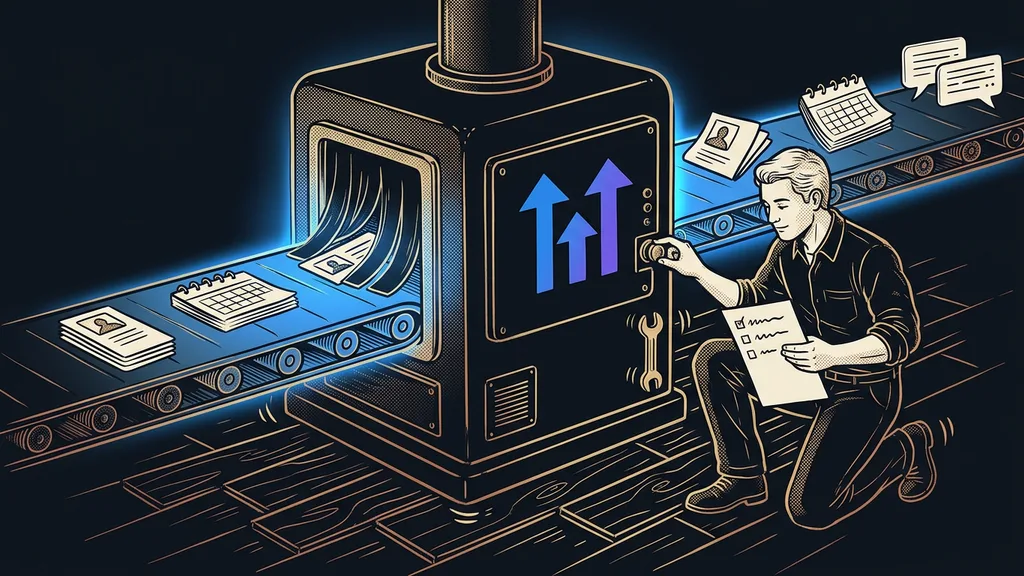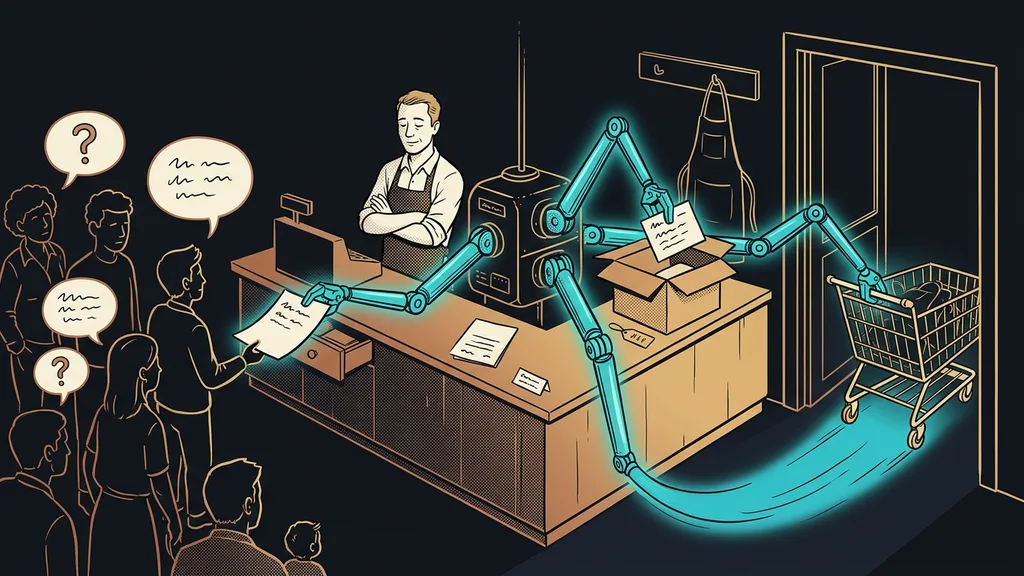
A small online store is held together by the service around the sale. An order takes a minute to process. The work around it doesn’t: questions in your inbox, descriptions for new products, people who filled a cart and left. None of this work shows anywhere, and yet it eats more time than packing.
In the online stores I work with, an ordinary day looks almost the same every time. Packages go out in the morning; the afternoon goes to answering. Where’s my package, do you have this in blue, how do I swap it for a bigger size. Each question takes two minutes, and still it adds up to half a day.
Three jobs that grow faster than revenue
A small online store rests on three jobs that grow faster than revenue as orders pile up: customer questions, descriptions for new products, and people who walked away from a full cart. None of them is complicated. The bad part is that they repeat endlessly and nobody can do them for you.
Abandoned cart
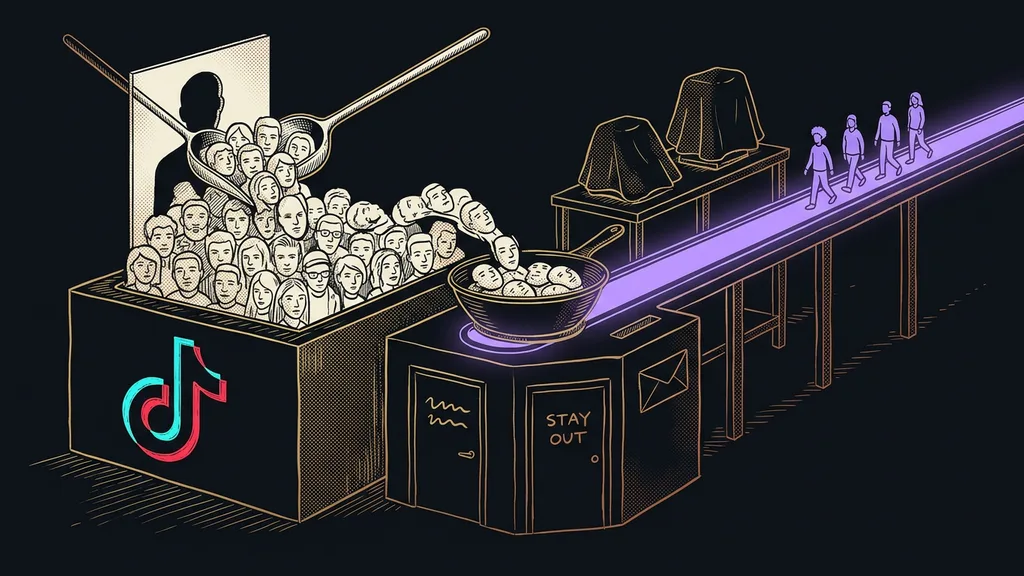
An order the customer started and didn’t finish. They picked the items, filled in some of their details, and then closed the window. Usually there’s no dissatisfaction behind it; the phone rang or the bus pulled up. From the store’s point of view, this is the cheapest customer you can have. They’ve already made up their mind.
They grow faster than revenue because they scale with people, not orders. One customer asks three times and buys nothing. Another buys without a single question. So every hundred visitors add work that never shows up in your sales stats.
The most expensive customer is the one you pay for in ads. The cheapest way to win one back is to get in touch before they forget about you.
Questions you answered in writing long ago
Most questions in an online store are about a handful of things. Delivery times, stock, sizes, pickup points, and the 14-day return window. You have the answers written down in your terms and conditions, and in your head. You just type them into your inbox again every time.
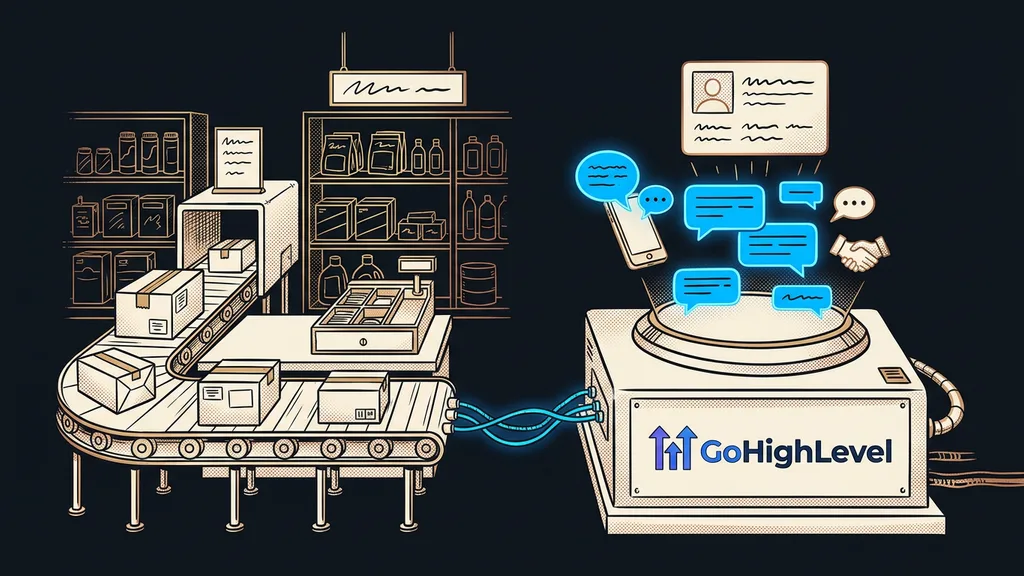
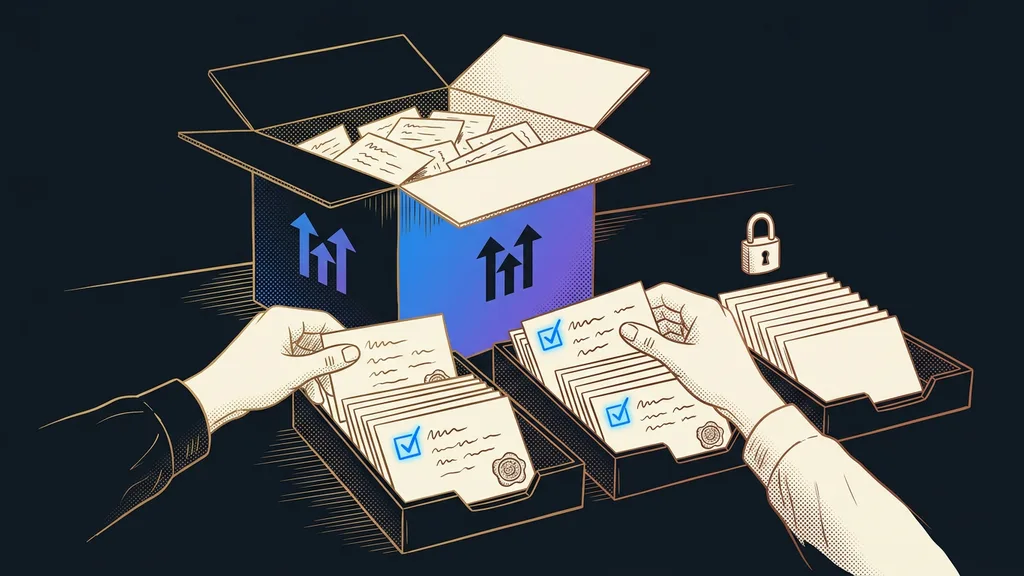
This is exactly what a chatbot with its own answer library takes over. It answers from your materials rather than from the internet, so it won’t promise a customer anything that isn’t true. Asked about a shipment, it gives the order status. Whatever it can’t handle, it passes to you along with the whole conversation, so you don’t start from zero.
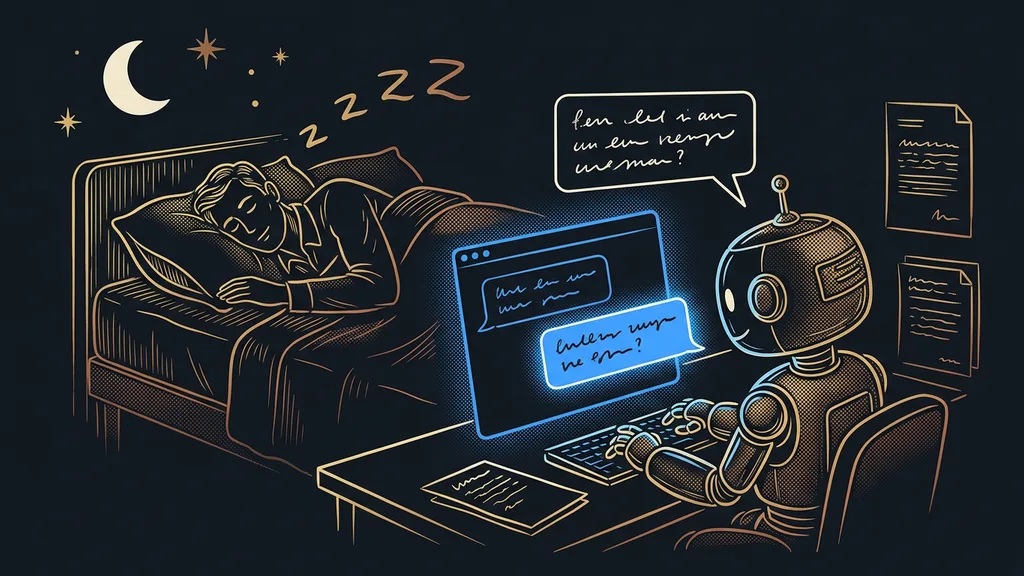
You’ll notice it most in the evenings and on weekends. That’s exactly when people shop, and exactly when your inbox sits untouched. A customer asks about sizing at 10 p.m., gets an answer right away, and completes the order. In the morning, you find a finished order instead of a question.
Knowledge base
The collection of materials a chatbot answers from: terms and conditions, product descriptions, FAQs, your returns and warranty policy. Without it, the AI makes up an answer and may cheerfully promise a customer free shipping. With it, the bot says only what you actually put in. Maintaining this collection is ninety percent of the work on a good chatbot.
One-minute self-test
Open your inbox and go through the last twenty customer questions. How many of them already have an answer written down somewhere, in your terms or on a product page? In the online stores I go through this way, it’s almost always the majority. And that majority is exactly what you keep typing by hand, over and over.
Product descriptions you don’t write at night
New stock sits in the warehouse waiting for a description. Your supplier sent a spec sheet and two photos, and the rest is up to you. Ten products you can manage. A hundred you can’t, and the catalog starts to look messy.
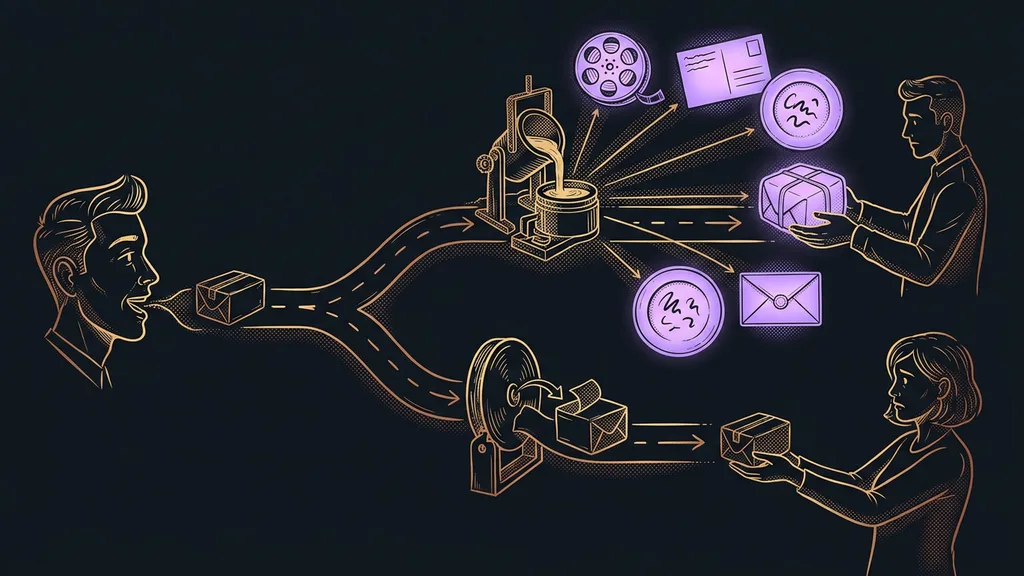
The source material usually exists somewhere, just in an unusable form. Pulling a supplier’s specs off their website without retyping them is routine today, and those specs turn into a description in your tone, as long for the hundredth product as for the first. A missing visual can be filled in with an on-brand image, so the catalog holds together even without a photo studio.
But you’re still accountable for the content. With dimensions, materials, and composition, a single number decides whether the product comes back as a return. Responsibility for results stays with a person, so these details go up for approval separately.
Safeguard
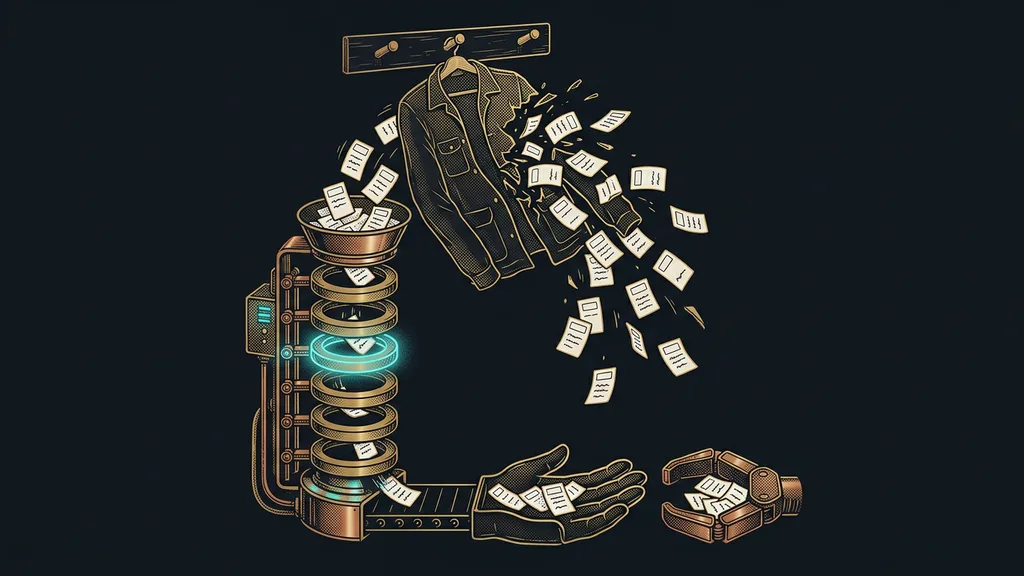
A description never goes into the store on its own. The AI drafts it, you review it, and only then do you publish it. Where a mistake would mean a warranty claim, the system would rather flag that it isn’t sure about a detail than make one up.
The cart that follows up on its own
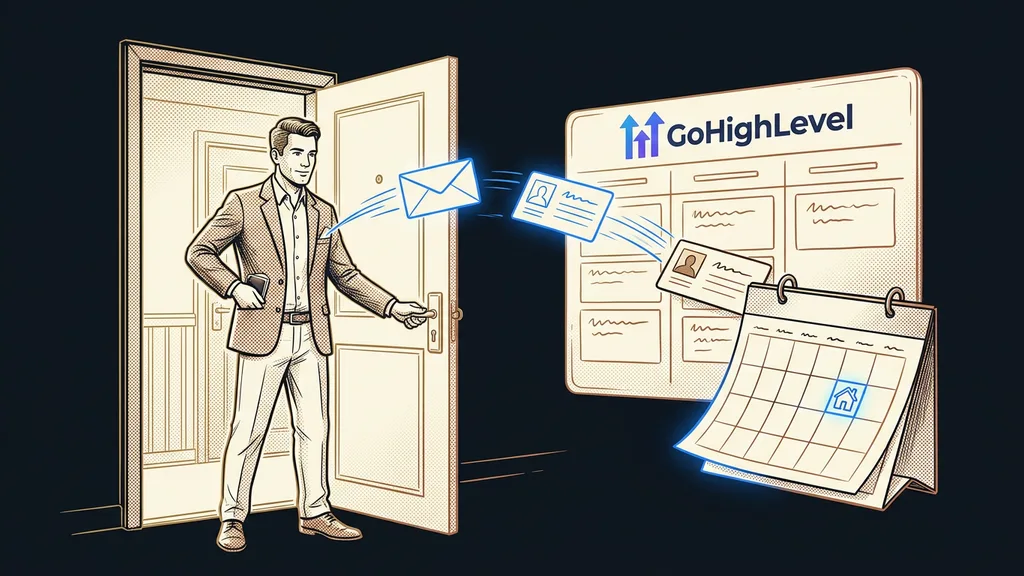
An unfinished order is the cheapest opportunity your online store has. The customer has already picked the items and filled in part of their details. All that’s missing is the last step, which something interrupted.
After a while, the system sends them a short message. It doesn’t push, and it doesn’t open with a discount, because that only knocks money off an order that would have come in anyway. If the person doesn’t respond the second time either, the assistant goes quiet. From the same place you can also prepare newsletters and customer segments, so for the rest of the year you’re not sending everyone the same thing.
When it doesn’t pay off for an online store
Not every store needs this. If you sell a few items a week and know your customers by name, you’ll answer faster from your inbox than any system could. The same goes for shops where every piece is one of a kind and the description is part of the craft.
A store with five products whose descriptions were written once and for all doesn’t need it either. It starts to make sense the moment answering questions takes your afternoon and new stock waits a week for a description because you simply didn’t get to it.
The whole system in a nutshell
- The chatbot answers from your own materials and passes on the more complicated cases.
- It handles “where’s my package?” questions on its own, order status included.
- New products get descriptions in the same tone, and you just review them.
- An unfinished cart gets one short message after a while, then silence.
- You’re left with what nobody can do for you: choosing products, setting prices, and the relationship with your customers.
The “do you have this in blue?” question will come in again tomorrow. The afternoon won’t disappear completely, and it shouldn’t. What disappears is the part you were typing for the seventh time in the same words. A good online store shows in customers who got their answer without the owner having to sit there for it, rather than in an owner who replies within a minute.