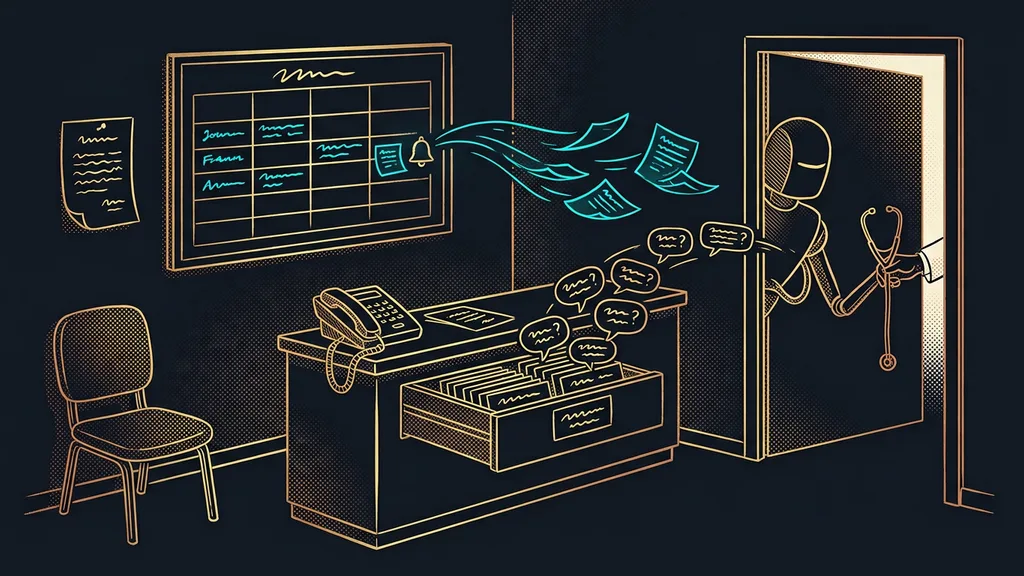
A coach sells an hour of focused attention. But around that hour grows a pile of admin nobody ordered: intake questionnaires, scheduling, session notes, practice materials, and reminders so the client doesn’t forget. Every new client adds to it. The week doesn’t get any longer.
I hear this over and over in consultations. A trainer runs groups and works with individual clients, and in the evening she sits over a list of who still needs last week’s materials. The sessions energize her. Everything in between drains her.
Coaching doesn’t only happen in the session
A client makes progress between sessions rather than during that one hour, which is exactly when you aren’t around. The session settles what should happen. Whether it actually happens only shows a week later.
The in-between
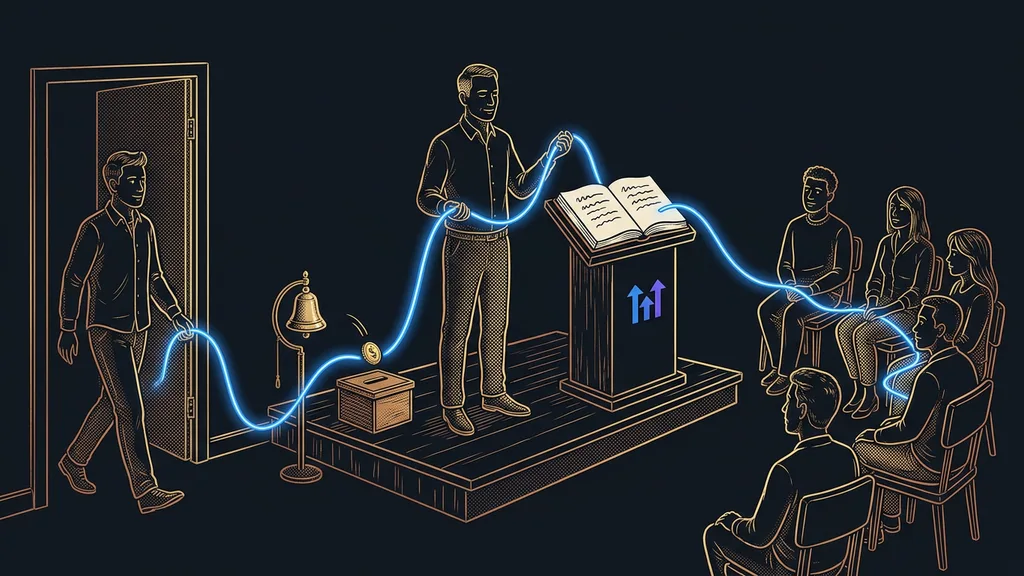
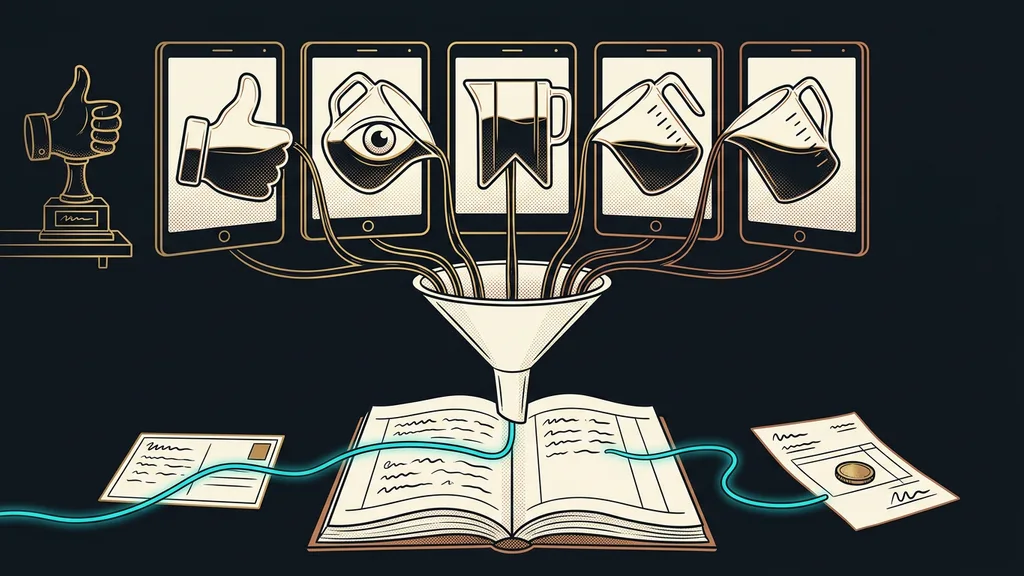
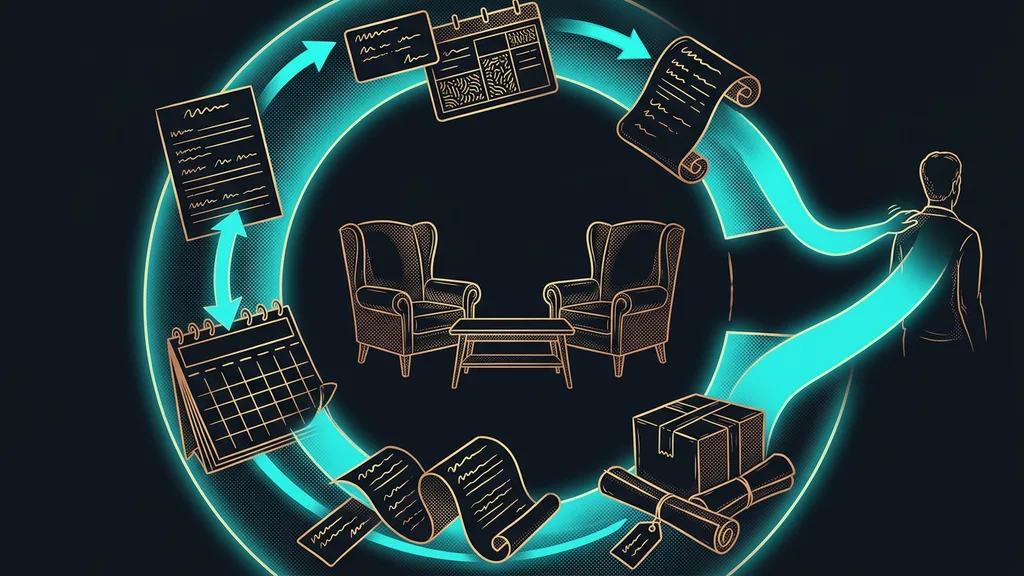
The time between two sessions, when the client is on their own and your practice goes quiet. It decides whether they do the assignment, whether they move forward, and whether they book again. A coach can’t see into it and has no way to. Yet there’s many times more of it than of the sessions themselves.
Most coaches handle this with willpower: “I’ll message them when I get a minute.” But that minute only exists while you have three clients. With fifteen, instead of writing, you’re just trying to remember who you were supposed to write to. And the client reads the silence as a sign they don’t matter all that much, rather than a sign that you’re busy.
A client won’t remember you for how good the last session was. They’ll remember whether anyone noticed them at the moment things weren’t going well.
Before a client walks in for the first time
A client’s first impression of your practice forms before the session even starts, in everything that happens between their first message and your “hello.”
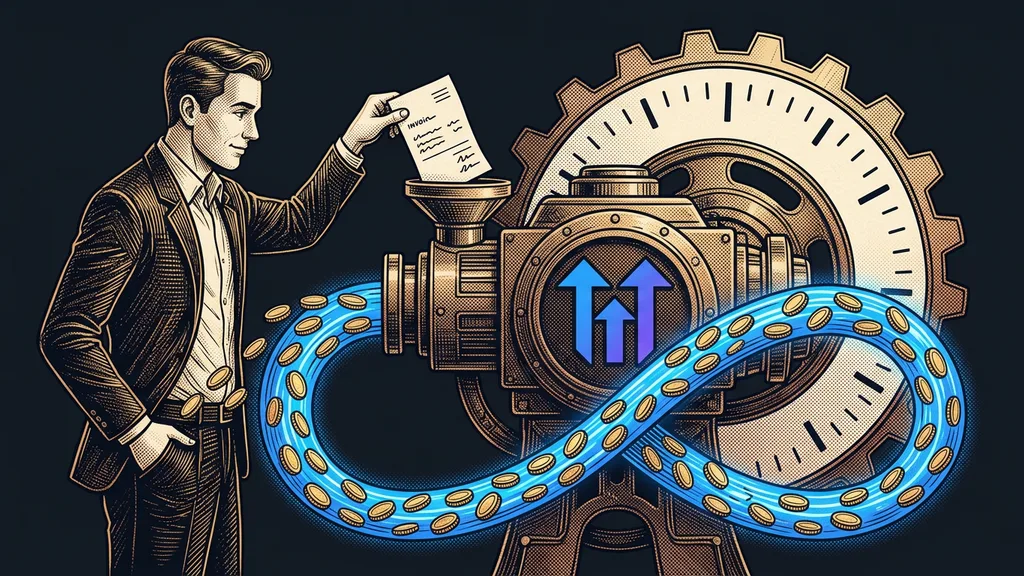
Instead of three emails back and forth, they get a short form that asks its own follow-up questions and turns the answers straight into a brief. They write what’s bothering them, what they’ve already tried, and how much time a week they realistically have. You read it five minutes before the session and don’t start from zero. Being asked questions doesn’t put a prospect off. What puts them off is going through the same questions again in a session they paid for.
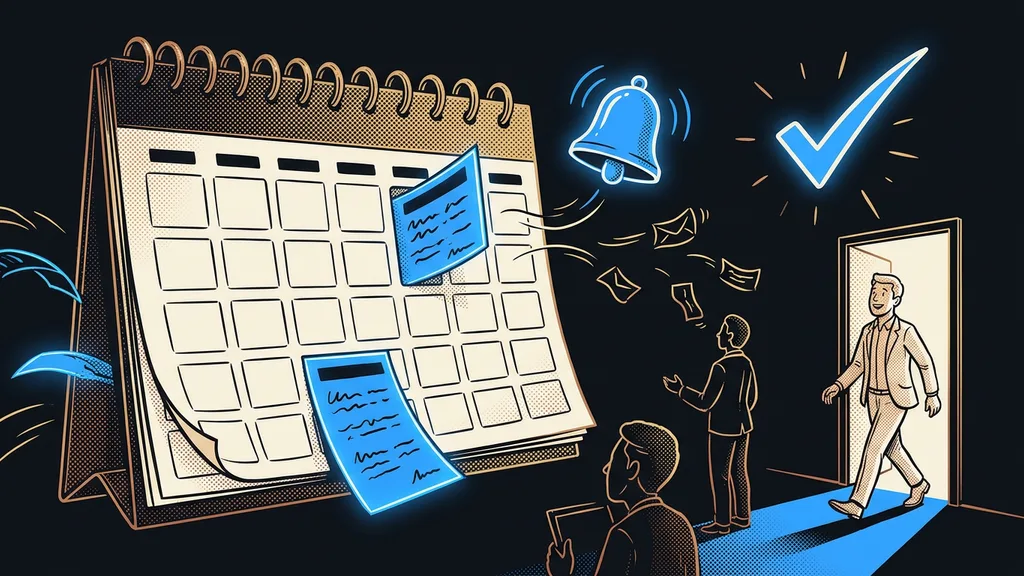
They pick a time themselves from your open slots. The calendar makes sure sessions don’t run back to back without a break, and it sends a reminder the day before. A canceled slot gets offered to someone else, so your Tuesday afternoon doesn’t sit empty. Arranging times over messages is the most common point where a prospect quietly fades away and never gets back to you.
What’s left of a session once you close your laptop
All that’s left of a session is what you managed to jot down. And notes get written at exactly the moment you should be listening.
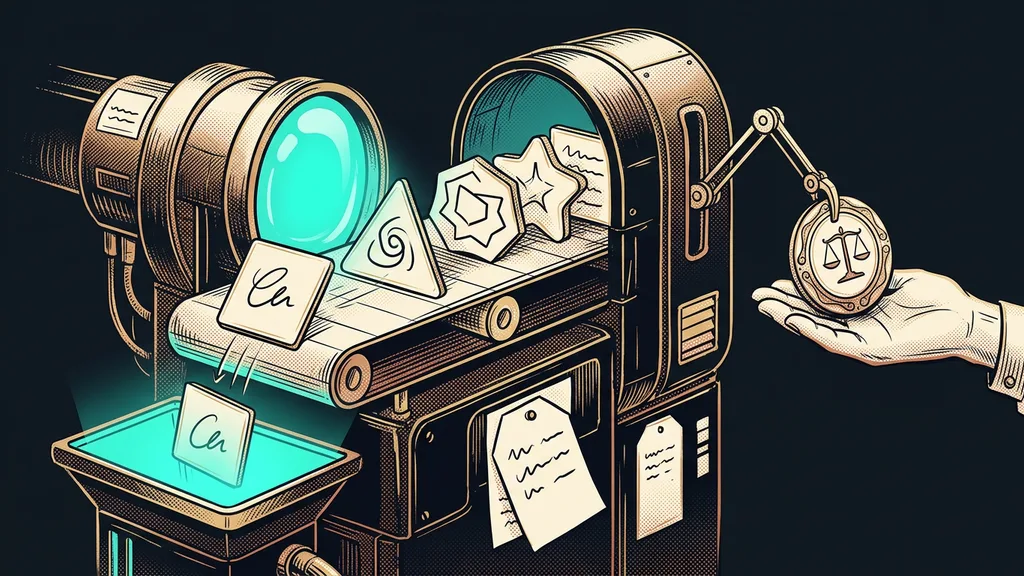
With the client’s consent, the session can produce a summary: what you discussed, what you agreed on, and what the client should do before next time. You read it, fix anything that’s off, and send it. Deciding what really mattered in the session stays with you, because nobody can read that from a recording.
After a year, you also have an archive you can search. You ask your own sessions when you first talked about boundaries with this client, and you have the answer before you could even recall the year.
One-minute self-test
Pick three clients you talked to last month. For each one, do you know without looking it up what they took away and what they were supposed to do before next time? And do you know which of them hasn’t been in touch since? If you’re fishing for the answer in a notepad and three message threads, your memory is fine. The information just has nowhere to live.
Clients who don’t get forgotten
When a client gets forgotten, ill will has nothing to do with it. It happens because nobody has them on today’s list.
Sequence
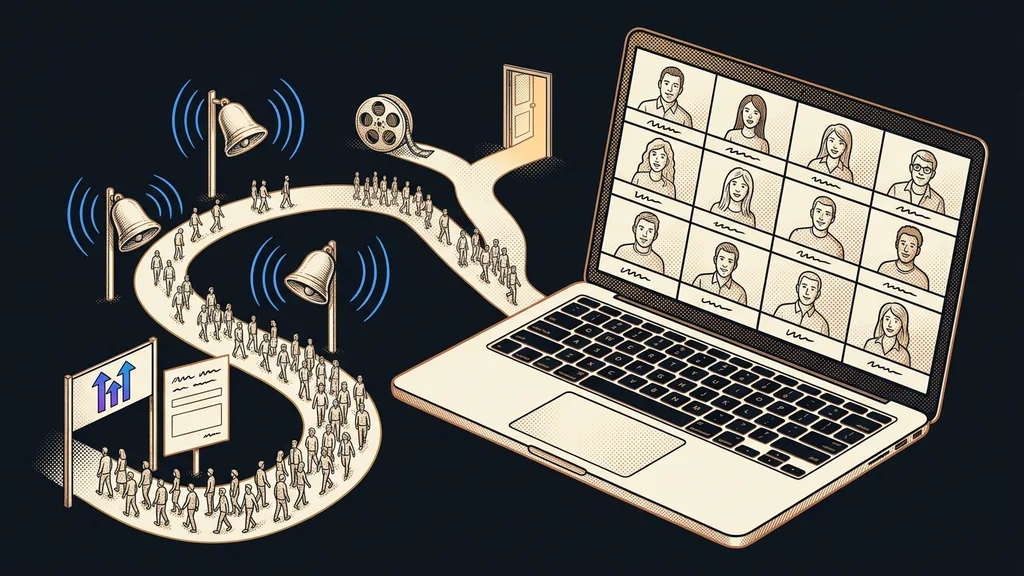
A series of messages prepared in advance that goes out to the client on its own at scheduled intervals. Materials after the session, a quick question a few days later about how it’s going, a reminder a week before the next appointment. You write it once and from then on just tweak it. You can stop it for any specific person at any time.
A sequence is no mass mailing. It’s exactly what you’d write yourself if you had the headspace. The only difference is that it still goes out on a Wednesday when you have six sessions back to back. You read every message beforehand and rewrite it in your own words.
If you also run group programs, you’ll save the most on materials. Lessons, recordings, and worksheets sit in one place under your own brand, and a new participant gets to them on their own right after signing up. Nobody has to track down who’s already been sent which video.
And every morning an overview is waiting for you: who’s coming in today, who hasn’t been in touch for two months, and whose session package has run out. It came together overnight, on its own. You just decide who gets a personal message from you.
When it isn’t worth it in a coaching practice
This isn’t for everyone. If you have five regular clients, know each of them by name and by story, and book the next session at the end of every one, setting up a system will just cost you an afternoon.
Be careful with sensitive topics, too. An automated “how’s it going?” fits a presentation skills course, but not work around loss or anxiety. There, a human has to decide whether to reach out and how. And you never record a session without the client’s explicit consent, not even for your own notes. The coach sets the boundary here, and the system just respects it.
The whole system in a nutshell
- A prospect fills in a short form, and you have a brief before you ever meet them.
- They pick a time themselves, the calendar protects your breaks, and a reminder goes out the day before.
- Each session produces a summary with a task for next time, which you review and send.
- Materials and questions reach the client at scheduled intervals until you stop them.
- Every morning, you see who’s coming in today and who hasn’t been in touch for a while.
Back to that trainer and her evening list of who still needs last week’s materials. Part of it will stay there, and that’s a good thing. What stays is the decision about whom to contact out of turn and what to say. What goes is racking your memory for who it actually was and what you promised them. Clients pay you for more than an hour in your calendar. They pay for knowing someone thinks of them even on a Thursday, when there’s no session.