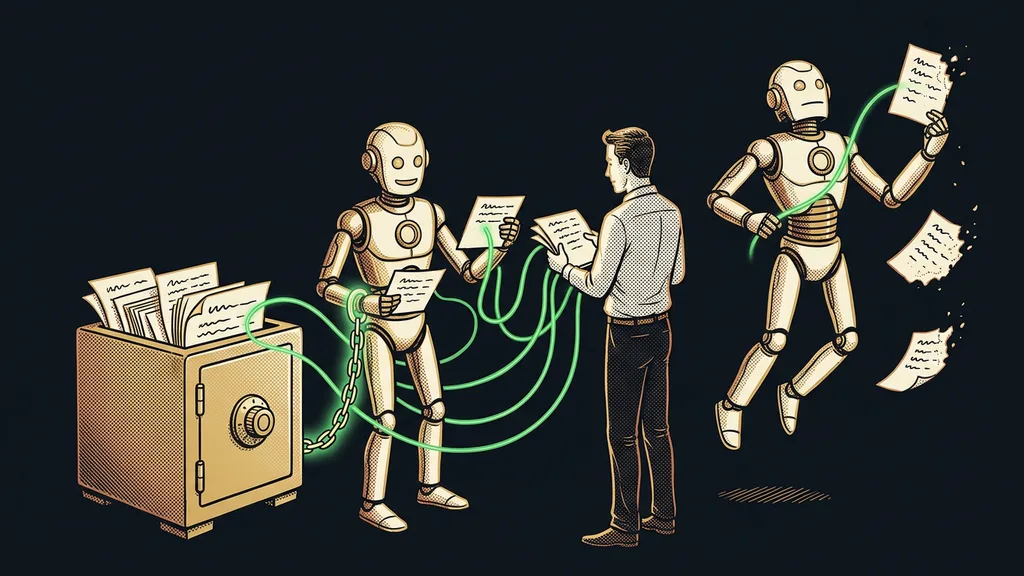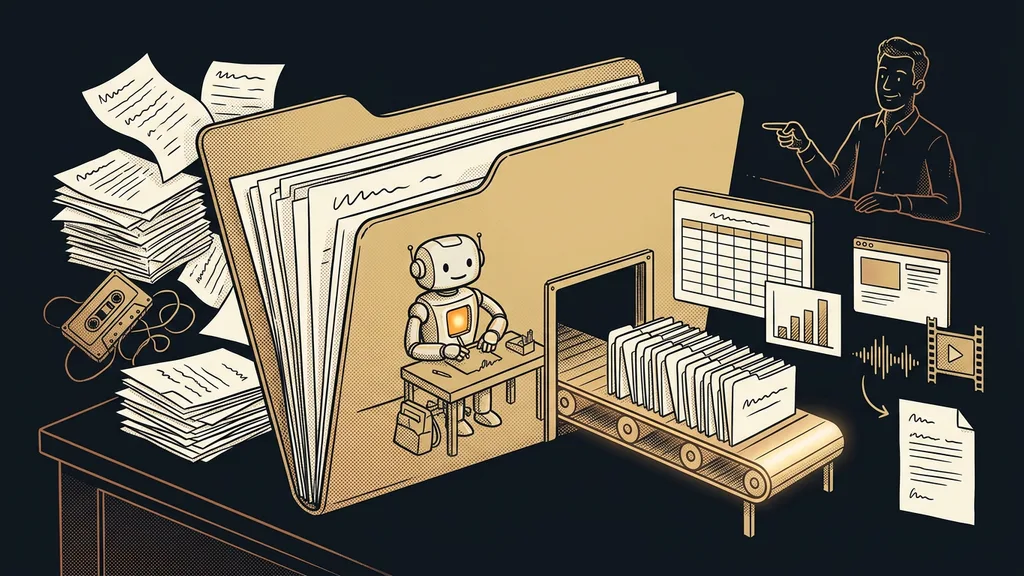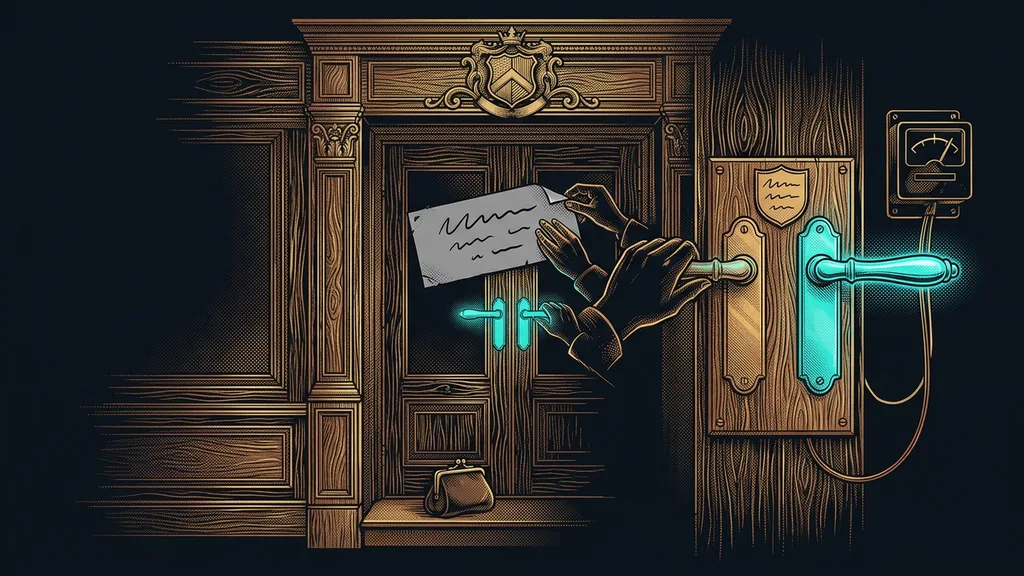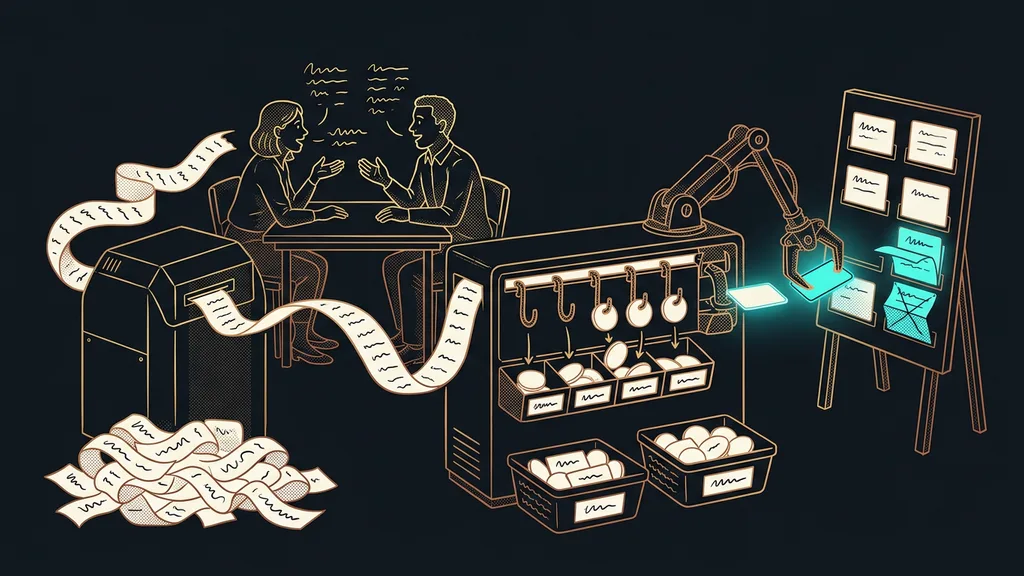
After an hour-long meeting, you remember three things out of thirty. The rest is left to your notes, the transcript, and the goodwill of both sides. And that gap is exactly where promises, numbers, and deadlines get lost, the ones everyone later remembers a little differently.
I know this by heart. I hang up feeling the meeting went well, with two clear things to do in my head. Three weeks later, a third one surfaces, something I promised somewhere in the middle of the call and never wrote down.
A transcript isn’t a breakdown
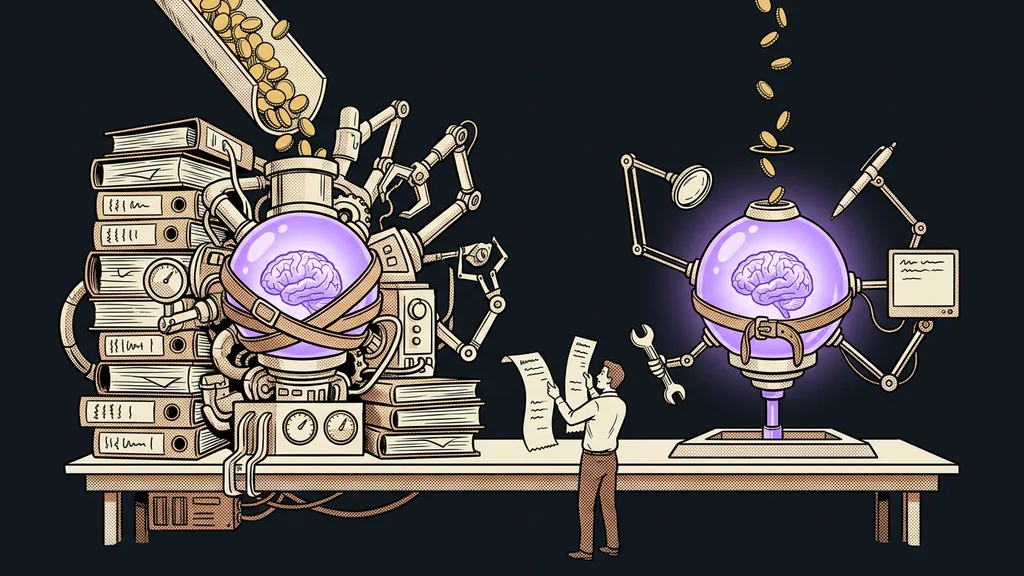
A transcript tells you what was said. A breakdown tells you what follows from it, and for whom. They’re two different jobs, and a tool that does the first doesn’t do the second.
A summary from your meeting tool is a nice paragraph about the topics. It tells you that you talked about the launch date and the price. It won’t tell you that the price shifted during the call, or that you committed to delivering a document by Friday. The difference lies in the question each one asks. A summary answers what the meeting was about. A breakdown answers who has to do what by when, and what has changed since last time.
Call breakdown
A sentence-by-sentence analysis of a meeting that pulls out both sides’ tasks, hard numbers, deadlines, decisions, and open questions. The transcript is the raw material; the breakdown is the result. They’re easy to tell apart: you read a transcript top to bottom, while you read a breakdown as a list you can work from the next day.
What gets lost from a meeting most often is what both people heard and neither wrote down, not what nobody said.
Five questions to ask of every sentence
A breakdown is a pass through the call, not a read-through: at every line from either side, you ask the same questions.
- Was a new decision made here?
- Did anyone promise anything, me or the client?
- Does this create a task, and whose is it?
- Does this change anything we agreed on before?
- Was there a hard number, a deadline, or an access detail?
It looks like overkill. That’s exactly why it works. A question asked of every sentence also catches what came up as a side remark in the call, yet decides things a month later. A dictated note after the call is fine, but by voice you only record what you still remember.
The most expensive item is the change nobody announced
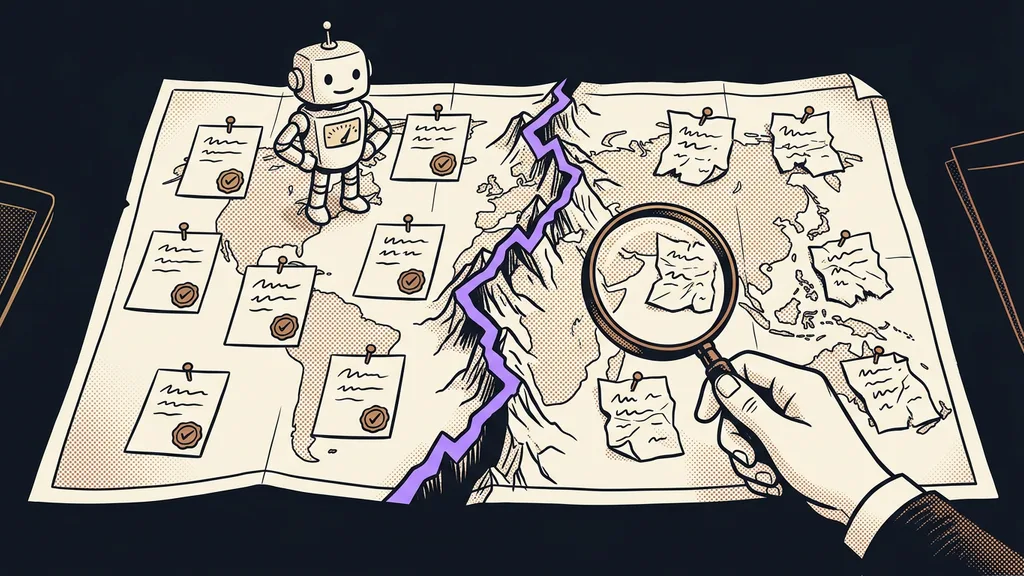
The most valuable category, and the one most often lost, is change: a quiet rework of something that was already settled, rather than a new task.
Nobody says it out loud as a change. In that moment, both sides know what they’re talking about, so there’s nothing to write down. An agreed name gets changed, a price shifts, a deadline slips by a week. Three weeks later, each side is working from a different version, and both feel good about having kept their word. The worst part is that it only surfaces once one side delivers work based on the old agreement.
The same gap costs money too. A small tweak promised in passing gets done, never gets written down, and never makes it onto the invoice. It’s simply a spot where a record is missing, not carelessness.
AI summary
An automatically generated summary of a call or text that picks out the main topics and condenses them into a few paragraphs. As a memory aid, it’s excellent. For running a project, though, it falls short: a summary keeps what came up often and drops what came up once, even if it changed the agreement.
One-minute self-test
Think back to your last meeting with a client and try to list from memory what you promised and what they promised. Then ask yourself one more thing: if someone asked whether anything you’d agreed on had changed, would you find it written down, or would you be relying on memory?
Both sides’ tasks, not just yours
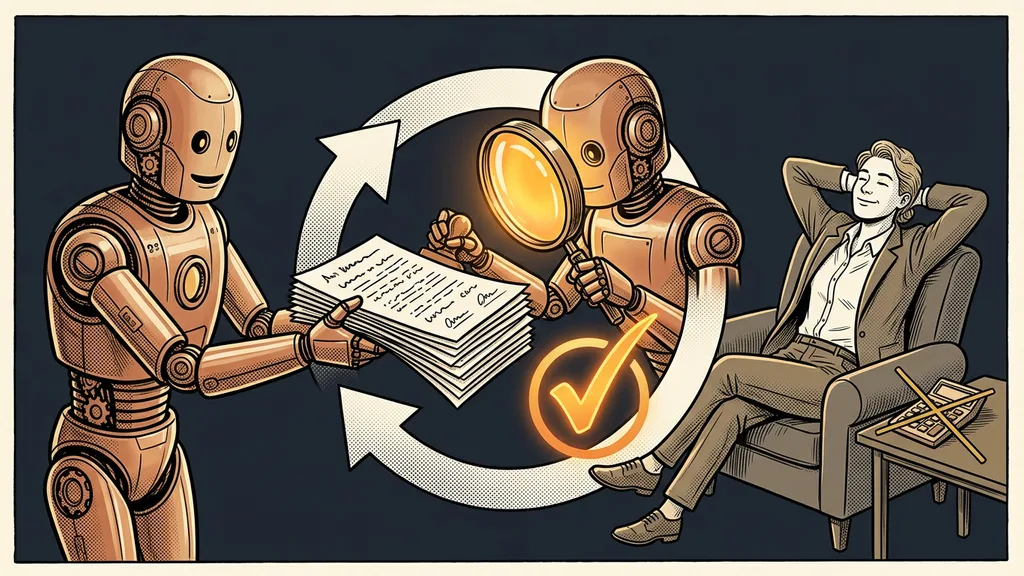
A call produces two lists, not one: yours and the client’s. Most notes only pay attention to the first, and yet projects more often hinge on the second.
When the client knows you’re waiting on their materials, the wait is two days. When nobody knows, it’s three weeks, followed by a hunt for whose fault it is. Sending the other side their task list is a kindness, not nagging. It pays to send it the same day, while both sides still remember the call. Anyone who gets it a week later reads it like someone else’s notes and has to piece it together again.
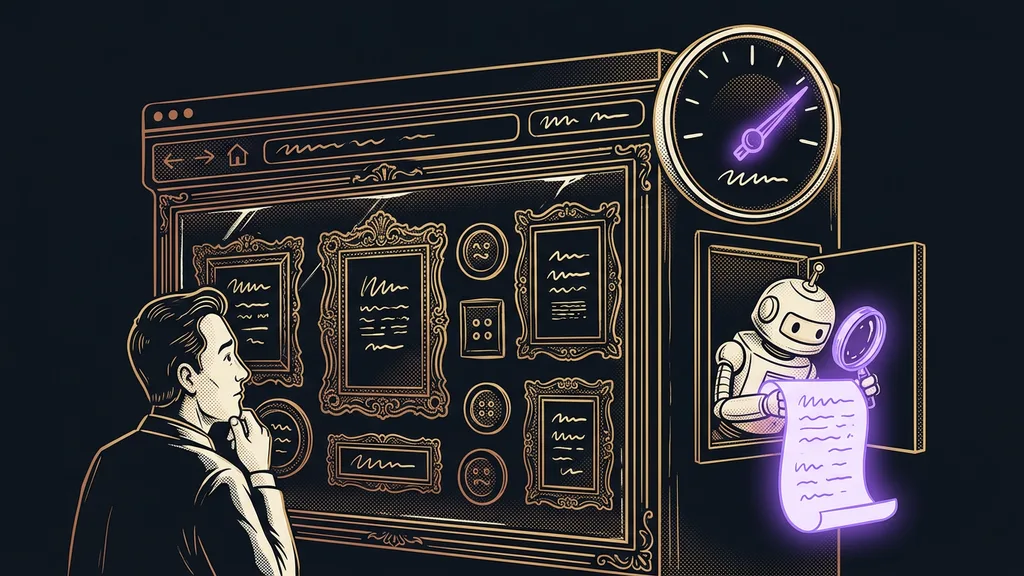
After every meeting, I have the call run through a breakdown myself and the result saved where I’ll find it next time. That turns my recordings into a searchable archive, and my assistant keeps the context even after the conversation ends. But I still decide what gets recorded as valid.
Who this isn’t worth it for
One group this won’t help: anyone with one call a month and three tasks from it. A note on your phone right after you hang up is enough. A sentence-by-sentence breakdown makes sense where work gets agreed in meetings and where the brief changes over time.
The second honest limit: a breakdown is only as good as the recording it’s based on. If half the call doesn’t get recorded or people talk over each other, even the best method can’t pull out what isn’t there. And always agree on recording with the other side in advance.
The whole system in a nutshell
- Keep a recording of the meeting so you’re not relying on memory alone.
- Go through the call sentence by sentence instead of skimming it top to bottom.
- At every line, ask about decisions, promises, tasks, changes, and hard numbers.
- Record a change as a new entry, and don’t overwrite the old value.
- Split the tasks into yours and the client’s, and send both lists to the client right away.
- Save the result where you and your assistants will find it next time.
And that third task that only surfaced three weeks later? I heard it too, I just never wrote it down. You’ll always remember three things out of thirty; they were never the issue. The damage comes from the other twenty-seven, a few of which turn out to matter only a month later. What a good call breakdown puts in order is the stuff you’d otherwise forget you ever heard, not what you remember.