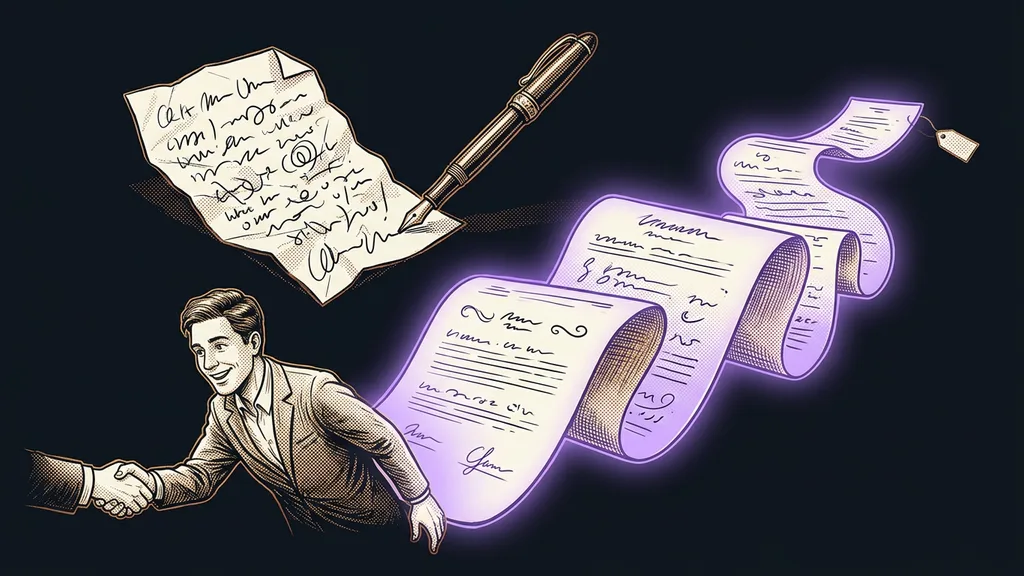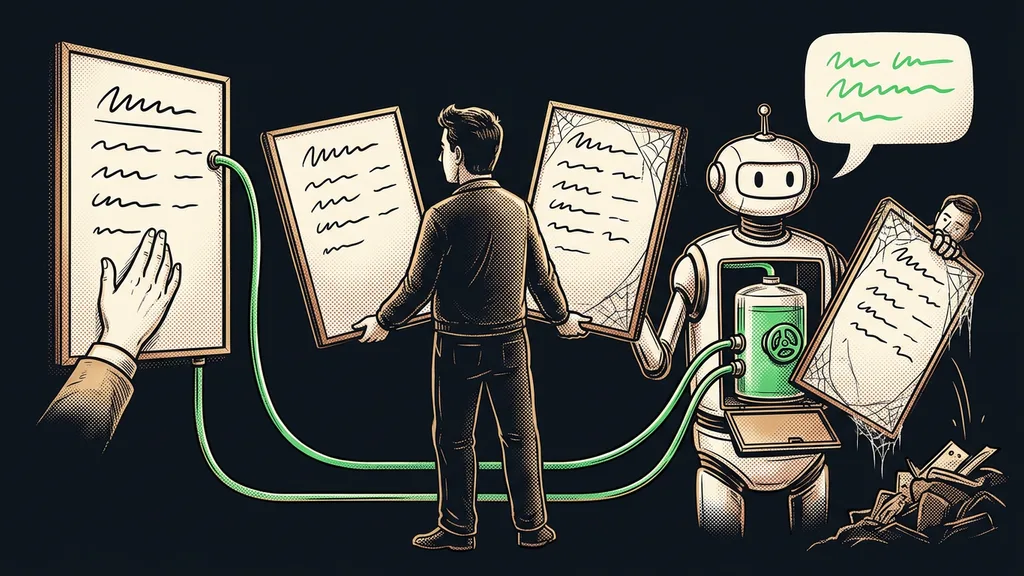
A chatbot doesn’t go stale overnight. It ages quietly, one sentence at a time: a price changes, a service gets added, a date moves. The answers stay the same, though, because the bot’s knowledge is just a copy of the original. And nobody looks after the copy until someone complains.
I know that moment. A customer writes in to say the chatbot quoted a different price from the one on the website. Nobody lied and nobody slacked off. The business just kept that price in two places and forgot to update one of them. What’s worse than the mistake is the impression the customer walks away with: that the people there aren’t even sure what they charge.
Stale chatbots come from a second source of truth, not neglect
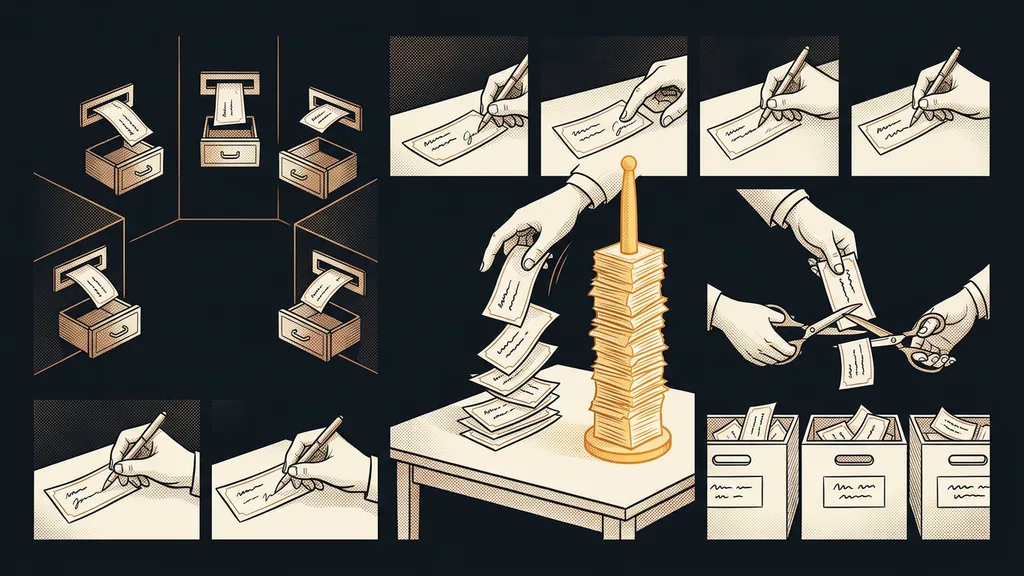
An outdated bot almost never comes down to laziness. It comes down to a decision nobody consciously made: keeping the same information in two places and maintaining only one. Nobody planned it that way. At launch, the text was simply copied from somewhere, because at that moment it was the fastest way.
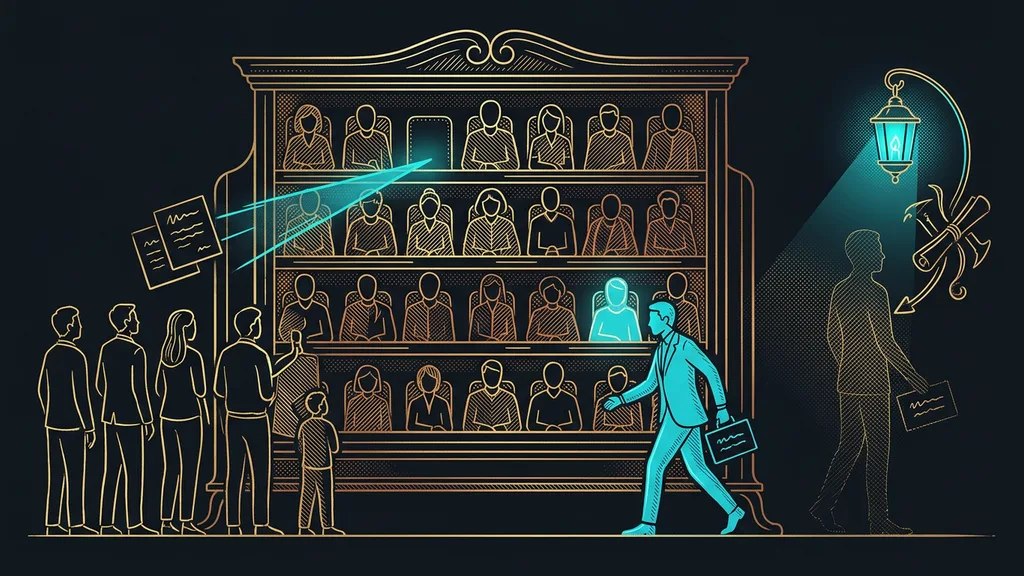
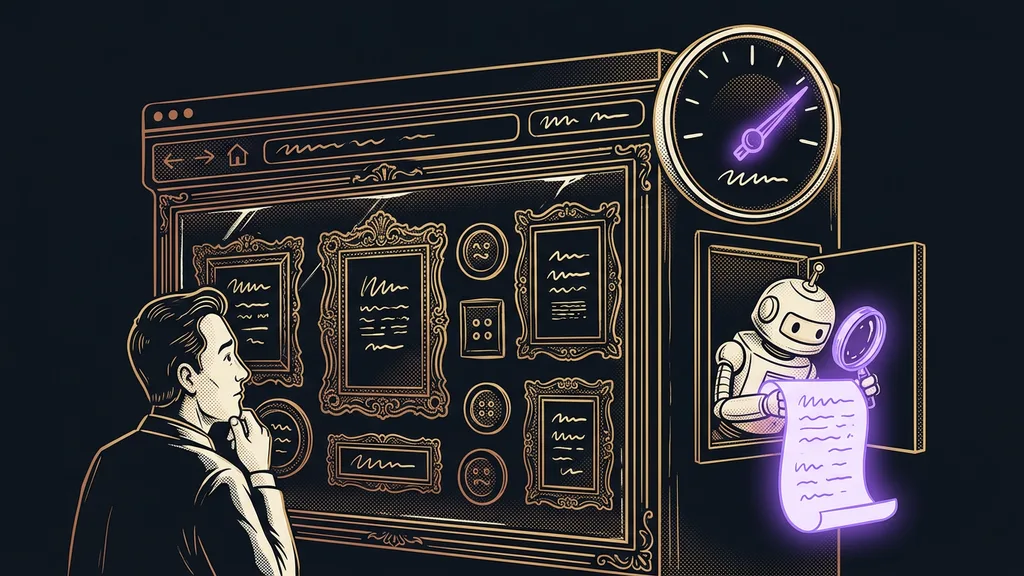
The website says one thing, the knowledge base another. On launch day, both said the same thing, which is exactly why nobody paid attention after that. They drift apart three months later, quietly, by a single sentence. And because the bot answers at ten at night too, it gets to repeat that one sentence a hundred times before anyone notices.
A second source of truth
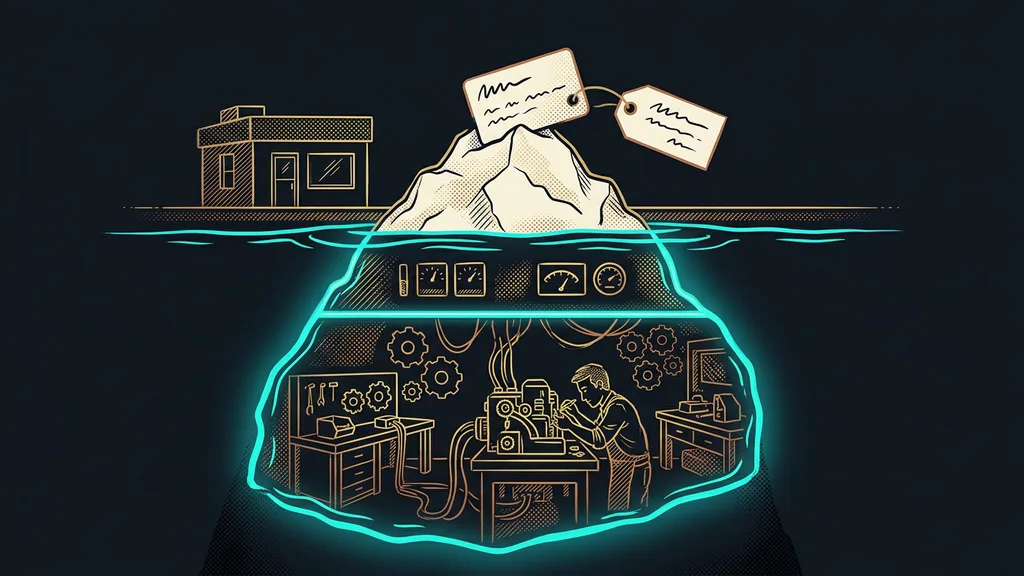
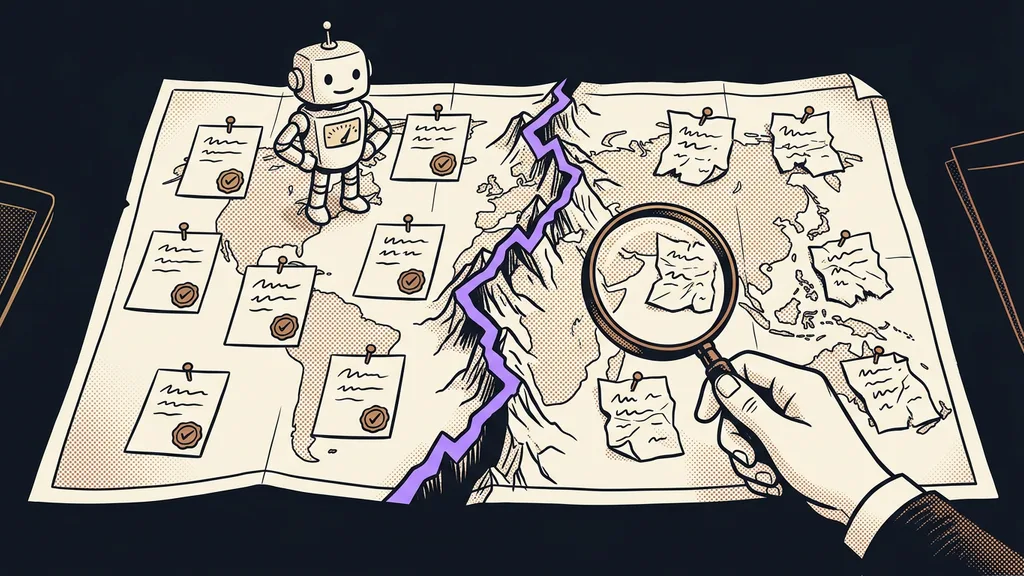
A copy of information that lives outside its original home, with nobody responsible for keeping it current. It appears every time text from the website, a contract, or a price list gets copied somewhere else. What makes it dangerous is that it’s correct when it’s created, so nobody suspects it.
An outdated chatbot is well trained, just on a version of the world that’s no longer true.
A source you already maintain for other reasons
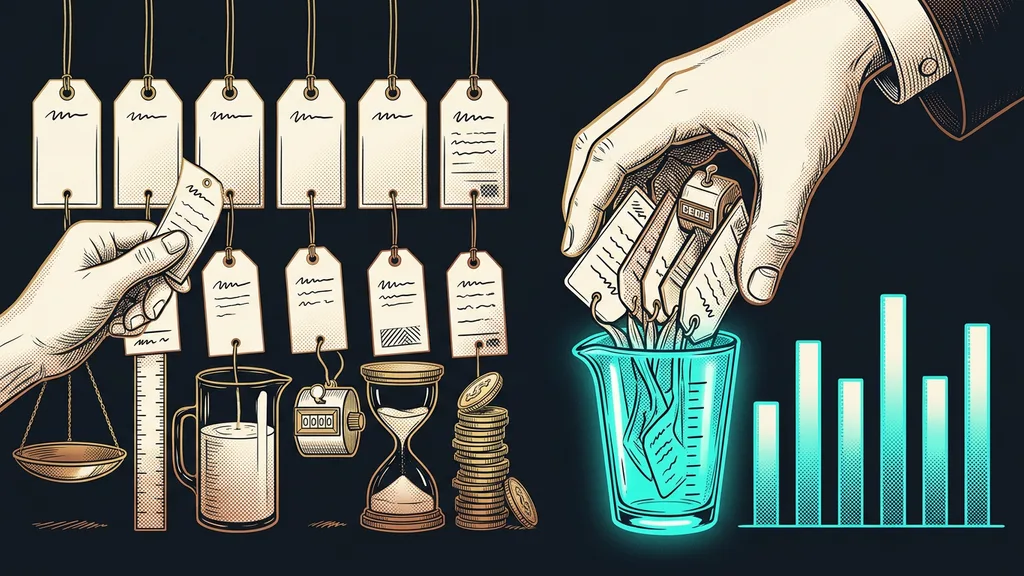
The cheapest source for a chatbot is one the business would keep up even without it. Your website, your price list, your terms and conditions, your company wiki.
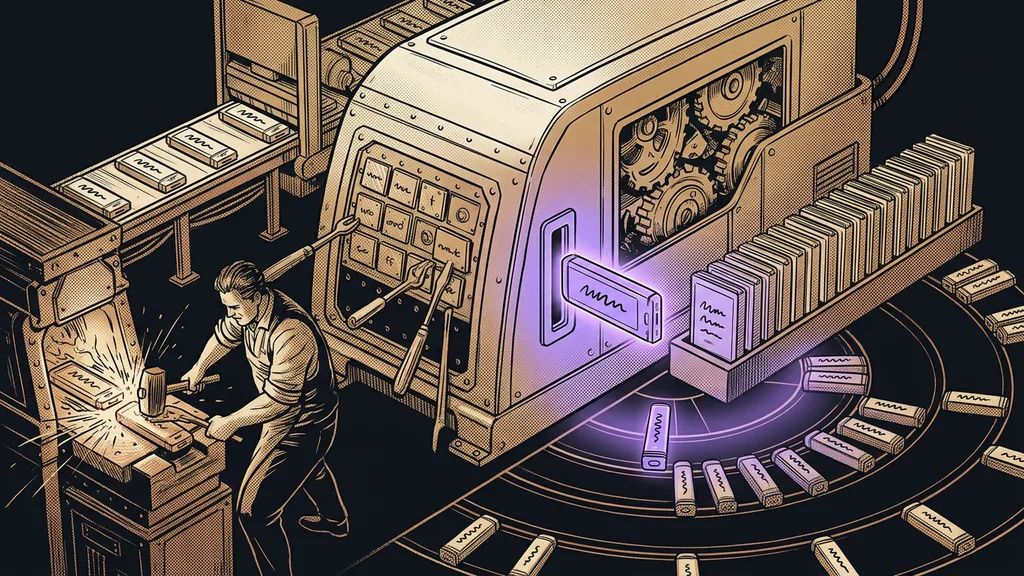
These things get updated anyway, because something other than the bot depends on them. A new price has to go on the website, or you keep selling at the old one. A new condition has to go into the contract, or the legal side doesn’t add up. When the bot draws from exactly these places, updating it stops being a separate task that gets forgotten. It happens in passing, during work you do anyway.
That doesn’t make a hand-built library of answers useless. Where you need answers worded precisely, it has its own discipline and two speeds of upkeep. The difference is where the truth comes from: you write the library yourself, while a derived knowledge base changes along with its source.
Grounded answer (grounding)
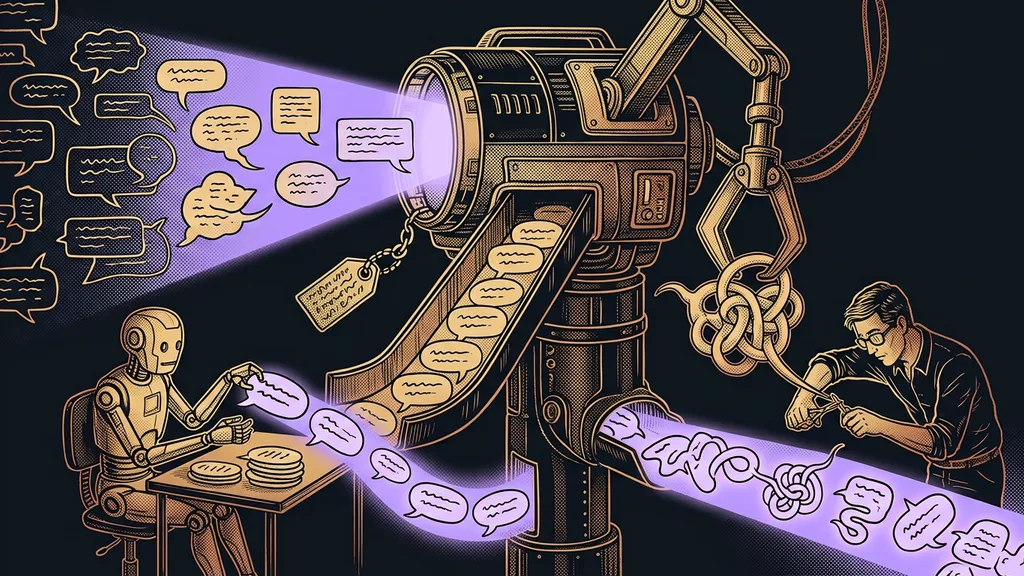
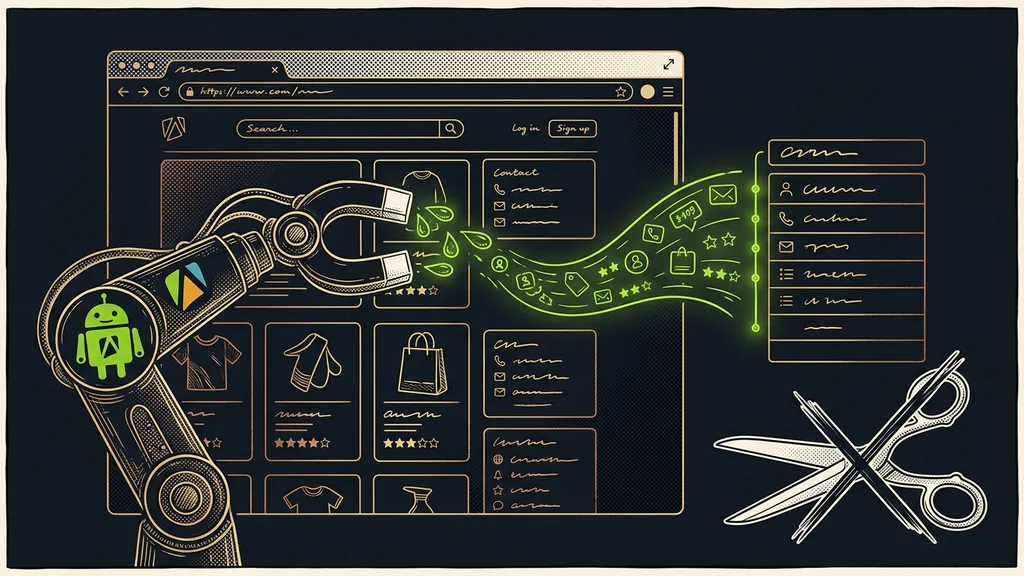
A way of working in which the chatbot answers only from a specific document it found for the question, never from the model’s memory. When it can’t find such a document, it says so instead of making up a plausible-sounding sentence. That’s the difference between a bot you can let loose on customers and a bot that’s just for show.
What happens when the source changes
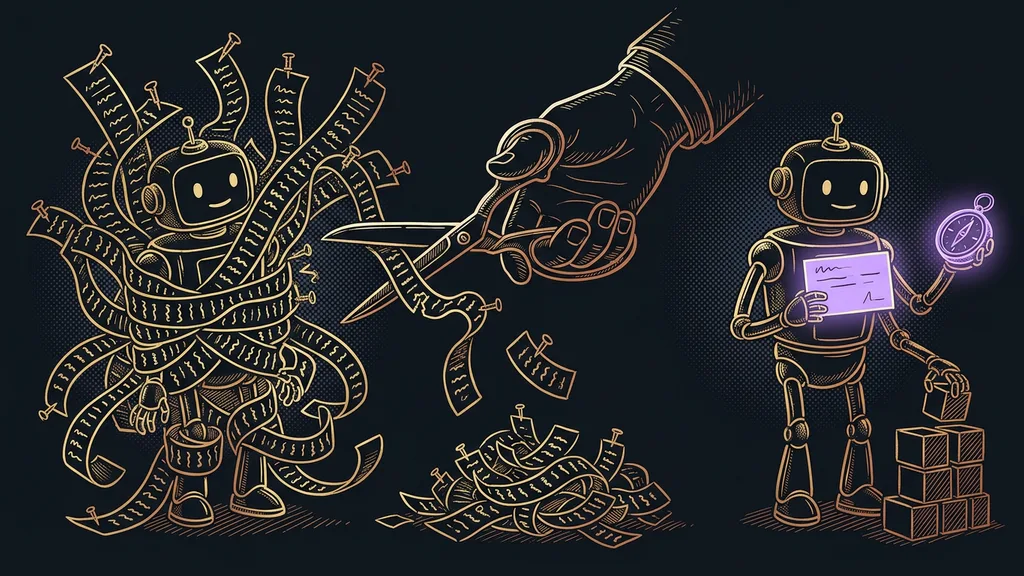
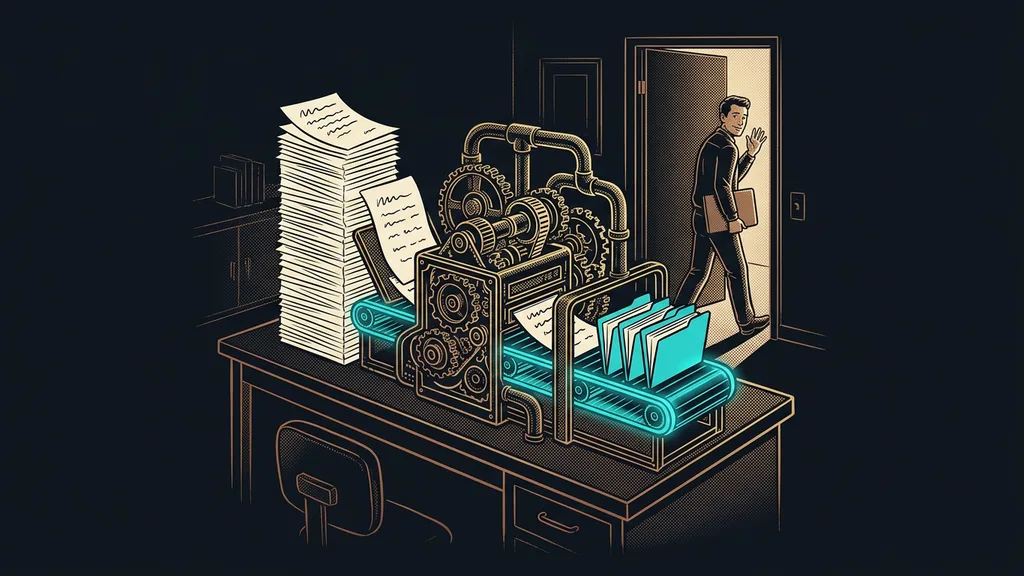
A change at the source shouldn’t wait for someone to remember it. The system should find it on its own, prepare the new version of the answer, and send it for approval.
It all comes down to who takes the first step. When a person does, it happens once every six months. When the system does, it happens the day the text changed. That’s what separates a bot that lags behind reality from a bot that keeps up with it. Feel free to keep the final say for yourself, since approving one sentence doesn’t slow anything down. It’s the same idea as an assistant you explain a process to once, who then remembers it.
A one-minute self-check
Ask your chatbot about your price, your next available date, and your cancellation terms. Compare the three answers with what’s on your website today and count how many match exactly. And if you changed the price tomorrow, do you know when and from whom the bot would find out?
A bot is only as good as the text it draws from
Connecting to a live source won’t improve the source. It only amplifies whatever quality is there and spreads it to people faster.
If the website explains something only halfway, the bot will repeat it halfway, and with confidence. That’s why I always go through the source before connecting anything and fill in what’s missing. It tends to be the most useful part of the whole job, because people who visit the website directly end up benefiting from the cleaned-up text too. It also shows how many questions customers really have and how many the website still leaves unanswered. And for claims the business stands behind, every answer should come with a visible link to the source.
Who this isn’t worth it for
This isn’t for everyone. If your website has a few sentences that won’t change for a year, you don’t need a live source. Reading through the knowledge base every now and then is enough, and you’ll be done in an afternoon. Building a system around it would mean solving a problem you don’t have yet.
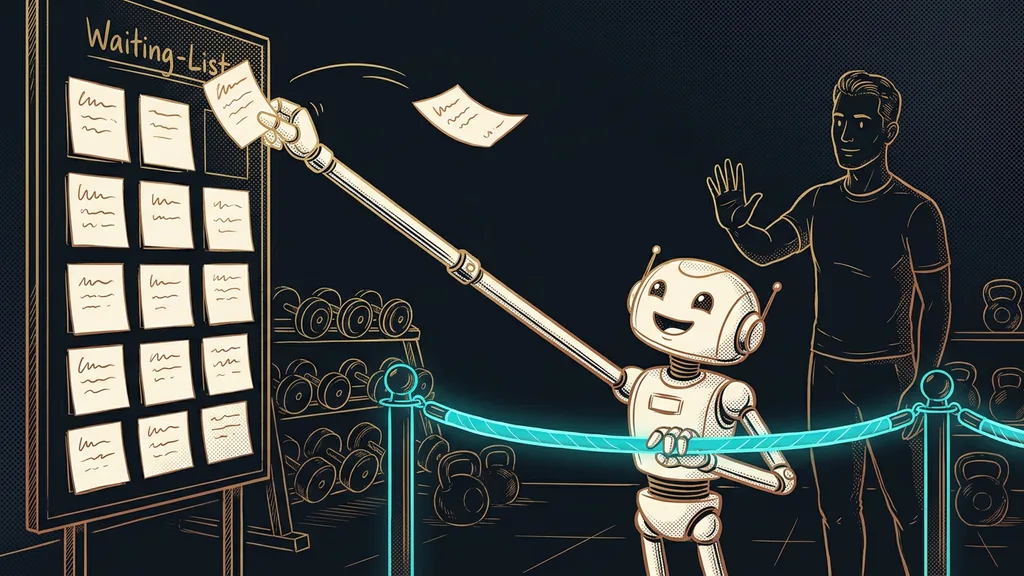
I’d rather admit the second limit right away: not everything can be derived from text. Prices with exceptions, individual terms, and things decided case by case belong with a person. A good bot doesn’t guess at that point. It says a colleague will take care of this and hands the conversation over.
The whole system in a nutshell
- Find the place where you already keep the truth and maintain it no matter what.
- Clean up that source before you connect the bot to it.
- Let the knowledge base derive from the source instead of writing a second copy.
- Make sure the system catches changes on its own and prepares a new version of the answer.
- Leave approval to a person, but make it take a minute, not an afternoon.
- For answers you stand behind, show where they come from.
And the customer who found two different prices? They needed the business to have one price, not a smarter bot. What keeps a chatbot current is having nowhere to pull an old truth from, because the business has no second version left. A better model won’t do that for you.