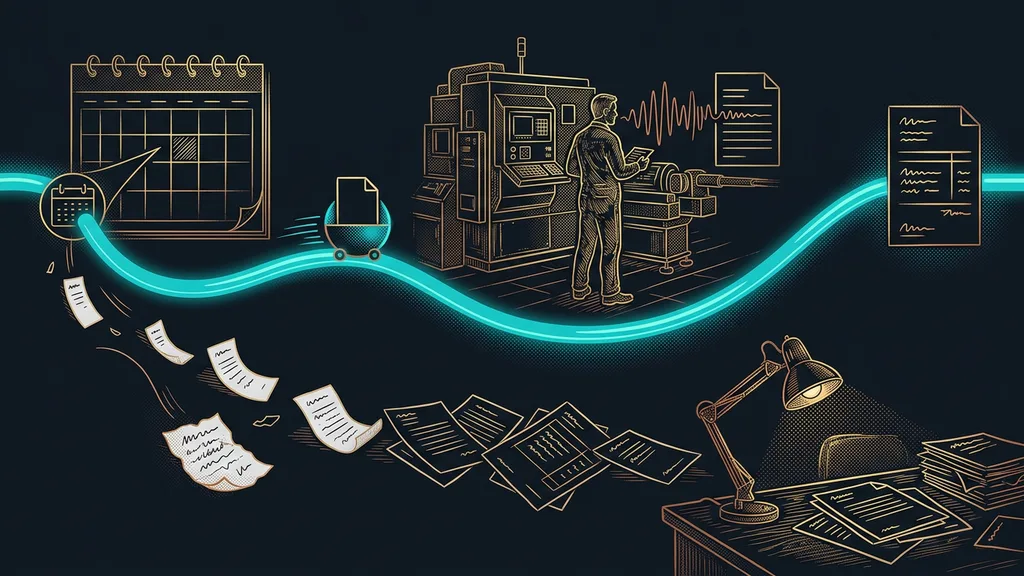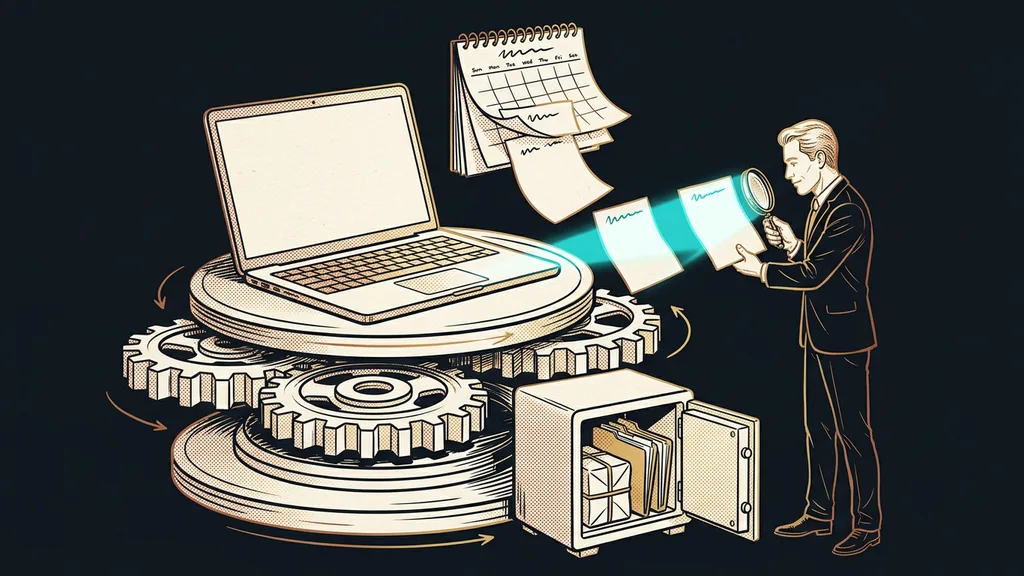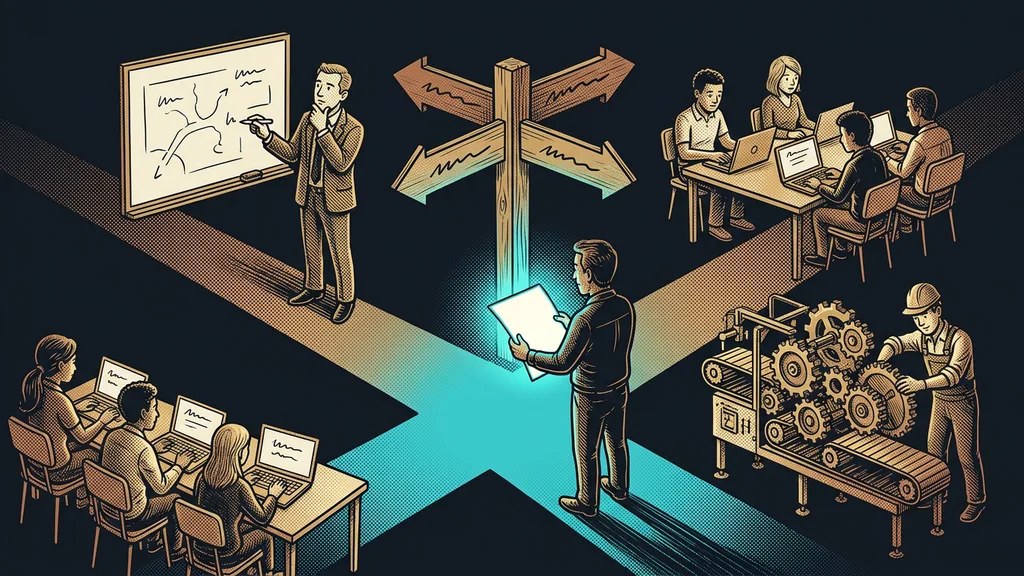
“AI implementation” means something different to everyone. For one person, it’s a ChatGPT subscription for the whole team; for another, an afternoon training session; for a third, a finished system that does the work instead of people. Only the third is actually implementation: work after which something runs in the company that a person used to do by hand.
At first consultations, I often hear that a company already has AI because it pays for it for the whole team. Then I ask which job nobody has done by hand since. There’s a moment of silence. The licenses are running, people occasionally have an email tidied up, but not a single routine has moved out of the company.
What AI implementation is, and what just poses as it
AI implementation is a project at the end of which a specific job runs without anyone touching it. A license gives you a tool, training gives you a skill. Only implementation gives the company a finished piece of its operations.
| Question | License | Training | Implementation |
|---|---|---|---|
| What you get | access to a tool | people who know how to use the tool | a built and connected system |
| What’s running the next day | whatever someone happens to remember | whatever someone happens to remember, just done more skillfully | a specific routine, on its own |
| Who does the work | still a person | still a person, just faster | the system, with a person checking |
AI implementation
Introducing artificial intelligence into a specific job in a company so that it does that job on its own. It starts with an analysis of what’s done by hand today, continues with building and connecting to the company’s tools, and ends with a handover. It’s measured by what runs in the company, not by how many people have access.
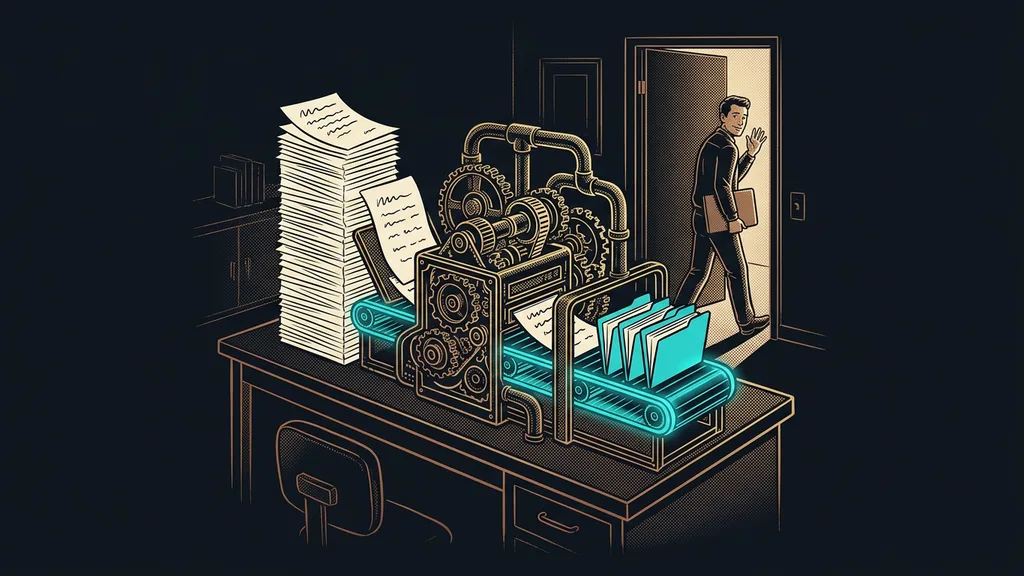
An implementation is finished only when the system is still running the day after the implementer closes the laptop and leaves.
What happens during an implementation, step by step
An implementation has four phases, and building is only the third. Without the first two, you’re building blind.
Consultation. Together, we go through what you do by hand in the company and what slows you down the most. Rather than looking for places to stick AI, I look for work you’d be best off no longer doing.
Proposal. You get a written plan: what I’ll build, how it will work, which of your tools it will connect to, and how much it will cost. You know the price up front, not when the invoice arrives.
Deployment. I build, connect, and test on real data, not made-up examples. Only live data reveals the exceptions nobody thought of on paper. For example, I built a system that reaches out to clients who’ve gone quiet. It sends them an email and an SMS in the company’s tone, always after approval. In its first live run, sixteen emails went out, and all sixteen were right the first time.
Handover. The company gets training, documentation, and accounts in its own name. This is the phase people forget most often, because the system is already running, right?
One page before the consultation
Write down three things: which job you want to stop doing by hand, who does it today, and how many hours a week it eats up. Below that, list the tools where the data for that job lives. With a page like that, the first consultation doesn’t have to spend time searching and can go straight to the proposal.
What an implementer delivers, and what not to expect
An implementer delivers something built, connected, and tested that fits into the tools you already have. Typically, it’s an inquiry that travels from a form all the way to an invoice with no manual retyping, or a chatbot that answers from company materials. A safeguard comes with it: when the system isn’t sure, it stops and asks rather than guessing.
Integration
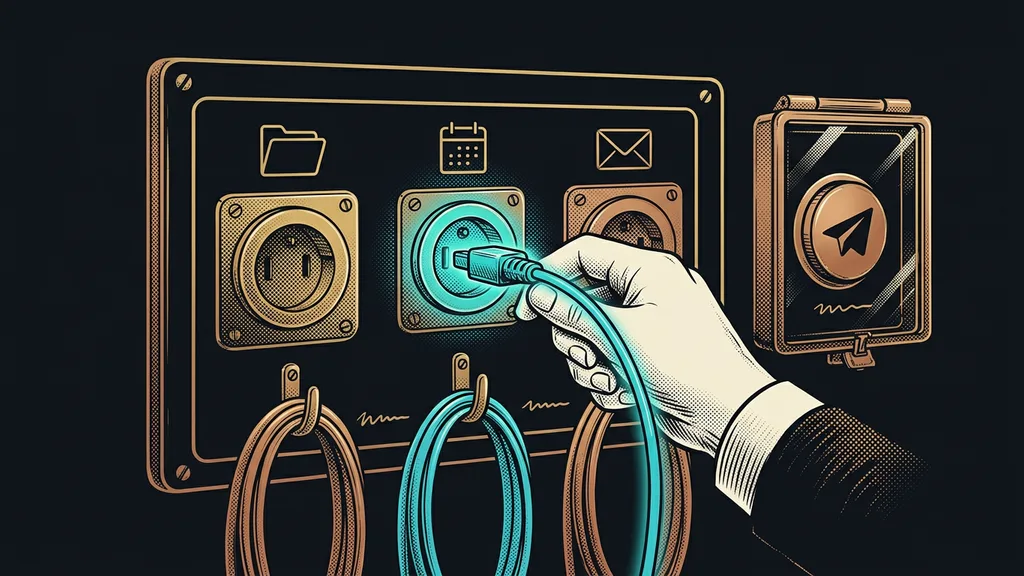
Connecting a new system to the tools the company already uses (CRM, invoicing, email, calendar) so they pass data to each other on their own. Without integration, the AI does answer, but someone has to carry the result somewhere else by hand. The work just moves from one desk to another.
What an implementer won’t deliver is the decision about what result is right for your business. That has to come from you. And most AI rollout mistakes happen before any building starts. The company buys a tool but never names the job it’s supposed to take over.
What has to stay with the company
Ownership, decisions, and care stay with the company. None of them can be bought from outside.
Ownership means the accounts, access, and data are registered to the company, not to the implementer. Decision-making means that anything going to a customer is approved by someone in the company. And care means the system has a clear owner inside the company. Who that should be when you don’t have your own IT person, I cover in the article on who should be in charge of AI at a company.
Measurement belongs here too. Before building starts, write down how much time the work takes today, and compare after a month. I’ve written separately about how to plan that first month with AI so you have a number at the end of it. I hand over systems so the company doesn’t depend on me. When it wants to expand the system six months later, it talks to the same person again.
When you don’t need an implementer
An implementer is unnecessary where it’s one simple routine in one tool. If you have the motivation and a few free evenings, you can take the first step yourself, following the guide to bringing AI into a company one measurable step at a time. When people in the company mainly need to learn to work with AI, training will help them more than a build. And where the work gets done differently every time, there’s nothing to build yet.
The whole implementation in a nutshell
- Name the job you want to stop doing by hand, and write down how much time it takes today.
- In the consultation, it becomes a written proposal with the price up front.
- The system gets built, connected to your tools, and tested on real data.
- At handover, you get training, documentation, and accounts in the company’s name.
- One person in the company looks after the system and, after a month, compares the numbers with the starting point.
The subscription on your invoice is just the entry ticket. Implementation starts with the question of which job you want off your plate, and it ends on the day a system does it for you and you only check the result. If you want me to build that first routine, see how working together on AI for business goes. The first consultation is free and online. After that, the yardstick is simple: on Monday morning you come to work, and one thing from your weekly list is sitting finished on your desk.