A fitness studio makes its money on the people who come back for a fifth visit, not on the sign-up itself. Between those two points sits a whole operation nobody notices: bookings, confirmations, reminders, stand-ins for freed-up spots, and messages to people who haven’t shown up in two months.
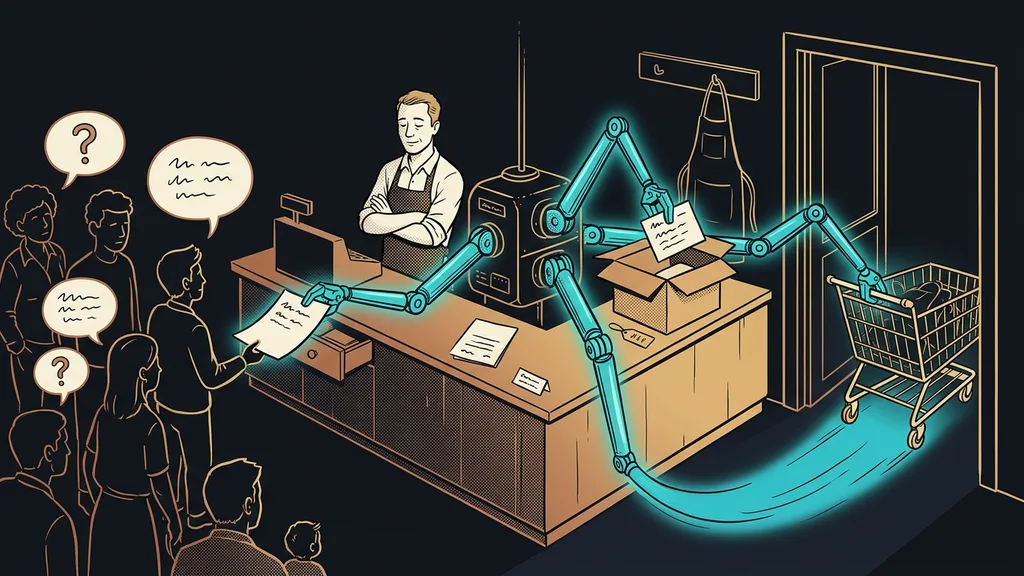
Studio owners all describe it to me the same way. The Monday 6 p.m. class is full two days ahead, the room is empty on Tuesday morning, and in between sits a pile of messages about who canceled and who’d still like to come. The trainer handles it on their phone, between two groups, which is exactly when they should be with the people in the room.
A studio lives on the people who actually show up
Whether a client renews gets decided long before the renewal date: in the weeks when they didn’t come and nobody got in touch.
The silent exit
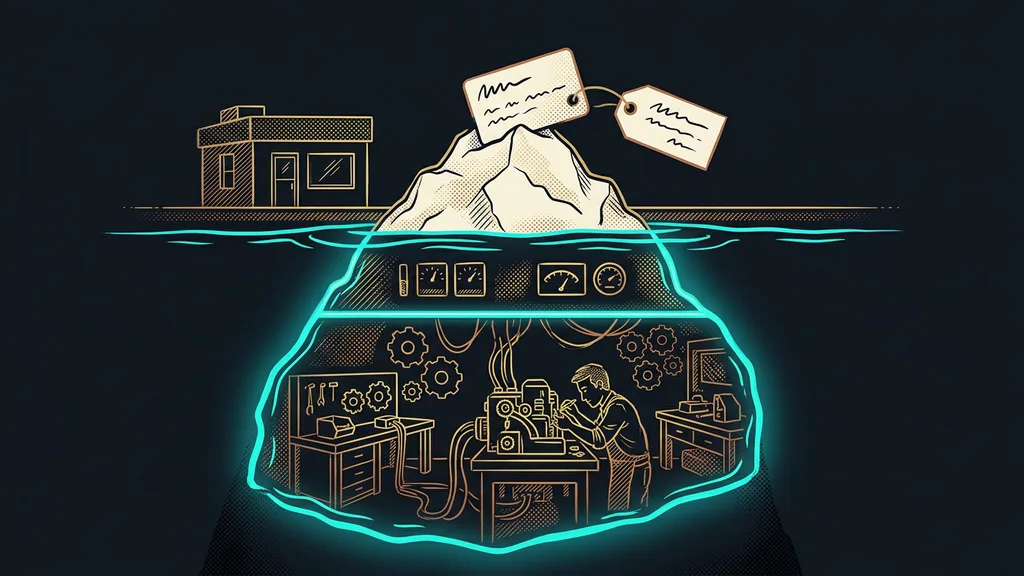
The client doesn’t cancel and doesn’t say it wasn’t working for them. They simply skip one Tuesday, then miss a Friday, and two months later their membership quietly runs out. Until then, the studio knows nothing about it, because the payments keep coming. And by the time the payments stop, it’s too late to ask anything.
Hardly anyone leaves because of the studio itself. They leave because they lost their rhythm: an illness, a business trip, two hectic weeks. Coming back after a month is far harder than after a week, and that’s exactly the month when nobody gets in touch. Yet the studio knows about the break. The information just never comes together in one place.
A client really leaves on the Thursday they first don’t show up and nobody finds it strange. Canceling the membership comes much later.
A spot that frees up doesn’t have to stay empty
A booking canceled an hour before class only turns into a loss when nobody offers the spot to someone else.
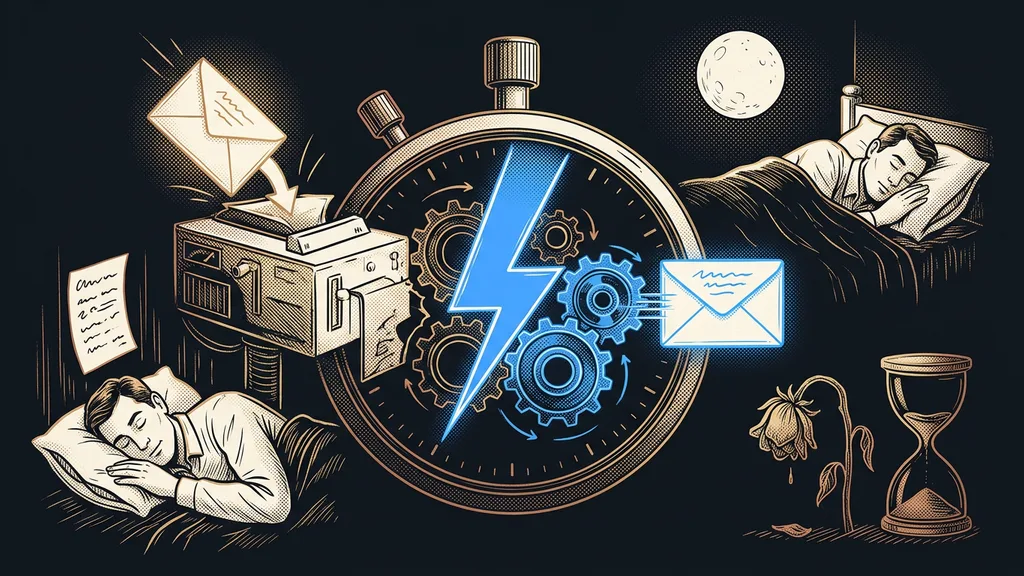
Bookings, confirmations, and reminders can all run on their own, and a freed-up spot goes straight to the first person on the waitlist. They hear about it before anyone could even look at the schedule. The room doesn’t get any bigger, but you stop wasting the capacity you already have. And bookings tend to get canceled in the evening or early in the morning, when nobody is sitting at a computer.
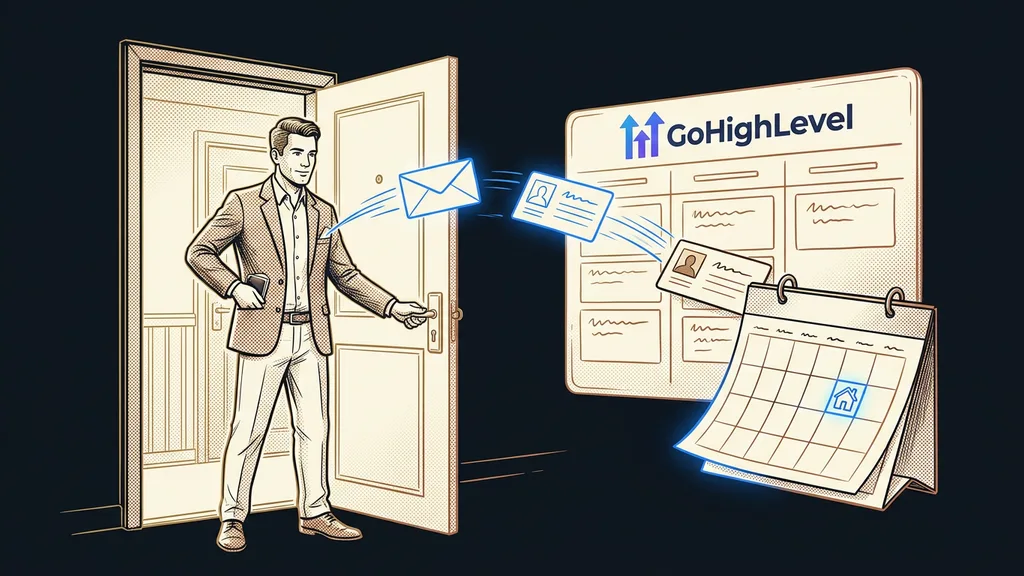
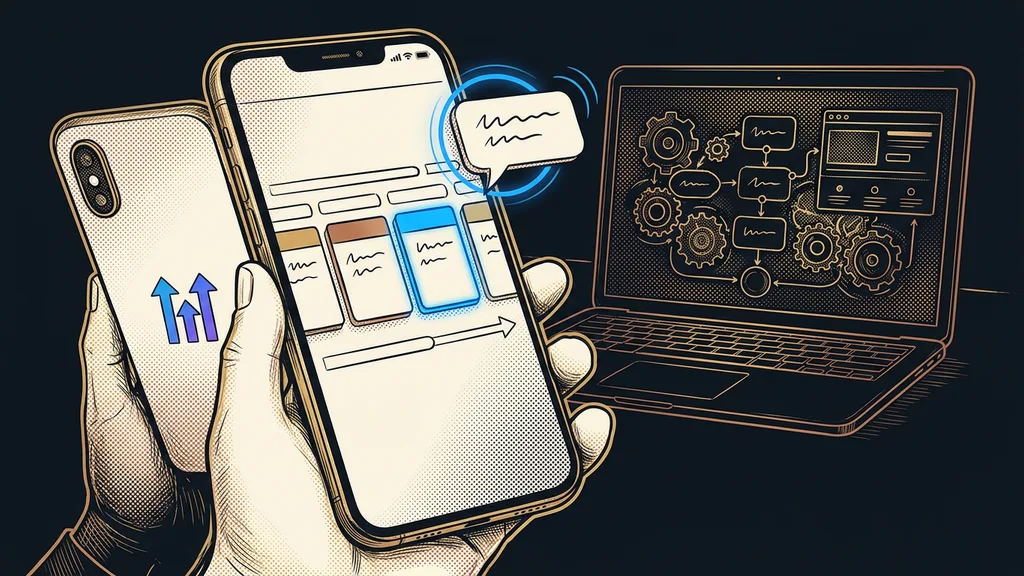
A reminder goes out the day before, and a short confirmation on the day of the class. Anyone who can’t make it cancels with one click, and that’s exactly what frees up the spot in time. A WhatsApp message you just tap to confirm also reads differently from an email, because people book classes on their phones, not at a computer.
You’ll know right away when someone stops coming
Every studio sees who came. Few see who didn’t, and that’s the more useful half of the information. Attendance is the first thing to change. Payment changes last of all.
Behavioral segment
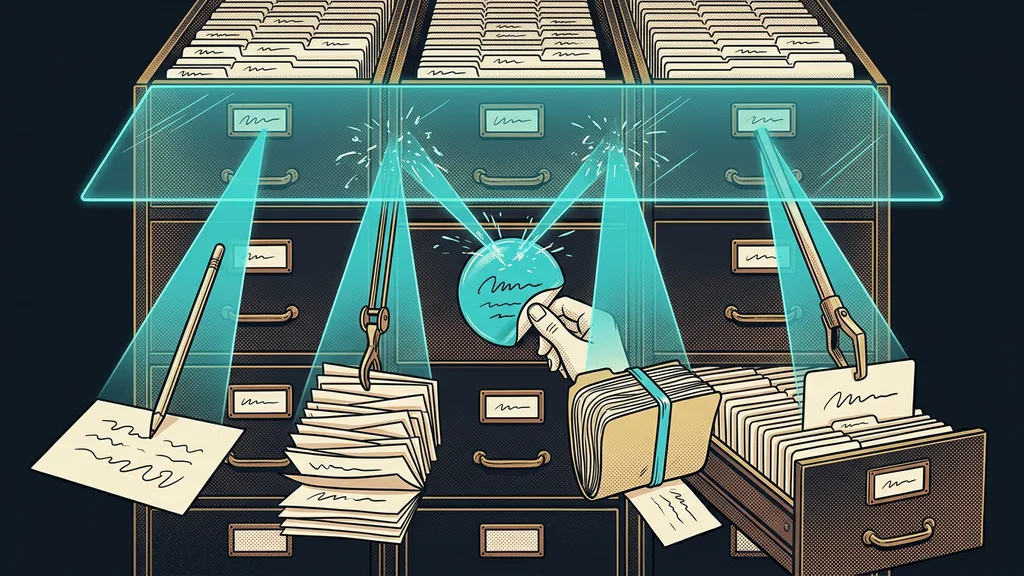
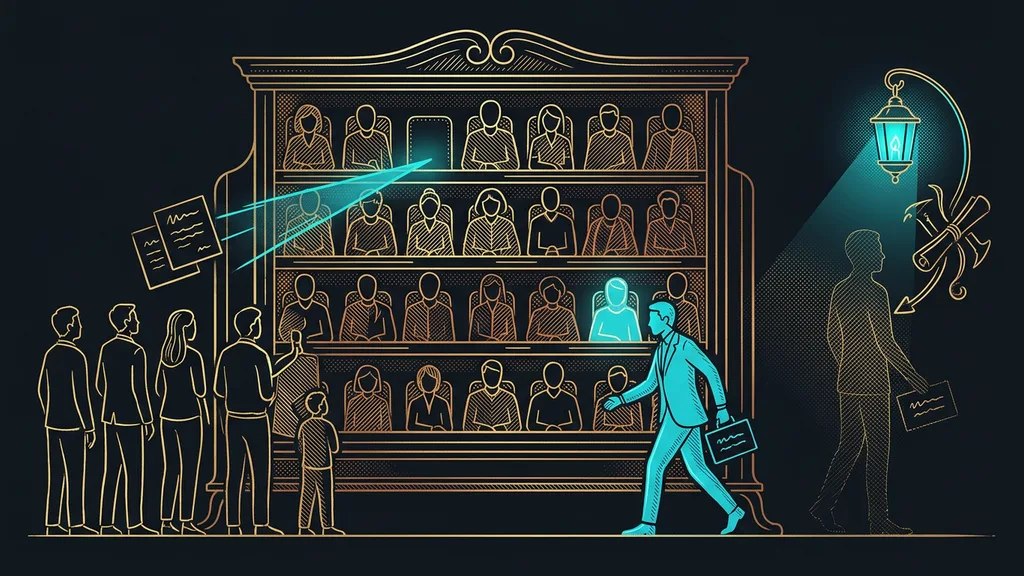
A group of clients selected by what they did or didn’t do, rather than by who they are. For example, everyone who has an active membership and hasn’t been to a class in over a month. The system keeps a group like that up to date on its own, and you just decide who in it deserves a personal message.
The difference from a manual overview is timing. Instead of being put together when someone finally sits down with the revenue numbers, the list exists all the time. So the message goes out in the week when it still makes sense, rather than a quarter later.
One-minute self-test
Open your client list and find ten people who were paying you last fall and aren’t anymore. Write down two numbers: how many of them you know the reason for, and how many heard from anyone before they stopped paying. Sadly, the second number is usually the easier one to work out.
Give them a reason to come back
A “we miss you” message won’t bring anyone back. A concrete thing will: an open spot in a class they liked, or a short challenge they can jump into on Monday.
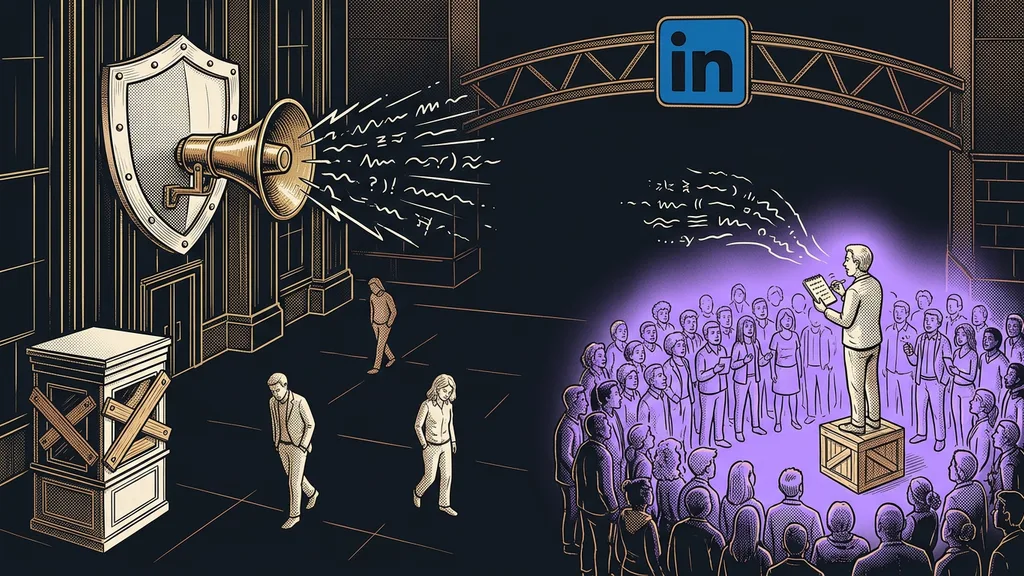
Bulk messages get prepared in one place and go out only after you approve them, so nobody sends the January challenge by hand, group by group. You write the text once and then just adjust it for whoever it’s meant for. Two paragraphs and one button do more than a flyer on the door.
If your studio has an online side, you can invite people somewhere even outside the room. Videos, plans, and challenges under your own brand keep you in touch during the week someone can’t make it to the studio. Coming back then feels like picking up where they left off.
Questions about prices, opening hours, and open spots usually come in the evening, when nobody is at the front desk anymore. Even an assistant can answer them, as long as you set its boundaries: what it’s allowed to say on its own and what it should hand over to a trainer. It never makes up prices, and it stops at any health question.
When it doesn’t pay off for a fitness studio
This isn’t for everyone. A trainer with twelve regular clients they message personally and know by name will get almost nothing out of it. The personal contact there is closer than any automation could ever be.
It doesn’t pay off where classes aren’t scheduled and people drop in whenever they can, either. Without bookings, there’s nothing to fill and nothing to remind anyone about. A schedule has to exist first, and only then can anything be handed over to a system. And one more thing, for the full picture: no message replaces the trainer asking after class how it went. The system can tell that someone didn’t come. Only a person finds out why.
The whole system in a nutshell
- The client books a spot on their own and gets a reminder the day before.
- A freed-up spot goes to the first person on the waitlist instead of to an empty wall.
- The list of people who stopped coming stays up to date by itself.
- You decide who gets a personal message and what goes out in bulk.
- Between classes, the online side and the messages you’ve approved keep you in touch.
And that Tuesday morning with the empty room? It’ll never be completely full, and it doesn’t have to be. But the part of the emptiness that came only from nobody hearing about the open spot, or about the client who was drifting away, will disappear. What makes a studio grow is how many of the people who sign up come back next week.