AI rollouts rarely stall on the technology. Tools today are cheap, speak your language, and can be up and running in an afternoon. It breaks a step earlier: nobody named one specific job, measured it, and decided who would take it over. What you end up with is a subscription that, six months later, nobody can say changed anything.
In consultations, I hear the same sentence over and over: we tried it and nothing came of it. Behind it, there’s almost always one of the five mistakes below rather than a bad tool, and three of them can be fixed in an afternoon.
Rollouts break on five decisions, not on technology
The mistakes I’m writing about are connected. They all come from starting with the tool instead of the work, and they all show up only once you’re already paying for something. Luckily, you can spot them in advance.
I’ve ordered them by time, not severity. The first two mistakes happen before you buy anything, the third on launch day, and the fourth and fifth in the first weeks of operation.
Pilot
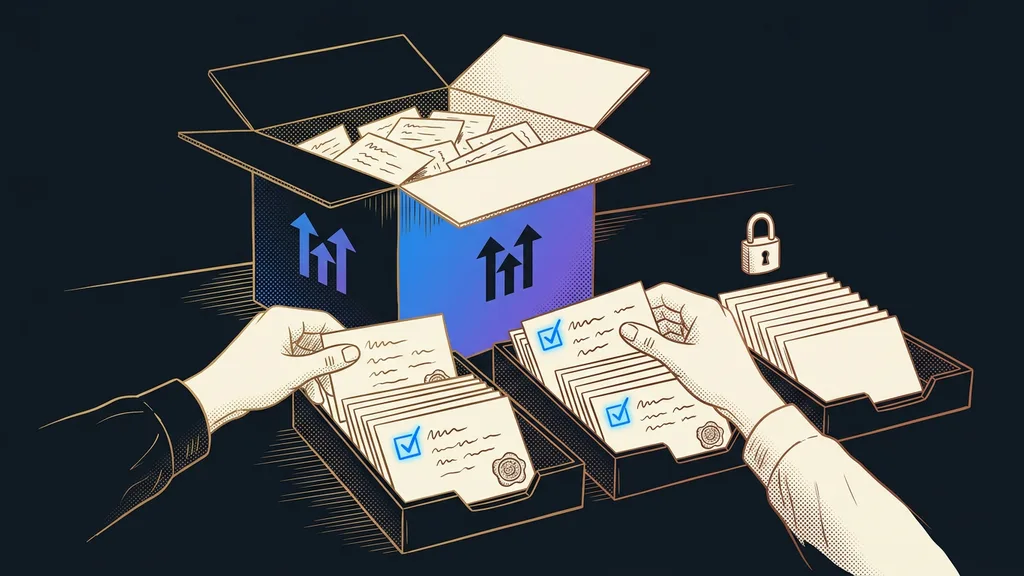
A trial rollout on one specific job, bounded by time and by one number. It has a set start, a set end, and a condition under which it counts as a success. Without those three, what you have is experimenting, not a pilot, and experimenting never ends.
“We’re trying it out. We haven’t gotten much out of it so far, though.”
That’s the line I hear most of all. Trying things out lacks both a yardstick and an end point, so you can stay in it for a year. A pilot has both, which is why after a month you know how it went.
Five mistakes, as I see them with clients
The table below gives you the full overview. The left column is the mistake, the middle one is how you’ll spot it in your own business, and the right one is the one thing to do instead.
| Mistake | How you’ll spot it | What to do instead |
|---|---|---|
| 1. Tool before task | you’re paying a subscription and nobody can say what changed | name one job that repeats every week |
| 2. Starting with the hardest work | the first attempt is where every case is different | start with the most boring work you have |
| 3. No number before launch | six months later, people argue about whether it helped | measure one number the week before rollout |
| 4. No stopping point | either nobody uses it, or everybody checks it | pick one step where a human decides |
| 5. Leaving out the people who do the work | a month after it’s finished, nobody uses it and nobody says why | involve them in the brief and the first test |
In short: the first three mistakes are about the brief and measurement, the last two about trust. And those two decide whether a pilot turns into everyday operation.
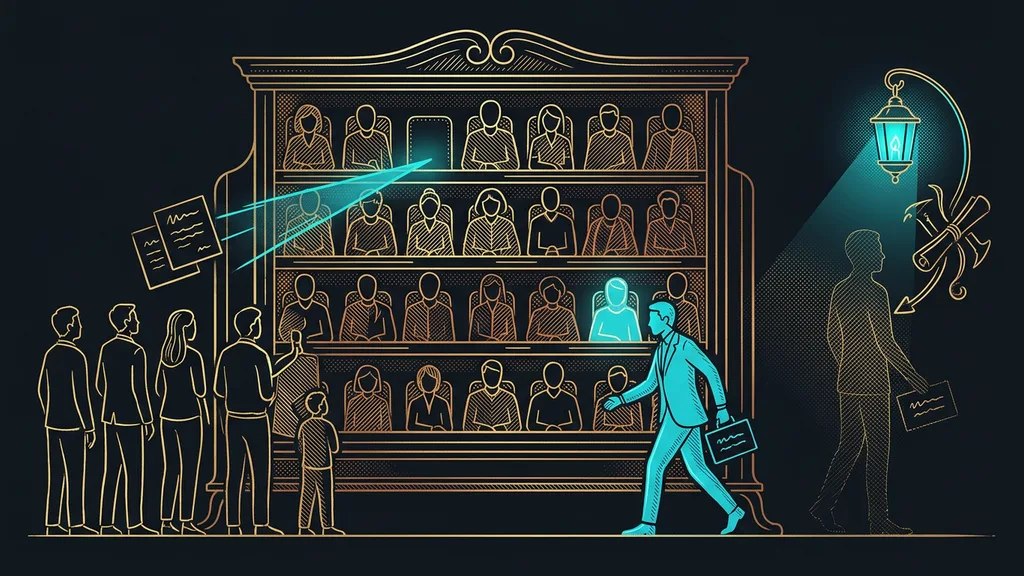
Mistake one: you buy the tool before you name the job
The most common mistake of all. The business buys a subscription, hands out logins, and waits for the benefits to show up on their own. They don’t, because a tool on its own doesn’t do anything.
You’ll recognize it by a single sentence in team meetings: we’re trying it out. Nobody can say on what, and nobody knows when it’ll be done. After three months, the subscription gets canceled with the verdict that it isn’t for a small business.
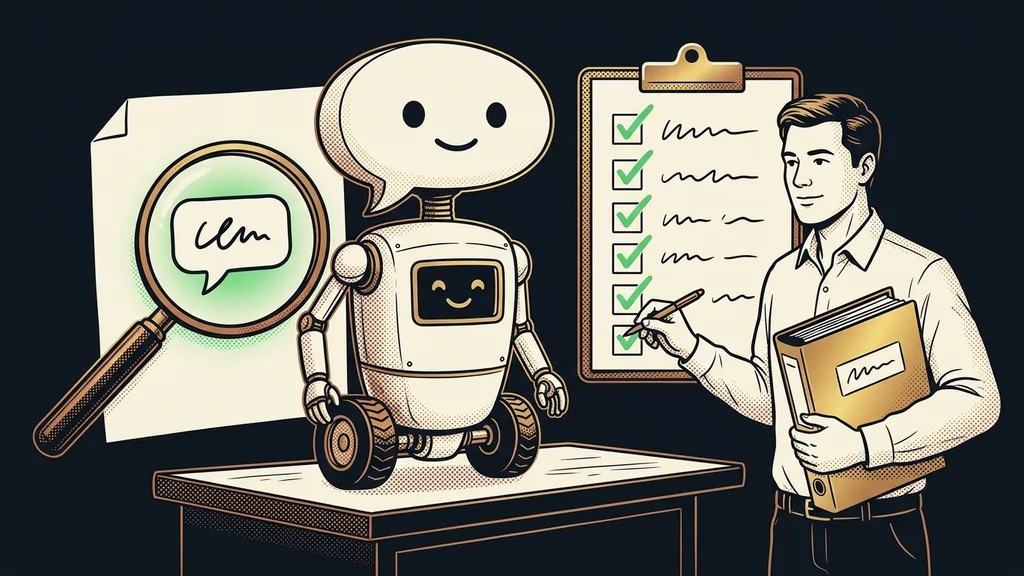
A real brief looks different: every Friday, someone spends two hours copying orders from email into a spreadsheet. That can be described, handed off, measured, and shown off after a month. I describe the order of steps I follow with clients in my article on how to bring AI into a business.
Mistake two: you start where the work is hardest
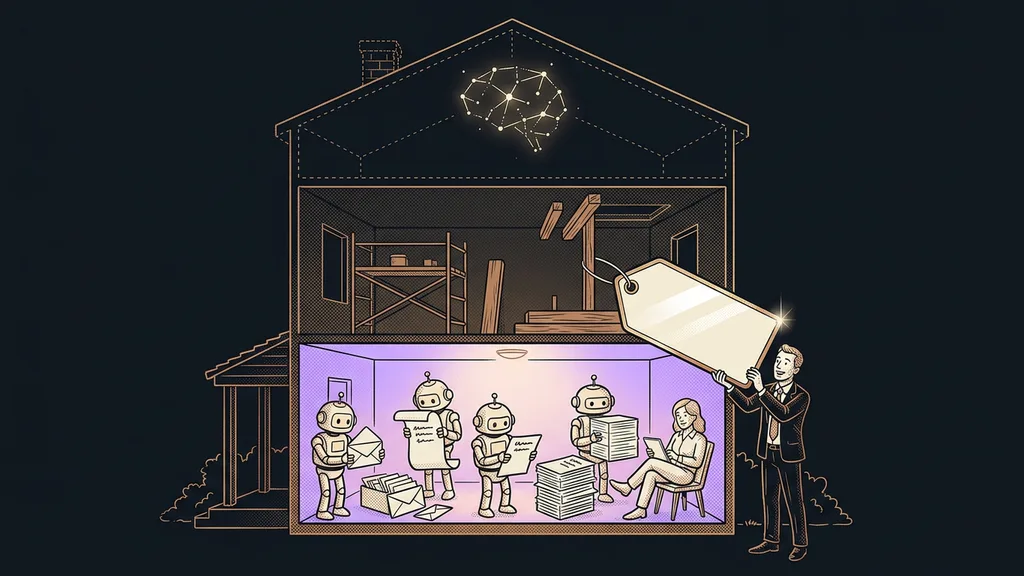
Businesses reach for their most complicated work because that’s where it hurts most. But that’s exactly where every case is different, and there’s nothing to build on.
The opposite is true. You should start with work so boring that nobody talks about it: retyping data between two apps, filling in the same documents, sending the same confirmation. Boring work has a shape, and anything with a shape can be handed off.
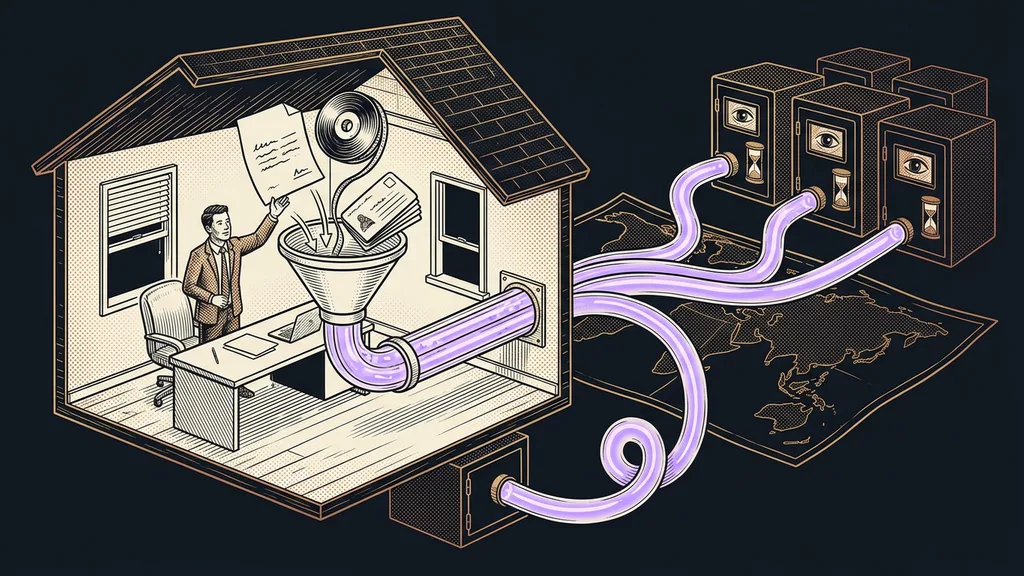
A typical first step looks like this: someone submits a form, and a finished document comes out the other end without anyone retyping it. It’s not spectacular. But it’s done in a week, and nobody needs convincing.
Boring work has one more advantage. When something goes wrong, the damage is small and you fix it within an hour. Your team gets a feel for working with the system, and the second pilot can take on something harder. Start with the exceptions, and you never get to a second pilot at all.
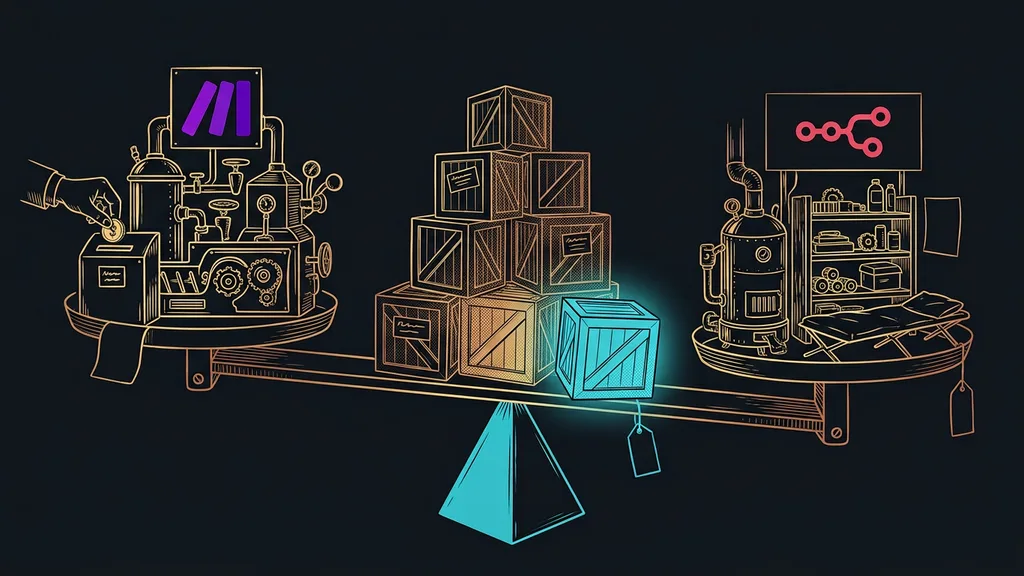
Mistake three: nobody wrote down a number beforehand
Without a number from before the rollout, all you can do about the result is argue. And because both sides are partly right, the debate goes nowhere and the project quietly dies.
In a Deloitte survey of Czech companies in April 2026, 85% said they felt the benefits of AI. Fewer than one in ten could measure them. That alone explains why return on investment so often stays a matter of talk.
Yet all it takes is one number you know even without any tools: the hours a week the work takes, the number of times the same thing gets retyped, or the time it takes before a reply to the customer comes out of it. Measure it the week before launch, and again a month later.
One-minute self-test
Take the job you want to hand to a system and write down three numbers about it that you already know today: how many hours a week it takes, how many times the same thing gets retyped, and how long it takes before a result comes out. If you don’t know any of them, don’t start the pilot yet.
Mistake four: there’s no point where it stops and asks
An automation that decides everything by itself ends up one of two ways. Either nobody trusts it and it goes unused, or someone checks it line by line and the savings are gone.
The fix is boring, and it works. Pick one step where the system stops and waits for a human: sending to a customer, a payment, publishing. It does everything before that on its own, and a human has the final say.
There should be few of these points. Throw in ten, and you’re right back where you wanted to get away from, just with a new subscription. One or two per process is enough, and it’s usually the last step before the customer.
Decision point
A point where the automation stops on its own and waits for a human. You set it in advance, and there are always only a few, usually one or two per process. Paradoxically, the better a system knows how to stop, the less you have to watch it.
A good system also knows when it isn’t sure. When data is missing or something doesn’t add up, it asks instead of guessing. That’s exactly what AI that checks its own work is about, and it’s the difference between an automation you trust and one you’re afraid of.
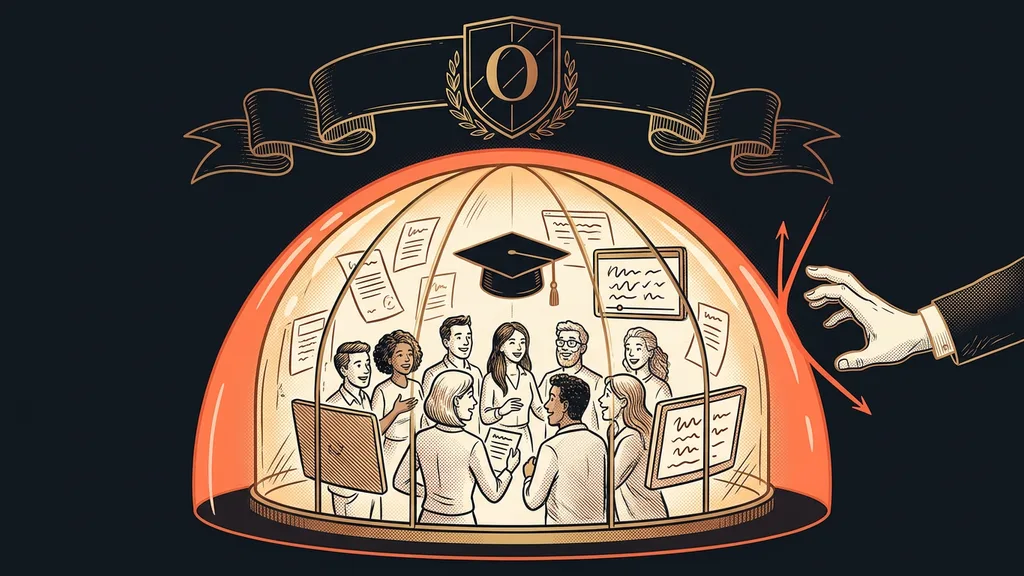
Mistake five: you roll it out without the people who do the work
A finished solution built over people’s heads goes unused after a month, and nobody says why. It’s the most expensive mistake of the five, because it only shows up after you’ve paid.
A 2026 survey of employees at small businesses in the United States found that 64% of them turn to AI for their own productivity, and only 6% to fully automate an entire process. So people pick up tools to make their own work go better. If nobody involved them in the brief, that’s exactly the reason that’s missing.
In practice, that means one thing. Whoever does the work today sits in on the brief and the first test, and has the right to say it doesn’t work like that. Their objections are the most valuable thing you’ll get in the whole project, because they know the exceptions that aren’t written down anywhere. And if an AI employee is going to take over the work, it has to be settled who trains it and who’s responsible for its output.
Who this list won’t help
So who isn’t an AI rollout worth it for? Anyone who doesn’t have a single job that repeats every week in the same shape. A tradesperson who drives to a different job every time will save a few minutes and no more.
It won’t help a business looking for one big solution to everything, either. No such thing exists, and the search costs more than three pilot projects side by side. I described a cheaper route for businesses without their own IT person in my article on AI for small businesses.
And then there’s the honest case where it’s better to wait. If you’re switching accounting systems, moving a warehouse, or taking over a new team right now, you have your hands full. AI isn’t going anywhere, and in three months you’ll have a better brief.
All five mistakes in a nutshell
- First name one job that repeats every week, and only then look for a tool.
- Start with the most boring work, not the hardest.
- Measure one number the week before launch, and measure it again a month later.
- Pick one step where the system stops and a human decides.
- Bring whoever does the work today into the brief and the test.
I’ve never heard that line about trying it out in the businesses where the AI rollout really worked. Their tools and budgets were nothing special. What they had was one clearly named job, one number, and one person who was there from the start. You can tell a good rollout by the work that stopped landing back on someone’s desk, not by how much got launched.