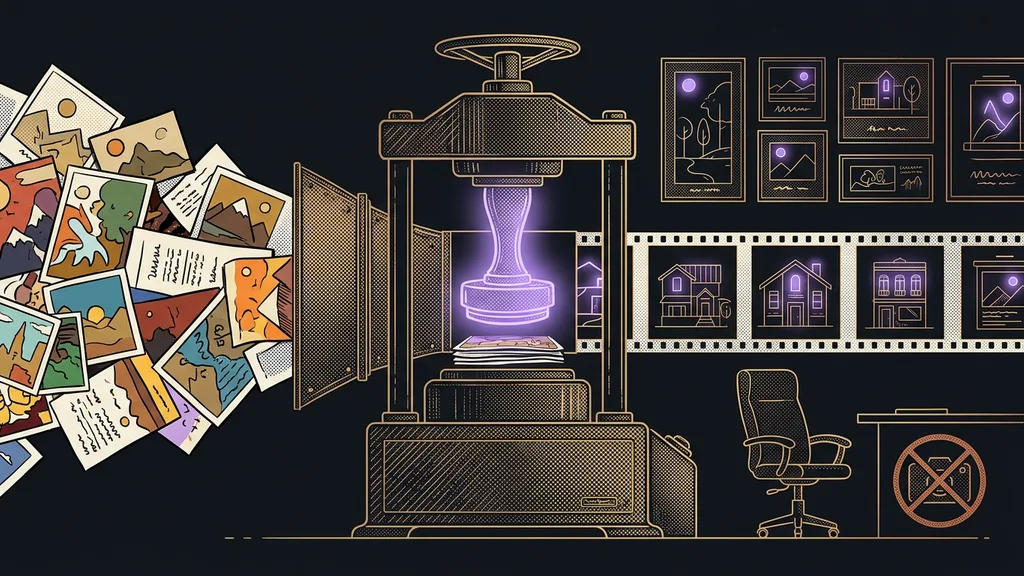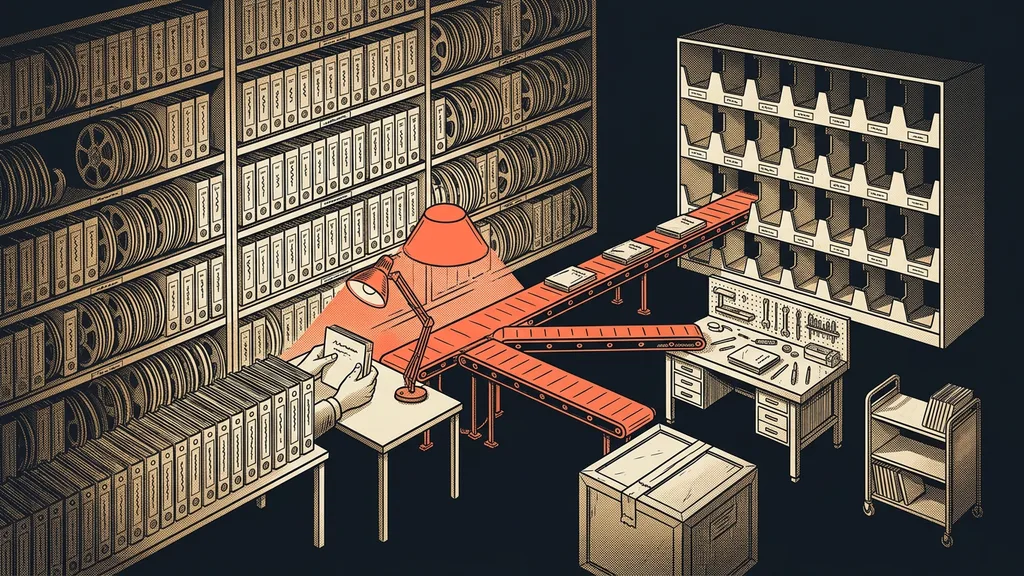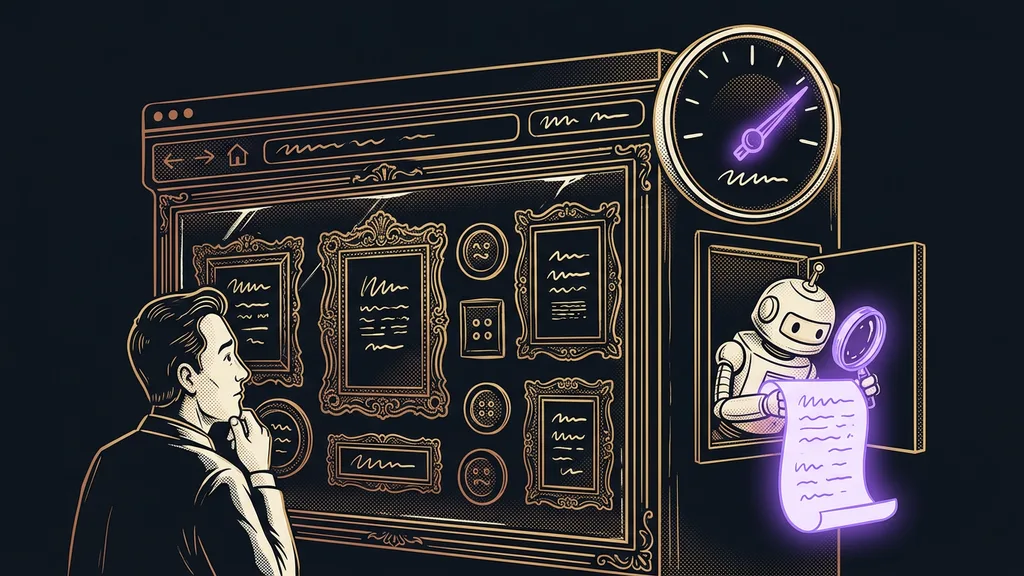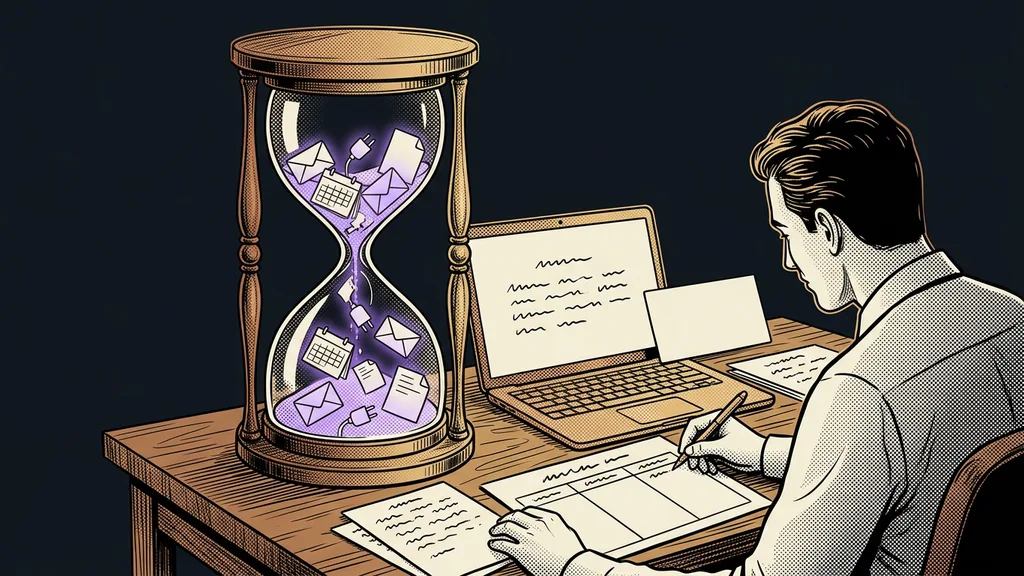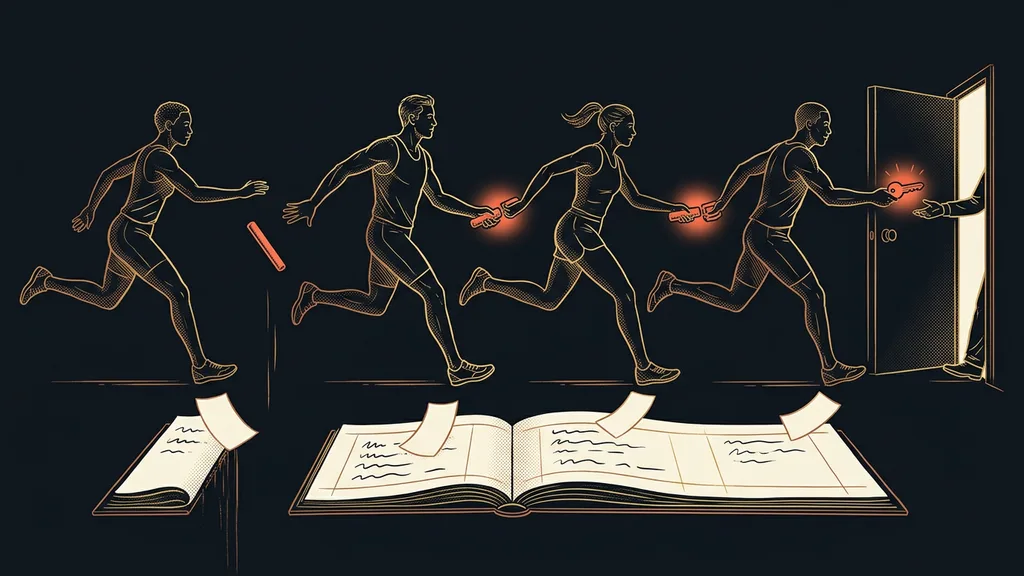
An order looks like a single step. The customer fills in a form, pays, and that’s it. In reality, four different roles hide behind that one second: taking the details, recording the payment, issuing the invoice, and letting the person into the product. Each of them lives somewhere else, and each can fail silently.
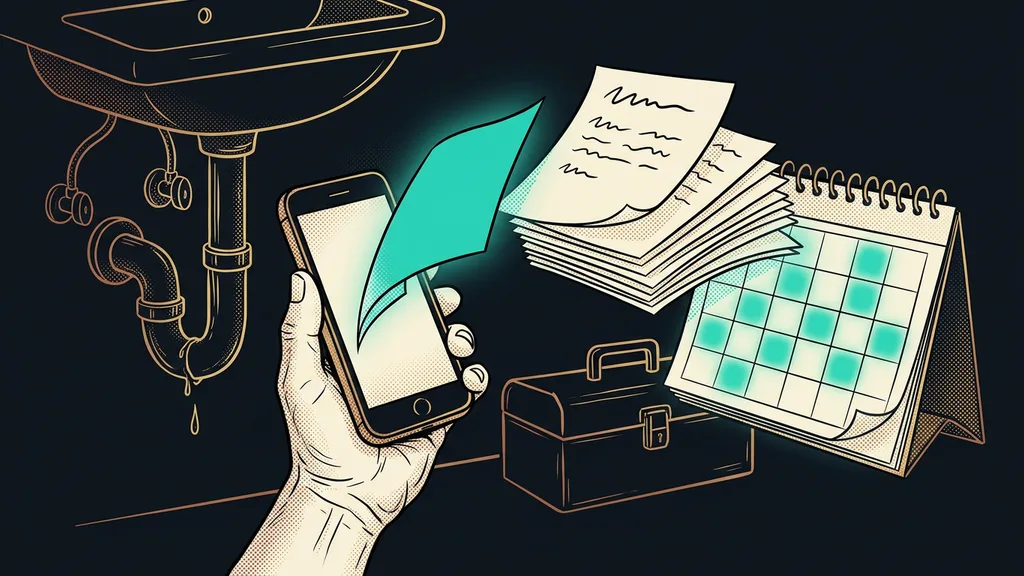
I still remember one such message. It came on a Saturday evening, and it said the money had gone out, but nobody had gotten in. The payment went through correctly, the invoice was issued correctly, and yet the customer was right. It got stuck in between.
An order is a chain of handoffs, not one step
The path almost always breaks between steps rather than inside them, at the points where one tool finishes and the next is supposed to take over.
Handoff
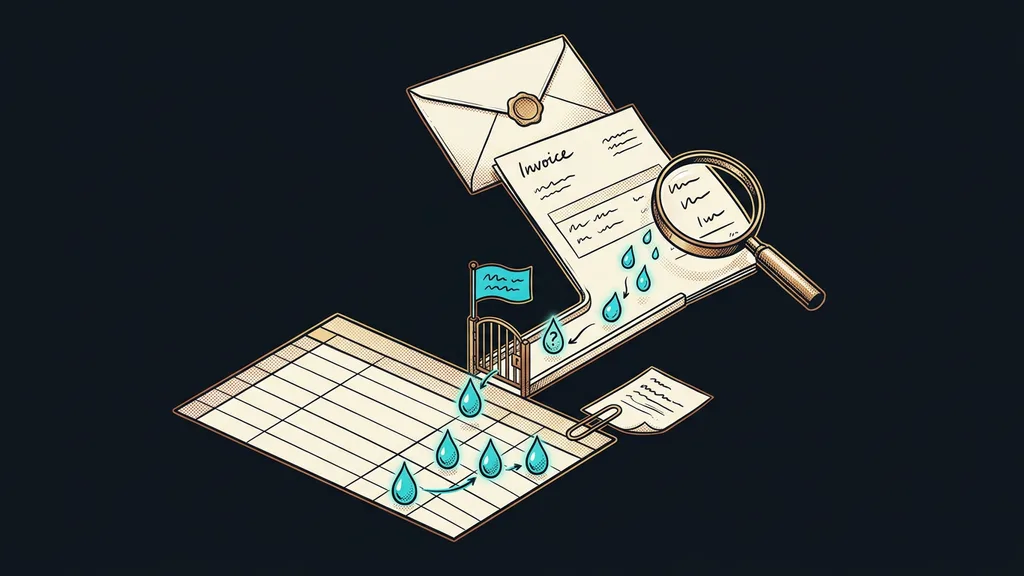
The moment one tool finishes its work and the next one is supposed to pick up. The form hands off to payment, payment to invoicing, invoicing to product access. Inside a step, the tool’s vendor watches for errors. At a handoff, nobody does, because each side thinks it’s the other side’s job.
A typical sale has four or five handoffs. Each of them looks reliable on its own. But reliability multiplies, and four almost-certain steps in a row don’t add up to a certain outcome. Nobody reports the remainder. The customer either writes to you or changes their mind and leaves, and you never find out.
Worse than an order nobody placed is one a customer paid for and never received.
Four places where the path breaks
I’ll take them in the sequence an order runs into them.
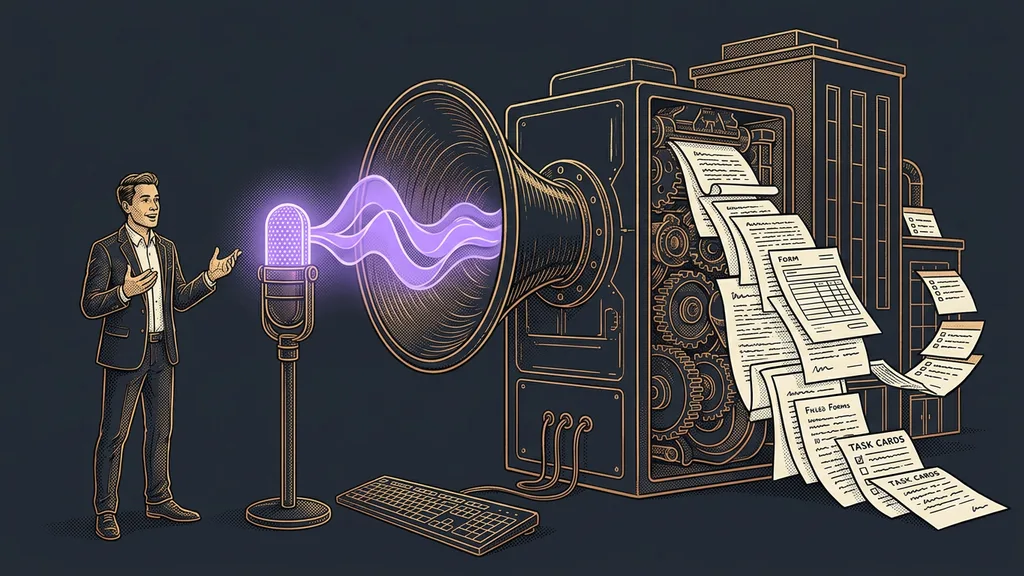
The form. This is where you collect the details the rest of the path will live on. If it lacks a field for the IČO (the Czech company ID number), the invoice won’t get it either. It helps when the form fills itself in and sorts the data, because manual retyping is the first place a typo gets into the system.
The payment. The step people pay the most attention to, and the one that fails least. Payment gateways know their job, and they report reliably.
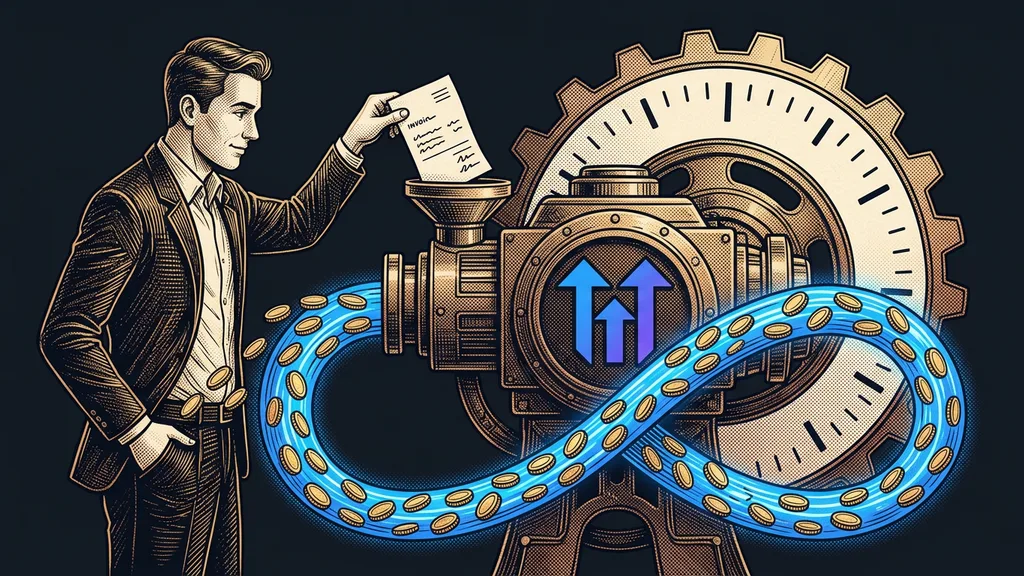
The invoice. A platform from abroad issues a receipt, not a Czech tax document. That’s why invoicing gets moved out to a system that handles the variable symbol (the Czech payment reference) and the IČO, and the order turns into an invoice by itself.
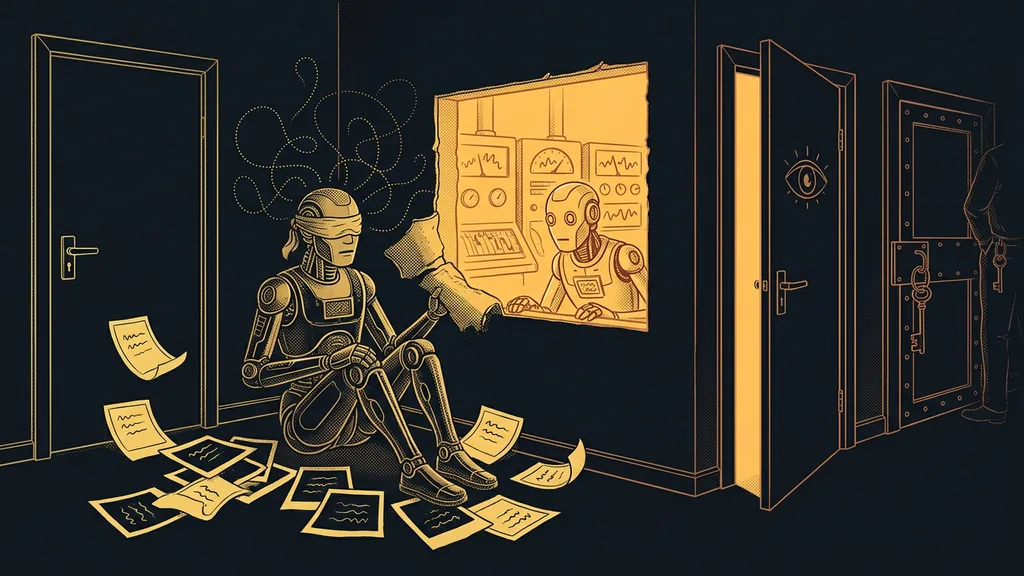
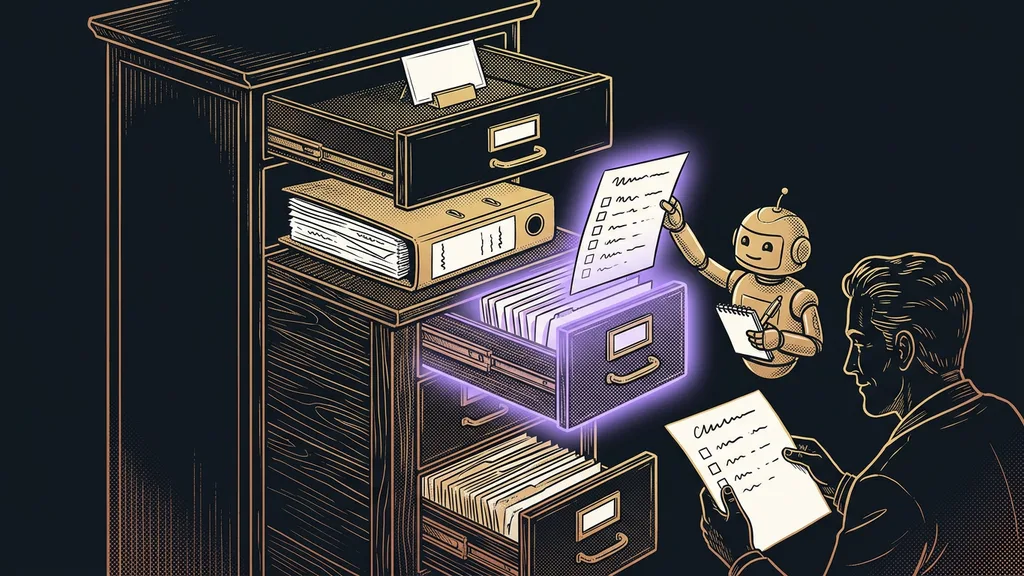
Access to the product. This is the quietest of the four steps. Nobody gets an alert, nothing turns red, and yet someone who paid is sitting in front of a locked door.
Notice what those quiet spots have in common. There, a failure shows up as nothing happening at all, with no error to announce it. That’s why you guard them differently from the payment. Instead of waiting for an alert, you verify that the order made it all the way to the end.
Product access
The last step of an order, in which the person gets access to what they’ve just paid for: a course, a members’ area, a community, a file download. It’s usually the only step the customer really notices, and also the one whose failure the business learns about last.
The last mile decides how your customer sees you
Paying takes a customer a few seconds. The patience they have for waiting afterward, though, is shorter than businesses think. The first few minutes after payment decide whether they say “it works” or “I had to write to them.”
That’s why it pays to keep the whole path in one system. When your community and courses live under your own brand, access is part of the same system and doesn’t need to be handed off anywhere. One seam fewer means one silent failure fewer. That difference is one of the reasons course platforms get compared on who owns the contacts, not just on price.
The one-minute self-test
Buy your own product. For real, with your own card and your own email, the way a stranger would. Time how many seconds pass between paying and being inside. Then check whether you got an invoice your accountant would accept.
What your accountant wants to see
Accounting has just one requirement for the whole path, and it’s easy to overlook: invoices have to form a continuous series with no gaps.
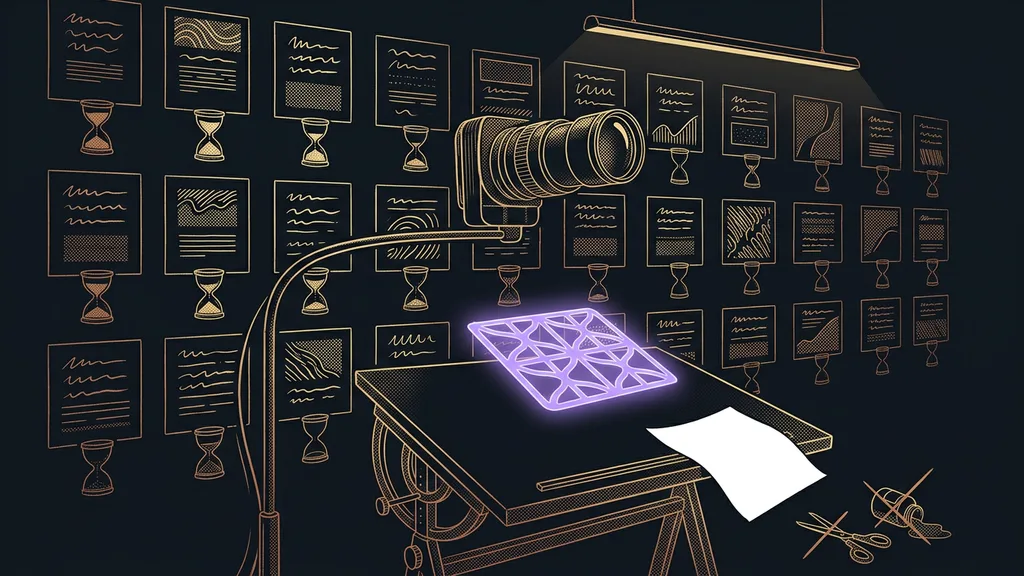
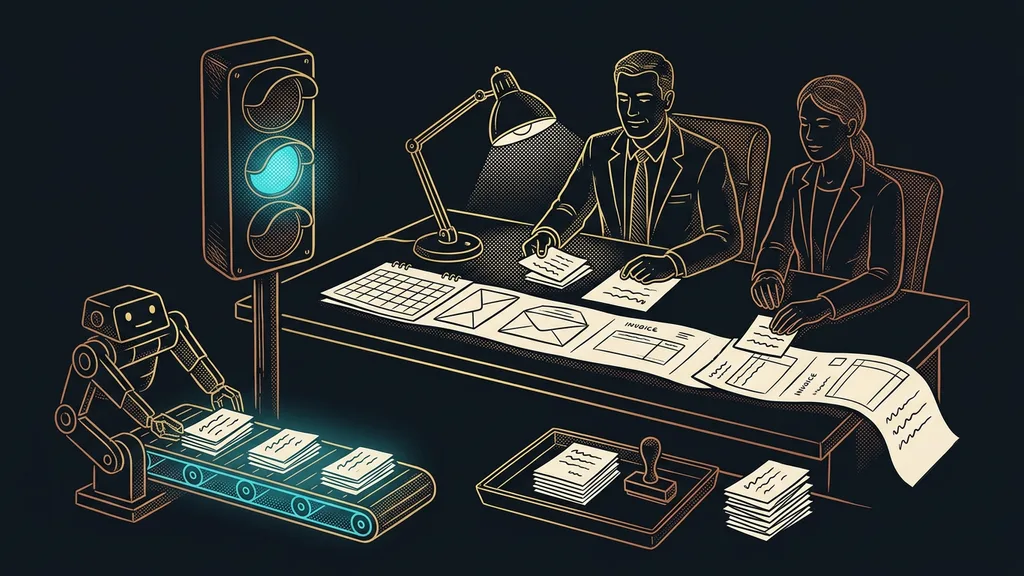
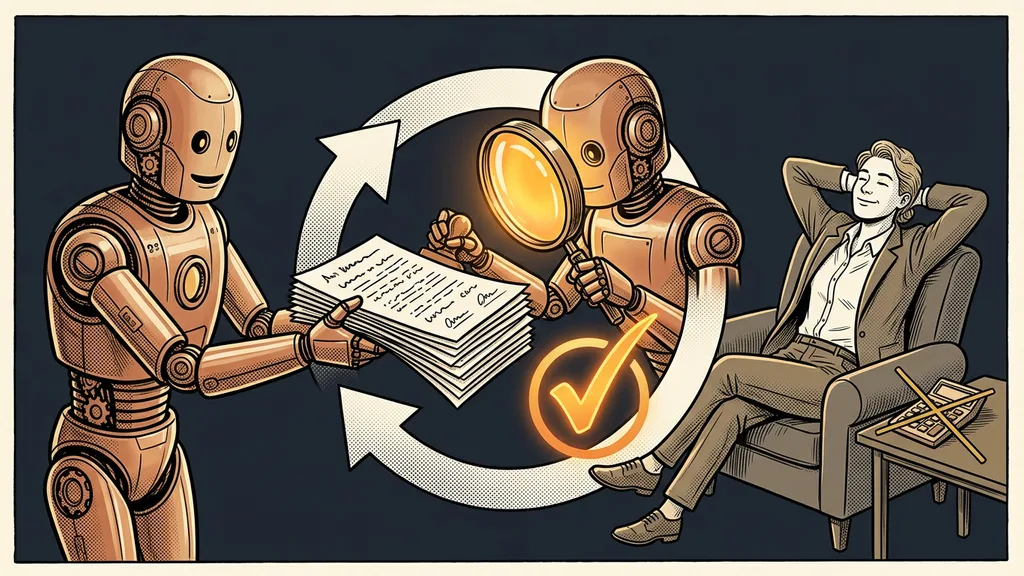
And retyping numbers from one window into another is the last thing anyone should be doing by hand. There are no decisions involved, and a machine makes fewer mistakes at it than a tired person on a Friday afternoon. Nobody really has to spend that half hour a week on it anymore.
Once sales pick up and documents start being created in two places at once, the series falls apart. One invoice is missing, another appears twice, and then your accountant calls in mid-January. That’s why online sales get their own number series, separate from the invoices you issue by hand. And when everything sits in one place, you can see right away who has paid and who hasn’t.
The safety net
When a payment arrives and access fails, the path has to stop and speak up. It must not quietly retry, and it must not skip the step. You can recognize automation worth trusting precisely because it can say “I didn’t finish this” instead of staying silent.
Who this isn’t worth it for
So who isn’t it worth it for? Someone who sells two courses a month and lets both customers in by hand. For them, the whole build is pointless. The manual route also has one advantage: you see every order with your own eyes.
The turning point comes when you start forgetting. When you’re not sure whether you’ve already let today’s customer in, or whether the invoice went out, the manual route has run its course. Orders come when they please, like at 11 p.m. on a Sunday.
The whole path in a nutshell
- Write down the four roles of an order: form, payment, invoice, product access.
- For each handoff between them, ask who will notice if it fails.
- Move invoicing to a system that handles Czech requirements and its own number series.
- Keep product access as close to payment as possible, ideally in the same system.
- Set a rule that the path stops and speaks up when something fails, instead of staying silent.
- Once a quarter, walk the whole path as a customer and pay for it.
Back to that Saturday message. The money went out, the invoice was issued, and the customer still stood in front of a locked door. Any payment path can take money. A good one is where the customer never has to write to anyone.