Your ad account shows numbers that don’t decide anything. Cost per click, cost per thousand impressions, cost per form fill. They’re all calculated correctly, and they all stop exactly where the important part begins: whether that person became a customer and how much they ended up spending with you.
I hear this over and over in consultations. A business owner opens the account, points to the channel with the cheapest click, and says that one’s the best. Then I ask how many people from that channel actually paid. Silence follows, because that number isn’t in the ad account and never has been.
A cheap click and an expensive customer are often the same thing
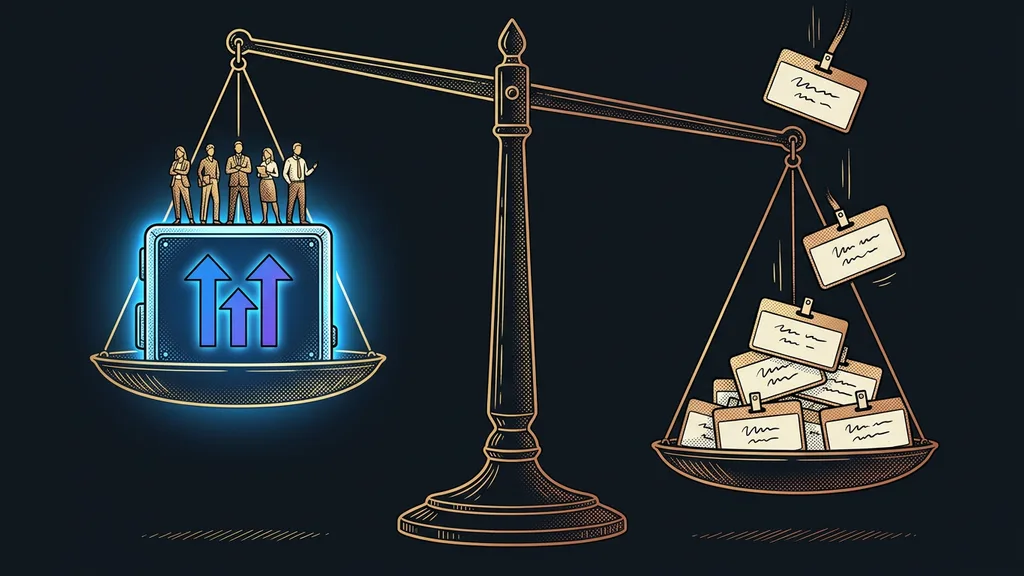
The channel with the cheapest click is very often the one with the most expensive customer. It brings in lots of people who are happy to click and buy nothing. Another channel costs several times as much per visit but sends people who know what they want. In the account, the first looks great and the second looks expensive, when in fact it’s the other way around.
This is closer to the rule than the exception. A platform usually buys cheap visits by showing your ad to people who’ll click on anything. An expensive visit tends to be expensive because your competitors want the same person too. And they usually know what they’re doing.
The blind spot behind the form
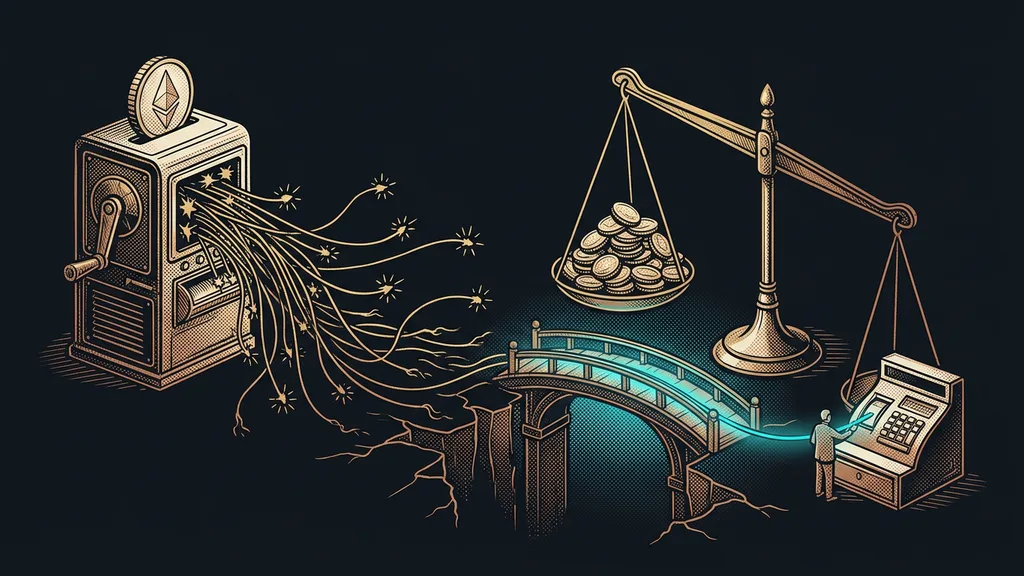
The stretch between a submitted inquiry and a paid invoice. The ad platform stops at the submission, the CRM only starts when the inquiry is logged, and neither of them sees what happens in between. Yet that’s exactly the stretch that decides whether a channel makes money. So the money gets allocated based on half the story.
Your ad platform can tell you what a visit cost. Only your sales side knows what a customer cost.
Where the trail goes cold
The trail breaks at the same spot every time: when data gets copied from one system to another. Someone clicks an ad, fills in a form, and becomes a lead. But only their name, phone number, and message make it into the CRM. Where they came from gets lost along the way.
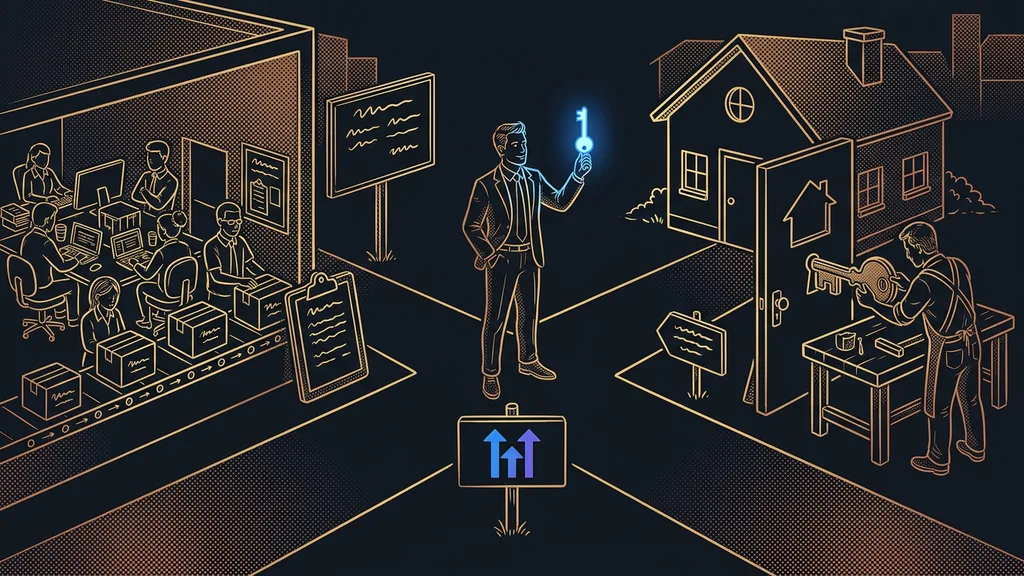
One small detail fixes this. When every ad goes through a link that remembers where the person came from, that source travels into the CRM along with the lead, and nobody has to fill it in from memory.
Without it, there’s only one method left: asking people how they heard about you. It’s better than nothing, but it isn’t enough to base a budget split on. People don’t remember, they name the last place that stuck with them, and the quietest ones don’t answer at all.
When ad spend meets the deal
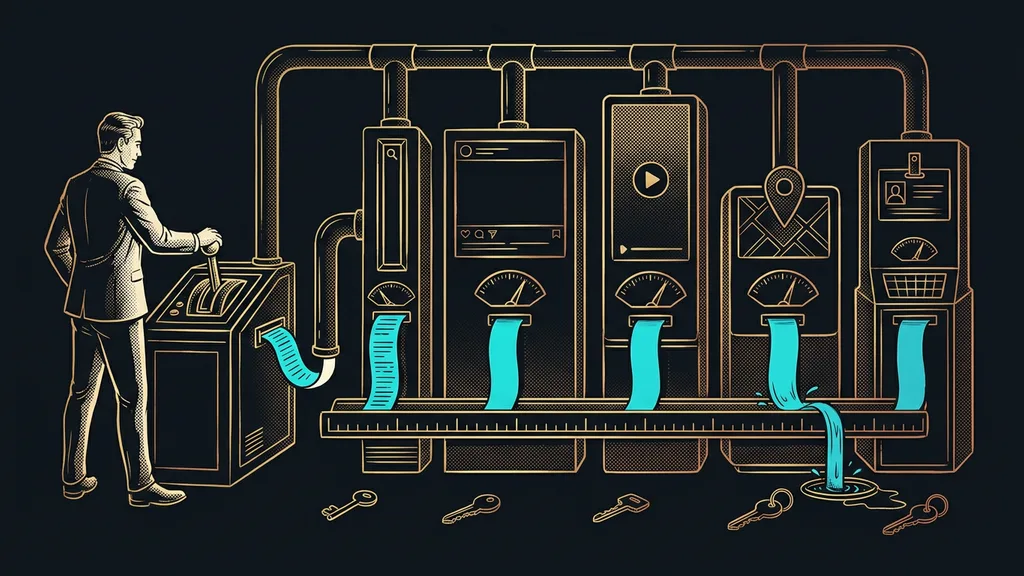
Cost per customer only exists once the spend from your ad platforms meets what happened next. On one side is the amount spent per channel and period. On the other is the number of deals that came from it and their value. Divide the first by the second, and you get a number you can make decisions with.
Attribution
Assigning a closed deal to the source it came from. It isn’t an exact science, because people usually run into you several times and in different places. Attribution won’t give you perfect truth, just a good-enough basis for deciding where your next euro goes and where it doesn’t.
In practice, this means every lead has to travel through your pipeline all the way to the end, even when it ends in a loss. A lost deal is as valuable a piece of information as a won one, because it tells you what kind of people that channel sends you. Yet most small businesses use their CRM as a mere address book, and nobody keeps the deal stages up to date.
One-minute self-test
Take the last ten customers who actually paid you. For each one, try to say where they came from, based on a record rather than a guess. How many times do you say “I don’t know”? That number is exactly the part of your budget you’re deciding on blind today.
A number you can make decisions with
Once both sit in one place, splitting the budget stops being a debate about gut feelings. A shared dashboard shows what each channel cost, how many deals it brought in, and what they were worth. This assumes your ad platforms and CRM can pass data to each other on their own, because copying it over by hand once a month dies by month three.
The interesting part is usually how the ranking of channels changes over time, more than the ranking itself. A channel that brought in the cheapest customers for six months can flip within a few weeks. If you only watch cost per click, you’ll find out from an empty calendar.
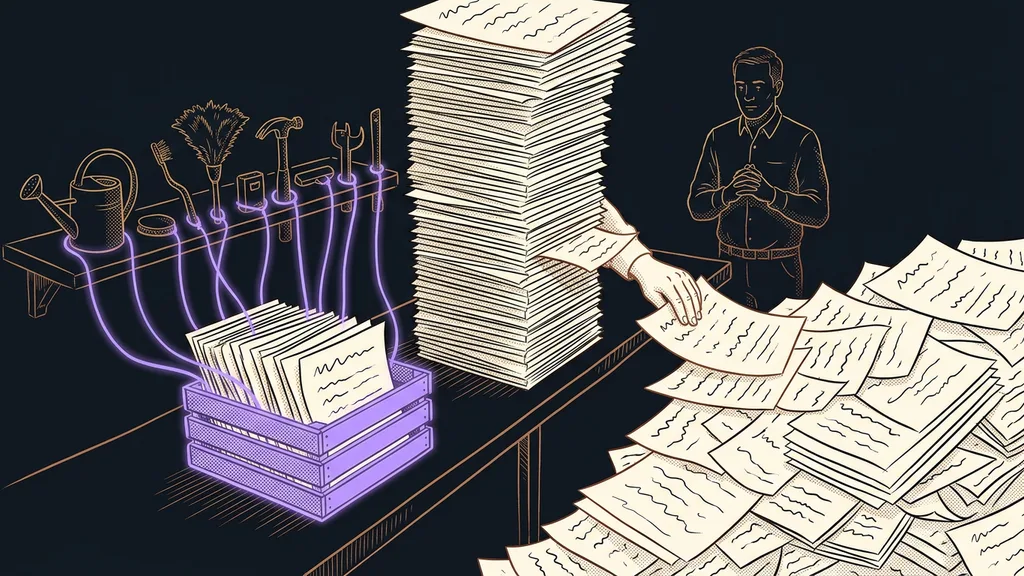
A dashboard like this reveals one more thing: there are often huge differences within a single channel. It’s rarely the whole platform that’s bad. More often it’s two specific ad sets that bring in people who are merely curious. Take the money away from those two, and suddenly even the channel you wanted to switch off looks reasonable.
Caveat
None of this is measurement down to a tenth of a percent, and it shouldn’t be treated that way. Some people see an ad on their phone and buy on their computer, some come through a referral, and some google you by name. The number needs to be good enough to decide on, not precise. If you expect more from it, you’ll end up with false certainty.
Who this isn’t worth it for
So when should you not bother? If you run a single channel and sell with a single click, the numbers in your ad account are usually enough. Cost per customer starts to make sense once you’re choosing between channels, or once there’s a sales conversation between the click and the payment.
It also doesn’t pay off where deals aren’t recorded anywhere. Without up-to-date deal stages in the CRM, the calculation has nothing to work with, and all you get is nice-looking nonsense. So the order is the opposite of what you’d expect: get your sales in order first, and only then measure your ads.
The whole system in a nutshell
- Every ad goes through a link that carries information about where it came from.
- The lead is created straight in the CRM along with that source, and nobody fills it in by hand.
- Every deal gets followed through to the end, whether it’s won or lost. Both are information.
- Spend from the ad platforms gets matched with closed deals for the same period.
- The result is cost per customer by channel, and that’s what decides how the next budget gets split.
Let’s go back to that owner pointing at the cheapest click. There was nothing wrong with that number; it was just measured halfway. The most expensive ad isn’t the one with a high cost per click. It’s the one where, a year later, you still don’t know whether it paid for itself.