An AI agent’s price isn’t set only by the model running inside it. Put the same model in two different tools and it solves almost the same number of tasks, yet in one of them it costs twice as much. What makes the difference is the harness: everything the tool builds around the model, meaning how much text it sends, which tools it provides, and which rules it adds.
You won’t read about the harness on a price list. Say a business pays for a chat subscription and then gets a proposal for an AI agent at several times the price. The description lists the same model it already has. It’s fair to ask what exactly the extra money buys. The answer is in the harness, and you can evaluate it without a developer.
What the HarnessTax study measured
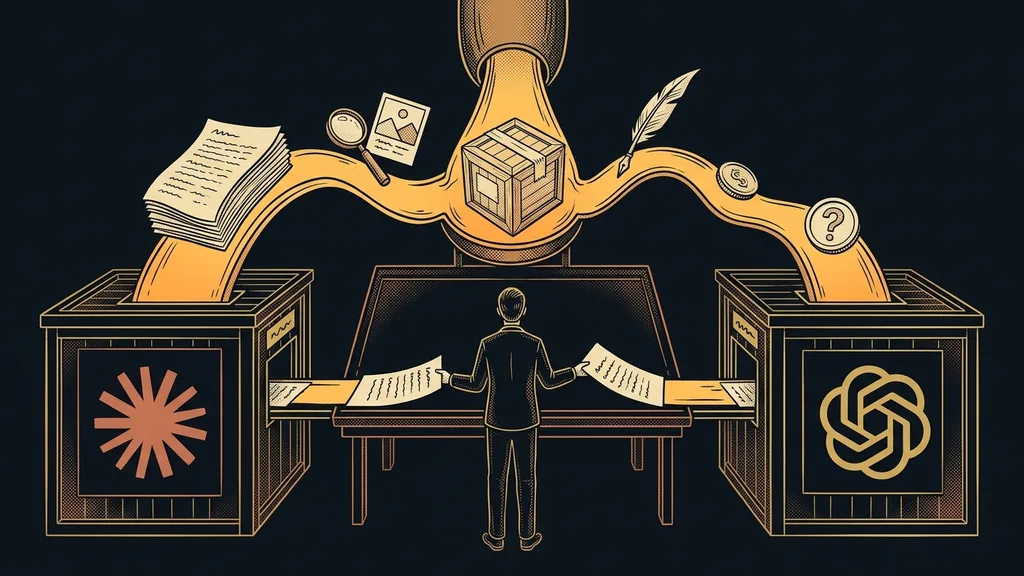
The same model solved almost the same number of tasks in three different harnesses, but the cost per attempt varied as much as severalfold. That’s what the HarnessTax study showed, published by the Arena team on September 16, 2026. The name says it: a tax on the harness.
Harness (the wrapper around a model)
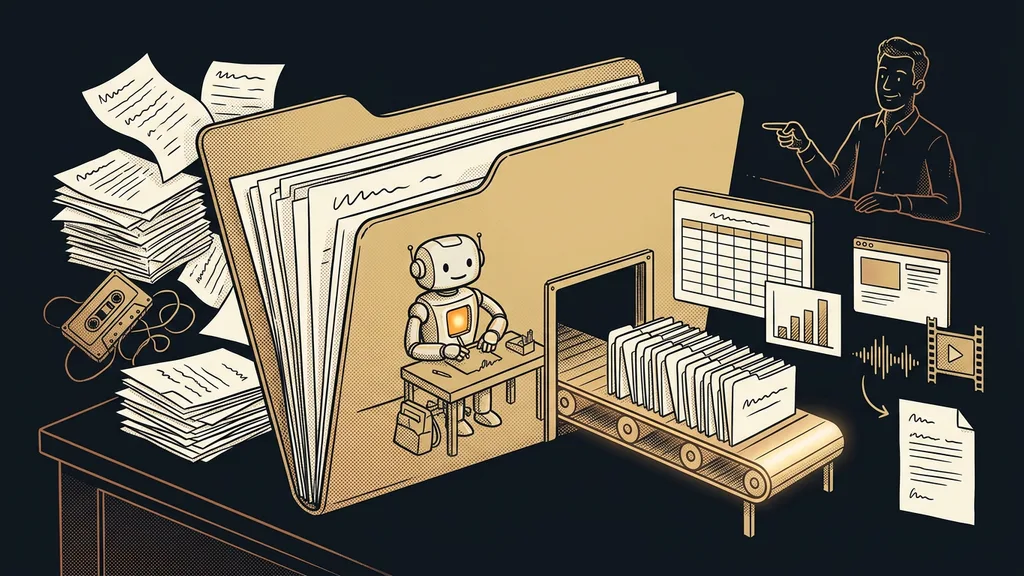
Everything a tool builds around a language model to turn it into an assistant: instructions before every task, tools for working with files and systems, rules, and checks. The model does the thinking. The harness decides what it sees while doing so and what it’s allowed to do.
The researchers ran seven models in three coding tools: Claude Code, Codex CLI, and Pi. Each pairing tackled the same thirty tasks on each of two test sets, three times per task. They calculated cost from the official API pricing as of September 1, 2026, so a model had the same rate in every tool. For Claude Fable 5 on the SWE-bench Lite set, here’s how it came out:
| Harness | Attempts solved | Cost per attempt |
|---|---|---|
| Claude Code | 97.8% | $1.33 |
| Codex CLI | 96.7% | $0.89 |
| Pi | 96.7% | $0.67 |
You pay a rate for the model. The harness decides how much of that rate you use up.
Across all seven models, Claude Code came out roughly twice as expensive as Pi on this set. Meanwhile, the success rate shifted by at most two percent in either direction depending on the harness. The biggest gap showed up with GPT-5.6 Luna: an attempt cost $0.152 in Claude Code and $0.030 in Pi, roughly five times less.
Why the same model costs something different in every tool
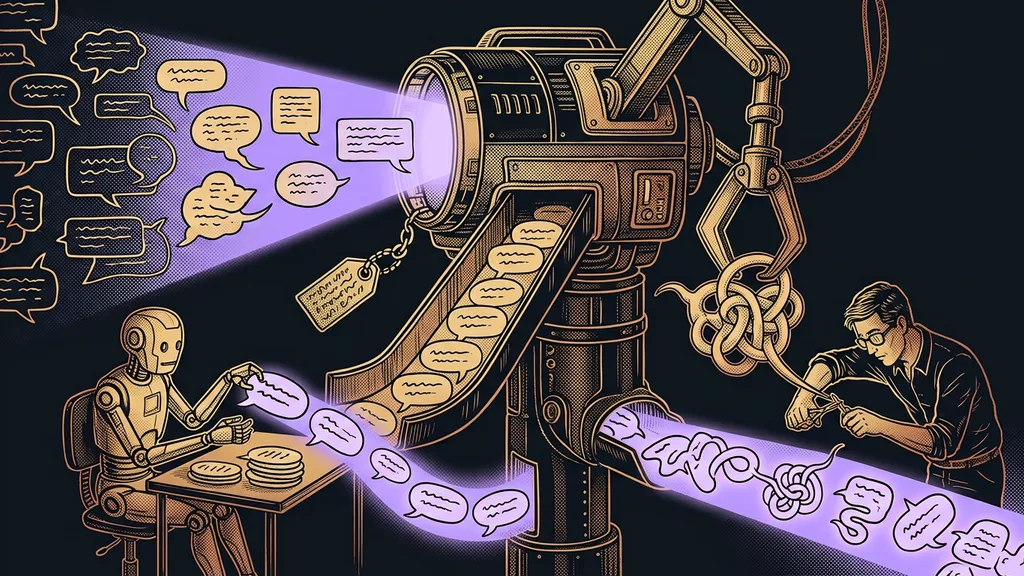
You pay for a model based on the volume of text it reads and writes. And every harness sends it a different-sized bundle of instructions and tool descriptions before it starts work.
Token
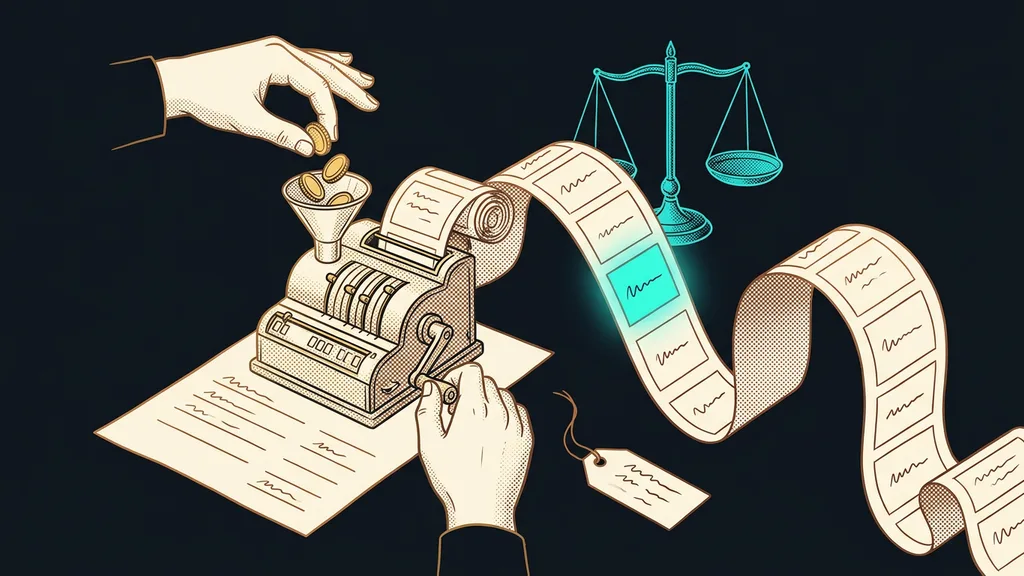
A small chunk of text, roughly part of a word, used to measure a language model’s work. You pay for the tokens the model receives and for the ones it writes. That’s why long instructions at the start of every task show up on the bill, even though nobody reads them.
On the first call, Claude Code sent the model an average of 27,011 tokens and descriptions of 23 tools; Codex sent 11,308 tokens and about seven tools. Pi got by with 1,972 tokens and four tools: read, write, edit, and run commands. That’s the average across all seven models. According to the authors, total spend is also affected by caching and later calls.
With Claude Fable 5, Claude Code and Pi took almost the same number of steps, an average of 15.3 and 15.4 per attempt. Claude Code cost roughly twice as much for them and delivered a success rate 1.1 percentage points higher.
The harness in a business: data, tools, rules, and checks
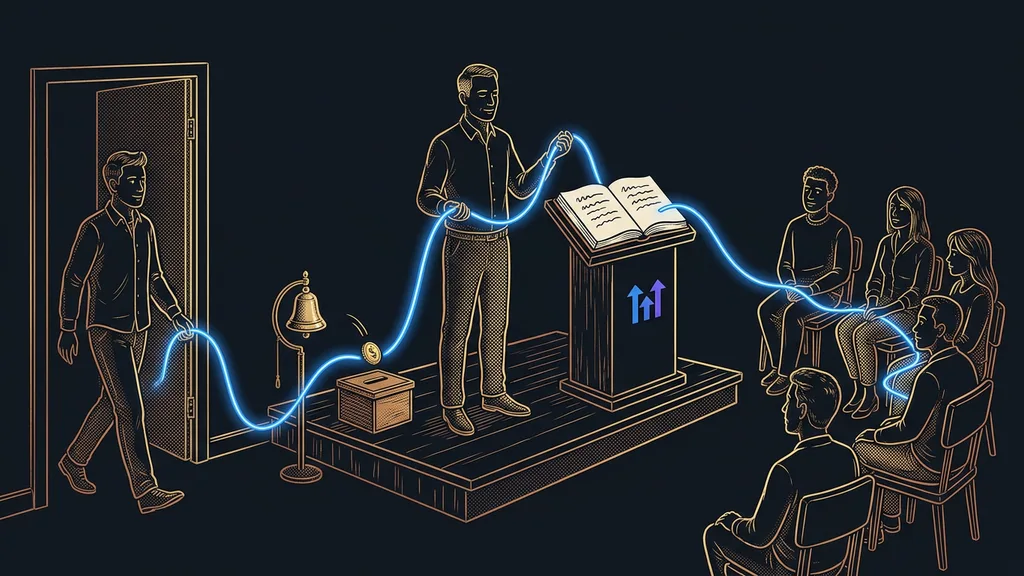
In a business, the harness has four layers: data, tools, rules, and checks. LangChain summed it up in June 2026 with a formula in an article by Sydney Runkle: agent equals model plus harness. According to the article, the harness is the scaffolding that connects the model to the real world.
- Data. Price list, documents, customer history. Without them, the model answers in generalities; with them, it answers like someone who works for you.
- Tools. Connections to your CRM, email, and calendar. Through a custom connector, the AI fetches fresh data by itself.
- Rules. Who it may write to, what discount it may offer, and where it has to stop.
- Checks. Human approval before anything is sent, a spending cap, and a record of what the AI did.
Every industry fills them differently. In an accounting firm, the data is documents from emails, the rules are deadlines, and the check is the accountant who signs off on the output.
Four questions for any proposal
Before you sign a proposal for an AI agent, ask the vendor four things. What data will the model see? What tools will it get, and what can it change through them? Where are the rules written down? And what happens before a result goes out to a customer? If the answer is just the name of a model, they’re selling you a model, and you’ll be building the harness yourself.
Why a chat subscription alone isn’t enough for a business
A chat subscription gives you an excellent model in a generic harness that knows nothing about your business. You carry the data into it by hand, you keep the rules in your head, and you are the check. For writing and occasional questions, that’s enough.
But for work that repeats every day, hauling the material in by hand eats up a big chunk of the time AI saves. Runkle writes that rules like data protection or approval before sending belong in the harness, where they apply every time, rather than in the prompt. This is where an AI agent begins: a model that gets a goal, wrapped in a harness with access to data and clear boundaries. From then on, the harness carries the material, not a person.
Where you overpay for the harness
You overpay wherever the harness sends the model more than the task needs. Sorting inquiries or copying data from a form doesn’t need twenty tools and tens of thousands of tokens of instructions at the start of every run.
But the study also warns against the shortcut that a cheaper harness is always better. The only statistically significant difference in success rate favored the richer harness: Opus 4.8 had a 6.7 percentage point higher success rate in Codex than in Pi. The authors themselves write that a richer harness may help with other tasks. They measured only coding tasks and older versions of the tools, so treat the numbers as a snapshot from September 2026.
That’s why I don’t recommend cutting corners on sensitive steps. Sending something to a customer, a payment, or a change in the CRM deserves checks, even if they nudge the bill up a little. Also, the price difference from the study applies to pay-as-you-go billing through the API. On a monthly subscription, I think it shows up more as hitting your usage limit sooner. I’ve written separately about where money quietly disappears in your AI bill and what goes into the cost of implementation.
A custom harness isn’t worth it for everyone. If you use AI to write a newsletter once a week and ask the occasional question, a chat subscription is enough. A harness starts paying off once AI does the same work with company data every day and a mistake costs money or a customer.
The harness in a nutshell
- The same model costs different amounts in different tools, because every harness sends it a different volume of text.
- In the HarnessTax study, Claude Fable 5 cost twice as much in Claude Code as in Pi, with almost the same success rate.
- In a business, the harness is made up of data, tools, rules, and checks.
- Ask vendors about the harness, not just the model name.
- Build simple repetitive work on a lean harness and sensitive steps on a harness with checks.
The next time a proposal for an AI agent lands on your desk, set the model name aside and go through all four layers of the harness one by one. Wherever an answer is missing, you’re either overpaying or missing a safeguard. If you’re not sure, we can go through it together in a no-obligation consultation, and you’ll get a written proposal of what I’ll build and for how much. The harness then belongs to you, with all the data and rules you put into it.