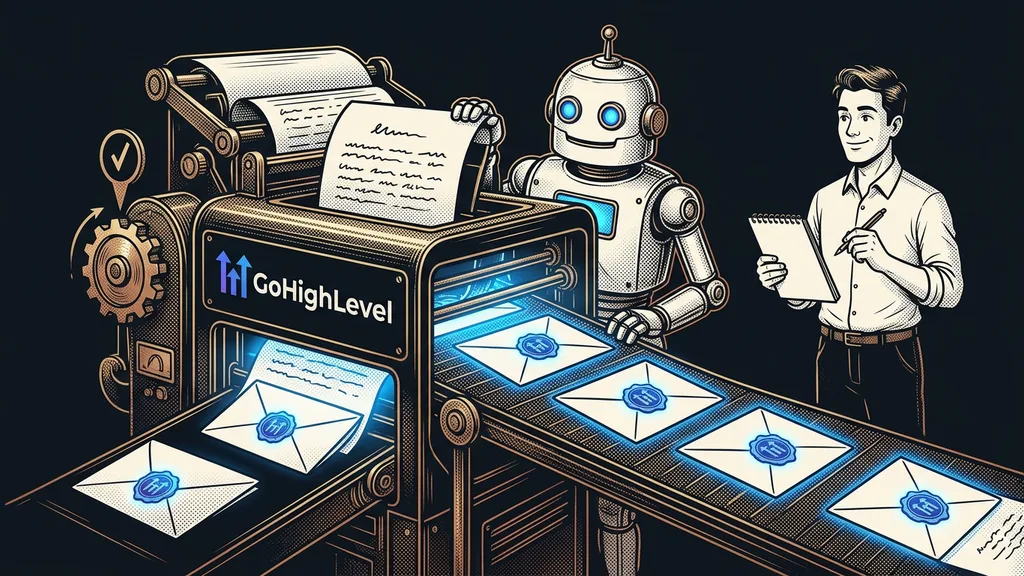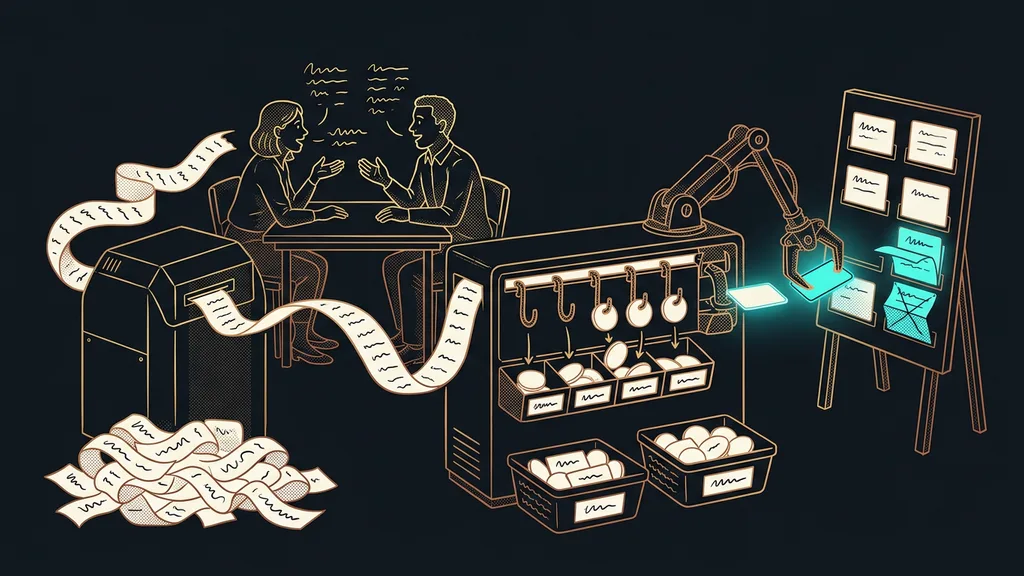
Someone is almost always pitching you a new ad channel. A salesperson, a friend in the industry, or an article that just came out. The pitch always sounds the same: there’s no competition there yet, and it’s cheap. But cheap reach and a cheap customer are two completely different things.
I’ve been through this myself. I put budget into a channel I’d read was growing and waited to see what would come of it. A month later, I had nice view numbers and not a single inquiry whose source I could identify.
Three things reveal a bad channel, and the platform isn’t one of them
No platform is bad in itself. It’s bad for a specific business, a specific offer, and a specific budget. Three things decide it: how many people from your target group are actually there in the Czech Republic, how much it costs to reach them often enough, and whether you can tell what came of it.
Reachable audience
The number of people in the Czech Republic who are left once you narrow things down to your profile, as opposed to the platform’s total user count. The narrowing comes from language, region, age, and interests. After these filters, the big number in the promotional materials sometimes shrinks to a tenth, sometimes much less. Only this number tells you whether a campaign has room to grow.
The second question is the one people get wrong most often. A cheap click doesn’t automatically mean a cheap customer. When the audience is small, the same budget keeps cycling through it, and people see your ad so many times that they stop noticing it. The cost of reach goes down, the cost per order goes up, and at first glance the spreadsheet looks good.
The third question is usually the most underrated. Without your own link that shows where a person came from, after a month you’re talking about feelings. And on feelings, the winner is usually the channel you had the highest hopes for.
When the audience can’t grow, a bigger budget doesn’t buy more people. It just buys more repeats for the same ones.
X: an audience you can’t build in the Czech Republic
I can’t recommend X ads to a single business I work with. It’s a matter of numbers rather than an opinion about the platform. In the Czech Republic, its audience is an order of magnitude smaller than that of the big networks, and if anything it’s shrinking. Once you narrow it down to a specific target group, so few people are left that your budget has nowhere to spread.
On top of that come practical hurdles nobody mentions up front. Access to the ad system is hard to get in the Czech Republic, running ads comes with its own entry fees, and you can’t keep the account in Czech crowns. Organic presence there still makes sense, though: you can publish posts there along with your other networks, and it costs nothing.
YouTube: a good channel, but a bad first choice
YouTube works. It just isn’t a channel you can get going on a small budget. It needs a video that holds up next to the content around it, and producing that video often costs more than the ad budget itself.
The second reason is time. It’s an awareness channel, so results show up later and are harder to attribute to a specific order. That makes it hard for a small business to tell that it worked, even when it did. And in health and similarly sensitive fields, there are also targeting restrictions you don’t see coming.
To be fair, here’s the other side. For businesses with a budget in a different league and a finished video, YouTube is a strong layer on top of search and Meta. It’s just not the channel to start with.
Channels where the answer is “it depends”
Not everything can be settled in one word. TikTok is technically open to anyone, but in the Czech Republic its reach is smaller than in most neighboring countries. On top of that, the main cost there is the steady production of videos rather than the ad budget. For B2B work, you can’t target by job title there, so it’s out entirely.
LinkedIn is the exact opposite. It’s good for B2B and expensive for consumers, because you pay extra for targeting by profession, which is no use to you with end customers. And Threads can’t be bought on its own yet; it’s just a placement inside another network’s campaigns.
One-minute self-test
Take the channel you’re considering and answer three questions without looking anything up. How many people from your target group are on it in your market? How many times a month will you reach them with the budget you have? And how will you know that something happened? If you’re unsure about any of the answers, it’s not a channel to go into right now.
Campaign learning phase
The period when a campaign’s automated delivery is still learning who to show the ad to. To do that, it needs a certain number of results in a short time. If the budget doesn’t generate them, the campaign never leaves this phase, and its performance stays erratic. In a small market, this is a more common reason for failure than a bad ad.
Who this list doesn’t apply to
So who doesn’t this list apply to? A business whose budget is in a different league and that cares about its brand rather than about leads within a week. There, decisions are made on reach and memorability, so even an expensive channel can make sense.
It also doesn’t apply if your audience is provably right there. If you read your customers’ posts on one platform every day, your measurements decide, not my list. After all, working out the return on investment in advance is just as honest with advertising as it is with automation.
The whole selection in a nutshell
- I calculate the reachable audience in the Czech Republic, not the platform’s user count.
- I check what it costs to reach them often enough to get noticed.
- I ask how I’ll recognize a result. If there’s no answer, I don’t go there.
- I stay out of X, and out of YouTube on a small budget, and I tell the client why.
- I keep the money in the channel that delivers, as long as it still has room to grow.
“There’s no competition there yet, and it’s cheap.” You’ll hear that line about every new platform, and it always sounds just as reasonable. Yet a new platform is neither an opportunity nor a trap; it’s just an expense that either pays for itself or doesn’t. A small business without its own IT person needs only two channels it can evaluate and one dashboard that shows them side by side. You don’t win at advertising by being everywhere. You win by being seen often enough where someone is looking for you.