Almost every B2B company wants to be on LinkedIn these days. The content pours out of the company page, on a regular schedule and with nice graphics. The result is usually the same: a few dozen views, two reactions from colleagues, and the question of whether any of it makes sense.
I know this from my own side too. For years I had a profile that looked like a resume and a company page where I posted announcements. The people reading them already knew me. Nobody new showed up.
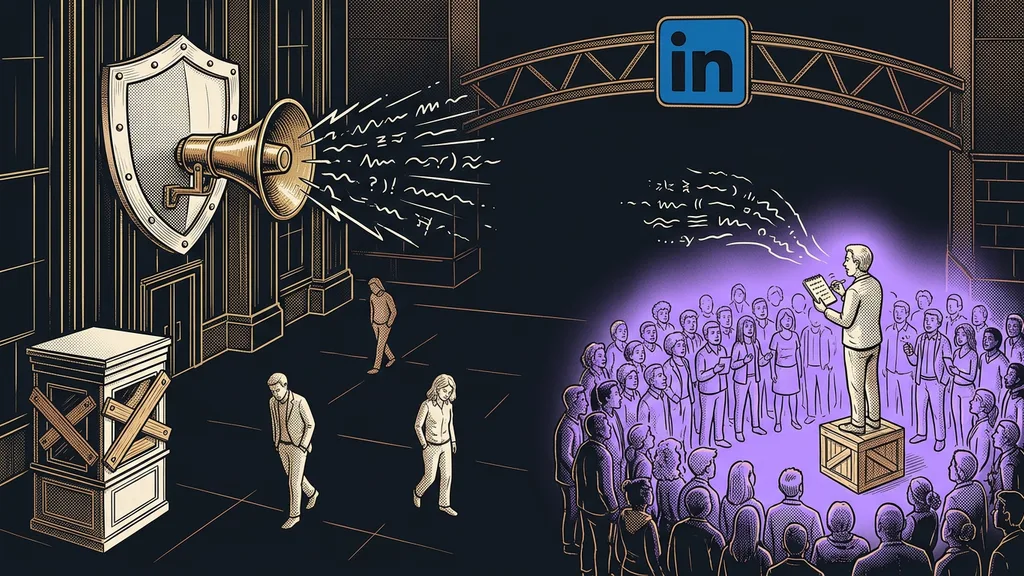
On LinkedIn, people read people, not logos
The biggest difference in results comes from where a post is published, more than from the topic or the graphics. A personal profile gets several times more reader engagement than a company page. In an analysis of roughly 52 million posts from the first quarter of 2026, personal profiles performed two to five times better than pages. You’ll also see figures like “500 times more reach” floating around. Don’t buy them. That’s the best case one tool vendor measured, not the norm.
Vanity metric
A number that looks important but predicts nothing. On LinkedIn, that’s your follower count. Since spring 2026, the feed has run on a new model that serves content by topic rather than by who follows whom. So a small account with a clearly defined topic gets further than a big account that writes about everything.
That doesn’t make the company page pointless. It just has a different role: a business card for anyone checking you out and a place to reshare content from. But the stage is somewhere else.
Your company page is a business card. The stage is your own profile, and on that stage stands a person, not a logo.
How much to post without it backfiring
The sweet spot is three to five posts a week. Above that, the reach of each post drops, so more work brings fewer results. That comes from an analysis of 1.8 million posts by one of the analytics tools. It’s not an official LinkedIn figure, since LinkedIn doesn’t publish its weightings. But the same range holds across sources.
Posting twice a day isn’t worth it, because LinkedIn limits how many times one author shows up in the same person’s feed per day. Your second post just takes reach from the first. Fine-tuning the posting time is a waste of time too. Recommendations range from dawn to late afternoon, and even LinkedIn admits the data is contradictory. That time is better spent commenting on other people’s posts, because according to the same analyses, comments carry far more weight than likes in the first hour.
Format matters more than posting time
The strongest format for an expert topic is a document: a few pages the reader swipes through right in the feed. The weakest is plain text with no image.
Polls are a trap, because they get the highest reach but the lowest engagement. So they show you a big number and almost no real interest. With video, the numbers flip: engagement is up, but actual views have dropped by roughly a third year over year. The same pie is now split among many more videos.
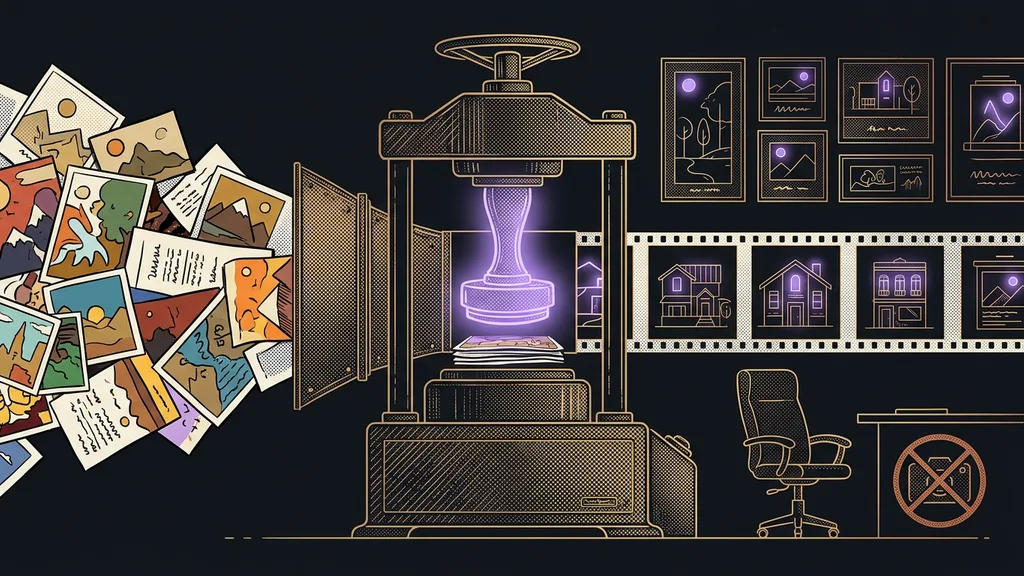
All of these numbers come from tool vendors’ analyses, not from official LinkedIn data. Treat them as a ranking, not a guarantee. A document also needs visuals that look like they’re yours, and these days I have them laid out in my own style instead of spending an afternoon in a design program.
One-minute self-test
Open your profile and count two numbers for the past month: how many posts you published, and how many other people’s posts you commented on. If the second number is lower, that’s where the cheapest untapped potential on LinkedIn lies.
Nobody will hand you the numbers on your own posts
LinkedIn doesn’t release the results of your own posts on a personal profile. This surprise ruins plans more often than anything else, because you can see the numbers in the app but can’t work with them anywhere else.
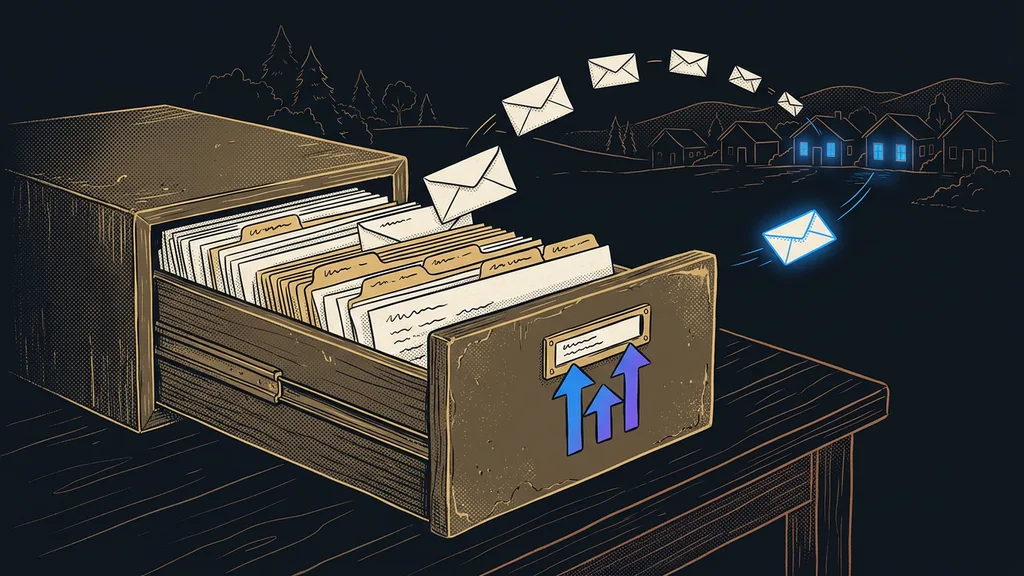
With a company page you can get them out, but only about a year back at most. Whatever isn’t saved along the way simply disappears. The practical consequence is simple: once a week, the numbers get written down and stored alongside your other social networks, and only then can you compare them.
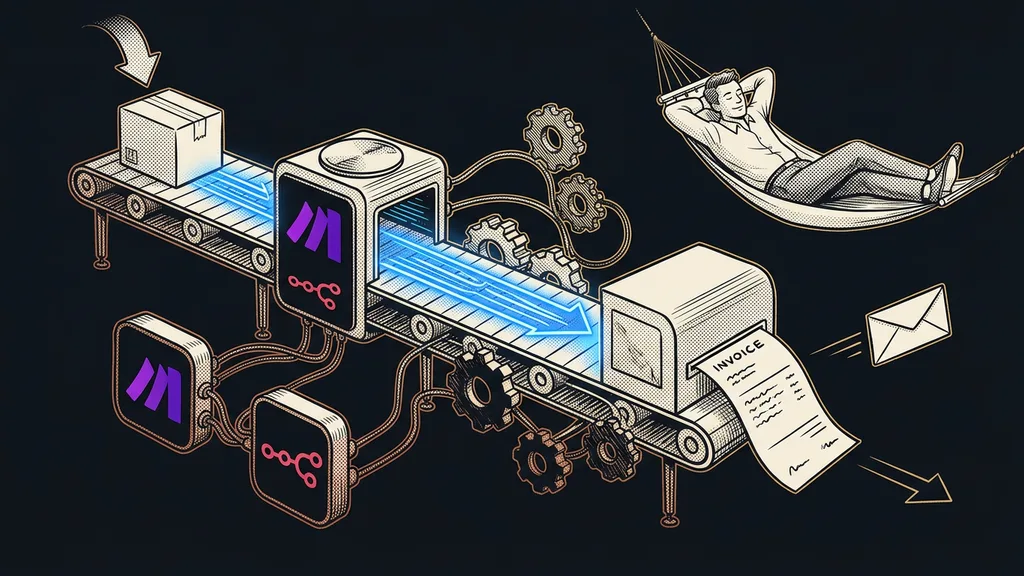
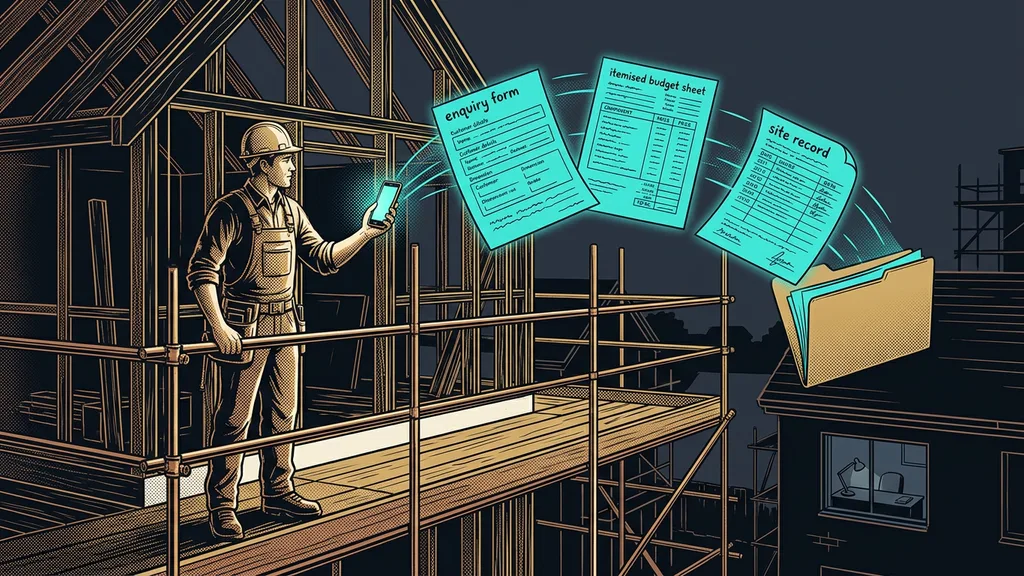
On top of that, inquiries often arrive as private messages, so no statistic captures them. The only thing you can do about it is give every link its own address and know who clicked it. Everything else flows into one dashboard that I open in the morning, and an approved post then goes out to all networks from one place.
Content queue
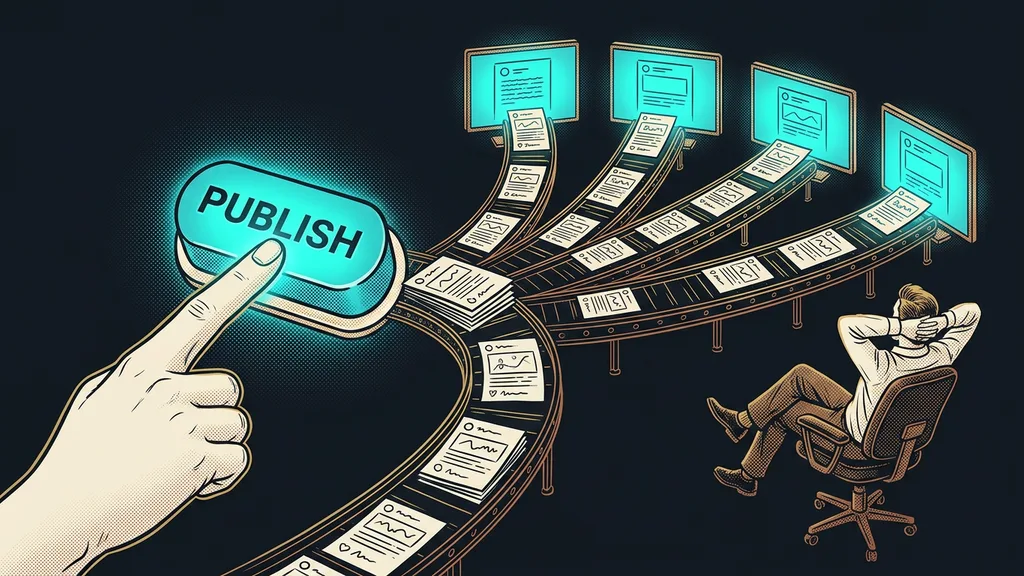
A stock of finished, approved posts you publish from. It’s built in one sitting, not under pressure on the day of publishing. These days AI drafts posts for it based on topics that have already worked, and all that’s left for me is cutting and approving. That way, the rhythm no longer depends on whether I happen to have a packed week.
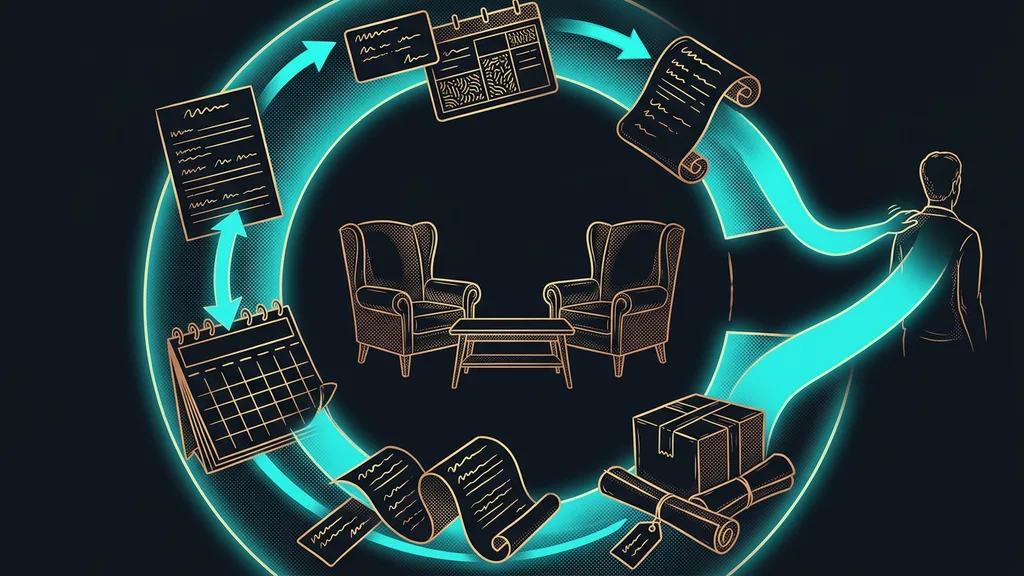
The whole cycle is held together by a system that prepares the content and, in the morning, hands it to me just to sign off. An hour a week of commenting is then the only part nobody can really do for me.
Who LinkedIn isn’t worth it for
So who isn’t LinkedIn worth it for? Anyone selling small items to consumers. People are there in their work role, and they won’t switch to shopping for their household.
It isn’t worth it for a company that won’t put anyone’s name on the content either. When only the logo is supposed to talk, it shows within a few weeks, and no posting cadence will fix that. And then there’s the last group: people who expect an inquiry within a month. A single post lives for two to three weeks, but trust builds over quarters. If you can’t wait that long, you’re better off putting your money and time straight into advertising.
The whole approach in brief
- The stage is your personal profile. The company page is a business card and a library.
- Three to five posts a week, never two on the same day.
- Format by purpose: a document for an expert topic, an image for an everyday one, a poll only for reach.
- Fifteen minutes a day commenting on other people’s posts.
- Write down and save the numbers once a week, because nobody will give them to you later.
- Once a month, review what kept working and plan the next month around it.
For years, my profile looked like a resume, and I churned out announcements from the company page. The problem was the address, not the content: that content came from a place nobody goes to look. LinkedIn rewards the people you can recognize behind the content, not the companies that publish it.