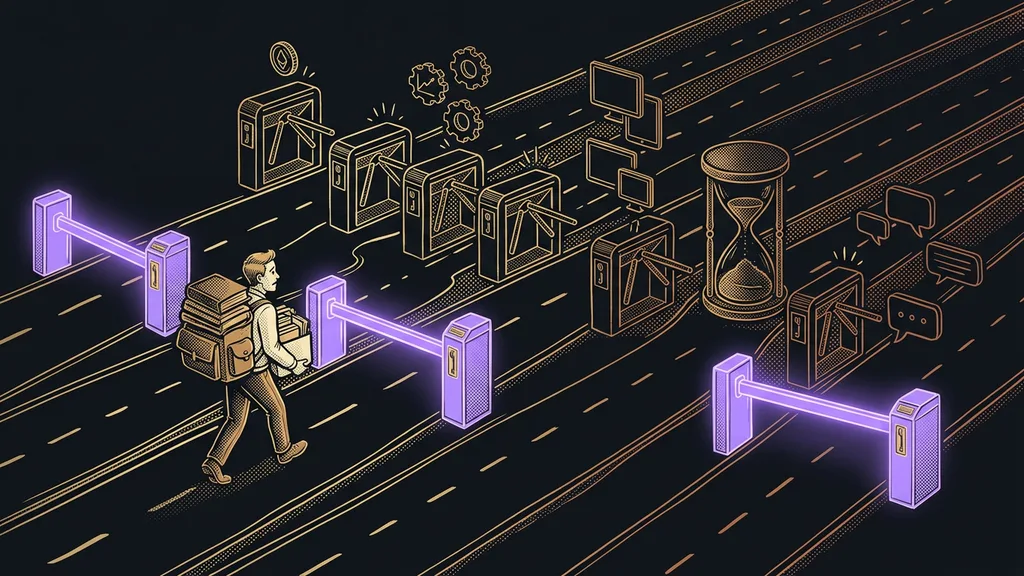
“Will AI replace my employees?” That question is where fear meets hope. The fear that the business will slip out of the owner’s hands and a machine will start making the decisions. And the hope that someone will finally take that work off the owner’s plate without asking for a paycheck, a vacation, or a weekend off.
I set up AI systems for businesses almost every day, and I’ve run client projects on GoHighLevel. I hear this mixed feeling all the time, usually wrapped up in one sentence:
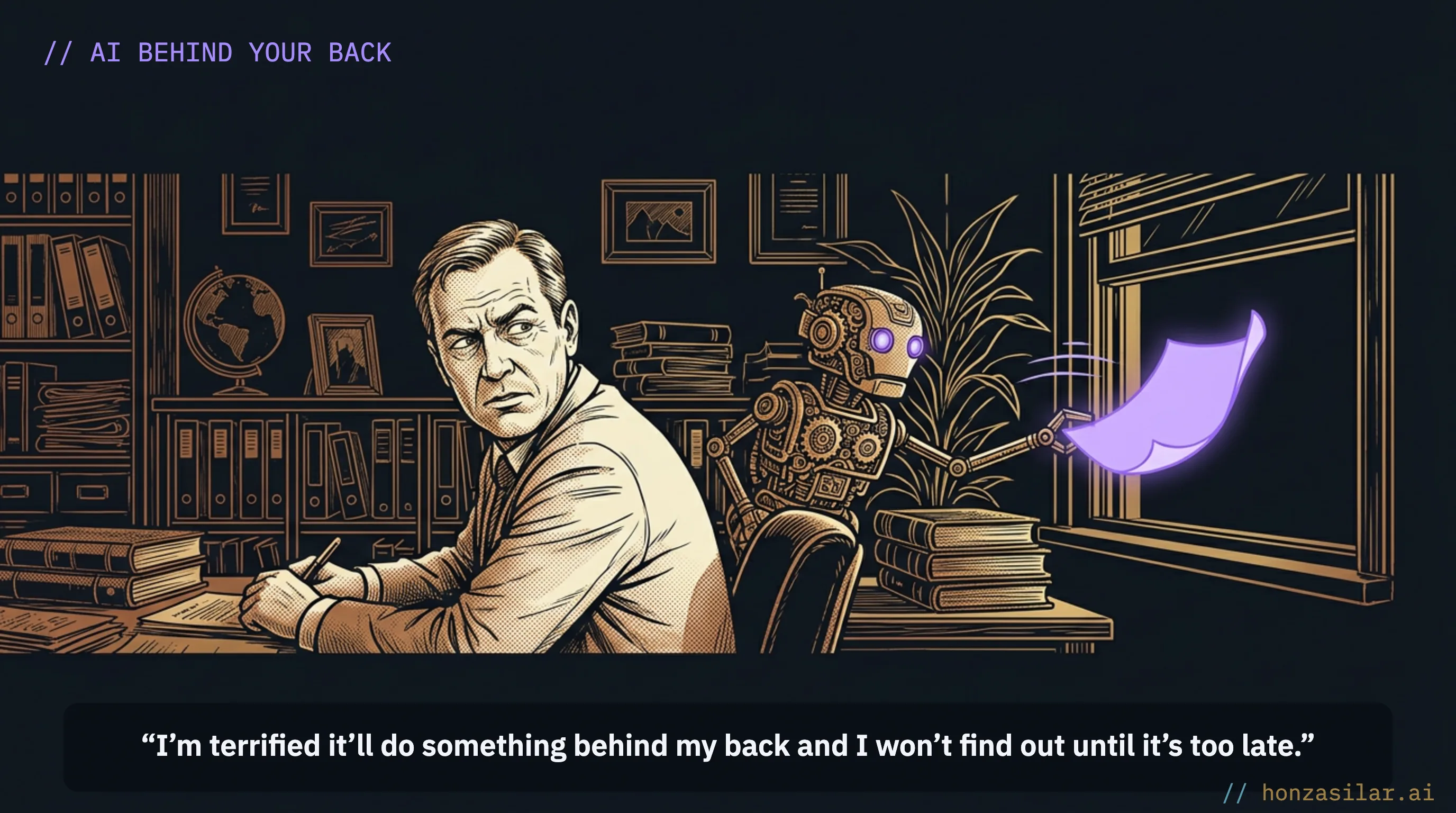
“I’d let AI into my business right away. I’m just terrified it’ll do something behind my back and I won’t find out until it’s too late.”
Two camps, and both are wrong
There are two camps on AI in business, and neither will give you good advice. The truth lies somewhere in between. And it isn’t a grudging compromise.
The first camp promises that AI can handle everything on its own. You deploy it in the evening and wake up the next morning to a business that runs itself. Sounds great. It just isn’t true. Sooner or later, unsupervised AI will send a quote with the wrong price, promise a customer a date you don’t have, or write nonsense in your company’s name. You’ll hear about it from an angry client.
The second camp pushes the other way: AI is a risk, the lawyers shake their heads, Europe is preparing regulation, better not touch it. Also wrong. Meanwhile, businesses that tiptoe around AI get to watch faster competitors answer inquiries sooner and cheaper.
The best way is to let AI do most of the work but keep the final say for yourself.
The reality: the team does the work, you give the nod
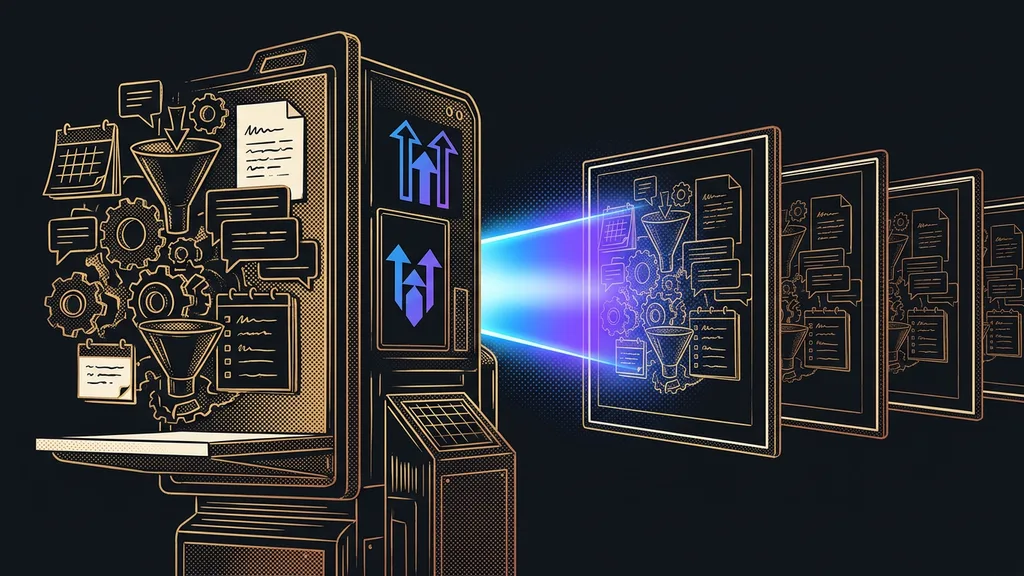
An AI employee is a team of AI agents rather than a single tool you dictate every step to. The agents split up the work and hand it off among themselves: marketing, sales, and operations. In a separate article, I described a vision of how a small business could be run by five AI executives, each with their own area. Today that vision is a finished platform.
AI employee
A team of AI agents that handles routine work for you: it answers questions, prepares quotes, and keeps track of leads, around the clock and without a paycheck. Unlike an ordinary chatbot, it passes tasks between its agents and remembers what it has learned in your business. In the morning, it picks up where it left off the night before.
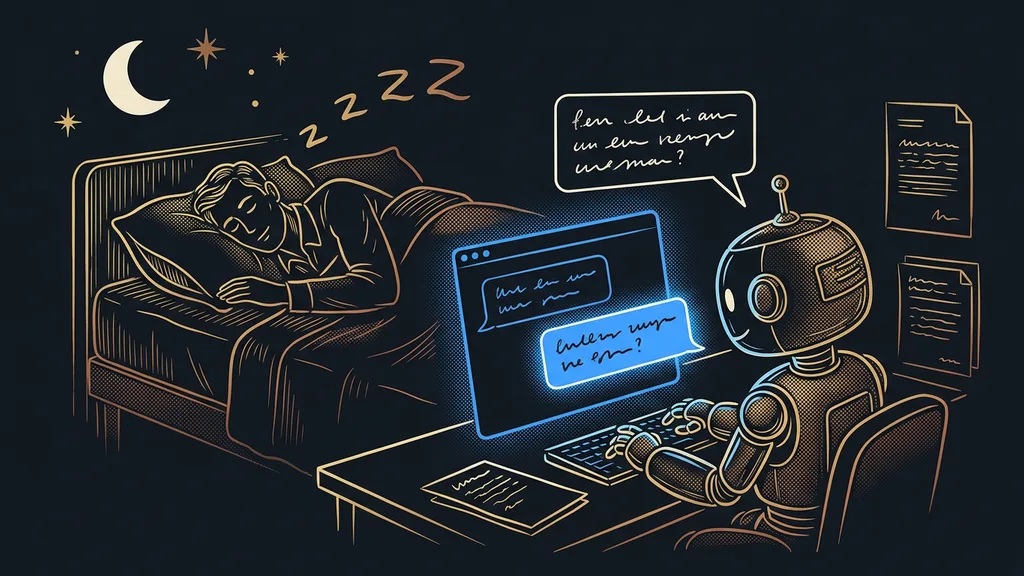
The difference from a chatbot is fundamental. An AI employee doesn’t sleep. It picks up the phone at three in the morning, answers a website inquiry on a Sunday evening, and follows up with a lead that went quiet a week ago. It doesn’t have bad days, and it won’t leave for a competitor.
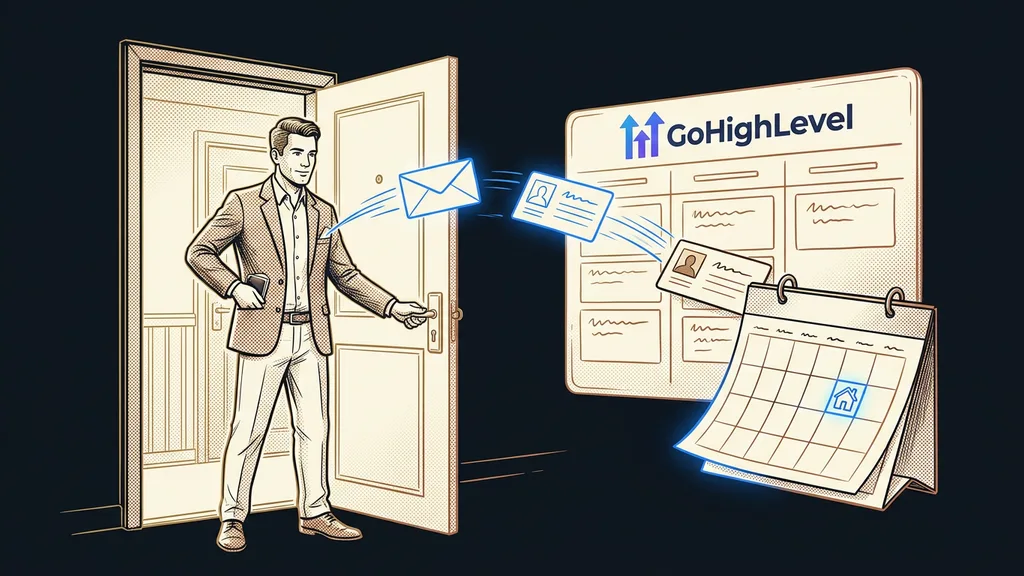
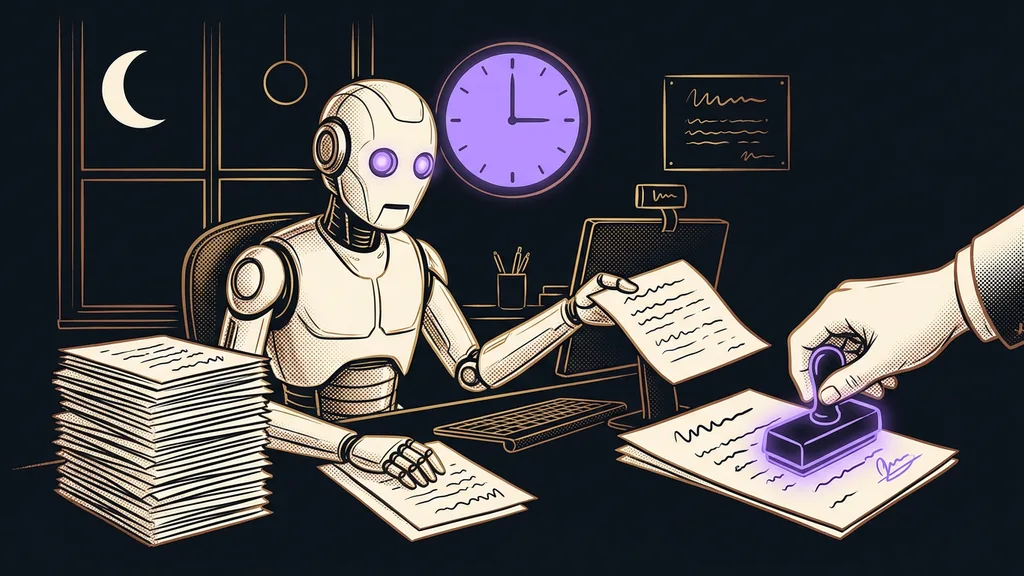
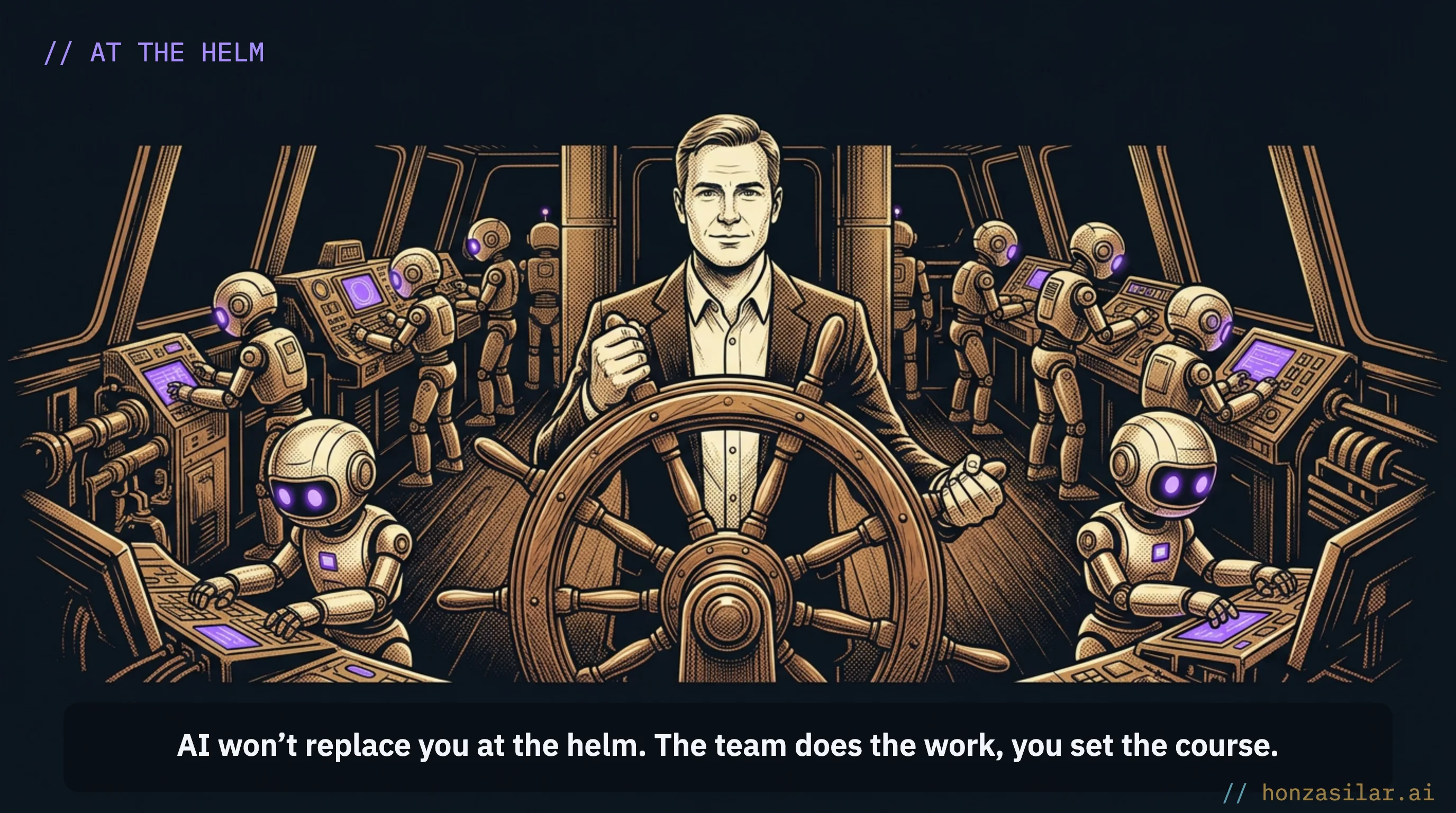
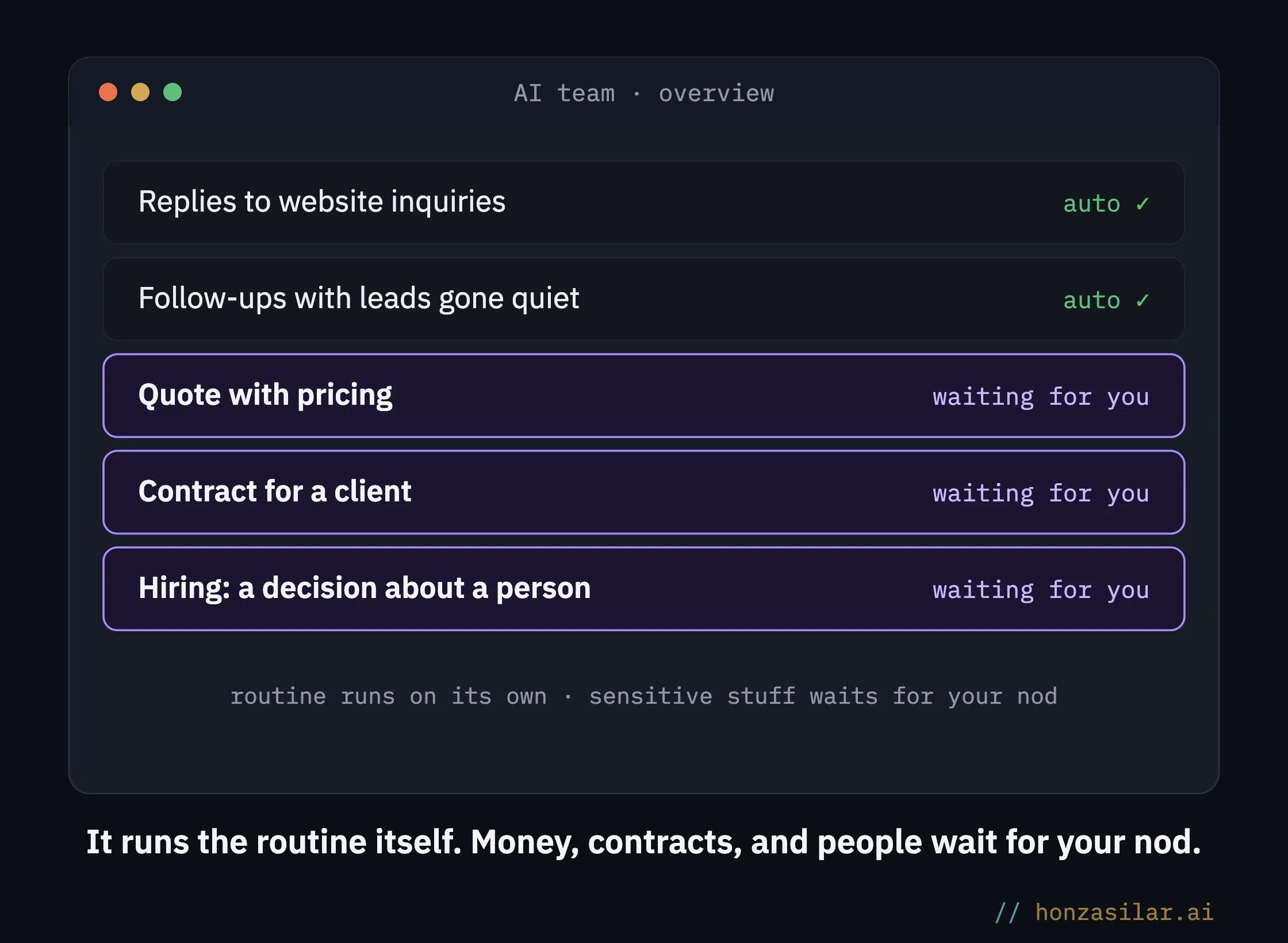
And one thing still holds: you’re the approver, not the operator. The team prepares the quote, produces the content, drafts the reply, and waits for your nod. You can set up a website chatbot so it only hands finished drafts to a person, and you’re the one who sends them out. The work takes a fraction of the time, and nothing goes out behind your back.
The result
The team does most of the work on its own, even at midnight. You step in with a single action: you approve it or send it back for rework. You get an employee who never sleeps, and you don’t lose control over what goes out.
Where the law itself requires oversight
Most articles about AI skip one thing, and it’s a big one: for some tasks, the law itself requires human oversight. It’s more than just good advice.
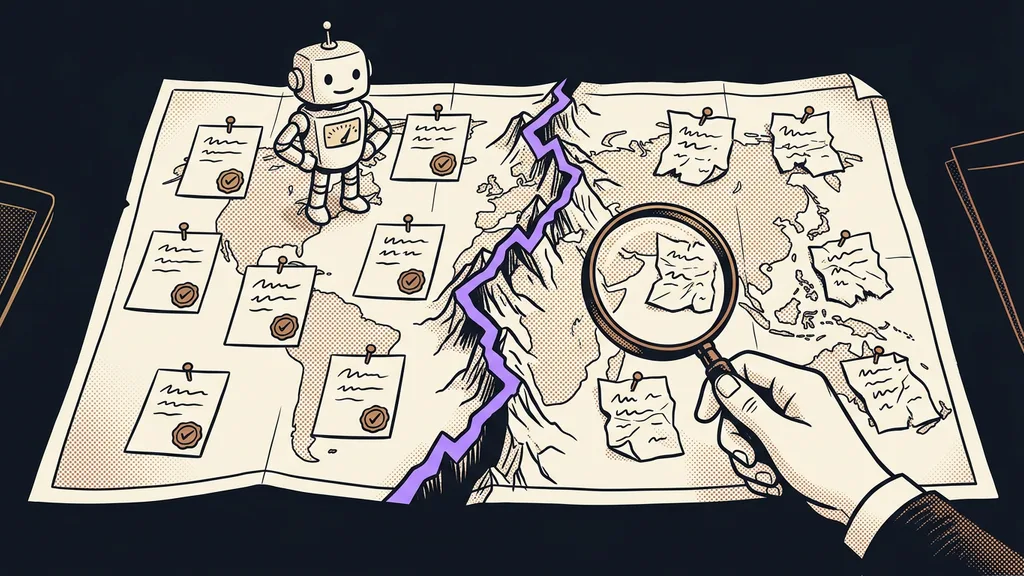
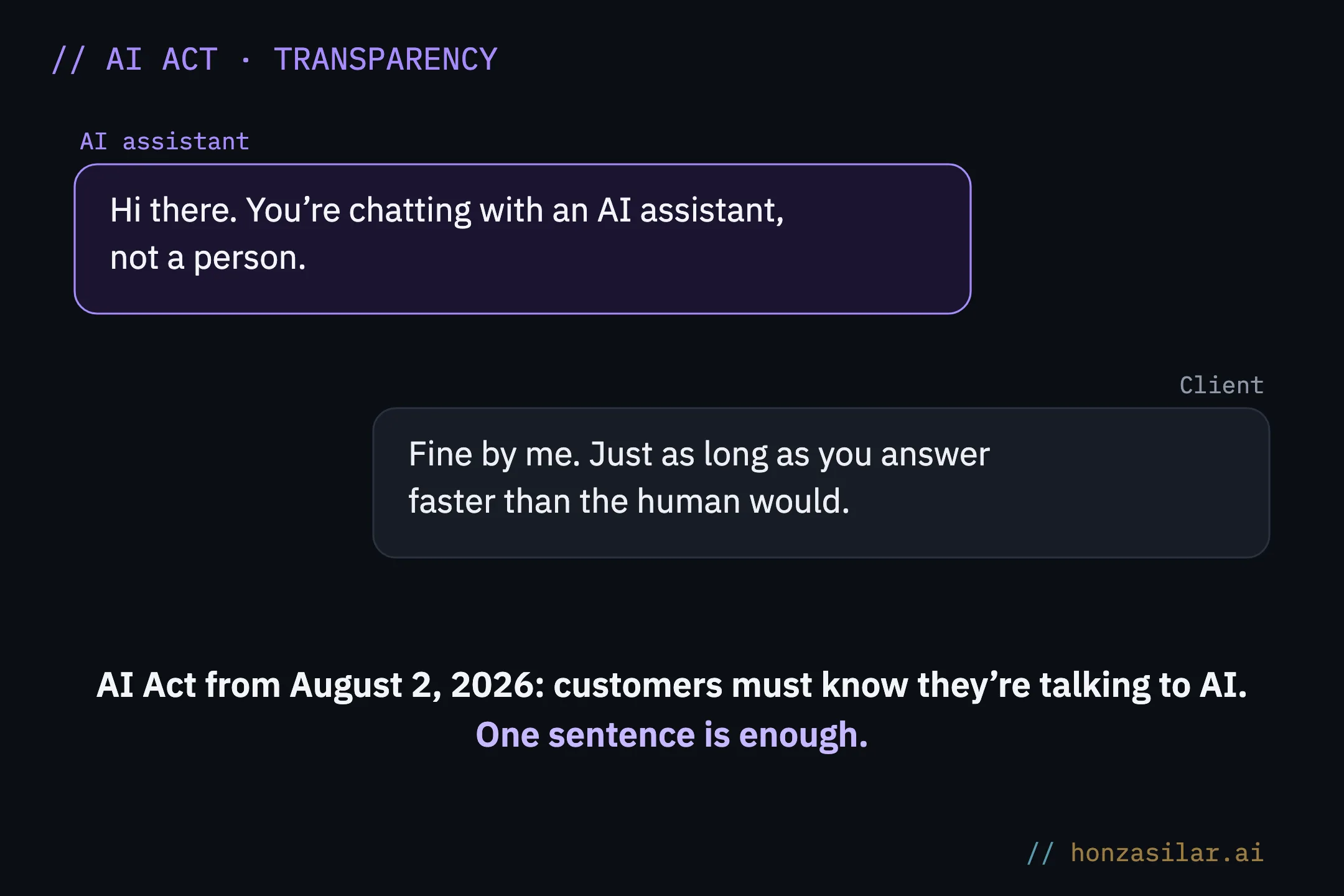
The EU AI Act sorts uses of AI by level of risk. An ordinary chatbot or voice assistant falls under limited risk, and the only hard obligation is transparency: from August 2, 2026, the customer must know they’re chatting or talking with AI, not a person. One sentence at the start of the chat or call is enough.
High-risk areas under the AI Act
Situations where AI makes decisions about people: recruiting and selecting employees, evaluating workers, access to services. For these, the AI Act requires meaningful human oversight: a person has to be able to see into the decision and step in at any time. AI may prepare the groundwork, but the final “yes, let’s do it” has to come from a human.
What the AI Act asks of you: chatbot vs. decisions about people
| Criterion | Ordinary chatbot | Decisions about people |
|---|---|---|
| Risk level | limited | high |
| Main obligation | from August 2, 2026, the customer knows they’re talking to AI | meaningful human oversight |
| The final “yes” comes from | AI is enough, plus that one sentence | it has to be a human |
Notice how it all fits together. The “team works, you approve” model is more than convenient. For sensitive decisions, it’s exactly what the regulation asks of you. Whoever bets on fully autonomous AI with no human in the loop will have a problem within a year. Whoever plans for your nod from the start can rest easy.
The aim is to build AI that always leaves you the final say at the sensitive points, without putting it in chains.
How to set it up so it doesn’t get out of hand
A safe rollout rests on four things. Ask about them right at the start:
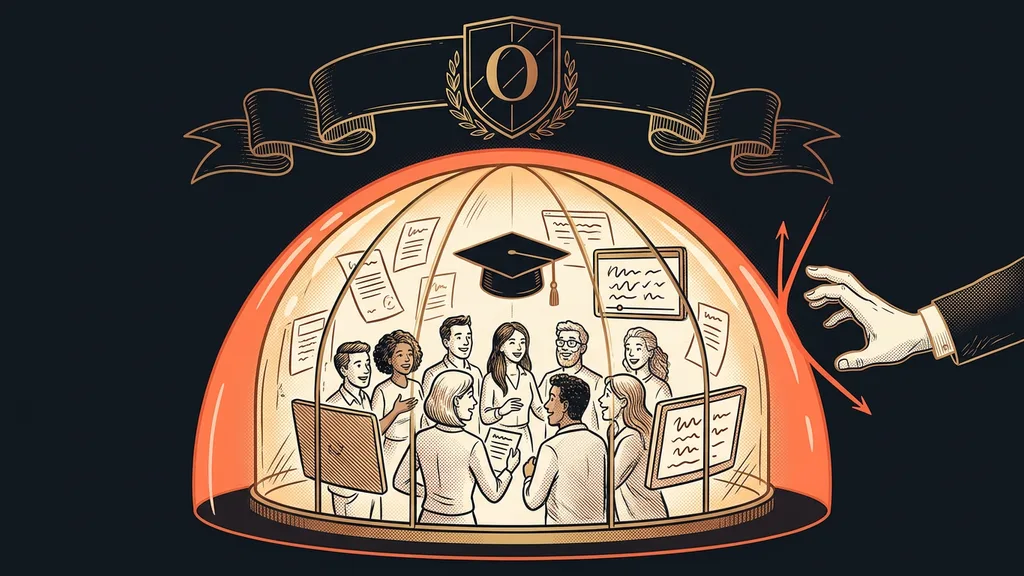
- A separate environment. Your team should run in its own isolated space, not in a shared service where your numbers and customers mix with everyone else’s. A model that will advise your competitors tomorrow must not learn from your data.
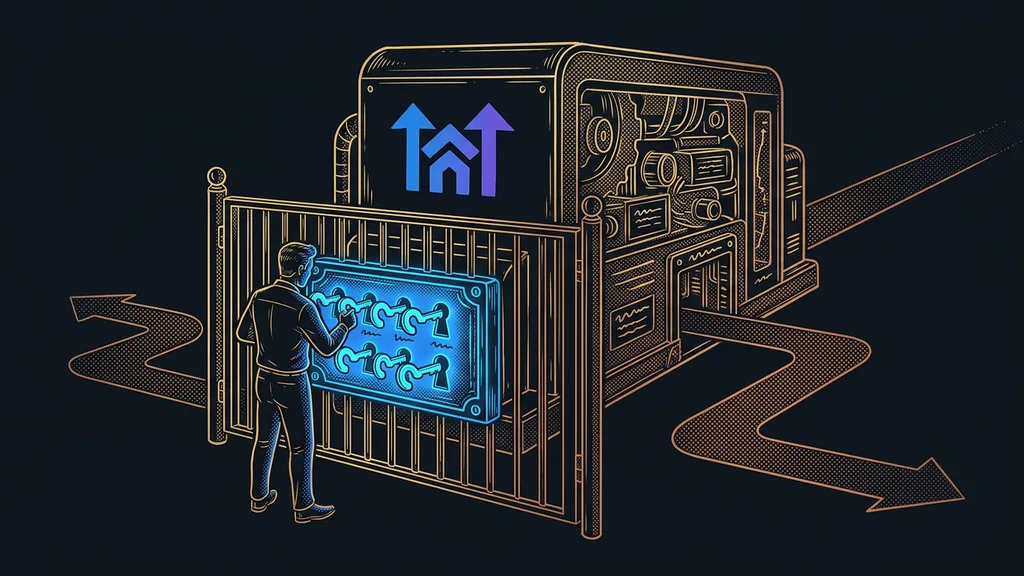
- Access through interfaces, not the keyboard. A solid setup doesn’t let agents loose on a computer. It connects them to your systems through controlled interfaces. When something goes wrong, the damage stays contained, and your entire accounting doesn’t end up out in the world.
- One place to see everything. You want to see what the team is doing right now and be able to undo an action. Something like Ctrl+Z for your whole business.
- Clearly defined points where a human decides. For money, contracts, and people, make approval mandatory. Put routine work on autopilot by all means, but not sensitive decisions.
A one-minute self-test
Take a moment to go through your processes and list the places where AI would touch money, a contract, or a decision about a person. Put mandatory approval exactly there, and nowhere else. The rest you can let run.
So who doesn’t it pay off for? If you answer two questions a day off the top of your head and have no other work, you won’t keep an AI team meaningfully busy. It would be like hiring an assistant who spends all day waiting for two emails. It pays off once the work repeats, comes in around the clock, and you can no longer keep up with it on time.
Who an AI employee pays off for, and who it doesn’t
Pays off
The work repeats and comes in practically nonstop.
You’re falling behind on it.
Competitors answer inquiries sooner and cheaper than you.
Doesn’t pay off
You answer two questions a day off the top of your head.
There’s no more work than that.
An AI team would spend all day waiting for work.
Building this yourself from scratch is real work. That’s why the rollout is done as a defined project with a fixed scope, where at the end you know exactly where you make the decisions, rather than as endless tweaking. Running it then holds no surprises: you don’t pay wages or payroll taxes, only for the AI usage itself. That’s on the order of tens to low hundreds of euros a month, depending on how much the team does. The cost grows with the work, not with headcount.
The whole system in a nutshell
- The AI team runs nonstop in a separate, isolated environment.
- It connects to your systems through controlled interfaces, not directly to a computer.
- It prepares most of the work on its own: quotes, replies, content.
- For money, contracts, and decisions about people, it stops and waits for your nod.
- You see what it’s doing and can undo any action.
How an AI employee works without you losing control
Back to that question from the search bar. Will AI replace my employees? Not the way you fear, and better than you hope. The helm stays yours: both the law and common sense keep you in that seat on purpose. What AI replaces is the hundred small tasks a day that keep you from ever reaching it. The AI employee works 24/7. The final say stays with you. And for decisions about people, the AI Act says that’s how it has to be.