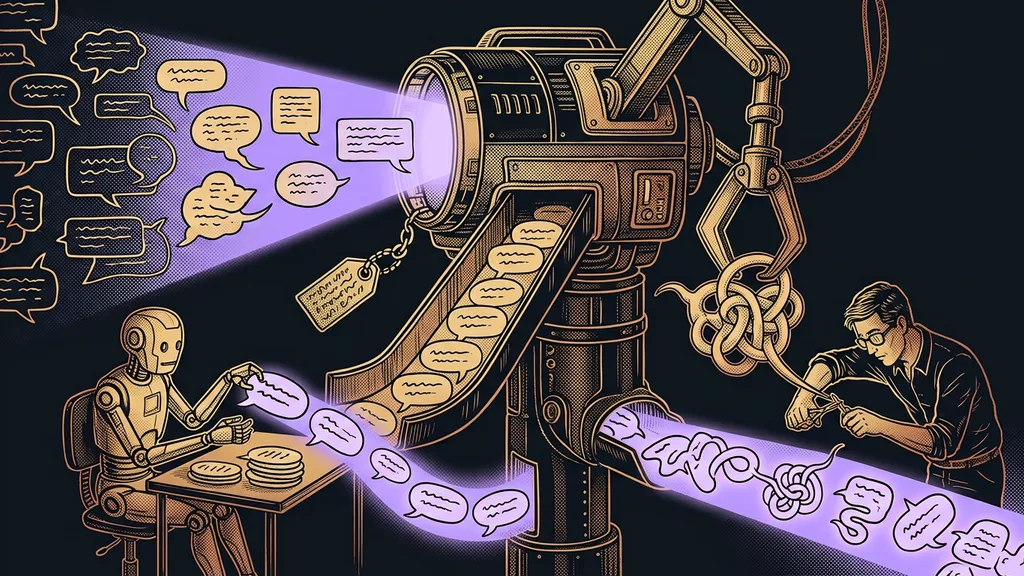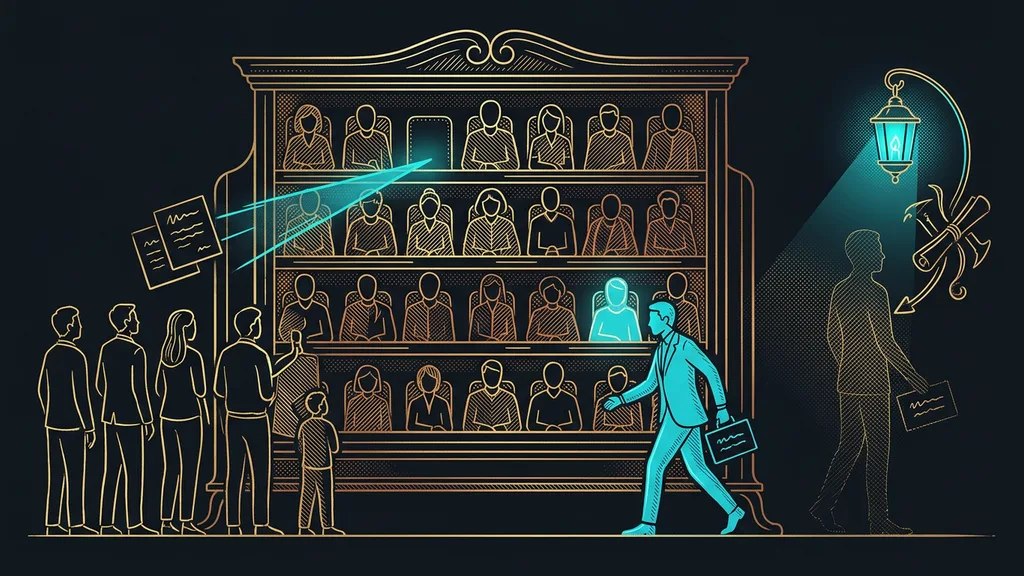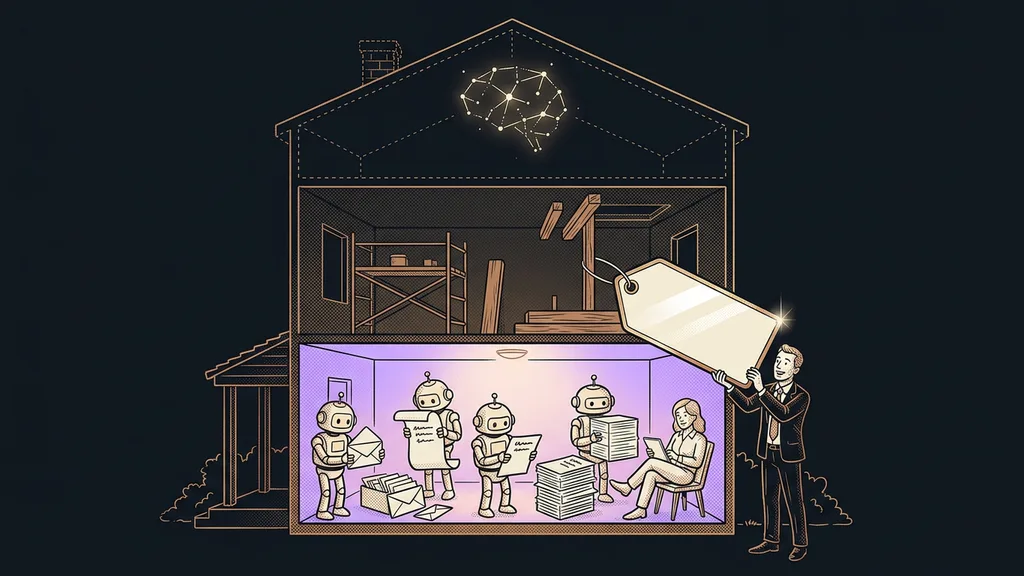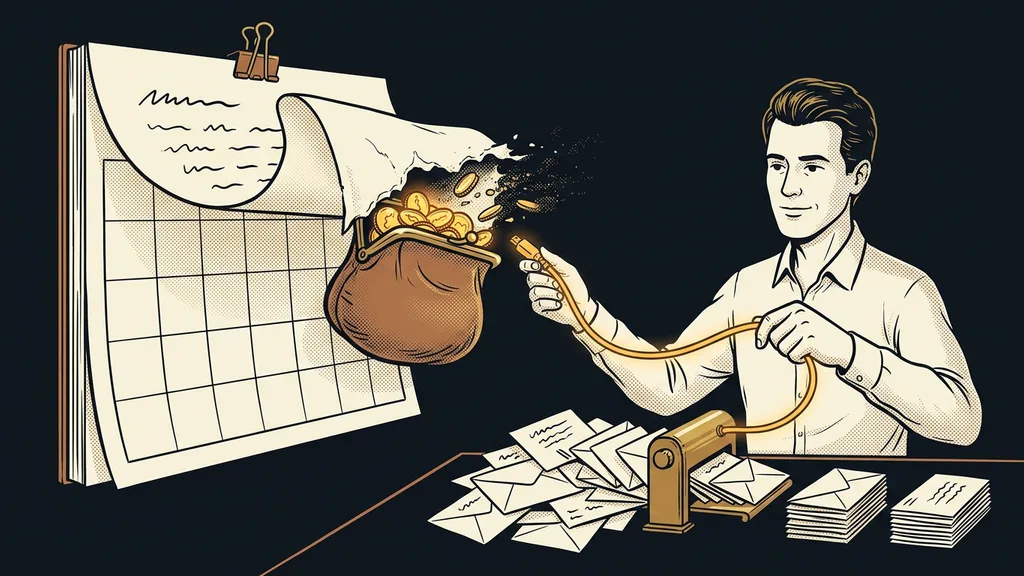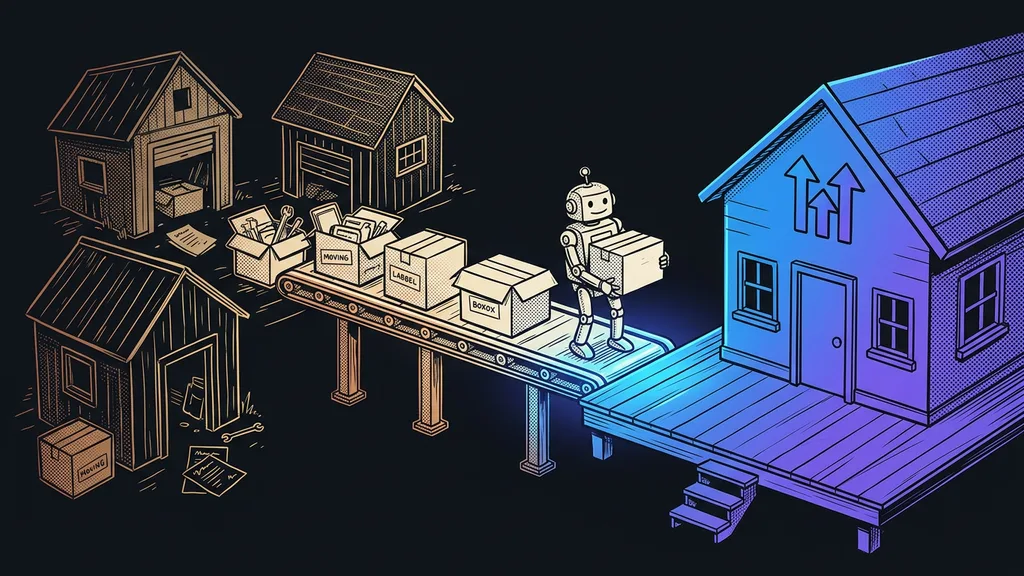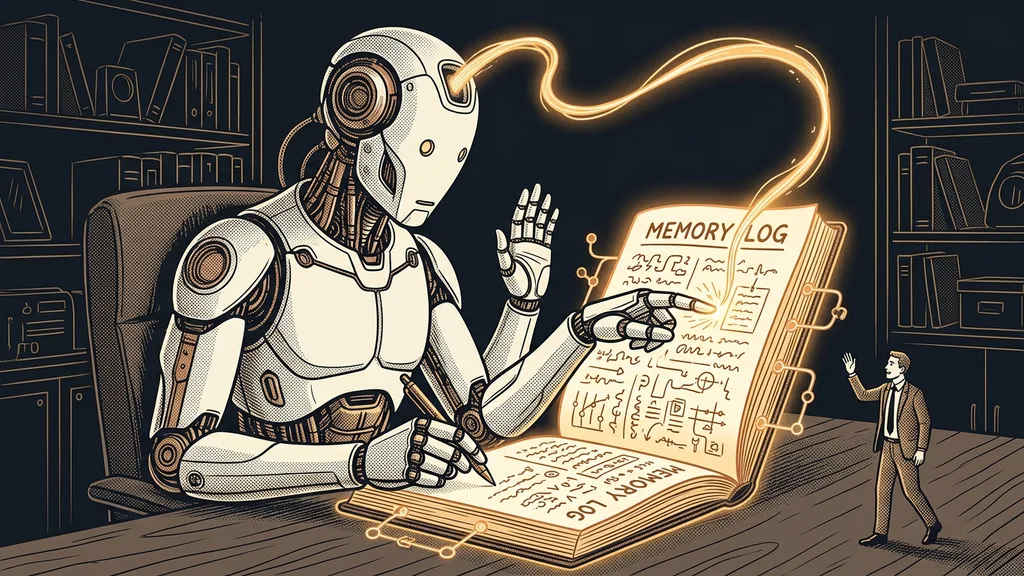
Every conversation with AI has one quiet flaw: sooner or later, it ends. And the most valuable part of an hour’s work disappears with it. Not the data. You’ll save that. What disappears are the decisions: why you did something exactly this way, which approach worked, and which one was a dead end.
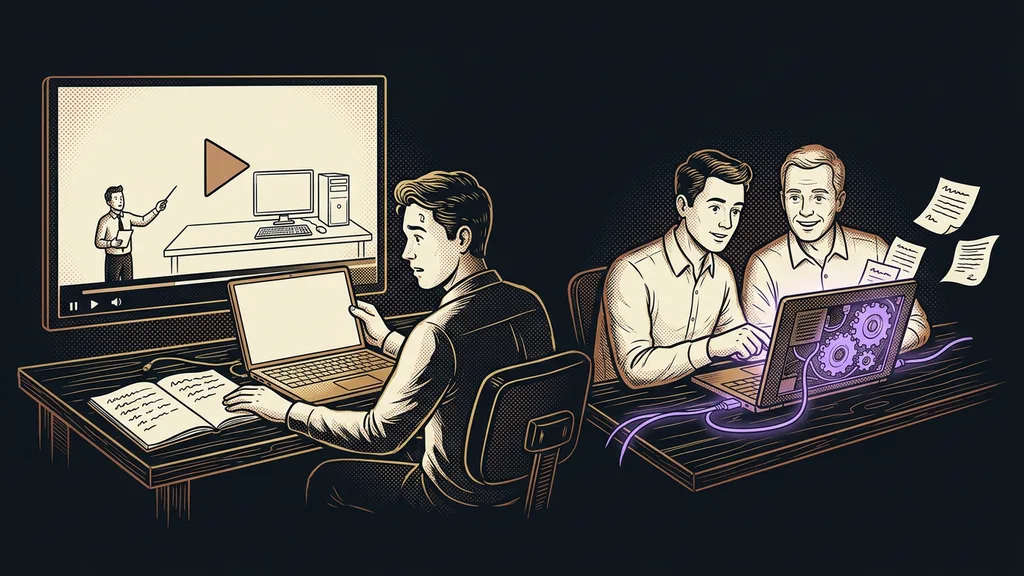
It’s Monday morning. You open a project you spent two hours on with AI last week, and the AI knows absolutely nothing about it. Once again, you explain what it’s about. Once again, you describe why you decided to do it that way back then. And neither of you remembers the small detail you finally figured out together after an hour of trial and error.
Lost decisions cost more than lost time
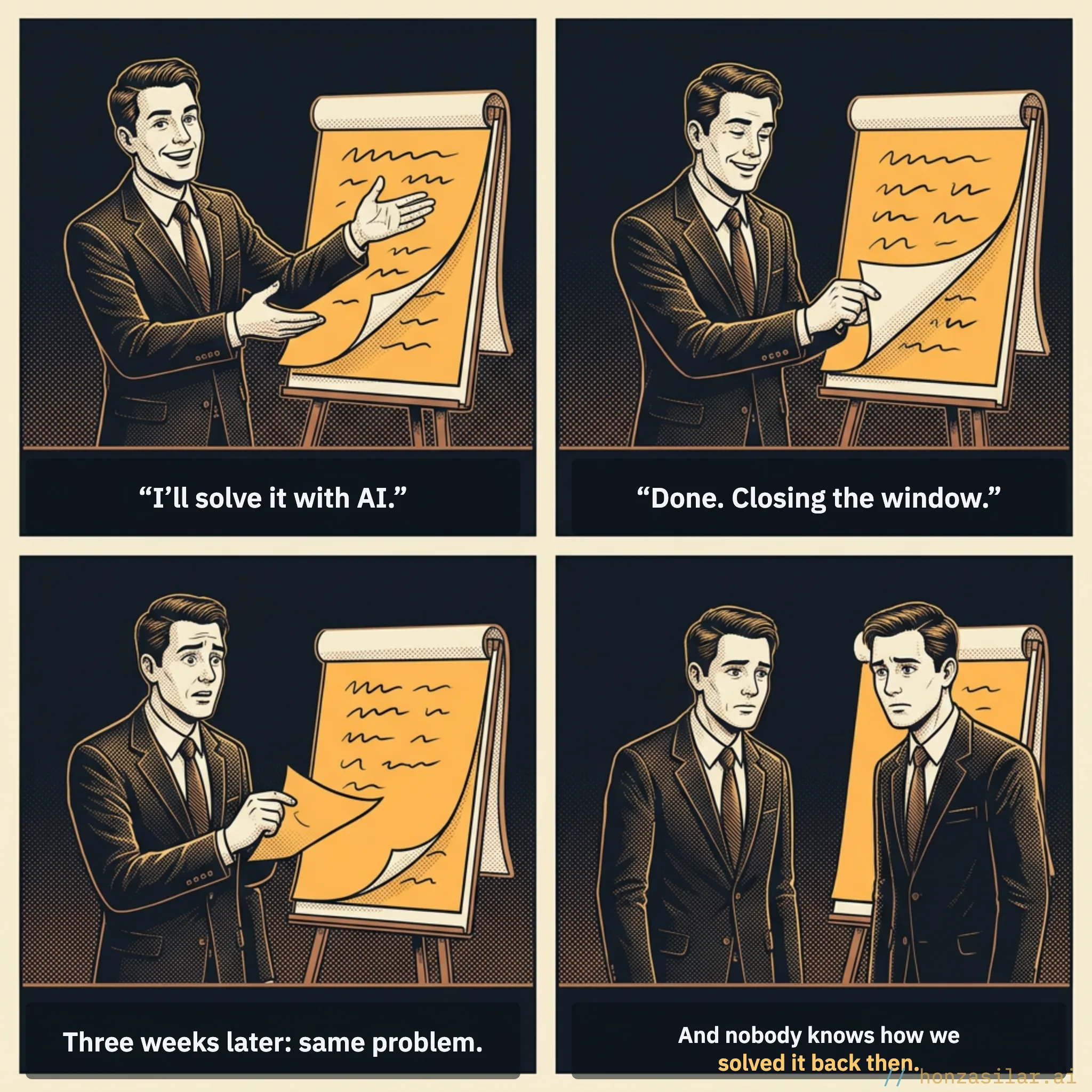
Jumping back into the project costs you ten minutes of getting your bearings. But that’s not the expensive part. What’s expensive is the lost decisions: the trick you once worked hard to figure out, which you’re hunting for again three weeks later because nobody wrote it down. You pay twice for the same thing.
Stateless (memory that lasts one conversation)
The property that makes a machine remember nothing at all between two conversations. That’s not because the model is dumb. It simply starts every conversation with a clean slate. Everything it needs to know next time, you have to supply again, or it has to get saved somewhere outside the conversation on its own. Until you solve that, there’s only one person keeping the project’s memory: you.
This bugged me long enough that I finally did something about it. I have dozens of conversations with AI every day, and in each one I make a decision that will still matter tomorrow. But the moment I closed the window, it vanished along with everything else.
One-minute self-test
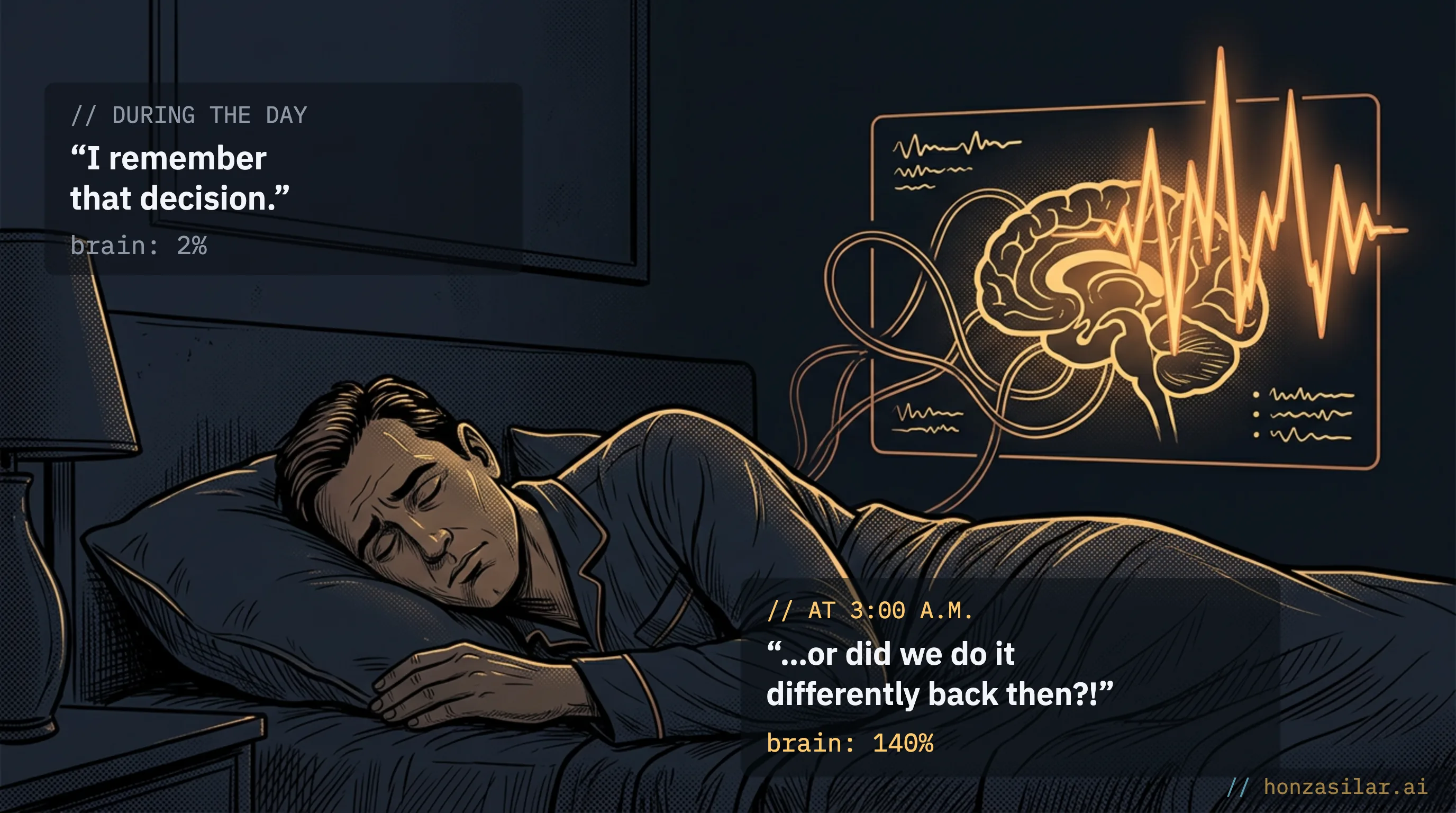
Take a project you’re in the middle of and try saying out loud: why did we choose this particular solution, and what have we already tried that didn’t work? How much of that is down in black and white, and how much is only in your head? Every answer you can find only in your memory is one more place where it all gets lost the moment you’re swamped, or on vacation.
A wrap-up after every task
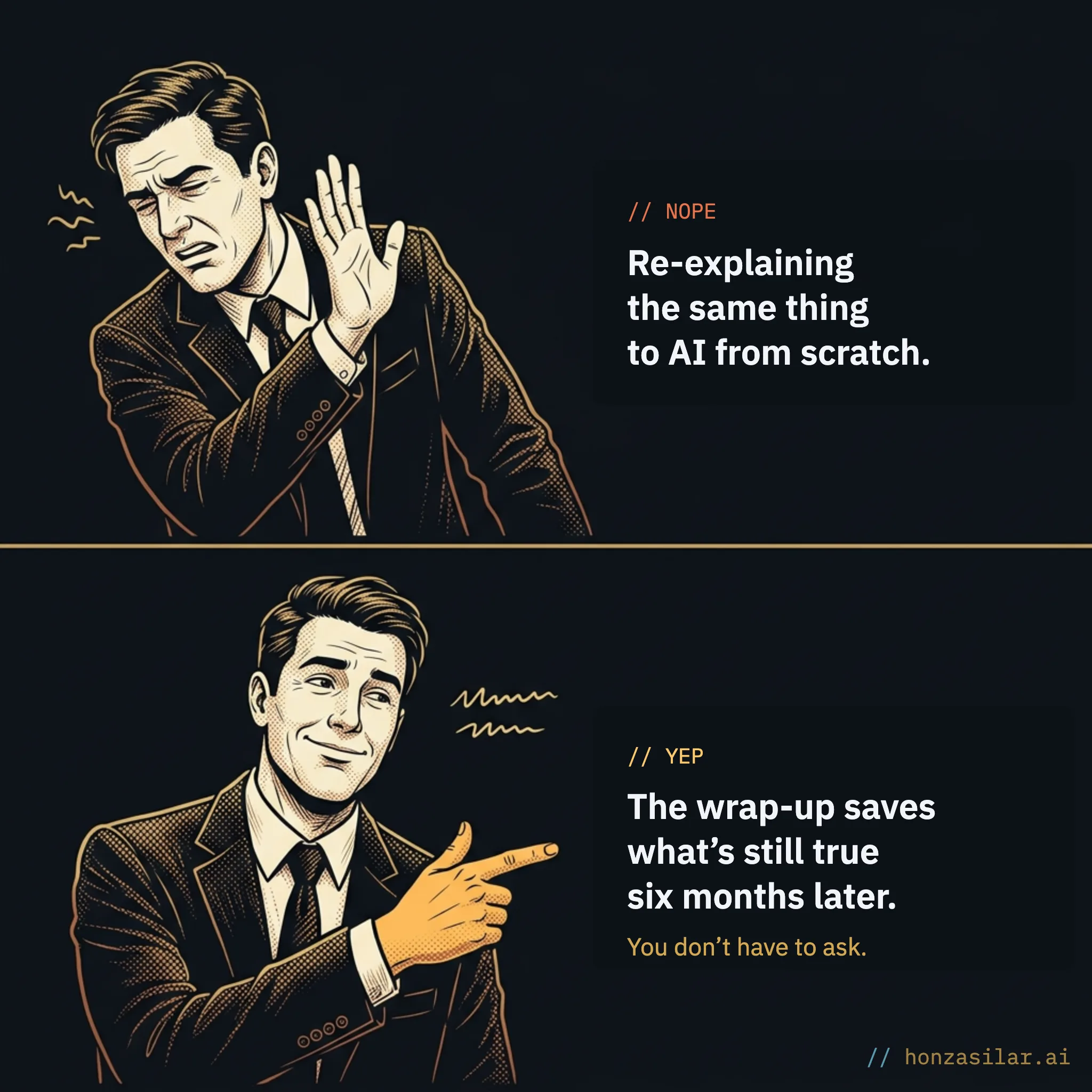
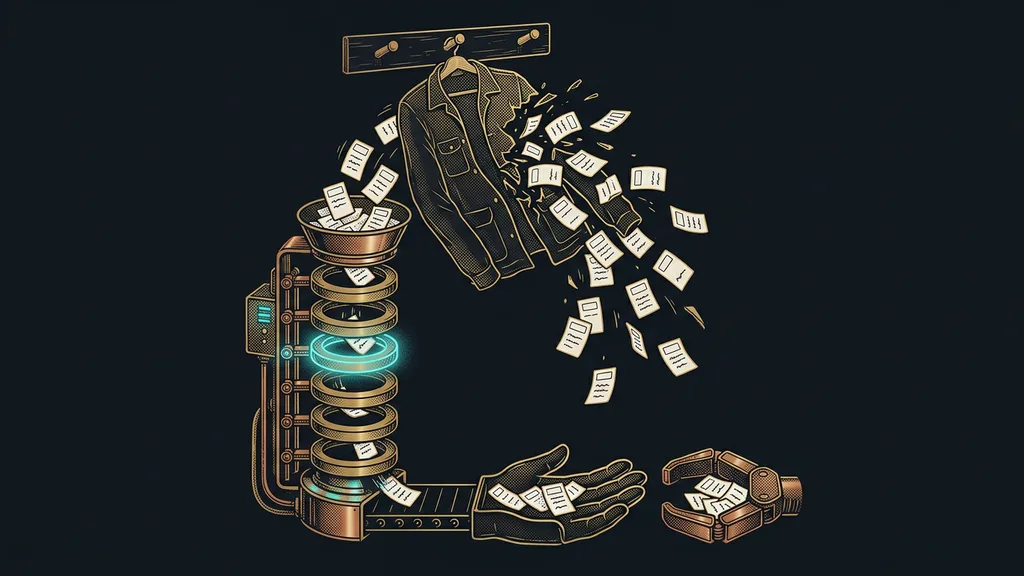
The fix is to stop taking notes by hand and leave the whole thing to the agent. After every finished task, the agent runs a wrap-up: it goes through what we just did on its own and pulls out only what lasts.
A decision, and the reason it went the way it did. An approach that proved itself. A correction I gave it while we were working.
What happens after every finished task
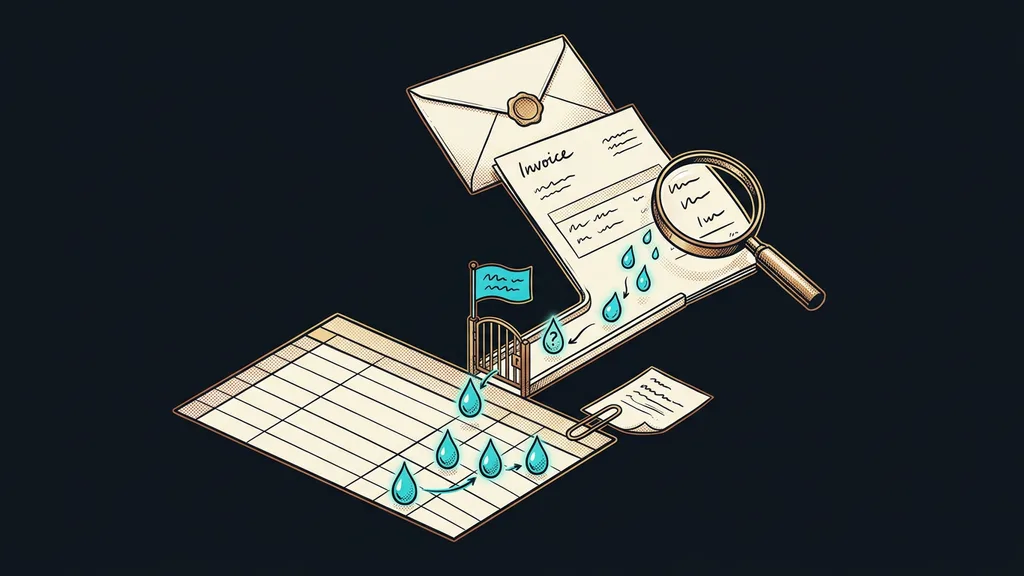
What gets saved is the distilled version: a few sentences that will still be true six months from now, not a transcript of the whole conversation.
The agent also makes sure it never writes the same thing down twice. So instead of growing into a mess, the memory keeps itself clean. It runs on its own, every time, on the same principle as an AI that checks its own work.
A log and a backup you never have to think about
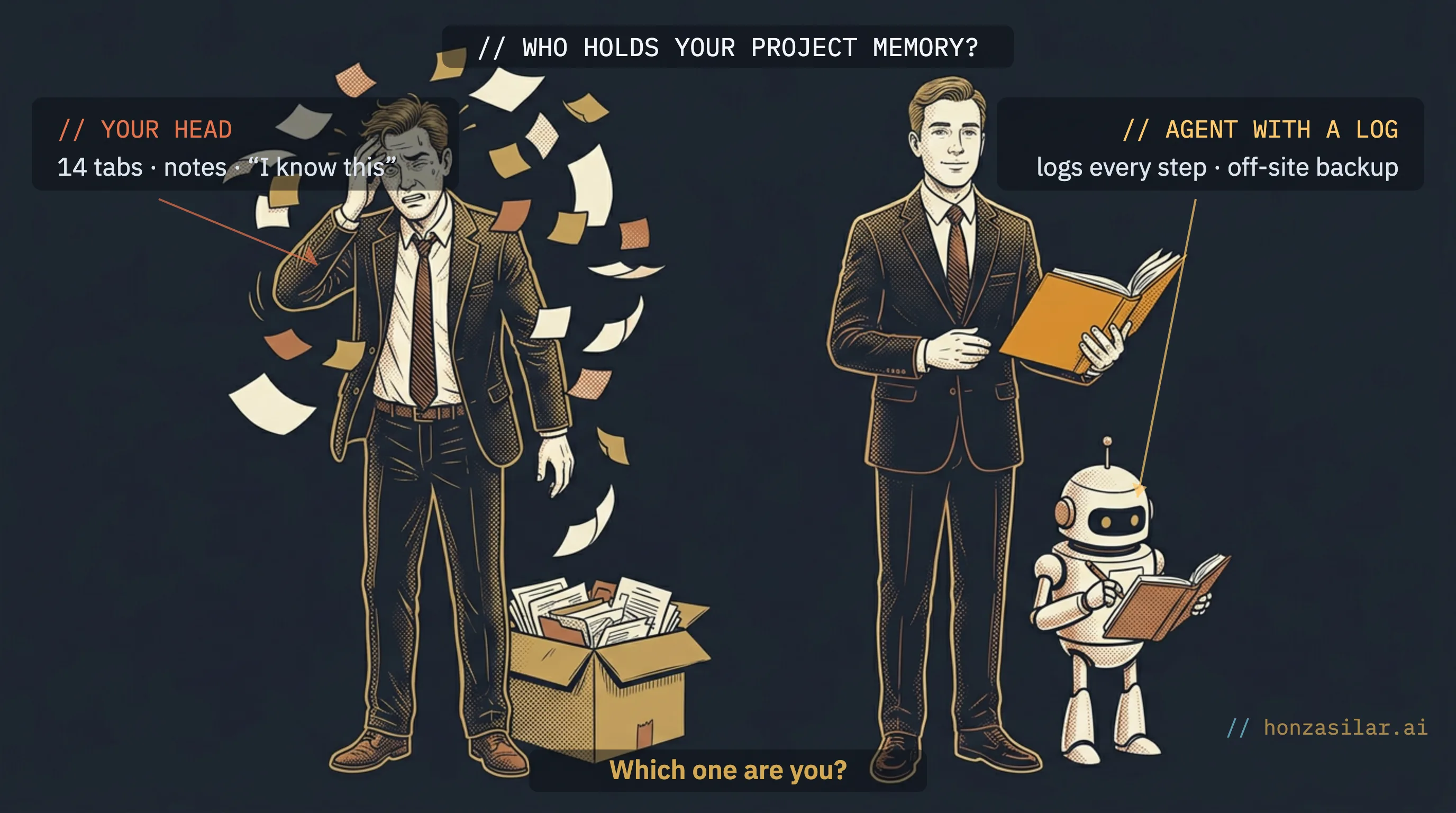
Alongside the distilled knowledge, every step adds a line to the project log: when it happened, what we did, and why. Anyone who has ever tried to keep an honest work log knows how that goes: you write for the first week, then you stop. Here, that discipline has moved to the agent, which never gets tired. When someone asks six months from now why we did it that way, the answer is right there on a line, not lost in a fog.
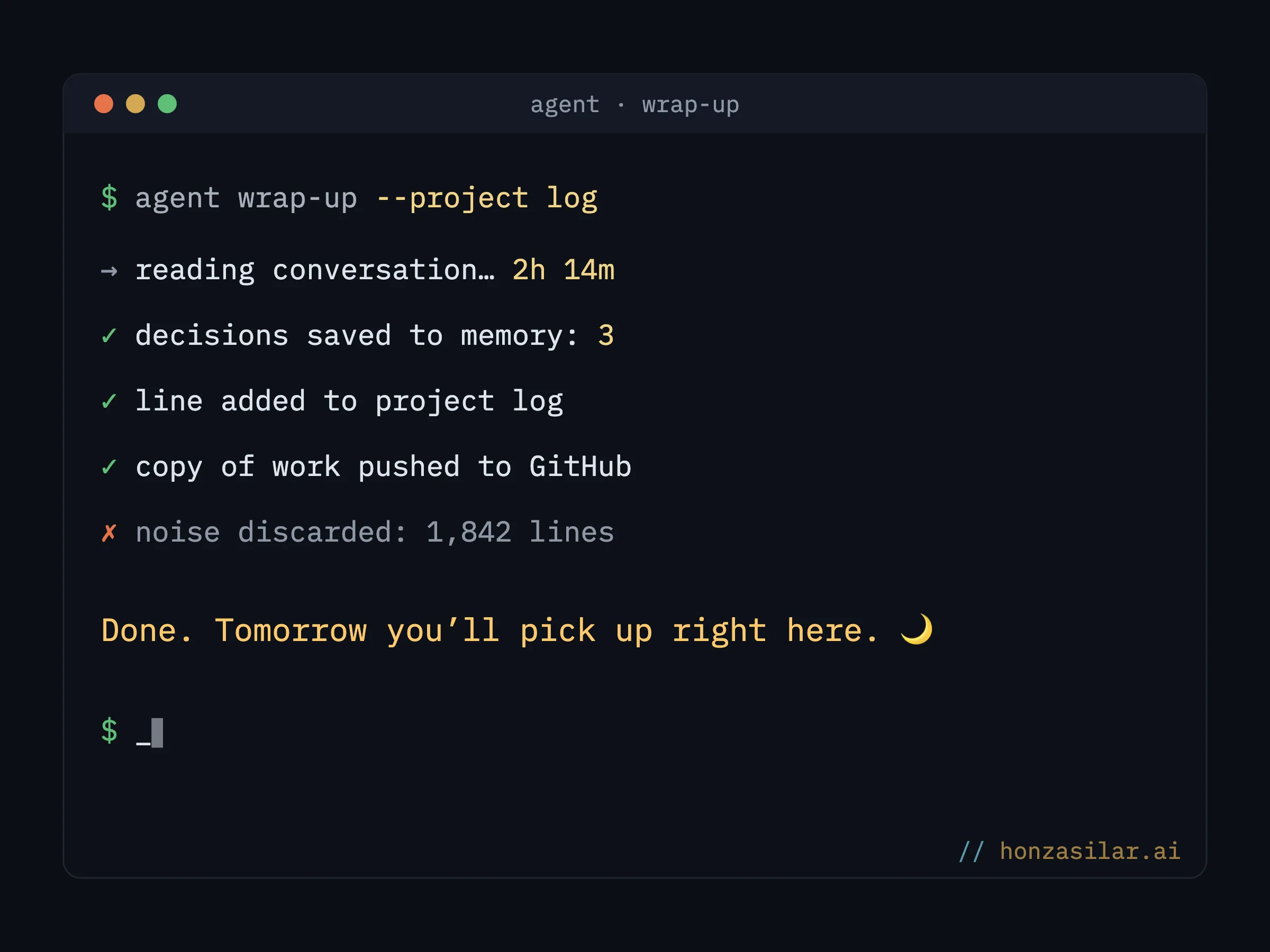
Just as automatically, every change goes straight off my computer. After every finished task, a copy of the work sits safely on GitHub, not just on a drive that might not wake up one morning. For texts and decisions that are hard to recreate, that’s the kind of peace of mind you only appreciate at the moment you would otherwise have lost them.
Why you can trust this kind of memory
Automation that writes to its own memory sounds like a recipe for trouble. What if it saves nonsense and follows it next time? That’s why a person has the last word here too.
Human in the loop
A way of building automation where the system prepares everything, but a person confirms the deciding step. In practice, it’s the only difference between an automation you trust and one you’re afraid of.
Catching up on where you left off last time
Sometimes I don’t want it to remember something. I say “don’t save this,” and the whole wrap-up gets skipped that one time. I make the call, not the system’s momentum.
Who doesn’t need this
When an agent’s own memory pays off
Worth it
- You run several projects at once
- You have long conversations and lose the thread between them
- You switch between topics and something always slips through
Not worth it
- You solve one thing from start to finish in a single session
- You have nothing to carry over to next time
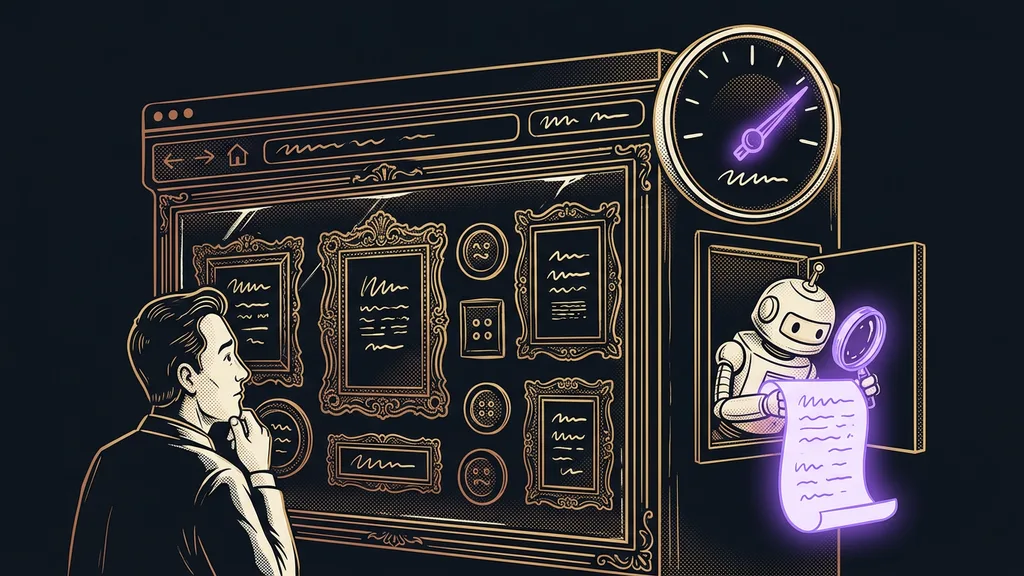
One more distinction, so nothing gets mixed up: this article is about how the agent saves what matters on its own after every step. The fact that it can then tell you right away where you left off last time is just the result of this layer. The same principle also holds up a bigger company memory built on top of your data.
The whole system in a nutshell
- The agent runs right where I work, not as a separate tool on the side.
- After every finished task, it stops on its own and does a wrap-up.
- It pulls only what lasts out of the conversation: the decision, the reason, the approach that worked. The noise gets thrown out.
- It adds a line to the project log and makes sure it doesn’t write the same thing down twice.
- It sends a copy of the work off the computer, to a backup on GitHub.
- When I say “don’t save this,” the wrap-up is skipped that time.
Monday morning: before and now
Before
Now
There’s no magic behind it: just an agent working alongside you that cleans up after itself at every step. And that Monday morning? You open the project and the AI is back with you within a second, including the small detail the two of you figured out after an hour back then. Conversations still end, just like before. They just don’t take anything with them that you’d hate to lose.