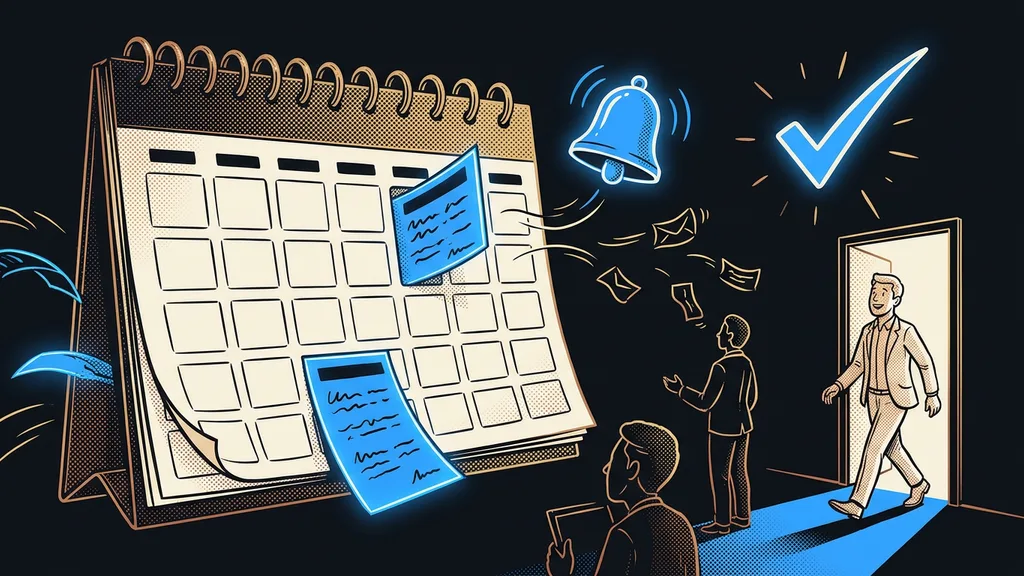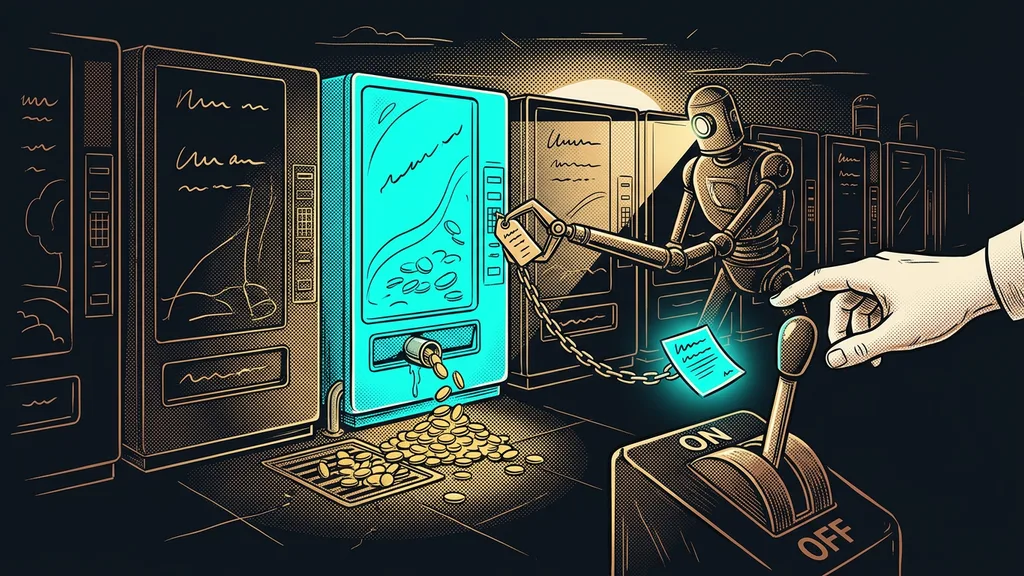
An ad account doesn’t go bad all at once. It goes bad quietly: one ad set stops bringing in leads, another drifts toward the wrong audience, a third burns its daily budget on people who will never buy from you. None of it flashes a warning, and nobody emails you about it. The money drains away silently, and it usually only shows up in the results for the whole month.
I worked like that myself for years. I looked at the account when I had time, which meant once every few days. Every time, I found something that should have gone long ago, and every time I counted how many days it had run for nothing. Weekends were the worst. Nobody’s watching, and the account keeps spending.
You can’t review ads only when you have time
A campaign runs every day, so it gets evaluated every day too. But a daily check is work people do reluctantly and irregularly. It’s short, boring, and nine times out of ten it ends with the finding that all is quiet. That’s exactly the kind of work you should hand off.
There’s just one condition. You need to know in advance what counts as a bad number, or the morning turns into a debate instead of a decision.
Decision threshold
A number agreed in advance at which something happens. For example, a cost per lead above which an ad set gets paused, or a number of impressions below which nothing gets judged yet. Think of it as an agreement with yourself rather than a forecast, made calmly and before anything catches fire.
Picking the wrong audience doesn’t lose you the money. Noticing it ten days later does.
On your desk in the morning: what’s running, what’s burning, what to turn off
The morning check comes as a short piece of text, not a spreadsheet. I read how much was spent yesterday, which ad sets crossed a threshold, and what the system suggests doing about it. Each suggestion says why, so I’m not deciding blind.
It takes two minutes to read. A few lines on the ad sets that are holding up, one line on the one that got paused, and one sentence about where that money would work harder. I don’t need anything else to decide in the morning, and above all, I don’t have to go looking for it.
It runs overnight, when nobody is at the computer, and the result is waiting on my desk in the morning. Numbers for longer periods are in a shared dashboard, but I don’t need them for the morning decision. It’s enough to know what changed since yesterday.
The main difference from checking the account by hand is that this happens on Sundays, on holidays, and on days when your calendar is full. A check that only runs when you happen to have time is luck, not a check. And it’s one of the first things worth handing to an assistant.
Why the routine doesn’t touch everything every day
A daily check doesn’t mean a daily intervention. Most mornings end with a report that all is quiet, and that’s how it should be. Stepping in before there’s anything to judge costs more than not stepping in at all.
Learning phase
The period after launch or after a bigger change, when the platform is still figuring out who to show the ad to. Results jump around during it, and you can’t read anything from them. Every significant change restarts the learning phase, so impatient tweaking keeps a campaign in the most expensive stage of its life.
The one-minute self-test
Open your ad account and find the last ad set you turned off. Look at when it stopped bringing in results and when you actually paused it. Multiply that gap in days by the daily budget. That’s the amount you pay every time the check gets put off until next time.
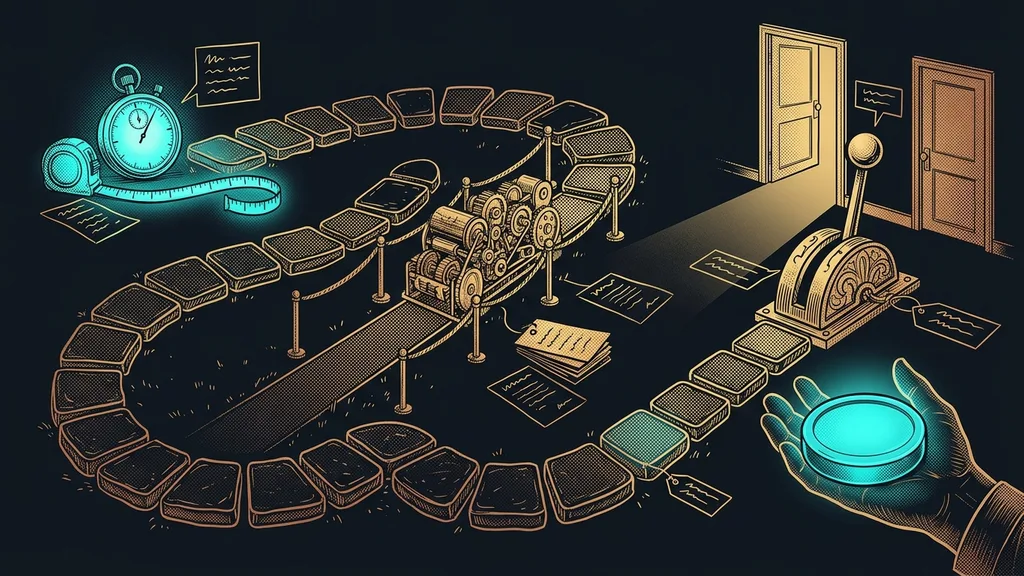
That’s why a threshold always has two parts: the limit being watched, and the amount of data at which the watching begins. Until an ad set has collected enough impressions, the routine leaves it alone and just makes a note.
What it may do on its own, and what it may not
The routine isn’t an account manager with full power of attorney. The line runs according to how expensive a mistake is in each direction. Pausing an ad set that’s losing money means, at worst, a day’s budget saved. Adding money to something I haven’t looked at can cost the whole weekly budget.
The safeguard
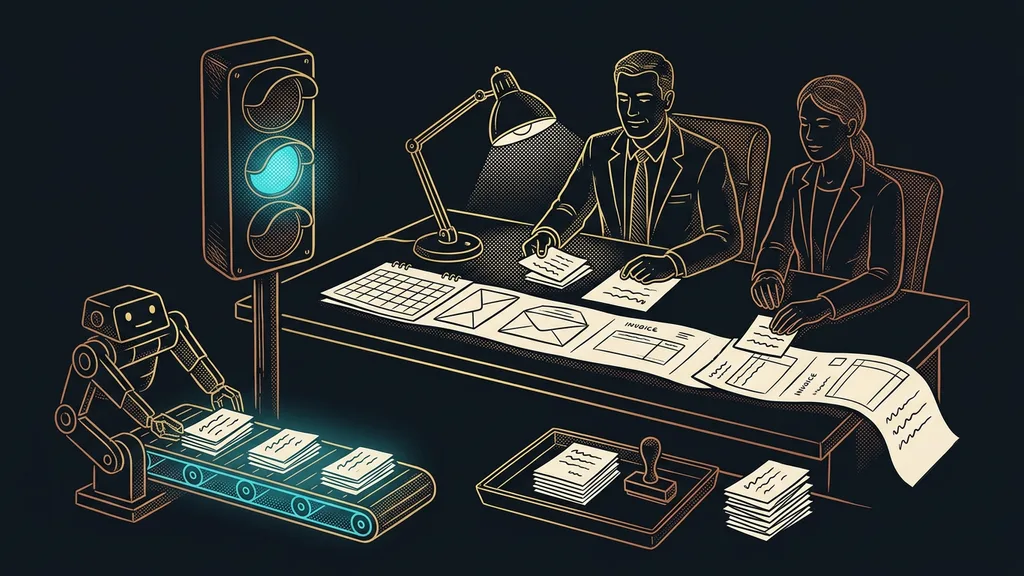
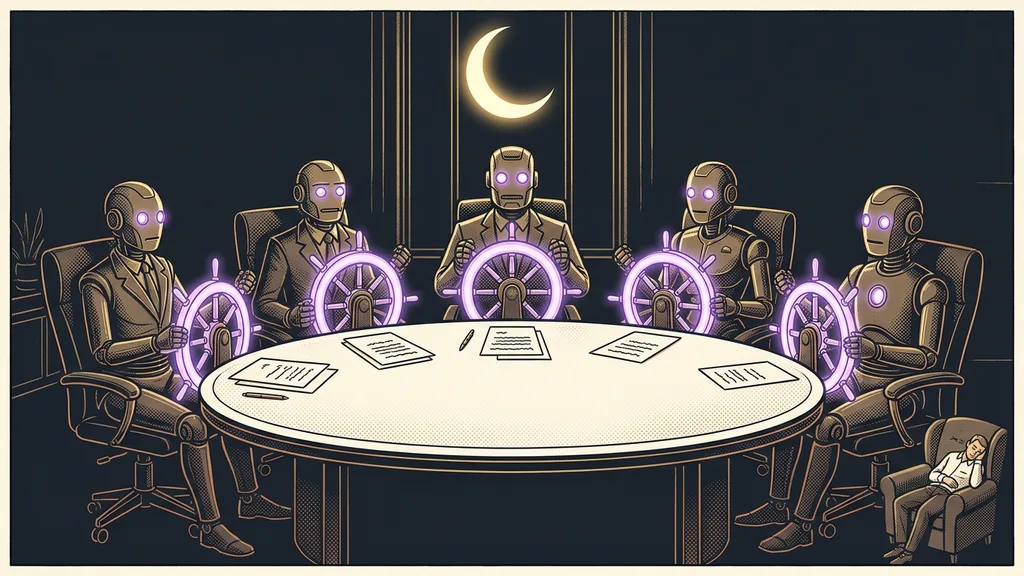
The routine may pause an ad set that crossed the agreed threshold on its own. It may not raise a budget, change an audience, or swap ad copy by itself. It prepares those steps as a proposal and waits for you to confirm them. The system prepares, a person decides.
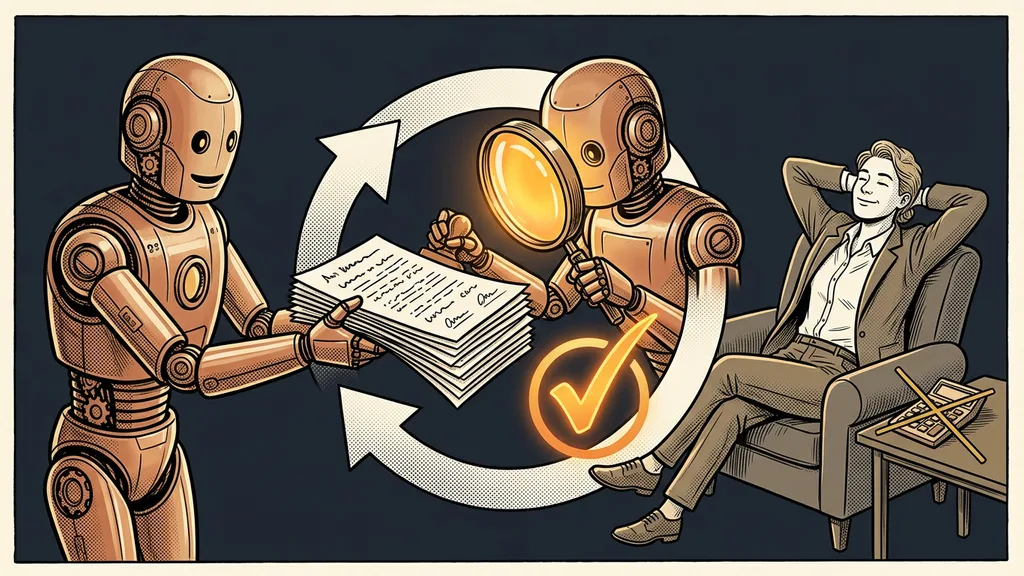
The second safeguard is memory. The assistant writes every intervention into its own journal: what it changed, when, and based on which number. When I ask a month later why a particular ad set stopped running, I don’t guess or dig through the history. And before it puts a proposal on my desk in the morning, it checks its own work to see whether the proposal makes sense at all.
Who this isn’t worth it for
Who gets nothing out of this? If you run one campaign twice a year and spend a few dozen euros on it, checking the account by hand is enough. A daily check makes sense where money is spent every day and there are more than two ad sets.
It also won’t pay off if you can’t say what success means for you. Without that, there’s no way to set a threshold, and the routine just describes what happened instead of suggesting what to do about it. That one thing can’t be delegated; it stays with you. And one last fair point: the routine can’t come up with a better ad. It can only tell that the current one has stopped working, and that’s something else entirely.
The whole system in a nutshell
- You agree on thresholds in advance: what’s too expensive, what’s too little data, and what should happen in each case.
- The routine runs every night, goes through all campaigns, and compares yesterday’s numbers with the agreed thresholds.
- It can pause ad sets that crossed a threshold on its own. Anything costlier waits for confirmation.
- In the morning you read a short text: what was spent, what got paused, and where the budget could be shifted.
- You just approve or reject. Every intervention stays on record, along with the reason.
Nobody can take away the weekend when no one looks at the account. It’s still there; it’s just no longer blind. Where a good routine makes its money has little to do with targeting: it shortens the time between the moment something breaks and the moment someone stops it.