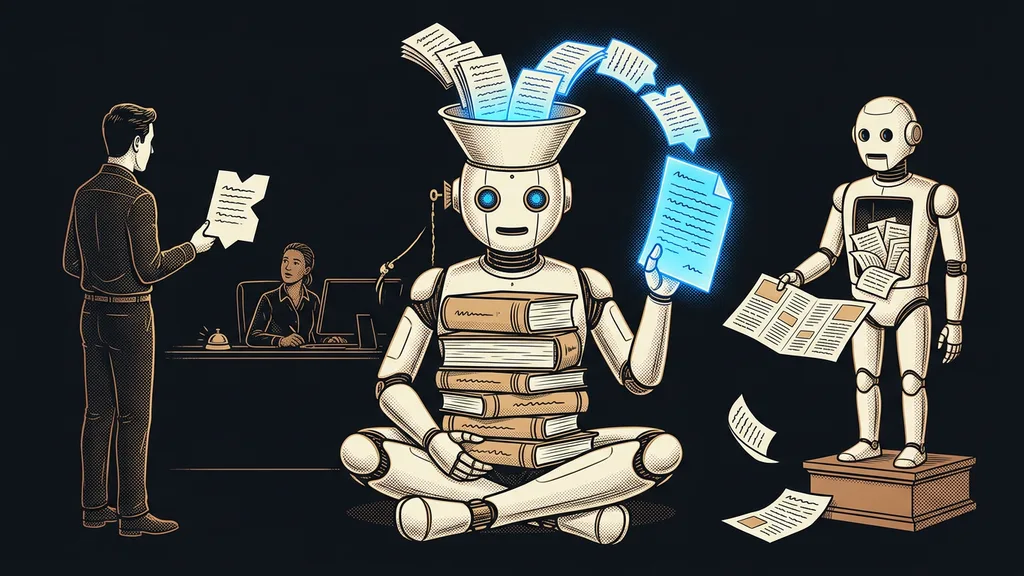
The most expensive ad is usually the first one. It gets written in front of a blank page, typically in the evening, and everything in it is a guess: how to open, what to emphasize, what to leave out, and what’s supposed to make someone stop in the first place. You’re paying for the fact that you’re still learning. And you’re learning with money from your media budget.
I know that feeling well. I sit staring at the first copy for a new industry, with nothing to go on. I write five variations, and they all sound like an ad for anything. And yet all it would take is a look at what’s running in that industry today, and the guessing could stop.
The market already has the answers, and nobody looks
The ads running in your industry are public. The big platforms have to publish them, and anyone can browse them, including you. That means your competitors have done a chunk of the research for you and left it lying in plain sight.
What’s most valuable is how long each ad has been running, more than how many ads anyone has.
Longevity test
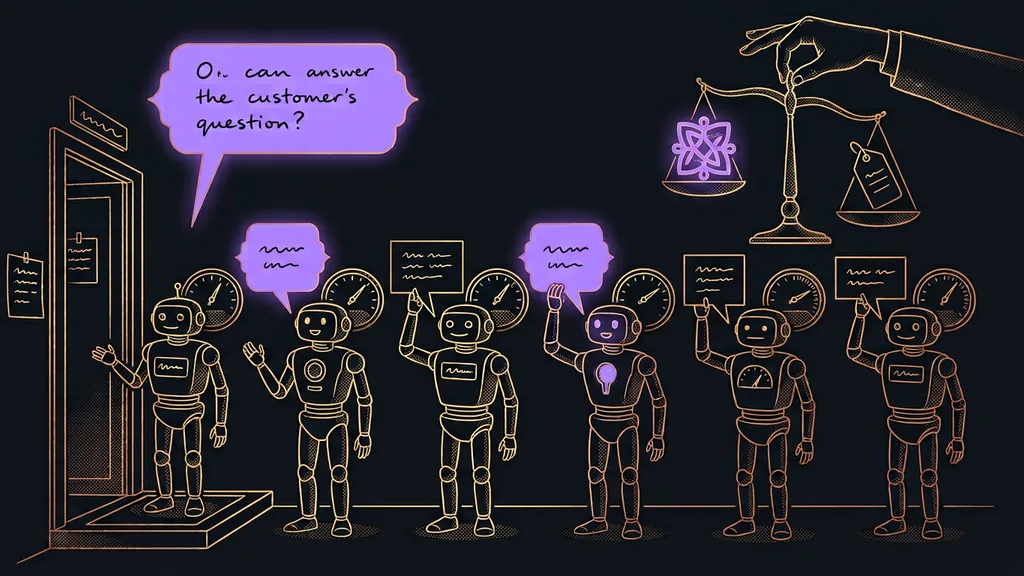
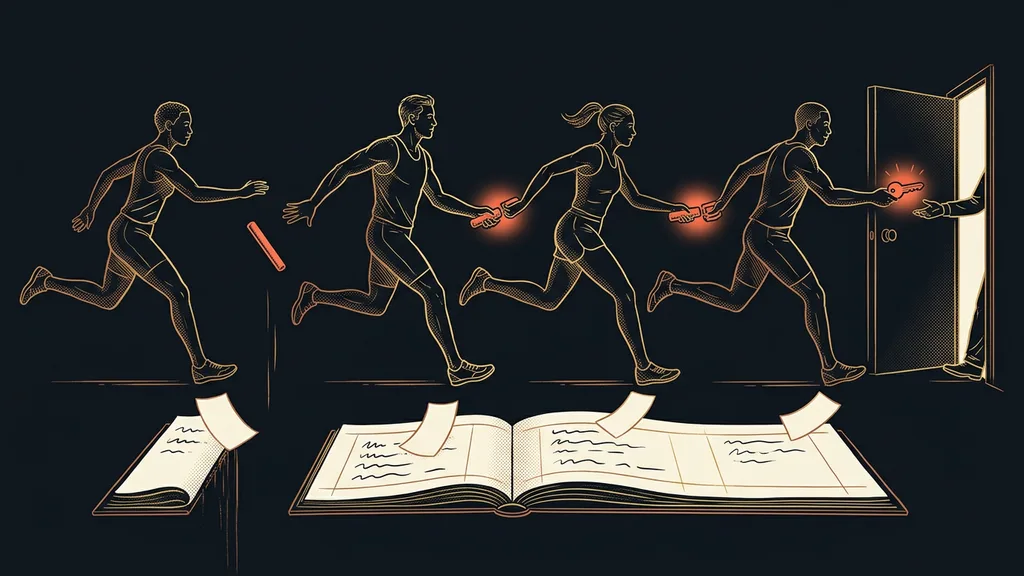
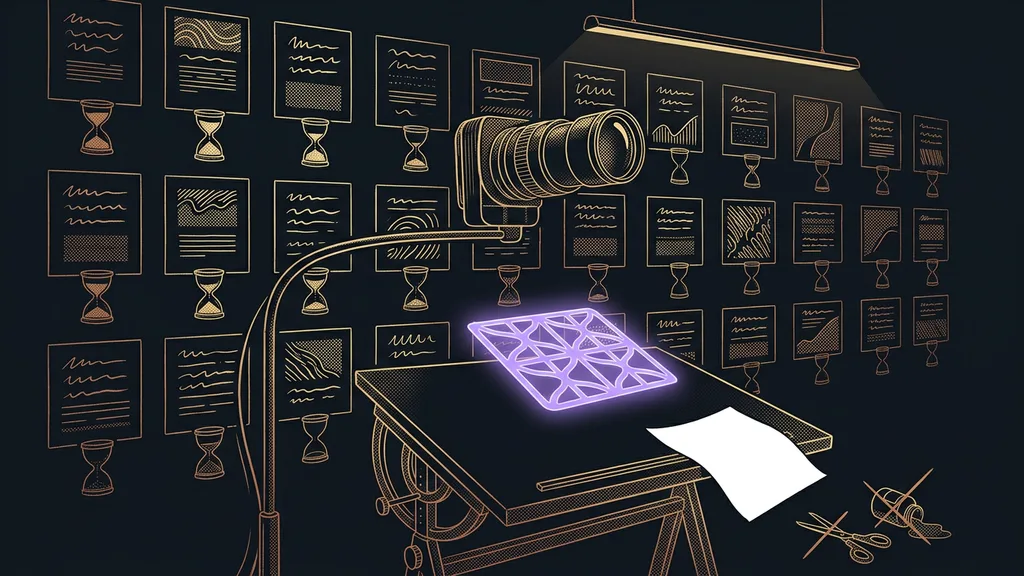
A simple yardstick for someone else’s ad: how long it has been live. With a performance campaign, nobody pays for anything out of sentiment. What runs for months most likely pays off, or someone would have switched it off long ago. What showed up for a week and disappeared was an experiment. This one data point separates the proven from mere ideas.
What someone in your industry pays for month after month works. What was tried once and vanished was just an idea.
What you can and can’t see in someone else’s ad
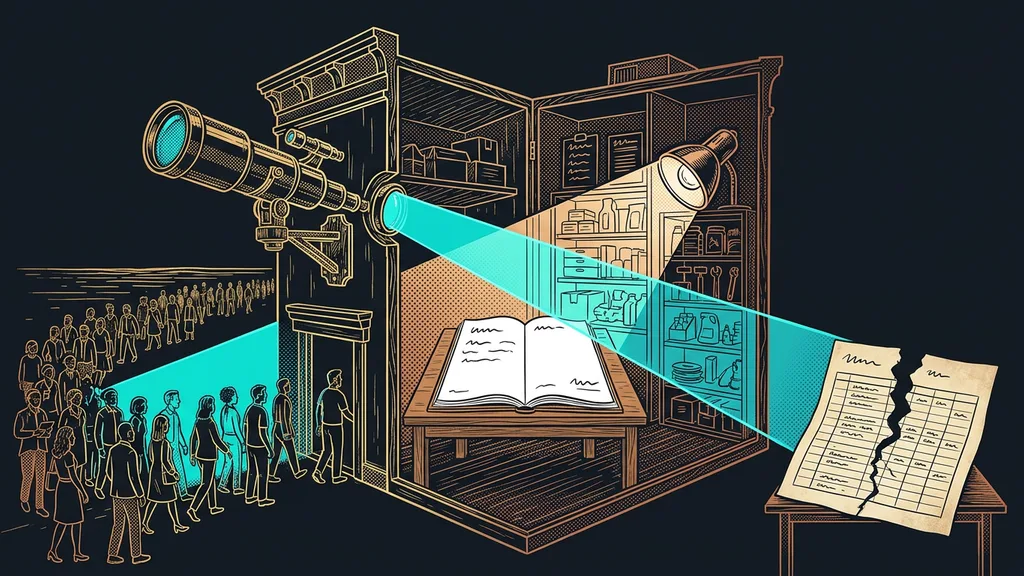
You can see the text, the image or video, the format, the landing page, and how long the ad has been live. That’s a surprising amount. You can’t see the budget, the audience, the cost per lead, or whether the campaign paid off. On that front, you see surprisingly little.
That leaves only one sensible use. Other people’s ads are clues rather than proof. Ten advertisers may be doing the same thing while nine of them lose money, and the library won’t tell you anything about that. What it will tell you is what the industry has settled on and what everyone avoids.
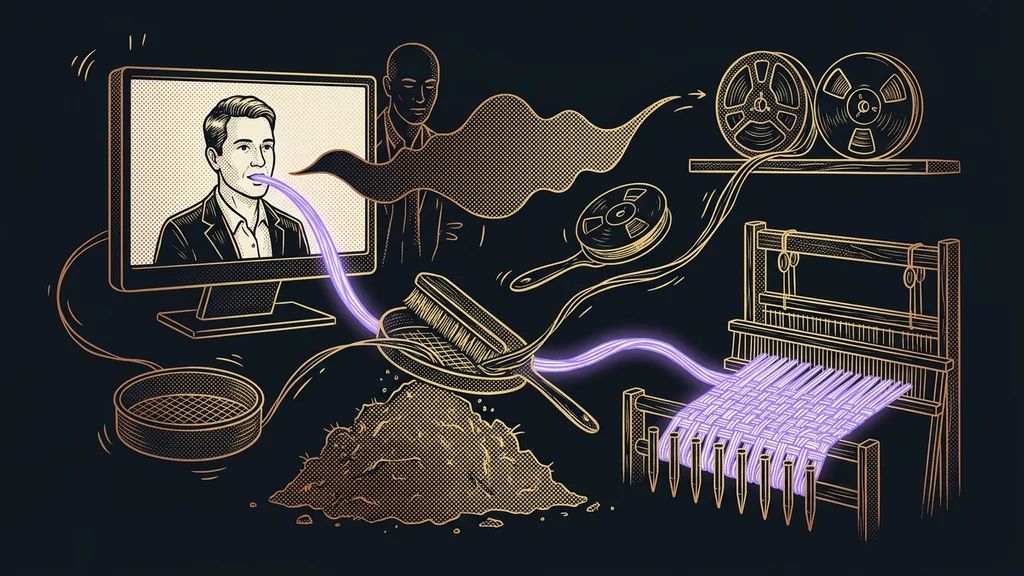
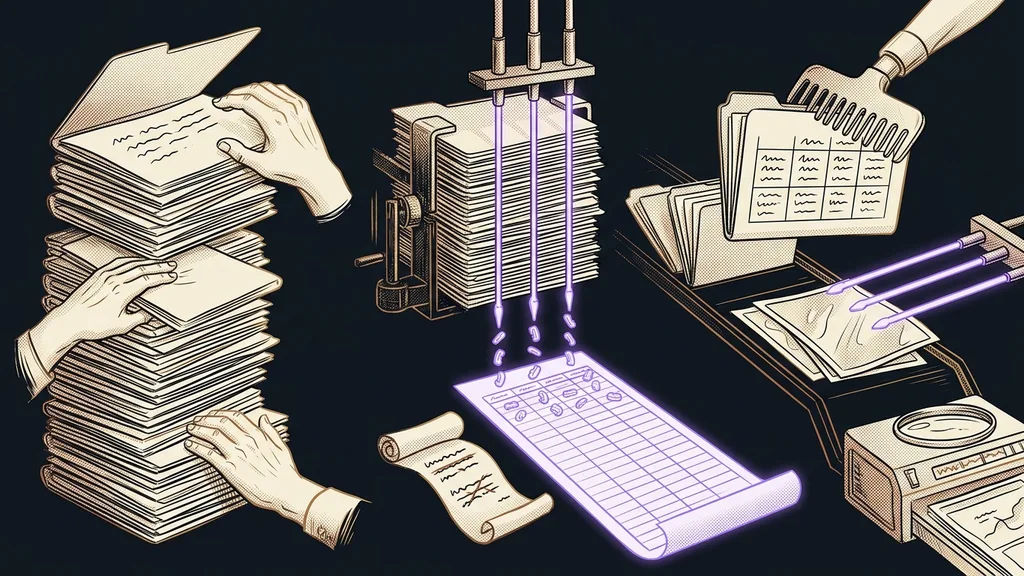
Collecting all this by hand takes a whole afternoon, and nobody does it a second time. Getting data from the web without retyping it is exactly the kind of tedious work a machine should do, and a few hundred ads then turn into a searchable overview.
Take the patterns, not the sentences
From someone else’s ad, you take the pattern, never the text: the way the ad is built. What type of hook it uses, which side of the problem it comes at, and in what format it delivers it. Those three things can carry over to your own offer without producing a copy.
Hook
The first second of a video or the first line of text: the point where a person decides whether to stay. It’s often a question, a number, an unexpected claim, or a scene viewers recognize themselves in. The rest of the ad can be as good as you like, but without a hook, nobody gets to the end. Hooks are exactly what gets repeated most within an industry.
Next to the hook comes the angle, and it tends to matter more. The same product can be sold on time saved, money saved, peace of mind, or the fear that the neighbors have it better. When everyone in the industry pushes on price, the open space is usually somewhere else.
You can read the format the same way. If your industry runs almost nothing but short videos and you’re preparing a static image, that’s not automatically a mistake. But it should be a decision you made deliberately, not by accident.
One-minute self-test
Pick three competitors and find their live ads. For each, look at just one thing: which ad has been running the longest. Then read those three longest-running ads back to back and try to say what they have in common. That common thread is the angle your industry is built on.
Patterns turn into a brief, not a finished ad
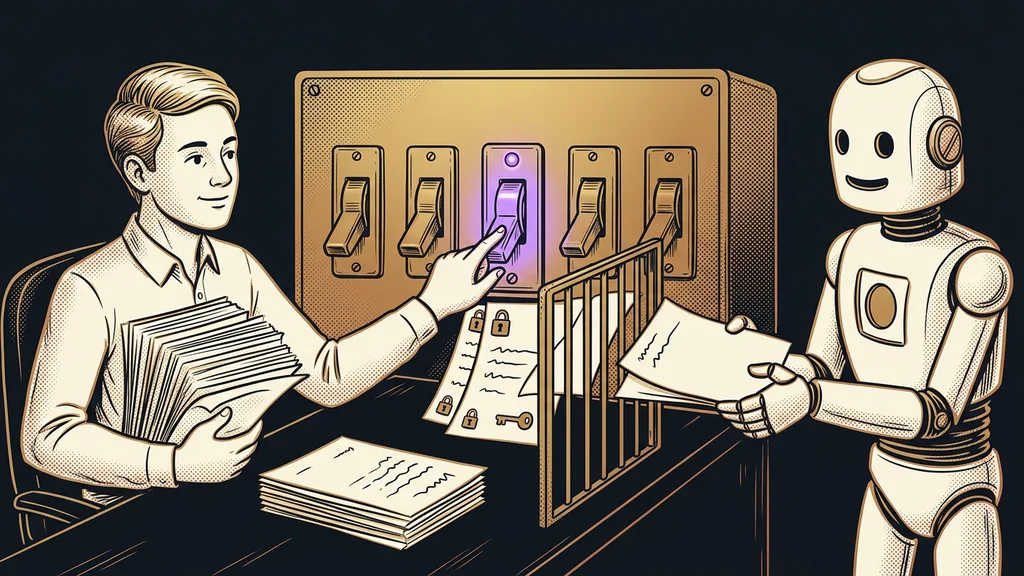
What comes out of the research is a brief rather than an ad: a list of hooks that have lasted in the industry, a list of angles, and a note on what nobody is trying. Writing from that feels completely different from facing a blank page, because you’re choosing from options instead of inventing from scratch.
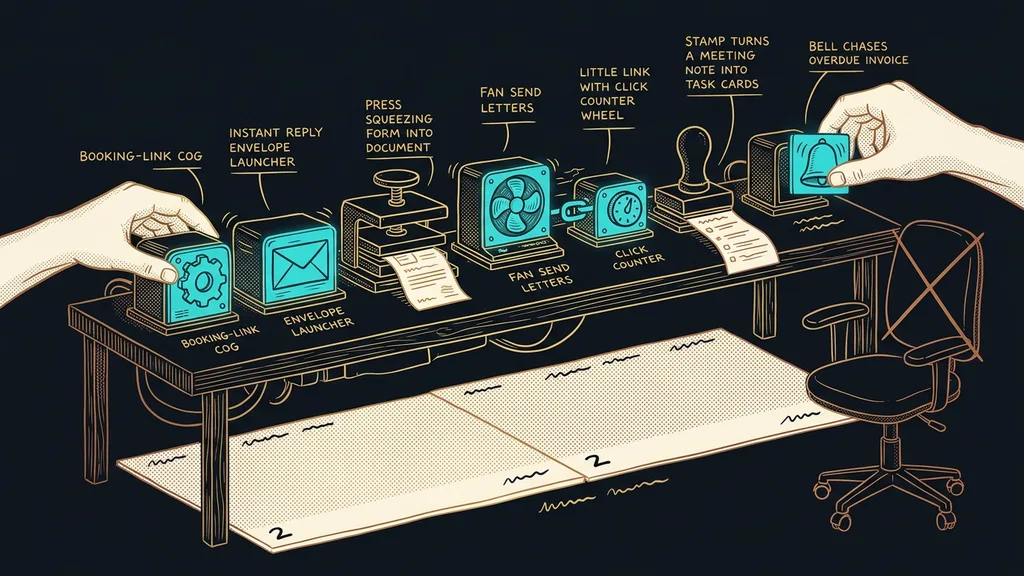
An overview like this is worth keeping. If it ends up in a spreadsheet that AI fills in, you can repeat the exercise in six months and compare what’s new in the industry. The rest builds on the brief: visuals in your own style so the ad looks like you, and distributing the finished pieces to each network.
Safeguard
Never take text, images, or claims from someone else’s ad. Someone else’s work belongs to them, and their promise is built on their offer. If you repeat it, you’re promising something you may not be able to deliver. What carries over is the structure, not the content.
Who doesn’t need this
One group won’t get anything out of this: anyone with their own running campaigns and their own numbers. For them, other people’s ads are a curiosity. Your own data beats an impression of someone else’s every time, and all it takes is for every ad to go through a link that tells you who clicked it.
One more candid note on channels. In the libraries, you’ll also come across ads on X and video ads on YouTube, and I don’t offer either to clients. The Czech audience on X is small and shrinking year after year. YouTube video ads, for their part, swallow a small business’s budget before you can learn anything from them. Feel free to look there; as inspiration, it’s fair game. You just won’t hear me recommend either one.
The whole research process in a nutshell
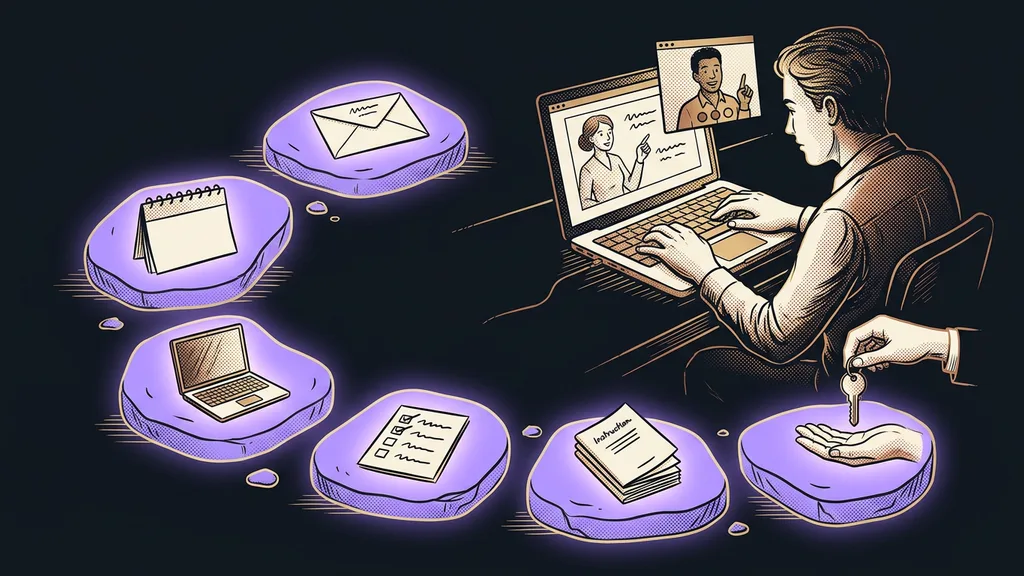
- You pick three to five advertisers you compete with for the same customer.
- You go through their live ads and, for each one, note mainly how long it has been running.
- From the longest-running ones, you pull out the hook, the angle, and the format. Never the text.
- You add what nobody in the industry is trying. That’s usually where the open space is.
- All of that becomes the brief for your own ad, and only then do you start writing.
The blank page from the beginning doesn’t go away. What goes away is sitting in front of it with an empty head. Good research leaves the idea to you and gives you something else: the confidence that the market hasn’t been trying it in vain for three years already.