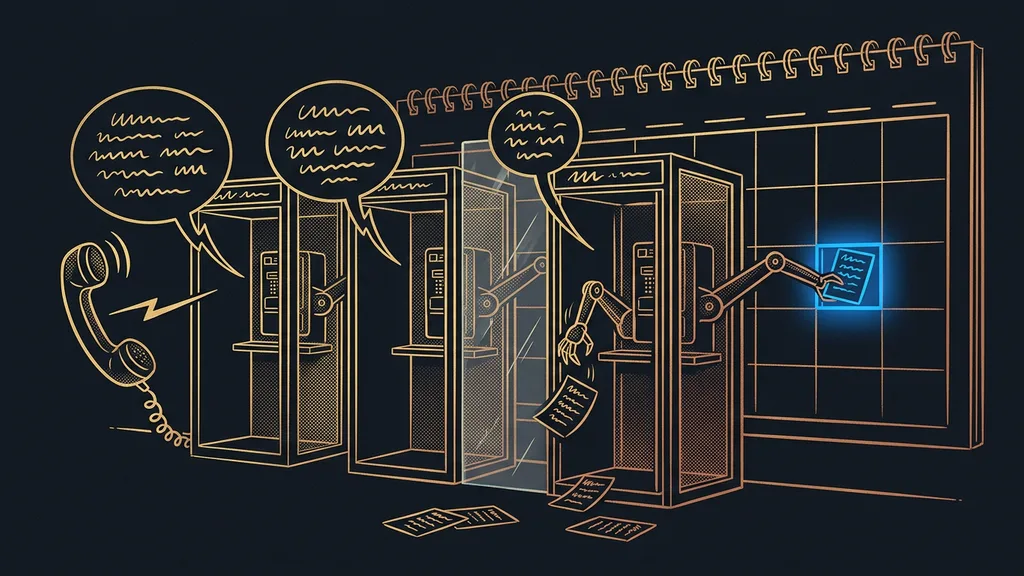
These days, you don’t buy advertising in one place. A small business has it spread across several systems: Google search, Meta’s social networks, plus Sklik, the Czech search ad platform, and depending on the industry, LinkedIn or TikTok. Each one wants its own login, has its own names for the same things, and has its own idea of what counts as a result.
I know this from my own account. I want to run a single promotion in three channels, and I open three interfaces. In each one, I set up the same thing, just with different words and different clicks. At the end, I’m not sure the same audience is running everywhere. And the numbers that come in a week later can’t be compared anyway.
The most expensive part of advertising isn’t the budget
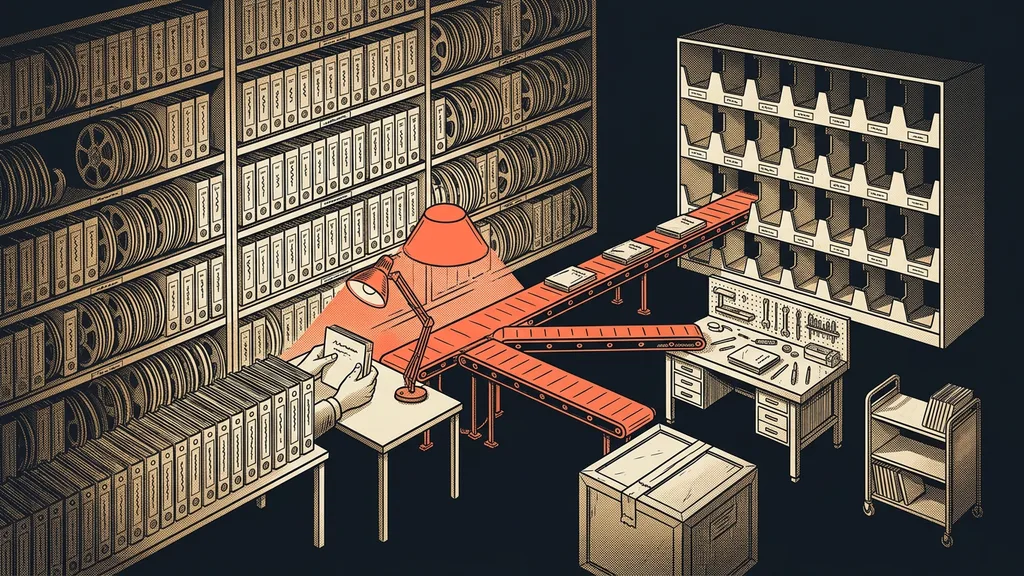
With small budgets, the money gets lost before the auction even starts. It drains away as you manually retype the same idea into five systems and mangle it a little each time. Five apps that don’t know about each other always cost more than the sum of their price lists.
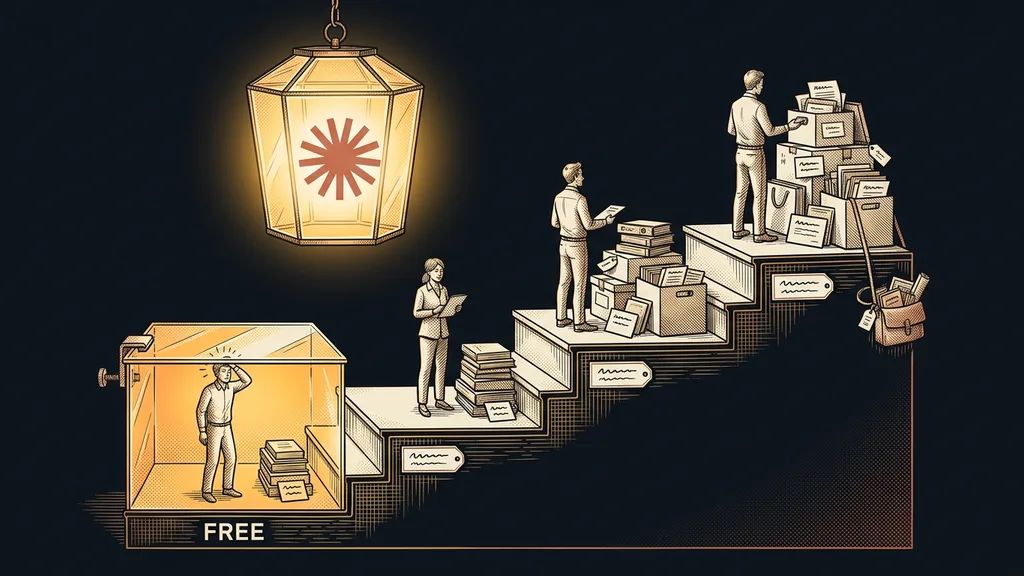
The switching tax
The time that drains away between interfaces, not inside them. Logging in, finding the right account, remembering what an audience is called here, and writing the same thing slightly differently again. You won’t find this line item on the platform’s invoice, and yet you pay it every time you launch or change a campaign.
It’s also why most small businesses end up sticking with one channel, even when the others would work. There’s simply nobody free to run them, and the second channel gets put off indefinitely.
The platform fee is rarely the biggest cost of advertising. The time it takes for one idea to reach every channel usually is.
One brief instead of five interfaces
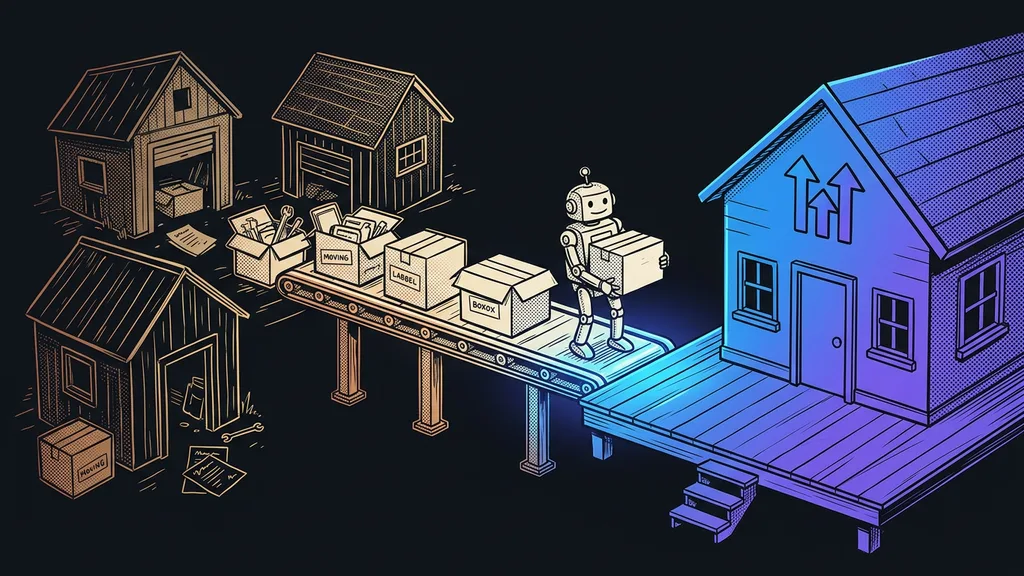
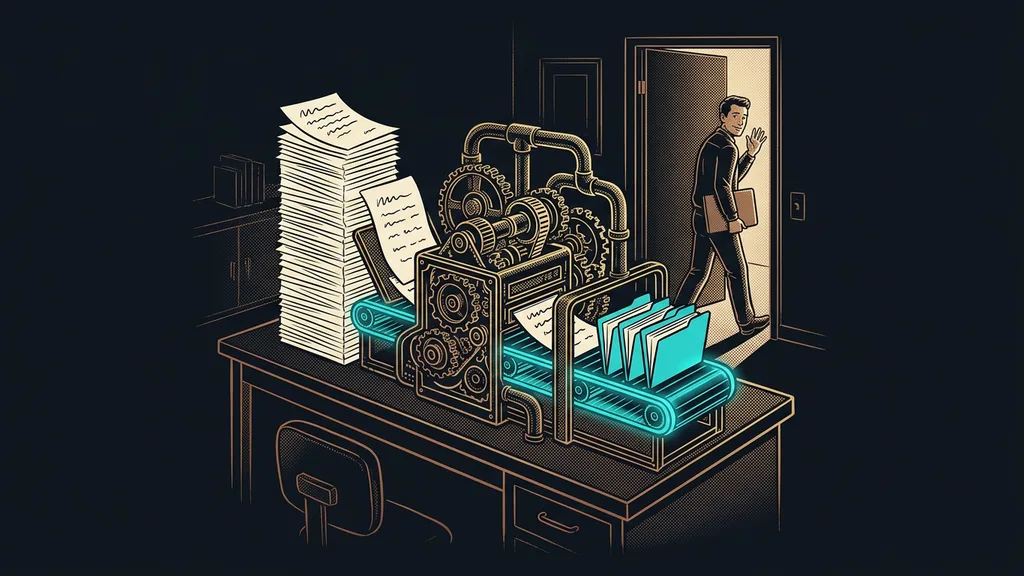
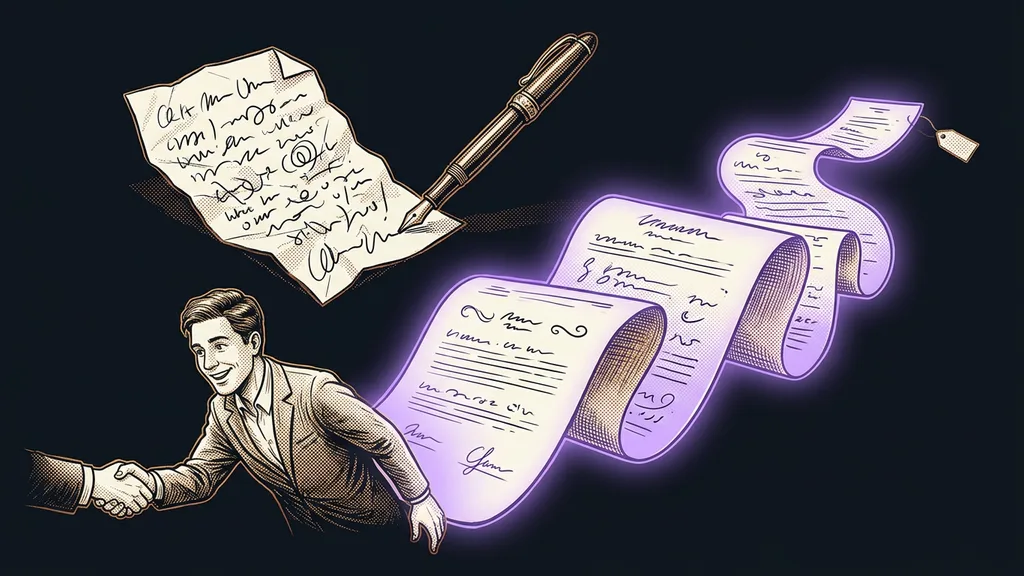
Managing ads from one place means describing a campaign once, in plain language. You say what you’re promoting, to whom, with what daily budget, where it should lead, and what counts as a result. That one brief then becomes campaigns in every channel you’ve chosen.
The trick is plain translation. Campaigns, ad sets, and ads exist everywhere, but each platform calls them something different and wants different dimensions and text limits. This retyping is tedious work that a machine handles better than a tired person on a Friday afternoon. There’s just one condition: the systems have to be able to talk to each other.
And the brief itself isn’t a technical form. You write in it what you’d tell a colleague anyway: who you’re selling to, what a person should notice first, and when a deal counts as closed. Whatever the brief leaves out, the system doesn’t fill in by guessing. It would rather ask than invent an audience you never wanted.
The same change everywhere, all at once
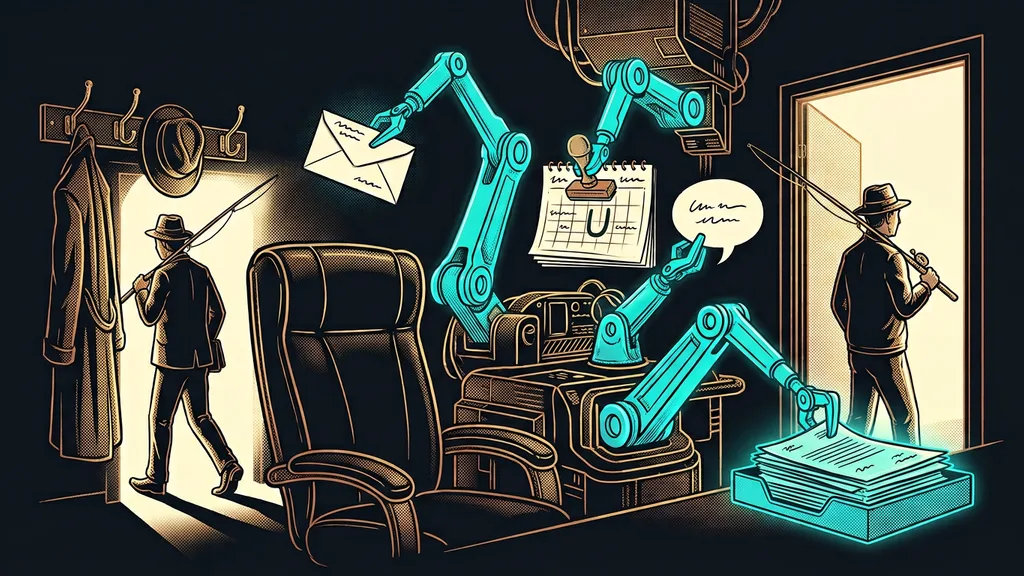
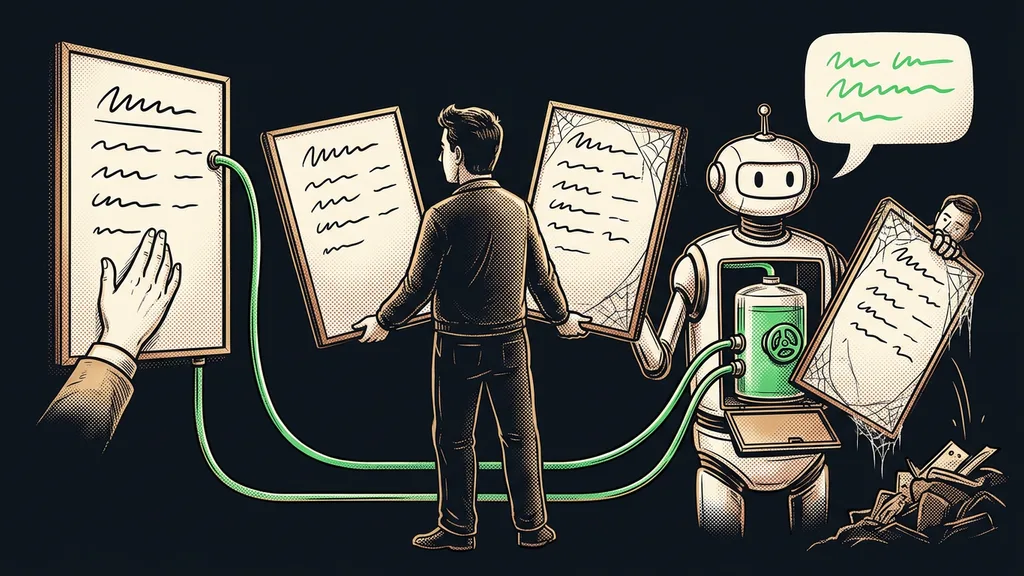
The biggest relief comes with edits, more than with setup. You raise a price, add one sentence to the copy, swap an image. That used to mean a morning of clicking and one forgotten ad set. Now it’s one sentence and then a check. And it works the other way, too: when something goes wrong, you can stop it as fast as you launched it.
Preview before launch (dry run)
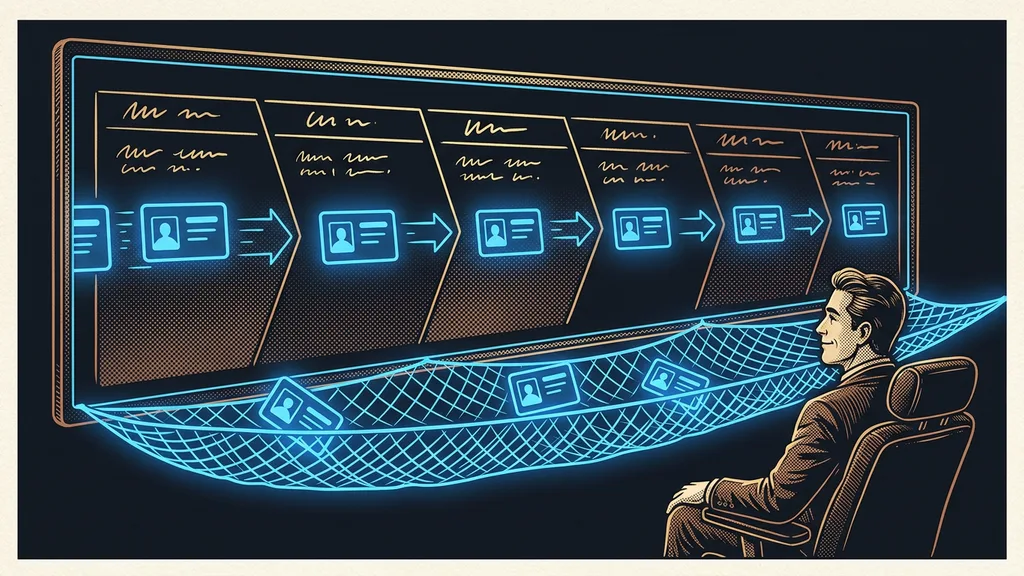
A step in which the system shows exactly what will happen before it does it. It lists which campaigns will be created, how much they’ll spend per day, and what changes where. Only with your approval does it go ahead. It’s the one difference between an automation you trust and one you’re afraid of.
The one-minute self-test
Think back to the last change you made to your ads, and count two things: how many interfaces you had to log into for it, and how long it took until it was live everywhere. Then be honest with yourself about whether you really made it everywhere, or only as far as your patience lasted.
What you can compare, you can decide on
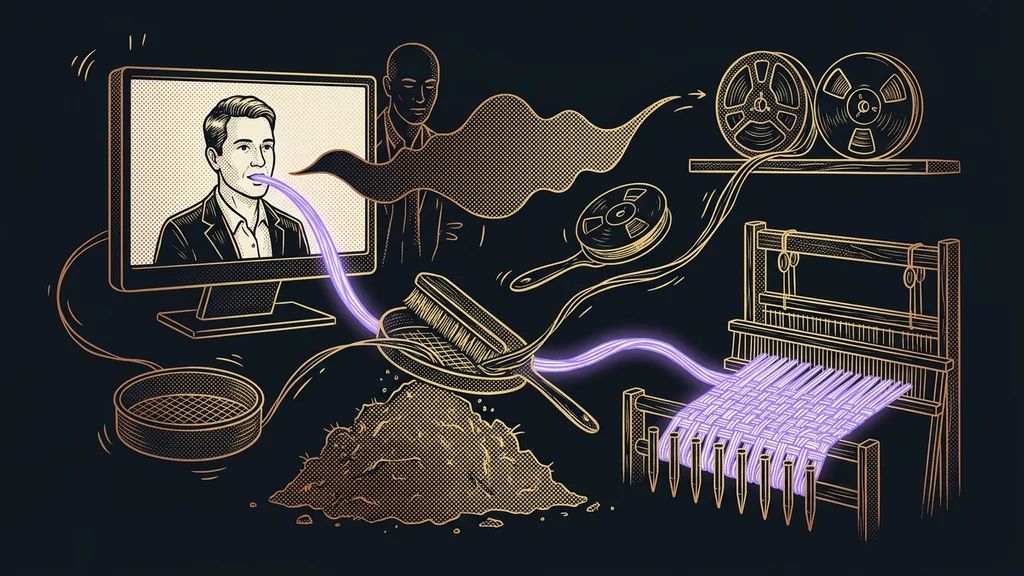
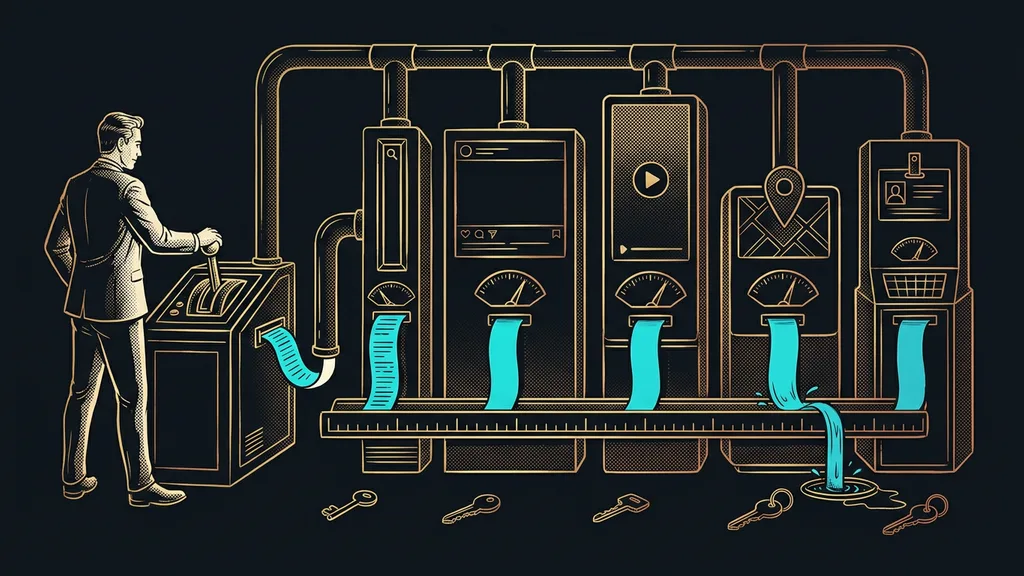
The second thing one place gives you is comparability. As long as each platform keeps its own books its own way, you’re comparing apples and oranges: clicks counted differently, conversions counted differently, different attribution windows. Once the numbers stand side by side in a shared dashboard, you can see which channel holds its own and which one just spends.
There’s one more small detail that’s easy to overlook. When every ad leads through a link that remembers where the person came from, the source of a visit stops being guesswork. Posting to social media works on the same logic, by the way: one brief, several places, one overview of results.
Who this isn’t worth it for, and where I won’t go myself
For some people, it isn’t worth it, and it’s only fair to say so. If you run a single campaign on Meta and don’t touch it for months, one place saves you nothing at all. It starts paying off from the second channel on, and from the moment you change things in your campaigns more often than once a month.
And one more admission, so it doesn’t look like I recommend everything. There are two ad platforms I don’t use myself and don’t offer clients: X, formerly Twitter, and video ads on YouTube. The Czech audience on X is small and shrinks year after year, so a campaign has no room to get going. And on YouTube, the budget a small business starts with melts away before you can read anything from the numbers. I can run both, but I don’t go there myself, and I don’t advise anyone else to either.
And a final caveat: one place doesn’t make decisions for you. If you can’t say who you’re selling to and what sets you apart, you just get a bad campaign sent out faster.
The whole system in a nutshell
- You describe the campaign once, in plain language: what, to whom, how much per day, where it leads, and what the result is.
- You pick the channels it should go to. The system translates it into their language and their limits.
- Before launch, you see a preview: what gets created, where, and with what budget. Nothing runs without your confirmation.
- You enter changes in one place, and they show up everywhere at once, not just as far as your patience reached.
- Results from all channels flow into one overview and measure the same thing.
Those three interfaces where you set up the same thing in different words every time haven’t gone anywhere. You just don’t have to go into them. Good automation has no power over what the auction costs. What it makes cheaper is everything around the auction, and that’s exactly the part you’re currently paying for with your own time.