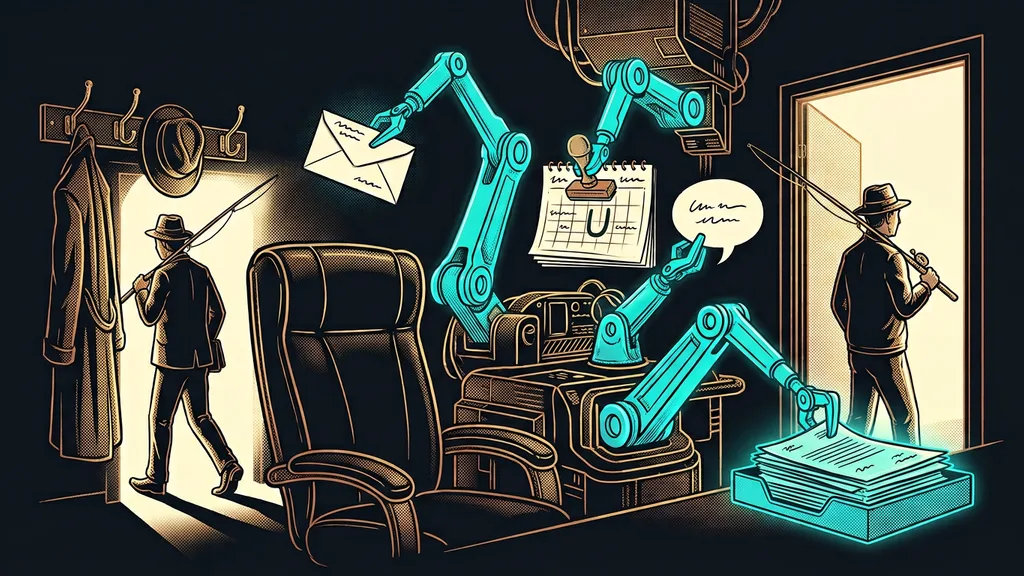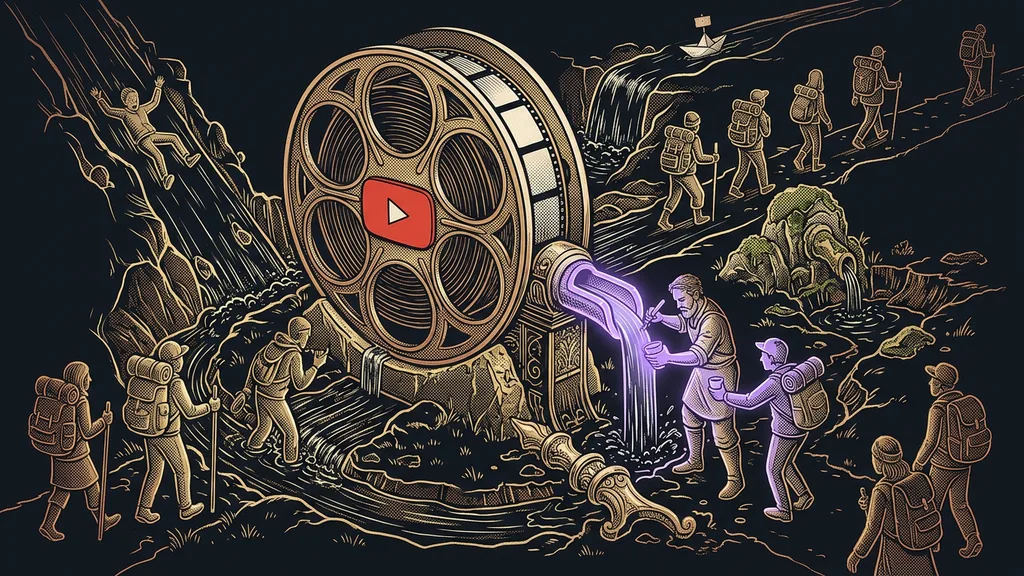
A YouTube video behaves differently from a social media post. On social networks, content gets two days and then sinks. On YouTube, a video can still bring people in two years later, but only if someone is searching for it. Most businesses don’t know this difference and upload videos as if they were posts.
I used to do it that way myself. I shot a video, wrote a title I liked, and waited. A few dozen views the first week, then silence. Yet that video had an answer people were really looking for; they were just searching for it in different words.
YouTube has three surfaces, and you can only target one
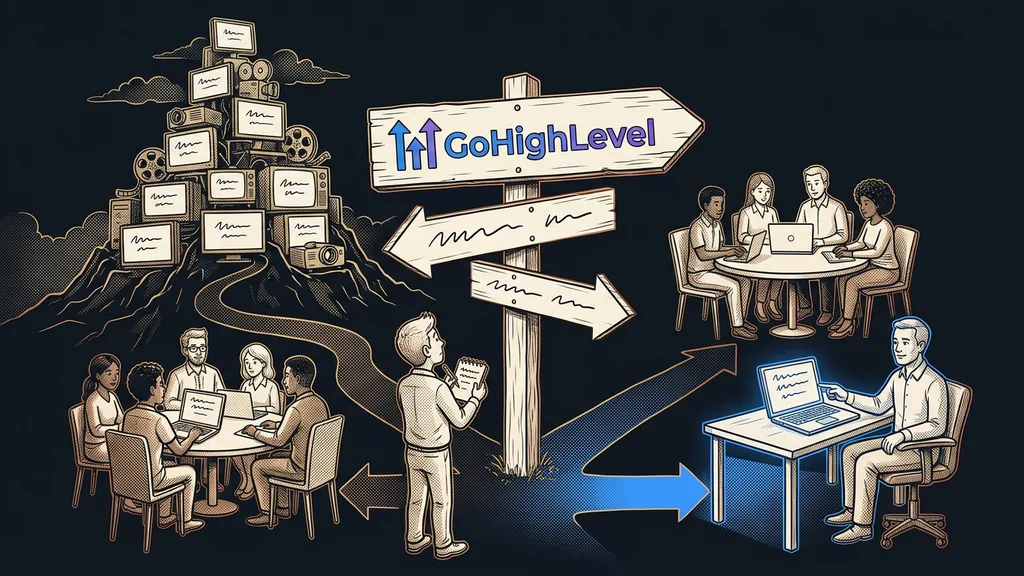
The difference from social networks starts with where a video shows up at all. YouTube itself describes three surfaces: search, the home page, and the suggestions for what to play after the current video. The home page is built from a specific viewer’s history, so you can’t target it. Suggested videos reward series and continuity. And search matches the query a person typed with the video’s title, description, and content. That’s the only surface you can aim for on purpose.
Title, thumbnail, and intro
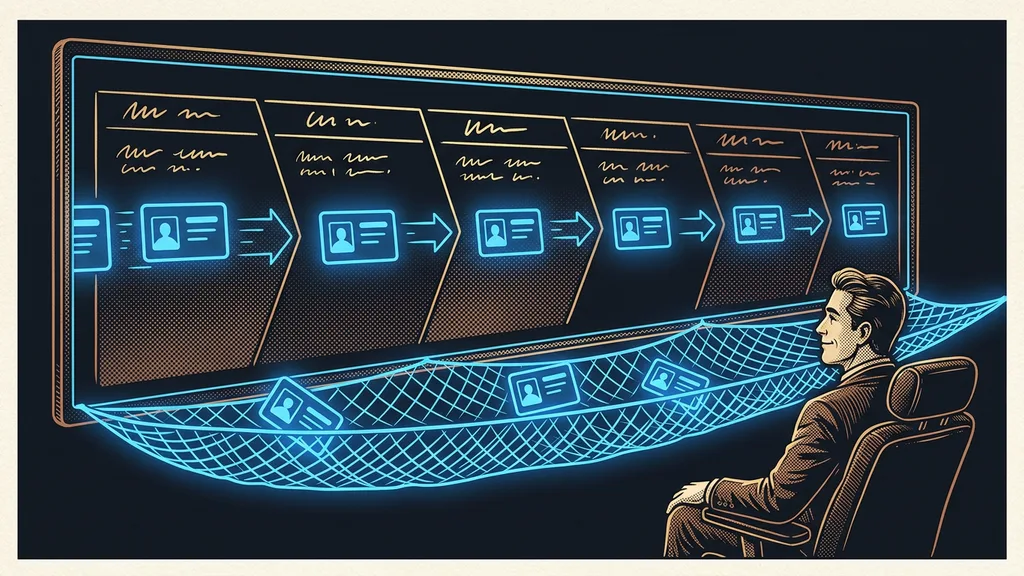
Three things that reach the viewer as a single package. The thumbnail makes a promise, the title sharpens it, and the first thirty seconds or so deliver it. When one of the three doesn’t fit, the whole thing falls apart, even if the video itself is excellent.
For a smaller business, that’s good news. You don’t have to win the battle for the whole country’s attention; it’s enough to be the best answer to a question someone is already typing.
A social media post has to find its viewers on its own. A searchable video just waits for viewers to find it.
The title and thumbnail are a promise, not decoration
A title and thumbnail aren’t there to grab attention at any cost; their job is to describe what’s waiting inside. YouTube built this principle right into the tool you use to test variants. That tool picks the winning variant based on how much time people spend with the video, and explicitly not on clicks. YouTube’s head of editorial explained it plainly: if you chase clicks, you end up with a loud title and thumbnail, people don’t finish the video, and performance drops.
It means one thing. The platform systematically punishes overpromising, so an accurate title beats a loud one, even if the opposite seems true at first glance.
Write the title from the query, not from your idea
The title should contain the words a person actually types into search. That’s usually their problem or question, never the name of your method or your internal label for a service.
Only someone who already knows your method searches for its name. And that person will find you some other way anyway. Your video description does the same job as the title, just in a longer form. Its first two lines answer the question; the rest adds context and links to your other material.
The thumbnail is the last piece. It doesn’t need a face, because thumbnails with and without one perform similarly on average. What matters is legibility on a small screen and matching the title.
One-minute self-test
Type into YouTube the sentence your customer would write about your topic. Not the technical term, but what actually bothers them. Does anyone from your field come up? And are you among the top ten results?
What to do with the videos you already have
The cheapest growth lies in what you uploaded long ago. For older videos, YouTube itself advises refreshing the thumbnail and description so they get back into the suggestions. The diagnosis is quick. If few people open a video, but those who do watch it to the end, the problem is the title and thumbnail. If lots of people open it and leave right away, the title promises more than the video delivers.
One exception is strict. For a video that grows from search, change the title only after careful thought, because you lose the match with the query along with it. Always change just one thing at a time, or you’ll never learn what worked.
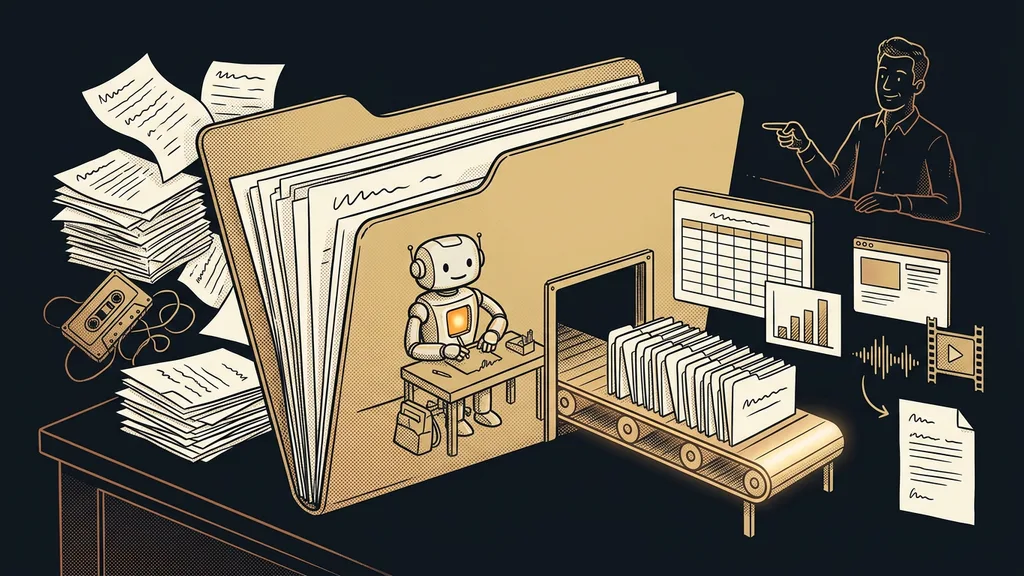
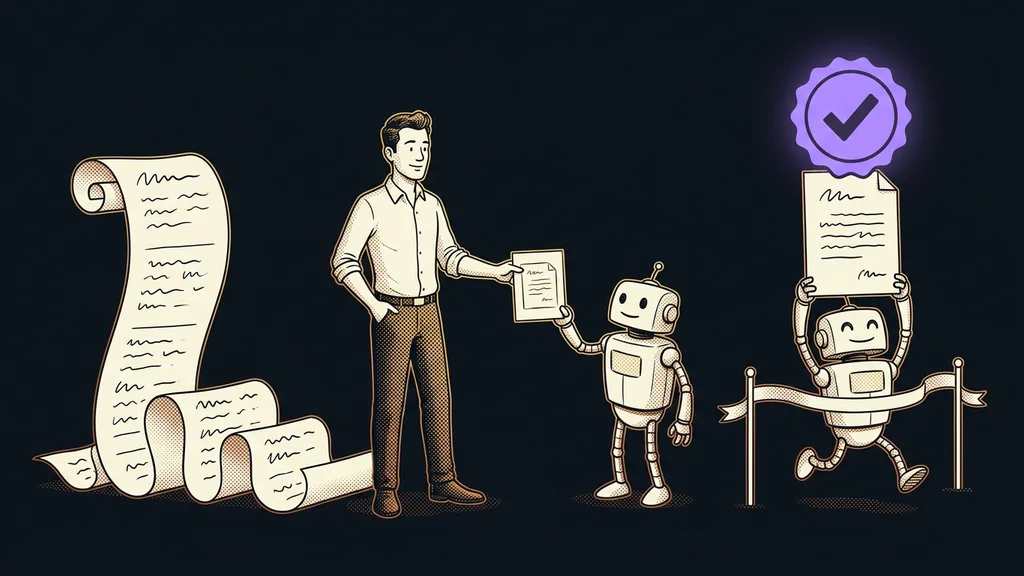
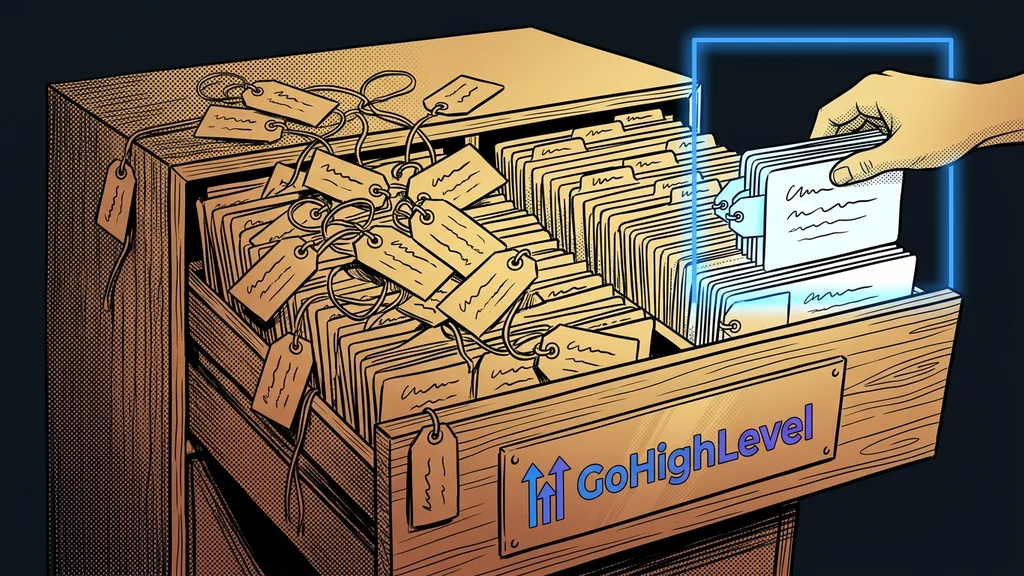
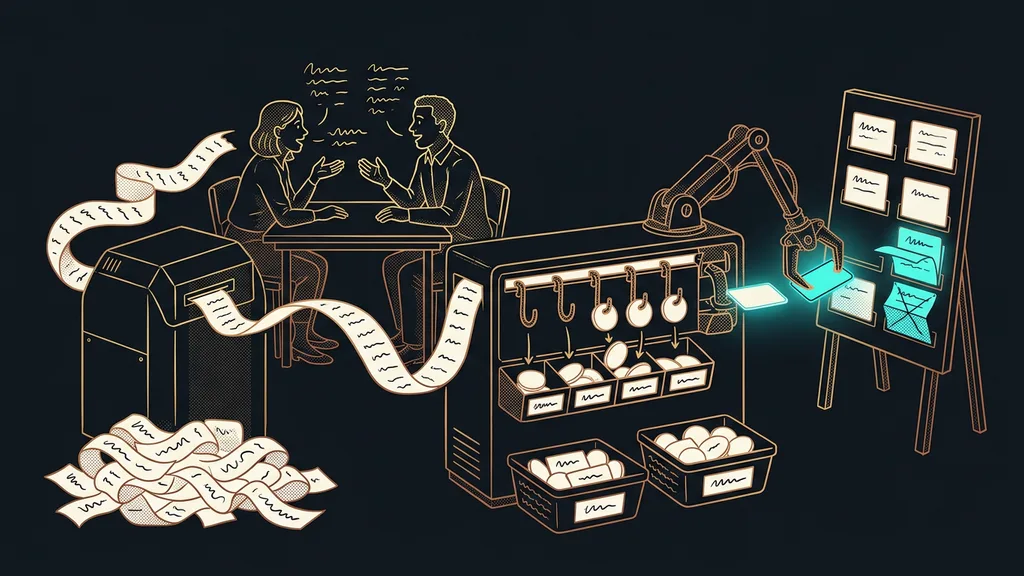
Fortunately, fixing the title and thumbnail isn’t an afternoon’s work. Titles, the description, and the chapter breakdown come straight out of the transcript that sits in the archive for every recording anyway, and a new thumbnail is made in the same style as the rest of my visuals. That makes the whole series recognizable at first glance.
Evergreen video
A video answering a question people keep asking the same way, so it works for years after it’s published. You can spot one because it keeps gaining views months after release. I know a channel with just under fifteen hundred subscribers where one such video has over twenty thousand views. That’s fifteen times more than the channel has subscribers.
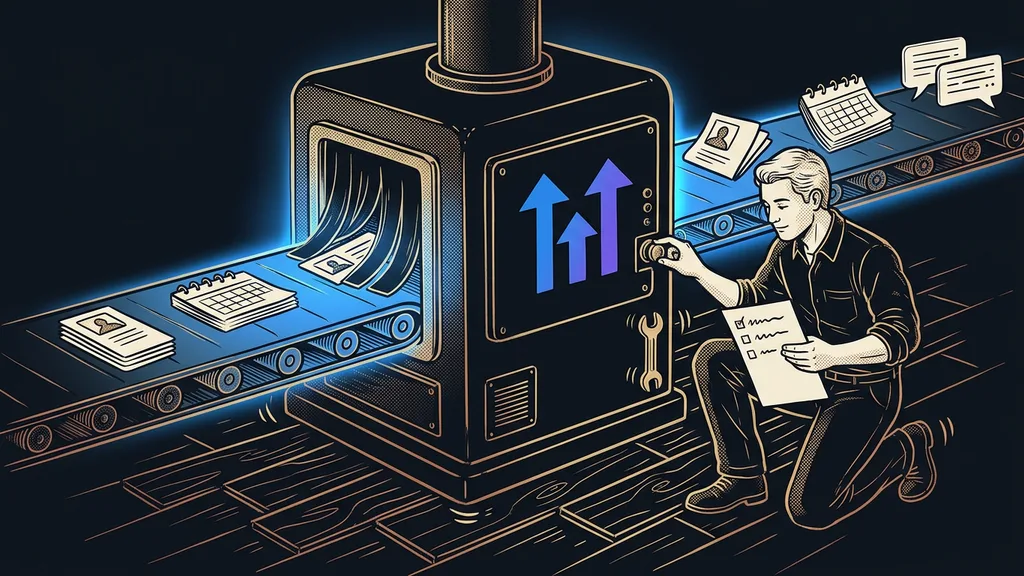
That way, production stops being a bottleneck. AI takes over the editing and the picture correction, for scripted pieces a whole spot gets made straight from the brief, and my own cloned voice records the voiceover. Filming remains the only part where it really has to be me.
Who this isn’t worth it for
So who isn’t YouTube worth it for? Anyone whose topic nobody searches for. When not a single decent video shows up for your customers’ searches, the usual reason is low interest, not a gap in the market.
It also doesn’t pay off where there’s nobody to do the talking. A channel without a face and without firsthand experience won’t rise in expert topics, because for those, YouTube also checks who stands behind the content. And then there’s the last group: anyone expecting results within a month. A searchable video starts slowly and then picks up speed. I’m deliberately leaving paid ads on YouTube out of this; the whole article is about how people find you on their own.
The whole approach in a nutshell
- First, list the questions your customers type into search.
- For each question, make one video that answers it properly.
- The title carries the words from the query, not the internal name of your service or method.
- The thumbnail promises exactly what the video delivers, and nothing more.
- After a month, compare how many people opened each video and how many watched it to the end.
- Based on that, change the title or the thumbnail, and always just one thing at a time.
The silence after that first week came from the title I wrote to suit my own taste, not from the video. The video itself wasn’t bad; it just sat at an address nobody was asking for. A social media post has to win viewers over right now. A searchable video can wait until someone asks.