Advice on delegating shares one flaw. It assumes you have someone to delegate to: an assistant, a junior, someone part-time. The owner of a three-person business doesn’t have that option, so they keep everything. And then they wonder why the whole week slipped away on small stuff.
In consultations, I hear one sentence over and over: “I’d love to delegate, but I have no one to delegate to.” It usually comes from someone whose week is packed from morning to night. It’s a fair objection, and for a while I didn’t know how to answer it. Then it hit me that you can hand work off even where there’s no second person yet. You just have to start somewhere other than where the handbooks tell you to.
The order matters more than the choice of tool
The most common mistake happens when you pick the task, not when you set things up. If you start with the wrong task, the workload doesn’t shrink, and you come away convinced this doesn’t work for you. Yet the tool is the easiest part of the whole decision and can be swapped out anytime. The order is harder to change after the fact, because after a failed start, nobody wants to try a second time.
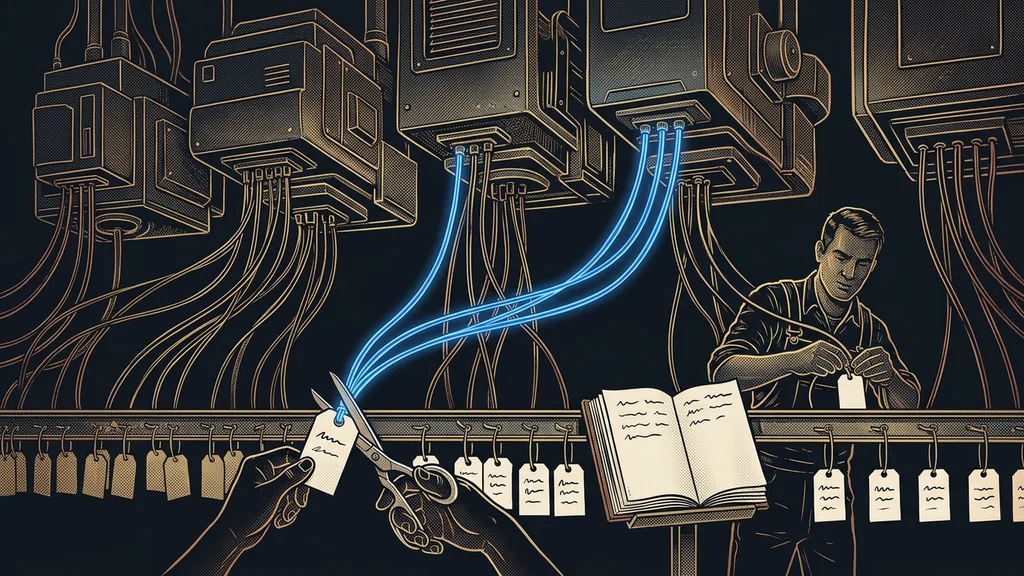
A bad start looks the same every time. You reach for whatever annoys you most, which is usually also the hardest thing to describe, because it gets decided a little differently every time.
Handoff-ready work
A task you can describe so precisely that someone who knows nothing about your business could do it for you. You can tell by the fact that it has the same input, the same steps, and the same output every time. Anything you can’t describe that way needs to be written down before it can be handed off.
Delegating starts with the question “what,” not “who,” because if you can’t describe it, you can’t hand it off, even to the best person in the world.
Four questions that sort your list in ten minutes
Write down everything you do in a week, and answer four questions for each item:
- Does it repeat at least once a week?
- Does it turn out the same every time?
- Will I know right away if it goes wrong?
- Does a mistake cost me money, or just an extra minute?
Tasks with four clear answers are your starting point. The more answers stay up in the air, the further down the order a task belongs. And for now, cross off any item where you can’t even answer the first question, because one-off work isn’t worth handing off. Ten minutes with a list like this saves you a month of fumbling around, because the order falls out of it on its own.
Try it now
Take a sheet of paper and divide it into three columns: data, communication, decisions. Write each activity from the past week into one of them. The first column is your list for next month; keep the third one entirely to yourself for now.
The order that works: from paperwork to decisions
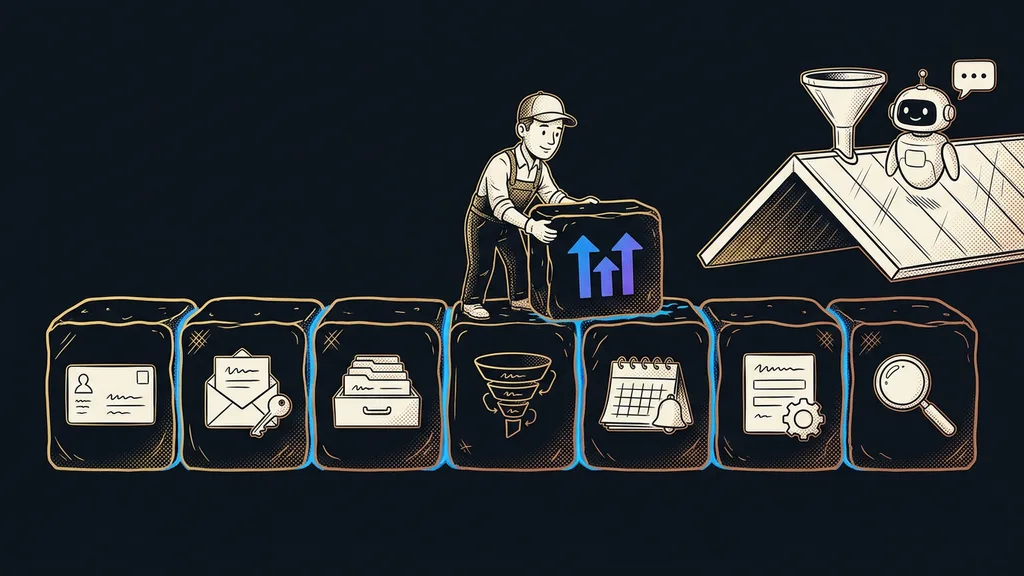
The order has three levels, and you don’t skip between them. Each level stands on the trust the previous one earned you.
The first level is data work. Data entry, overviews, converting between formats, preparing documents from information that already exists somewhere. Nothing gets invented, so nothing can get invented wrong. This level is usually done in an afternoon, and you see the result right away. It also covers preparing materials that you just skim and pass along.
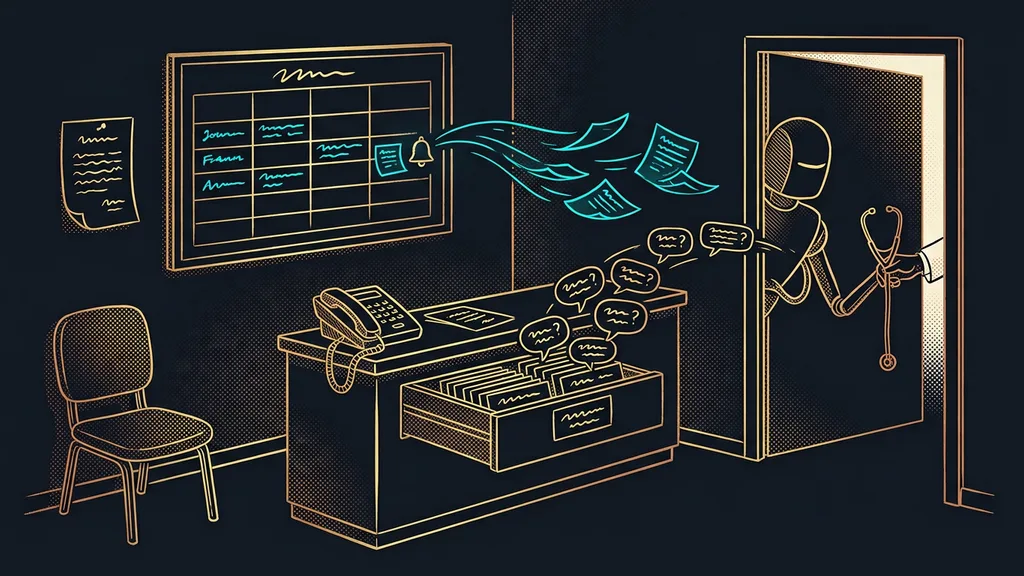
The second level is templated communication. Confirmations, appointment reminders, posts, and emails ready for one-click approval. New text gets written here, so this is the first time you need a check. At first you read every piece; after a month, you spot-check.
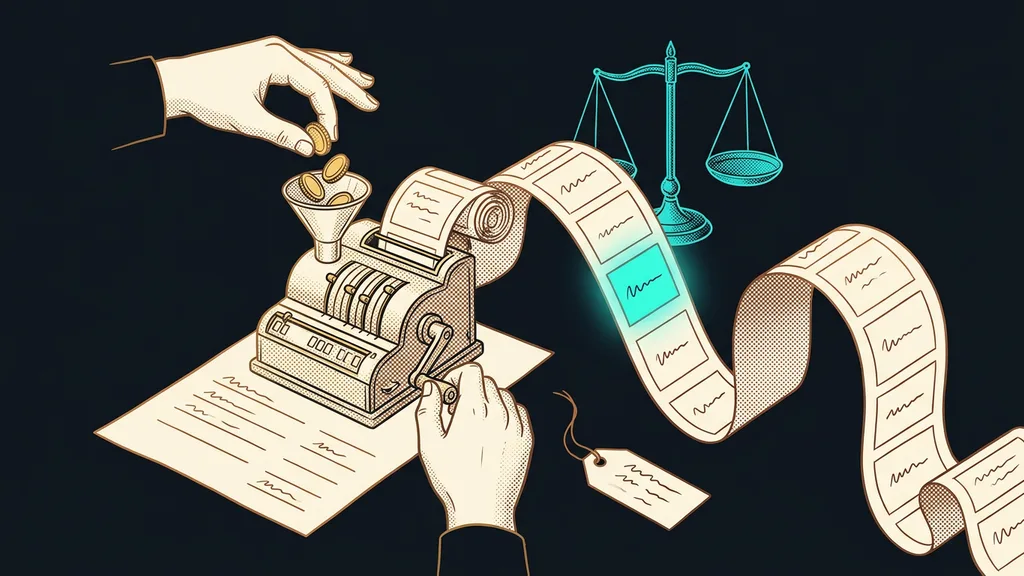
The third level is work that takes judgment. A draft quote, a draft reply to a trickier question, a recommendation on what to do next. You get here last, and only with a setup where the system prepares the groundwork and you keep the last word.
Draft mode
A setup where the system prepares the whole piece of work but doesn’t send it. It waits for your click. It’s the cheapest way to check quality without risk, and the only sensible way to start with anything that goes out to customers.
Why this way around and not the reverse
Trust only grows on results you can check quickly, and the first level meets that condition better than any other.
A badly assembled overview is obvious at a glance, and you fix it in a minute. A badly written message to a client takes a week of explaining. That difference in the cost of a mistake is the only reason you don’t skip levels. On top of that, with the first level it’s easy to measure whether it did any good, because the result shows up in the data, not in a gut feeling.
There’s another way to speed it all up. When the system checks its own work, you reach the next level sooner, because you’re not the only filter in the chain. It doesn’t change the order, though; it just shortens the time you spend on each level.
Who this order won’t help
It isn’t worth it for someone who does a few big projects a year and mostly thinks in between. In that kind of work, the first level barely exists and the second is different every time.
The second caveat is pace. This is one thing a month, not a weekend project. If you want all three levels handed off within two weeks, you’ll end up with loose ends. Roll it out one measurable step at a time. The pattern is simple: hand off one thing a month and let it run its course, and six months later you’re done. Hand off six things at once, and half a year on you have six half-finished ones.
The whole order in a nutshell
- Write down what you actually do in a week, item by item.
- For each one, answer the four questions about repetition, consistent results, checking, and the cost of a mistake.
- Start with data work, because mistakes there show up right away and cost nothing.
- Then add templated communication and let it run in draft mode for a month.
- Hand off judgment and decisions last, and even then only as groundwork for your approval.
Next time you say you have no one to delegate to, try finishing the sentence. It only holds if delegating means handing an entire area of work to another person. Split it into three levels, and you’ll find you already have somewhere to hand off the bottom two today. And there’s no rush with the top one, because that’s exactly the work your customers pay you for.