AI, AGI, and superintelligence sound like three levels of the same thing. But in the news, in sales pitches, and in meetings, they get swapped around at random. One moment they mean a chat window, the next a machine smarter than people. The short answer: you use narrow AI today, AGI is a disputed goal of the big companies, and superintelligence is still just a concept. And since September 2026, superintelligence has also been the official US government name for ordinary AI.
In my consultations, I often hear all three abbreviations in a single sentence, as if they were synonyms. I get it. The big words come from the very companies that build the models. From there, they slip into smaller vendors’ proposals without any explanation. Then the business owner doesn’t know whether they’re buying a helper for the inbox or a piece of the future.
What’s the difference between AI, AGI, and superintelligence?
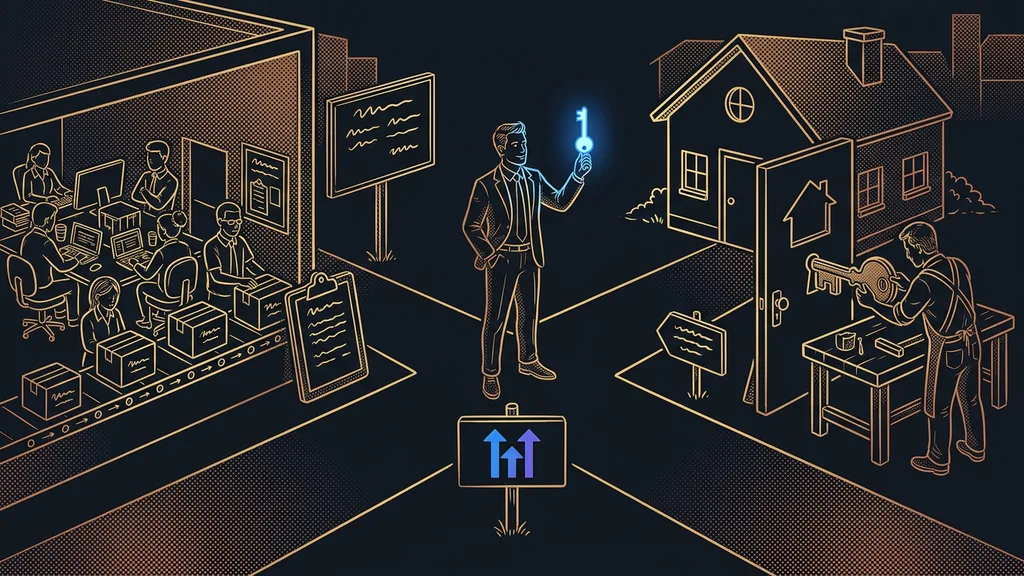
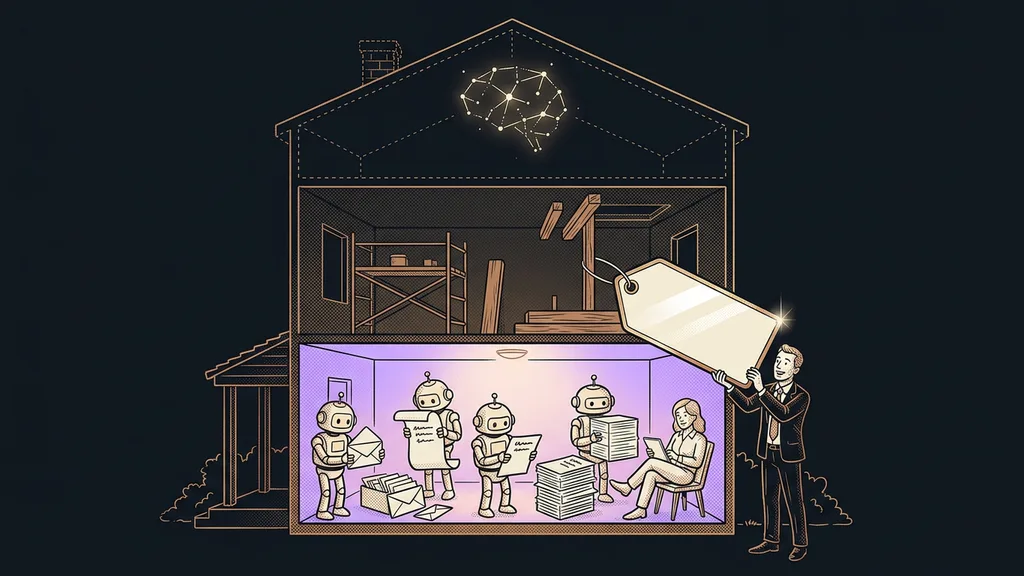
The difference is breadth: how many different tasks a system can handle, and how well. The easiest way to picture it is a three-story house.
| Question | Narrow AI | General AI (AGI) | Superintelligence |
|---|---|---|---|
| What it can do | one task or a narrow set of tasks | most mental work at a human level | more than the best humans at practically everything |
| Exists today | yes, it’s every tool available today | the field can’t agree, there’s no single definition | no, it’s a goal and a subject of debate |
| Who talks about it | tool vendors and their customers | big AI companies, in their stated goals | philosophers, AI companies, and since September 2026, US agencies too |
| What a business does with it | uses it and checks the results | reads about it in the news | reads about it in the news |
Artificial general intelligence (AGI)
A system that could handle most intellectual tasks at a human level, including ones nobody prepared it for. It has no single binding definition: every big AI company describes the bar in its own way. That’s why you can argue forever about whether it has already arrived.
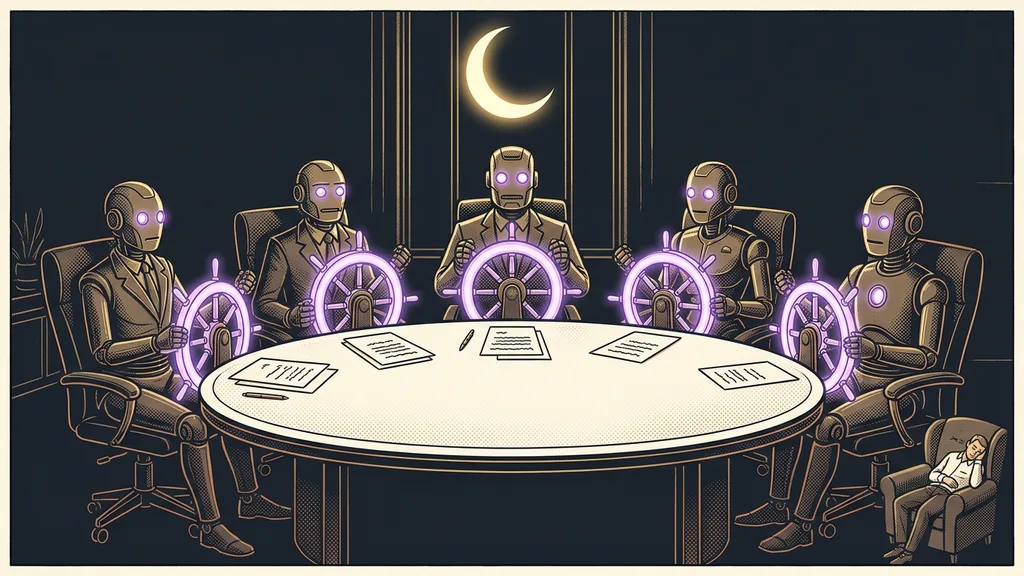
The top floor, superintelligence, isn’t AGI with a better grade. In 1998, philosopher Nick Bostrom defined it as an intellect much smarter than the best humans in practically every field. So the bar sits far above the very best people, nowhere near the average one.
Everything a business can buy today is narrow AI. Vendors differ only in how openly they say so.
Where we are today: only the ground floor is occupied
Today we’re on the ground floor, even with the newest models. The tools I have open every day are all narrow AI. Dictation, meeting transcripts, writing, images: each one took a single job off my plate. With every one of them, I look at the result before I pass it on.
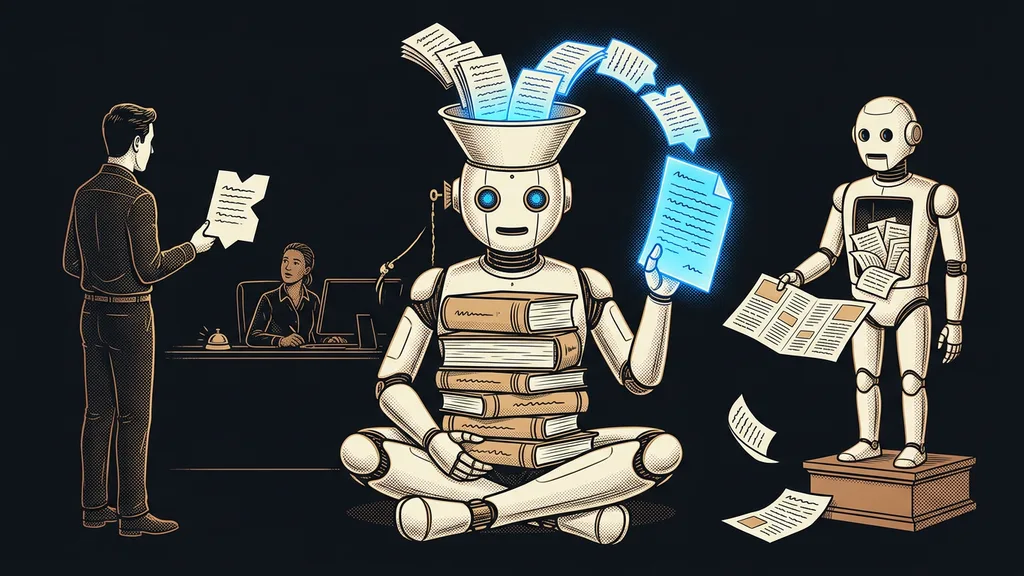
Granted, today’s assistants are the broadest narrow AI we’ve ever had. An old chess program could only play chess, while a chat assistant writes an email, summarizes a contract, and drafts a spreadsheet. That’s why anyone talks about AGI at all. But breadth isn’t the same as reliability. Outside a clearly described brief, the assistant still makes mistakes, and it often doesn’t notice.
Even the team of agents I call an AI employee lives on the ground floor. It’s several narrow tools handing work to each other, with a human on top who has the final say. Hours of retyping and sorting disappear from the business. Nobody needs AGI for that.
Why you can argue about AGI forever
AGI has no single binding definition, so there’s no simple way to measure it. Every big company describes the goal in its own words:
- Sam Altman of OpenAI wrote in September 2024 that superintelligence may arrive “in a few thousand days.”
- Dario Amodei of Anthropic writes about “powerful AI” and compares it to “a country of geniuses in a datacenter.”
- Mark Zuckerberg talks about personal superintelligence for everyone. In June 2025, Meta merged its AI teams into Meta Superintelligence Labs.
- Microsoft pointed Mustafa Suleyman’s team at “humanist superintelligence” for practical fields such as medicine.
Each of these descriptions uses a different bar. For a business, that has one practical consequence. Anyone who claims to have AGI, or to be heading toward it, is talking about their own definition. On top of that, researchers’ estimates differ by decades. The AI Impacts survey of 2,778 researchers came out in 2024. By its numbers, a 50% chance that machines beat humans at every task doesn’t arrive until around 2047. I break down who promises what, and by when, in a separate piece on superintelligence timelines.
How to spot a one-floor-up label
A big word in a pitch proves nothing on its own. What matters is the task the tool can handle.
One-floor-up label
A ground-floor product sold under a word from one of the two floors above. The tool stays the same, and only the word in the pitch changes, sometimes along with the price. Ask about a specific job and it gives itself away: you get a vision instead of a task.
Since September 29, 2026, the word superintelligence has one more catch. Under an executive order the White House published that day, US federal agencies are to write “Super Intelligence” instead of “Artificial Intelligence.” The definition itself stayed exactly as it was. So in a US government document, superintelligence can mean ordinary AI. I cover both meanings of the word in my article on superintelligence.
A task outside the demo
Pick one real task from last week, say a confusing email from a customer or an incomplete order. Give it to the tool as a test. Ask the vendor where the tool most often gets things wrong and who fixes its mistakes. An honest vendor will describe the limits of their tool precisely, and that’s worth more than any word in the pitch.
In my AI glossary for business owners, I keep a table of the pairs that get mixed up most often. This trio has earned a row of its own there.
Where three floors aren’t enough
The three-floor model is a simplification with two weak spots. It won’t pick a tool for you: that comes down to the task, the price, and where your data goes. And the line between the floors isn’t sharp. Experts are actively debating exactly where today’s models stand, and an article for business owners won’t settle it.
If you need a precise classification, say for research, a contract, or a legal opinion, you have to reach for a specific definition and a specific text. The three floors help you get your bearings in a pitch quickly. They aren’t a basis for a formal assessment.
All three floors in a nutshell
- Narrow AI handles one task or a narrow set of tasks. Every tool a business can buy today belongs here.
- AGI would handle most mental work at a human level. It has no single definition, which is why people argue about it.
- Superintelligence would outperform the best humans at practically everything. It doesn’t exist today, and since September 2026, it has also been the new name for AI in US government texts.
- You test a big word in a pitch with a task from your own business that the tool hasn’t seen in the demo.
- The ground floor already takes manual work out of your business. You don’t have to wait for the floors above.
No house starts with the roof. The businesses I work with live on the ground floor, and they still have plenty of unused rooms there: an inbox someone sorts by hand, meeting transcripts, answers to the same questions over and over. Pick one of them and hand it to a tool you already have, this week. Then you can read the AGI headlines with real work already behind you.