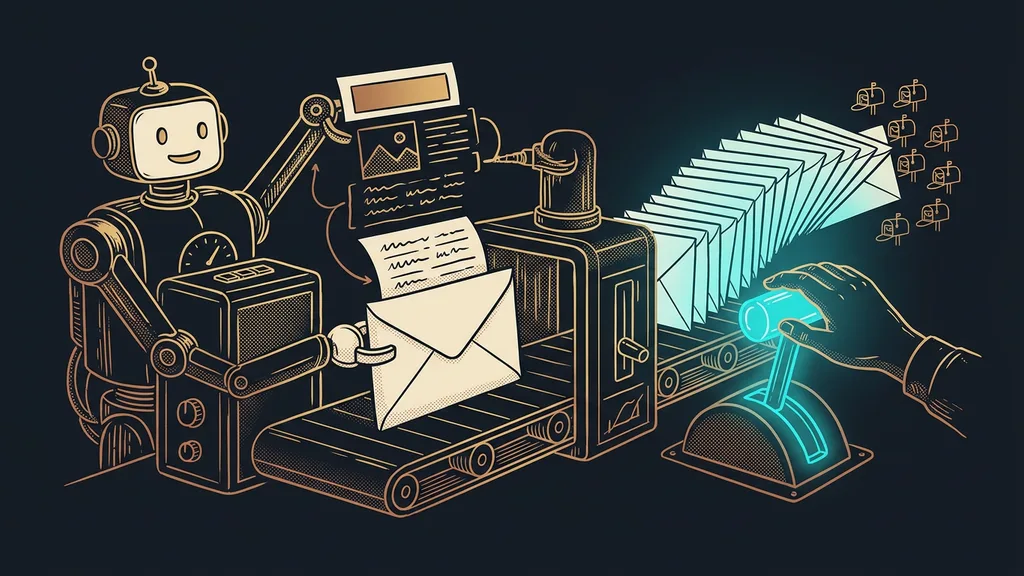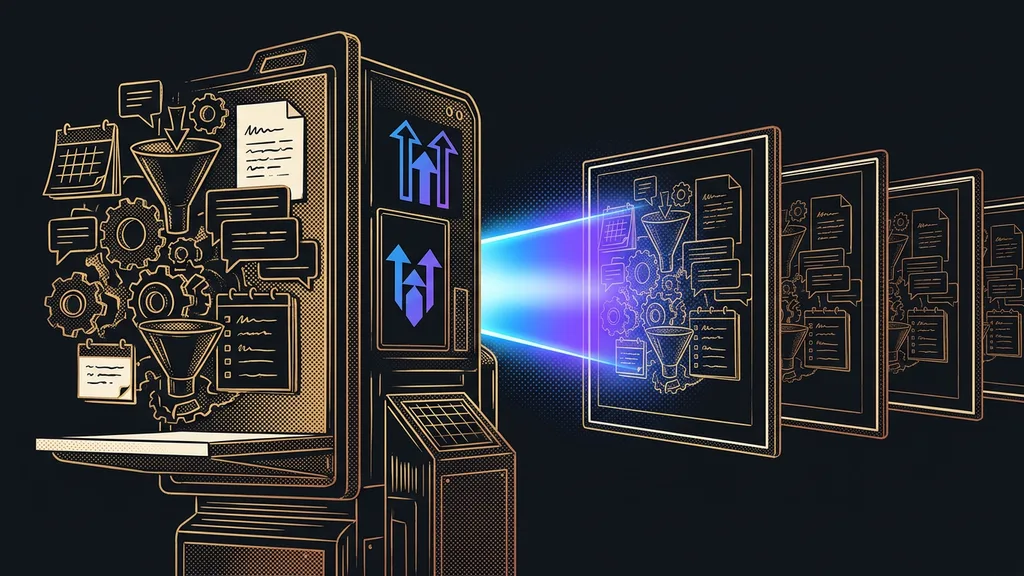
Writing a post takes a moment; spreading it across five networks takes the rest of the evening. Consistent posting on social media usually dies long before you run out of ideas, on that boring step between “I’ve written it” and “it’s everywhere”: opening five apps, reformatting one text five times, uploading the same photo again. And that’s exactly the step you can hand over to AI and a single scheduling calendar.
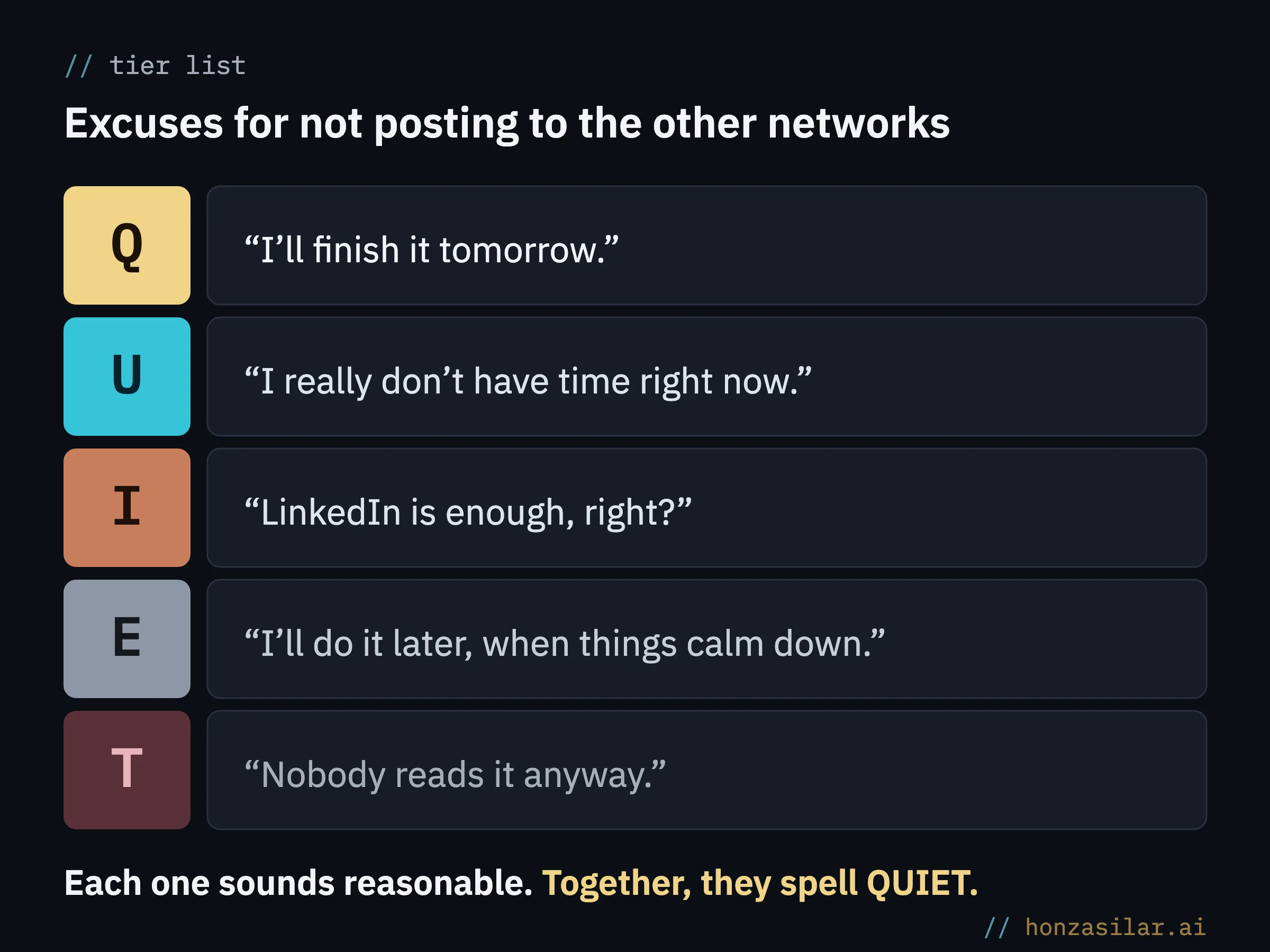
I know it firsthand. A quarter past ten at night, one decent post done, and I’m moving it into yet another app for the third time: on Instagram it looks different than on LinkedIn, and on X it doesn’t fit at all. By the third network, I tell myself I’ll finish the rest tomorrow, and tomorrow never comes. That’s how my posting sat for months: a head full of ideas, but in the evening I just didn’t feel like playing the five-window game again.
It’s the apps, not laziness
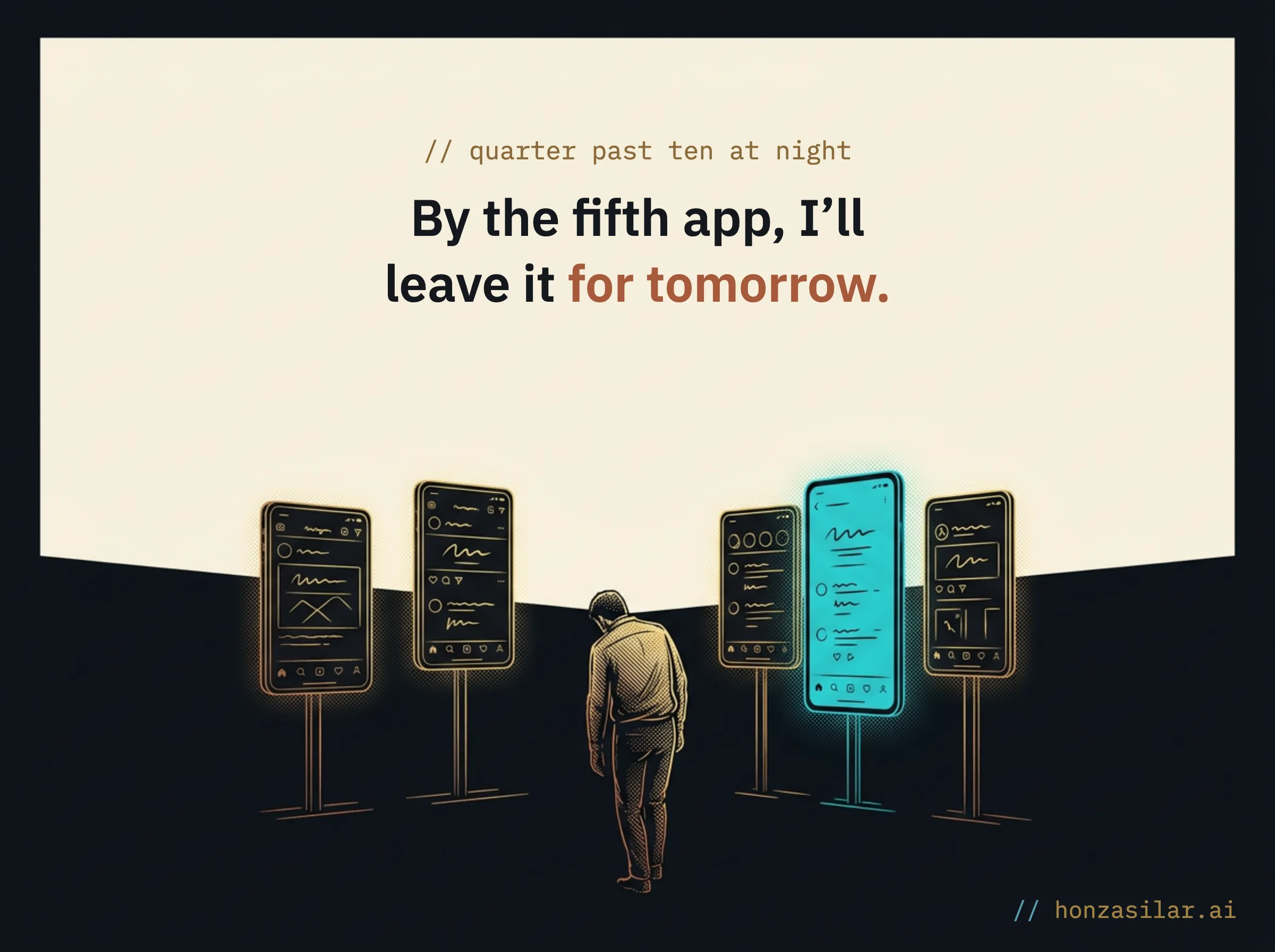
This is where people like to blame themselves: I’m not consistent, I lack discipline. But that’s a false trail. The real problem is that every post you want everywhere has to be opened, adapted, and uploaded by hand five times. And you usually don’t have time for that grind, so nothing goes out.
The cross-posting tax
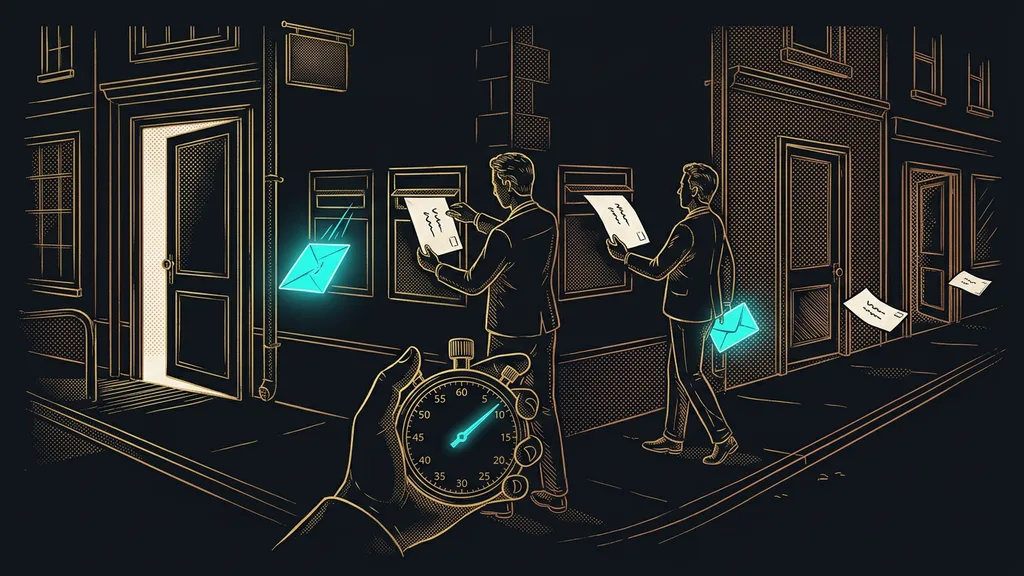
The hidden time between “the post is written” and “the post is on every network.” The writing is done; the text is ready. What eats the time is the mechanical grind around it: switch to the next app, shorten, reformat, upload the photo again, and repeat five times. Each step takes a few seconds; together, they add up to an evening. And because it can always be put off until tomorrow, it usually is.
Blame the tools for that tax, not your laziness: they make you repeat yourself five times over. A separate app for each, a separate login for each, a different format every time.
Ideas alone won’t make you consistent. What decides it is whether you ever get around to sending them out.
Why one text doesn’t fit five networks
Because every network has its own unwritten rules, and one text copied five times breaks them almost everywhere. What works on LinkedIn feels clunky on Instagram; what fits on X looks needlessly chopped on Facebook. So simply forwarding it isn’t enough; each network calls for its own version. Specifically, this is what changes between them:
One text doesn’t fit five networks. What changes?
| Network | Tone and length | Where the link goes |
|---|---|---|
| Longer, a matter-of-fact opening, room to develop the idea | Right in the text | |
| X | Hard character limit, only the core and the punch remain | At the very end |
| Lighter tone, the weight is in the caption and hashtags | The image does the talking | |
| Shorter, friendly, a few sentences | A clear call to action at the end | |
| Threads | Chatty, like a conversation, one idea and a question at the end | In a comment |
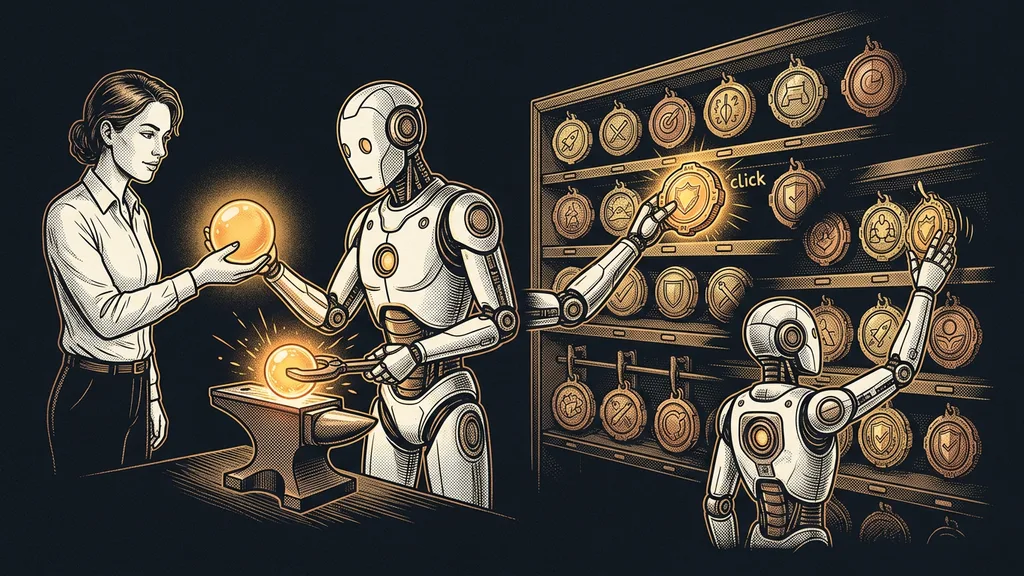
This is exactly what AI does for you: it takes one idea and casts it into a separate version for each network. You step in as the editor-in-chief, not the scribe. You read, you cut, here and there you rewrite something in your own words, and you leave the grind of distribution to someone else.
One-minute self-test
How many networks do you say you’re on? And on how many of them did you actually post something this week? Then think of your last really good post: did you get it everywhere, or did it end up on one or two networks while you gave up on the rest? That difference is your cross-posting tax.
Silence costs more than a bad post
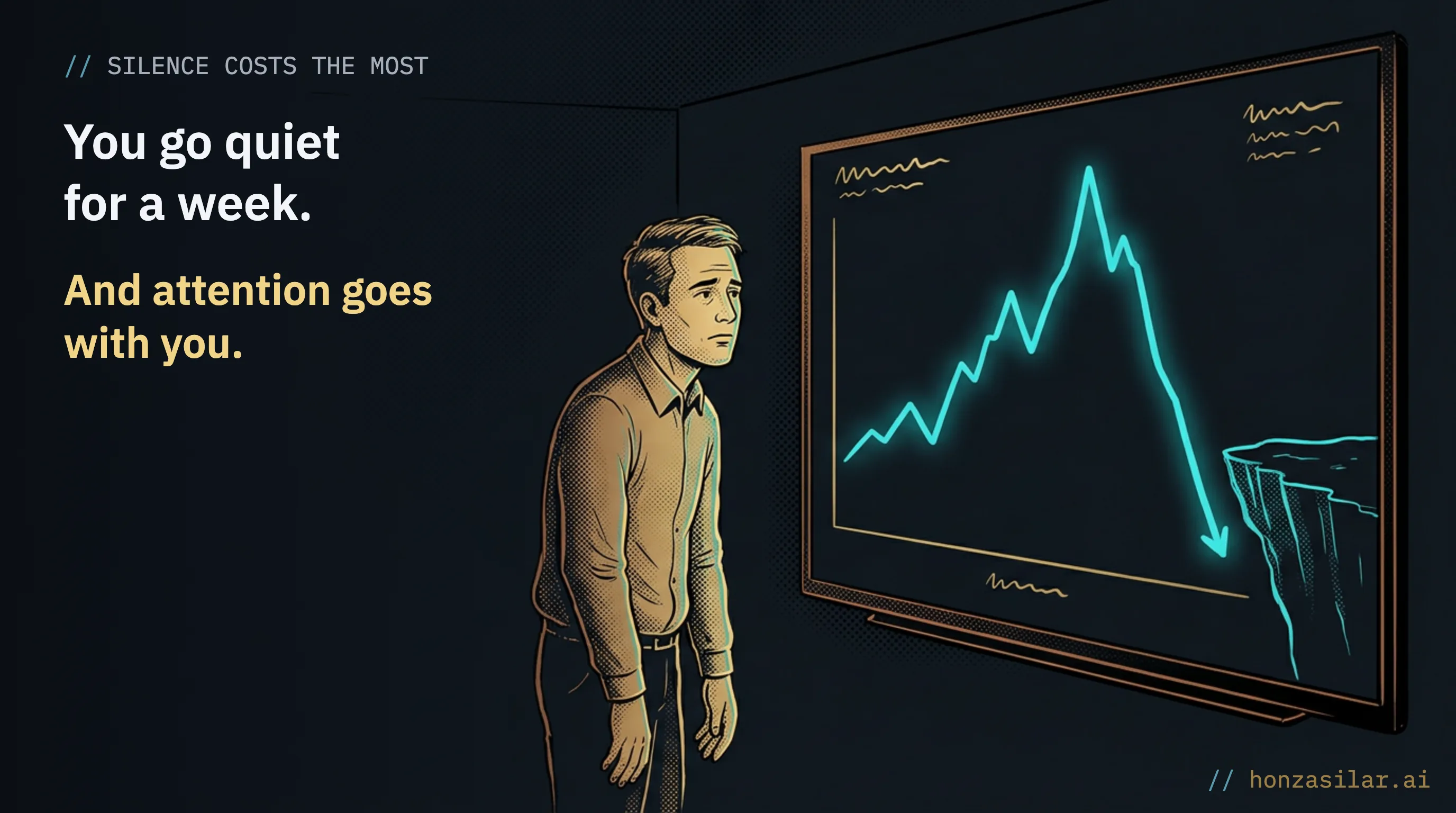
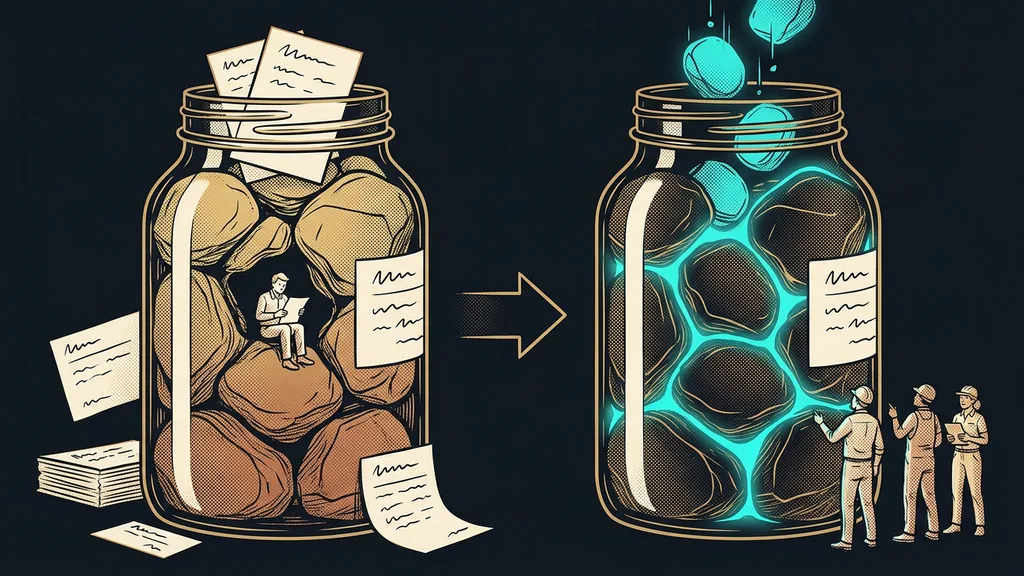
One skipped evening won’t kill anyone; the pattern is what does the damage. When distribution costs you a whole evening, you stop paying it. And your content stops going out with it. Networks reward consistency more than perfection: when you go quiet, people stop paying attention. And the deal that could have come from a post that never went out won’t come. You won’t even find out.
Write once, publish five times
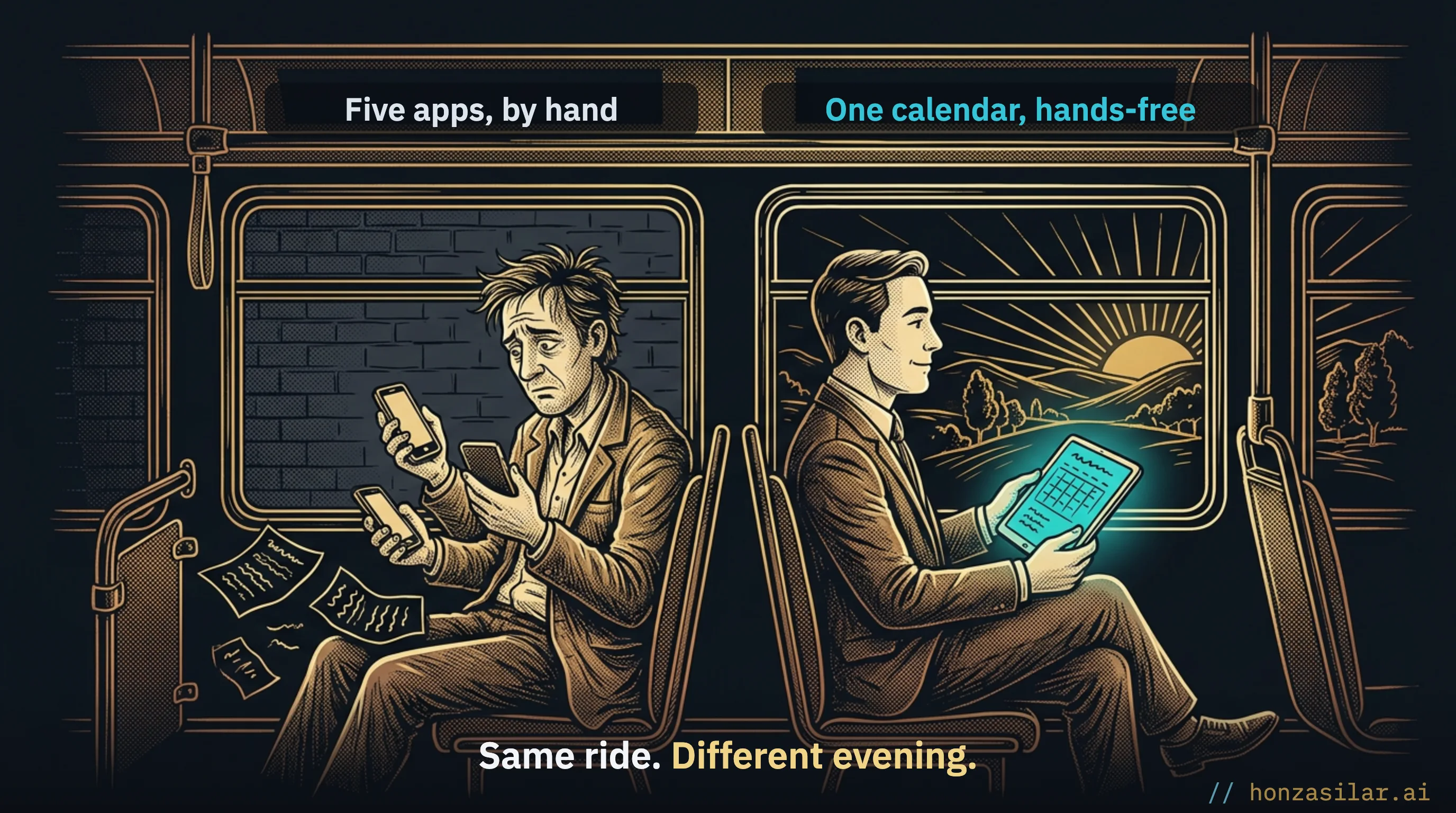
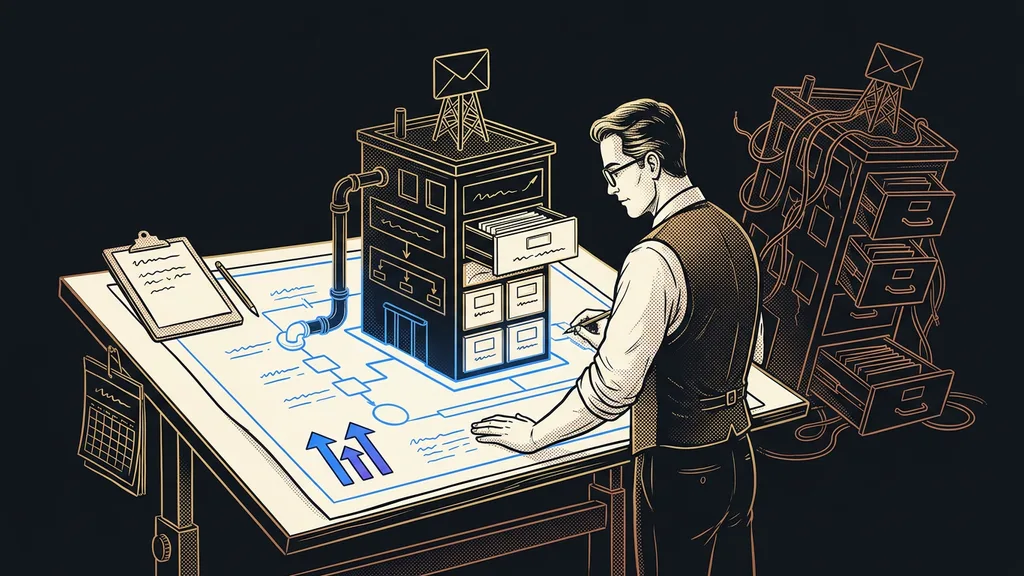
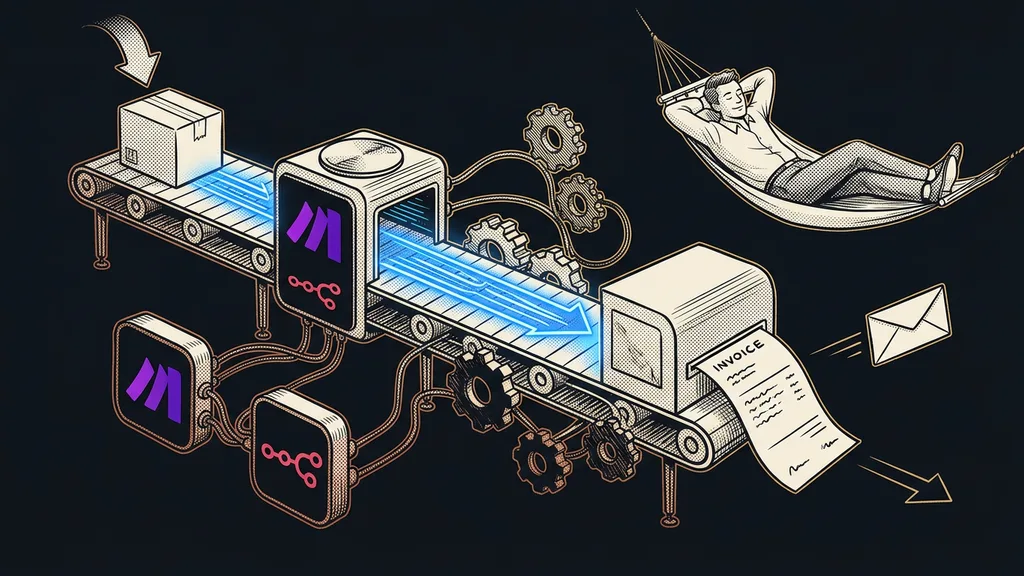
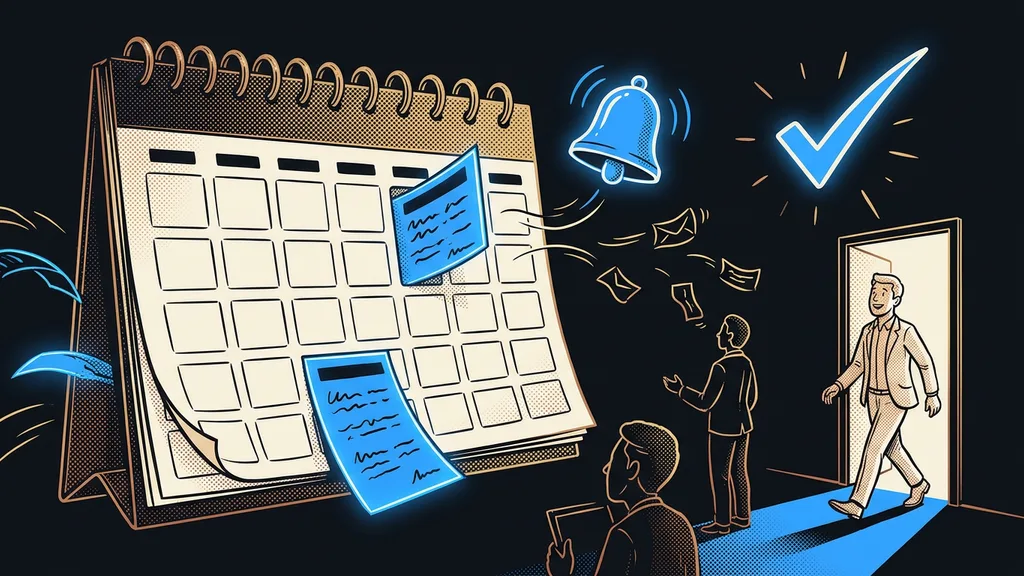
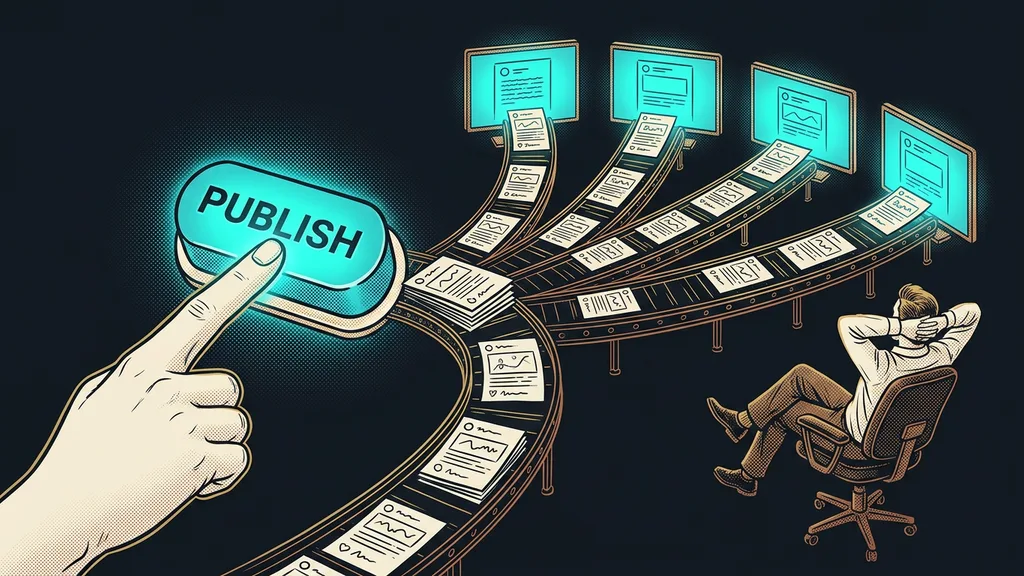
I went about it the other way around: instead of distributing to five apps, I run my content from one place. The result is one clear calendar that sends posts to every network at once. AI prepares the texts in a version tailored to each network; I go through them over my morning coffee, fine-tune a few things, and approve them. Then it all goes out on its own, at the right time, to the right network, without me.
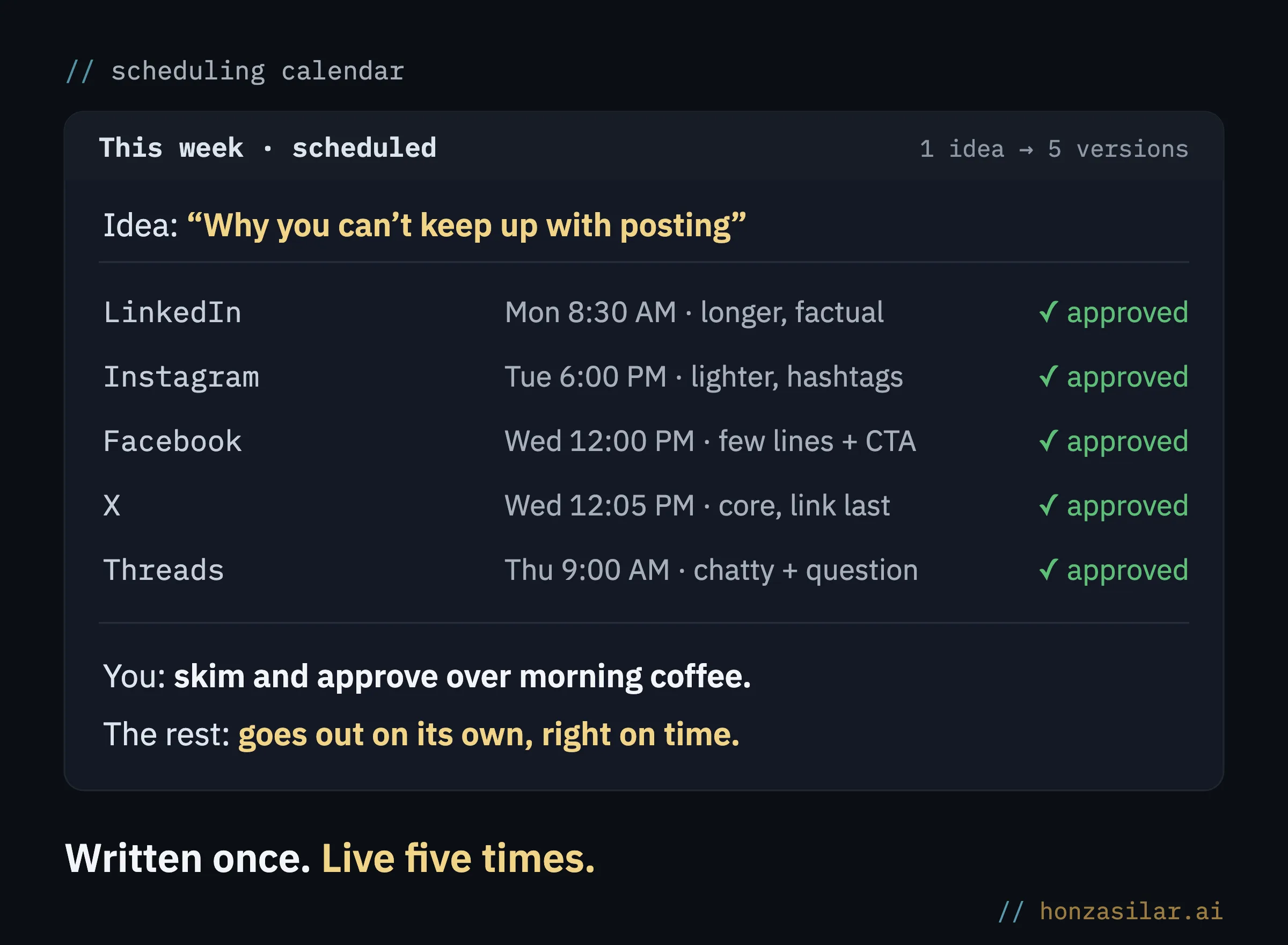
And it all gets prepared in advance. I sit down once, go through the whole week’s supply, and it’s approved: instead of five scattered quarter hours during the week, I handle it in one calm block. When I put links in my posts, I can even tell who clicked them. On Wednesday evening, I no longer think about social media; it runs on its own.
How much of your evening do social networks take?
Before
Open five apps and reformat one text five times.
Upload the same photo again, give up at the third network.
Distribution = a whole evening. “The rest tomorrow” never comes.
Now
“Approved over coffee. The rest runs itself.”
One calendar that sends posts to every network.
A week’s supply done in one calm block.
It’s the same principle behind my whole autonomous publishing system and the newsletters that prepare themselves: the system does the prep, and the decision stays with a person.
The safeguard
The system only prepares and schedules the posts. You decide what goes out and when, and not a single one leaves without your click.
Who this isn’t worth it for
Plainly put: if you’re on just one network and add a few posts a month, this system won’t help you. Distribution takes you a moment, and it’s not worth automating. It pays off once you want to show up regularly on several networks. Every additional network means another round of manual posting, and that’s exactly what will stop you sooner or later.
Who is a scheduler worth it for?
Worth it
- You want to show up regularly on several networks.
- You have plenty of ideas; you just never get around to distributing them.
- You keep adding networks, and each one brings more manual work.
Not worth it
- You’re on just one network.
- You add a few posts a month.
- Distribution takes you a moment and isn’t worth automating.
How it all runs
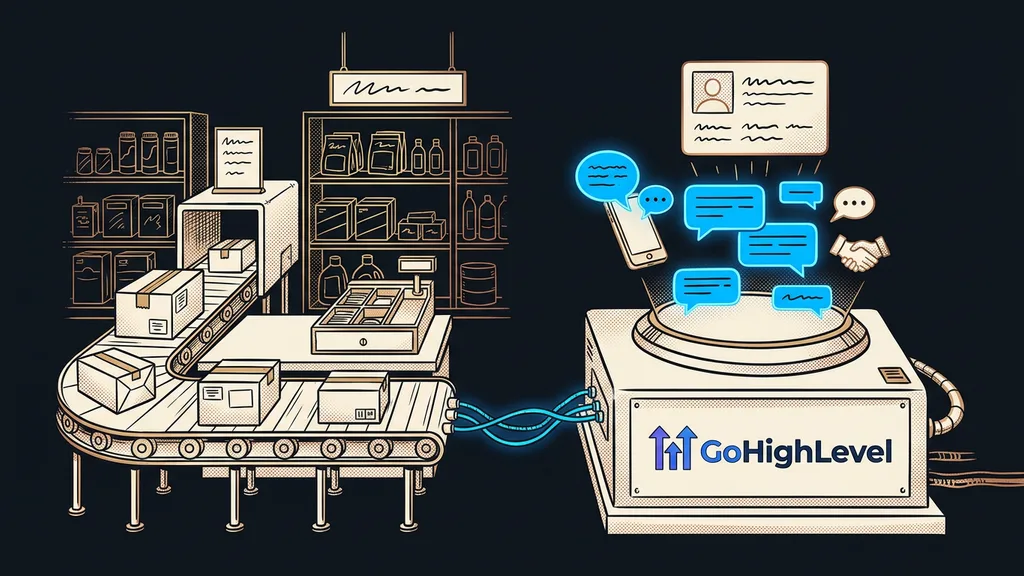
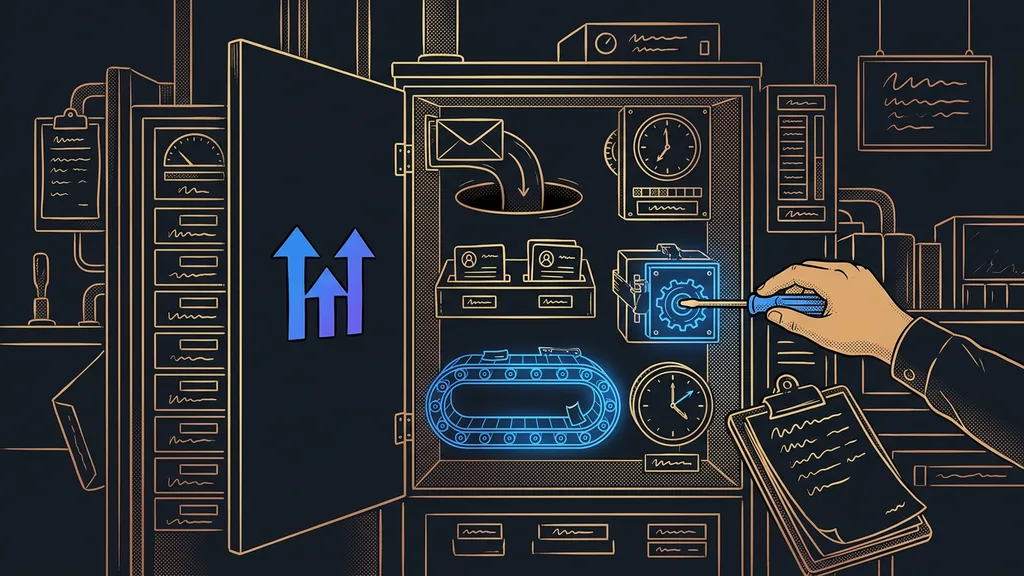
On the technical side, the platform behind it is GoHighLevel. You connect your accounts, say Instagram, Facebook, LinkedIn, X, and Threads, once, and from then on you have them under one roof. AI drafts the posts in versions for each network, saves them to the scheduling calendar, and you decide what goes out and when. You set the times once, the calendar remembers them, and it publishes on its own at the moment you choose.
Three worries about automated scheduling, and how it really works
The whole thing in a nutshell
- You connect your accounts (Instagram, Facebook, LinkedIn, X, Threads) to GoHighLevel once.
- You enter one idea, and AI turns it into a version tailored to each network.
- You go through them like an editor-in-chief: cut something, rewrite something, let something through unchanged.
- Approved posts get scheduled in one calendar for the right time and network.
- At the right moment, they go out on their own. Nothing goes out without your click.
Write once, publish five times

I spend that quarter past ten differently now. The posts for the whole week were approved long ago and go out for me while I calmly close my laptop. The best automation is the one you forget about because it finally takes care of itself, not the one you admire.