In a small practice, the phone slows things down more than the medicine ever does. It rings all morning with the same questions: when are you open, are you taking new patients, what should I bring? The nurse answers between two patients while someone waits at the front desk. Nobody here has done anything wrong.
I hear this over and over from the doctors I set systems up for. The phone rings while the nurse is with a patient, so nobody picks up. The caller tries again ten minutes later, and in the meantime someone else at the front desk is asking whether they can book for next week.
The bottleneck is the admin around the medicine
A practice gets stuck on three jobs that have nothing to do with medical expertise: booking, appointment reminders, and repeat questions. Operationally, a small practice is an ordinary small business and struggles with the same things. The only difference is that here, nobody can just step away to answer the phone.
The empty chair
A booked appointment the patient skips without telling anyone in advance. The practice can’t offer it to someone else in time, because nobody finds out until that very moment. It doesn’t appear in any report, and nothing happened to the patient. The bill gets paid anyway: that time is simply lost.
On top of that, the phone never rings at a quiet moment. It always interrupts exactly what shouldn’t be interrupted. So the admin around a practice costs more than time. Mostly, it costs attention that belongs somewhere else.
A patient usually isn’t trying to know more than the doctor. They want to know when to come in and what to bring.
Booking that doesn’t need a phone call
Most calls to a practice are about one thing: when can I come in. Yet that can be handled without the nurse and without waiting for a free line. The patient picks from the slots the practice opens up, and the confirmation arrives right away.
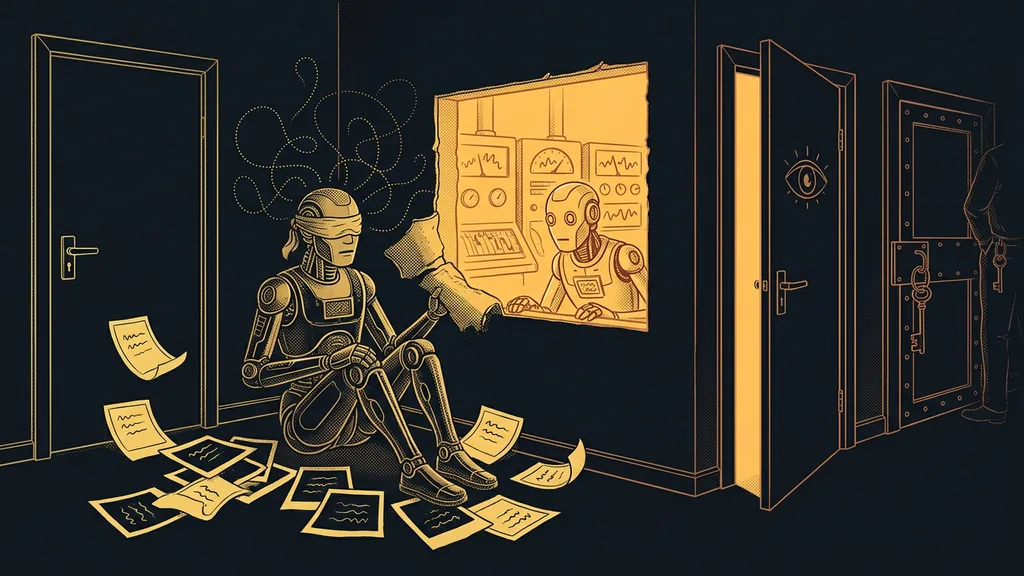
The calendar makes sure appointments don’t overlap and leaves as much time between them as you set. A longer procedure gets a longer window, a quick checkup a shorter one. If nobody gets to a call in time, a voice assistant answers it and notes what it was about, and the nurse follows up once there’s a free moment. Nobody ends up calling three times in a row into the void.
The phone stays open, too. Booking online doesn’t suit everyone, and pushing it on someone who doesn’t want it would be a mistake. It works the other way around: the more people book on their own, the more breathing room there is for those who need to talk to the nurse.
One-minute self-test
Take one morning and make a tally mark for every call based on what it was about. Booking, rescheduling, opening hours, or something that really needed a clinician? In the practices I go through this way, the first three groups are the vast majority.
A reminder that frees up the chair in time
Empty chairs come from forgetting, not from lack of interest. The appointment was set three weeks ago, and a lot of life has happened since. A reminder the day before reliably fixes that.
The patient gets a short message with the time and what to bring. If the time no longer works, they cancel with one tap, and the freed-up slot is offered to others who are waiting. Confirmations and reminders don’t have to look machine-made, either: system messages can be styled to match your practice, complete with the address, parking, and which floor you’re on.
Freed-up slots don’t just vanish, either. Whoever asked for an earlier appointment gets the offer first, even in the evening or on a weekend. The practice isn’t rescheduling anyone or pushing anyone anywhere. It just lets people know a spot opened up, and whoever wants it gets in touch.
Questions that keep coming back
Operational questions make up most of what reaches a practice, and the answers are already posted somewhere. Office hours, who covers while the doctor is on vacation, what to bring, where to park, whether the entrance is wheelchair accessible, how much a procedure costs when insurance doesn’t cover it. The patient looks for it on the website, can’t find it, and calls.
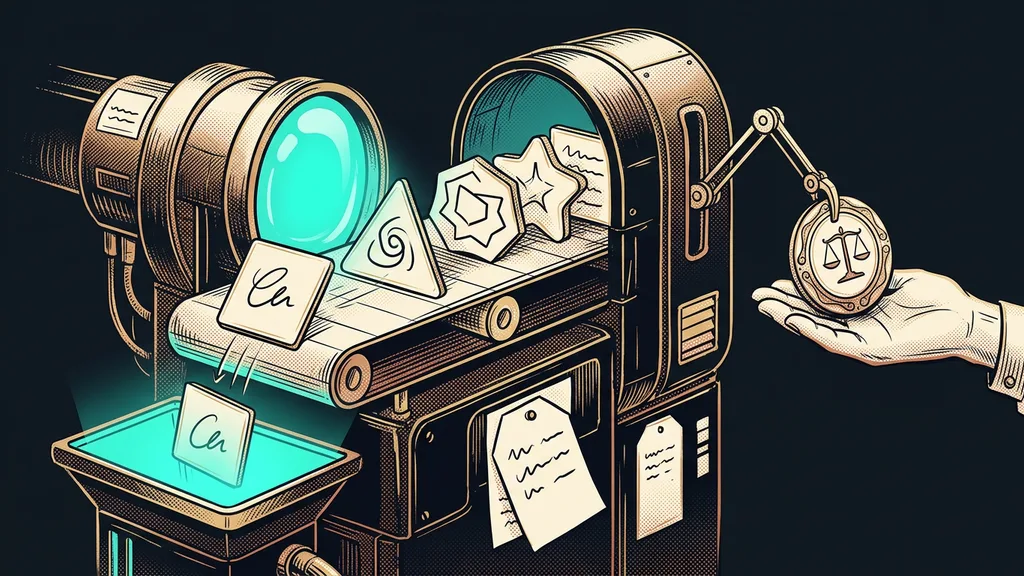
This is exactly what a chatbot with its own library of answers can handle. It answers only from the material the practice gives it, never from the internet. It doesn’t guess, and it doesn’t promise anything. The moment a question goes beyond logistics, it stays quiet and passes it on.
Escalation to a human
Handing a conversation over to a live person when the AI isn’t sure, or when the topic falls outside its boundaries. In a medical practice, this is the most important feature of the whole system. You can tell a well-built assistant by how quickly it says this isn’t its call to make. Here, silence is a better quality than a quick answer.
Where AI has no business in a practice
I set this line as a hard rule, and there’s no way around it. The system never answers anything about symptoms, treatment, medication, or test results. It doesn’t judge how serious anything is, and it doesn’t advise anyone whether to come in sooner. It works with the appointment book and with practical information, the same things that are posted on the door anyway.
Safeguard
Three things hold no matter what. The system can’t see medical records, because it doesn’t need them to handle an appointment. It makes no health decisions and gives no health advice. And anything beyond logistics goes straight to a clinician, without any comment of its own.
There’s one group this won’t help. A practice with a few patients a day and a steady circle of regulars will get almost nothing out of it. Where the appointment book sits on the desk and the phone rings five times a morning, it’s like calling an ambulance for a scraped knee. It starts to make sense once calls keep interrupting work with patients.
The whole system in a nutshell
- The patient picks a slot from the times the practice opens up and gets a confirmation right away.
- A voice assistant logs any call nobody gets to in time, along with what it was about.
- A reminder goes out the day before, with a one-tap option to cancel.
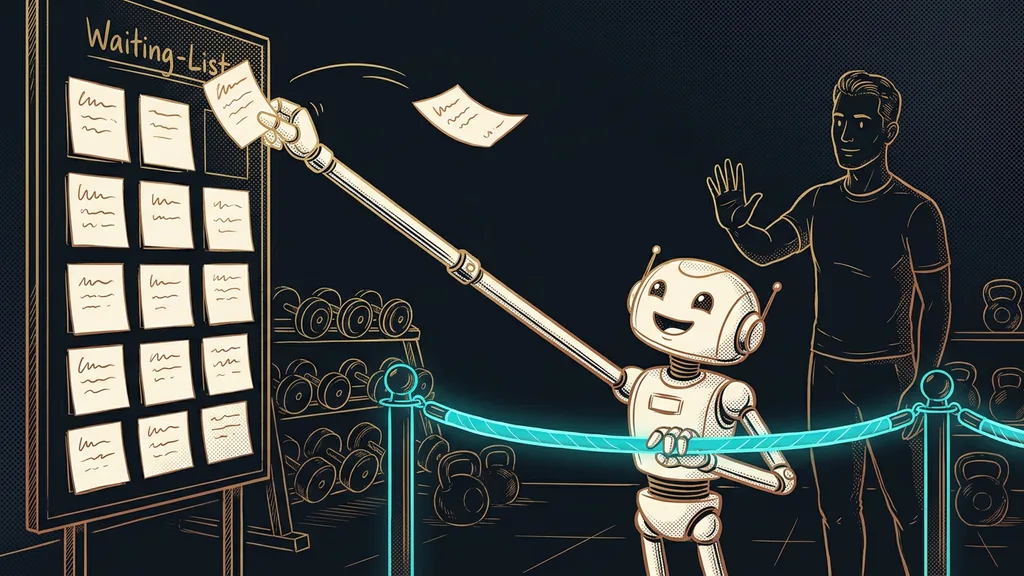
- A freed-up slot is offered to others who are waiting, so the chair doesn’t stay empty.
- The assistant answers routine questions from its own material and hands anything else to a clinician.
The nurse will keep answering the phone, but it won’t ring for every little thing anymore. That’s how it should be. It no longer interrupts an exam over a question whose answer is written on the door. A good practice shows in the calm around the patient, with nobody glancing at a screen, not in how fast it picks up the phone.