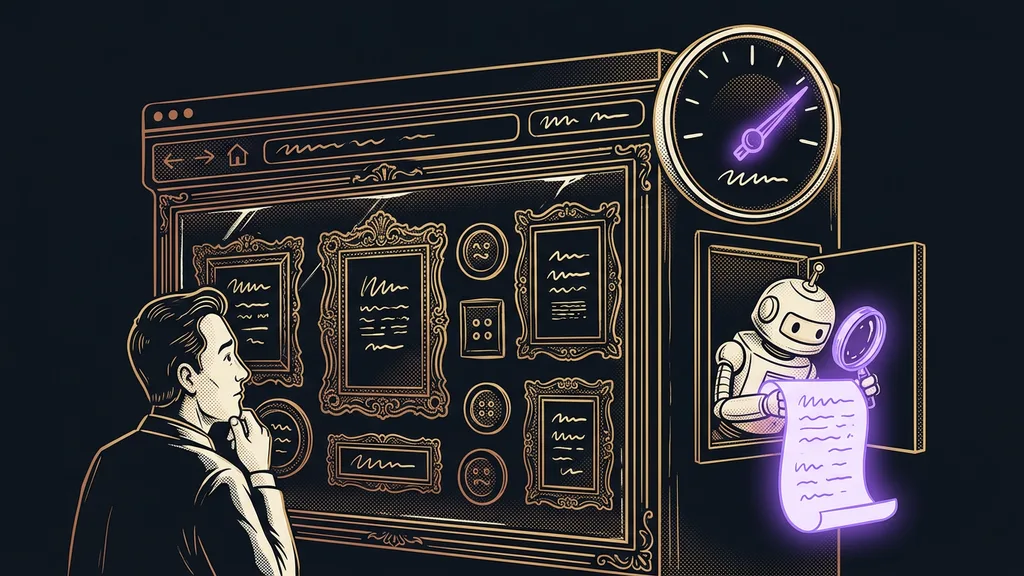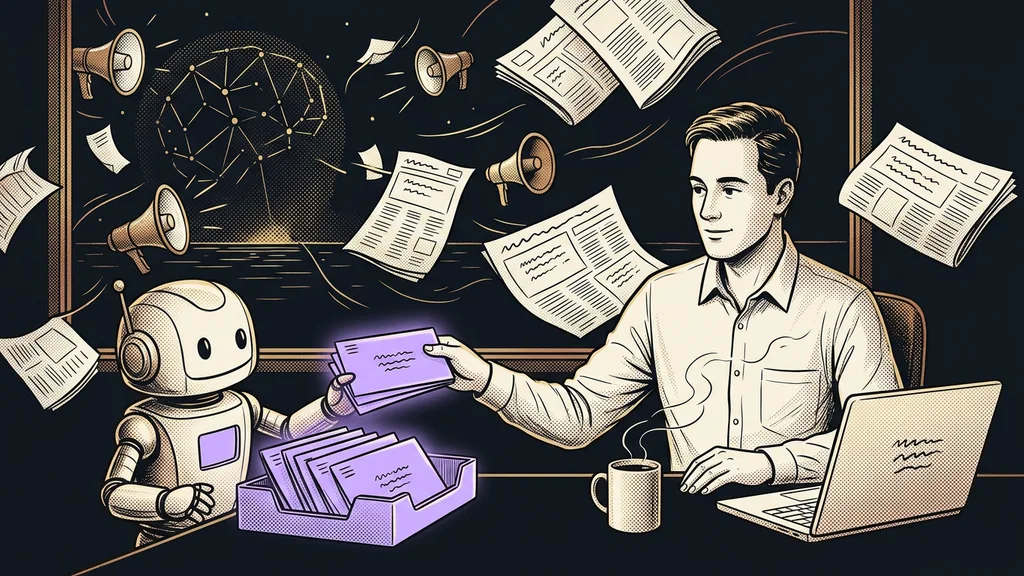
A chatbot will never tell you it doesn’t know something. It states last year’s truth with the same confidence as today’s, so the business has no reason to check it for six months. Most businesses feed their bot once, switch it on with satisfaction, and a year later wonder why its answers are off. And the mistake gets caught by the person who planned something around the wrong answer, a paying customer, rather than by anyone inside the company.
It was the same for me. I launched a bot, it answered brilliantly for a few weeks, and I felt the job was done. But the world moved on in the meantime: a new service appeared, a price changed, I recorded a video that explained one thing better. The knowledge base stood still, though, and the bot kept calmly reciting yesterday.
A chatbot dies quietly, not with a bang
A chatbot’s knowledge is a living thing, not a document you write once and tick off. It goes stale the moment you stop touching it.
One outdated answer seems like a small thing. But each one chips away at trust: a customer who got wrong information once will write to your competitor next time, and you’ll never find out. No alarm goes off. The gap between what the bot claims and how things really are just slowly widens.
An outdated answer sounds like a fact, never like a mistake, and that’s exactly what makes it dangerous.
Build maintenance into the system instead of patching by hand
Willpower alone won’t keep a bot from going stale. Maintenance has to be part of the system, not a chore you remember some evening.
Whatever you build your bot on, three things keep it current. A fast lane that lets you add something new in a few minutes, rather than at the next big review. A regular overhaul that goes through the whole knowledge base and throws out what’s outdated. And the option to step back when a new version turns out to be a dead end.
When I built an AI expert for my community, this was the first problem I wanted to solve for good. I skipped the question of how to get the bot running at all and went straight to another one: how to make it smarter a year from now, not dumber.
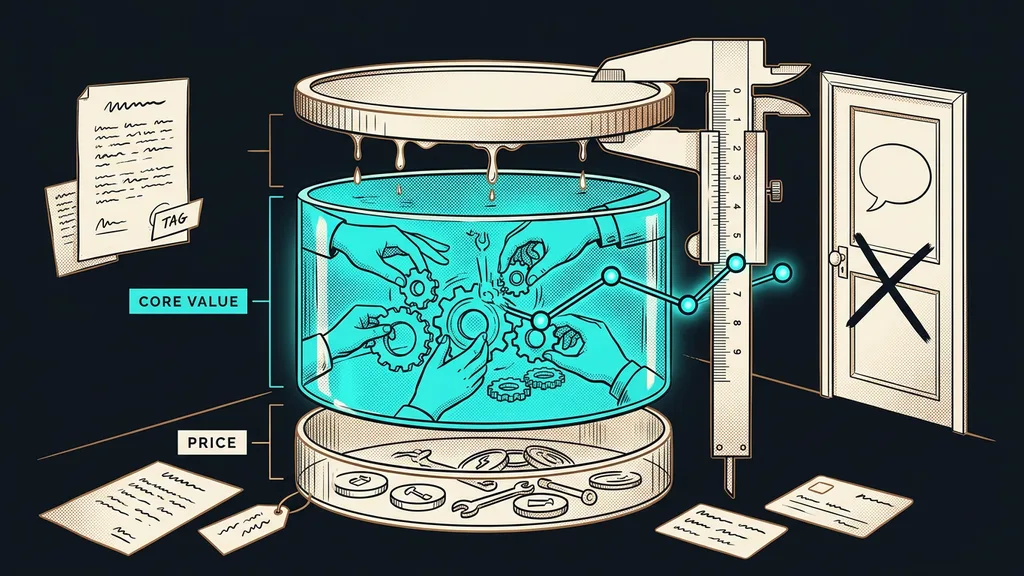
Today it draws on a knowledge base with more than a megabyte of text and 876 questions and answers in Czech. It’s a carefully built base, not random paragraphs dumped into a window. Someone types “When does the next round start, and what’s included in the price?” and the answer comes back in proper Czech, a full sentence with the current date, not a curt “see website.”
Knowledge base
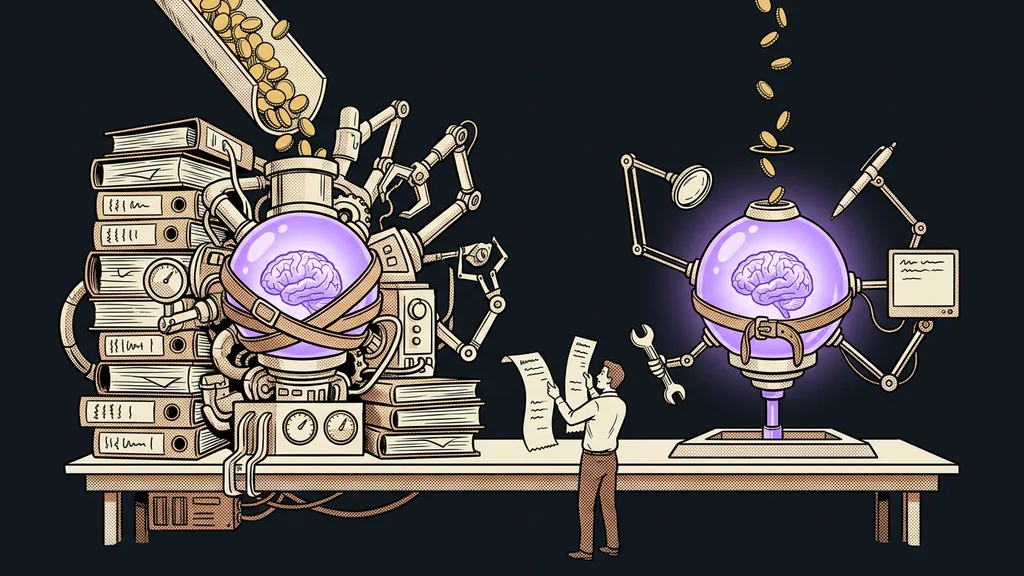
A knowledge base is a set of questions, answers, and texts the chatbot draws on for what to tell a customer. It’s less its “brain” and more its textbook: whatever is outdated in it, the bot will calmly repeat. That’s why the quality of the answers depends less on the model and more on how fresh the knowledge base is.
Two speeds: five minutes, and an overhaul every six months
I run the knowledge base in two modes, and each moves at a completely different speed.
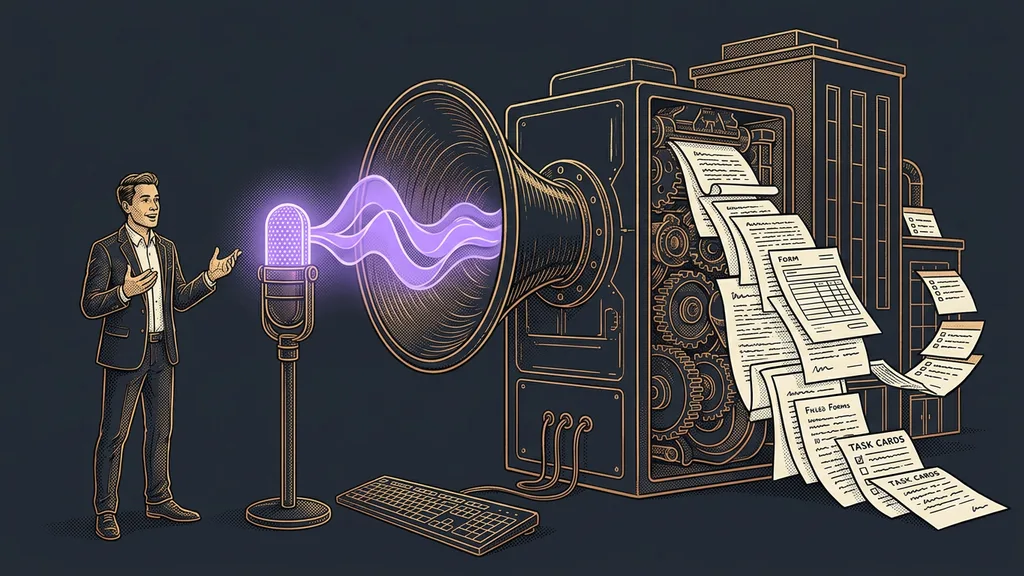
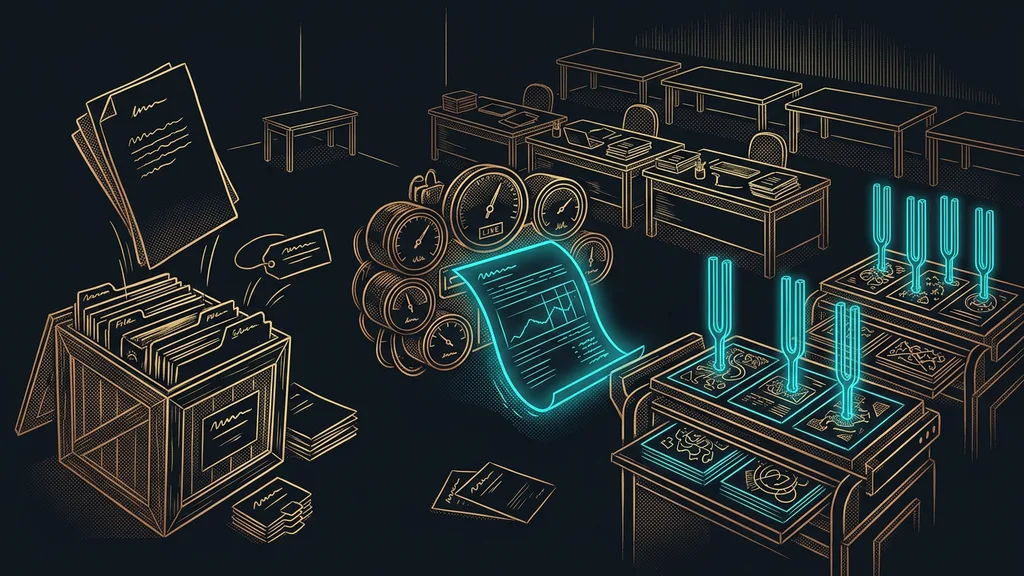
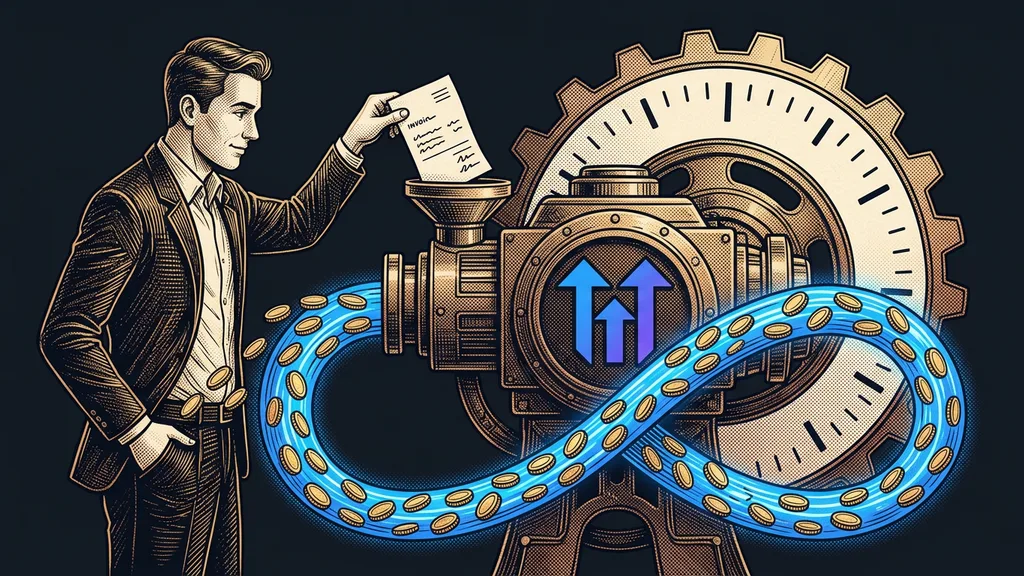
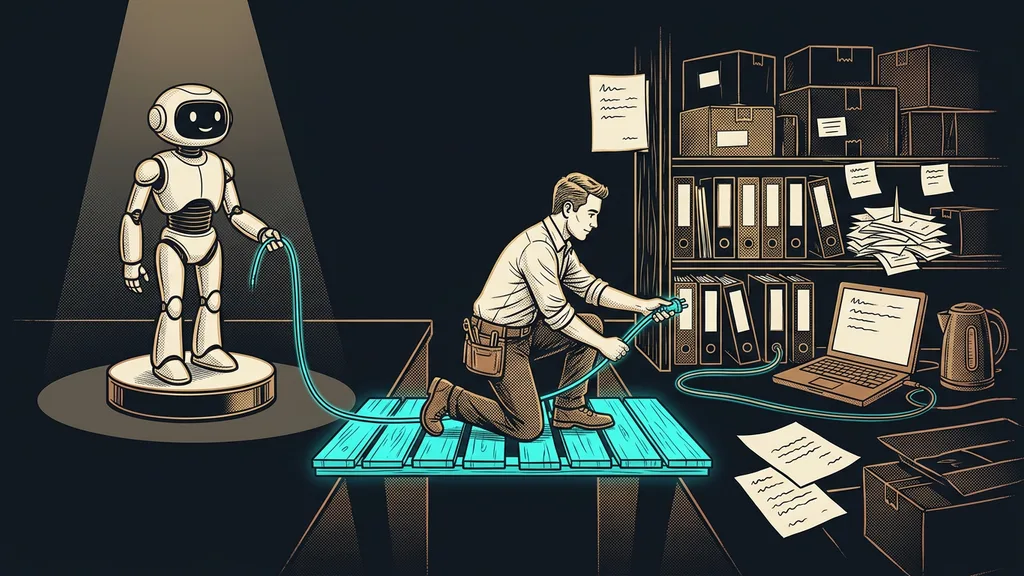
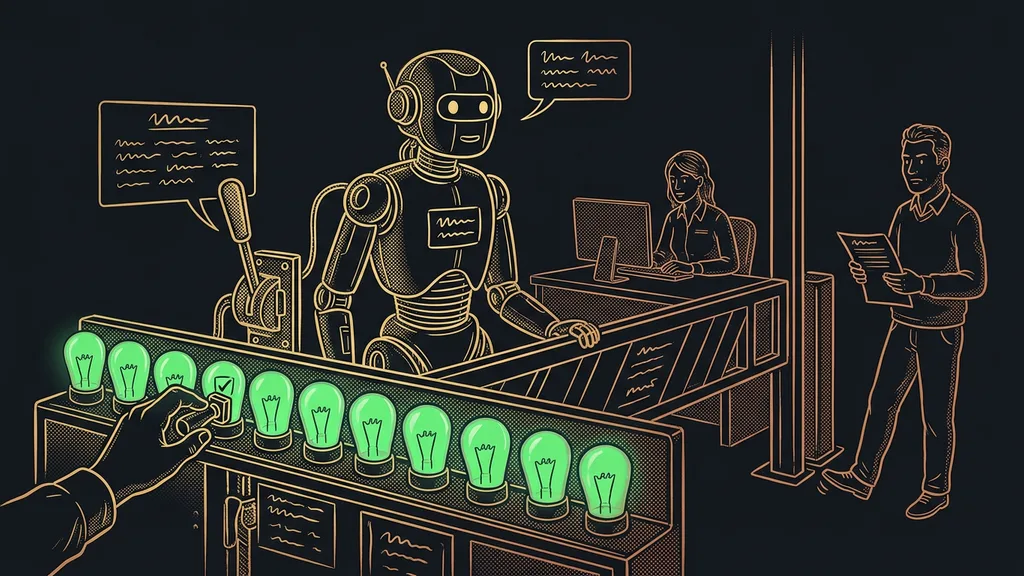
The first is lightning fast. A new piece of information comes up, say I’ve recorded a video that explains something more precisely. I enter it as an ordinary sentence, the way you’d tell a tool what you want, and within five minutes the bot answers based on it. I always approve the specific change before it’s written into the knowledge base.
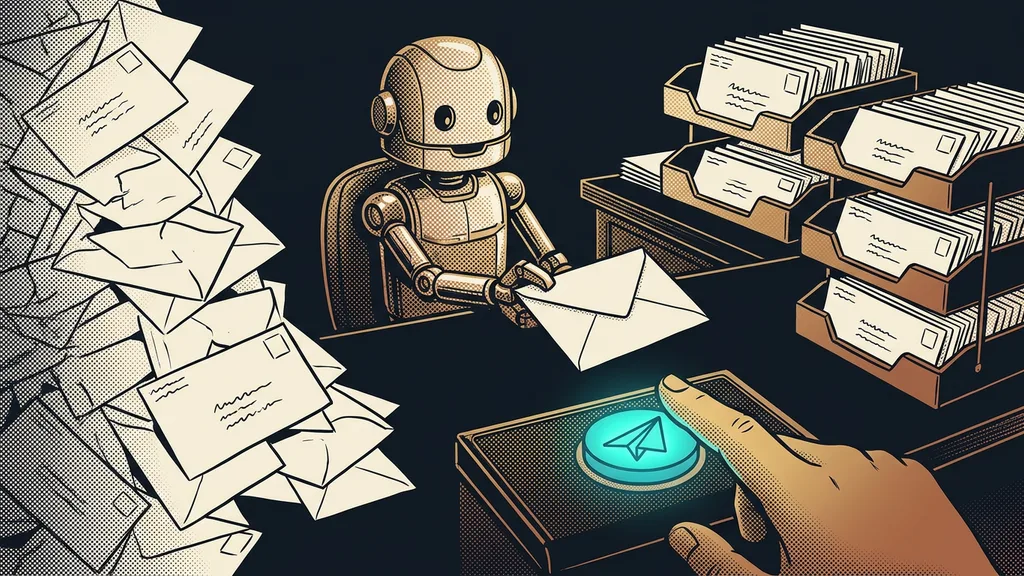
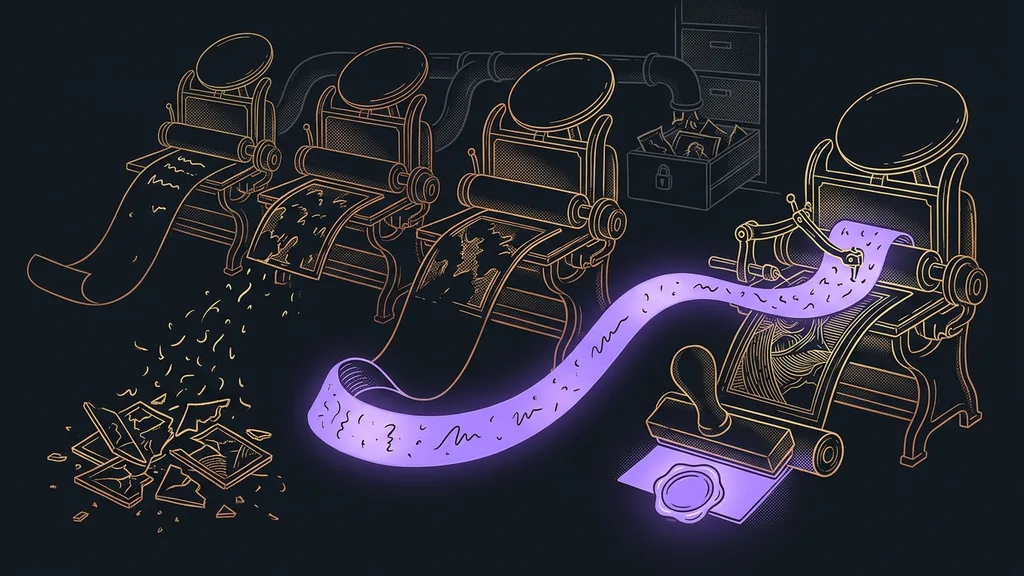
The second mode is slow and thorough. It looks like a review a typical company would hand a department as a month’s work. For me, a team of agents handles it together in a fraction of the time. Roughly twice a year, the whole knowledge base goes through an overhaul: what still holds, what to rewrite, what went stale long ago.
One-minute self-test
Open your chatbot and ask it about a price, a date, or your cancellation terms. Check that the answer matches what applies today. Then ask yourself one more thing: if the price changed tomorrow, would you know where to update it and how quickly the bot would pick it up?
Nothing gets lost, and nothing breaks for good
The last layer is inconspicuous, but it helps me sleep better. Every version of the knowledge base is saved and can be traced.
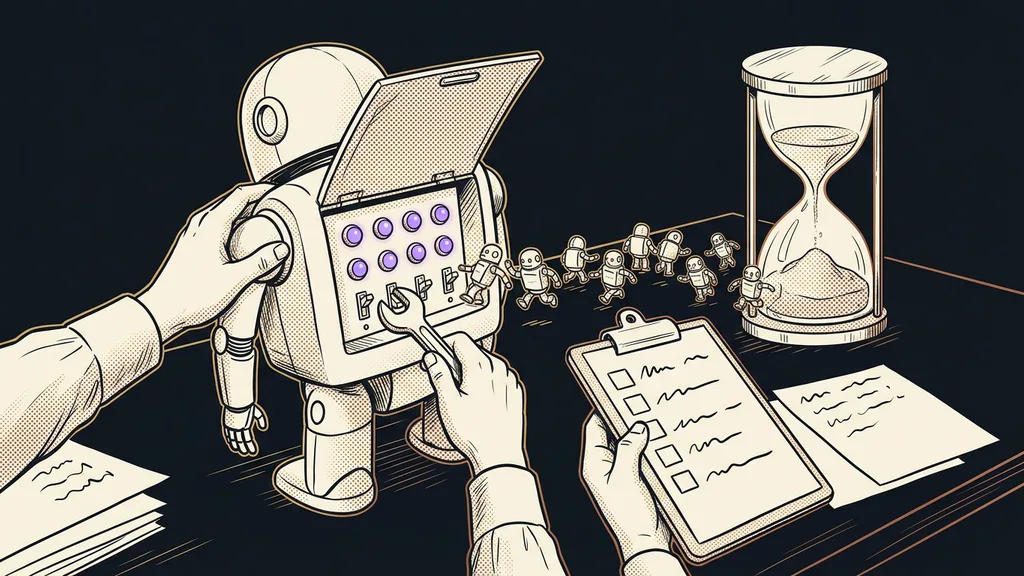
If a change turns out to be a misstep, I go back to an older version, as if rewinding time. No helpless “so how was it before, exactly?” that nobody can answer anymore.
And that’s exactly what lets me work with the knowledge base boldly. New information can go in within five minutes precisely because a mistake is one step back, not a disaster. The courage to change things fast rests on the certainty that nothing gets lost.
What keeps the result honest
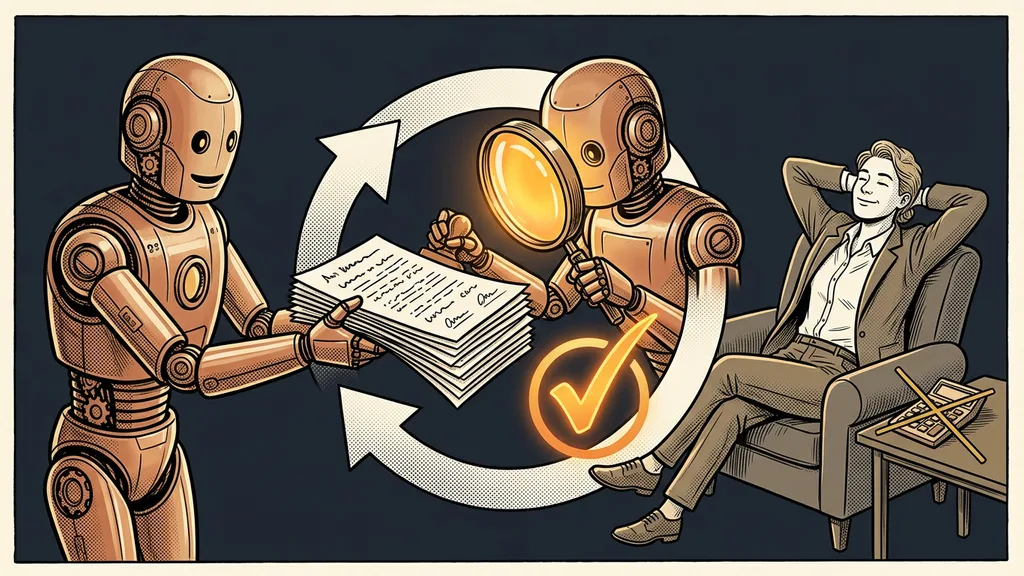
The six-month overhaul is done by a team of research agents, each on its own piece, rather than by a single model. What one would spend a week reading, they get through in parallel in no time, and the result comes together as one coherent knowledge base, not a set of patches.
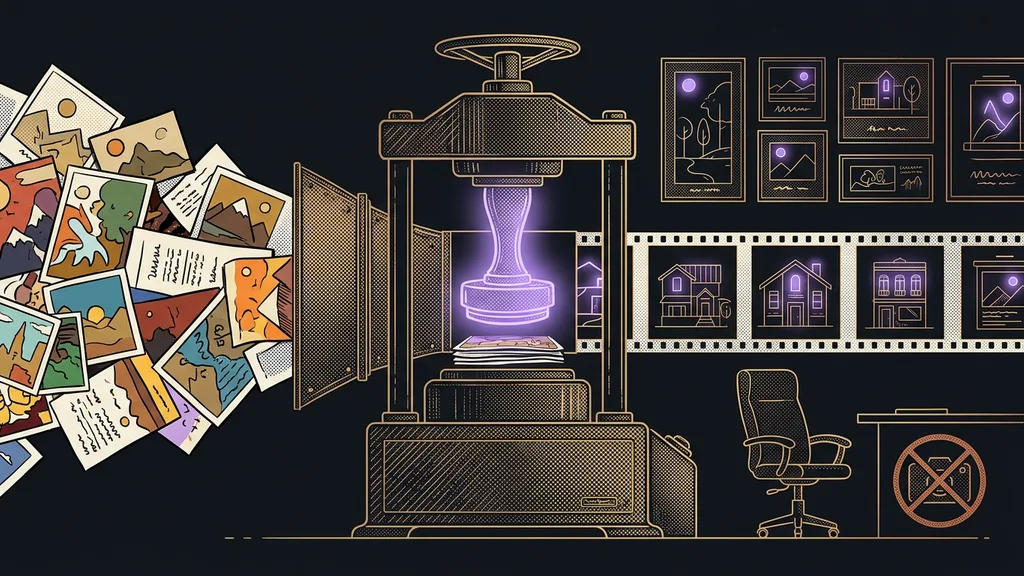
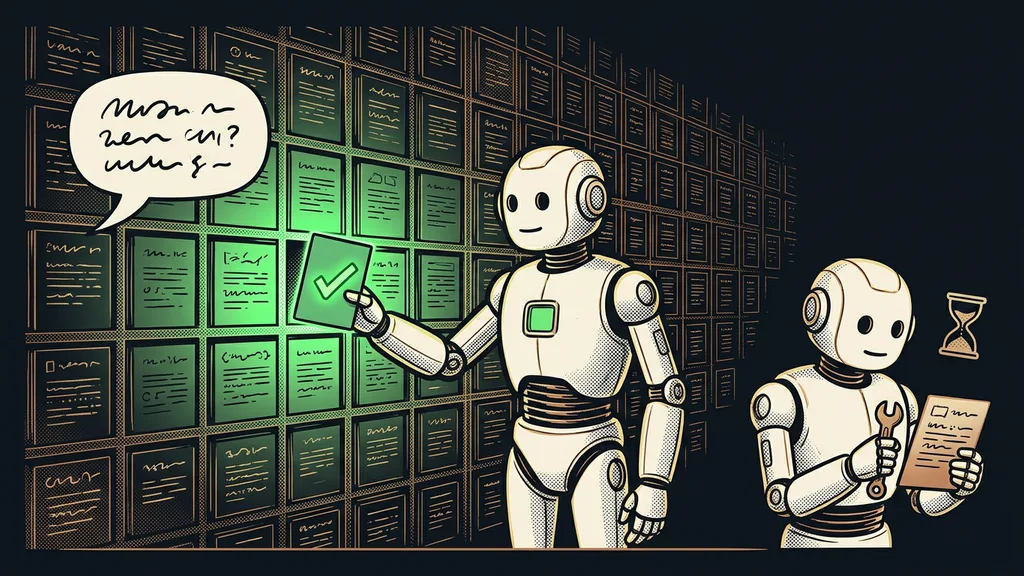
Then comes the part I care about most. Everything the team produced gets taken apart by an independent audit that deliberately hunts for mistakes rather than handing out praise. It checks the result on several levels:
- whether it’s true,
- whether it contradicts itself anywhere,
- whether the Czech reads right,
- whether anything important is missing.
Only what makes it through that sieve stays in the knowledge base.
Who isn’t this kind of maintenance worth it for? If your website has a few sentences that never change and the bot is more of a decoration, reading them over now and then is enough. The two-speed system with versioning pays off where information changes and a wrong answer costs something: prices, dates, terms.
The whole system in a nutshell
- Treat your knowledge base as a living thing, not a document you finish once.
- Build a fast lane: you add something new in a few minutes, but only after you approve it.
- Schedule a regular overhaul that goes through the whole knowledge base and throws out what’s outdated.
- Put the result through a skeptical check before it’s saved.
- Version everything so every change can be undone. Only then can you change things fast.
Let’s go back to the customer who asked about the price. With my bot, they get today’s price, not last year’s, and when something changes, the bot knows within five minutes of me. Launch day, when a chatbot handles absolutely everything, tells you little about how good it is. The real test comes a year later: does it still answer with today’s truth? And that depends on the system that keeps it smart more than on a better model.