Writing is rarely what kills content in a business. What kills it is that nobody chases it: the blog post can wait, the social post can wait, and so it stays forever last in line behind everything that shouts louder. And yet you can hand the entire production to AI and keep just one decision for yourself: publish it or not.
I know this firsthand. An article I’d been promising myself for three weeks. A blank document opened in the evening after work, a blinking cursor, and soon it was closed again. The last time I posted anything on social media was… when, actually? Tomorrow. Definitely tomorrow. I knew how to write. After a full day, I just didn’t have the headspace for it.
Content always slips first because it has no deadline
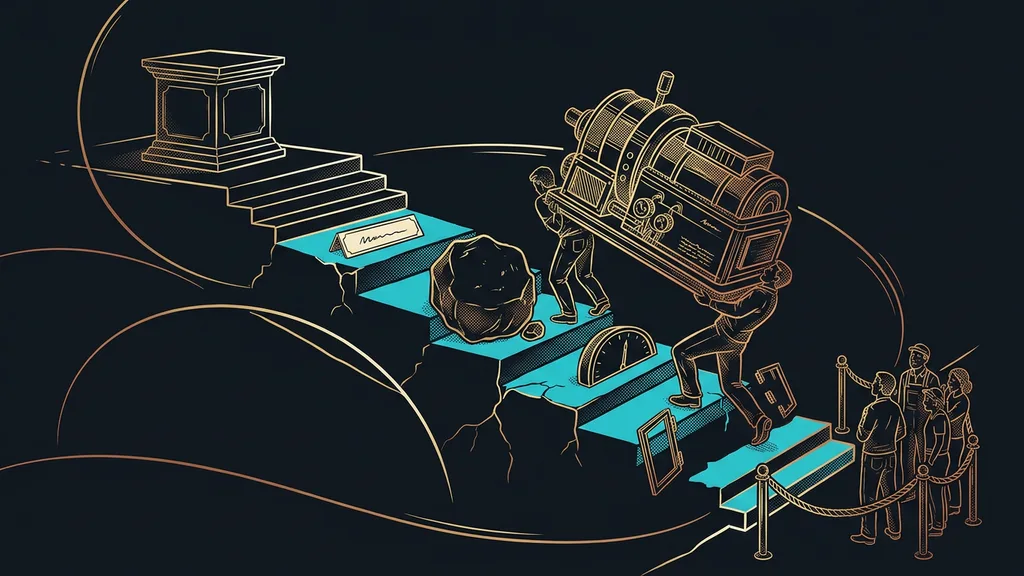
It isn’t laziness. Content is work without a deadline, and there’s the catch. Nobody calls you because an article didn’t come out, and no client gets offended that you went quiet on LinkedIn this week. So the one activity that makes you visible keeps getting pushed behind things with deadlines. But it does cost you. You won’t notice today or tomorrow, but six months from now you find that the competitor who published boring stuff, but regularly, is suddenly the one people remember. You wrote better, but once a quarter. They’re visible, and you’re not.
Content is never on fire, but it’s the work that decides the outcome. You only see that in hindsight.
Stop writing, start approving
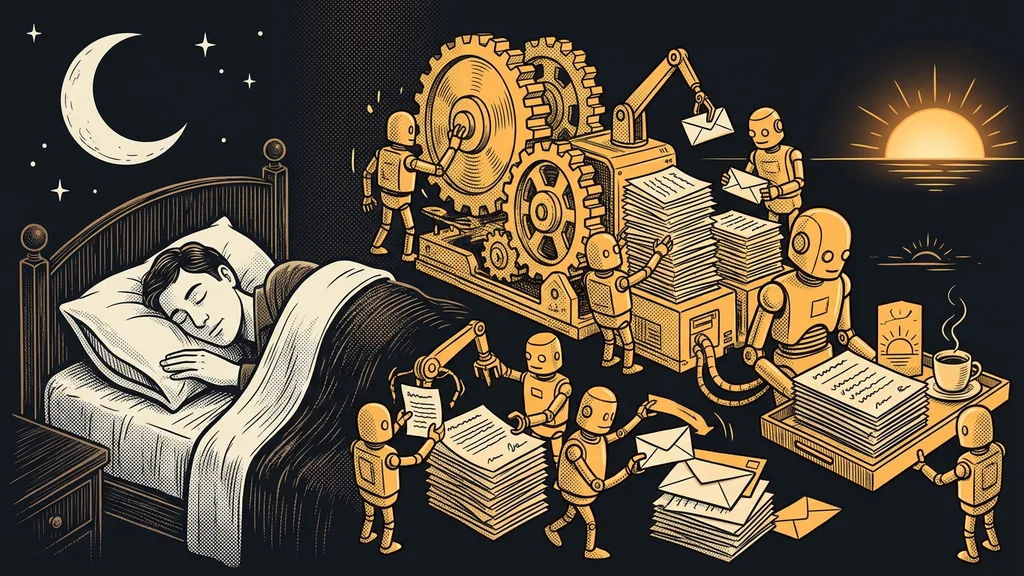
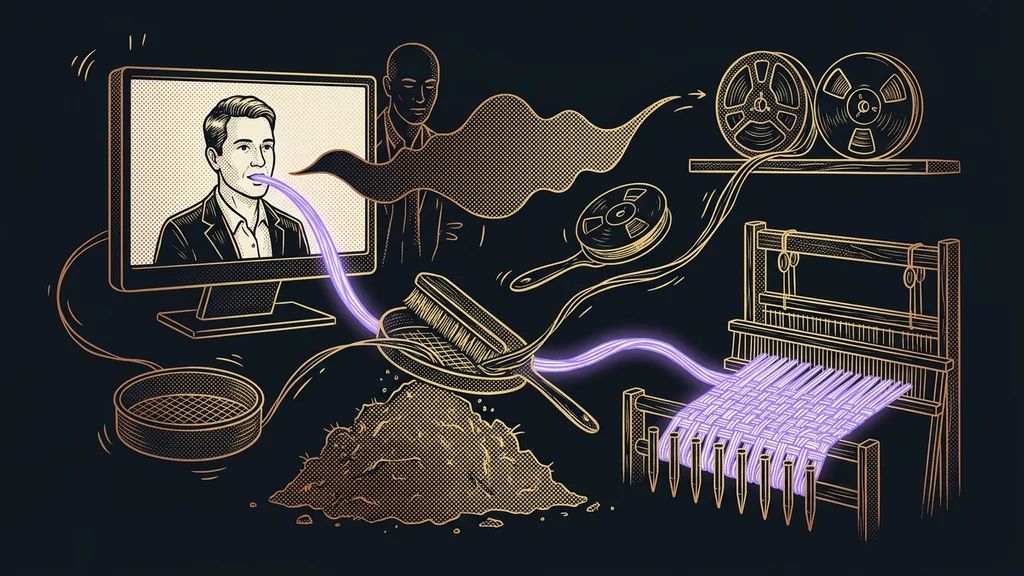
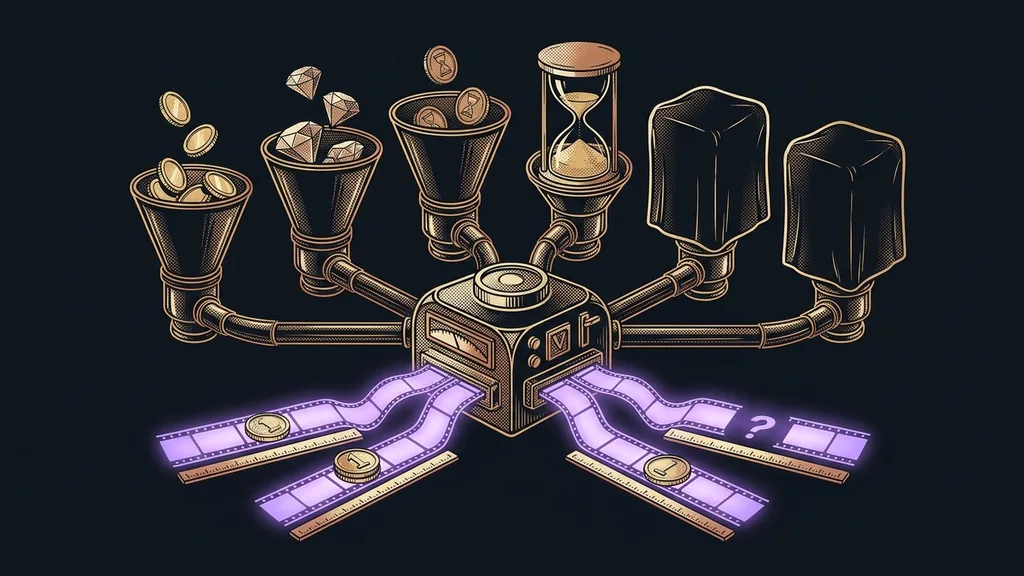
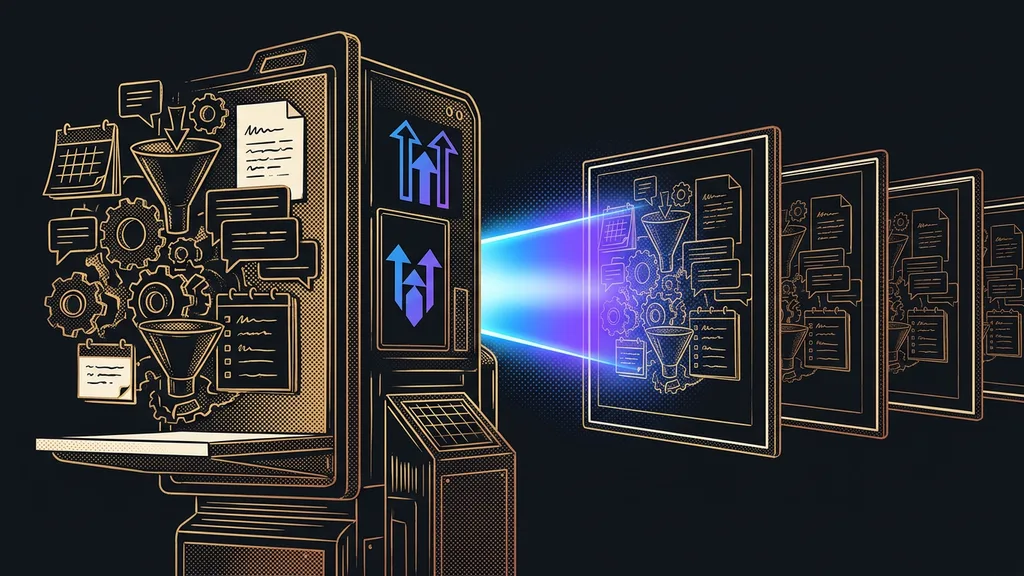
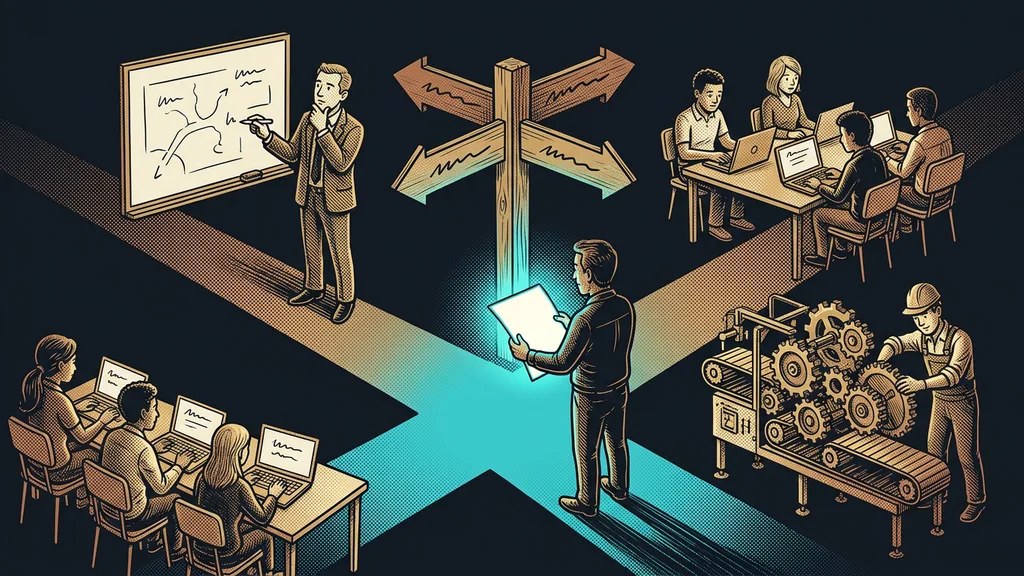
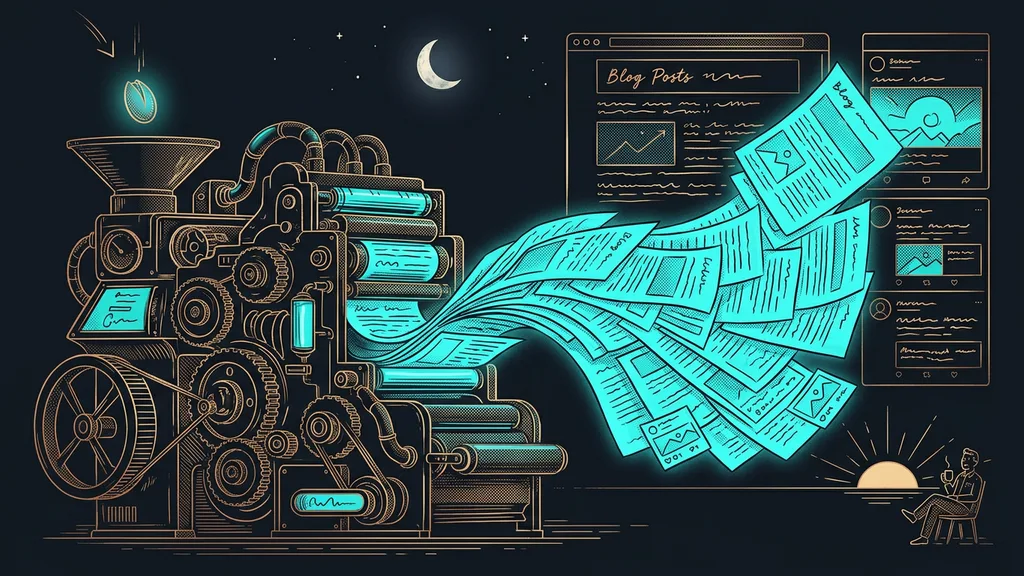
The turning point came from taking the work off my plate, not from better writing advice. I built a pipeline that does it for me: a whole team of AI helpers, rather than one clever tool, passing the content from hand to hand like workers on an assembly line. A topic goes in at one end. Out the other comes a finished article plus a set of posts for each network separately: a longer reflection for LinkedIn sounds different from a short post somewhere else. Each platform has its own rhythm and the system keeps to it, so you never get one text copied five times. It can also add an audio version of the article, read in my voice.
Human in the loop
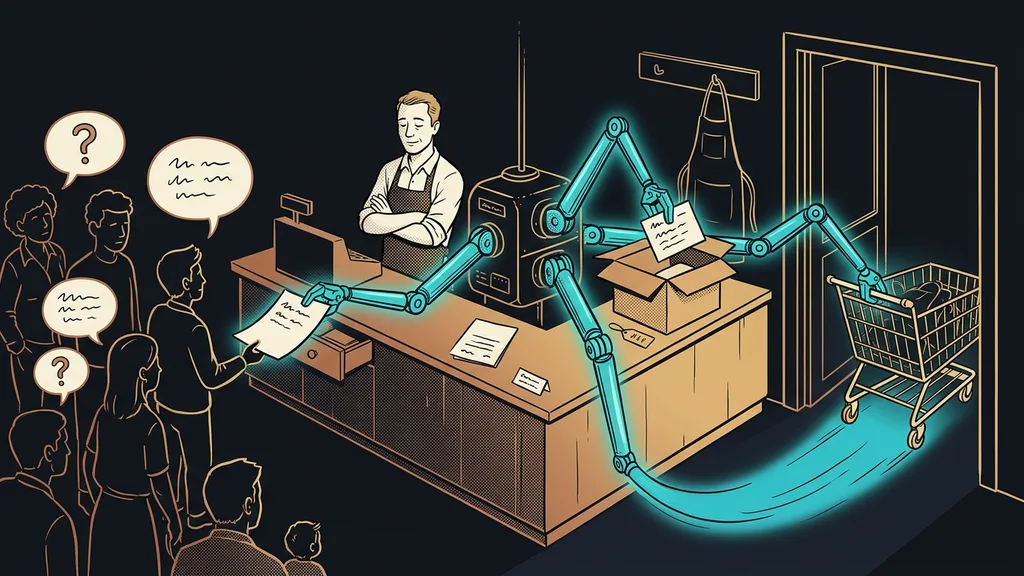
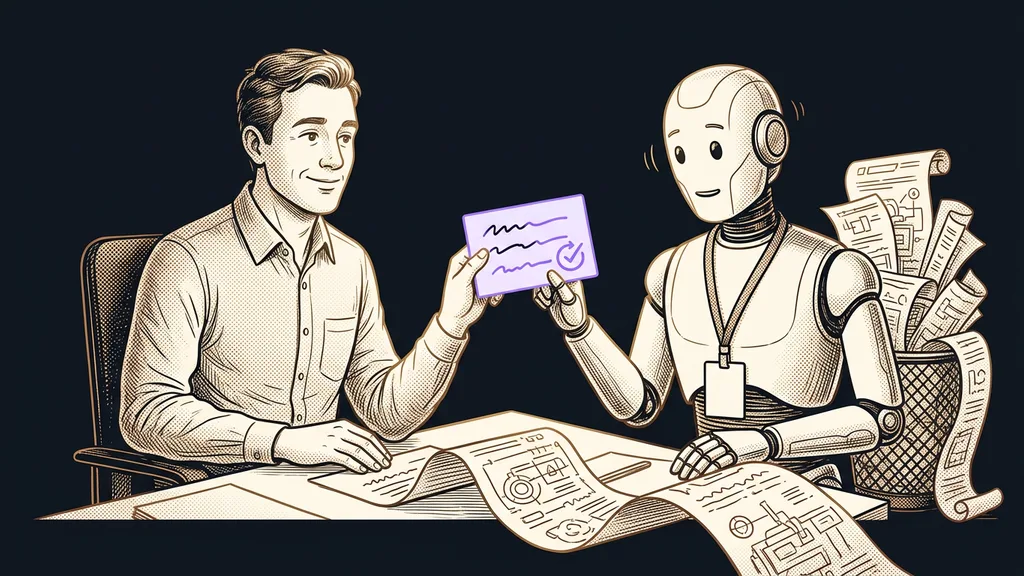
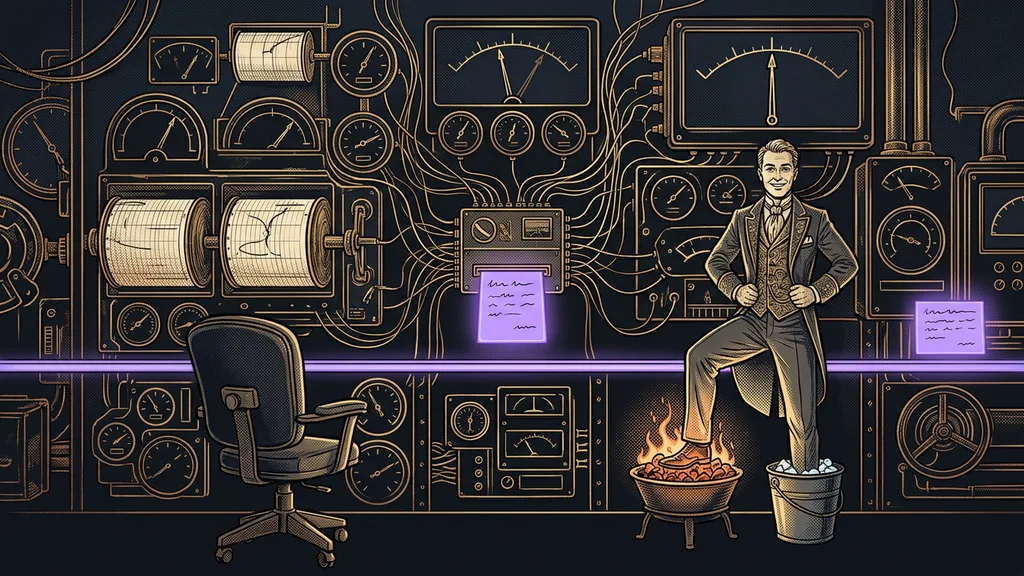
Automation built so that AI prepares everything, but a human confirms the last step: publishing. The machine writes, you decide. In practice, that’s the one difference between AI you trust and AI you have to babysit.
Two signs of AI you can trust
Speed is nice, but on its own it isn’t enough. If anyone is going to let AI near content that carries your name, they should ask two questions. You can take both away as a yardstick for any AI-made content, not just mine.
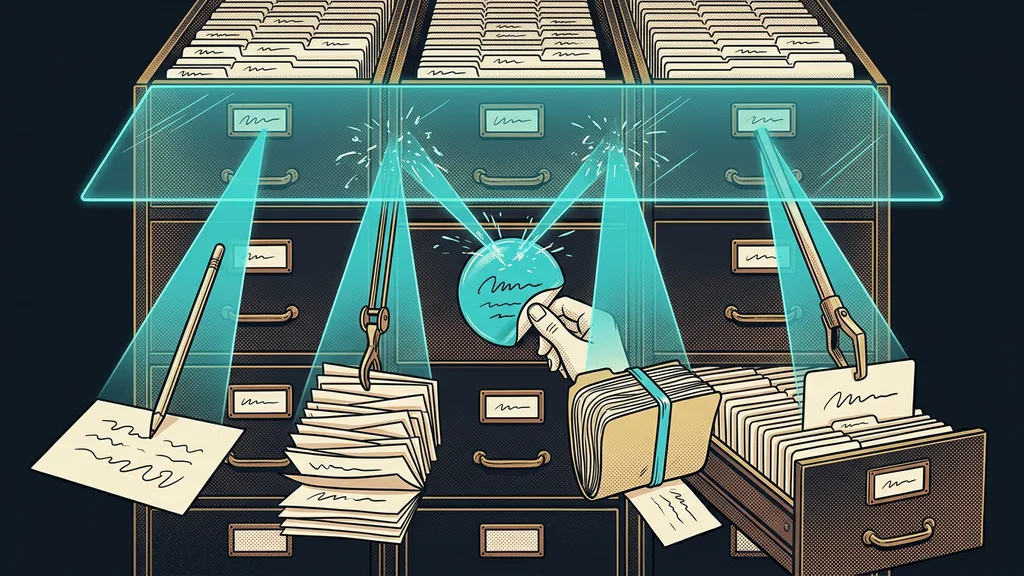
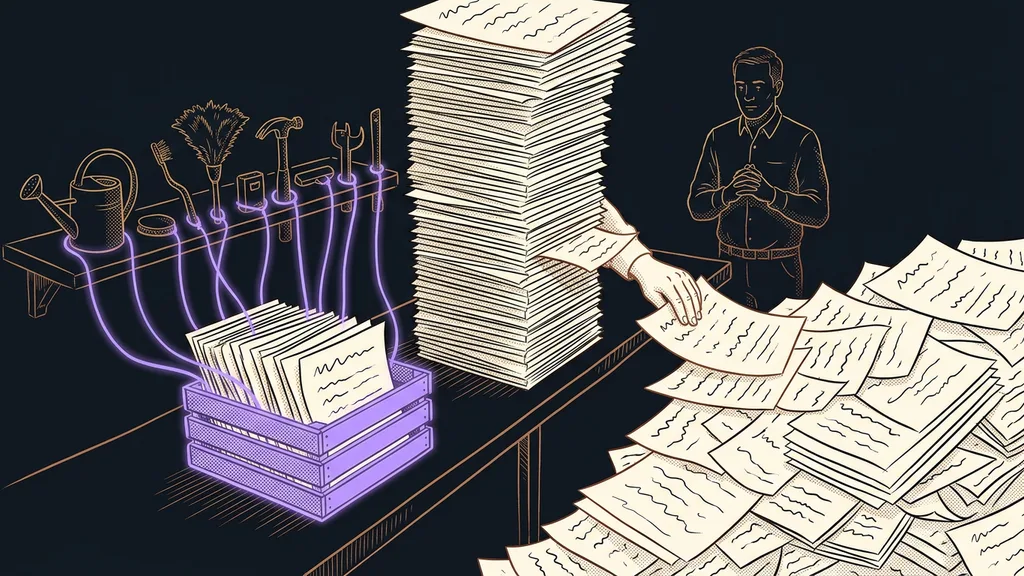
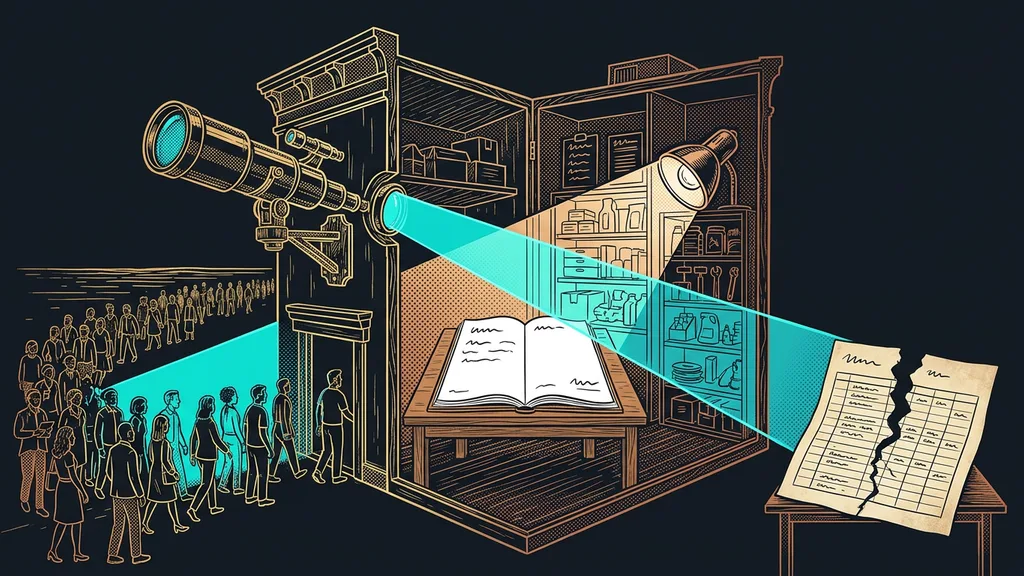
First: where does it get its facts? AI loves to bluff. It throws in a study that doesn’t exist and a number that appears nowhere, and looks completely sure of itself while doing it. That’s why my pipeline draws only on a verified knowledge database. Whatever isn’t in it doesn’t make it into the text. If I have no source material on a topic, nothing gets written.
Verified knowledge base
A verified knowledge base is a separate database of facts, studies, and company know-how that AI draws on instead of its own memory. The difference is huge: a model fills in from its head whatever sounds plausible, while a verified base gives it only what’s backed up. Fewer confident fabrications, more sentences that hold up.
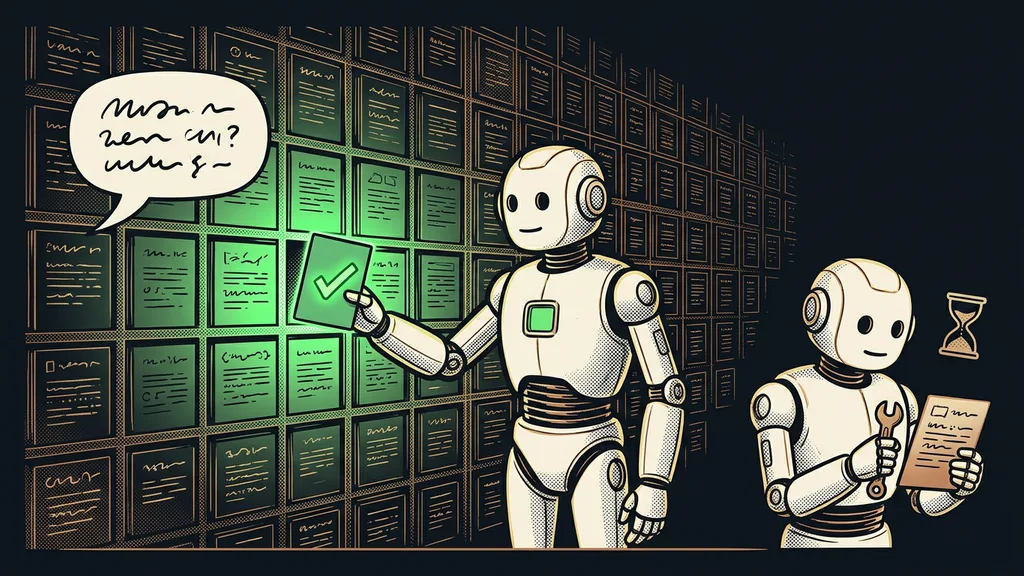
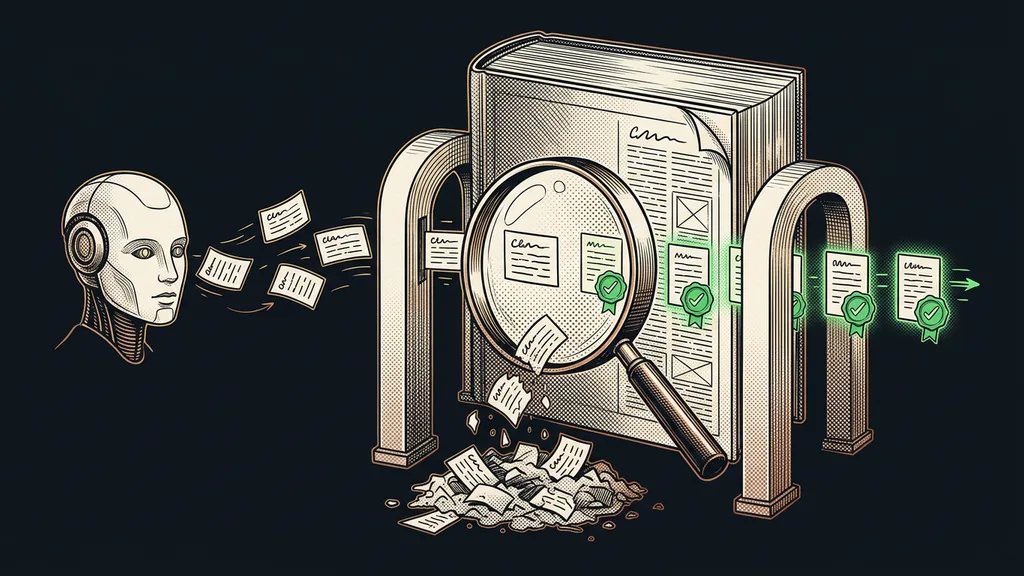
Second: who checks the text before you do? Next to the writer, the pipeline has a second AI whose only job is to tear the finished text apart. It reads it, scores it, and if the text doesn’t clear the bar I set, sends it straight back for a rewrite. The machine rejects it before the text ever reaches me, so I’m not the one doing the cutting. On top of that, a special layer watches over the Czech, making sure the text sounds like a person wrote it rather than a translation tool.
One-minute self-test
Take the last text an AI wrote for you. How much of it did you have to fact-check, rewrite, or simply throw out afterward? The more there was, the less it actually saved you. A good pipeline pushes that number toward zero by checking its own facts and rejecting weak text before you see it.
All that’s left is your morning coffee
My part in the whole operation has shrunk to a few minutes. In the morning I open an overview and go through what was made overnight:
- this one, yes,
- this one, rewrite,
- this one goes out on Thursday.
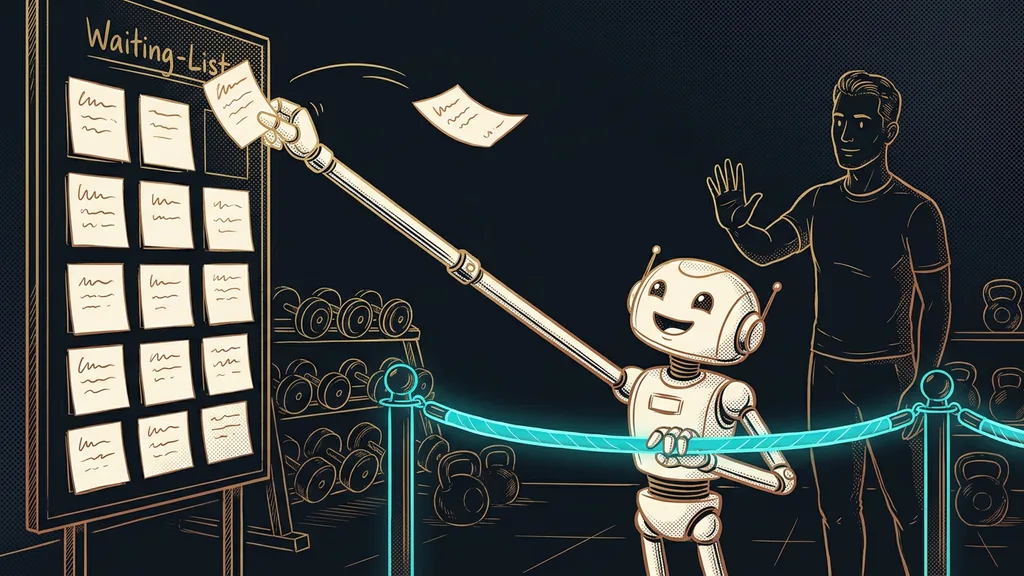
And the system doesn’t bury me under thirty articles I’d never look at anyway. It keeps itself within sensible limits. I can always see what’s waiting for me, what’s out, and what’s still in the oven.
Safeguard
You won’t get ten mediocre versions to pick the least bad one from. Only what passed the internal review reaches you, and nothing goes out until you say yes. You make decisions instead of making corrections.
Who shouldn’t bother
If you write one piece a quarter and enjoy writing, this pipeline won’t help you. If anything, it would take away something you like doing. It pays off where content should come out regularly and on several channels, and where it keeps slipping off your desk precisely because you have no headspace left for it after a full day. There, the whole point is getting content out at all, more than writing it better.
The whole system in a nutshell
- I give the system a topic, or it picks one from the idea backlog on its own.
- A team of AI helpers writes the article and, from it, posts tailored to each network.
- It takes facts only from the verified knowledge base; anything that isn’t there stays out of the text.
- An internal critic scores the text and sends weak drafts back for a rewrite before I see them.
- In the morning, in the overview, I decide what goes out, what gets rewritten, and what gets tossed.
- It can publish only after I give the word. Without it, nothing goes out.
These days, that article I carried around in my head for three weeks would have been live on the website long ago. That’s exactly what this is about. A good content pipeline proves itself by finally getting the one job that always slipped off your desk first all the way out the door, not by turning you into a better or faster writer. All you’re left with is a moment each morning and a single word: yes.