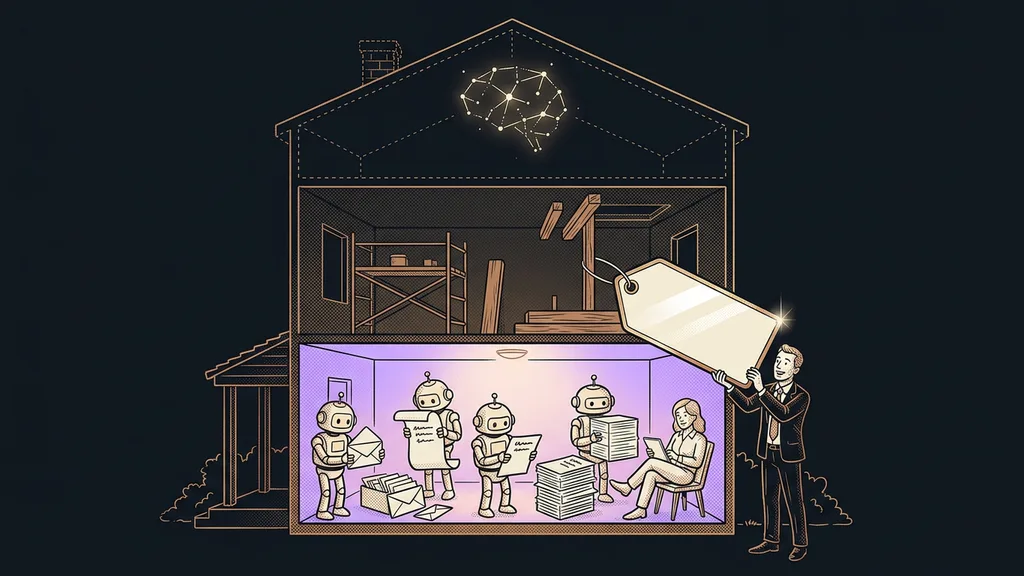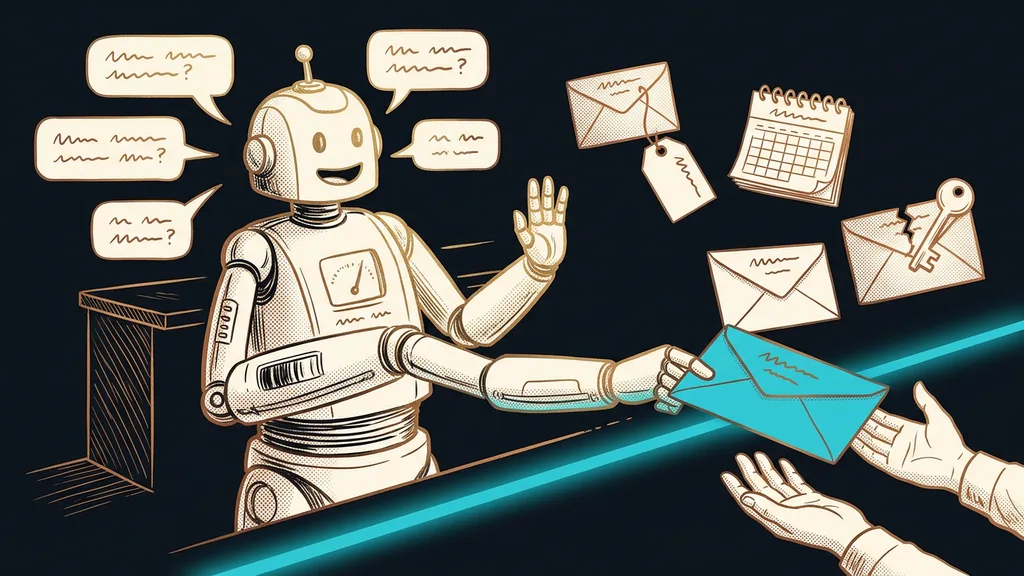
With a chatbot, the real question is where it should stop, more than whether to have one. A bot that answers questions about your opening hours won’t sink a business. The one that promises someone a deadline, a price, or an exception nobody meant seriously will. And that line won’t draw itself.
In consultations, I keep hearing the same sentence: “I’m afraid it’ll write something stupid to a customer.” It’s a legitimate worry, and the answer to it is a list rather than a smarter bot. A list written in advance, with two columns: what the bot is allowed to say, and what it passes on.
The line doesn’t run between easy and hard questions
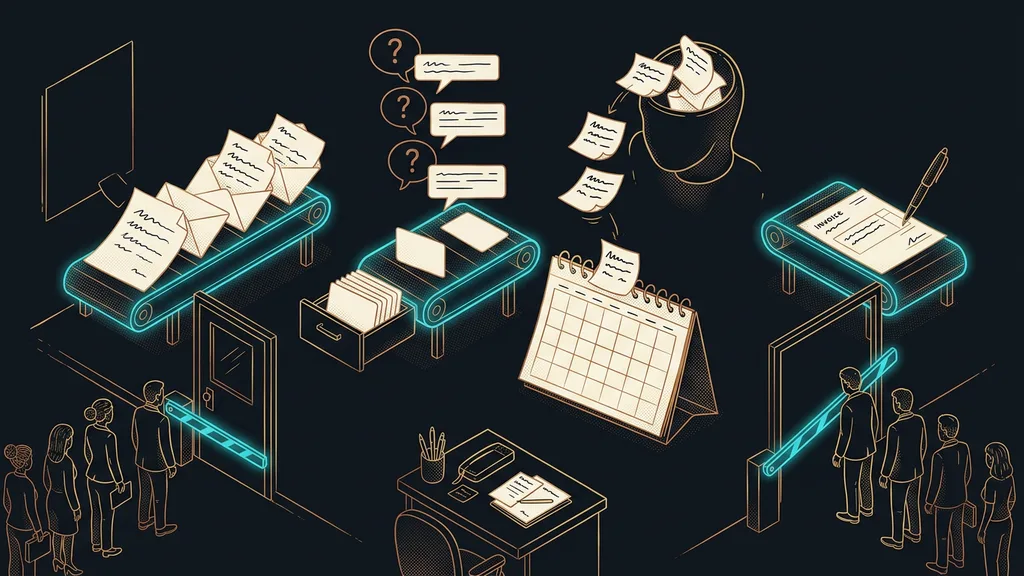
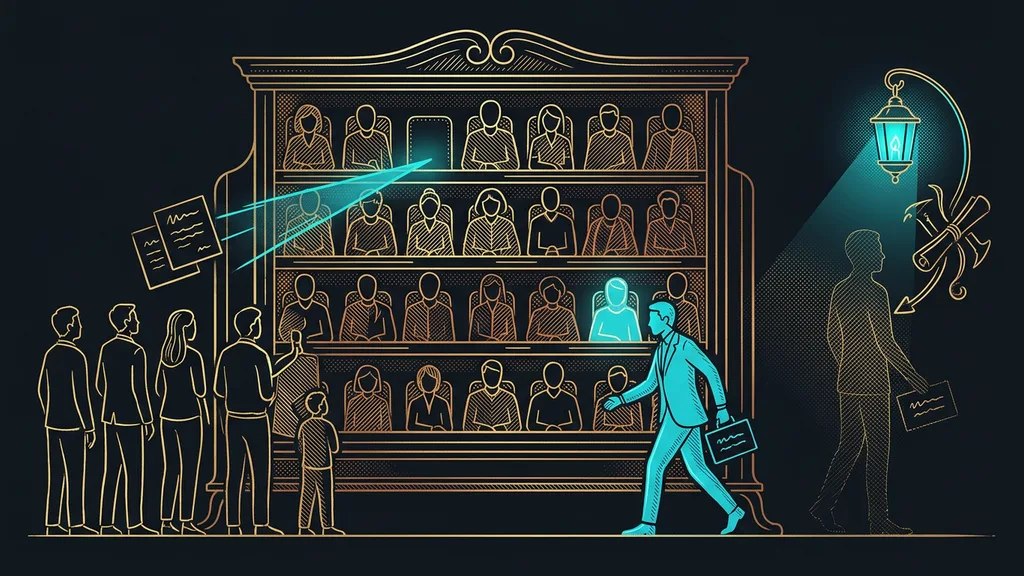
Most people picture the line by difficulty: the bot for simple questions, a human for complex ones. But difficulty is hard to measure, and the bot can’t recognize it on its own, so that road leads nowhere. The line lies elsewhere. On one side is everything you already have written down somewhere, and on the other is everything that needs a decision.
Human handoff (escalation)
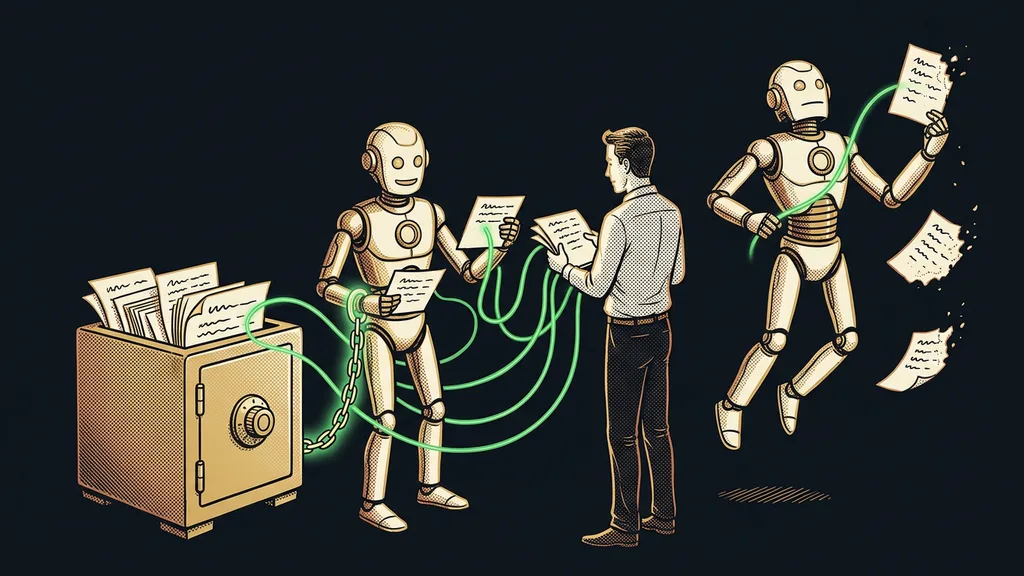
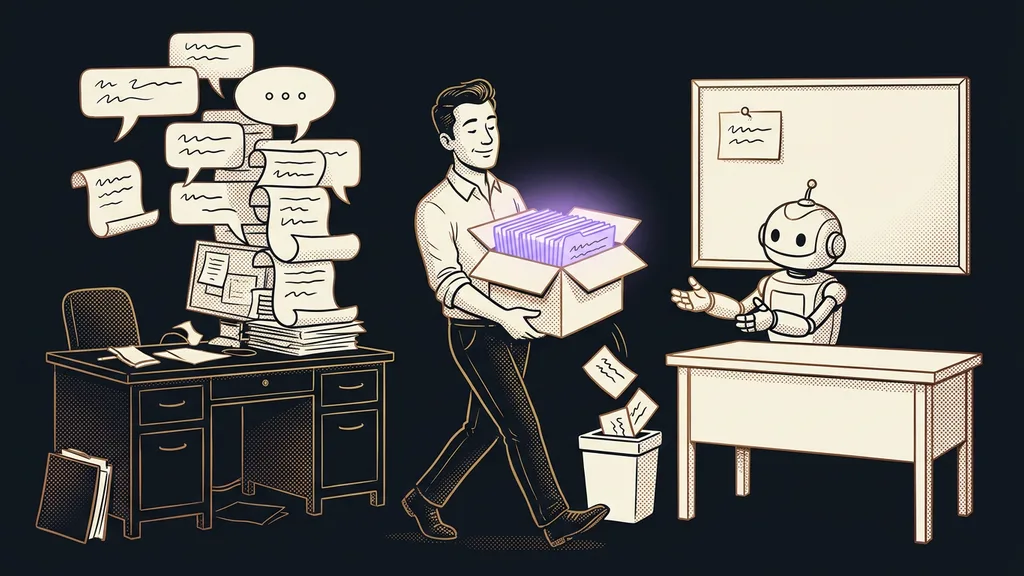
The moment a bot ends a conversation and passes it to a live person. In a well-built system, that’s a planned step, not a malfunction. It has its own rules and its own message for the customer, and the whole conversation so far gets handed over too, so the person doesn’t start from scratch.
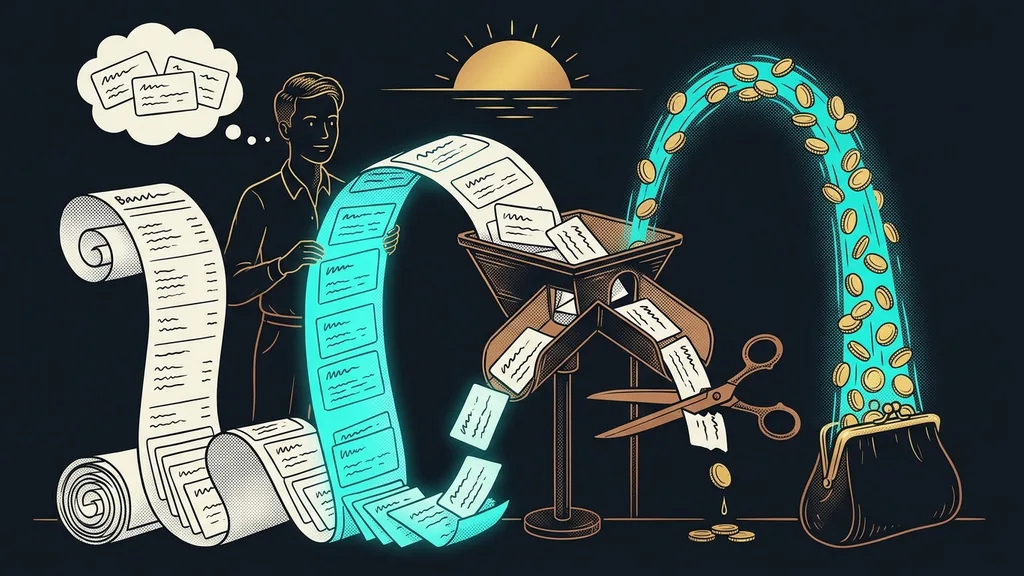
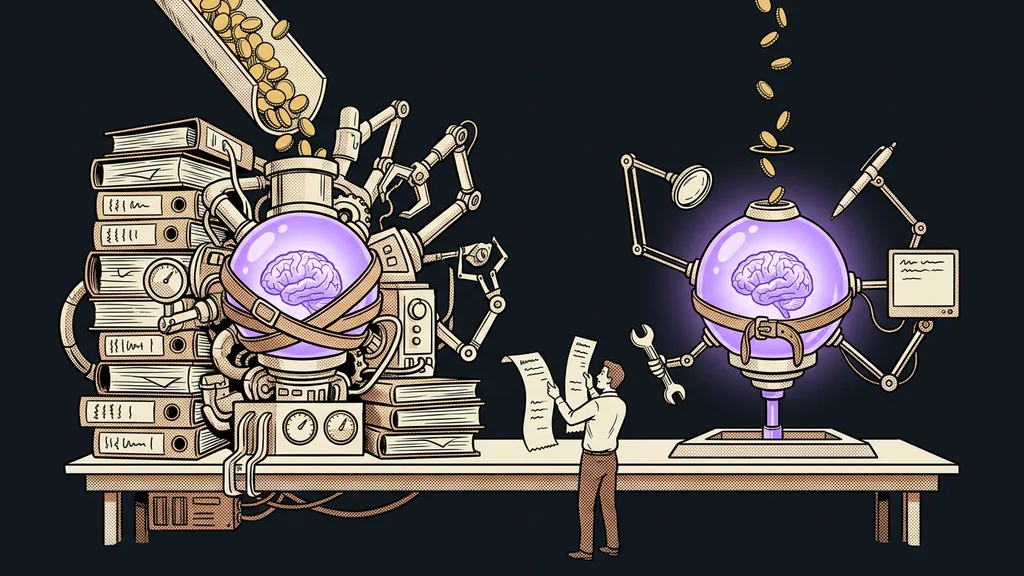
That’s why a well-built chatbot that learns from your own materials can handle more than you’d expect. Its answers come from your price list and your website instead of from thin air. Anything that isn’t in there is foreign territory to it from the start.
What a bot needs to recognize is a question it has no source material for. That’s the moment it should stop talking.
Three kinds of messages a bot never finishes on its own
Three groups of messages always belong to a human, even if the bot seems to cope with them. What connects them is the consequence they leave behind, not their difficulty. The first is money and commitments: a discount, a delivery date, a cancellation, or an exception to the terms. A promise written by a bot is still your company’s promise, and the customer will take it exactly that way.
The second group is messages with emotion in them. A complaint, disappointment, something that went wrong. A quick factual answer is worse here than a slow human one. The person writing wants to be taken seriously more than they want information, and a bot can’t help with that.
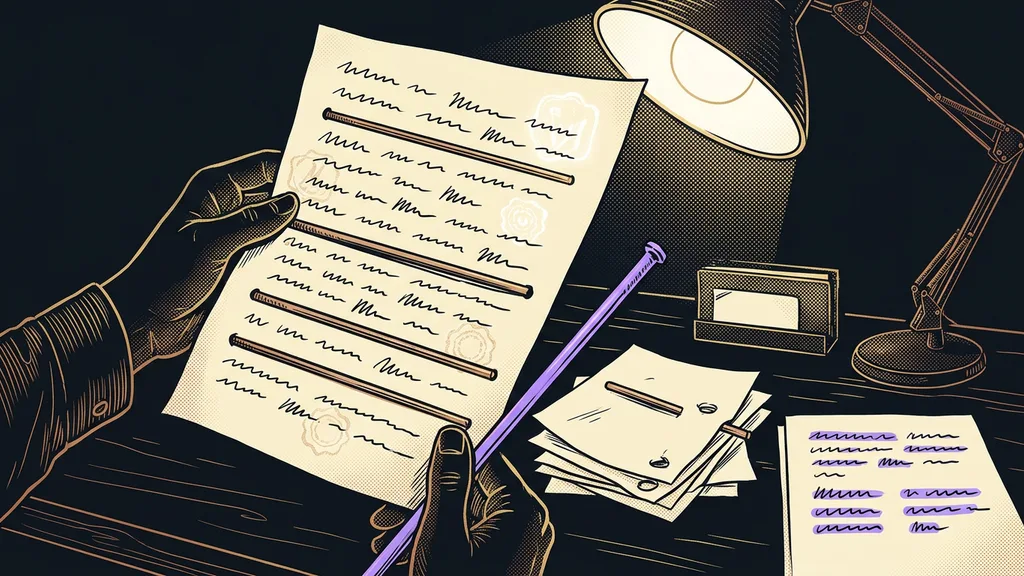
The third group is the most treacherous, because you only spot it in hindsight. These are questions about things you don’t have written down anywhere. The bot will answer them fluently and convincingly, but the answer may not be true. Here it should hand off instead of filling in the gaps.
How to set the line
You set the line with a list, not a guess. You write down what the bot is allowed to talk about, and it passes everything else on automatically. It sounds like extra work, but it’s the cheapest hour you’ll put into the whole thing.
Knowledge base
The collection of materials a chatbot answers from: your price list, service descriptions, frequent questions, and procedures. The bot sticks to it rather than improvising around it. That’s why the line between an automatic and a human answer is set mainly here. Whatever isn’t in the knowledge base, the bot has no way of knowing, so it has to pass it on.
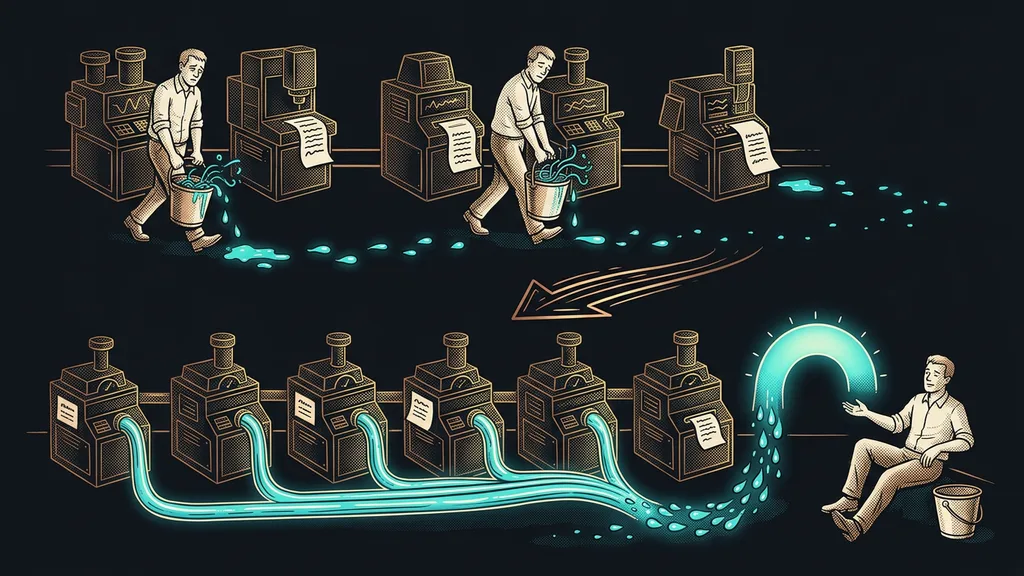
But someone has to keep that list up to date. If you change your price list and nobody updates the knowledge base, the bot will calmly keep answering with last year’s numbers. Maintenance belongs in the system from day one, not after the first complaint.
The second rule is about uncertainty. The bot should be able to stop before it starts guessing, and say so out loud. An assistant that checks its own work is always more useful than one that sounds confident every single time.
And the third thing is the rollout order. You don’t let the bot go live on day one. At first, it only prepares draft replies and a person approves them, so for a week you can see where it gets things wrong. Only then do you hand it the questions it got right every time. One more obligation comes with it: since August 2026, under the EU AI Act, customers must know they’re chatting with artificial intelligence.
One-minute self-test
Take the last twenty messages from customers and sort them into two piles. One holds the ones you answer from your price list and website. The other holds the ones where you have to make a decision. The first pile is exactly what a bot can handle, and the second stays with you.
You can overdo it either way
You can set the line too high or too low, and both mistakes cost you something. When the bot hands off absolutely everything, the customer answers the same thing twice and the benefit is zero. People make this mistake out of caution, and after a few weeks the business concludes that chatbots don’t work.
The opposite mistake is worse. A bot you’ve trusted with more than it can carry writes a promise nobody thought through. The customer takes it as the company’s word, and rightly so, because the company is responsible for a message it sent, whatever tool wrote it.
And then there’s the detail where things most often grind: what the handoff looks like from the outside. When the person taking over opens with “Hello, how can I help you?”, the customer has just discovered they spent the first five minutes typing into a wall. Whoever takes over the conversation has to get all of it and pick up where it left off instead of starting over from the greeting.
Who a bot doesn’t pay off for
Some businesses won’t get anything out of a bot at all. If you get a few messages a week and each one is different, you’ll spend more time writing source material than the bot will save you. What decides it is how many times a week you answer the same thing, not your field.
The second case is a field where almost every answer is an expert’s decision. A consultant, an architect, a lawyer. There, a bot can book a meeting and say what to prepare, and that’s as far as it goes. Even that makes sense; it’s just that nobody should call it customer support.
The whole line in a nutshell
- Split messages into those answered from your materials and those that require a decision.
- The bot gets only the first group. It passes everything else on automatically.
- Money, commitments, emotions, and things that aren’t written down anywhere always belong to a human.
- At first, the bot only drafts and you approve. It runs on its own only once it gets things right every time.
- At handoff, the whole conversation goes to the person too, so the customer doesn’t have to repeat anything.
“I’m afraid it’ll write something stupid to a customer.” That worry from the first consultation is legitimate. It’s just aimed at the wrong place. What makes a bot dangerous is that nobody told it when to keep quiet, and not knowing something is a far smaller risk. Write that two-column list, and you’ve done most of the work. After that, nobody at your company has to sit around answering questions about opening hours.