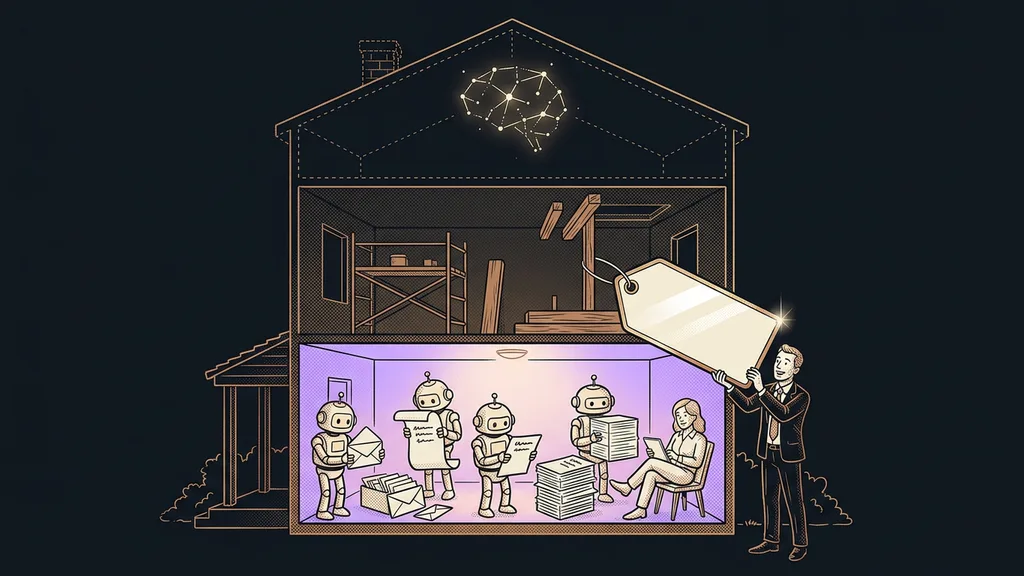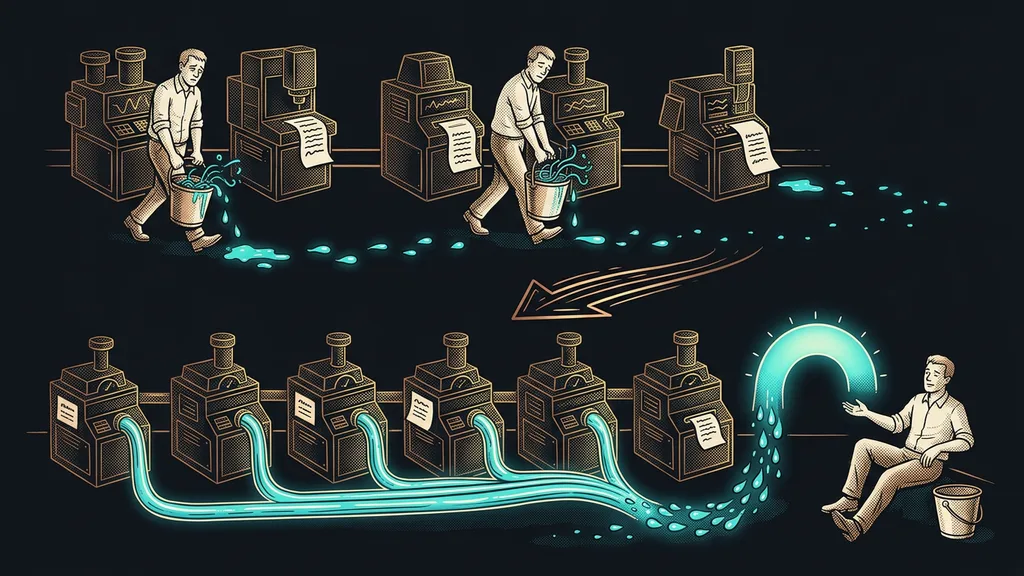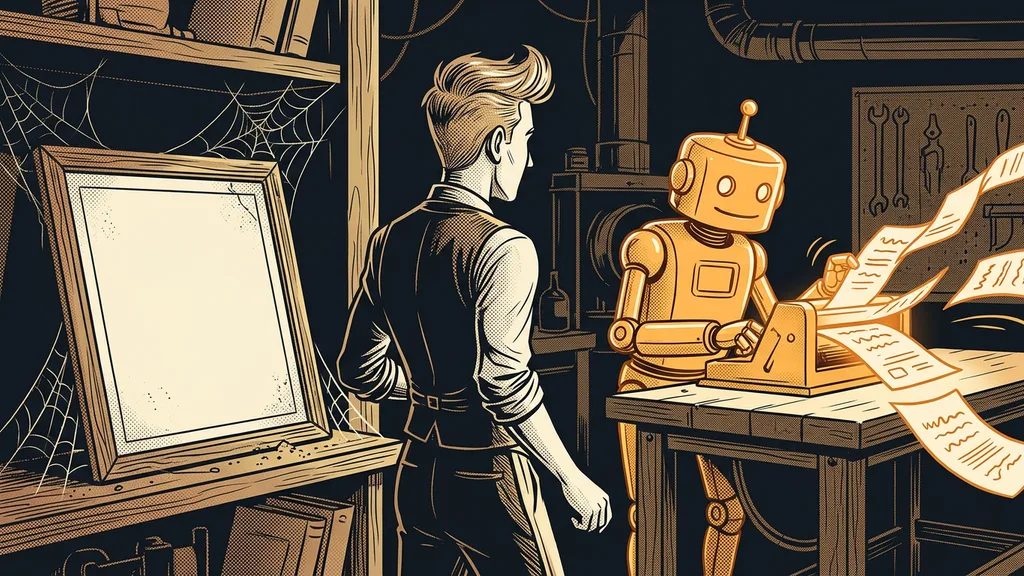
Website chatbots can talk these days, but most of them know nothing. They answer kindly, vaguely, and beside the point. A customer asks how much it would cost for two people on a weekend and gets a paragraph about how much the company values their interest. Then they close the window and go elsewhere.
I hear it over and over in consultations: “We tried a chatbot, but it answered like a brochure, so we switched it off after a month.” Most of the time, though, the bot wasn’t the problem. Nobody had given it anything to read about what the business actually sells.
Well-read beats smart
What separates a useful bot from an embarrassing one is what it was allowed to read, not the technology. Every bot is smart these days. The difference is whether it knows your prices, your terms, and the objections you usually hear, or makes do with whatever it read on the internet.
Knowledge base
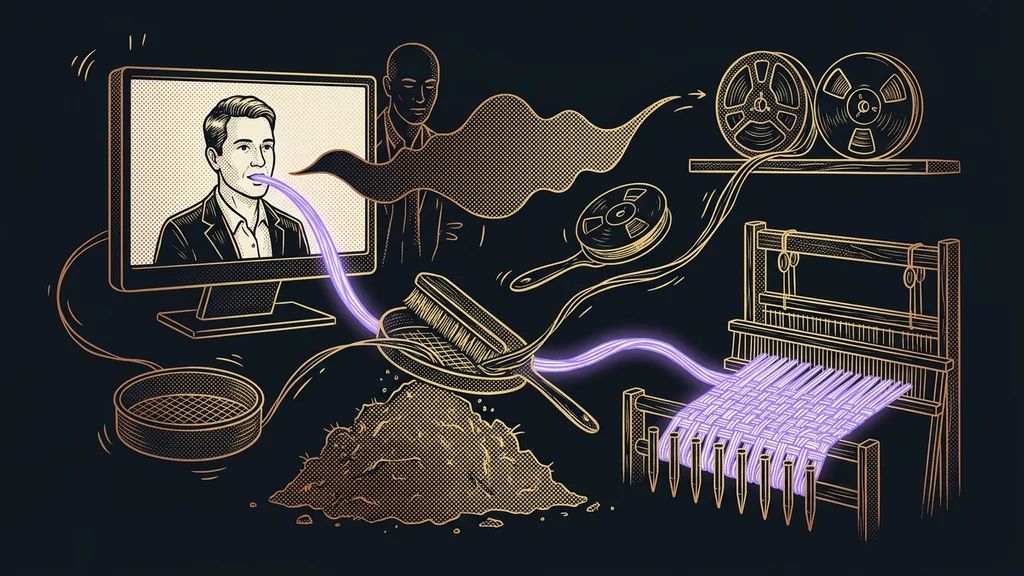
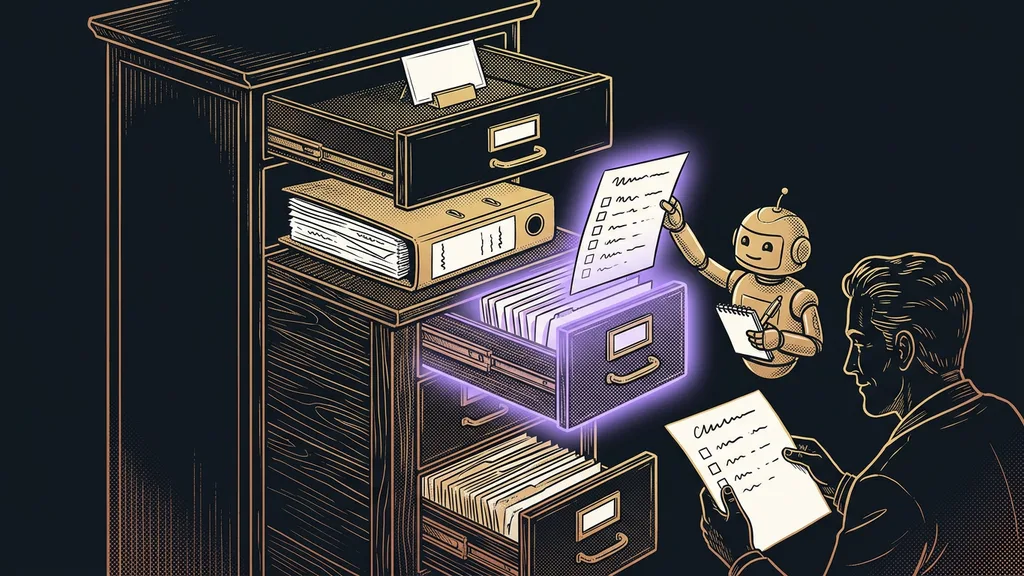
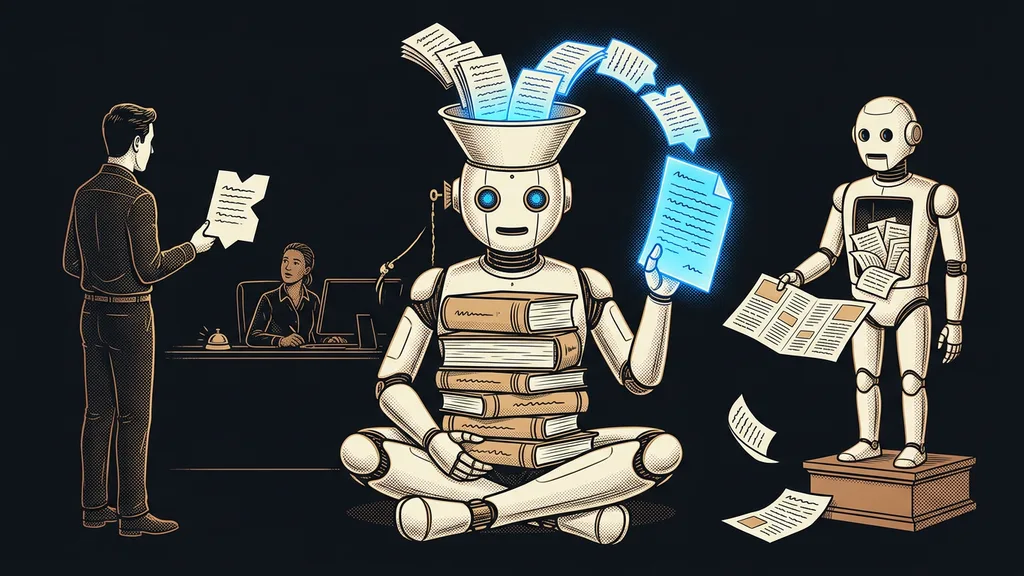
A set of your own documents the bot takes its answers from. It’s a library the bot is allowed to quote from, not its memory or its opinion. Whatever isn’t in it, the bot stays quiet about, and that’s exactly why you can trust its answers.
This approach also deals with the biggest fear about machines that make things up. A bot built on your own library has nowhere to get its fantasies from. Either the answer is in the documents, or it admits it doesn’t have one.
Forget clever. A good bot knows your documents inside out and stays quiet about everything else.
Six documents the client usually already has
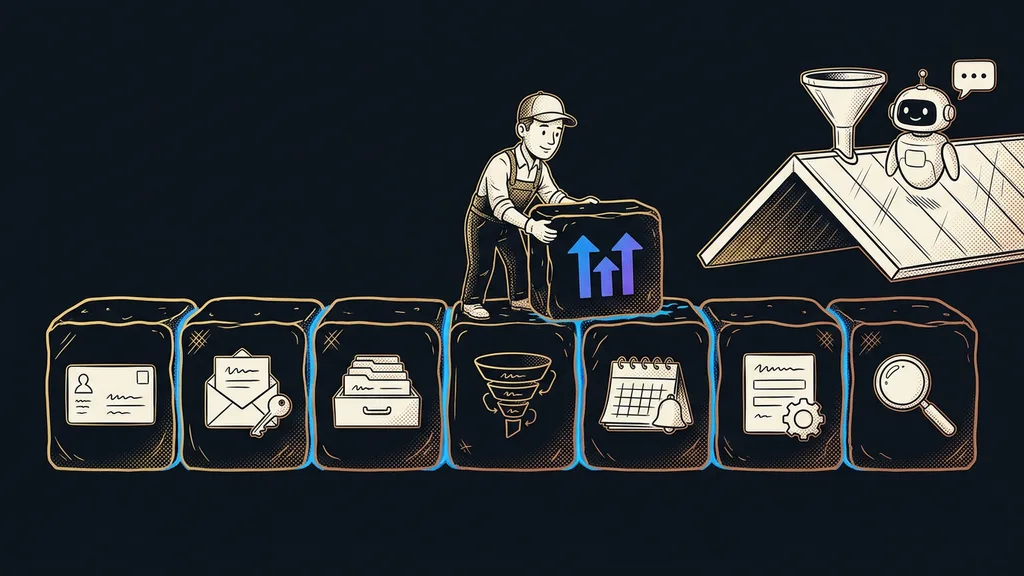
The last sales bot I built rests on six documents. I didn’t invent a single one of them; the client already had them all. The only difference was that until then, each one lived somewhere else.
Together they answer four questions:
- What the bot knows. The price list, terms and conditions, and service description: the hard facts.
- How it talks. A short guide to tone, how to address people, and what to avoid.
- What it says to the questions everyone asks. Ready-made answers to the most frequent questions.
- When to stop. Rules for when it hands the conversation to a live person.
Gathering these materials usually takes longer than the build itself. And it’s time well spent, because the rest of the business benefits too. For the first time, what you actually sell and at what price is written down in one place.
A bot is only as good as your documents
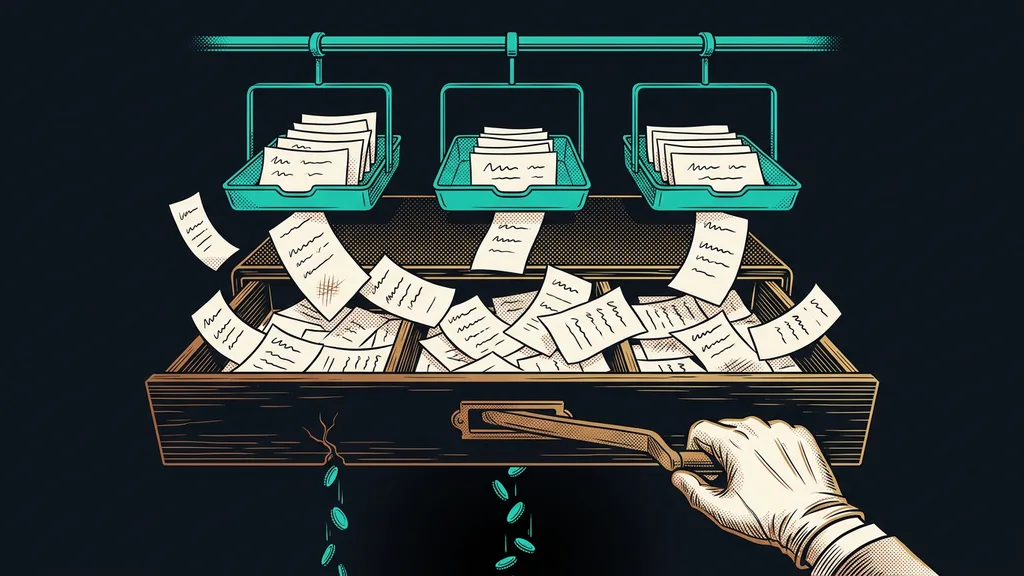
The weakness of this setup is the same as its strength. When the price list is out of date, the bot recites it confidently, mistake and all. It won’t warn you that something has changed, because it has no way of knowing.
The second thing only shows up in the first conversations. The most valuable answers tend to be the ones nobody ever wrote down, the things you say on the phone: why it’s worth it, who it isn’t for, and what to do when the customer isn’t sure. Those are exactly the sentences you add to a maintained answer library over time, based on what people actually ask.
One-minute self-test
Write down three questions your customers ask you every week. Then try to answer them using only what you have written down somewhere, not from memory. Whatever you can’t find, the bot won’t find either, no matter how good the bot is.
The most important sentence: a colleague will take it from here
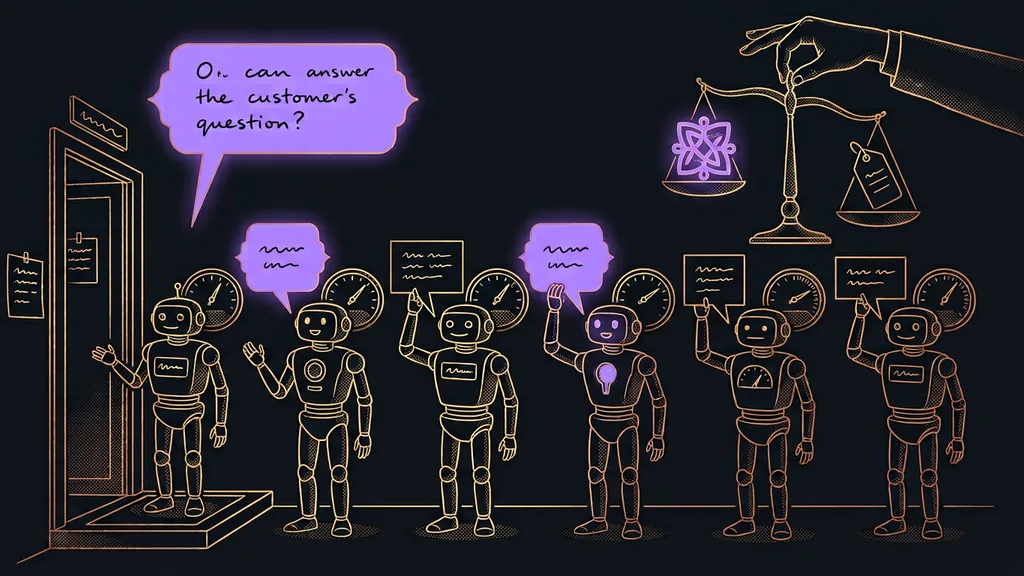
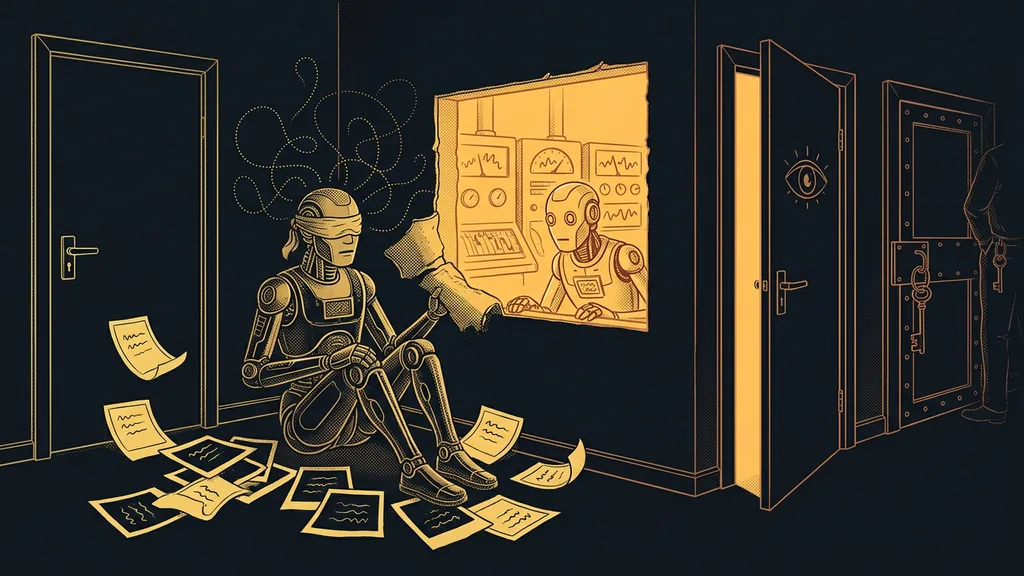
You recognize a good sales bot by when it stops, not by how nicely it writes. It can say it doesn’t have an answer to this question and pass it on. Most embarrassing bots fail exactly here, because instead of admitting it, they try to talk their way around it.
Human handoff
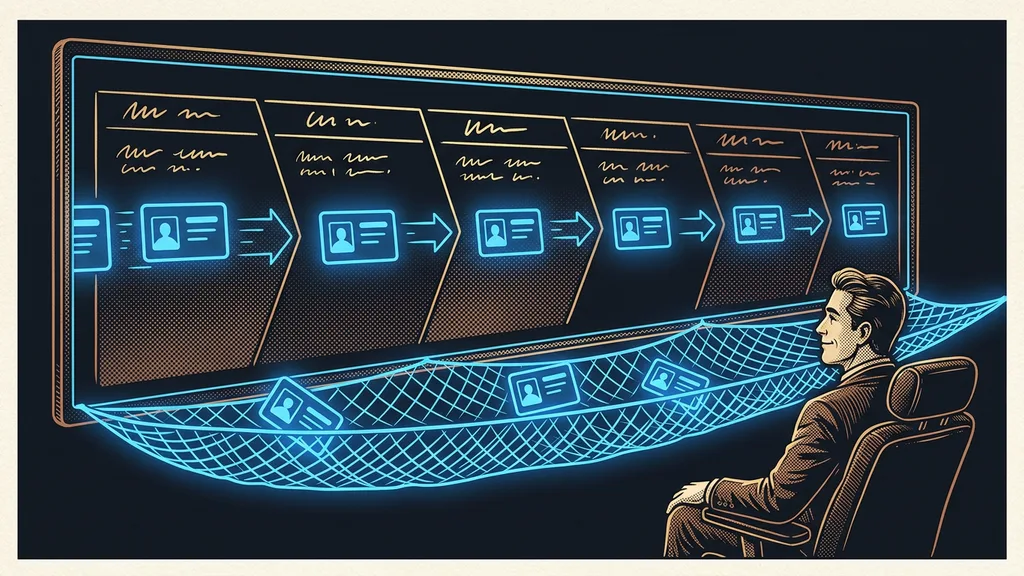
A rule agreed in advance for when the bot stops answering and a specific person takes over the conversation. Three things trigger it: a question outside the knowledge base, a customer asking to talk to a real person, and a set amount of time with the conversation going nowhere. The handoff goes to a name and an address, never to a general inbox nobody checks.
You can’t brush this off with “write to our support team.” The handoff has to end with a specific person, within the time you agreed on. Otherwise the customer is left hanging, and the bot politely wishes them a nice day on top of it. Inside a single chatbot brain that covers every channel, this takes a few minutes to set up, but it decides the whole impression.
It’s also worth reviewing the handoffs now and then. The points where the bot most often passes a conversation to a person show you exactly what customers are missing. With my clients, it’s usually the reassurance that things will turn out well with them, and almost never the price.
When a sales bot isn’t worth it
This isn’t for you if you get two inquiries a week and can handle both from your phone. A bot will bring you nothing but upkeep. It starts to pay off once the same questions repeat, come in during evenings and weekends, and take up an hour of someone’s day.
I also don’t build one where the offer changes every week and nobody writes it down. A bot can’t be more up to date than your documents. And one more thing I tell everyone: the bot isn’t the only thing that has to speak Czech. The whole environment does too, or it shows in the very first sentence.
The whole system in a nutshell
- Gather the documents you already have: price list, terms, service description, and FAQs.
- Add a short guide to how the bot should talk and what to avoid.
- Build a library from them that the bot may quote from, with no license to make anything up.
- Decide when it should stay quiet and exactly who, by name, it hands the conversation to.
- After the first conversations, write answers to whatever people asked that wasn’t covered anywhere.
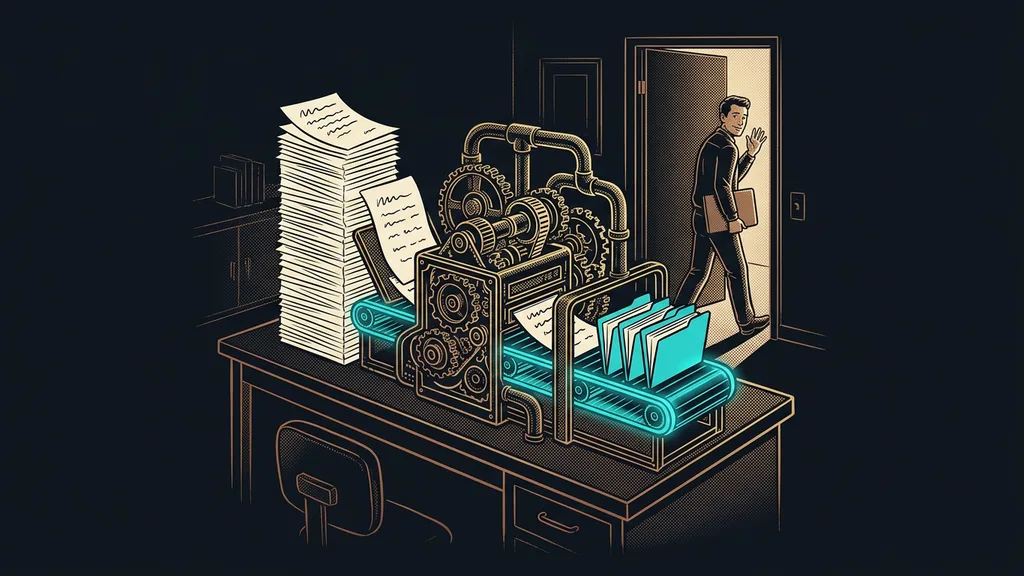
That bot that answered like a brochure wasn’t stupid. It just had nothing to read. A sales bot in the platform that runs your website and CRM earns its keep by answering, before morning, everything you’ve already written down a hundred times and handing the rest to you, not by talking on your behalf.