Construction isn’t only done with your hands. Every job comes with a pile of paper: the inquiry, the itemized estimate, material orders, minutes from site meetings, delivery notes, the handover report, and finally the invoice. Almost all of it gets done in the office, and almost all of it waits for someone who spends the whole day on site.
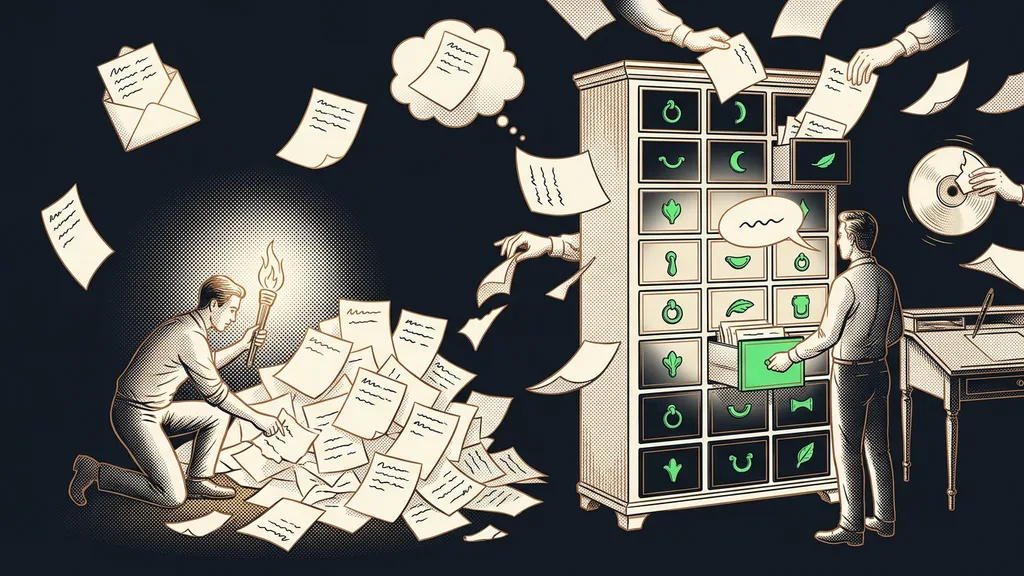
At construction firms, I keep seeing the same picture. The boss drives between three sites, with a shoebox full of delivery notes in the car and three chats with crew leads on the phone. The paperwork waits for Sunday. By Sunday, though, half of it is forgotten, and carelessness has nothing to do with it: nobody wrote it down at the moment it happened.
What slows a job down is the paperwork trailing behind it
The walls go up on schedule. The invoice goes out a month late, because supporting documents were missing that nobody had time to write up.
Paperwork lag
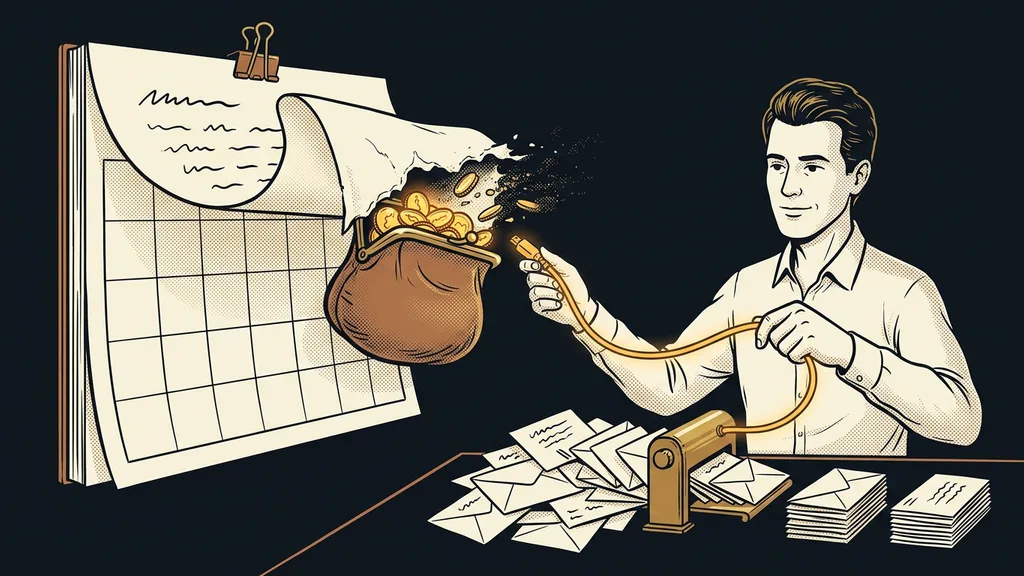
The time between something happening on site and it getting onto paper. Material arrives on Wednesday, the delivery note turns up in the truck cab on Friday, and it makes it into the budget three weeks later. The longer the lag, the harder it is to prove anything and the later you invoice.
Sitting longer on Sunday won’t shorten the paperwork lag. Only one thing will: creating the paperwork where the work happens. On site, that is, rather than in the office three days later. Then it’s just a matter of making it take a minute on site instead of half an hour.
On a building site, bad math won’t sink you. Having no proof of what was actually done will.
An inquiry form that asks what you need to know
Construction inquiries arrive as a single sentence. “We need our house insulated.” That tells you nothing about the scope, the timeline, or whether the person has plans. And calling back over three questions takes half a day, because you keep missing each other.
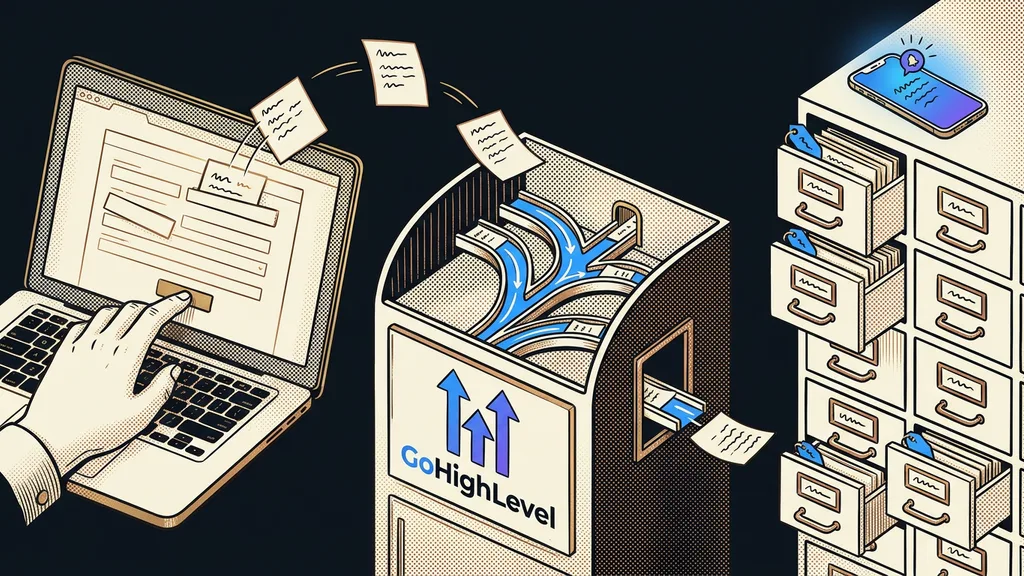
A short form that asks follow-up questions on its own and turns the answers straight into a brief flips that around. It asks about dimensions, floors, the condition of the surface, the timeline, and photos, and it also asks whether there are plans. By the time you get to the inquiry, you know whether the job is for you or for someone else.
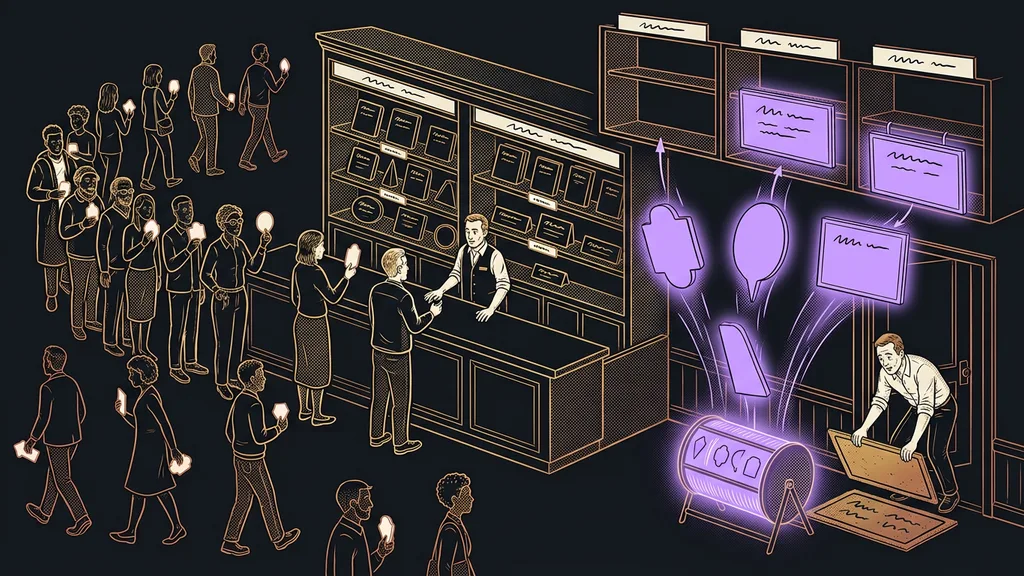
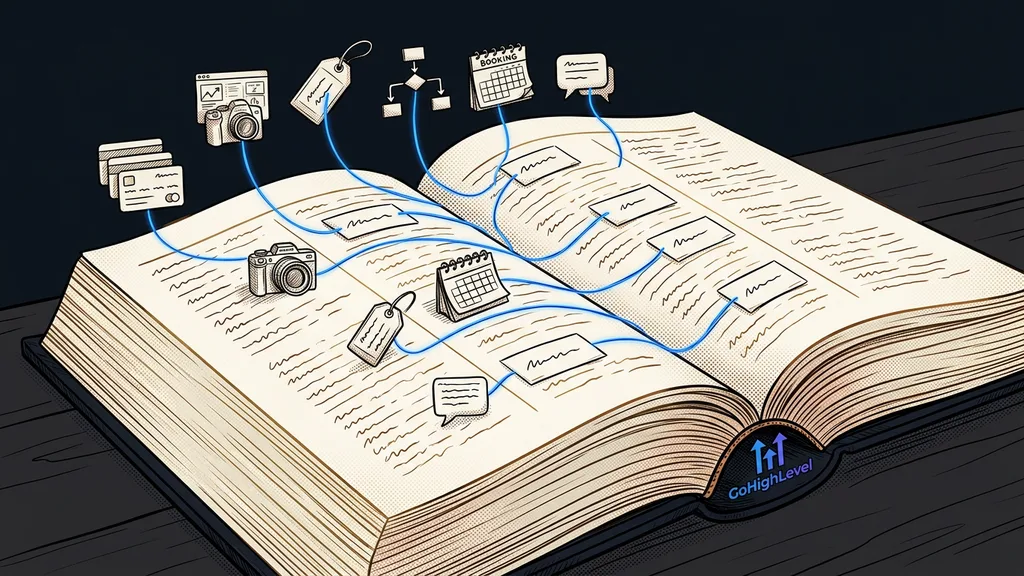
And because more inquiries come in than anyone can remember, each one gets its place in your sales pipeline. You can see which one is waiting for an estimate, which for the client’s decision, and which has been waiting on nothing for fourteen days.
An estimate that doesn’t start from a blank spreadsheet
One thing up front: nobody will calculate your item prices, labor hours, or margin for you. Only your company knows them, and it’s your money.
What you can hand off is everything around them. The brief and photos turn into an estimate outline: a list of the usual line items for that type of work, the questions you need to ask, and flags for what the photos can’t show. You fill in the numbers, but into a ready-made framework. Nobody does the math for you; you just never start from a blank page.
And the result doesn’t look like a spreadsheet from the last century. The quote goes to the client in your branding and with your logo, even if you started it from the car outside the site. On bigger jobs, that matters more than you’d expect.
One-minute self-test
Take your last three jobs and find, for each one, the date the inquiry came in and the date the quote went out. Then note how many of them you actually won. At the firms I go through this with, the gap is usually longer than the boss thought.
Site paperwork, finished while you’re still on site
Site meeting minutes, the handover report, and the list of extra work have one thing in common. They’re written by the person who was there, and the later that person sits down to write them, the worse they turn out.
Dictating into the system
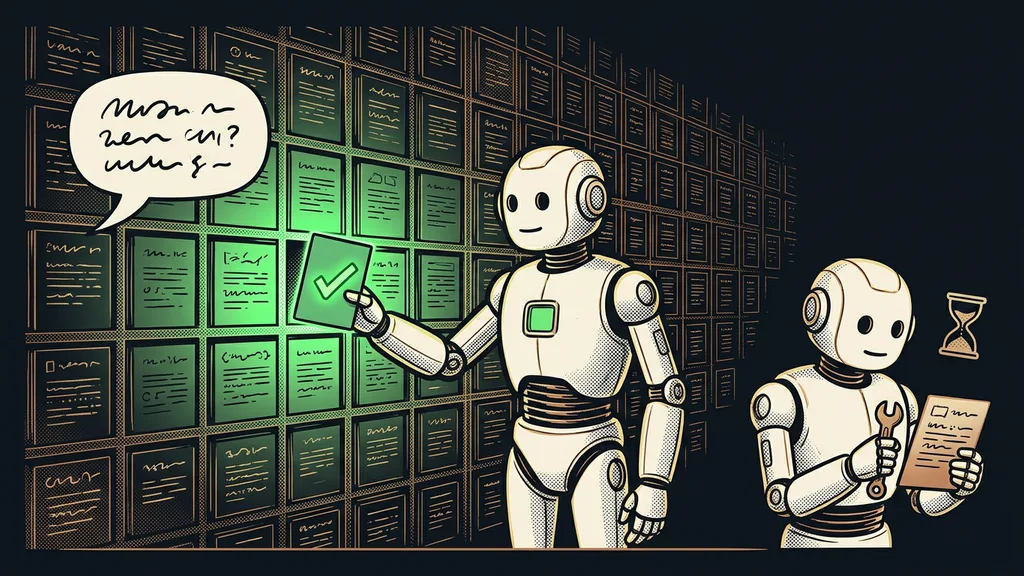
Spoken words that go straight into a finished document instead of ending up in your notes. You tell your phone what happened on site today, and the system builds a report with everything it should contain. You can’t type on a screen with concrete on your hands anyway, and you’ll dictate three sentences before you could unlock your laptop.
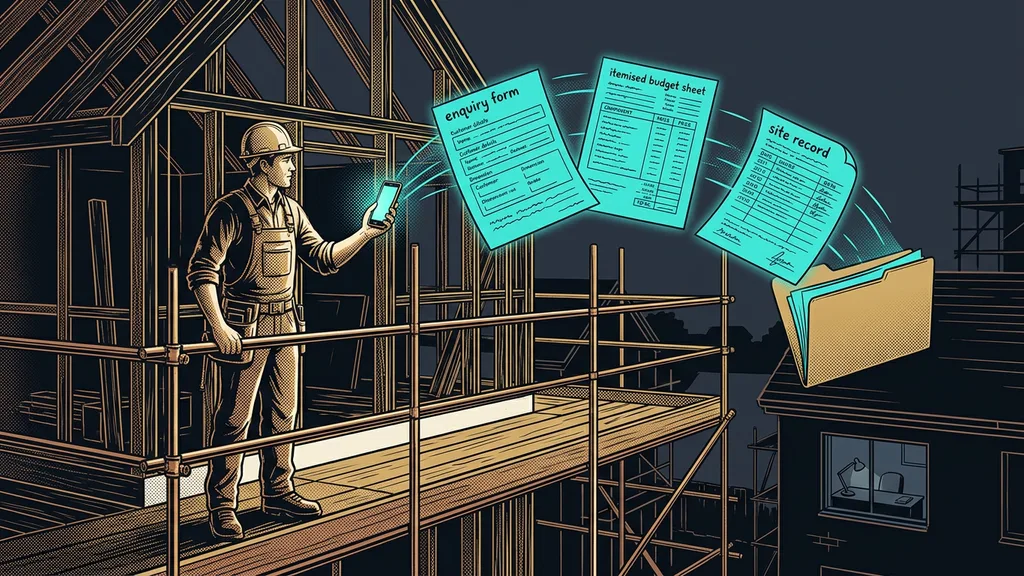
So you dictate what happened today, who was on site, what was delivered, and where the work stopped. Talking is faster than typing, and you read, correct, and send the report before you reach the next site. Nothing gets retyped a second time.
The same notes then become a document you can hand the client across the table. Reports, minutes, and lists all come out in your company branding, and nobody has to retype them into Word.
It pays off most with extra work. It gets agreed on site, in passing, and it’s the hardest thing of all to prove. When there’s a same-day record with a photo and a date, nobody argues about it three months later. The client remembers it differently from the crew, after all, and in a dispute, whoever has it on paper is right.
When it isn’t worth it for a construction firm
A firm that does two big jobs a year for a single developer won’t earn back the setup. There, an estimate is a month’s work, and the paperwork goes through the project architect anyway. A system will save a firm like that some communication at most, not the estimate itself.
It also won’t help where the rules are still being worked out. If you haven’t written down what belongs in your site meeting minutes, you have nothing to hand over to a system yet. And the decision whether to take a job, at what price, and with which crew stays with the person who has seen the site with their own eyes.
The whole system in a nutshell
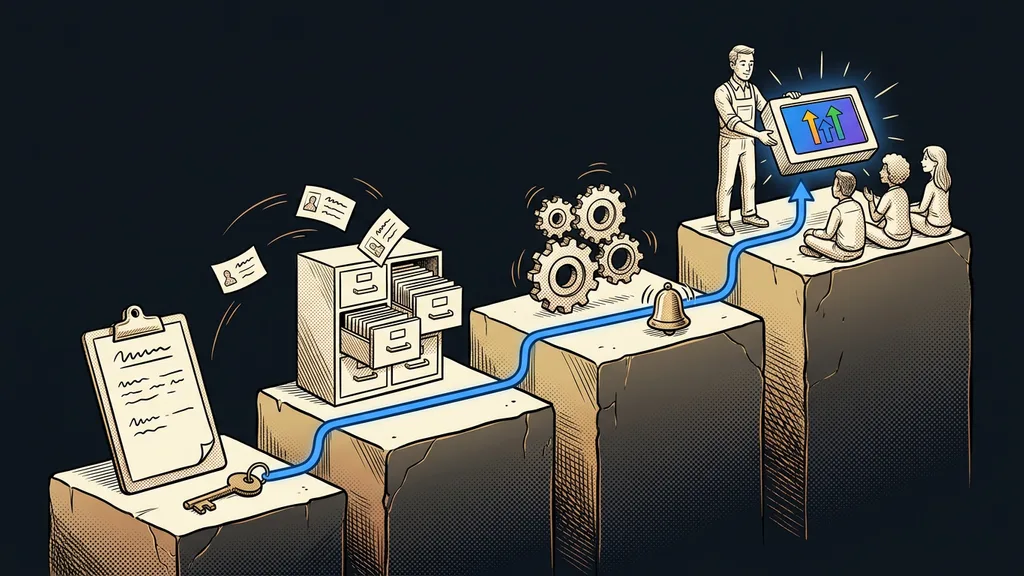
- The inquiry comes in through a form that asks about scope, timeline, and condition on its own.
- Every job has its place in the pipeline, so none of them gets forgotten.
- The brief and photos turn into an estimate outline, and you add the prices and hours.
- The quote goes out in your company branding, even from the car outside the site.
- Minutes, reports, and lists of extra work get dictated the same day, right on site.
That leaves the shoebox in the car. It won’t disappear completely, because delivery notes will stay on paper for a long time yet. What disappears is the Sunday spent digging out what happened three weeks ago. On a construction site, the paperwork that wins is the one that’s at hand on the day someone needs to rely on it, pretty or not.