End of the month. You open your invoicing tool with a vague feeling that something is still unpaid, but which invoice, from whom, and for how much, you can’t say off the top of your head. And in the back of your mind, a worse suspicion nags: a piece of work you did last week may never have been invoiced at all. Money you’re entitled to doesn’t vanish all at once this way. It drips away in amounts too small to mention on their own, and over a year it adds up to a decent sum. Yet you can hand off keeping an eye on that pile to a system and keep only the decision of who to write to, and when.
I know it firsthand. You finish a call, promise to send the invoice, and before you get to it, three other things come up. A month later, you notice that a client who was supposed to pay within fourteen days has been silent for five weeks, and you never even reminded them that something was overdue. They had every intention of paying. You both just let it slide.
Money slips away drop by drop
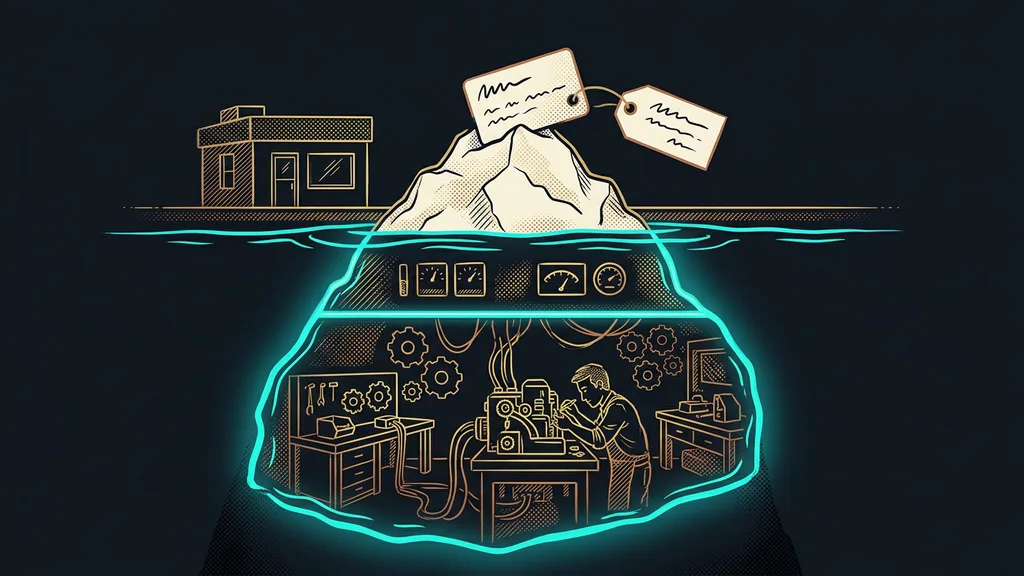
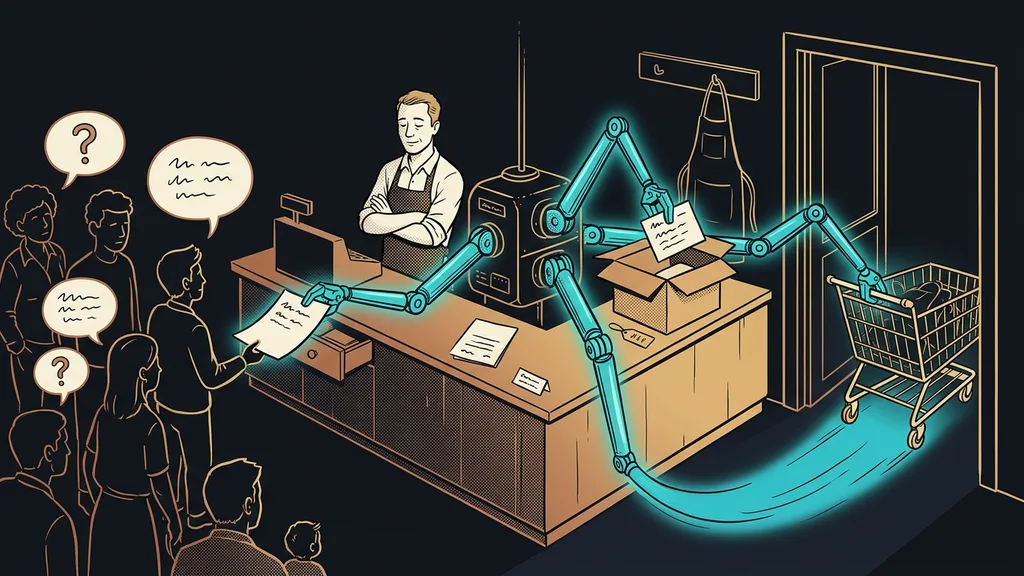
Everyone notices the big debtors. The small things are the treacherous ones. An extra half hour of work you promised and then forgot to add to the invoice. The overdue receivable you know about, but there just “hasn’t been time.” Or the invoice you issued and then, in the tangle of everything else, never checked to see whether the payment arrived.
Overdue receivable
Money someone owes you and should have paid already: an invoice whose due date has passed without the payment arriving. It won’t disappear on its own, and it won’t chase itself. As long as nobody keeps an eye on it, it sits quietly, waiting for you to remember it. Or not.
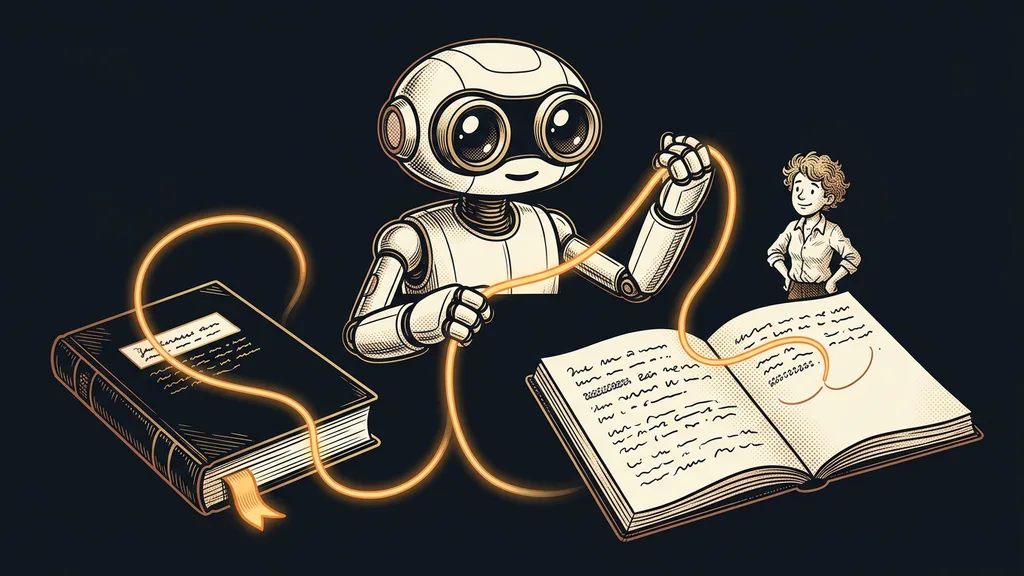
You do want the money. The problem is that the information is scattered: your invoicing tool says who owes what, your timesheet knows how much you actually worked for whom, and what you promised to whom lives in your call notes and in your head. Pulling it all together takes half an evening, so it simply doesn’t happen.
Most of the income you lose has nothing to do with bad pricing. It disappears because you forgot to invoice and sent the reminder too late.
The more clients, the more places to forget something
With one client, you can keep track in your head. With six, you can’t. Each has different payment terms, a different arrangement, a different rhythm. And every extra place you have to check is one more place where something can slip through. It grows quietly: the better business is going, the more money you have outstanding at any given time, and the more it costs not to have an overview of it.
One-minute self-test
Try answering right now, off the top of your head: how many unpaid invoices do you have outstanding, and what’s the total? And how many hours or tasks from the past month haven’t you turned into an invoice yet? If you’re not sure, that’s the tax on scattered information, and your memory has nothing to do with it.
The overview is instant, and you send the reminder
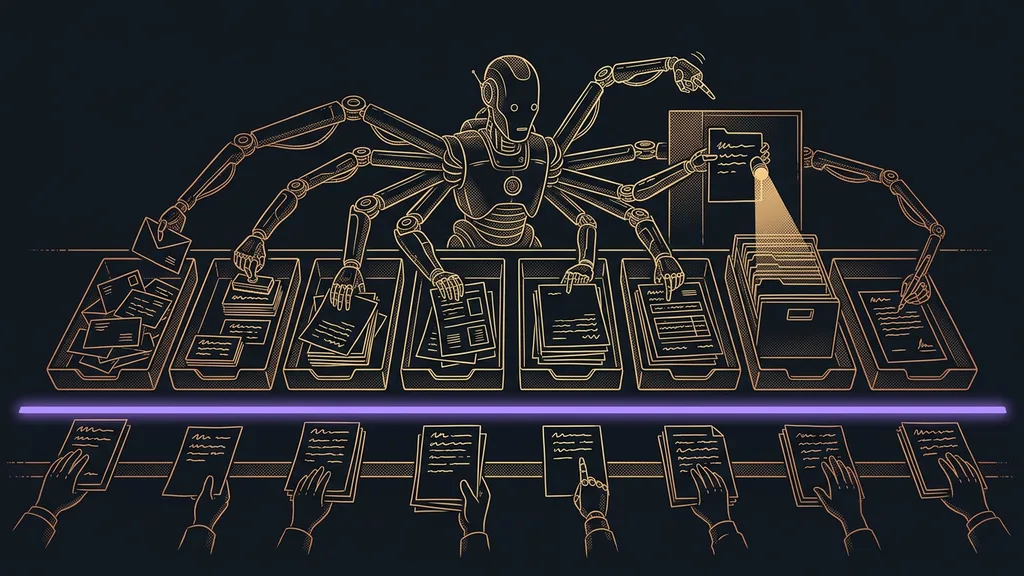
Faster clicking between tools didn’t save me. The turning point came when I stopped questioning invoices one by one and started asking a single sentence. I connected my invoicing tool to an AI that reads what’s been issued, what’s been paid, and what’s past due, matches that against my record of completed work, and answers what I need to know:
- who owes me, and how many days the invoice is overdue,
- what I haven’t invoiced: completed work that isn’t on any invoice yet,
- whose due date is coming up, so I send the reminder on time instead of late.
And this isn’t some spreadsheet I have to keep updating by hand. I ask in plain language and have the answer before I finish my coffee. When someone is overdue, the system drafts a payment reminder for me right away, with polite wording and the right recipient. I just read it and decide whether to nudge the client today or give them a few more days.
Safety catch
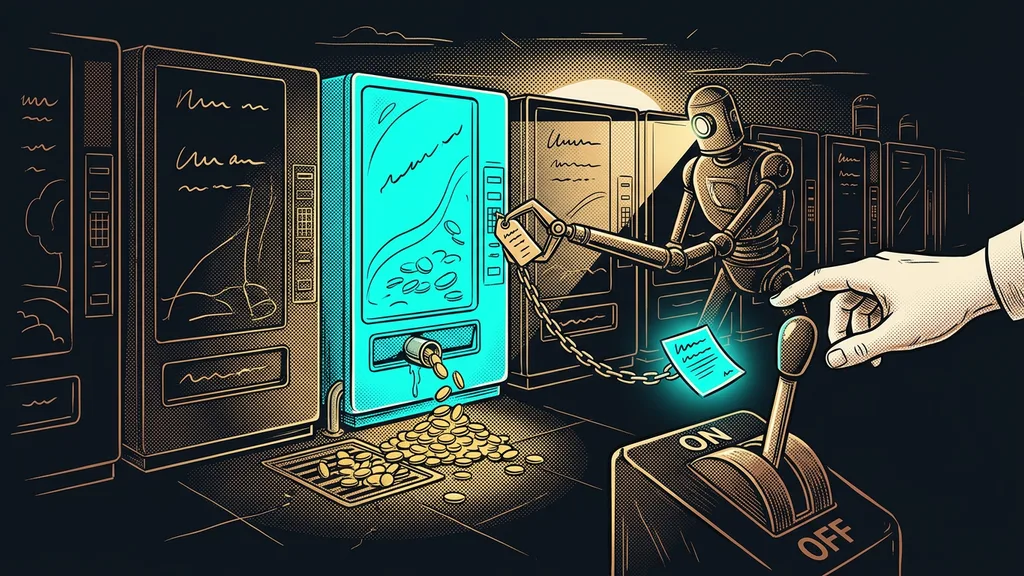
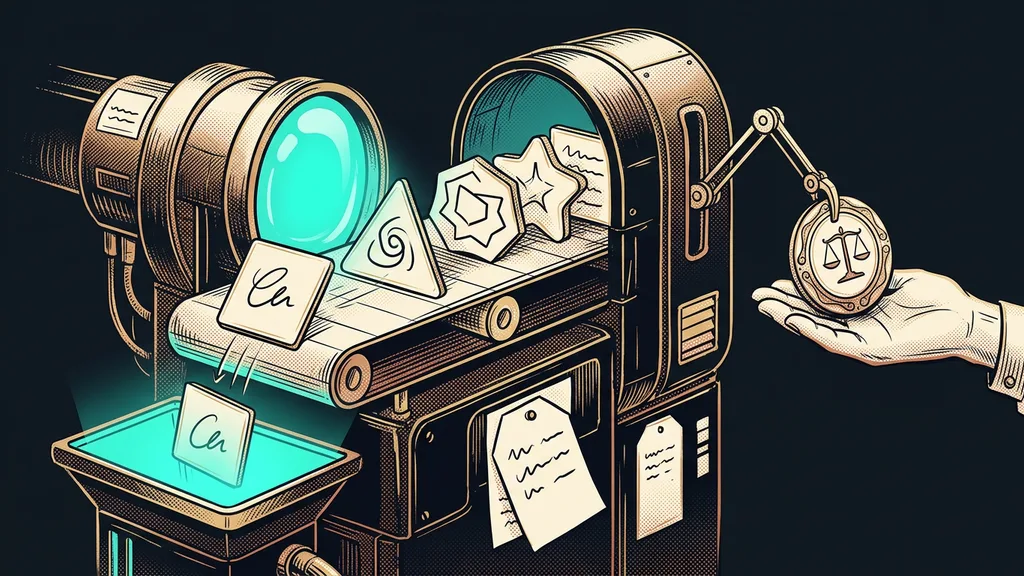
My AI never sends a client a reminder or an invoice on its own. It prepares everything as a draft: finished and waiting for my click. Deciding to contact a specific person about money is sensitive, and it stays with me. Nothing goes out without my say-so.
It’s the same principle I use for invoicing by voice and for the Czech invoicing bridge through FAPI (a Czech invoicing and payments tool): the system does the grunt work of preparing and keeping watch, and a person keeps the final say. The only difference is that here it’s about everything that comes after the invoice is issued: whether anyone paid it and whether you put everything you delivered on it in the first place.
Who it doesn’t pay off for
To be straight with you: if you send one or two invoices a month to one regular client, this system won’t help you. You can keep track in your head, and a plain spreadsheet is more than enough. It makes sense once you have several clients and different payment terms, and you invoice on an ongoing basis. That’s where you lose track, and money along with it. The more fragmented your business’s tech stack, the sooner it pays for itself.
The whole thing in a nutshell
- The AI is connected directly to your invoicing tool and sees what’s issued, paid, and overdue.
- It matches that against your record of completed work, so it also catches what you forgot to invoice.
- You ask in plain language, “who owes me,” “what haven’t I invoiced,” and get the answer right away.
- For overdue invoices, it drafts a payment reminder.
- Only a person can send it. The AI can’t reach that button.
It’s the end of the month again. I open the overview, but I no longer have to dig through my memory for what’s outstanding with whom. I see in one place who owes me and what I haven’t gotten around to sending yet. Because what costs you the most is the work you did and never invoiced, the stuff you never got to in all the rush, even more than an invoice someone doesn’t pay.