A finished video library stops at the language border. The content is shot, edited, and proven, but it only speaks one language. A prospect abroad gets it either with subtitles nobody reads or with a voice actor whose voice doesn’t match your face at all. And that’s exactly where most expansion gets stuck.
I know this from an instructor with online courses. For years she recorded her own voiceovers, because people played them mainly for her voice. When an English version was on the table, the first suggestion was to hire a voice actress. She listened to a sample and shook her head. It was a good voice. It just wasn’t hers.
Someone else’s voice throws away the most personal thing you have
The trouble with dubbing is the voice swap, not the translation. For a personal brand, your voice is the same as your logo: listeners recognize you by it before they see your name. Replacing it means starting from zero in the new language.
Subtitles don’t solve the problem. They only postpone it. Someone watching on their phone on the way to work won’t read subtitles and will close the video after half a minute.
A halfway solution is even worse. A stranger’s voice over your face creates a slight mismatch the viewer can’t name but can feel. The video then feels foreign because two things in it don’t fit together, not because of the language.
Dubbing and voiceover
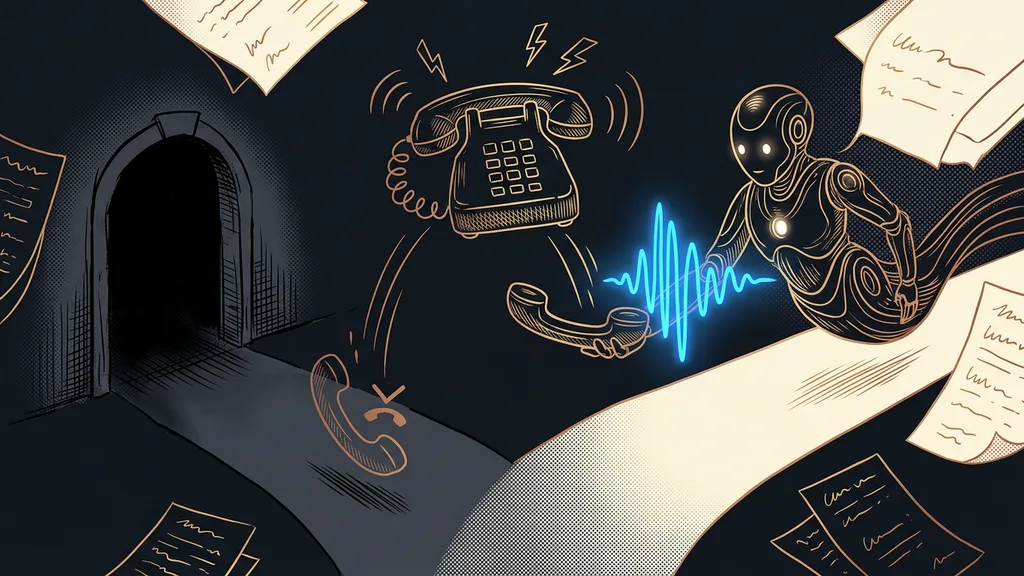
A voiceover means someone else reads the text again and a completely new recording is made. Dubbing works with yours: it takes the original track, translates it, and puts it back into the video in the same places. Even someone who has never thought about the technology will hear the difference.
You can translate everything. The voice is the only part of a video where the viewer instantly notices it isn’t you.
Your voice gets cloned from your own recording
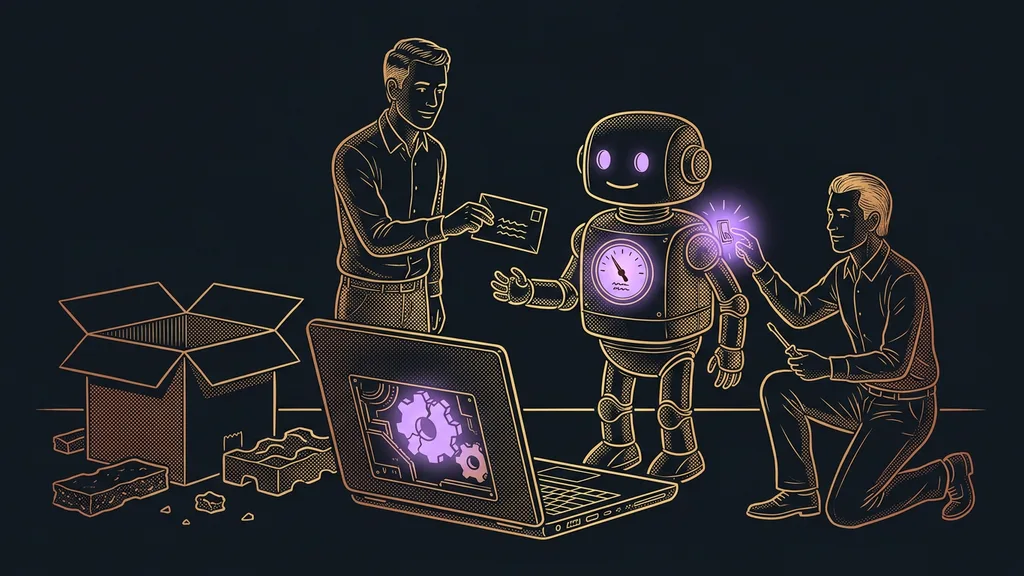
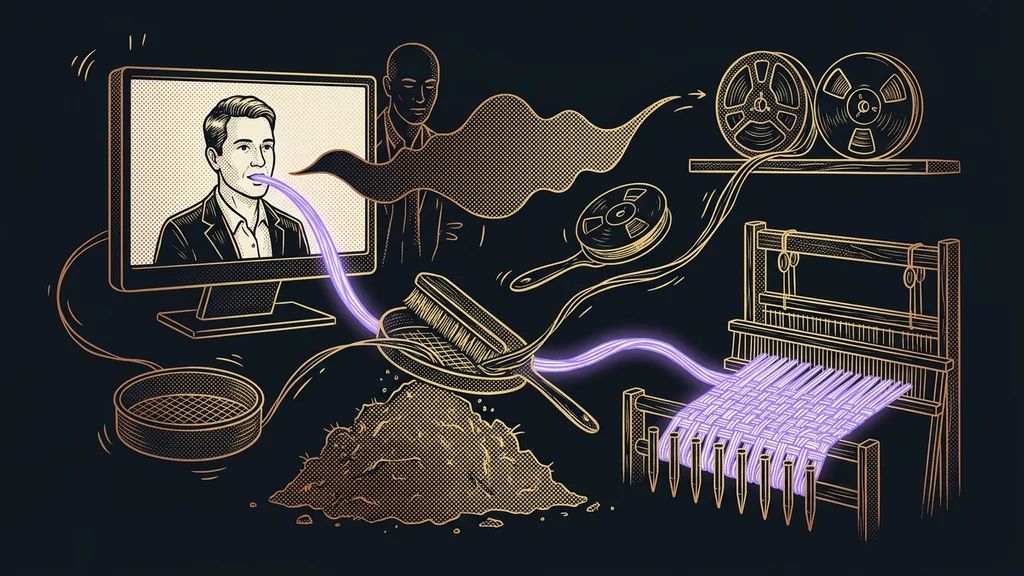
The solution isn’t to look for a similar-sounding voice actress. A model learns the tone, pace, and melody from recordings you already have, and reads the English text in that voice.
Choosing the source matters more than choosing the tool. A longer continuous stretch where you talk normally works best, without background music or a second person on the track. A recording you’d call boring yourself is the best one for a clone.
You don’t have to reshoot anything for it. For the instructor, part of her existing library was enough, so an extra hour at the microphone was off the table entirely. The same principle is behind the voice clone that reads your articles aloud, only there it’s text rather than video. When your videos are made inside one platform, dubbing can plug straight into the video generator, and you don’t have to move anything by hand.
Voice cloning
A model derives the tone, the pace, and the way you start your sentences from finished recordings, then reads any new text in that voice. The goal is for someone who knows you not to hear the difference, not a voice that’s merely similar.
Timing is anchored to pauses, not sentence length
This is where the quality of the whole dub is made or broken. An English sentence is usually a different length from the Czech one, so trying to match them length for length ends badly. Either the voice rushes to make it to the end, or it leaves dead air behind.
It works the other way around. The anchors are the pauses between sentences, not the sentences themselves. Breaths and silences stay where they were in the original, and each sentence fits into the space between them at its own pace. The listener doesn’t register it consciously. All they notice is that nothing distracts them.
You hear it mostly in longer recordings. In a 30-second clip, almost anything gets by. In a 20-minute lesson, sloppy timing adds up, and the listener gradually loses patience, even if they couldn’t tell you why.
One-minute listening test
Play 30 seconds of the finished dub without looking at the picture. Listen for just two things: whether the voice rushes anywhere to make it to the end of a sentence, and whether natural silence remains between sentences. If both pass, it will hold up even in an hour-long recording.
Cleaning up the audio ends up eating the most work
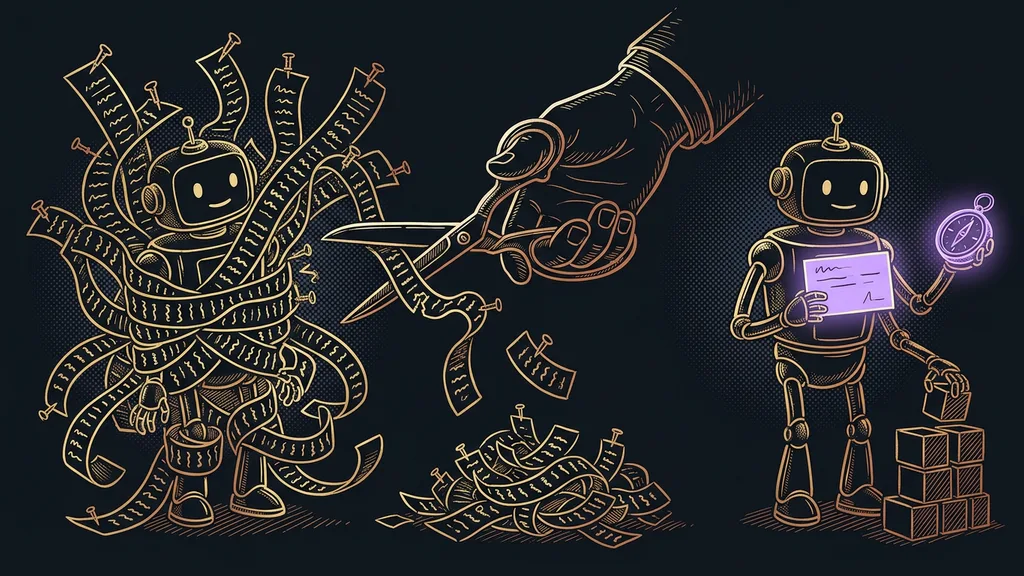
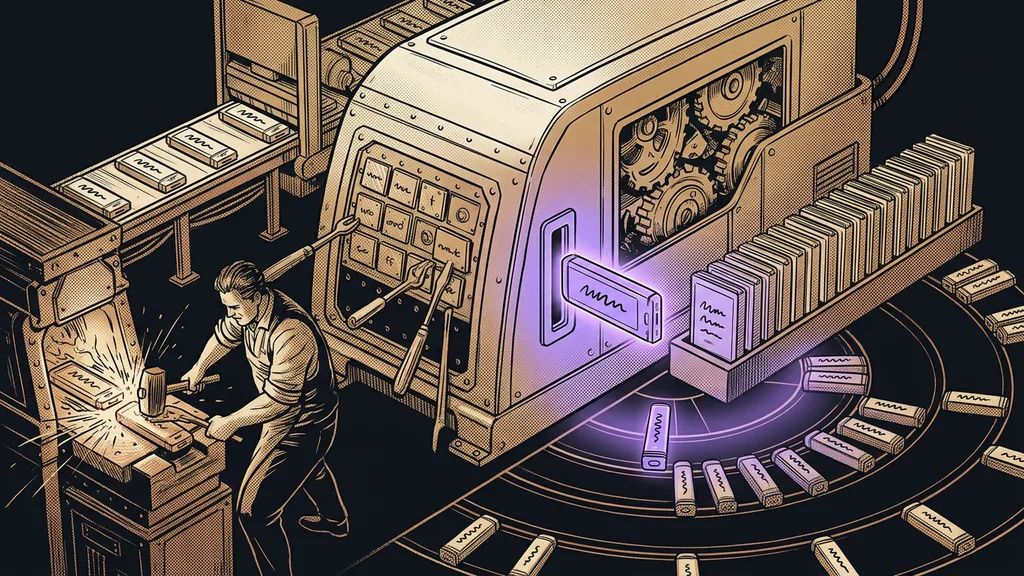
The most boring part eats the biggest share of the time. Clicks, harsh breaths, and hissy sentence starts get mixed into the finished track. Those are exactly what make a good recording sound amateurish.
There’s nothing clever about it. It’s a repetitive manual chore nobody wants to do across a library of dozens of recordings, which is why a system took it over. Video editing that AI does for you follows the same logic. The mechanical layer goes away, and you’re left with listening and approving.
Cost is worth considering too. ElevenLabs has a free plan with 10,000 credits and a cheapest paid plan at $6 a month, as I checked in its price list on September 19, 2026. The catch is elsewhere, though: regenerating the same sentence costs the full price again. So it pays to have the text finished and approved before you start generating. Czech tends to be the weaker side of these tools, so it’s worth checking which tools actually handle Czech before you look at the price list.
Who dubbing in your own voice doesn’t pay off for
This isn’t for everyone. If you make two videos a year, subtitles and peace of mind come out cheaper. It only makes sense for a library that already exists and would be a shame to leave sitting idle.
It also doesn’t pay off where the original audio is worthless. From a recording with street noise in the background, you get street noise back, just in English. And with heavily improvised content where two people talk over each other, it’s more honest to reshoot the foreign-language version. Choosing a specific tool is secondary after that. Comparisons of voice and dubbing tools change every three months anyway.
The process in a nutshell
- Pick recordings with clean audio and your normal way of speaking.
- The clone of your voice learns from them.
- The text gets translated, and a native speaker reviews it before anything is generated.
- The voice goes back into the video, anchored to the pauses between sentences.
- The track gets cleaned of clicks and harsh breaths.
- You listen to the result, and only then does it go out.
Think back to that instructor who shook her head at the hired voice actress. It was a good voice. It just wasn’t hers. A translation wasn’t what she was missing. She was missing the voice that belongs to those videos. The mark of good dubbing is a viewer who never even starts wondering who’s talking, not how faithfully it translated.