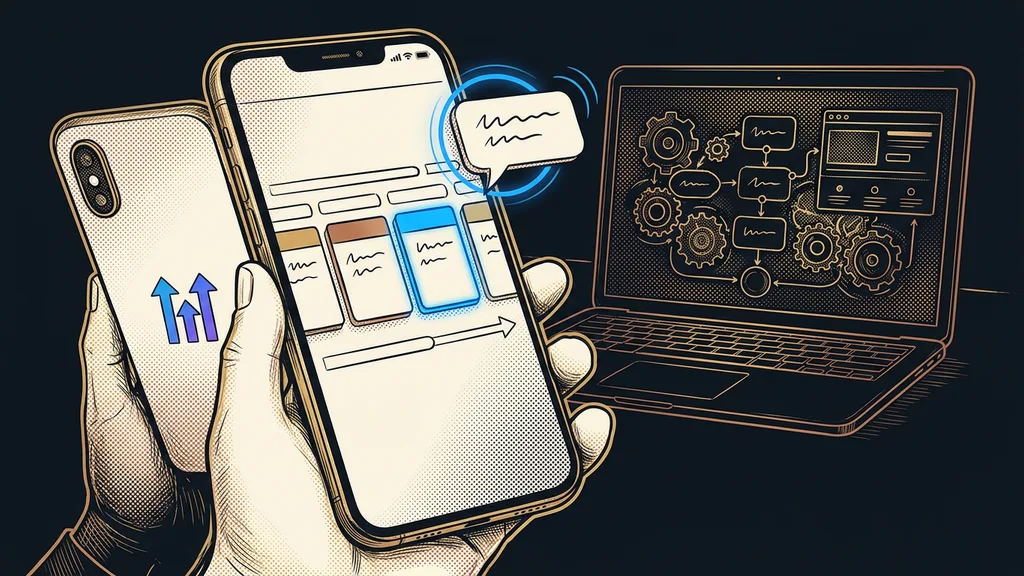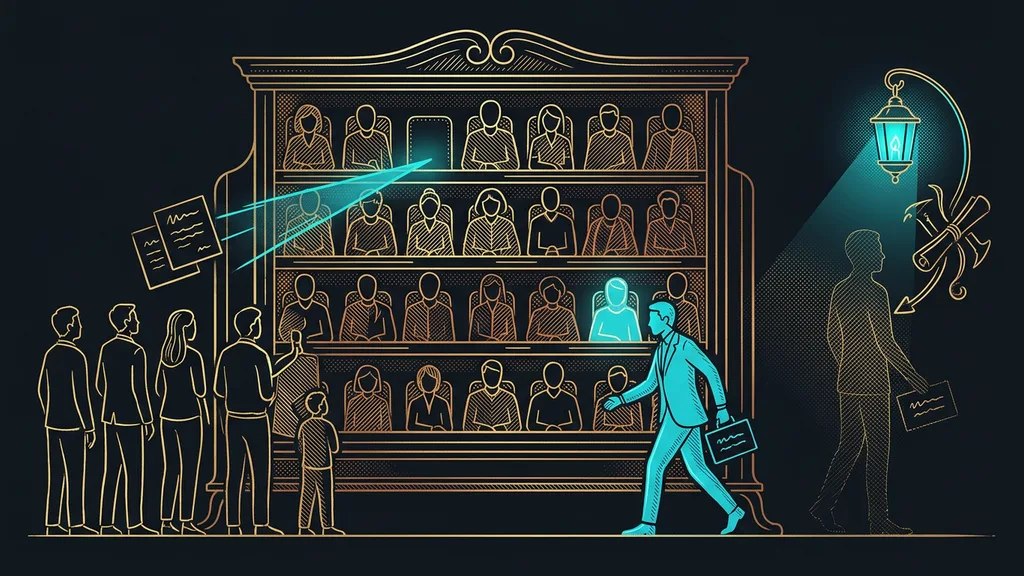
A premium client decides before they finish reading. They open your proposal on their phone somewhere between two calls, and within a few seconds they form an opinion about the document and about the kind of work they can expect from you at all. A lot of excellent proposals lose right here, on first impressions, because they get built by hand in Word at the end of a long day.
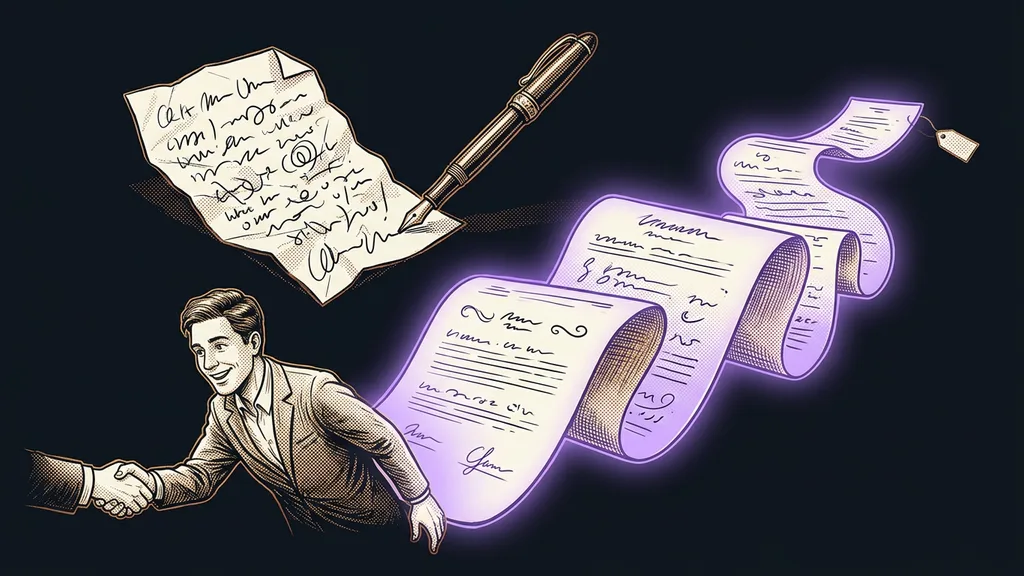
I know this by heart. It’s Friday afternoon, and I’m putting together a proposal for a client I really want. I open Word, throw in a table, a few bullet points, and a logo in the corner that refuses to sit straight. The price at the bottom looks like it came off a corner-store receipt. I know I want decent money for this work, but the document doesn’t say so anywhere. So I spend another hour nudging things around, just so a line doesn’t spill over the margin.
Bad packaging drags great work down
A premium client buys with their eyes. Whether they take you seriously is decided by how the document looks, even before they get to the number at the bottom.
We know how to use Word just fine. The problem is that we wrap great work in packaging that drags it down. And it’s a silent tax you’ll never see on an invoice. The client just politely writes that they’ll get back to you, and never does.
When a proposal looks cheap, a higher price is hard to defend.
A one-minute self-test
Take your last three proposals and open them on your phone the way a client sees them: at a glance, for a few seconds. Do they look like they came from someone you’d happily pay a premium for their work? For a long time, my answer wasn’t “yes,” even though I stood behind the work inside them.
Fast or beautiful: a false choice
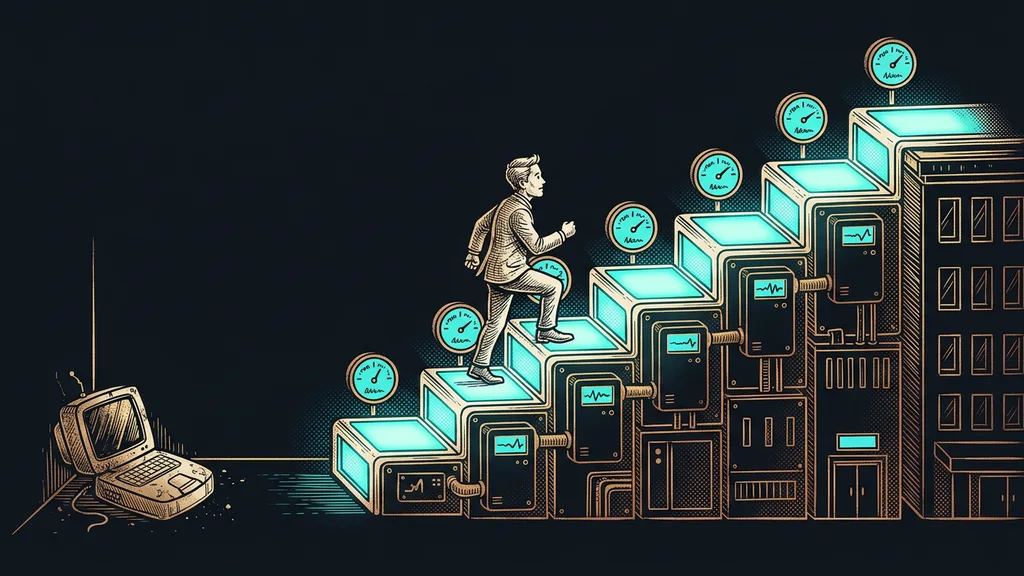
For a long time, I believed I had to choose. Either I knock it out quickly in a spreadsheet and have time left for the actual work, or I sit down, polish it to perfection, and lose half a day. It turned out to be a false choice.
You can have both: speed and a design-studio look, and above all, the same every time. It just can’t depend on me sitting down to lay out every proposal again. So I built a system that handles that first impression for me.
A whole proposal from one sentence
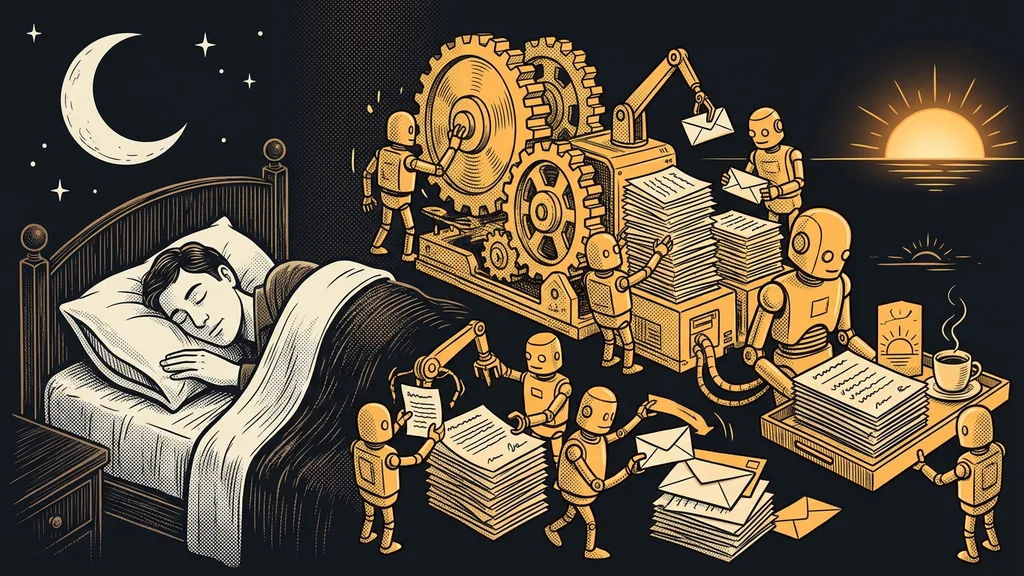
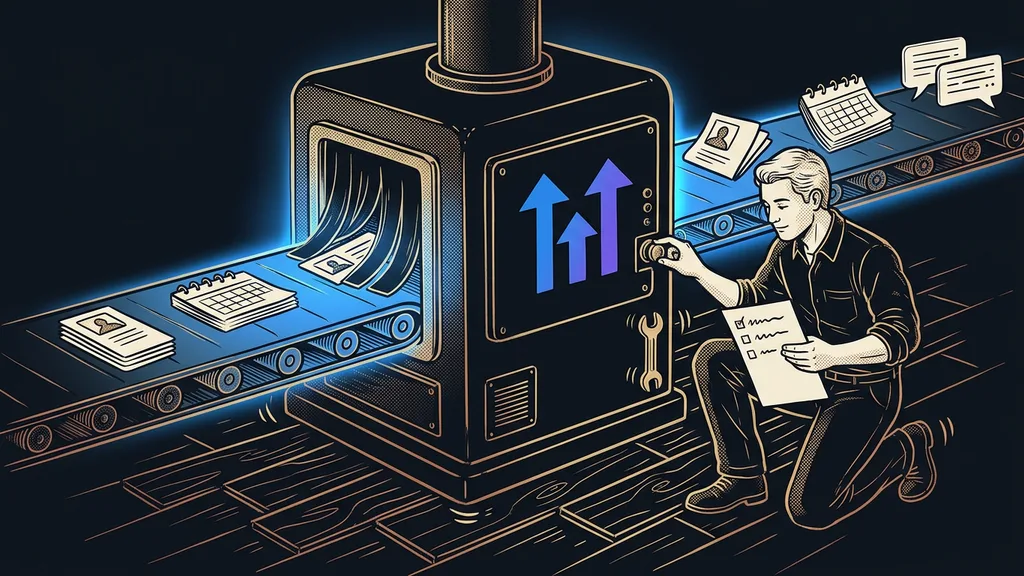
A proposal from one sentence means you only tell the system who it’s for and what it covers, and it assembles the whole multi-page document on its own, from the personal introduction and the team to the schedule, pricing, and closing.
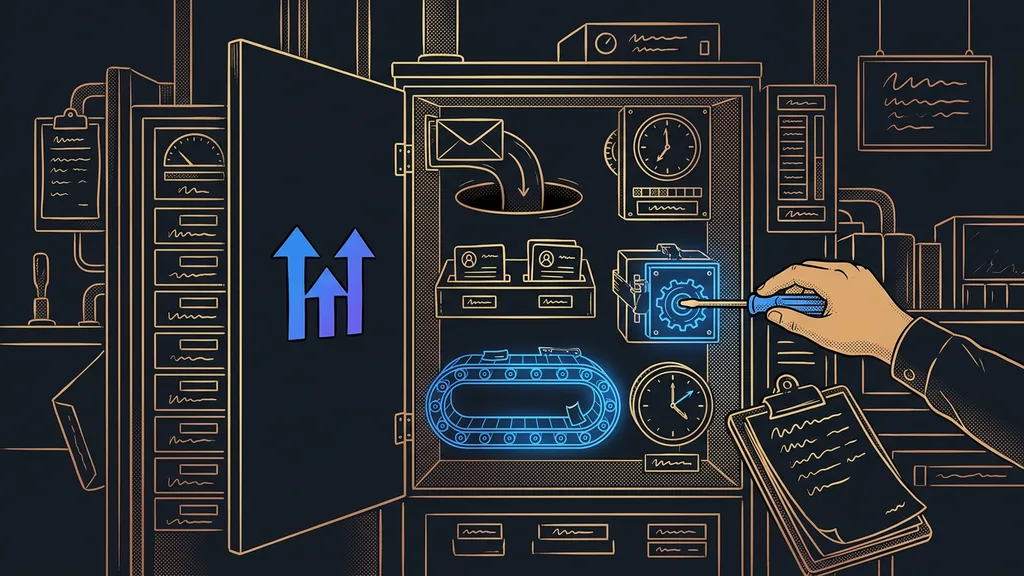
The core is simple. The system keeps a single template of a multi-page proposal that I approved at some point: colors, fonts, logo, portraits, the full layout. And the text is far from mindless filler: it’s written in my voice and natural Czech, so nothing in the document tells you it grew out of one dictated brief. The result is a finished A4 PDF that looks like a design studio laid it out. No designer, and in roughly half an hour.
Don’t take that number as a guaranteed result. It’s my own experience. What matters is the ratio: these days that half hour goes into calmly reading the finished result and sending it on, instead of layout work or chasing the logo into the corner.
A machine that proofreads its own work
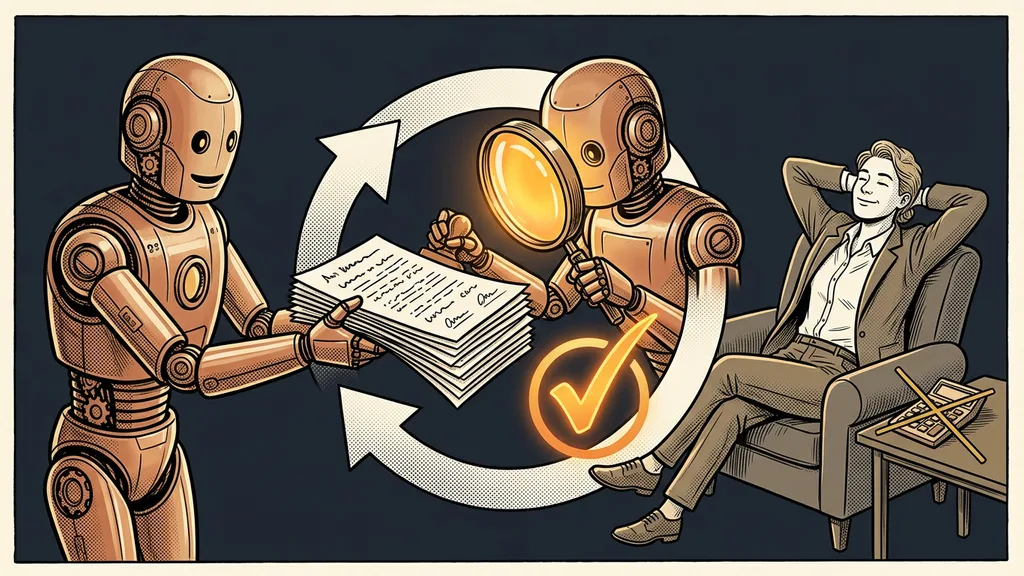
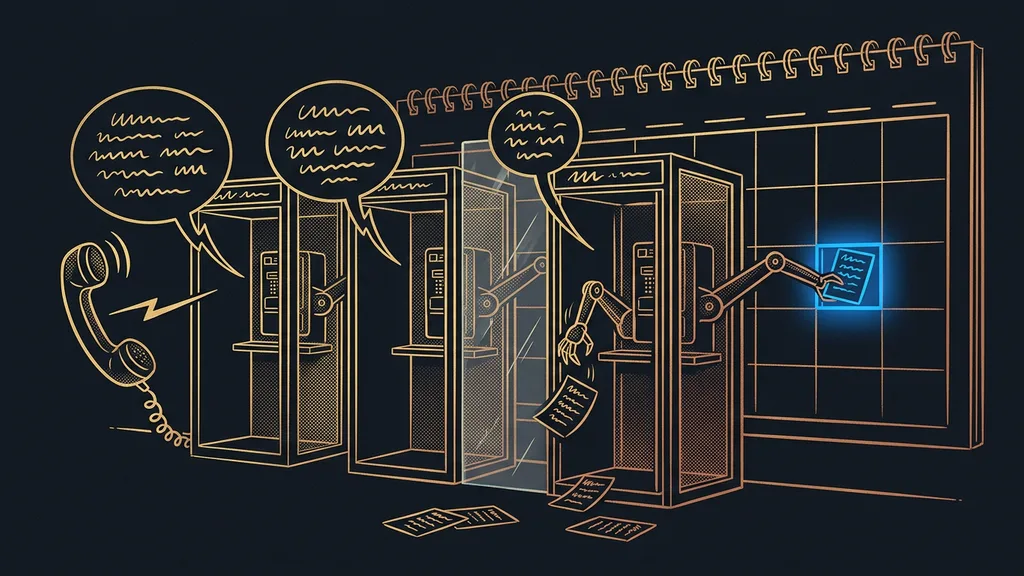
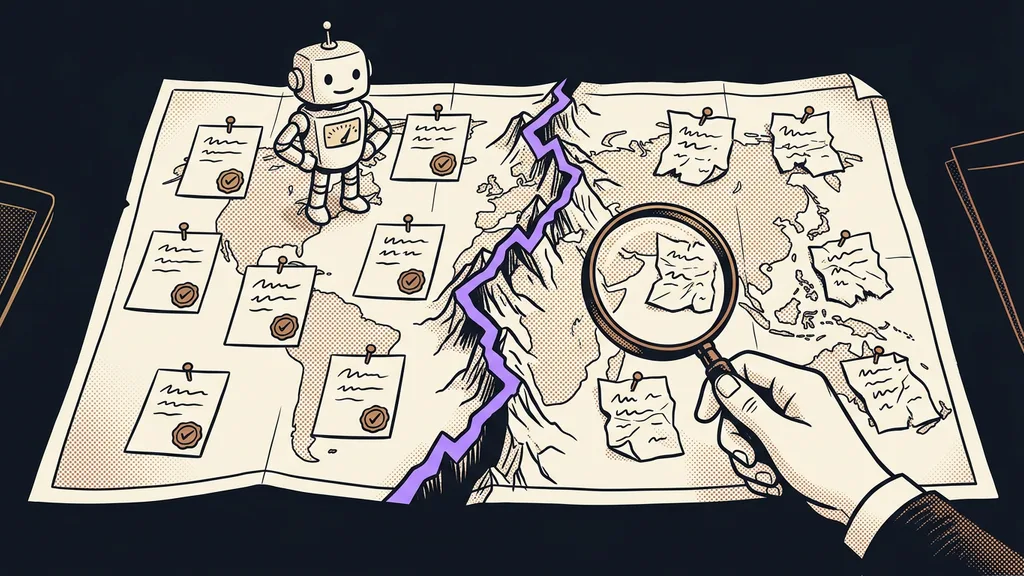
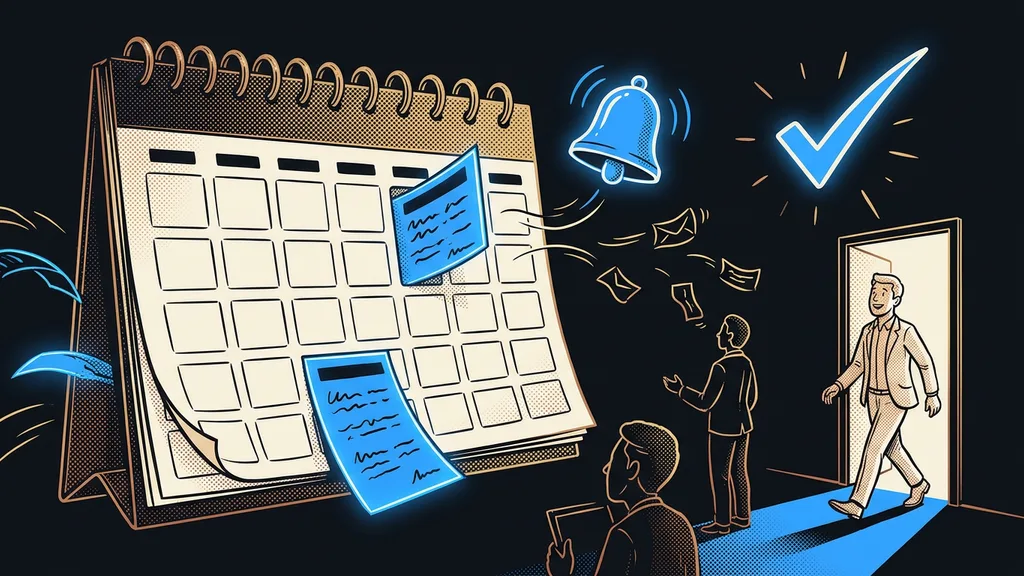
What I enjoy most is one thing you wouldn’t expect from automation. The system looks over the finished proposal itself, page by page. It checks whether a line ran over the margin, whether a heading got stranded above an empty page, and whether each portrait sits next to the right name. When something’s off, it fixes it and takes another look.
Self-review loop
A way of working where the system reads its own output and fixes it before handing it over, instead of spitting out a half-finished draft and leaving the checking to you. It’s the difference between “the AI generated something” and “there’s a finished document on my desk.” The machine does the tedious visual check, and all that’s left for you is the final read.
Most tools stop right here and leave the last, most annoying step to you. In my setup, this part is done before I even look at the document. But a human still has the final say: nothing goes to a client until I’ve read it myself and signed off.
One approved template holds the whole brand together
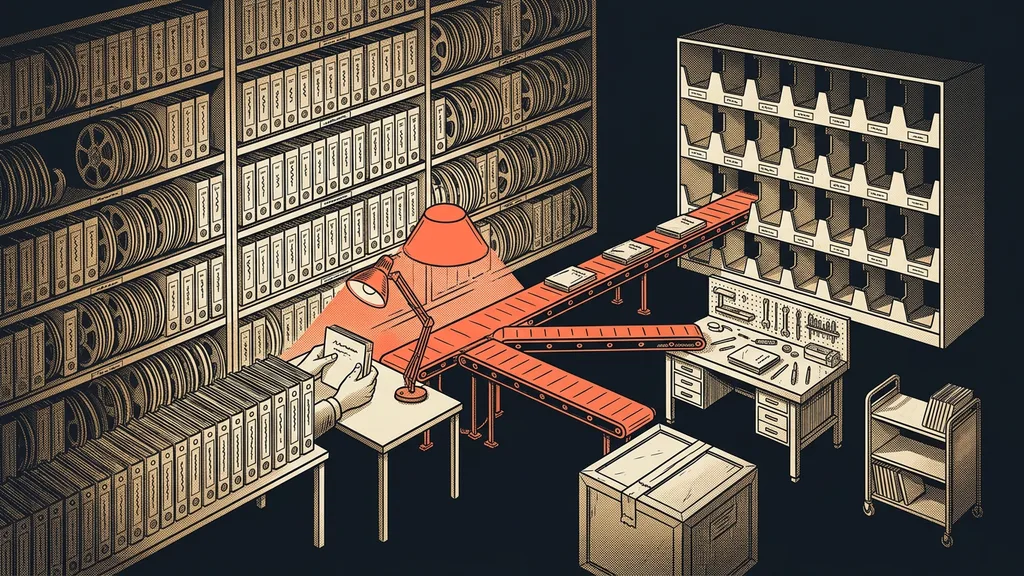
There’s one thing I underestimated until I started using the system for real: how valuable that single approved template is.
A brand holds together when everything that leaves your business looks like it comes from the same world. A nice logo alone won’t do that. And that’s exactly what the template guards. Whether I make a proposal today or a year from now, it comes out of the same template, with the same colors and the same layout rhythm. No digging around for how we did it last time.
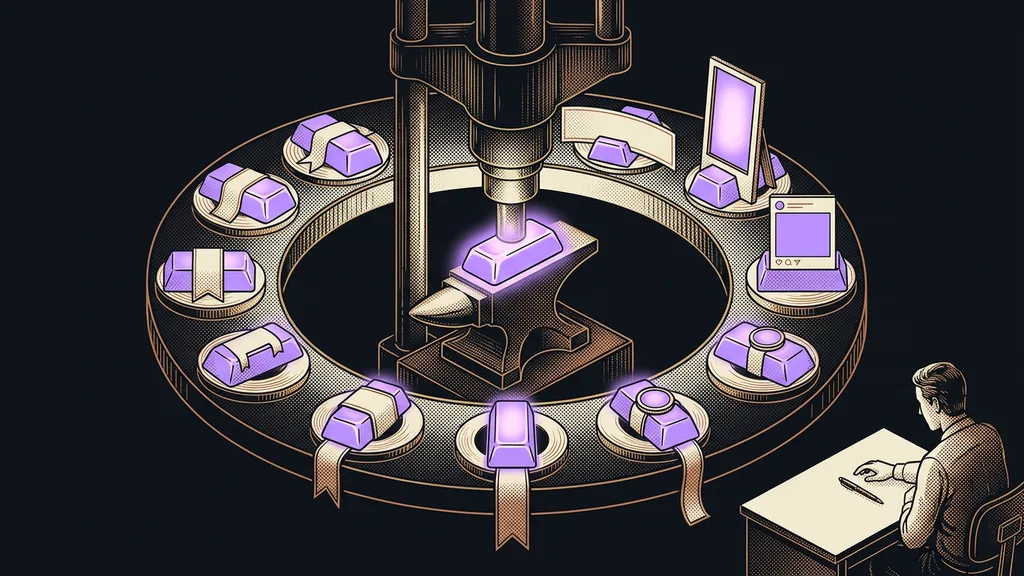
Brand source of truth
One approved template that everything else is derived from. Whenever something gets made, it comes from here, not from memory or from whatever file happened to be created last. Thanks to it, the tenth document looks as good as the first, and you don’t have to police consistency by hand. Without it, every output has its own version of the brand.
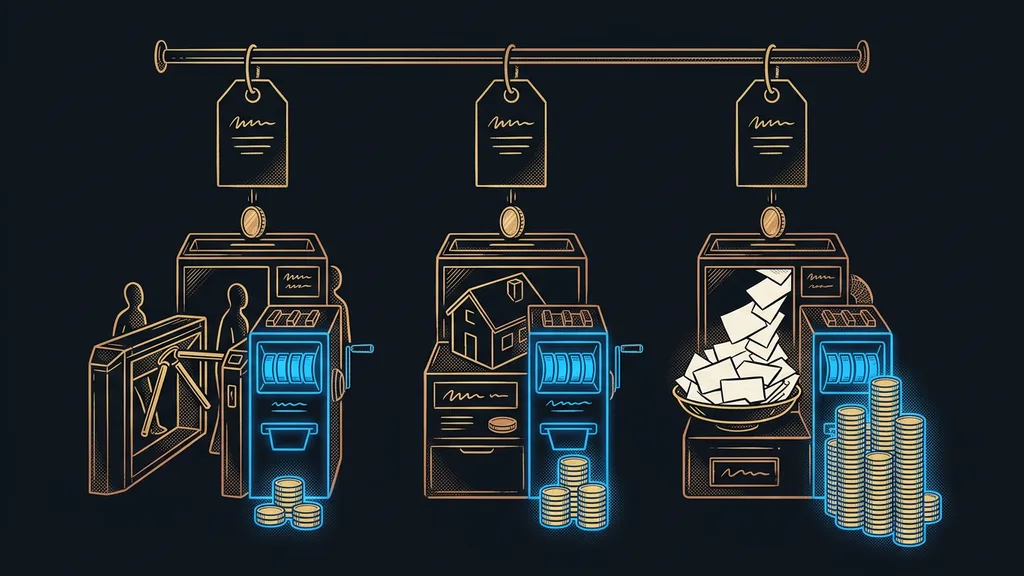
And it doesn’t stop at proposals. The same design handles everything else that flies around a project:
- a change order when we agree to adjust the scope
- an invitation or a schedule for an event
- a profile of a new team member
All in one visual style, and on demand. The same logic is behind my images in my own style and the system emails in my brand. Whatever reaches the client, it all has one face.
Who it doesn’t pay off for
I’ll admit the other side too. If you send one proposal a year, building a system around it won’t pay off. An hour in Word will do the job just as well. And if your clients don’t judge by appearance, because you sell mainly on price or on a long relationship, the first impression of a document doesn’t matter much to you.
The tipping point comes once looks matter and there are more proposals. Every hand-built one is another place where time gets lost and quality swings with how tired you happen to be.
The whole system in a nutshell
- Once, I approve a single proposal template: colors, fonts, logo, layout.
- For a new project, I write one sentence about who the proposal is for and what it covers.
- The system turns it into a complete multi-page PDF, in my voice and natural Czech.
- It reads the proposal itself, page by page, and fixes whatever’s off.
- I just read the result and send it. Nothing goes out without my sign-off.
It’s not rocket science: one approved template, and on top of it an AI that builds a finished document from a sentence and proofreads it afterward. Back to that Friday afternoon. Those few seconds when a client on their phone decides whether to take you seriously can’t be bought, and they can’t be faked either. I used to have to choose between fast and beautiful. Now I get both, just as reliably every time, and the only thing left to settle is the price. Which, between you and me, is a far nicer problem to have.