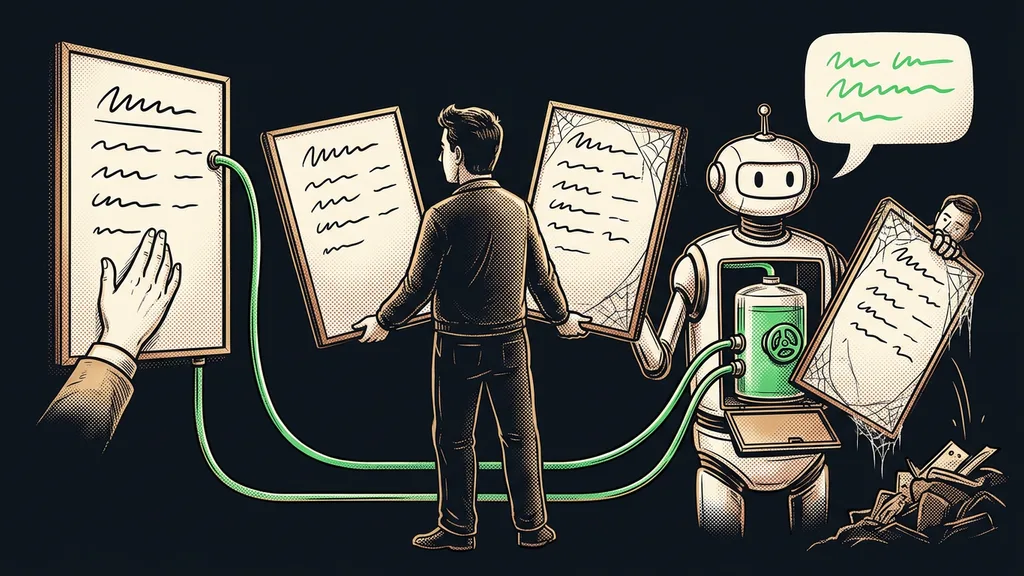
Whether a business owner can take a day off has little to do with how heavy the workload is. It depends on the few things in the business that rest on them alone: the phone, confirming an appointment, answering a question they know by heart. If even one of them is waiting, the day off turns back into a day at the computer.
I know the feeling well. For years, my Friday was empty in the calendar, and I still spent it in front of a screen. Not because of a big task. Because of seven small things that would have been left hanging until Monday without me. It always started innocently, with one phone call before lunch, and ended at six in the evening.
What blocks a day off is what stops without you, not the amount of work
Try flipping the question. Instead of counting how much work you have, count how many things in your business stop the moment you turn off your phone. That number decides whether you can take Friday off.
Seven out of ten small business owners work on weekends too, and one in three works more than fifty hours a week, according to a Ventur survey. It isn’t that they can’t walk away from the desk. Nothing carries on behind them. And what separates a business that can handle a Friday off from one that can’t is the number of things nobody else is allowed to do, not its size or industry.
Bottleneck
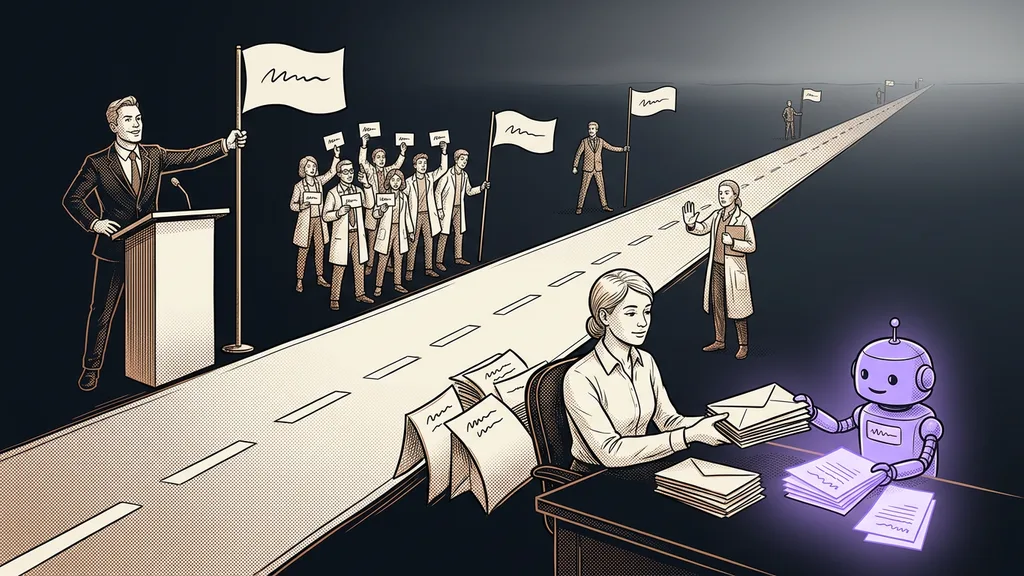
The step everything else has to pass through, which is why it sets the pace for the whole. In a small business, it’s usually the owner, because they’re the only one with all the access, the context, and the authority to decide. Until someone else or a system takes over that role, time off is just postponed work.
How well a business runs without its owner has little to do with how capable it is. It comes down to how many things the owner has kept to themselves.
Function one: an inquiry doesn’t wait for your phone to die
A new inquiry is the one thing that really can’t wait over the weekend. Anyone who doesn’t get a reply keeps writing, just to someone else.
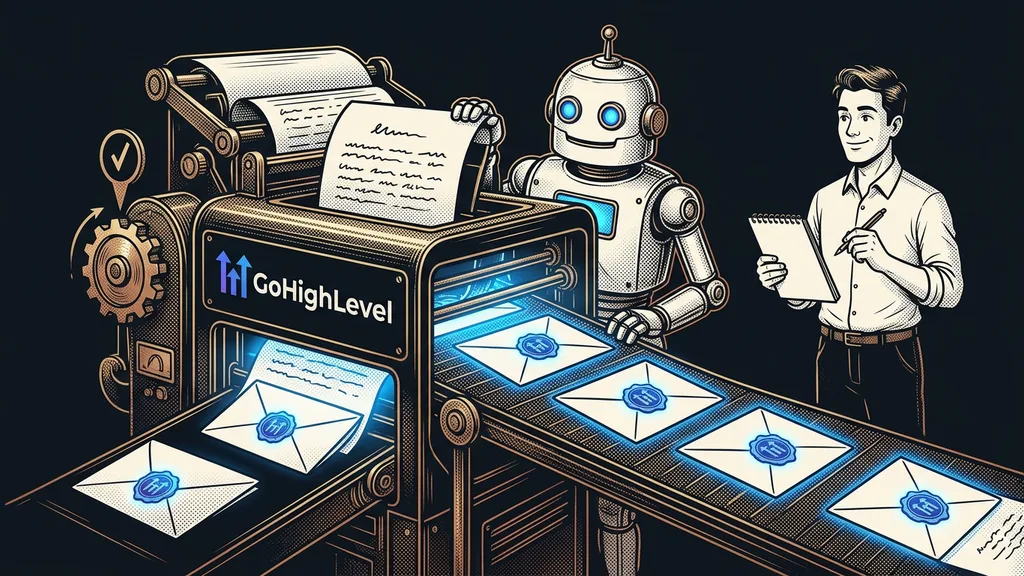
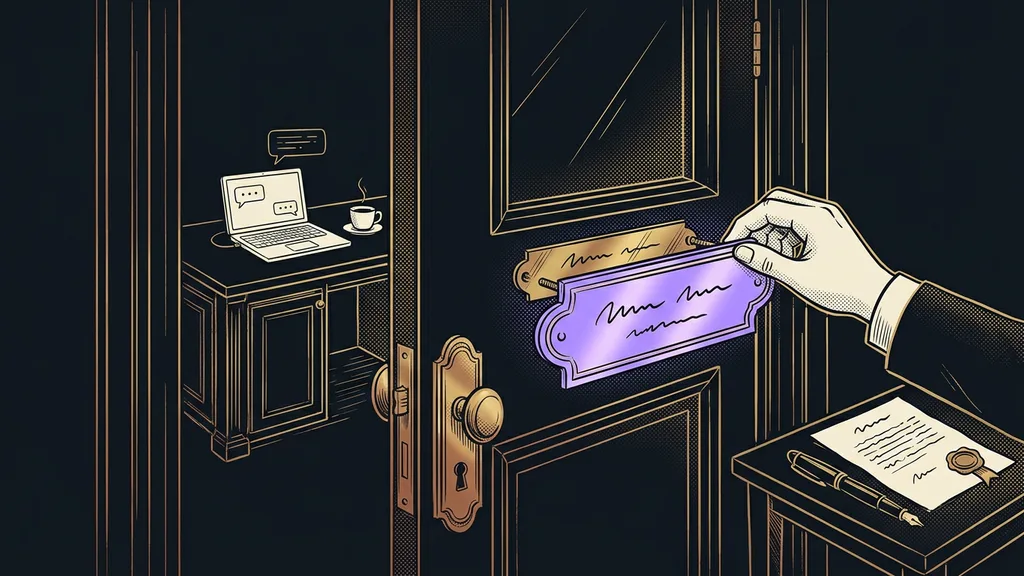
On Friday, you don’t need time for the job itself, just ten seconds for the first response. A confirmation, a time slot, and the next step can go out within a minute, even at eight on Saturday morning. Nothing about it is fake. The customer knows their message arrived and when a person will get back to them. Of the four functions, this is also the cheapest change, because it involves a single message and nothing else around it has to change.
Function two: appointments get booked without you
The second thing that pulls you back from your day off is the back-and-forth over scheduling. Three messages there, three back, and it ends up being Thursday morning anyway.
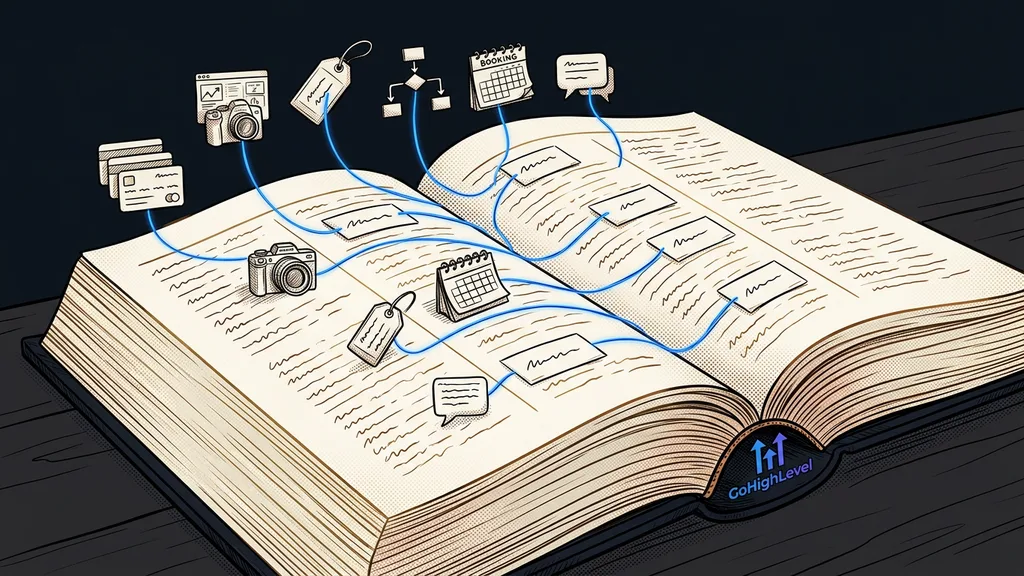
A booking link that shows your real availability handles all of it. The customer sees only open slots, picks one, and gets a confirmation. You’ll see the finished appointment in your calendar when you get back to your phone. It also gets rid of the most annoying part: copying the agreed time somewhere else so nobody forgets it.
Function three: someone else answers the same old questions
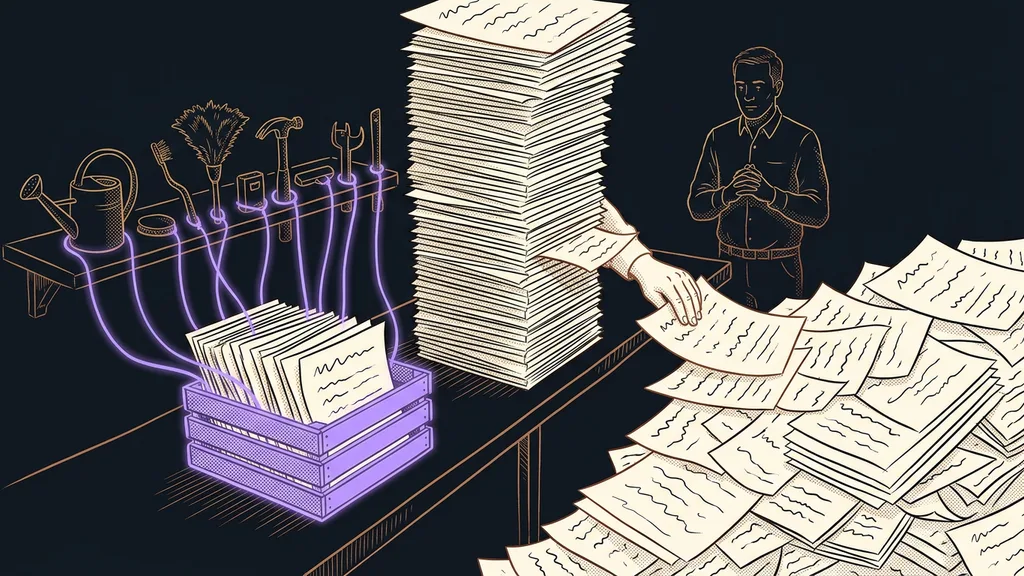
A big share of questions repeat, and you know the answers by heart. Those are exactly the ones that interrupt your Friday most often, because each one looks like a two-minute job.
A chatbot that knows your materials handles them right away, in your tone. But more important than what it can answer is when it should stay quiet and bring you in. Draw that line wider than seems necessary. A chatbot that asks you when in doubt keeps people’s trust. One that makes up an answer loses it with the very first customer.
Handoff to a human
A line set in advance beyond which the chatbot stops answering and passes the question to a live person. Typically, it covers price exceptions, complaints, health, and money. Without this line, the customer hits a wall; with it, they leave feeling that someone took care of them.
Function four: on Monday, an overview is waiting for you instead of a pile
The fourth function doesn’t prevent anything. It decides how you’ll feel when you get back.
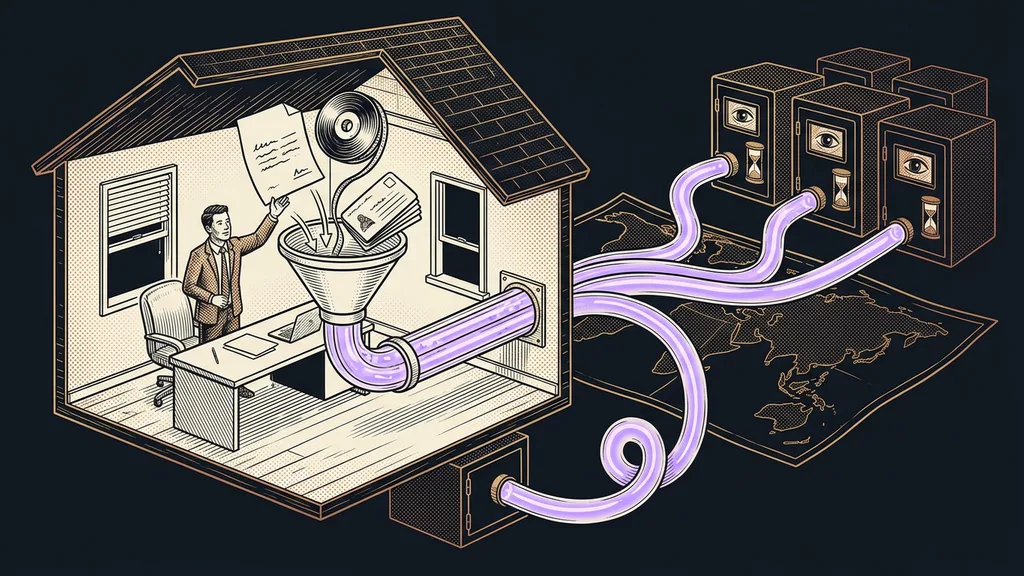
When you open a few hundred unread messages on Monday morning, your Friday off gets canceled after the fact. Yet a summary of what happened over those days can be ready before you get out of bed. The same safeguard applies to work in documents and spreadsheets: nothing gets overwritten without your permission.
One-minute self-test
Imagine that from noon today, you won’t pick up the phone or open your computer. Write down what will stop until Monday. Every item on that list is one thing that only you handle so far, and together they make your to-do list for next month.
Who won’t get a free Friday
So who is this not enough for? Anyone who works with their hands in a trade and has an installation job on the calendar for Friday. Automation won’t replace their hands. It frees up the evening they’d otherwise spend writing quotes, not the whole day.
The second group is businesses where the owner is the only one who can answer a professional question. There, the first step is different: get the procedures and answers out of the owner’s head so they exist outside of it too. Only then does it make sense to deal with what can be handled automatically. And one last honest sentence: your first Friday off will be uncomfortable. You’ll check your phone anyway, because habits take longer to change than businesses do.
The whole system in a nutshell
To sum it up, here’s the path to a free Friday:
- Write down what stops in your business the moment you turn off your phone.
- Make sure a new inquiry gets a reply and an appointment without you.
- Hand repeat questions to a chatbot and set the line where it should bring you in.
- Have an overview prepared for your return instead of a pile of unread messages.
- Take your first Friday off and write down what interrupted you anyway.
- Whatever interrupted you is the next thing to close off.
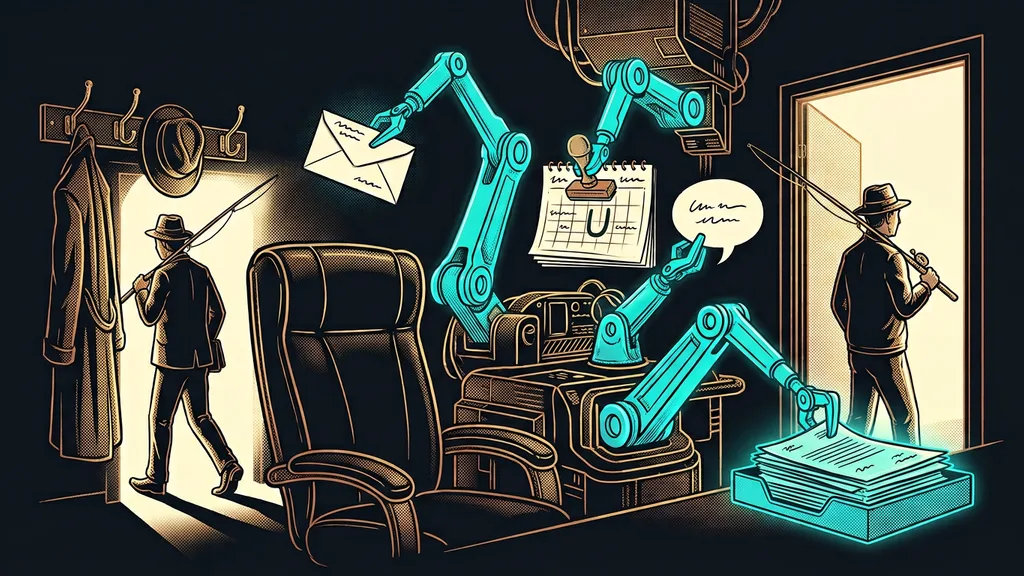
That phone call before lunch, where it always started for me, was never the real problem. The seven small things behind it were, because nobody moved them forward without me. On its own, an empty slot in the calendar is just an invitation for work that has nowhere else to go. A day off doesn’t start when you put it on the calendar. It starts when your business can reply, book an appointment, and remember things, even when you’re not looking.