In a small business, going into a foreign market gets put off for years. The thing that stalls it is the thought of translation: hundreds of pages, a quote from an agency, and months nobody has. Ambition and the ad budget have little to do with it. Meanwhile the product is finished, and demand from abroad comes in on its own.
That’s how it sat for a long time with one client. The Czech app worked, every meeting touched on going abroad, and every time it ended with the same line: that’s a year of work. Today the product speaks Czech and fourteen other languages. Fifteen in total.
Fifteen languages don’t mean fifteen products
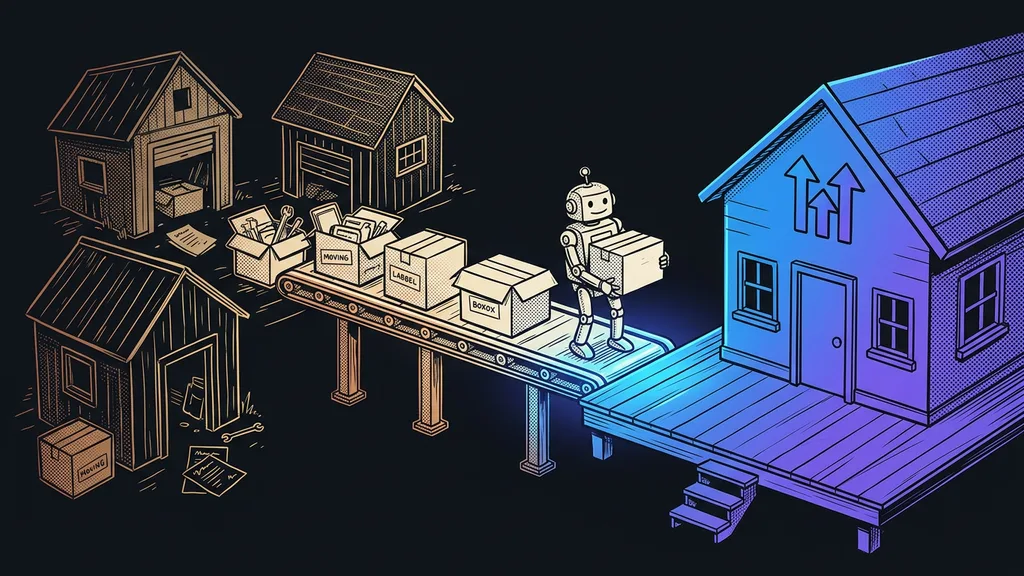
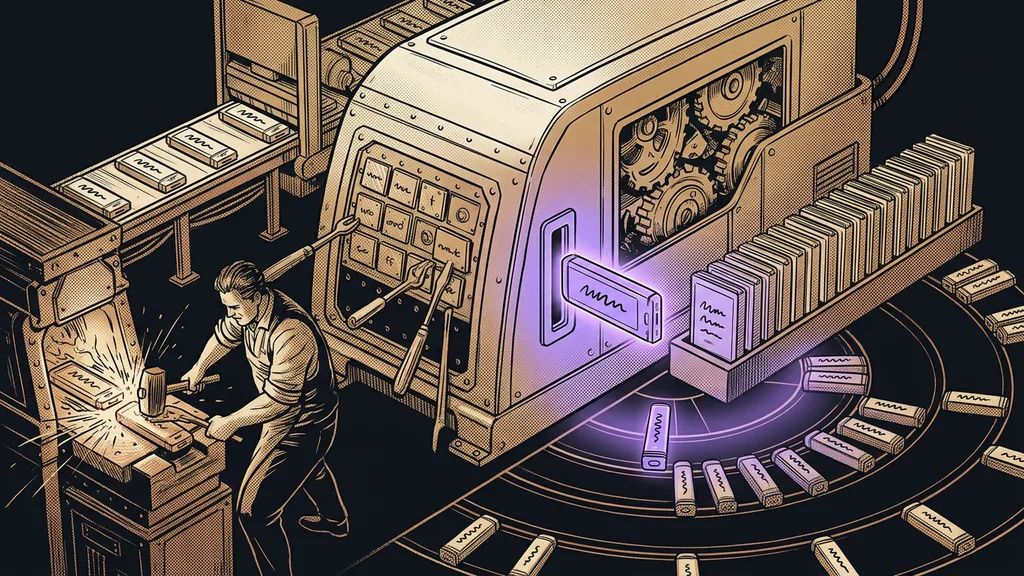
The difference lies in what you treat as the unit of work. If you treat the entire product as the unit, every language adds a new project, and fifteen languages really are years of work. Make the unit a language version of one and the same product instead, and you’re adding configuration.
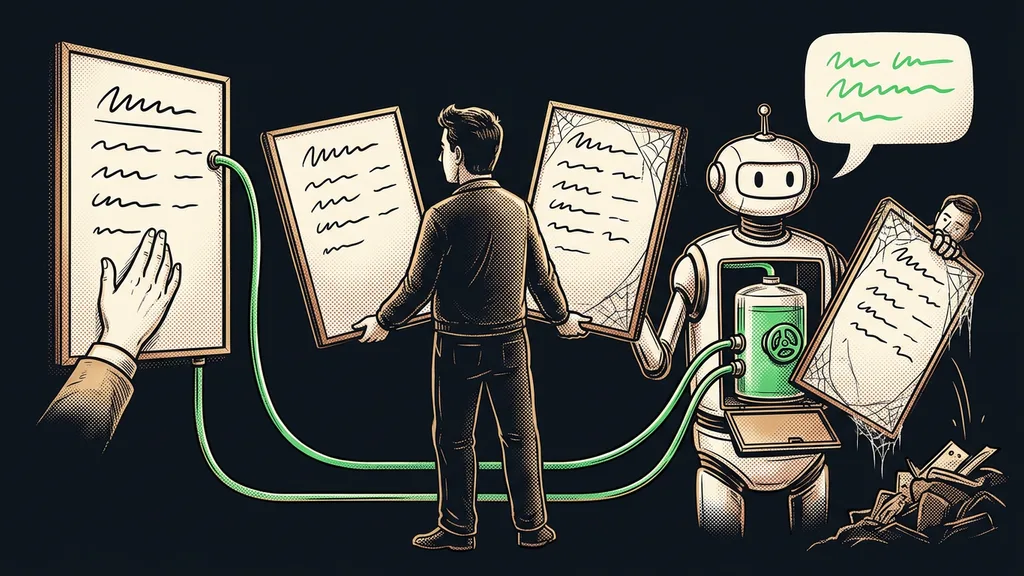
In practice, that means one thing. Text can’t be hard-wired into the product. As long as sentences live directly in templates, images, and emails, every new language is a new build. Once the text lives off to the side, you can swap it without touching anything else.
Localization (and why it isn’t translation)
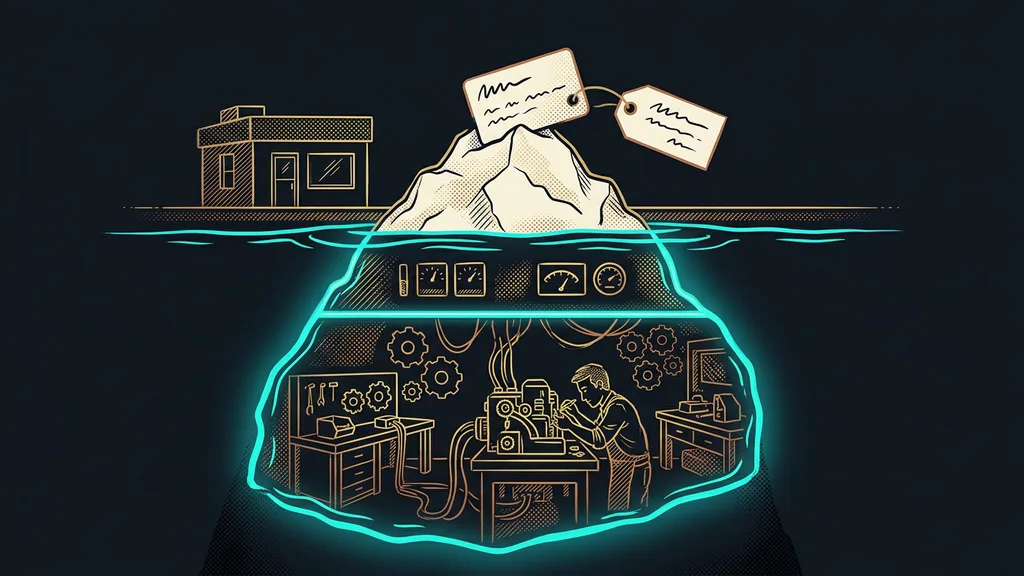
Translation swaps the text. Localization is a whole version for another market: prices in a different currency, different examples, a different date format, names that work in that language, and sometimes even a different order of sections on the page. A translated product is understandable. A localized one feels like it was made locally.
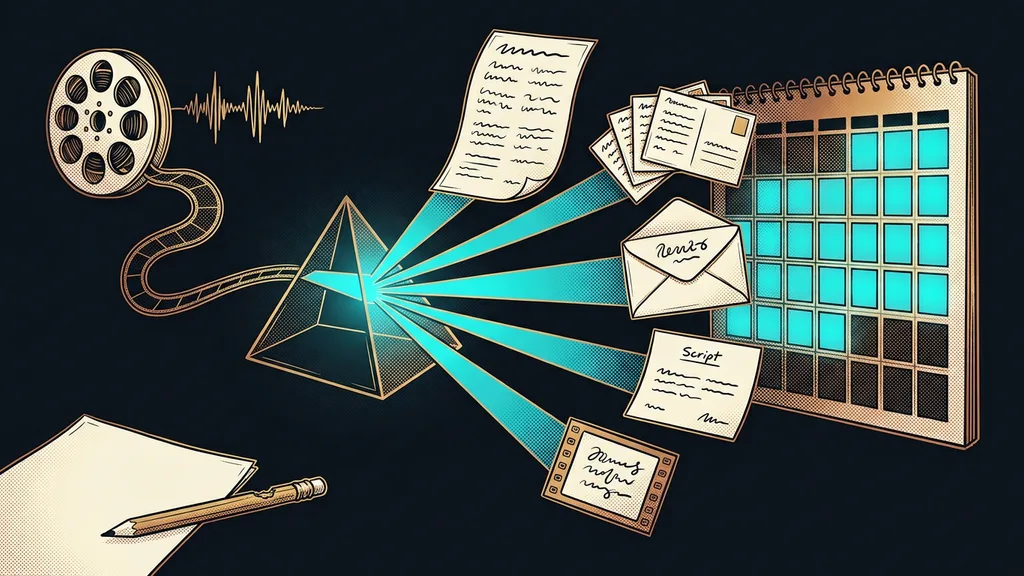
Fifteen languages is one product that has learned to speak fifteen ways, not fifteen separate translations.
The first two versions cost the most; the rest is extra work
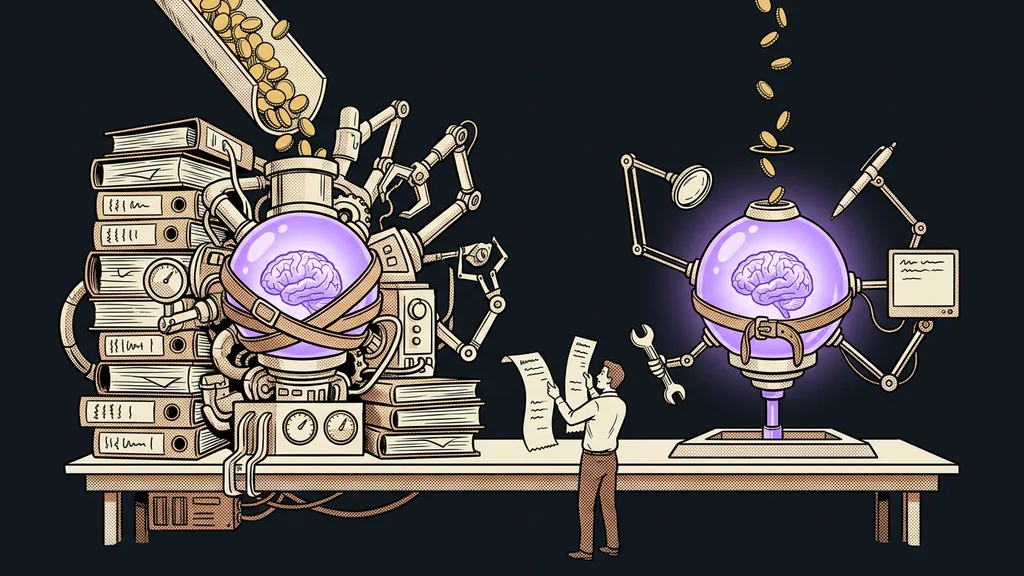
Number one is the most expensive. For that client, the first two language versions were technically done in a few weeks, and almost everything important happened in them. Text got separated from the product, a term glossary settled into place, and everyone agreed on what each thing is called in each language. After that, the remaining languages were finished by the end of the following month.
The second language is the test. It shows whether the page layout falls apart with longer words, whether accented characters display correctly everywhere, and whether text is hiding hard-coded in an image somewhere. What survives two languages survives the fifteenth. That’s why you never skip the second version, tempting as it is.
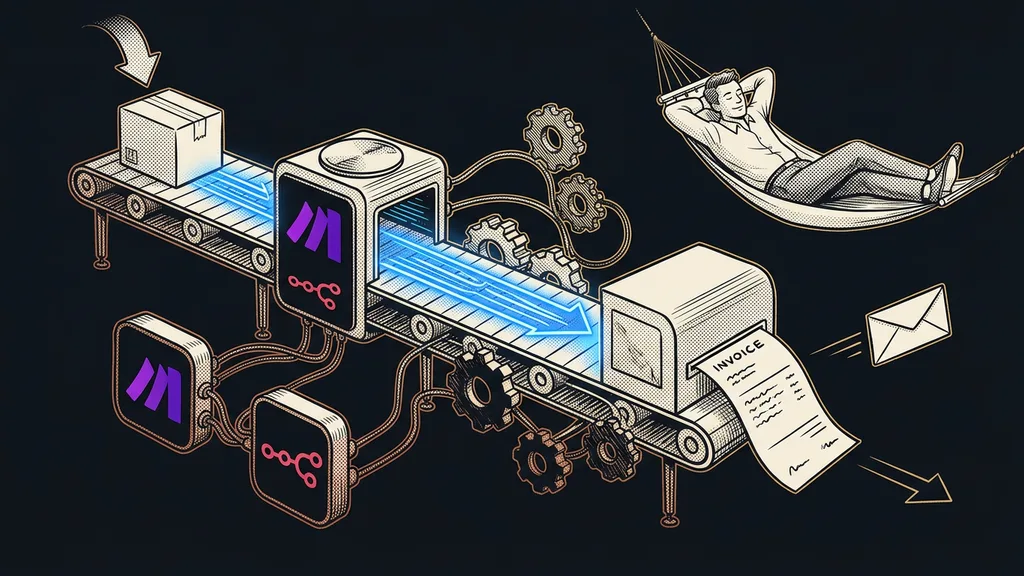
From the third language on, it’s routine. Deploying another version of the website now takes a single prompt and a few minutes instead of weeks. You also send email campaigns in the new language from the same place as the Czech ones, so there’s no extra system for someone to keep an eye on.
The order follows market proximity, not the alphabet
Market proximity set the order, meaning how much extra work selling in that particular place would take. The size of each language played no part.
Market proximity
How much you have to change in a foreign country to sell the same thing. It covers how similar the customers are, the usual way people pay, the local rules for your industry, and whether anyone from there already visits your website. A close market can take the same copy and the same offer. A distant one wants a different product, but you only find that out a year later.
For that client, it meant starting with the neighbors and with languages understood by a similar kind of customer. The more distant markets weren’t thrown out, just moved further down the line. By the time their turn comes, you have ten finished versions behind you and know exactly what breaks in them.
Saving work isn’t even the main point. A close market answers you faster, so you find out sooner whether it wants the product at all. A distant market stays silent, and you read that silence however you like. It’s very easy to waste a year that way.
One-minute self-test
Open your website analytics and your inbox. Which countries do your visits come from, and what language are the questions you can’t keep up with written in? That list is usually a better adviser than wondering which language is bigger worldwide.
What stays human
A machine can carry the volume, but the decisions stay with people. Deciding what gets translated at all belongs to the product owner. Names, titles, and the brand’s tone belong to someone who actually lives in that language. And while voiceovers for videos and support can now be recorded in your own voice, what gets said is still written by a person.
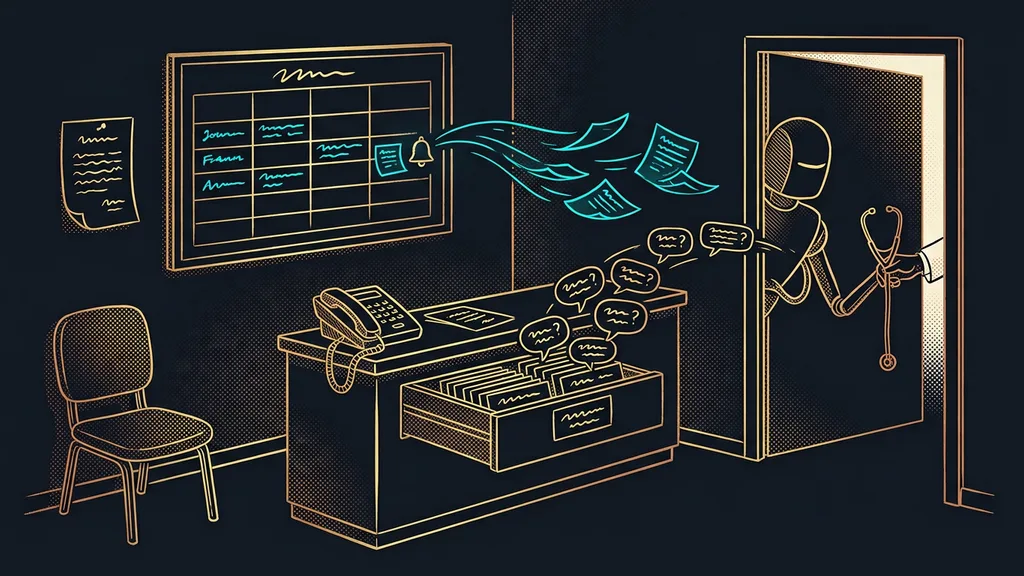
The second thing people forget: customers in the new language will write to you. And someone has to answer. A well-configured AI assistant can take over a big part of that work, but you remain responsible for its answers. A language without support is just a nicer business card.
The pages themselves can even be built by an off-the-shelf website builder, as long as it supports language versions. Check that before you move your first language into it. Moving the whole website because of a third language is the most expensive option of all.
Who it doesn’t pay off for
Where does it fall short? If you’re not selling at home, translation won’t help. Fifteen languages won’t fix a product nobody wants even in its home language; they just spread the same problem across fifteen places. It also doesn’t pay off where the product is tightly tied to the law, the authorities, or the local realities of its home country. And of course not where nobody can answer a question in a foreign language.
The whole process in a nutshell
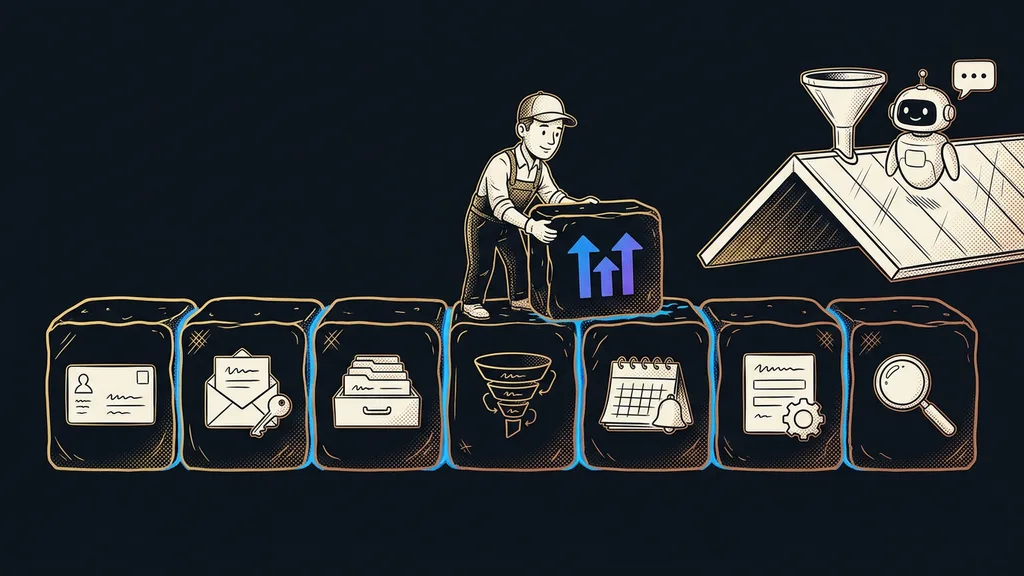
- Separate the text from the product so you can swap it without touching anything else.
- Settle a glossary of terms and the names that stay the same in every language.
- Build the first language version and use it to fine-tune the whole structure.
- Use the second language to check that nothing fell apart. Only then add more.
- Order the languages by market proximity, not by the size of the language.
- Have a native speaker go over the key texts, and make sure you have support in that language.
Let’s go back to that line about a year of work. It was true, as long as every language was built separately. Once a language became a version, the timeline changed too: the first two took weeks, and the rest were done by the end of the next month. The translation itself took as long as ever. Everything around it sped up, because the product stopped being rebuilt every time.