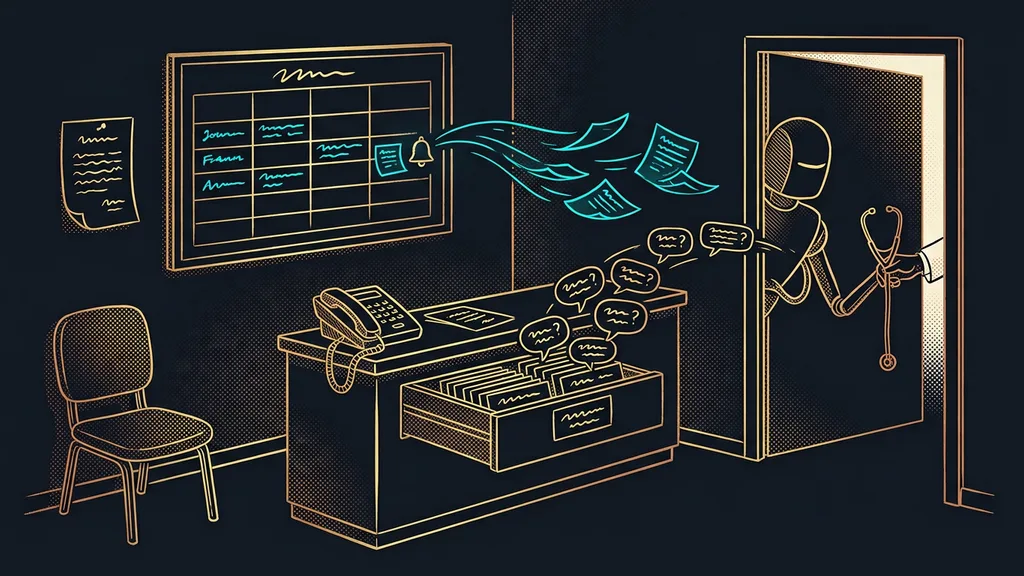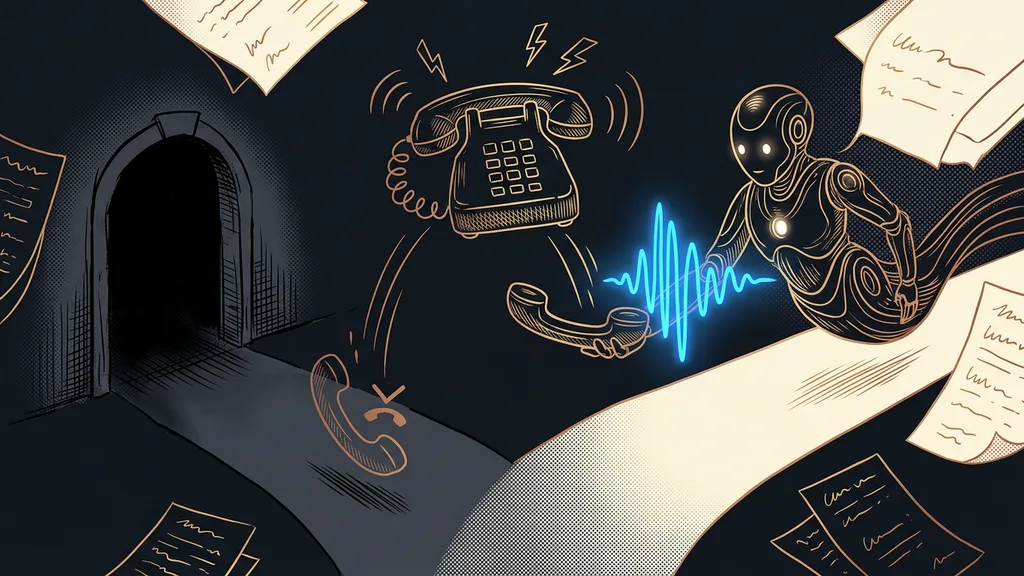
The most expensive call in a small business is the one nobody answers. It usually rings when your hands are full, goes to voicemail, and instead of waiting, the caller simply dials the next business on the list. Voice AI in GoHighLevel is a feature that catches that moment: a voice assistant picks up the incoming call for you, finds out what the person needs, and offers them an appointment on the spot.
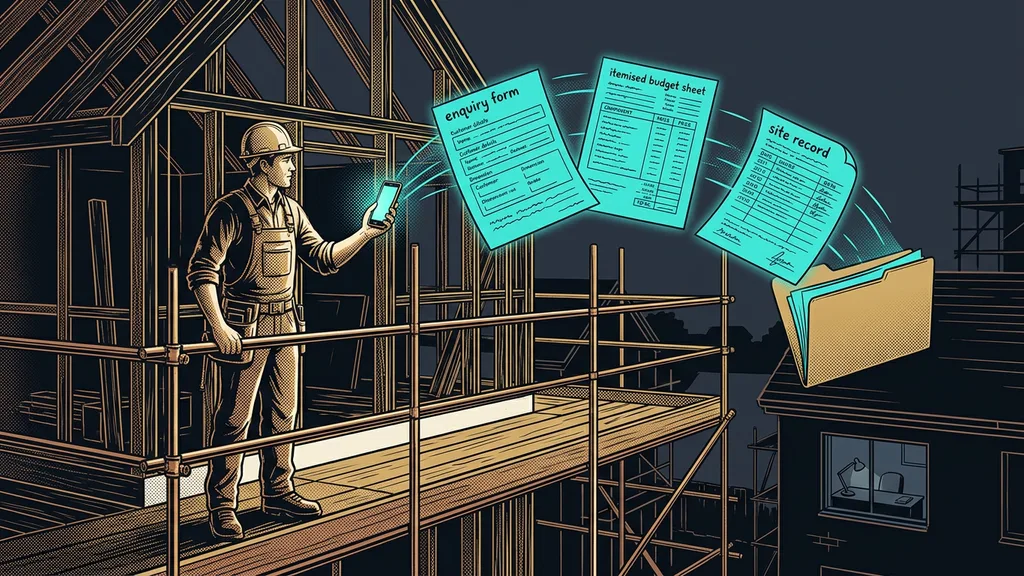
I know this firsthand from clients. You’re up a stepladder at a customer’s place or sitting in a meeting, and the phone in your pocket keeps ringing. You can’t answer it. In the evening, you finally sit down and call back the missed numbers: the first person doesn’t pick up, the second apologizes that they’ve sorted it out elsewhere in the meantime, and the third can’t even remember why they called.
I see that evening ritual all the time, most often with tradespeople, repair shops, and smaller studios. They pay for ads and a website just to get the phone to ring. And then the most valuable moment, when a live person with a specific request is waiting on the other end, ends up in voicemail, where almost nobody leaves a message anymore.
The most expensive call is the one you miss
A phone caller is the warmest lead you can get. They didn’t fill out a form hoping someone would get back to them someday. They picked up the phone because they want to sort out their problem now.
“People call us most exactly when the whole shop has its hands full. And those are precisely the calls nobody’s free to take.”
That’s how the owner of a repair shop described it to me, and half the businesses I work with would sign off on it. A full-time receptionist is a luxury for a smaller business, so in peak season, when you’re busiest, all that’s left is trying to reach people in the evening who have long since moved on.
Speed-to-lead
The time between a prospect reaching out and someone actually attending to them. The longer that gap, the faster interest cools, especially on the phone, because the caller is dealing with their problem right now and doesn’t want to wait. Whoever responds first usually wins the job.
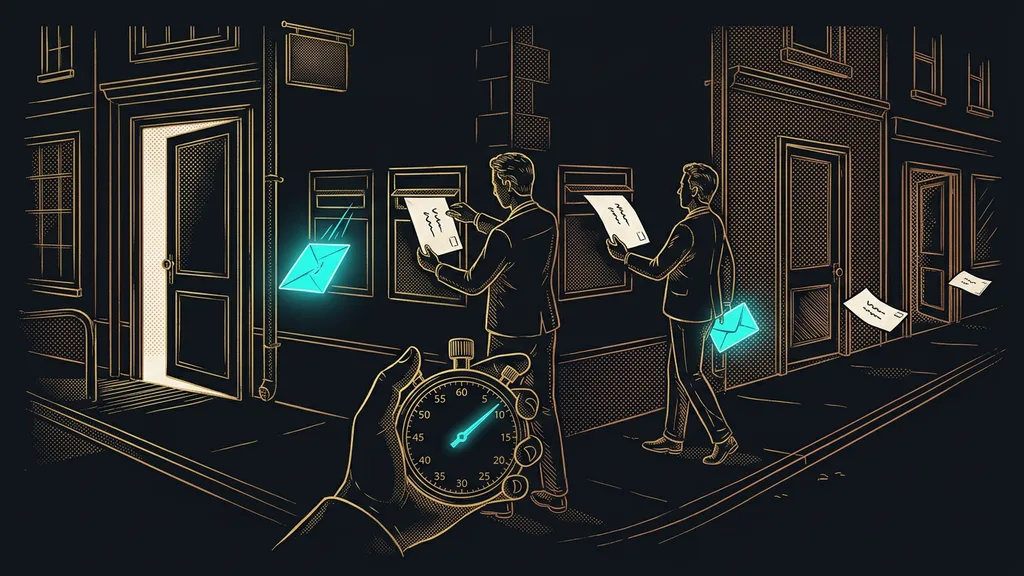
When a caller can’t get through, it doesn’t mean they’ll buy later. It means they’ll buy somewhere else. A missed call is more than a missed opportunity: it’s a ready-made customer you just handed to a competitor.
One-minute self-test
Go through your call log for the past week and count the missed calls. For how many of them do you know for sure that you called back in time and actually won the customer? That number is usually lower than you’d expect.
A receptionist whose line is never busy
In GoHighLevel, which I set up for clients practically every day, this problem is handled by the Voice AI feature. It acts like a receptionist who picks up the call and books the appointment, except it never sleeps, is never on another call, and never takes a vacation.
Voice AI
A voice assistant in GoHighLevel that picks up incoming calls, talks with the caller in everyday language, and can book an appointment straight into your calendar. The conversation is nothing like a phone tree from the nineties where you press one for the operator: the caller just talks, and the assistant answers.
It’s the smoothness that turns a toy into a tool you’re not embarrassed to put in front of your own customers. Voice bots used to answer with an audible delay, and everyone could tell they were talking to a machine. Today’s receptionist responds fast enough for the conversation to flow without awkward pauses.
What exactly it handles
It handles the whole chain, from picking up the call to a booked appointment. Here’s what the receptionist does on its own:
- Every incoming call gets answered. At noon, at midnight, even on Christmas Eve, no call goes unanswered. On Czech numbers, inbound calls work without restrictions.
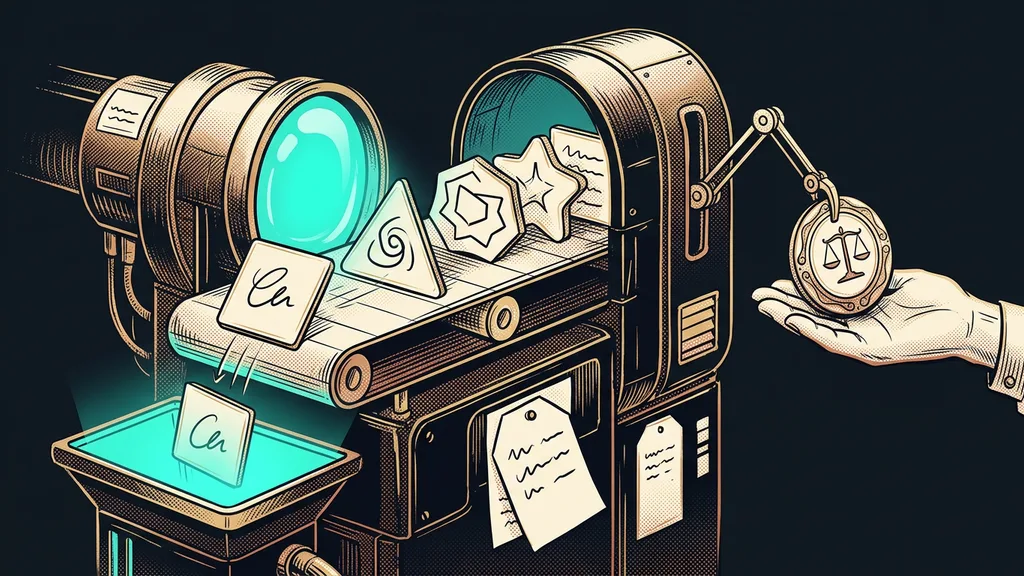
- It finds out what the caller needs. It answers common questions based on materials you prepare for it, and it sorts the call. A new job is different from a question about opening hours, and the receptionist can tell.
- The appointment gets booked on the spot. It offers an open slot and puts it in your booking calendar, which confirms the appointment and sends the reminder itself. The caller hangs up with a time slot instead of a promise that you’ll get back to them someday.
- No inquiry gets lost. The caller becomes a contact in your CRM, so you can come back to them a week later. You can throw out the sticky notes by the phone and the names you can’t remember in the evening.
- Your automations take it from there. The call sets off the same chain as any other booking: workflows send the confirmation and take care of the reminders without you having to think about it.
And does it speak Czech?
It does, and it understands well. Czech is one of more than fifty supported languages, and both the speech transcription and the language model handle it. The weak spot is the default voices, which have a noticeably foreign intonation, especially with names. So for live use, I import a custom premium voice for my clients, and with it, the receptionist sounds like someone sitting in the next office. I’ve covered how GoHighLevel’s AI features handle Czech in general separately.
There’s one rule I’ve kept for Czech deployments from the start: the receptionist introduces itself as an AI assistant right at the beginning of the call. From August 2, 2026, the EU AI Act makes this mandatory, and frankly, callers take to that honesty much better than to a robot pretending to be human.
On your website, in SMS, or on social media, a chatbot trained on your business knowledge does the same job. The voice receptionist is simply its colleague on the phone.
When to hold off
Voice AI isn’t a cure-all, and for some businesses it can easily wait. If you take a few calls a week, there’s no need for me to build it for you. That would be like installing a switchboard for a few rings. I’d also think twice about deploying it where every call needs a specific person’s expert judgment and the receptionist would only be transferring the call.
Expect a few technical limits too. The receptionist works on a regular phone line and in the website widget. It doesn’t pick up calls over WhatsApp, because Meta doesn’t allow that through its interface. And while incoming calls on Czech numbers work without restrictions, the platform currently allows outbound calling only on US numbers. So think of it as a receptionist for incoming calls, not a call center that dials through a contact list on its own.
What it costs
Running it is cheaper than most people expect. As a rough guide, a five-minute call comes to about CZK 8 (about €0.33), or about CZK 25 (about €1) with an imported premium voice. A Czech phone number costs around CZK 36 (about €1.50) a month on top of that.
If you handle a lot of calls, say over two hundred a month, you’re better off on a flat-rate plan where you don’t pay a per-minute fee for incoming calls. GoHighLevel offers it as AI Employee Unlimited for about $97 a month. Treat the numbers as approximate, since the platform changes them from time to time.
In practice
A month of normal use comes to a few hundred CZK (around €10–20). A single customer who would otherwise have ended up with a competitor pays for the receptionist well into the future.
The whole system in a nutshell
- A call comes in at a moment when you can’t take it.
- Voice AI picks up, says hello, and asks what the caller needs.
- It answers common questions and sorts the call by what it’s about.
- It offers an open slot and puts it straight into the calendar.
- It creates a CRM contact from the caller and passes the baton to automations, which send the confirmation and the reminder.
And that evening list of missed calls from the beginning? With a voice receptionist, it stops existing. The phone gets answered even while you’re up on the stepladder, and the customer who used to dial the next business on the list has an appointment in your calendar instead. You don’t call anyone back in the evening anymore: at most, you call home to say you’ll be there for dinner.