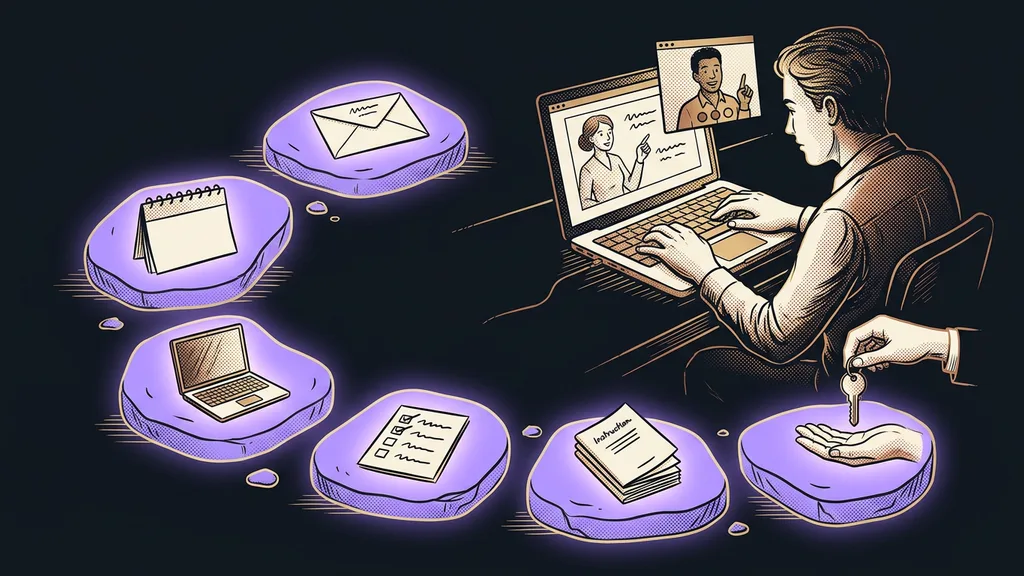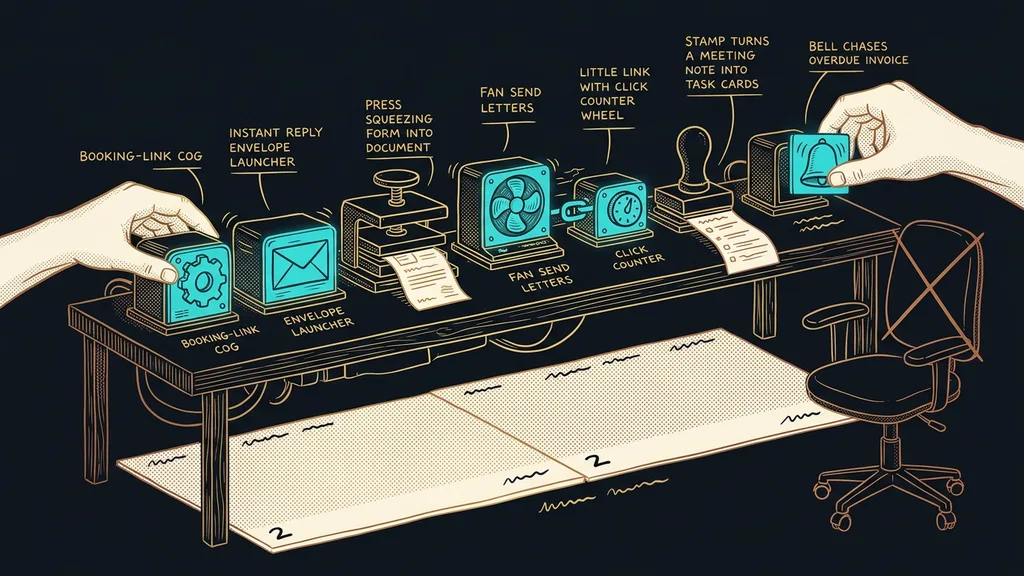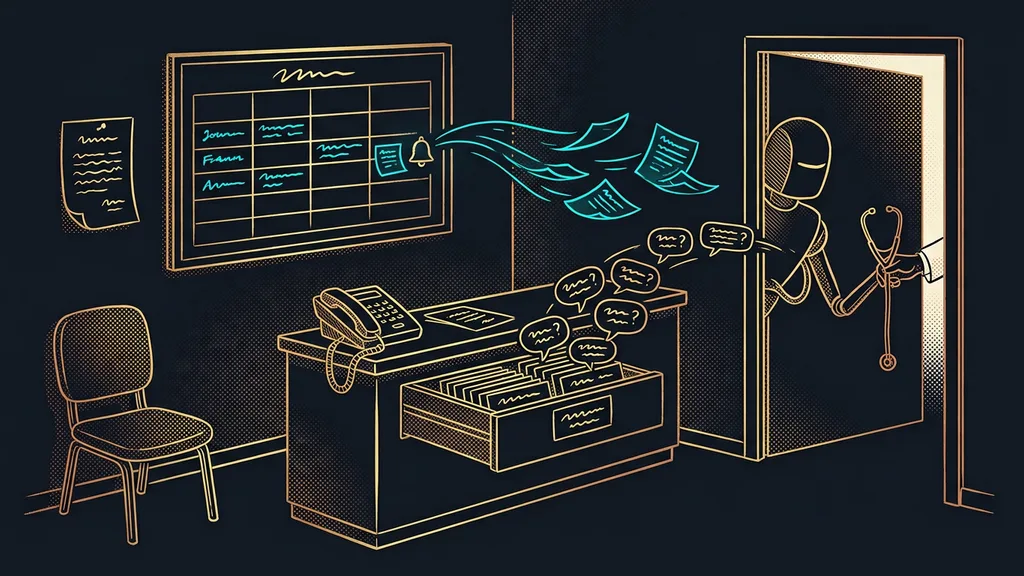
AI slop no longer stays on social media. It shows up in business emails, proposals, and customer replies: a long chat answer that someone copied and passed along without reading to the end. The sender saved a few minutes. Now the recipient has to figure out what in it is true, and nobody pays them for that work.
Developer Niklas Gruhn described this in a short blog post on August 3, 2026. He says he often asks colleagues something in the company Slack and gets back “Claude says:” followed by the whole long answer, word for word. I work with Claude every day myself, and that’s exactly why I’m clear on this: whatever goes out under my name, I’ve read and approved.
What is a meat proxy, and why does it add nothing?
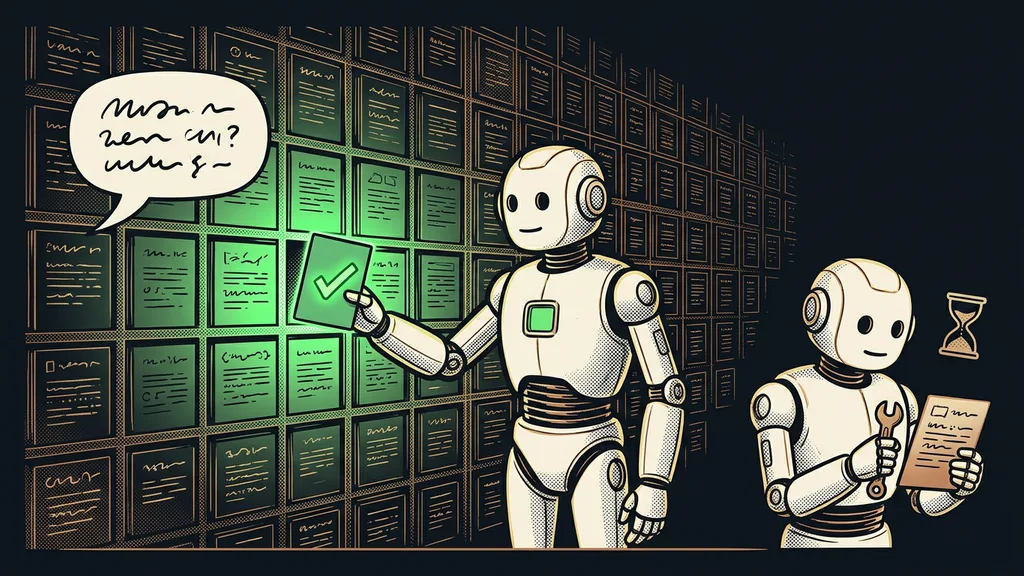
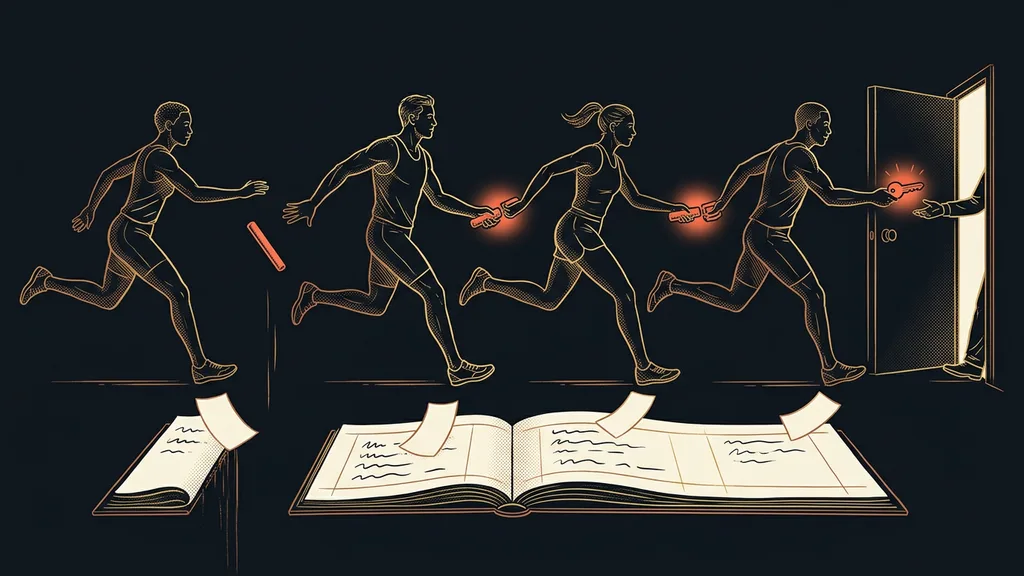
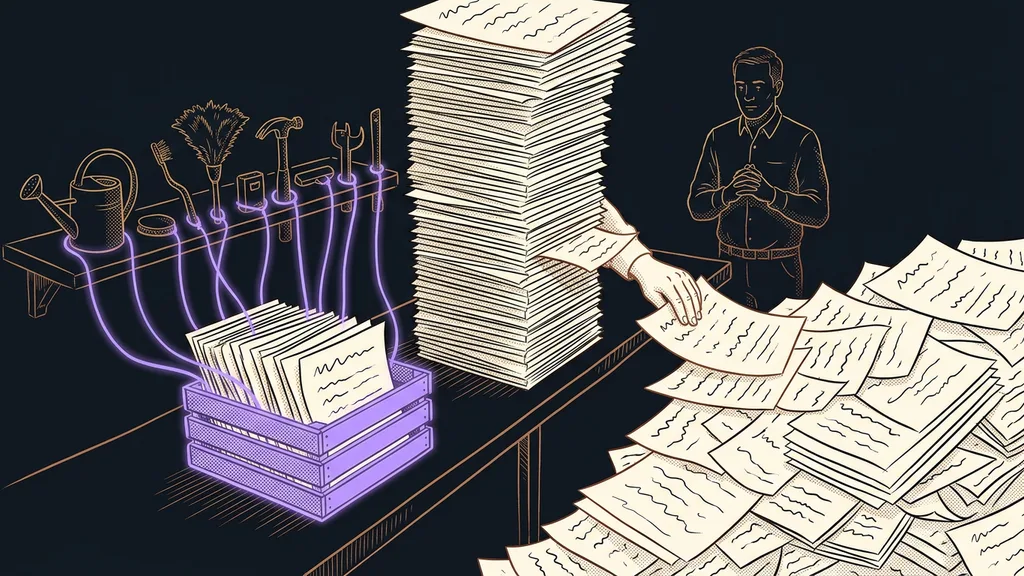
Someone who forwards AI output asks the chat and passes the answer on unchanged, unread, and unchecked. That adds nothing for the recipient, who could have asked the AI the same question. Gruhn’s term for such a person is meat proxy, loosely a go-between of flesh and blood. His reasoning is simple: I can talk to Claude myself, and faster, so I don’t need a middleman between us.
Meat proxy (AI forwarder)
A person who stands between the AI and the recipient as nothing more than a relay station. They don’t read, check, or rewrite the output; they just copy it along. The term was popularized in August 2026 by a blog post from developer Niklas Gruhn.
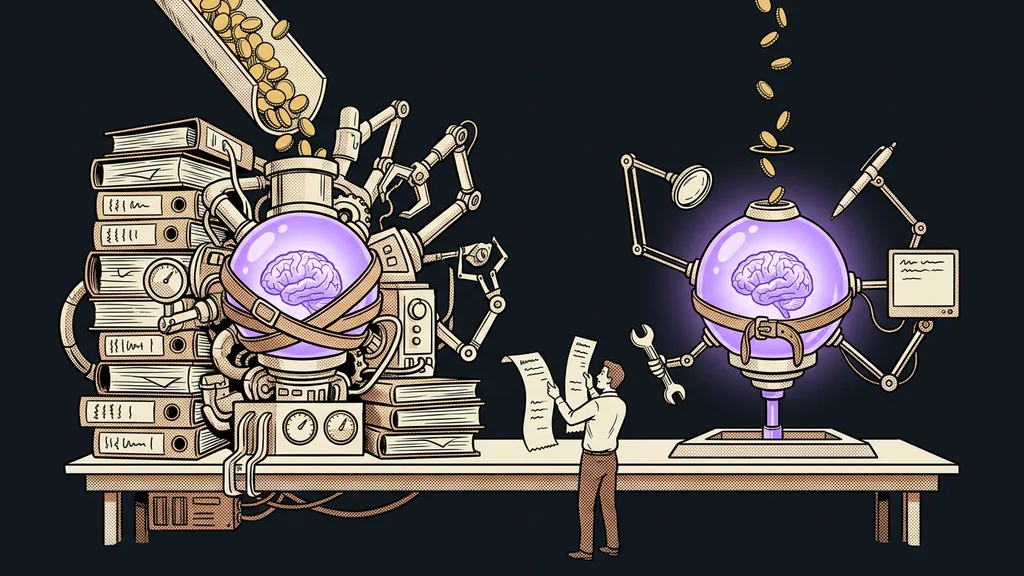
On top of that, the forwarded text costs the recipient work. According to Gruhn, AI output is long-winded, often full of plausible-sounding nonsense, and increasingly stuffed with jargon. With one such answer, he says he had to look up almost every word.
Forwarding chat text without reading it just shifts the work onto whoever receives it.
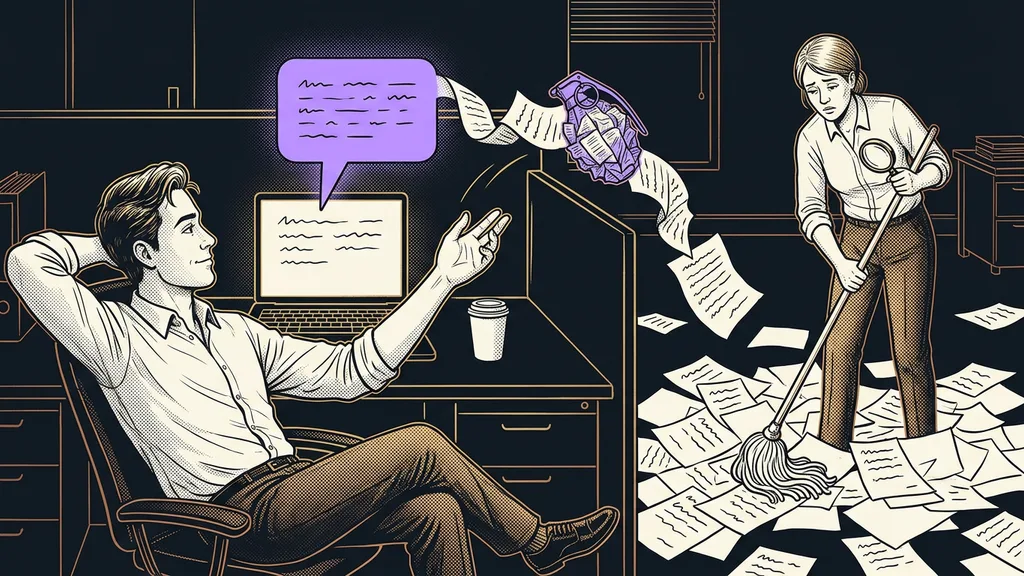
Slop grenade: you save time, someone else pays for the cleanup
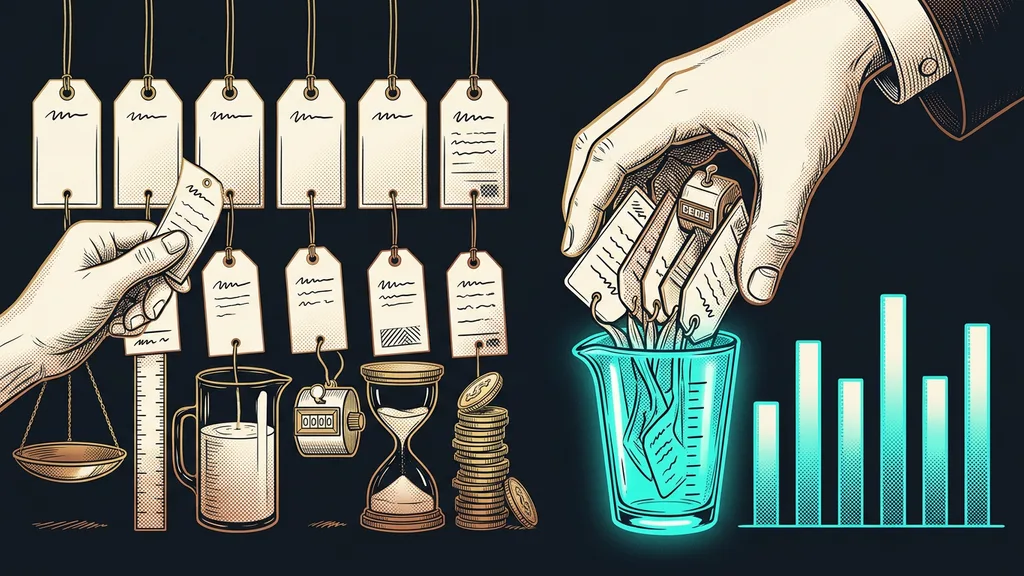
A slop grenade is AI work you pass along without checking it and without adding anything of your own. According to Shane Parrish, host of The Knowledge Project podcast, that’s what Shopify CEO Tobi Lütke calls it. Parrish summed it up on X on September 15, 2026: laziness used to mean doing too little; with AI, it often means doing too much and creating work for everyone else. You save time and look productive. Meanwhile, someone else finds and cleans up your mistakes.
A screenshot that spread on X in August 2026 showed what happens when one of these grenades goes off right in front of a customer. A customer wanted to change a phone order in Samsung’s online store chat. The agent sent him back his own question, followed by her prompt for the AI, typos and all. The customer replied with a single word: “brutal.”
AI slop
AI content that looks like finished work, but nobody put their own judgment into it. Slop means mush or pig swill. It covers a post made with one click as well as a half-read chat answer someone forwarded.
What people on the other end think of AI content
People notice AI content, and more of them rate AI-made ads negatively than positively. But most have nothing against AI as a helper for ideas and first drafts. That’s what a Bentley University and Gallup survey of 3,270 U.S. adults found. Gallup published the results on August 19, 2026.
| U.S. adults, May 2026 | Share |
|---|---|
| Saw an ad in the past 30 days that looked AI-made | 79% |
| View ads made with AI negatively | 49% (positively: 19%) |
| Same, ages 18 to 29 | 66% negatively |
| Acceptable: AI for ideas and first drafts, if the company discloses it | 75% |
| Acceptable: AI even for the final text, image, or video | 53% |
I take one simple thing from this: people accept help from AI; what they reject is a result in which they can’t see any of your work. Anyone who makes content for clients, a marketing agency for example, should know these numbers by heart. And in late July 2026, Engadget reported that LinkedIn, where businesses go for business contacts, is testing a button for reporting posts that “look like AI slop.”
Your own work: verify, cut, decide, sign
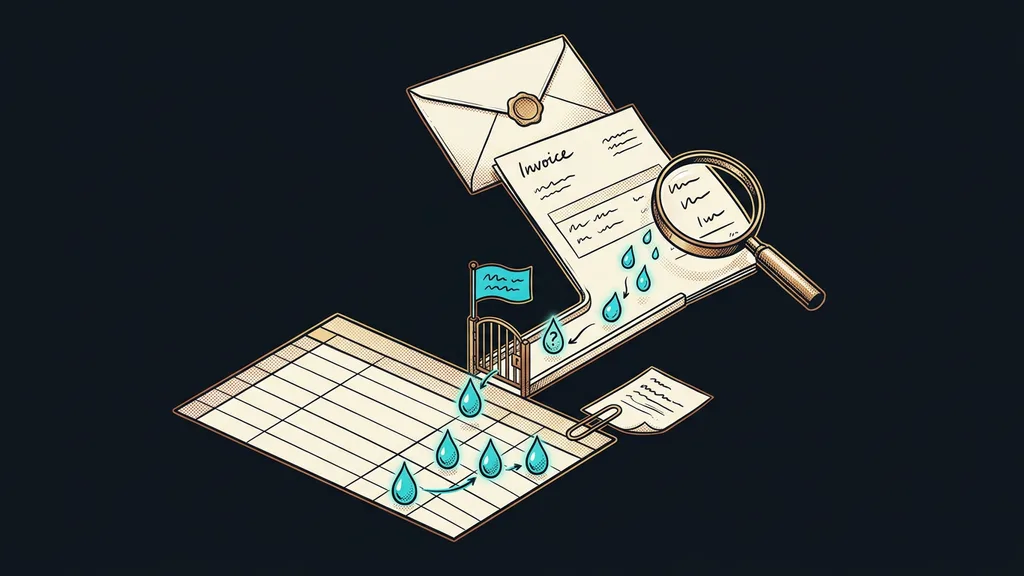
Your own work on AI text has four steps. Only after these steps is it your message rather than a forwarded chat.
- Verify. Go through the numbers, names, dates, and every claim you wouldn’t swear by. The AI’s own self-check can handle part of that work, but the final word stays with you.
- Cut. AI is wordy. The recipient wants an answer, not an essay, so throw out what they don’t need.
- Decide. AI loves to offer three options. It’s up to you to pick one and say why; otherwise you’ve just handed the decision to someone else.
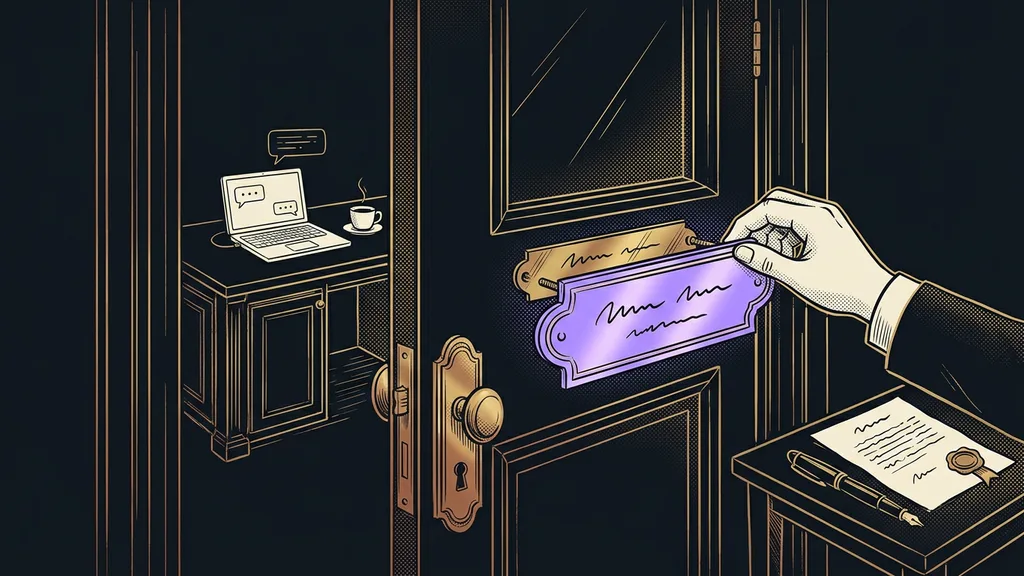
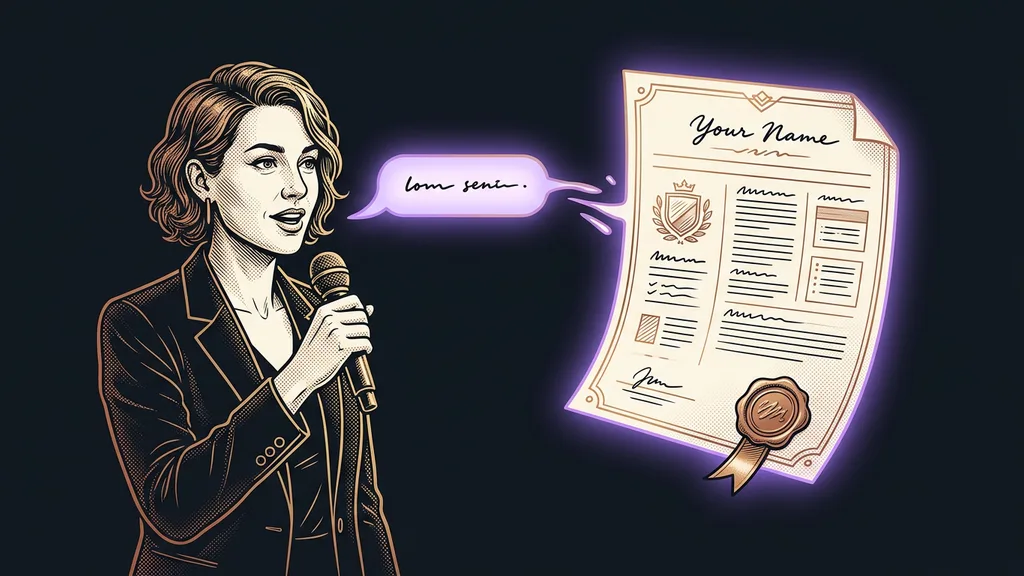
- Sign it. Reply in your own words. According to Gruhn, that’s also decent proof that you actually did the previous steps.
Three questions before you hit send
Can you explain what the message says in your own words without looking at it? Do you stand behind every number and name in it? And did you read the whole thing, down to the last line? If even one answer is no, the message isn’t going anywhere yet.
Style comes after that. I’ve covered separately how to spot and fix machine-sounding text. And a good writing tool will spare you a lot of rewriting, but it won’t vouch for the content.
My rule: nothing goes out until I approve the exact wording
No email or message goes out under my name until I’ve approved the exact wording. That’s been the rule since September 23, 2026, and it applies to texts Claude writes, too. An approval covers only that specific text and those specific recipients; a different text means a new approval. I put the rule in place after something once went out that wasn’t what I had approved.
I hold AI to the same standard as myself. I want Claude to back up every “done” with what it checked and how. I talk to clients myself and directly, so every message carries my name, not the name of a tool. AI is welcome to write me a draft. But it can only go out after my yes, and only in the wording I’ve read.
When it’s fine to pass raw AI output along
It’s fine to pass raw AI output along when the recipient asks for it and knows what they’re getting. Typically, that’s a colleague who wants background material for a meeting, or a pile of ideas you’ll still be choosing from. Just write on the first line that it’s unverified output from Claude, and the recipient can decide how much to trust it.
But raw text doesn’t belong in a message to a customer, in a proposal, or anywhere numbers or decisions are involved. There, you’re accountable for every word, no matter who wrote it.
The whole process in a nutshell
- Use AI freely and often, for research and for first drafts.
- Read the whole output, down to the last line.
- Check the numbers, names, and dates, and cut what the recipient doesn’t need.
- Pick one of the options offered and write down why.
- Rewrite the answer in your own words and send it under your name.
- Give raw output only to people who ask for it, and always with a note saying where it came from.
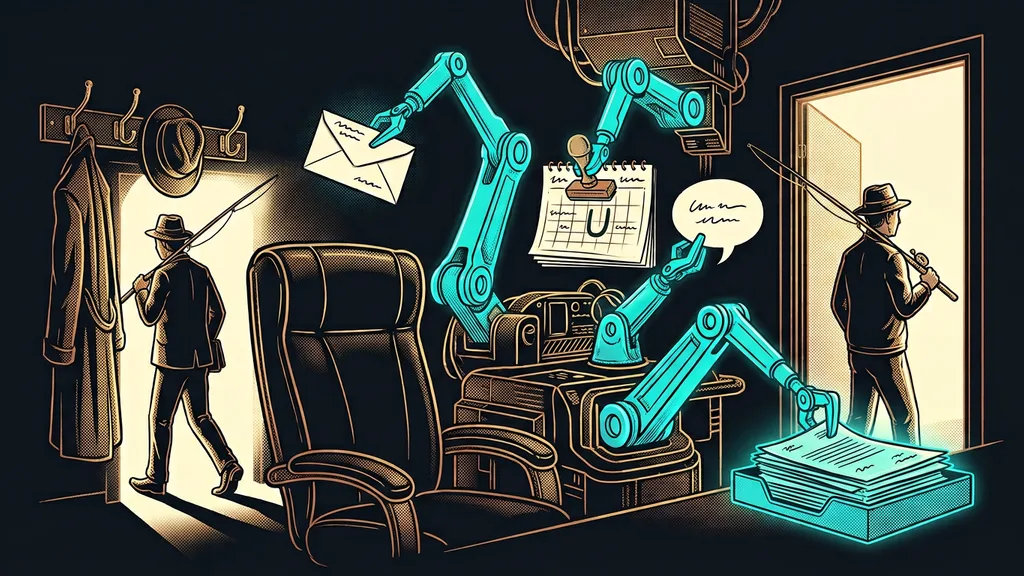
A message that starts with “Claude says:” is really a confession: between the question and the answer stood a person who just copied the text. In a business, AI should write the first drafts and people should add judgment, because that’s how you get more done with the same team. If you want it to work that way at your company, I can help you roll out AI. Every message will then be signed by a person who knows what they’re sending.