You ask AI about a specific study, and within a second you have an answer: the author, the year it was published, a figure precise to a tenth of a percent. It sounds scholarly and confident, so you take it and build a client presentation, an article, or a proposal on it. A week later, you find out the study never existed.
For a while, it was the same for me. I build a big part of my work on what has actually been measured and published, and a single made-up citation can bring down the credibility of everything around it. When it comes out, nobody cares that AI was behind it. It’s your name on the line. A few times I almost let one of those confident phantoms out, and I got fed up with it.
The trouble with AI mistakes is that you can’t spot them
A language model has no idea where verified fact ends and a plausible-sounding fabrication begins. Worse, it tells you both in exactly the same tone, without a moment’s hesitation and without an asterisk noting “I’m not sure about this.” It just writes it.
Hallucination
A hallucination is when a language model fluently produces information that sounds plausible but doesn’t match reality: a made-up study, number, citation, or link. It’s a normal side effect of how a model produces text, rather than a malfunction or a rare exception. The model strings together words that statistically fit together, not facts it has verified. That’s why a fabrication sounds exactly as confident as the truth.
And that’s exactly where it hurts most. One made-up source in an important document, one client who checks that number before you do, and something you spent years building is gone. You can’t win trust back with a correction in your next email. Either your numbers stand behind you, or they don’t.
There’s a chasm between “I think that’s right” and “I know when and how I checked it.”
The fix: a filter falsehoods can’t squeeze through
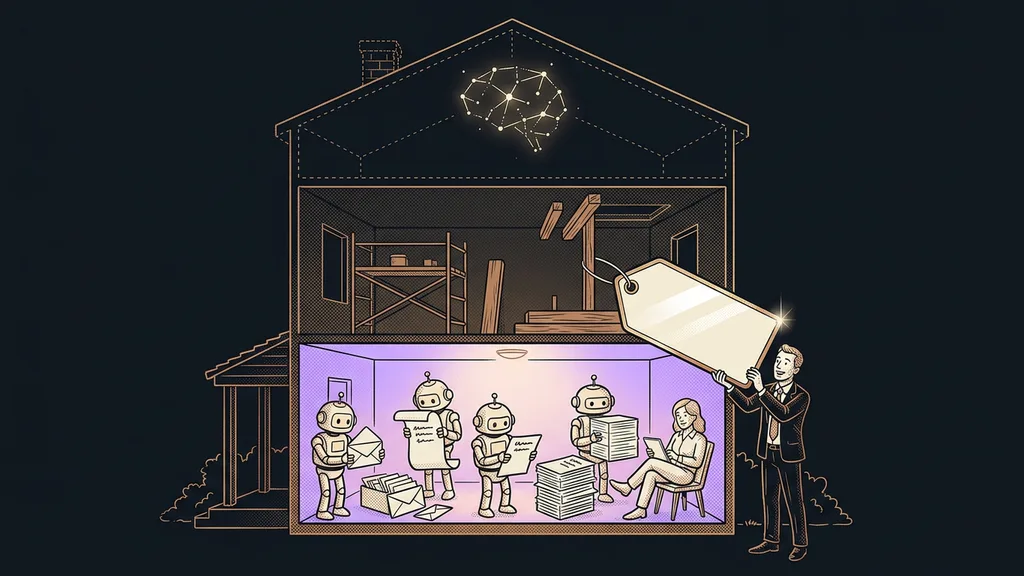
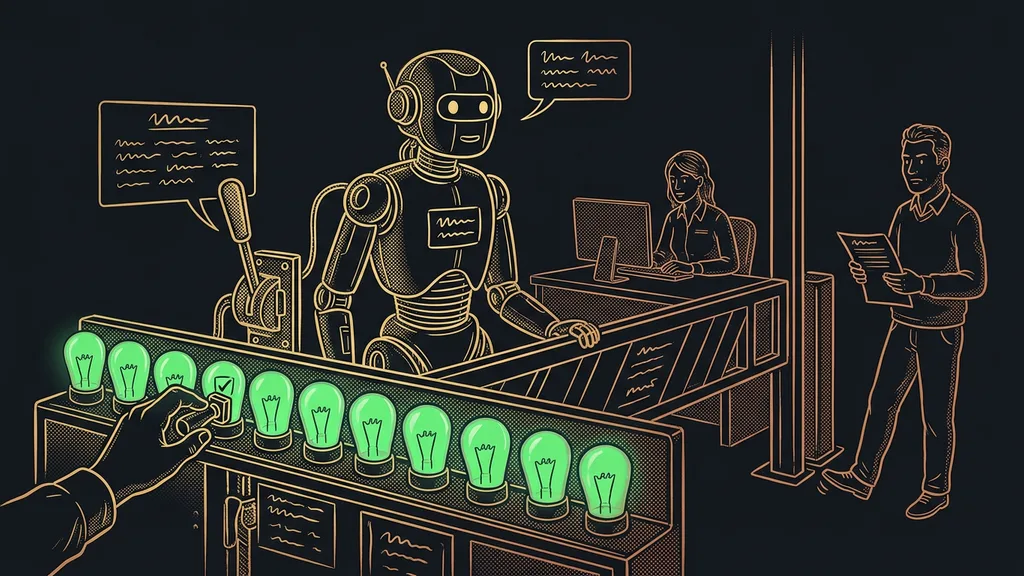
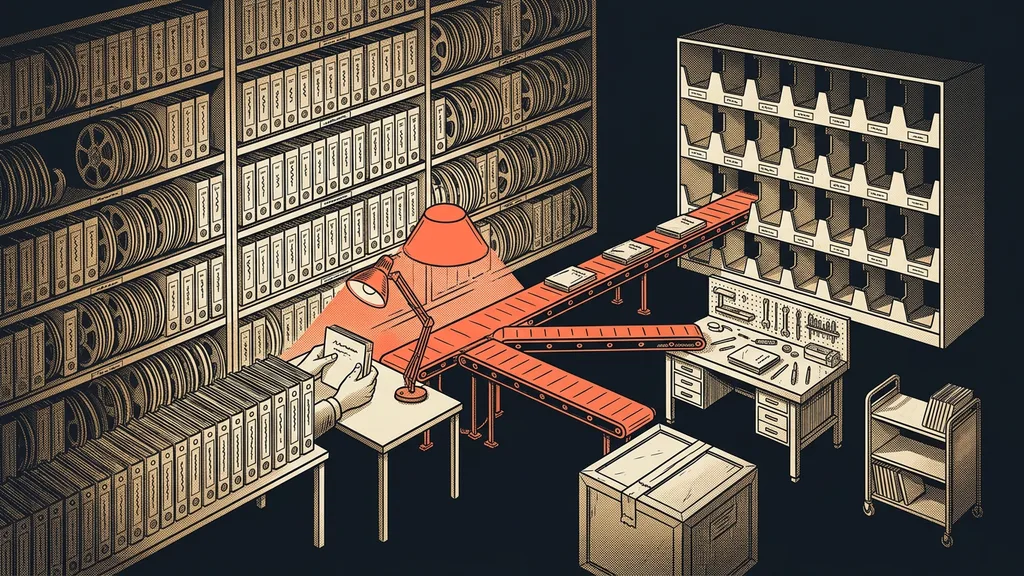
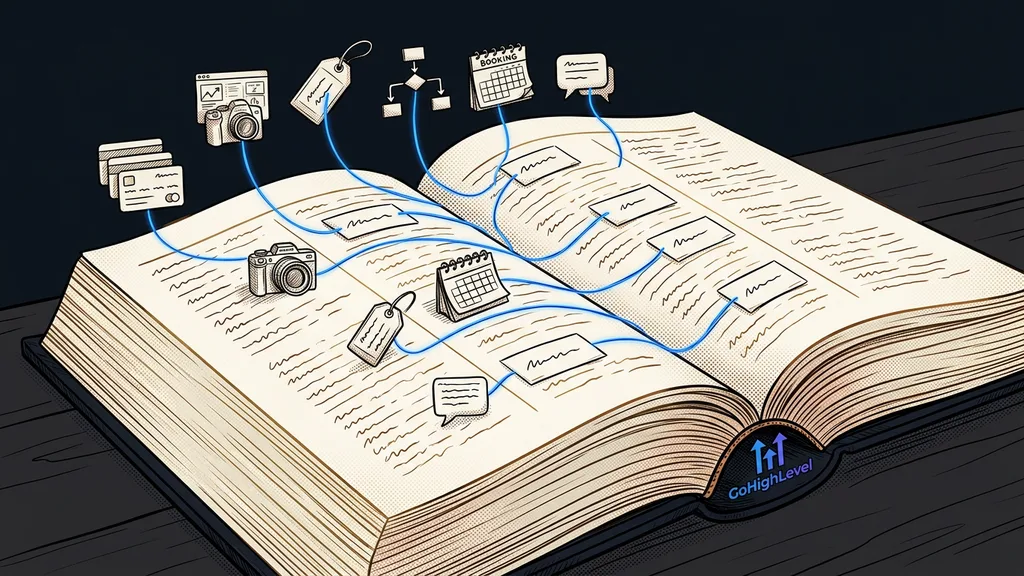
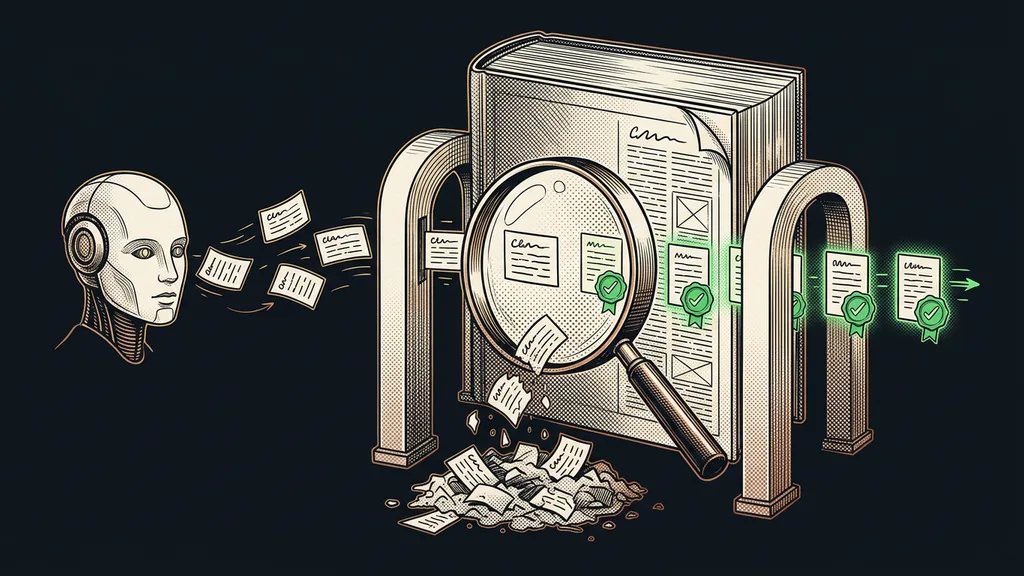
The way out is simpler than it looks: instead of counting on the model happening not to lie, put a filter between it and the result. It’s built around a knowledge base with more than 500 scientific studies. It’s more than a pile of links, though. Every note in it records how thoroughly it has been verified, from a quick check all the way up to the strictest level, the only one I let into production.
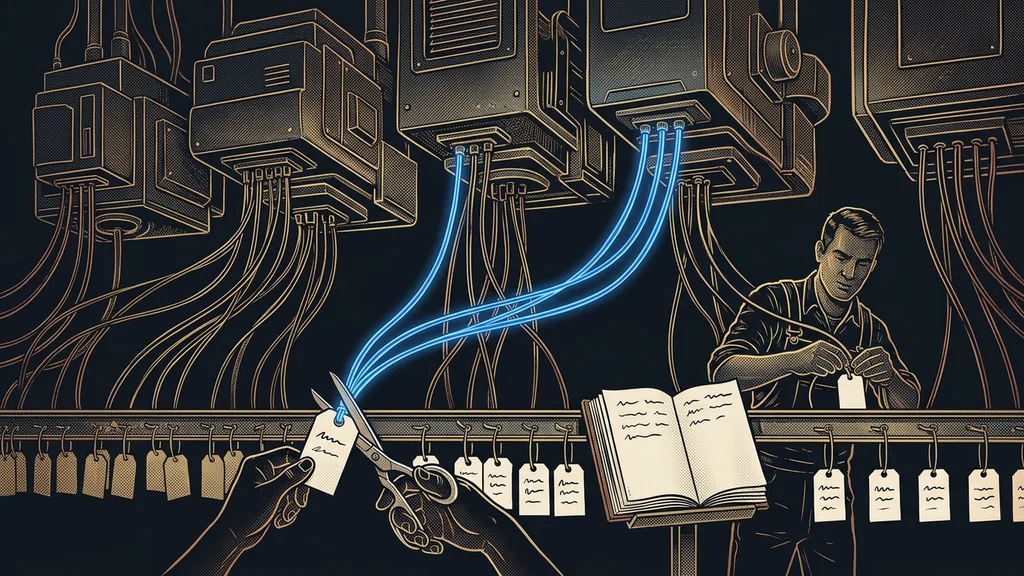
That top level means I compare the note against primary scientific databases such as PubMed, OpenAlex, or Crossref. I’m checking whether the study says exactly what I’ve noted about it, which goes well beyond whether it exists at all. So the system goes through every value in the note, every percentage, every participant count, and compares it with what the source says. When something doesn’t match, it gets flagged at the top.
What the first live run found
When I first ran the system live on the whole database, it confirmed exactly what I’d feared. In one note, the link pointed to a different study than the one I had in mind: the field and the year matched, but it was simply a different paper. In another, a percentage had shifted slightly while I was retyping it, by a few tenths rather than an order of magnitude, exactly the kind of thing you skim right past. Nothing dramatic. And nobody points out quiet inaccuracies like these until someone checks your work.
We fixed it, and above all, I then knew exactly where to look. For me, that’s the main difference. Normally you create content and trust that you got it right. Here I have proof: someone recounted every item and compared it with the original, and for each one I can see when and how.
The one-minute self-test
Think back over the last month. How many numbers, dates, or citations from AI did you pass on, into a proposal, a presentation, or an email to a client, without opening the source and comparing? My number used to be higher than I’d like to admit. And it only takes one wrong one.
The same filter works outside science
This works for far more than one database of studies. It’s a principle you can apply to any facts that leave your business: the price list AI quotes prices from, the internal procedure it uses to advise colleagues, the contract terms it summarizes for a customer, or the company figures your chatbot answers from. One rule applies everywhere, and once you teach it to the AI, it sticks for good:
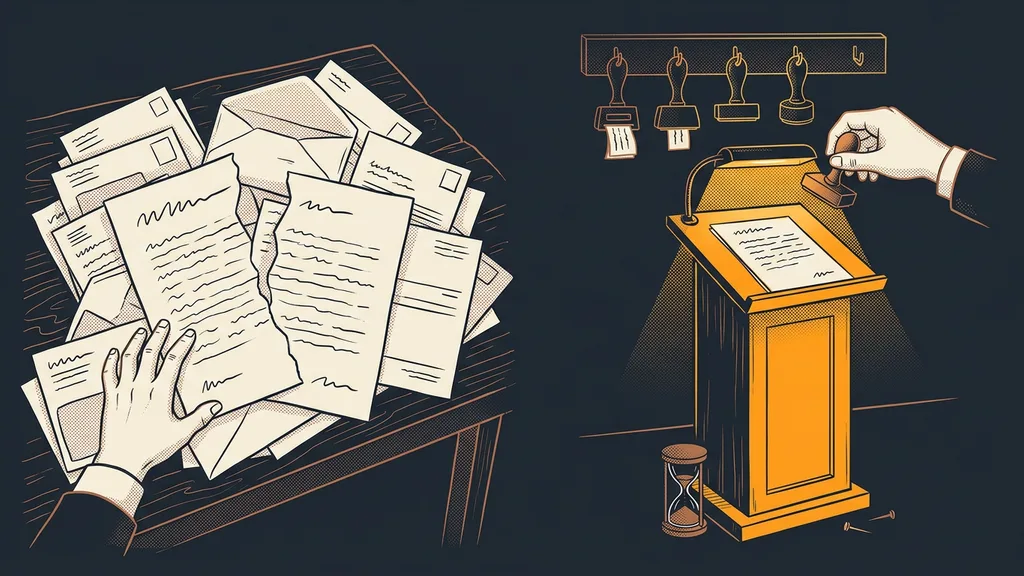
- It must not reach for anything that hasn’t passed the approved level of trust.
- Lower tiers of the database can exist, but nothing from them gets out.
- Whatever has held up once keeps holding up, and you don’t have to go back to it.
Everything else then draws on a knowledge base like that: articles that practically write themselves, as well as materials for clients. And because the verification happened before the text ever reached you, you don’t have to check every letter the AI writes with the feeling that an embarrassment is waiting around the corner.
Who doesn’t need this
If you don’t pull facts out of AI that go out into the world (numbers, citations, prices, claims someone bases a decision on), you don’t need this filter. When you use AI for ideas, first drafts, or brainstorming, where you sort through the output yourself anyway, a verification layer is as pointless as a notarized shopping list. It switches on exactly when your name is on the output.
How it works, briefly and in plain terms
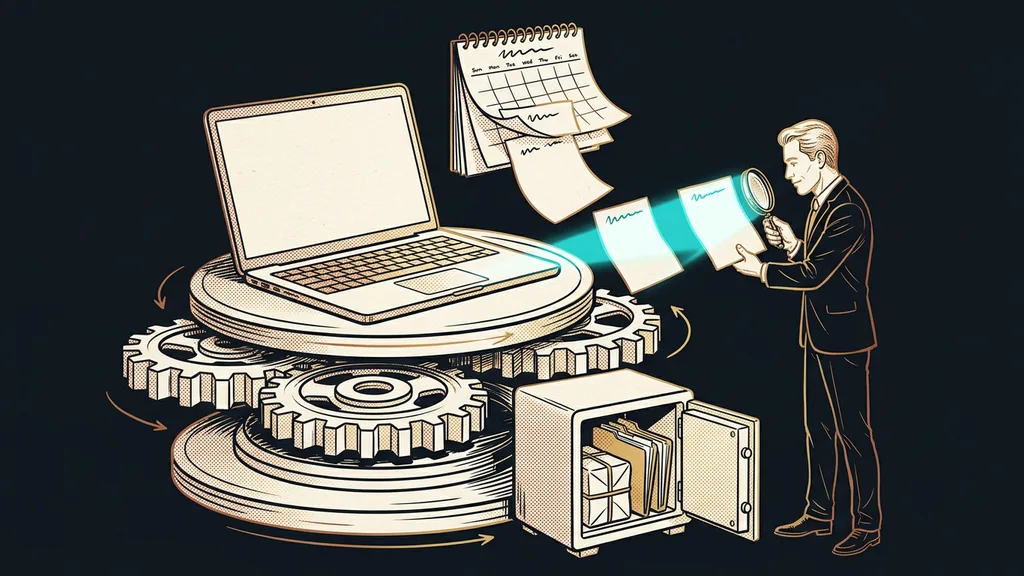
I don’t do the verification itself by hand, because that would be nonsense. I split the work into batches and hand it to AI research agents. They do the painstaking part, searching scientific databases and comparing number by number, and I just review the result. And whatever the system properly writes down once, I don’t have to explain a second time.
Incremental verification
Incremental verification means that each time, only what’s new gets checked, and anything that has already passed the strictest check isn’t revisited. The system remembers which item was verified and how thoroughly, so the same work doesn’t get done twice. Verifying over five hundred studies once is reasonable work, while verifying them again and again would be nonsense, in both time and money.
The whole system in a nutshell
- I store every item along with how strictly it has been verified.
- The top level compares the note with primary databases (PubMed, OpenAlex, Crossref), number by number.
- Whatever doesn’t hold up against the source gets flagged for correction. Lower tiers exist, but they let nothing out.
- AI research agents do the painstaking comparison in batches, and I review the result.
- Only new science gets added. Whatever has held up once isn’t verified again.
Nobody can teach AI to stop making things up. What you can do is set a bar between its fabrications and your name, one that the confident phantom from the beginning won’t clear. A good AI setup is one where no lie makes it out.