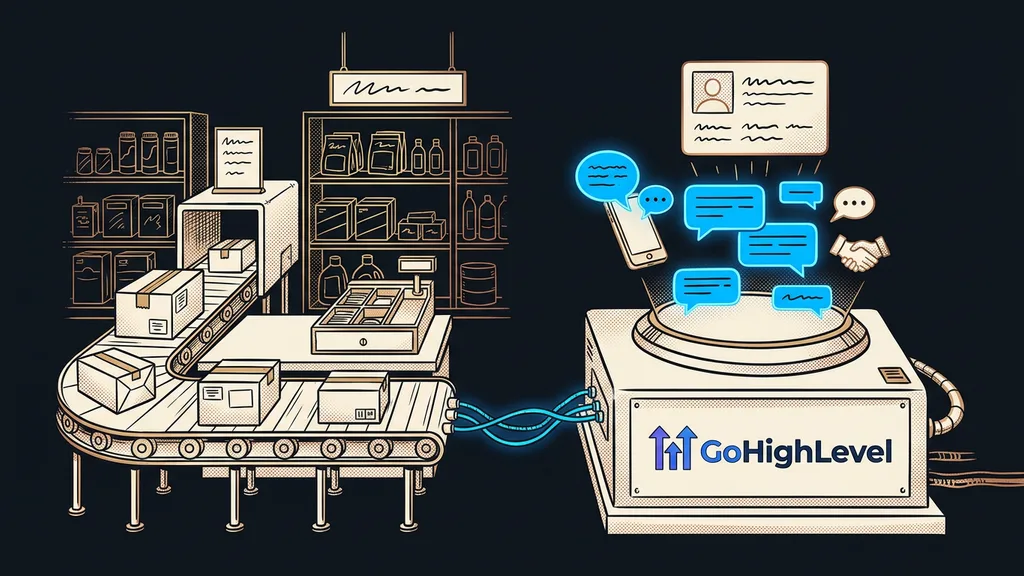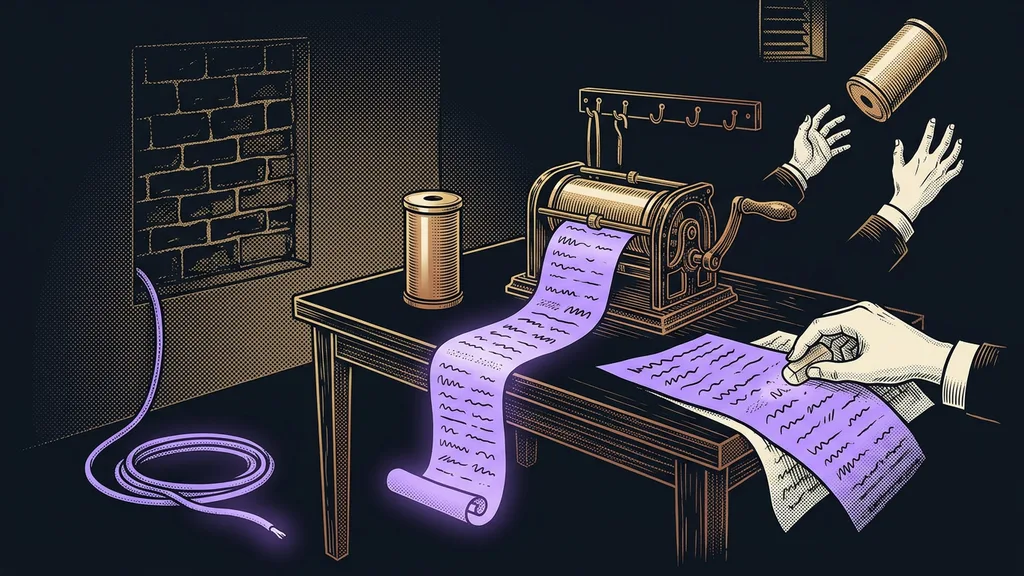
Plenty of people would rather listen to an article or a guide on their way to work than sit down and read it. And yet most of those recordings never get made. The author can read aloud just fine; what stands in the way is an hour of mechanical, tedious work between them and the finished audio. And that hour wins almost every time.
I know this from the inside, because I put exactly this off for years. Half past eight in the evening, a microphone, and a text barely twenty minutes long. I trip over my words after the third sentence and run out of breath after the tenth. By the time I crawl to the final period, the hour is gone, and I still have to edit out all those stumbling bits I chopped into the middle of sentences. But a sentence cut in half never sounds whole again, no matter how carefully you glue it back together.
The culprit is one extra hour, not laziness
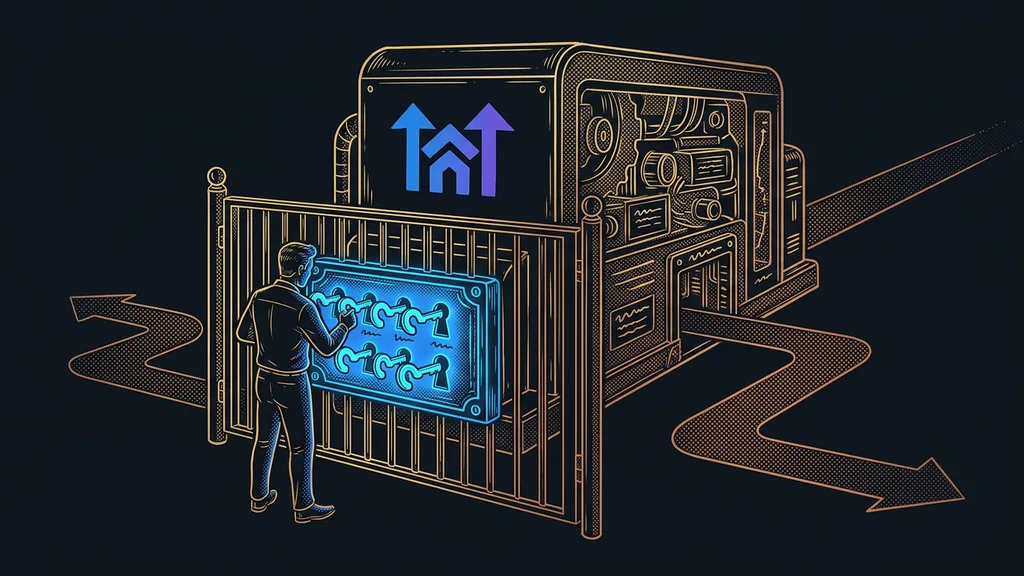
The real obstacle is the hour between you and the finished recording, not your ability to read aloud. That hour decides whether you end up making the audio or shelve it indefinitely once again. And most people shelve it.
Production barrier
The invisible cost between “I want this” and “I have it done.” It’s tedium, not inability: an extra hour of boring work you have to get past every time before there’s a result. The higher the barrier, the more often you simply don’t do the thing. And in the end, you talk yourself into believing you don’t even need it.
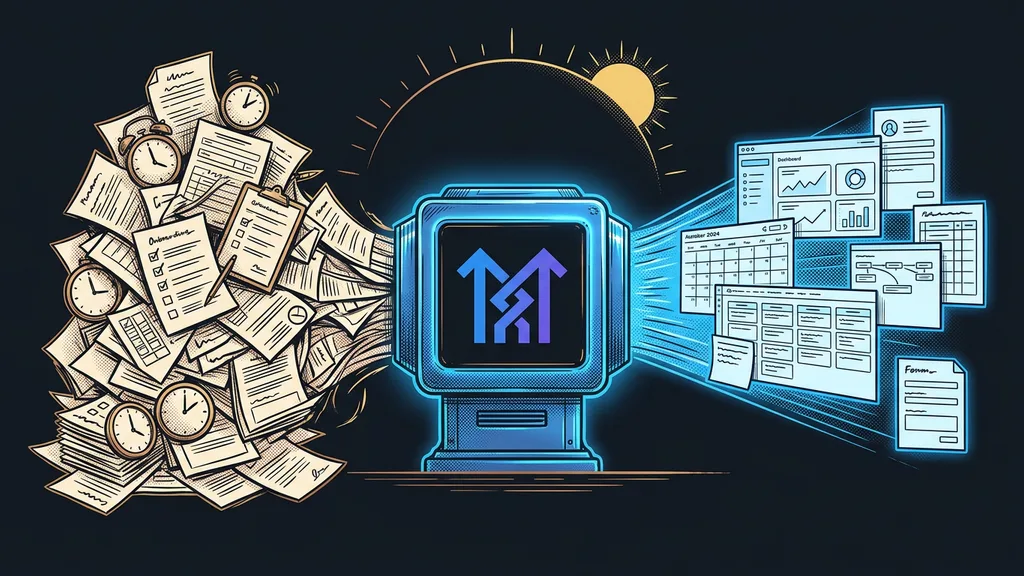
Every evening you put it off is one article nobody gets to listen to on their headphones. One podcast that never happened. More willpower won’t fix it; you don’t have any to spare when you’re swamped anyway. What fixes it is knocking that barrier flat, so recording a text costs a few minutes instead of a whole evening.
How I unplugged from the microphone
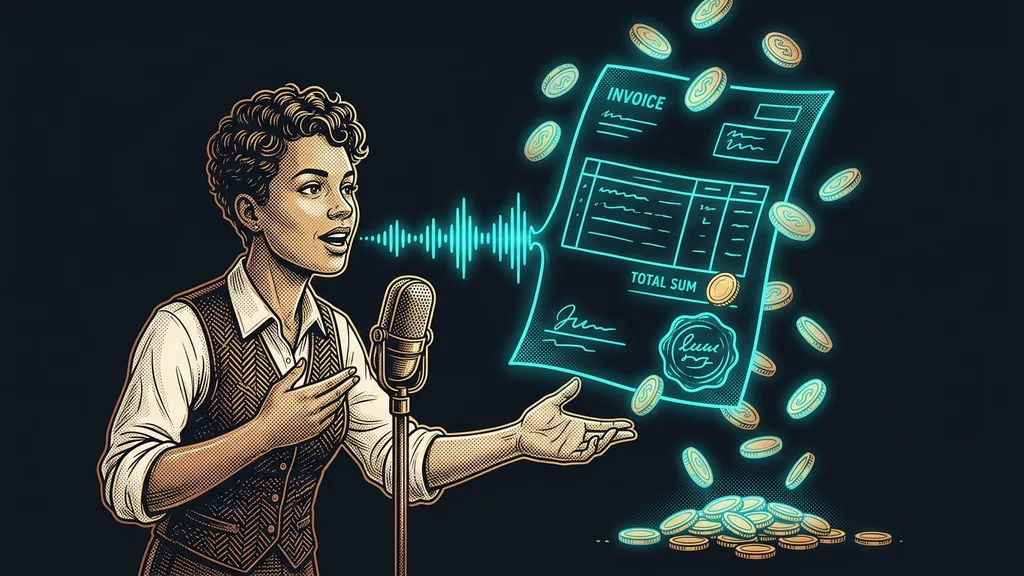
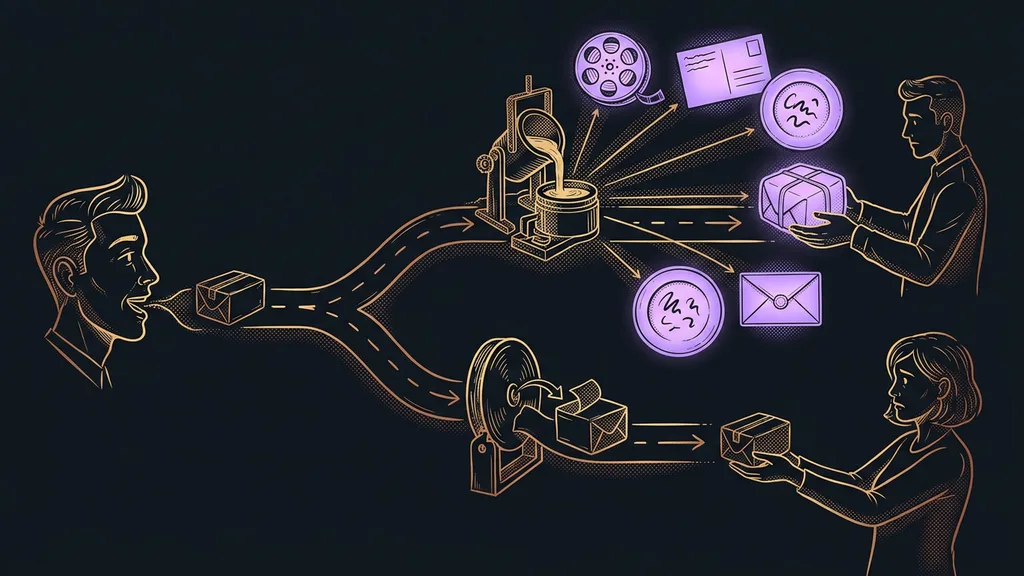
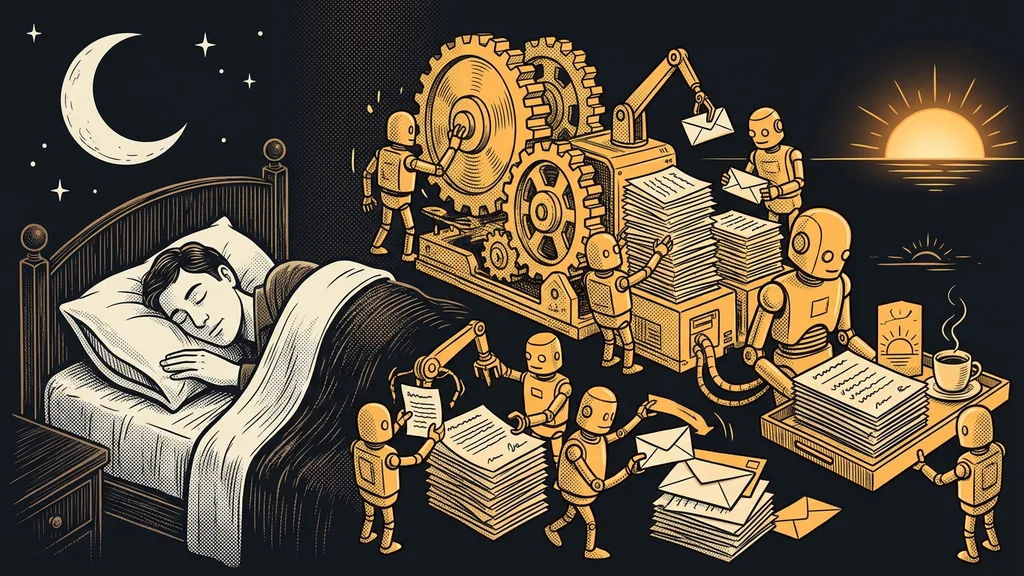
I built myself a system that houses a cloned voice: mine. I write a text, send it off, and a few minutes later I have a finished audio version. It takes no microphone, and there are no slip-ups to edit out. It happily runs while I’m asleep.
Voice cloning
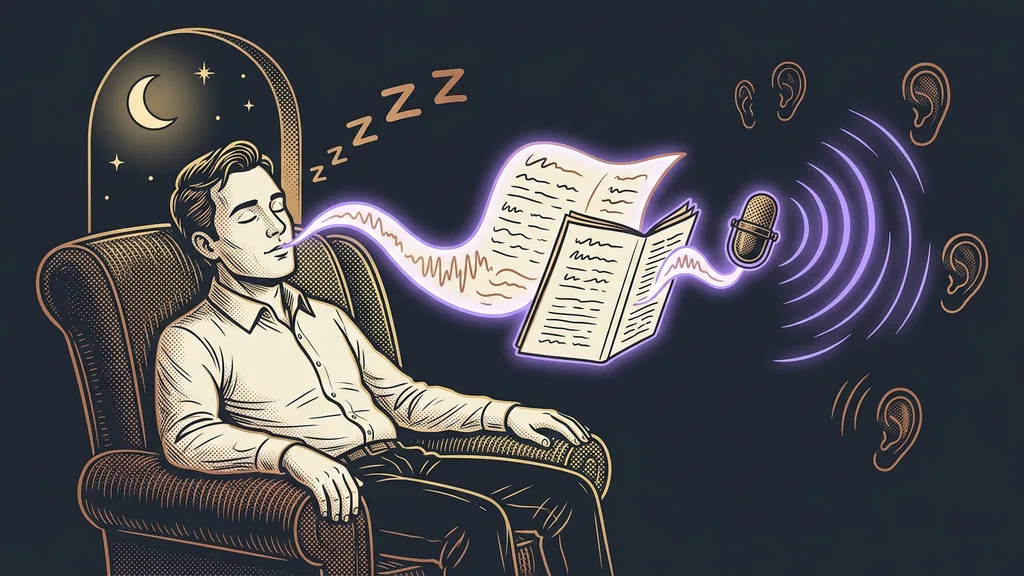
AI learns the tone, pace, and melody of a specific voice from recordings and can then read any new text in it. It’s not an imitation of a “similar” voice: the goal is that a listener who knows you can’t tell the difference.
I write an article, or my publishing system prepares it for me, and a narrated version comes out of it right away. And not just from articles: from video scripts, guides, anything that should sound like me.
Where ordinary AI voices fail
Almost anyone can narrate a short text. The breaking point comes with length and with Czech, and that’s exactly where most tools fail. These are two things worth watching for with any AI voice before you trust it with your name.
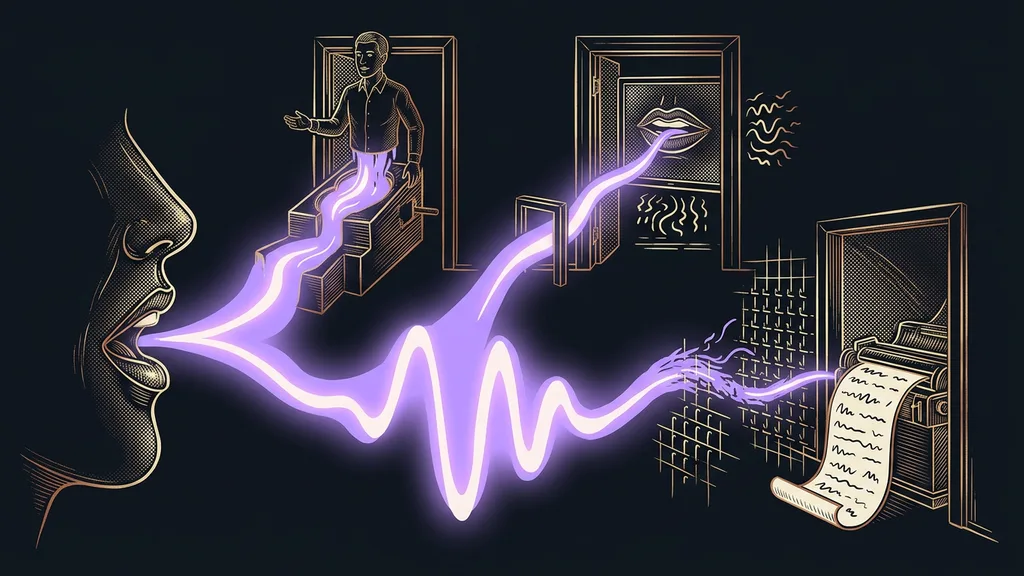
The first is length. I have scripts dozens of pages long, and ordinary voices either can’t handle them in one go or leave an audible seam between parts: a jump in vocal tone, a different pace. The ear catches it instantly.
The second is Czech. These voices sound great in English, but as soon as they have to speak Czech, they start to grate. The accent slips, the intonation stiffens, and that unmistakable robotic aftertaste kicks in, the one that tells you within two sentences you’re listening to a machine. And if your audience is Czech, a foreign accent sticking out of the recording would make them stop taking in the content and get hung up on the strange voice.
One-minute self-test
Play any sample of an AI voice you’re considering and listen for two things. First, a “seam” at the transition between paragraphs, where the tone or pace changes. Second, whether the Czech accent survives past the second or third sentence or starts to stiffen. If it passes both, you have a voice you can stand for longer texts, too.
This is where I spent the most time: getting the Czech to sound natural, with the breath and softness of a living person.
Today, when I play back a finished recording, I sometimes have to stop and wonder whether I recorded it myself.
What else it does on its own
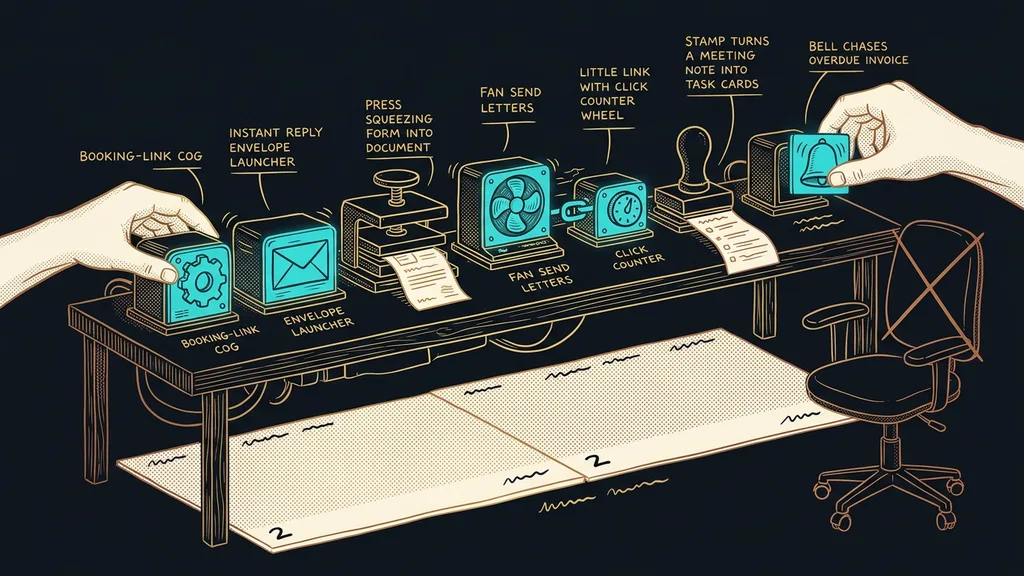
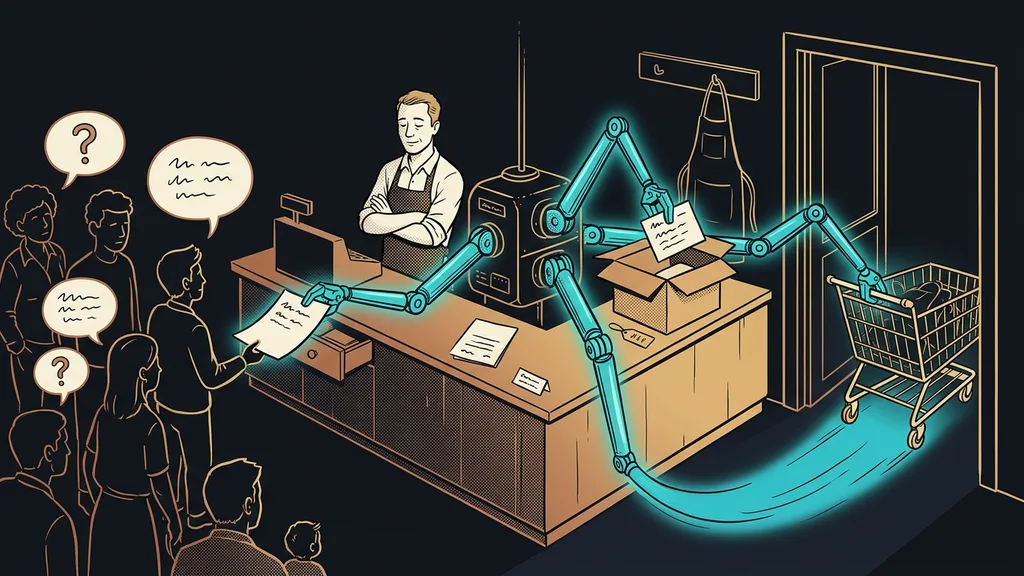
Since the voice is already in the system, it can do a few extra things I don’t have to think about. It turns a finished recording into a transcript or subtitles, so after filming I have the text for the video without tedious typing. It suggests on its own that a given article would make a nice podcast. And it keeps an eye on spending: longer recordings cost money, and it’s easy to burn through it without thinking, so it tracks usage as it goes and speaks up in time, before you run dry.
Who a voice clone isn’t worth it for
This isn’t for everyone, or for everything. If you record one short piece a year, a microphone is enough, and cloning isn’t worth it. And there are situations where nothing replaces a live mic: spontaneous emotion, a conversation, a moment when your voice should tremble with feeling. A clone is for volume: articles, guides, and materials that would otherwise never get made because of that annoying extra hour.
The whole system in a nutshell
- The system houses a faithful clone of my voice, tuned above all for natural-sounding Czech.
- I write a text, or the publishing system prepares it, and I send it off.
- A few minutes later, out comes one smooth recording that keeps the same tone from the first sentence to the last, with no seam.
- It works the other way, too: it turns finished audio into a transcript or subtitles.
- And it keeps an eye on spending, so longer recordings don’t catch me off guard.
There’s no magic to it: a voice clone that handles both Czech and length, hooked up right where I write. I still have the microphone. I just don’t have to sit down at it every time I want to give a text a voice. A cloned voice earns its keep by removing the hour that would otherwise stop the recording from ever happening, not by sounding better than you. And it does that even while you sleep.