Every social network has its own stats these days. One shows reach, another views, a third saves. The numbers look precise and tidy, but you can’t compare them with each other. And above all, none of them tells you whether an order came out of it in the end.
I know this by heart. As recently as two years ago, I’d open three apps after every post and look at the likes. If there were lots of them, I felt good and went off to do something else. Where the customers who wrote to me that month came from, I had no idea.
A like is just a thumb that stopped scrolling
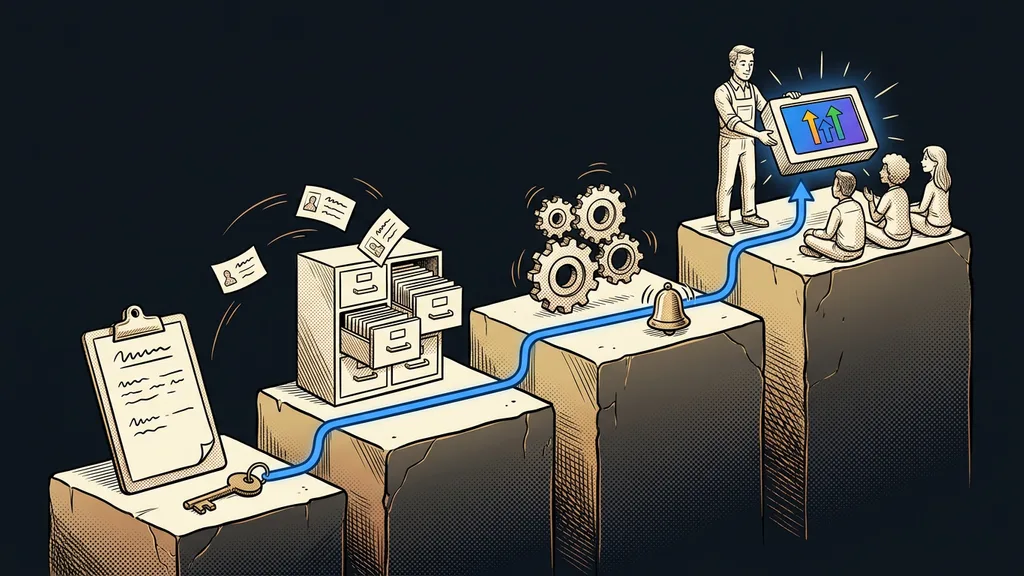
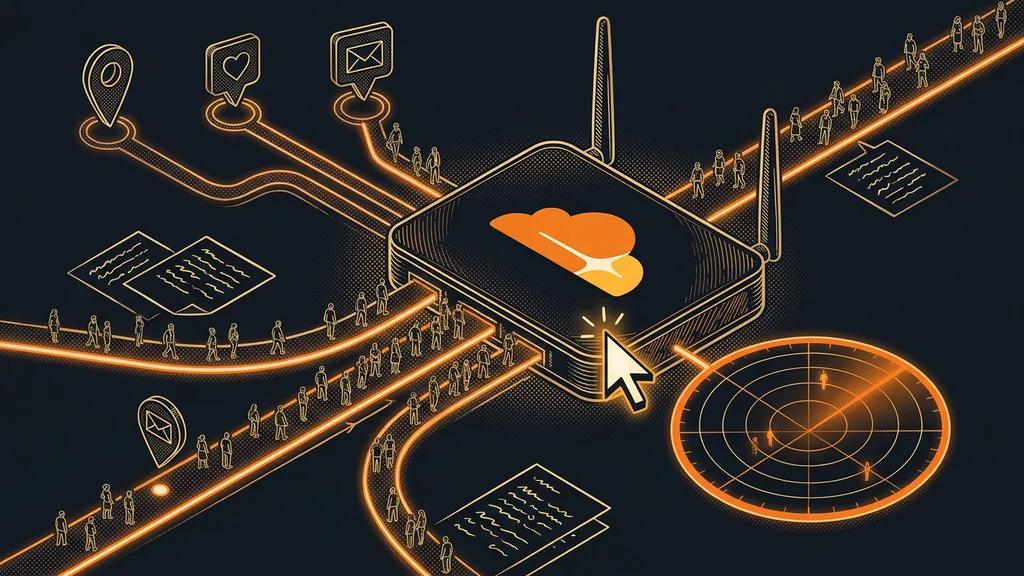
The numbers in the apps measure attention, not customers. There’s a long road between someone stopping to look and someone buying from you. The networks see the first step of it, and then the door closes behind that person.
Vanity metrics
A number that’s nice to watch but doesn’t lead to any decision. Likes, reach, and follower count look like performance, but they don’t tell you whether to keep making this type of content. They’re easy to spot: if the number doubles and absolutely nothing changes in the business, it’s a vanity metric.
It’s not that these numbers lie. They measure exactly what they can measure. The problem starts only when someone uses them to decide what to spend next month’s time on.
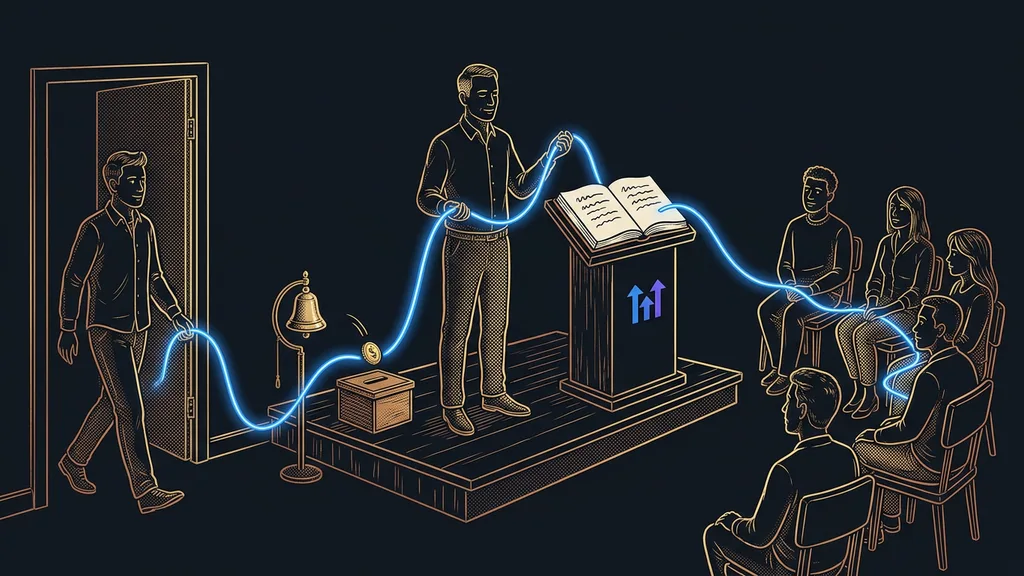
A like is an opinion. An order is a decision. Watching opinions and hoping for decisions is the most expensive habit I know of in small businesses.
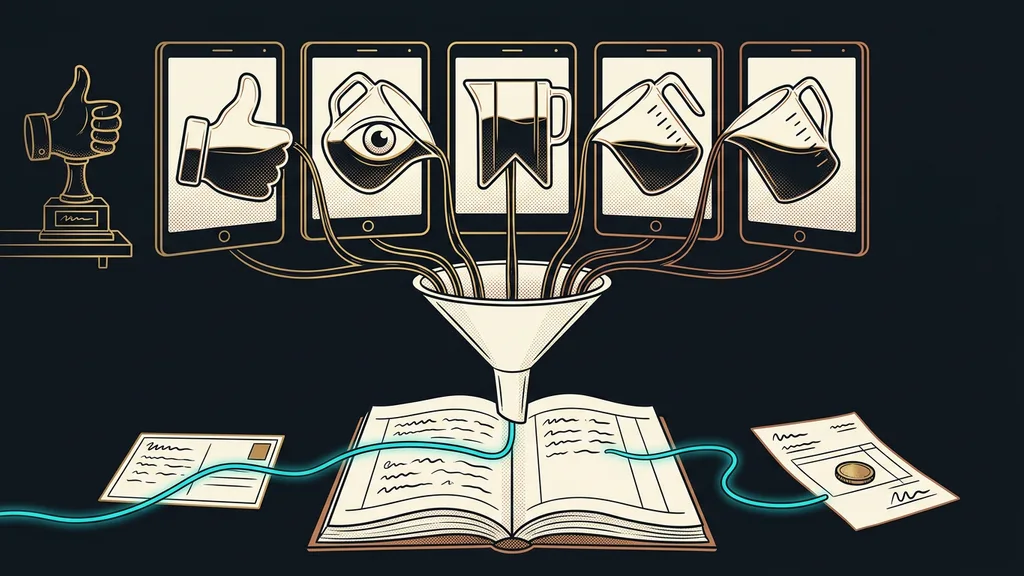
Five apps, five different yardsticks
You can’t compare the networks with each other, because each one counts its own way. One counts a view after one second, another only after three. One shows reach, another impressions, and those are two different things. The periods the numbers are tallied over differ too.
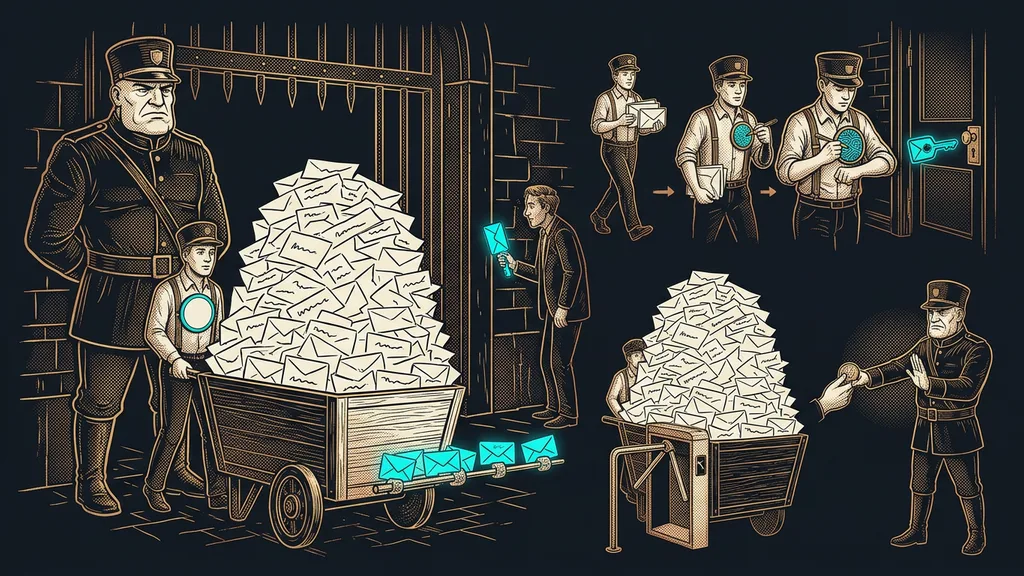
On top of that, there’s a silent loss. Older numbers stay in the dashboards for a limited time, and then you simply can’t get to them. So content only ever gets evaluated within one network and only for the last few weeks. It almost never gets compared across channels and over time, because there’s nothing to compare it from.
In practice, it plays out the same way every time. The network that flatters you most gets the most attention and time, even though it says nothing about customers. And the channel where the numbers look modest quietly gets dropped after a while. So the decision is made by the shape of someone else’s statistics, not by your results.
One record that fills itself with numbers
The solution is one place where every post has its own row, rather than yet another stats tool. Each post gets a permanent label, wherever it was published. Next to it are columns with the same definition for every network, so the numbers can finally be laid side by side.
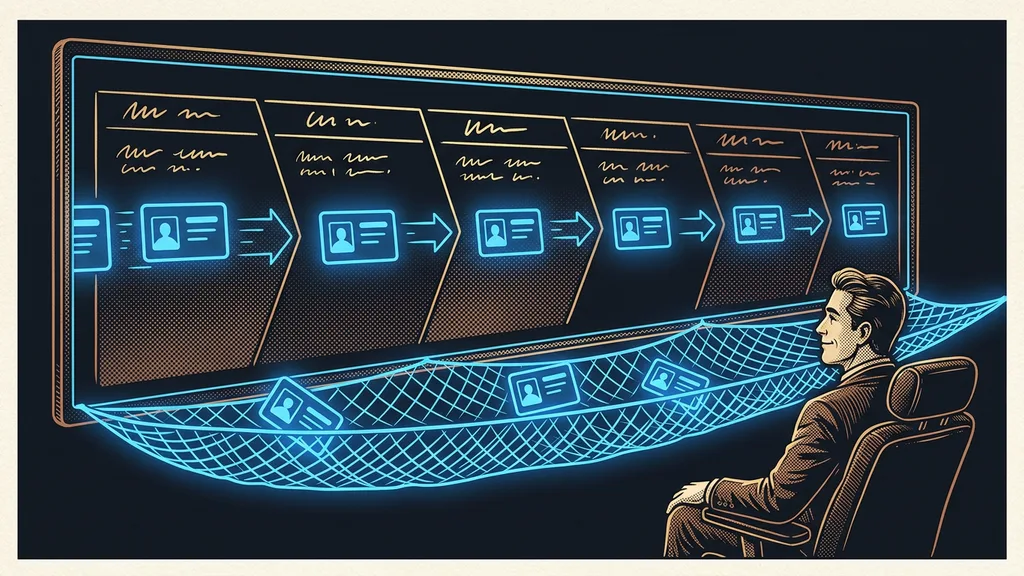
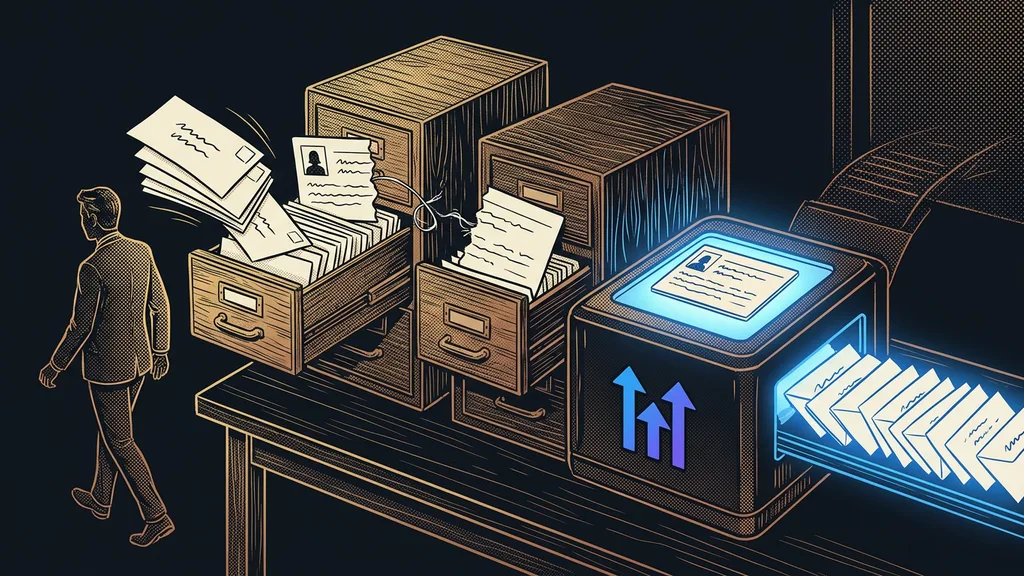
It’s collected continuously and without me, which is the essential part. The numbers are filled in retroactively too, as they come in, so the history has nowhere to get lost. Publishing to the networks from one place and measuring them from another wouldn’t make sense, so the two are connected. What you get is an ordinary business database that the system fills in, not a spreadsheet someone retypes in the evening.
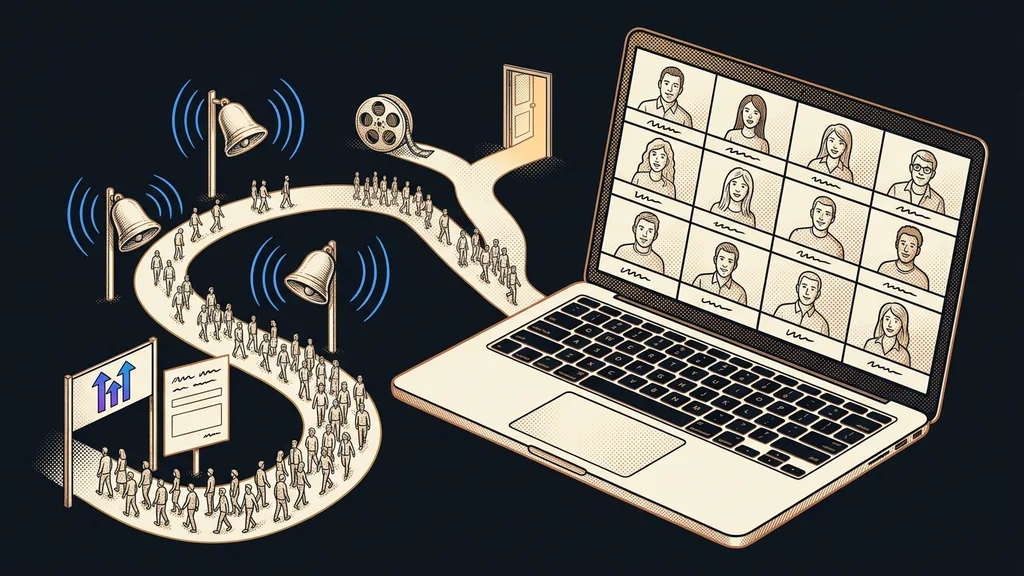
Then the most valuable part gets added to the same row. When the link in a post carries its origin, a click can be tied to the specific post, not just the channel. Next to it, you note what happened next: an inquiry, a meeting, an order.
One-minute self-test
Name three posts you published this year after which someone wrote to you or bought something. Not the ones with the most likes, the real ones. If you can’t think of a single one, your problem isn’t the content. You just don’t have a record you could read it from.
Post-to-purchase lag
The time between someone seeing your post and actually buying from you. For a small purchase, it’s minutes. For a service, it can easily be weeks. If you only look at the day of publishing, you don’t see this part of the journey and you give credit to the wrong thing. That’s why posts are evaluated after some time has passed, not on the evening they go out.
What it tells you, and what it doesn’t
You’ll know which posts were involved when someone came and bought. You won’t know why those particular ones worked. The record gives you certainty about facts, not causes, and that’s worth keeping in mind.
It’s only honest to admit the blind spot too. Credit is usually spread across several touchpoints, and not every one of them leaves a trace. Someone who sees you, remembers you, and comes straight to you six months later won’t be in the spreadsheet. Measurement shrinks that blind spot. It doesn’t remove it.
And there’s one thing this overview deliberately doesn’t address. What to take from the numbers and what to focus on next is a separate job with its own process. But first, there has to be something to read.
Who it isn’t worth it for
This isn’t for everyone. If you put out one post a month on one network, you’ll remember it without a record. It pays off once you publish regularly in several places and sell from your website.
It also makes no sense where nothing follows the post. If people have nowhere to click and nothing to fill out, there’s nothing to connect. So first the page and the link, and only then the overview where you see it all together.
The whole system in a nutshell
- Every post gets its own label, whichever network it goes out on.
- Numbers from all networks are collected regularly into one table with the same columns.
- The link in the post carries its origin, so a click is tied to the specific post.
- You add to the row what happened next: an inquiry, a meeting, an order.
- You read it a few weeks later, not on the evening after publishing.
I still open those three apps today. I just don’t look for answers in them anymore. The good feeling from likes wasn’t useless. It just had nothing behind it, and it changed with my mood. Today, I look at one column where posts stand next to orders. A good overview doesn’t come from collecting more numbers. It comes from all of them finally measuring the same thing.