The phrase white label comes up at every other conference, and everyone around nods along. But if someone asked you right afterward what you’d actually be buying and how you’d make money on it, you’d have to search for words. I know this from dozens of people I set up systems for: they’ve heard the term countless times, but nobody ever explained it properly. And if you try to look it up in Czech, you’ll find almost nothing, because nearly every source is in English.
That leads to one of two needless mistakes. Either you wave the opportunity off as just another marketing term, or you jump into it without knowing what’s inside. Let’s fix that. I’ll explain it the way I would to a client across the table.
“I’ve heard ‘white label’ at practically every other conference. But if someone asked me what I’d be buying and how I’d make money on it, honestly, I don’t know.”
An agency owner said that to me, and it’s spot on. The term gets thrown around a lot, but without any substance.
Three assumptions people make about white label
What’s behind the term white label
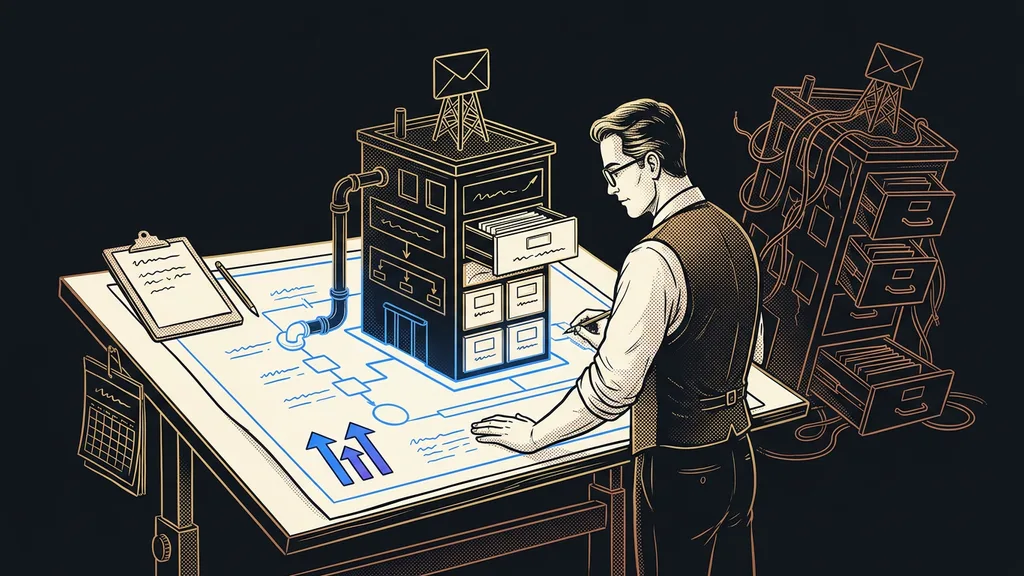
The term comes from manufacturing. It means an unbranded product that one company makes and another sells under its own name. You know it from the supermarket: the bread rolls, flour, or laundry detergent under the chain’s own label weren’t made in its bakery or factory. Someone else made them, and the chain just put them in its own packaging and on its own shelf. Shoppers buy the store brand, even though the store never made it.
Software works the same way, except that instead of packaging, it’s about the logo, colors, and domain. White-label software is a finished application that its maker rents out to other companies, who offer it to their customers as their own product. Development, servers, and updates stay with the maker. You supply the brand and the customer relationship.
White-label CRM: finished software you sell as your own
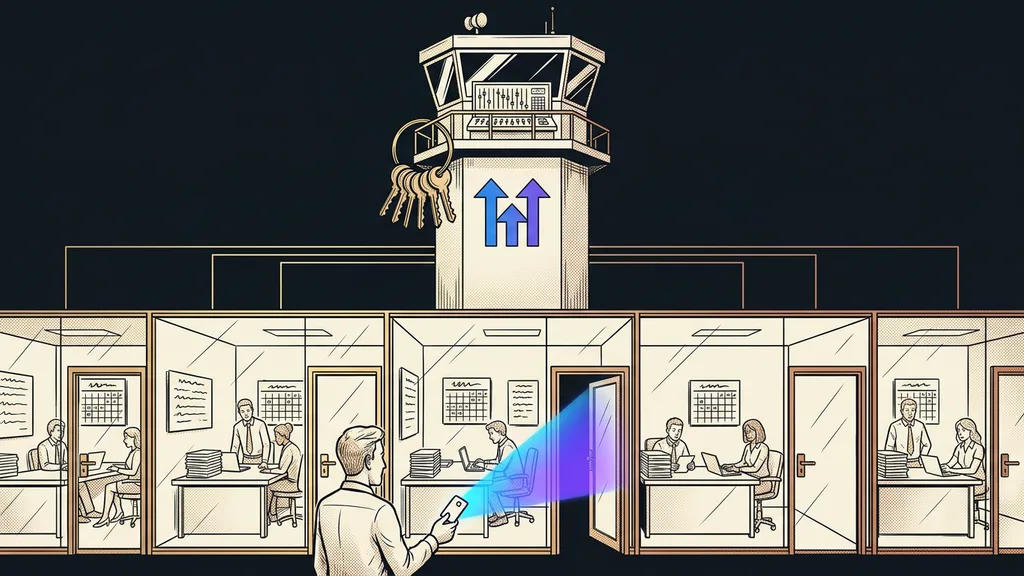
A CRM is a system a business uses to manage its customer relationships: it keeps track of contacts, follows deals in progress, sends emails, and books meetings. So a white-label CRM is a finished system for contacts, deals, and all your marketing that someone else runs but that carries your name on the outside. Clients log in to “your” system, see your logo, and have no idea that a platform you didn’t build is running under the hood.
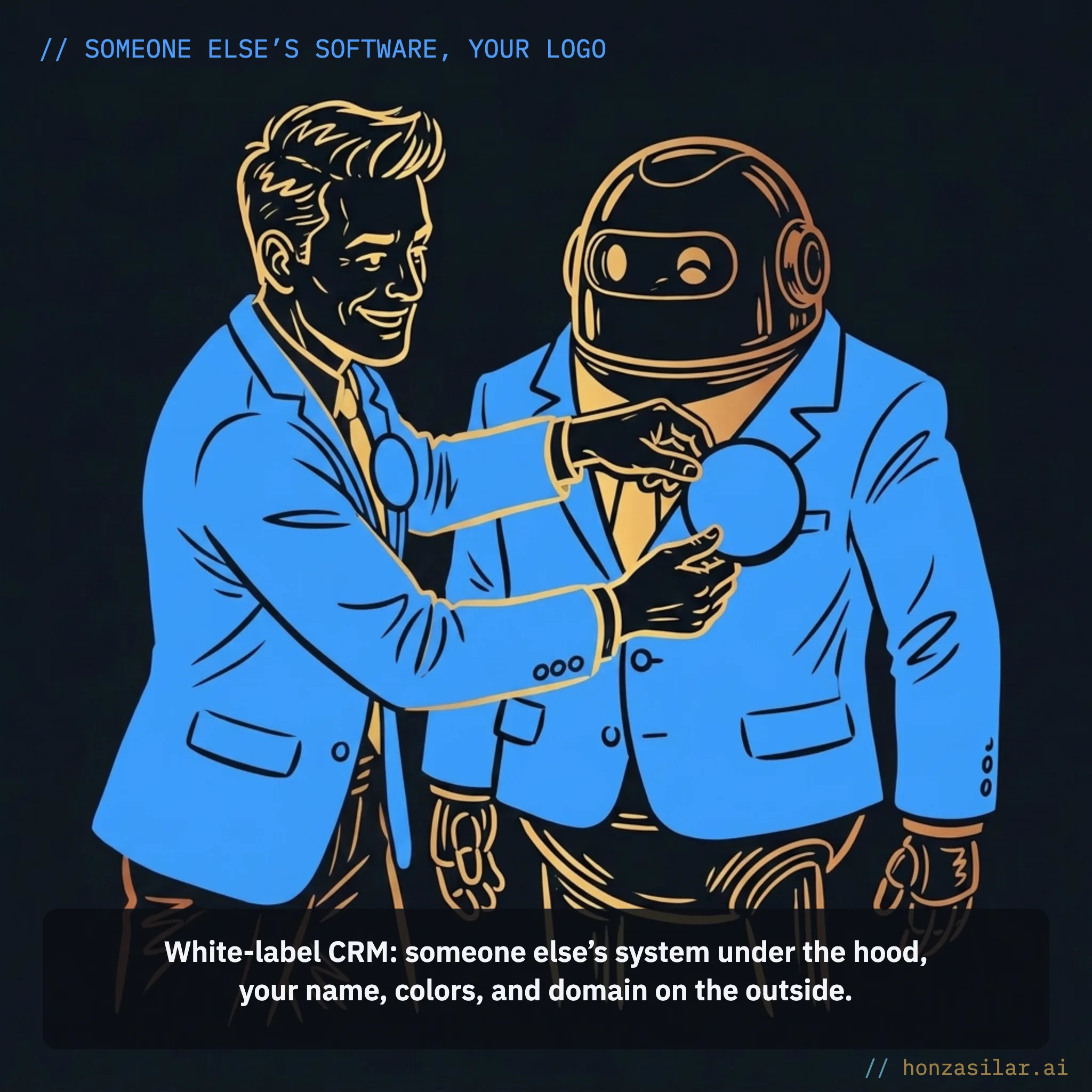
Why would anyone do this? Because writing your own CRM from scratch takes years of work and a budget no small agency can reach. White label gets around that obstacle: the software is finished, debugged, and maintained, and you just dress it in your own brand. Instead of years of development, you deal with branding, pricing, and clients.
The whole white-label model in a nutshell
What it looks like in GoHighLevel
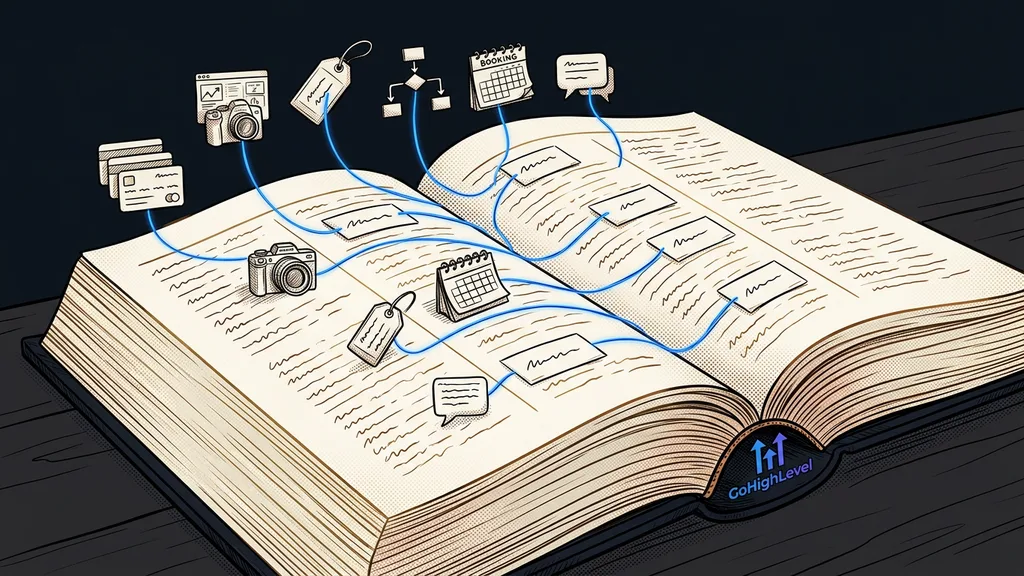
The most widespread white-label CRM today is GoHighLevel. It was built for agencies from day one, and it assumes from the start that they’ll resell it. Specifically, it gives you this:
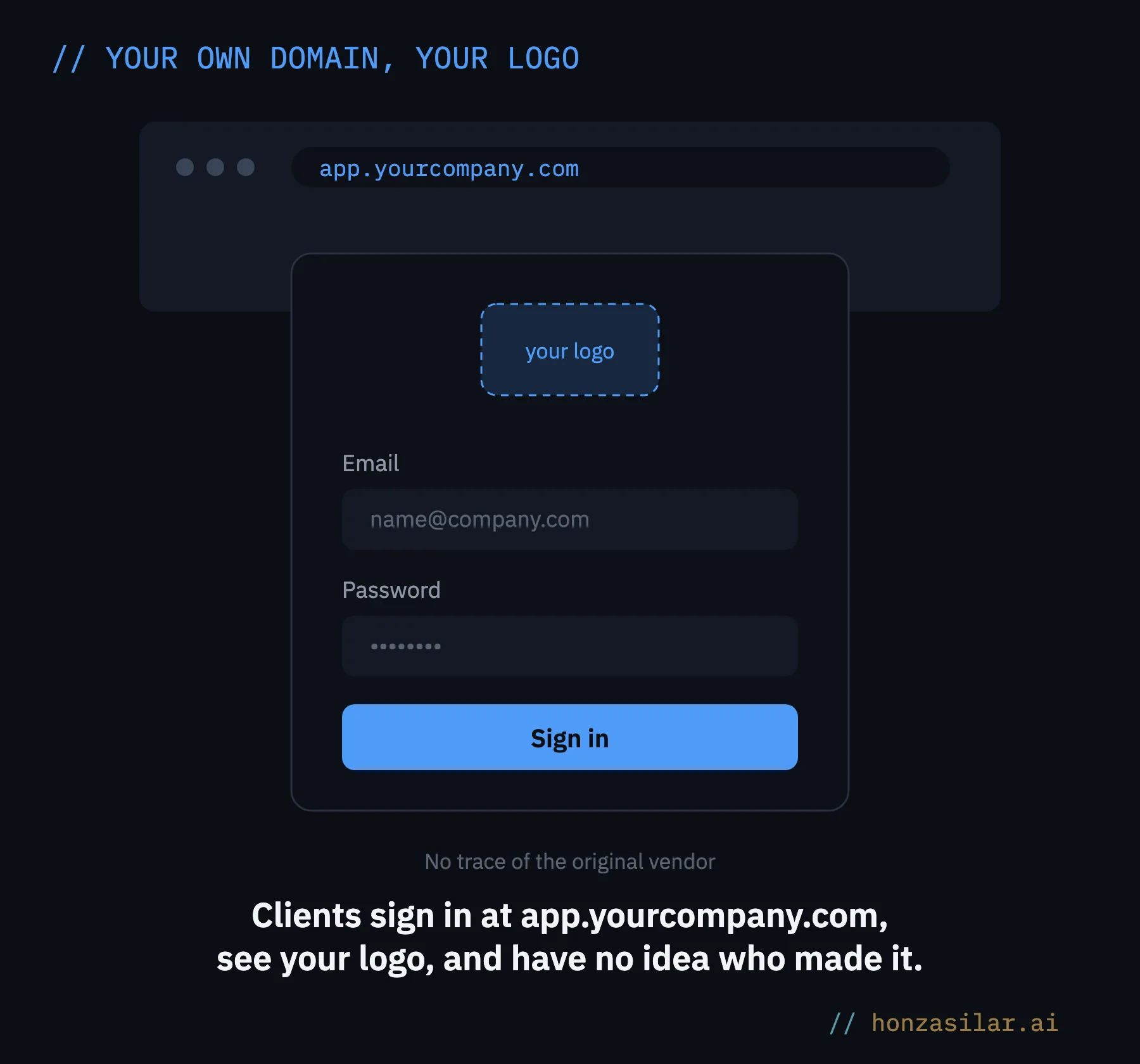
- Your own domain. Clients log in at an address like app.yourcompany.com, not at some American address.
- Your logo and colors. The interface looks like your software, not like someone else’s tool you recommended.
- A mobile app under your own name. As a paid add-on, clients download it straight from the app store.
- Hidden traces. References to the original maker are gone, so clients use your product.
Here’s a real-world example. One Czech platform is built exactly this way: a white label of GoHighLevel that appears on the Czech market as a standalone product with its own pricing and Czech-language support. Most of its users have never heard the name GoHighLevel, and that’s exactly how white label is supposed to look. GoHighLevel isn’t the only option, though. Among the alternatives, Charlie Lounge, for example, holds up well among the Czech ones. But GoHighLevel is the one that has spread most widely among agencies, which is why I use it as the default example.
Where the revenue comes from
The brand alone is only half of it. The other half is how it turns into revenue. White label decides whose name the software carries. The money side is handled by what’s called SaaS Mode.
SaaS Mode
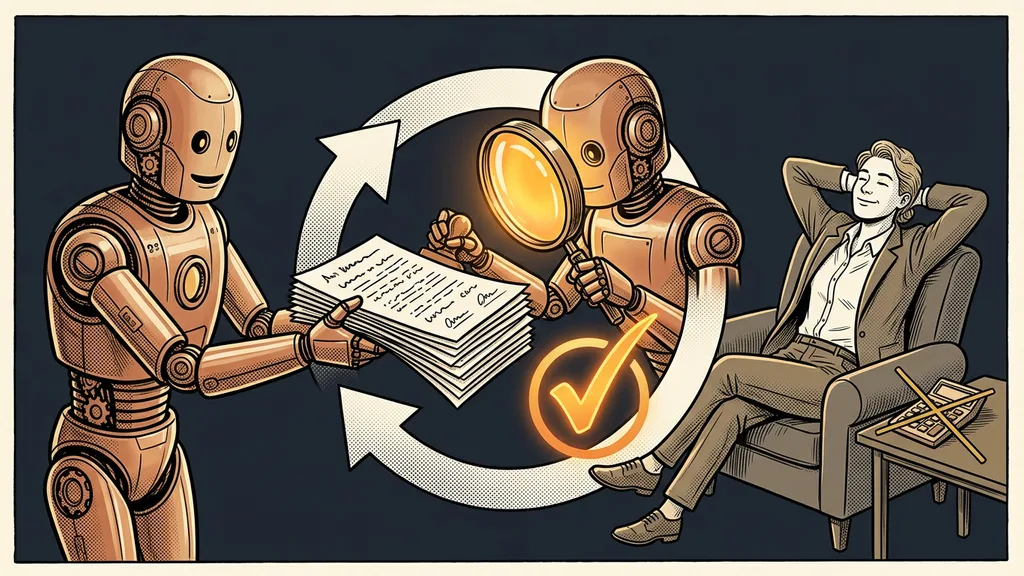
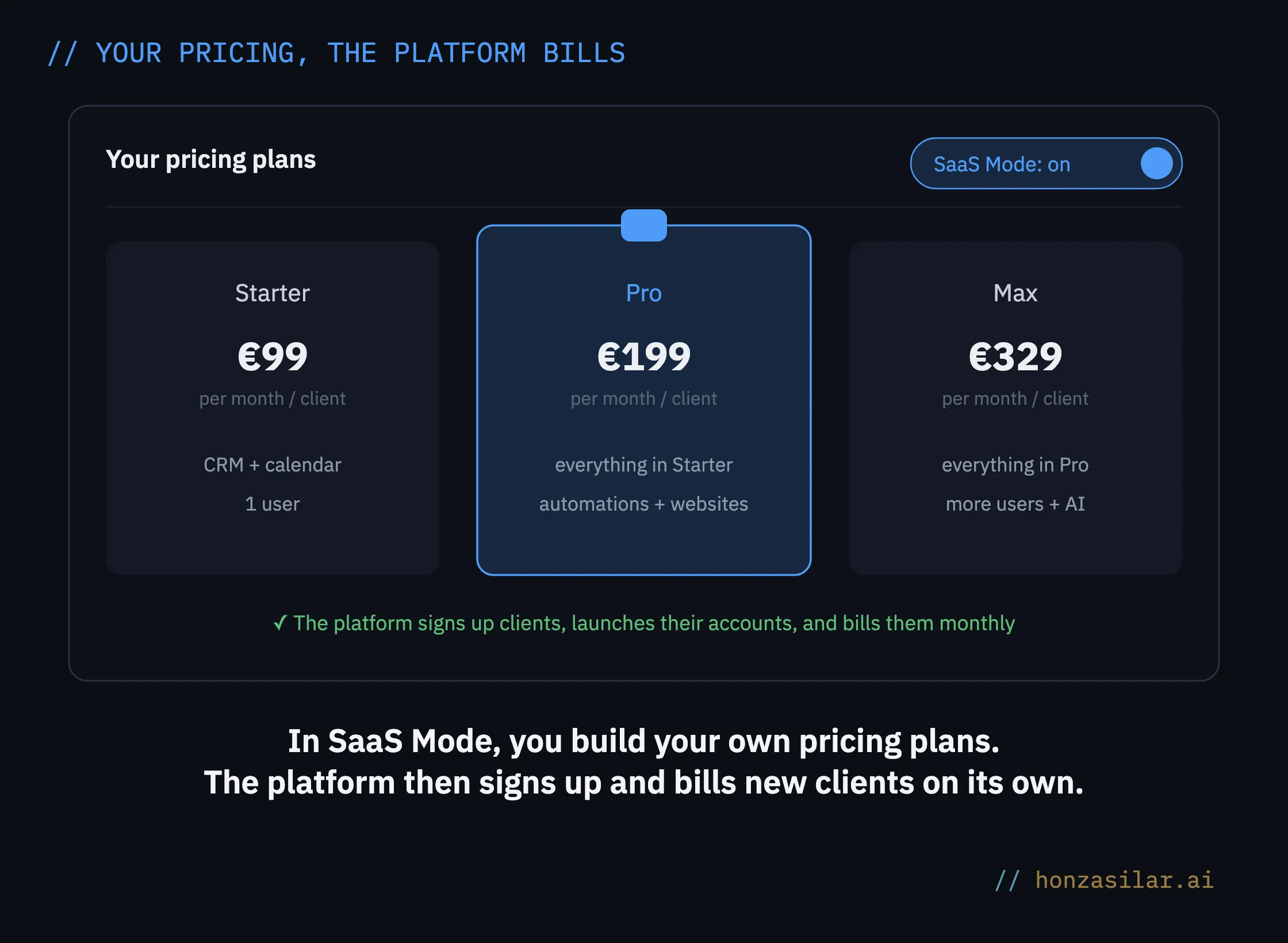
A mode in which you stop being just a user of the platform and become its seller. You build your own pricing plans, connect a payment gateway, and from then on the platform signs up new clients on its own, launches their accounts, and bills them every month. You set the pricing. The rest runs without you.
Once you turn SaaS Mode on, three revenue streams open up at once. Clients pay a monthly subscription for as long as they use the software, and you decide how much. A usage margin comes from rebilling sent SMS messages, emails, and AI conversations with your own markup: the platform buys them at wholesale prices, the client only sees yours, and the difference is yours. And the platform handles invoicing and non-payers: when a payment fails, it retries several times on its own and eventually suspends the account. You don’t write the reminders.
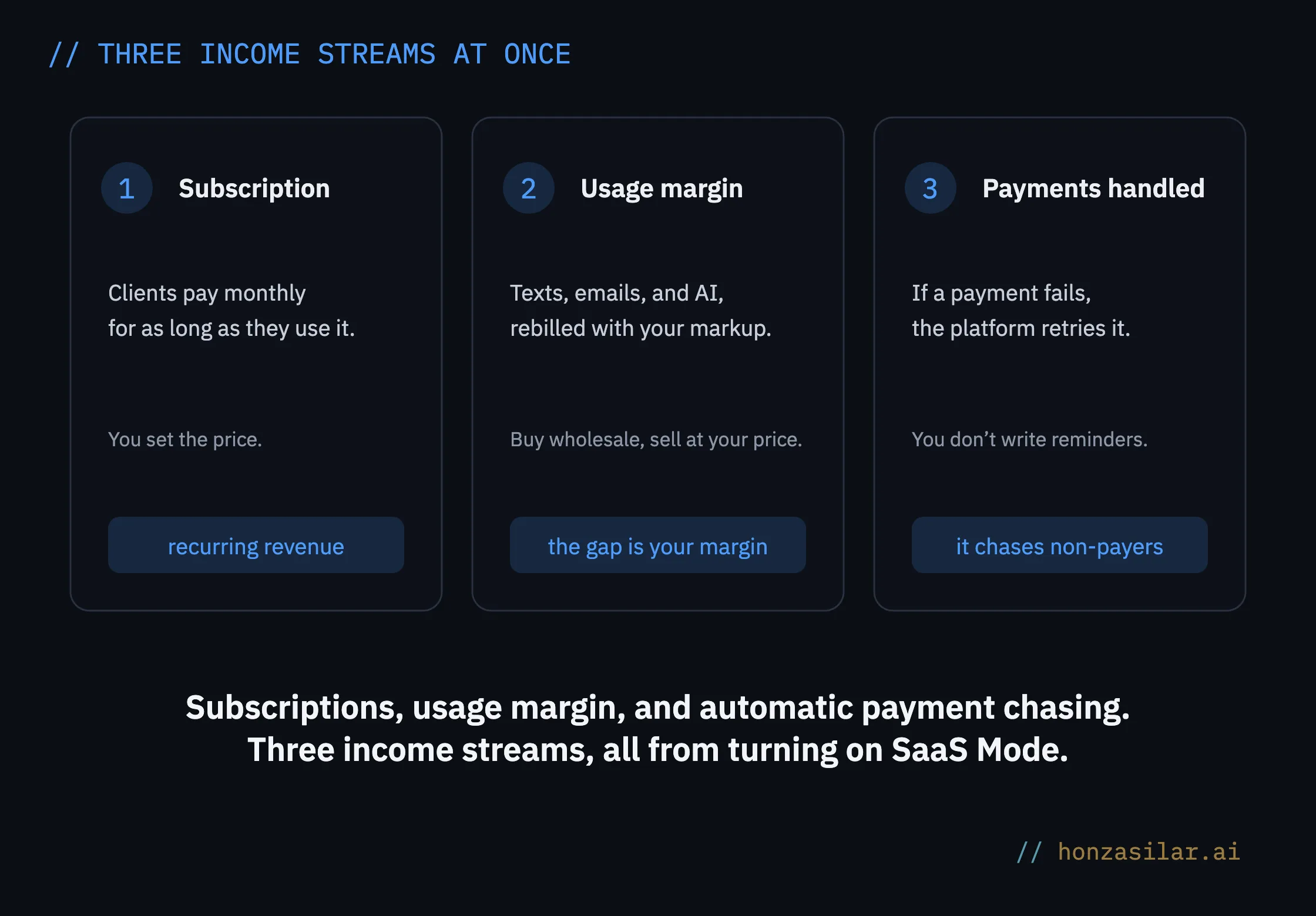
How much margin you keep can’t be summed up in one number, because you build the pricing yourself. Still, the platform’s wholesale price for an SMS or an email is only a fraction of what an end customer pays for it on a regular plan. That space between buying and selling is your margin, and you control how wide it is. That’s how one-off projects turn into recurring revenue. I’ve written separately about why this shift matters so much for an agency and why a business without recurring revenue keeps starting from zero, as well as about the whole mechanism of selling software under your own brand.
One-off project vs. recurring revenue
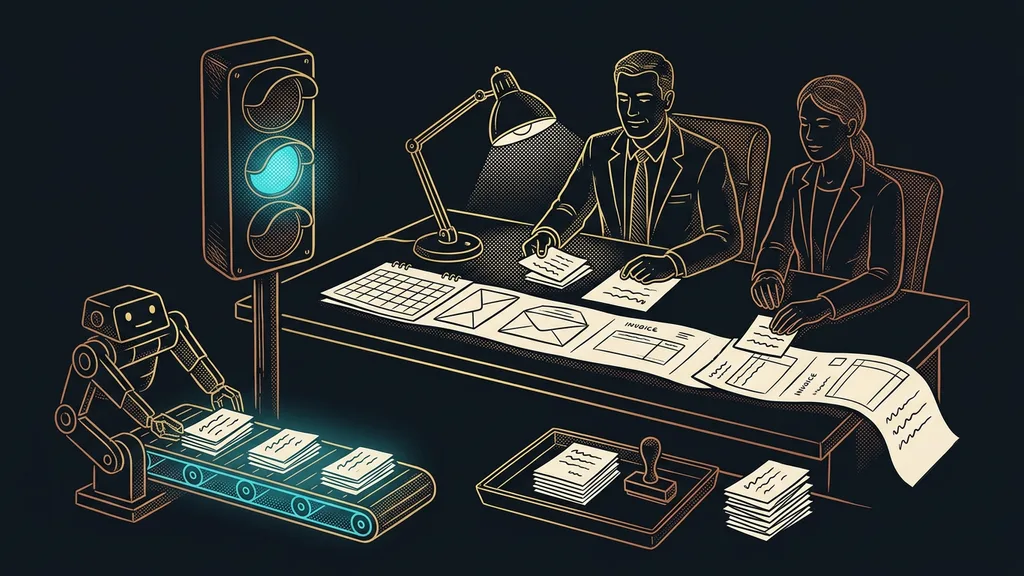
One-off
You set up a system for a client.
You get paid once.
Next month, you start from zero.
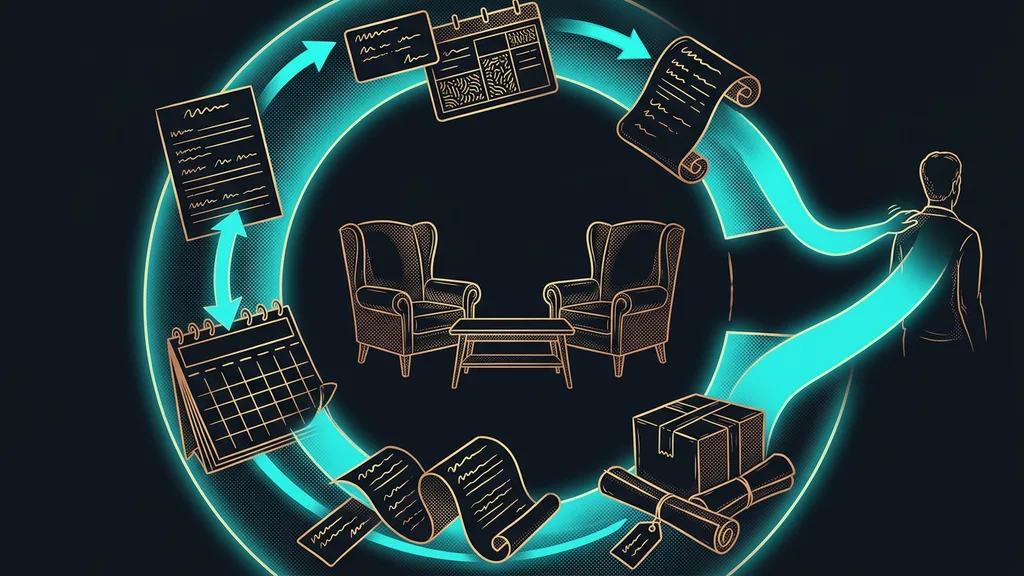
In SaaS Mode
The client pays a monthly subscription.
The usage margin comes in every month.
Revenue keeps coming in even when you’re not working.
What you actually need
I’ve saved the technical side for last. Reselling GoHighLevel under your own brand, with your own pricing and margin, is possible on its top plan, Agency Pro, at $497 a month. The cheaper Unlimited plan at $297 also rebills costs, but without a margin. The lowest price you can set for your own plan is $97 a month, and usage runs through a prepaid wallet in dollars.
What turning on SaaS Mode gets you
- Monthly subscriptions under your own pricing.
- A usage margin: SMS messages, emails, and AI conversations rebilled with a markup.
- A platform that signs up and launches new clients on its own.
- Automatic billing and reminders to non-payers.
- Clients who see only your logo and your domain.
And a frank note, because it comes with white label: this model isn’t for everyone. The moment you dress someone else’s software in your logo, you become the vendor in your client’s eyes. You’re the one the client turns to when something doesn’t work, you handle the invoicing, and you own the relationship. If you’re happy just recommending the platform to clients and letting them pay the maker directly, you don’t need SaaS Mode. It pays off for those who want their own product and are willing to stand behind it.
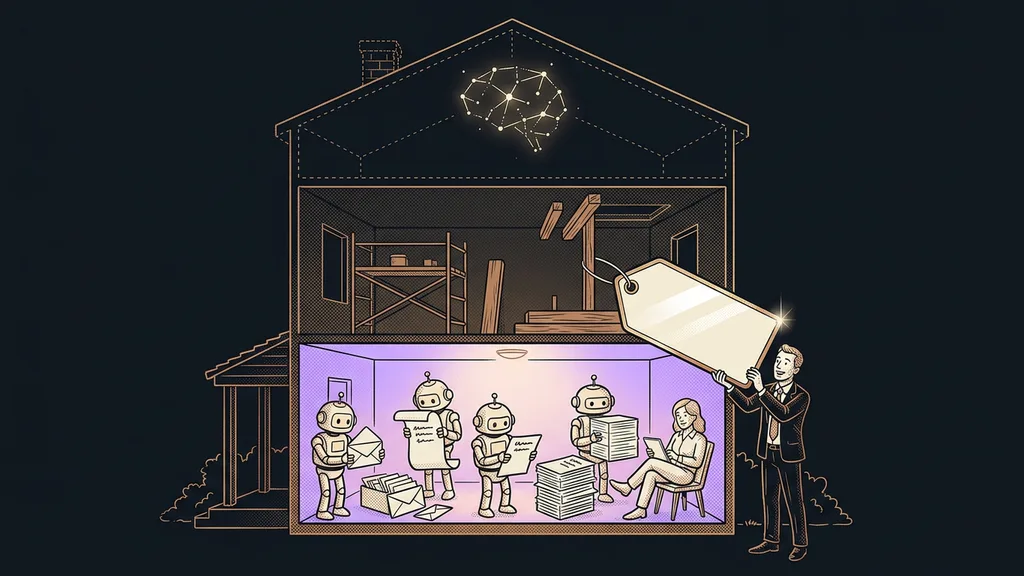
One more thing: if you use GoHighLevel through a reseller, you can’t resell it under your own brand. The reseller’s platform is itself a white label of HighLevel, and the SaaS settings live one floor up, with the reseller. If you want to be the one dressing the software in your own logo, you need an Agency Pro license of your own directly from HighLevel.
The whole model in a nutshell
- You take a finished platform that you don’t have to develop or maintain.
- You dress it in your logo, colors, and your own domain.
- In SaaS Mode, you build your own pricing plans.
- The platform signs up and launches new clients on its own and bills them monthly.
- You keep the subscription, the usage margin, and the customer relationship.
Don’t look for a dev team, years of coding, or servers here. It’s someone else’s engine running your own product, and you add what the machine can’t: the brand, the pricing, and a person who stands behind the software. That’s where both the magic and the responsibility of white label lie.