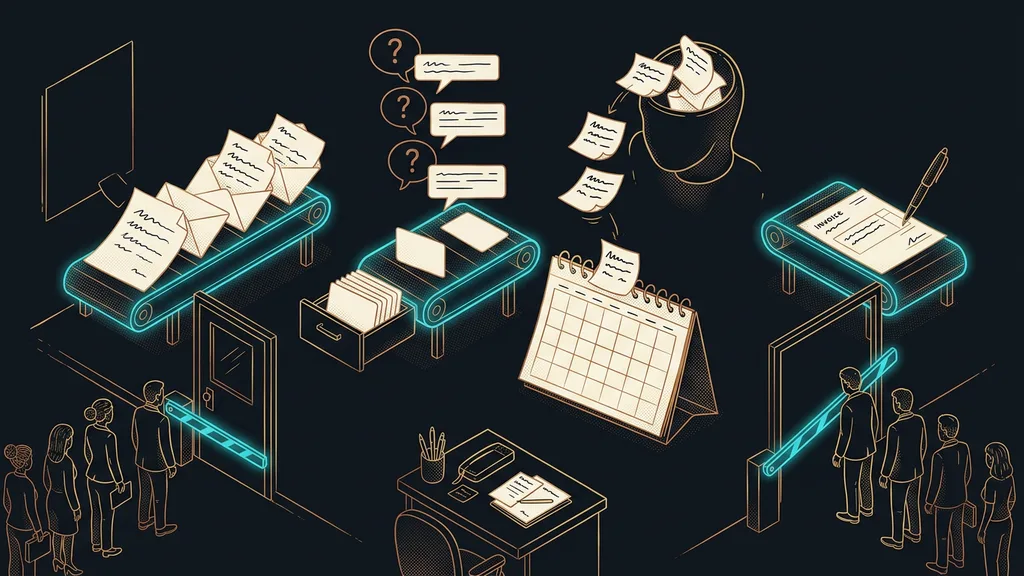
When a small business gets stuck, it’s rarely because there’s too much work. It gets stuck on the one person every decision has to go through, and that person is most likely you. The more the business grows, the more flows through you, and the less time is left for the one thing nobody can do for you: setting the direction.
I know this from the inside. For a long time, I was my company’s marketing director, salesperson, operations manager, and technician all in one. I sat in every one of those roles myself, and as long as that was the case, none of them was properly filled. I wrote the last email at a quarter past eleven at night only because nobody else in the company knew how to answer it.
Why a small business gets stuck on one person
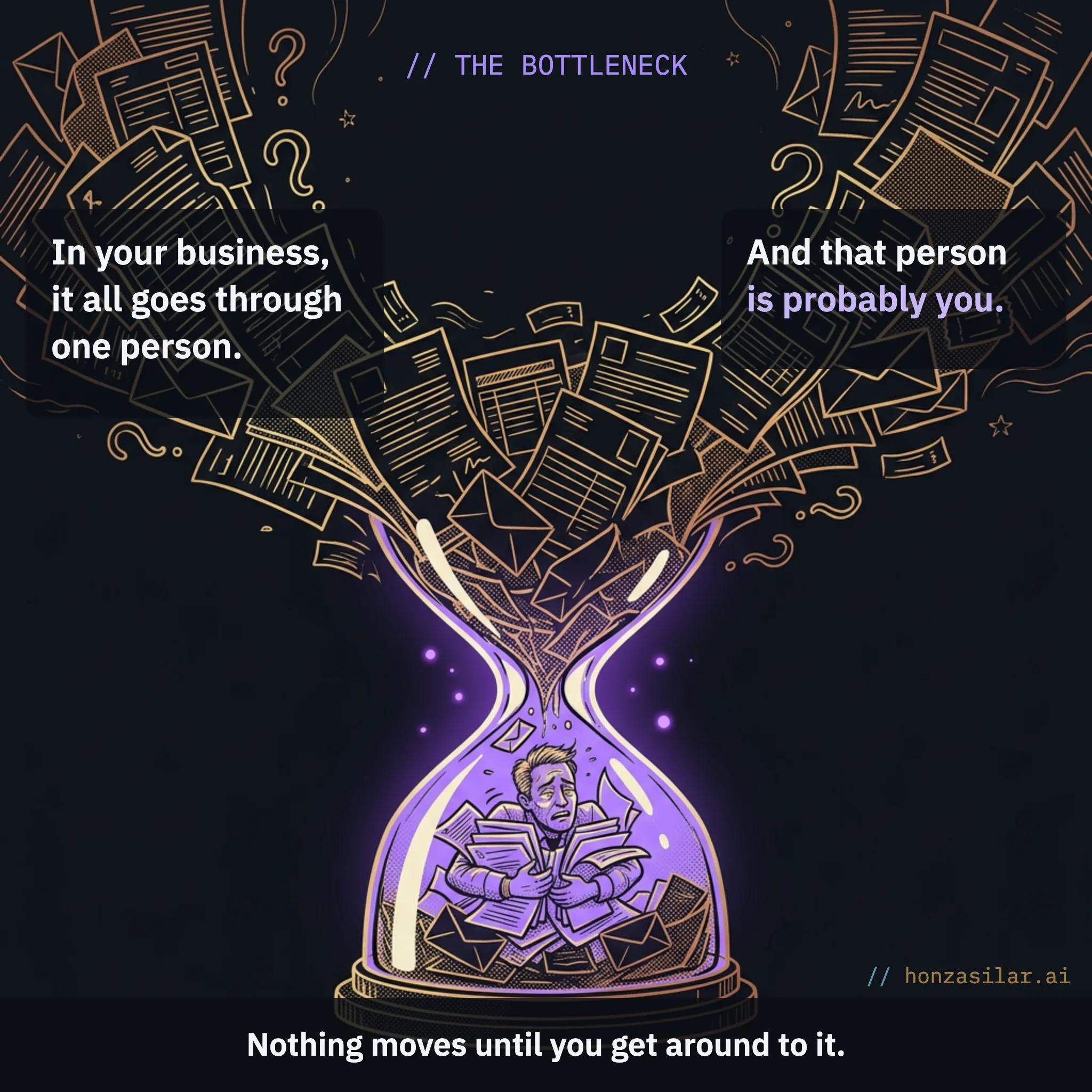
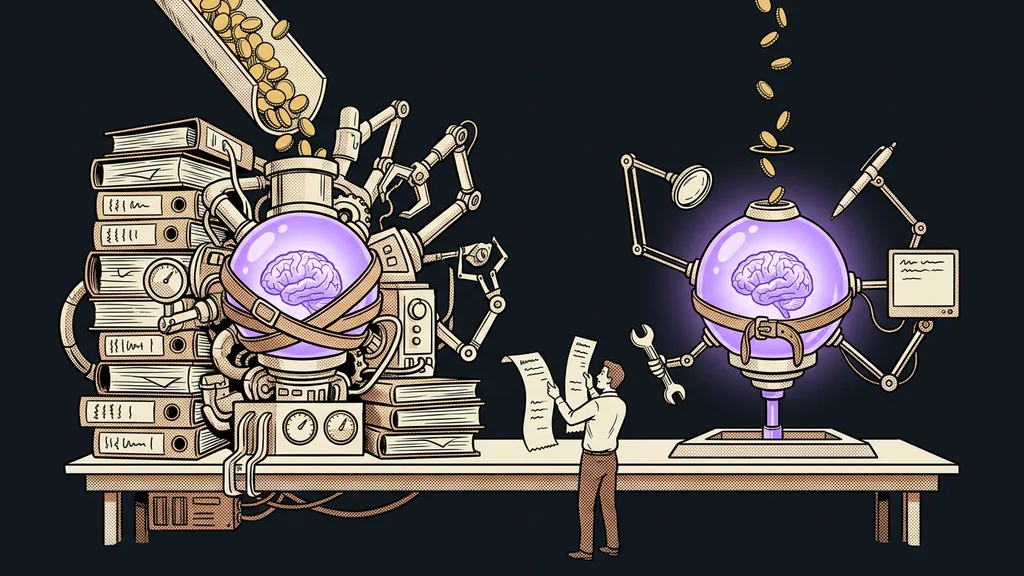
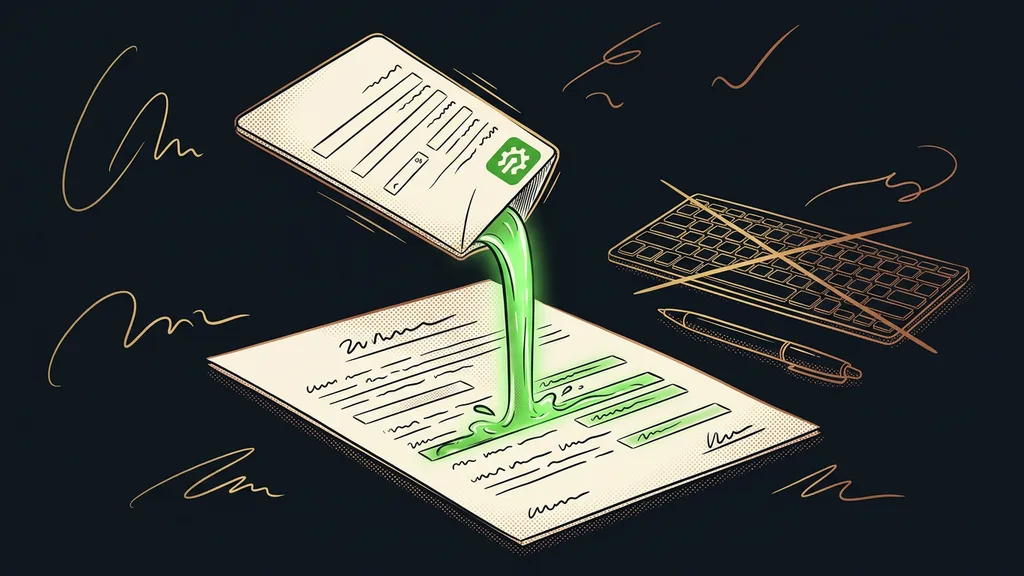
The problem is that one person makes every decision, not the amount of work. Every task, every answer, every “hang on, let me ask the boss” ends up with you. You’re not slow. Absolutely everything just has to go through you.
Bottleneck
The point everything else has to pass through, which sets the pace for the whole. In a small business, that point is usually one person, the owner, who every decision flows through. The holdup has nothing to do with being slow: nothing moves until that person gets to it.
What stalls a small business is the one person every decision has to pass through, not the workload.
It’s hard to calculate what this costs you, because the price never shows up on an invoice. You pay with an evening at your laptop instead of with your family, and with an opportunity you missed because you were busy with something trivial. The price is also a strategy that never gets made, because the only person who could come up with it spends the day patching holes. By evening, you’ve made plenty of small decisions and not a single big one.
The one-minute self-test
Go through today since morning and count the decisions that waited only for you, from “how much to put into ads” to “what to reply to this client.” How many of them could someone else easily handle if they knew how things work at your company? That number is the size of your bottleneck.
Big companies solved this problem long ago
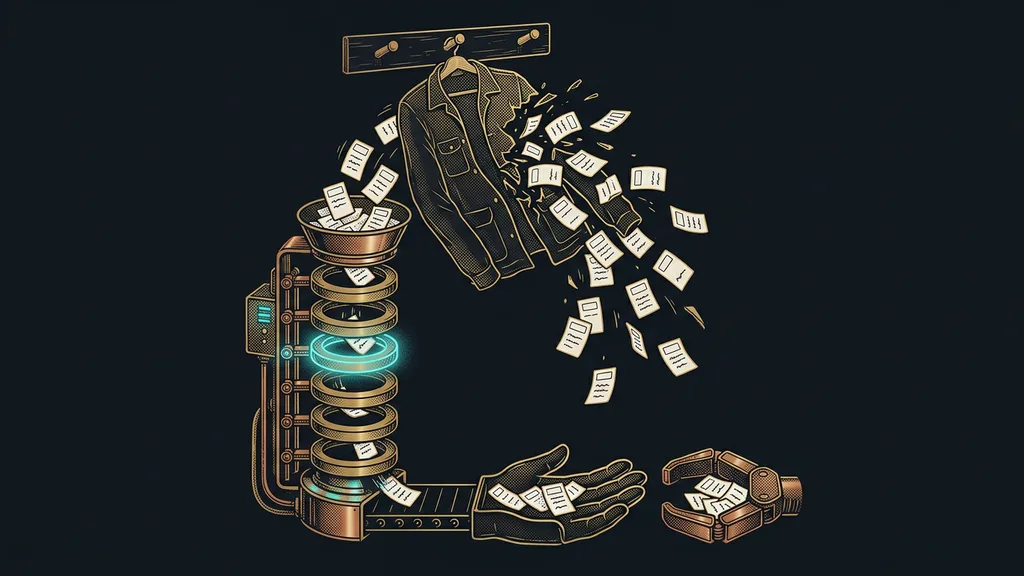
In a big company, the leadership team makes the everyday decisions, not the founder. Marketing has its own director, sales has one, and so do operations and technology, while the founder deals only with what really matters. Leadership handles the rest on its own, consults among themselves, and brings back finished work. A small business could never afford that luxury: five management salaries are out of the question when you can barely cover your costs. So you filled all those roles yourself, and none of them properly.
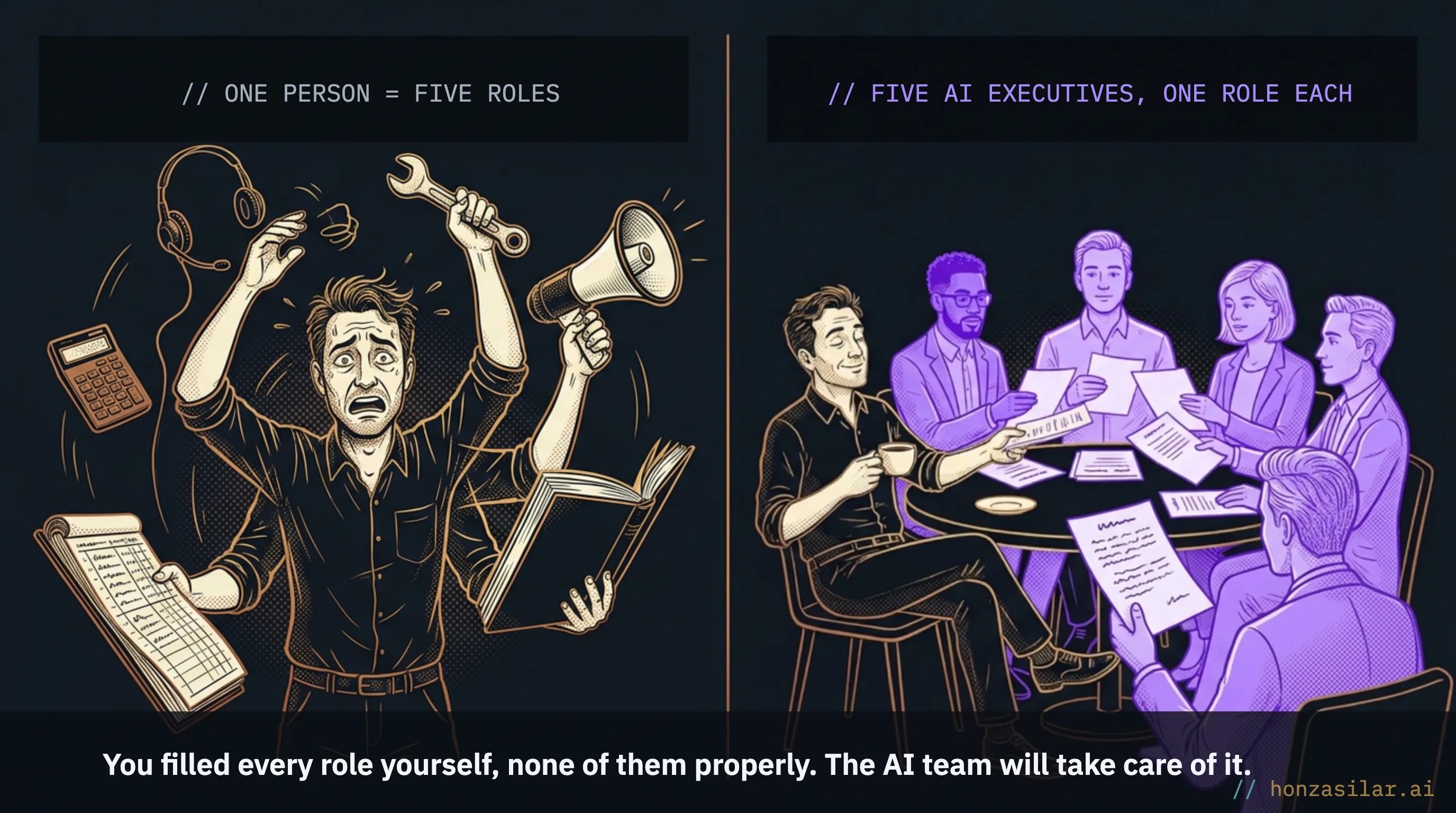
Five executives who pass work to each other
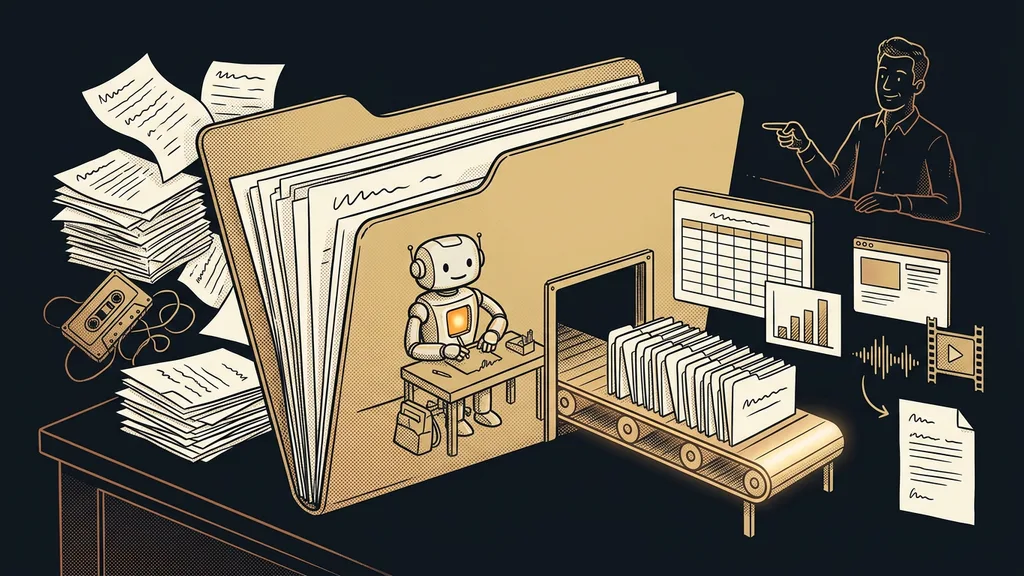
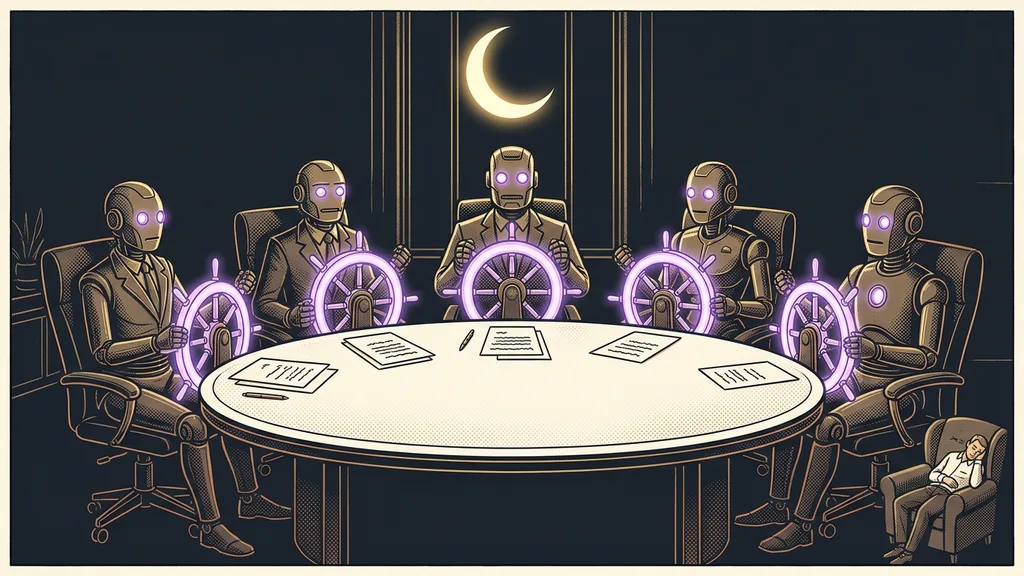
I built a company leadership team out of five AI agents, each in its own role, and, most importantly, they talk to each other. Instead of separate tools sitting in separate windows, they’re a team of five that hands off tasks like people in one office. What each of them delivers is pretty tangible:
- The Chief Executive Officer (CEO) reviews what happened overnight first thing each morning, picks the day’s priorities, and hands them out to the others.
- The Chief Marketing Officer (CMO) writes and schedules a social media post, drafts the newsletter, and suggests what to target in the next campaign.
- The Chief Sales Officer (CSO) turns a fresh inquiry into a quote and makes sure no prospect fizzles out. When a customer goes quiet for a week, it politely follows up on its own.
- The Chief Operating Officer (COO) makes sure every order goes all the way through, the invoice gets issued, and no deadline slips.
- The Chief Technology Officer (CTO) lets you know when a tool stops working, proposes a fix right away, and double-checks its own work.
Five executives and what each one really does for you
| Executive | What they prepare for you |
|---|---|
| Executive (CEO) | Every morning, goes through what happened overnight, picks the day’s priorities, and hands them out to the others. |
| Marketing (CMO) | Writes and schedules a post, drafts the newsletter, suggests the next campaign’s target. |
| Sales (CSO) | Turns an inquiry into a quote and follows up on its own with a customer who’s gone quiet. |
| Operations (COO) | Makes sure the order goes through, the invoice gets issued, and no deadline slips. |
| Technology (CTO) | Lets you know when a tool goes down, proposes a fix, and double-checks it. |
Agent team
A group of AI agents that pass tasks to each other, as opposed to five separate tools, each in its own window. The CEO says what the priority is, the CSO asks marketing for material, and the COO keeps an eye on the deadline. The difference from five standalone chatbots is the same as the difference between five people messaging each other across the company and one team sitting at one table.
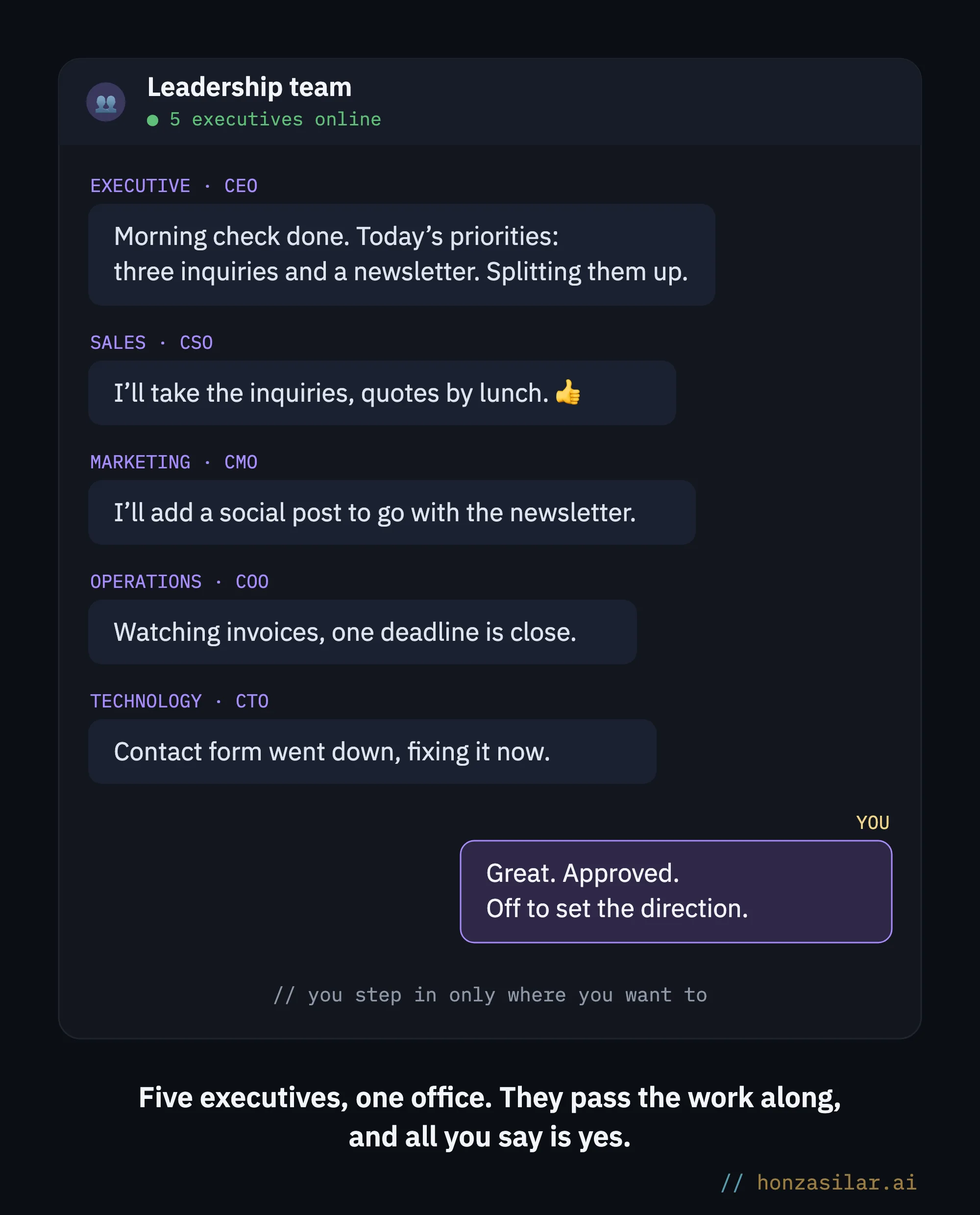
You step in only where you want to: on big decisions and on direction. They take on the routine and that pile of small, everyday “how do we handle this” questions. And they keep going without a break: they don’t take weekends, they won’t leave for a competitor, and each morning they pick up where they left off yesterday.
Five tools, or five executives?
Five separate tools
Each in a different window, each on its own.
You switch between them and connect them.
Nobody passes material along on their own.
You set priorities for each one.
In the end, you have five more tools to run.
Five executives who talk to each other
One AI team, one shared brief.
Sales asks marketing for material.
They bring finished work for approval.
Each morning, the CEO hands out the day’s priorities to the others.
In the end, you have a leadership team that runs.
What you gain
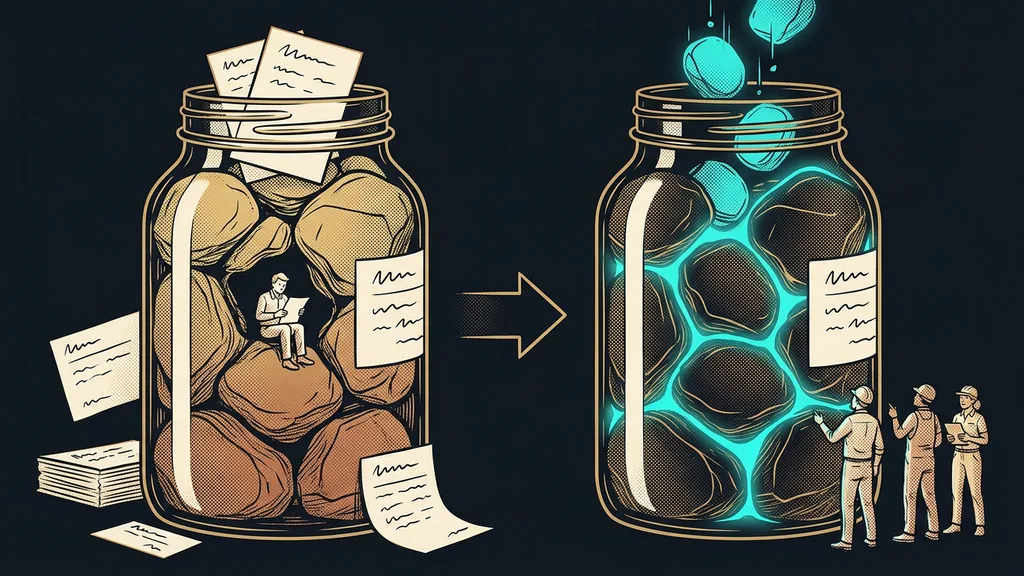
You stop being the only person in the business who’s allowed to decide. Day-to-day operations and routine fall to the AI team, which largely takes care of itself and brings you things finished, ready for approval. What’s left for you is the thing you used to put off until the eternal “when I have time”: direction.
Your data stays yours
The whole AI team runs in your own separate environment, not in a shared service where your numbers and customers would go into a common pot. No model learns your know-how so it can advise someone else tomorrow. With company data, I consider that fundamental, not a detail.
Three myths about an AI executive team, and the reality
Who it isn’t worth it for
It isn’t worth it for everyone. If you like doing it all yourself and don’t want to let go of anything, an AI team will only slow you down. It makes sense only if you’re willing to really delegate part of the decision-making. And if your workload is so small that one head and one tool are enough for the whole business, it’s like installing a five-member board of directors at a corner newsstand. Five AI executives are worth it where five areas are competing for your attention.
Who five executives pay off for, and who they don’t
Worth it
- You have five areas competing for you every single day.
- You’re ready to really hand off part of the decision-making.
- Every decision revolves around you, even at midnight.
Not worth it
- You don’t want to let go of anything.
- Your workload is so small that one head and one tool are enough.
- You like doing it all yourself.
How to get there
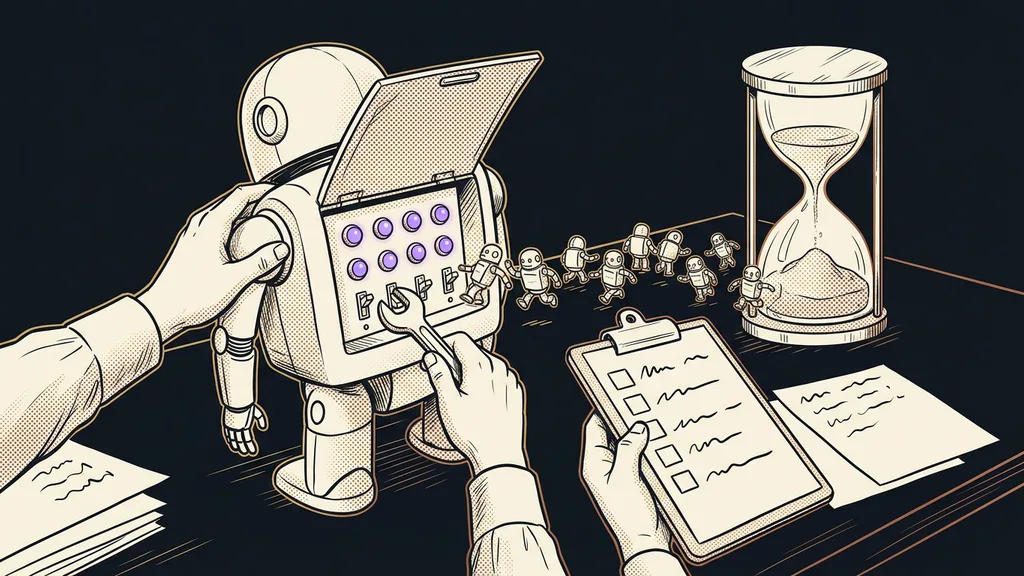
Setting up a leadership team like this takes time. There’s no magic button, and I won’t promise you one. For the AI team to decide the way you would, it first has to get to know your business and your priorities and learn to speak in your voice. You can’t click that together in an afternoon. I guide businesses through it in a seven-week program: step by step, we bring in the AI team, align it with how your business really works, and hand it the routine you carry today. I also build similar systems for clients as custom work. What you end up with is a leadership team that runs, rather than five more tools to operate.
Are you ready for an AI executive team?
- You’re willing to really let go of part of the decision-making.
- You have at least five areas competing for you every day.
- You expect the setup to take time, not one afternoon.
- You want your data in a separate environment, not a shared service.
- You know which big decisions you’ll keep for yourself.
The whole thing in a nutshell
- In a small business, decision-making flows through one person. That’s the bottleneck.
- Big companies solve it with a leadership team, but a small business can’t afford five salaries.
- Five AI agents fill the roles of CEO, CMO, CSO, COO, and CTO.
- They aren’t separate tools: they pass work to each other and bring it to you finished, for approval.
- You decide the big things and the direction, and they take the routine.
- The setup takes time: the AI team has to learn your business and your voice.
That last email at a quarter past eleven? Next time, the CSO on your AI team drafts it, and in the morning you just click approve, or not. You can tell a leadership team from a pile of tools by one thing: the business moves forward without you having to be there.