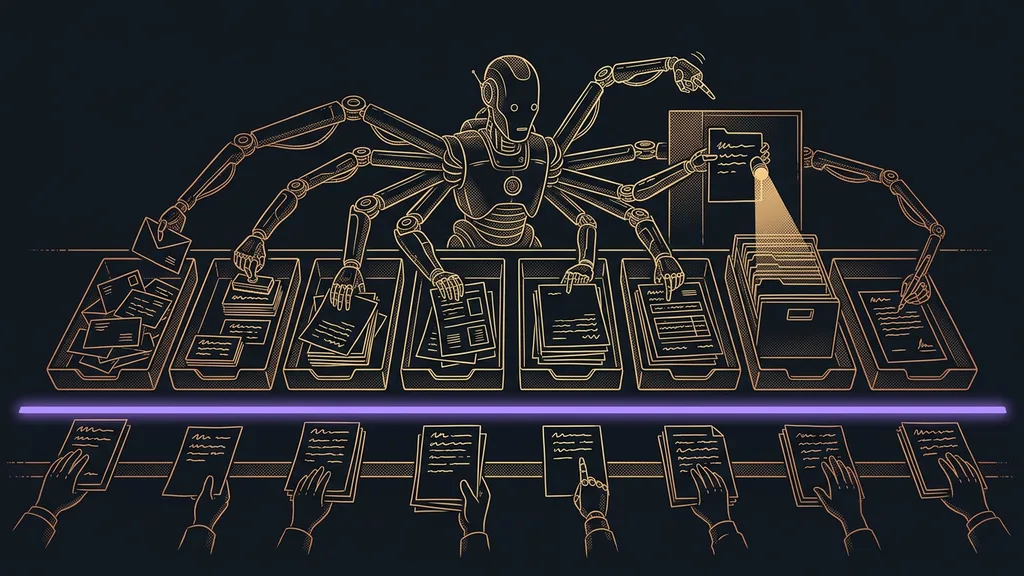
Private clinics and salons lose appointments in three places. Bookings come in by phone, through Instagram, and from the website, the front desk writes reminders by hand between clients, and almost nobody asks for a review. GoHighLevel brings these three jobs together into one calendar and one client record. What matters most is the order you set them up in.
When I set up GoHighLevel for a business that lives on appointments, I always start with the same question: how do bookings reach you today? There’s never just one answer. Some people call, some send an Instagram message, a few fill out the form on the website, and the receptionist copies it all into the appointment book. Who didn’t show up only becomes clear when nobody’s lying on the treatment table.
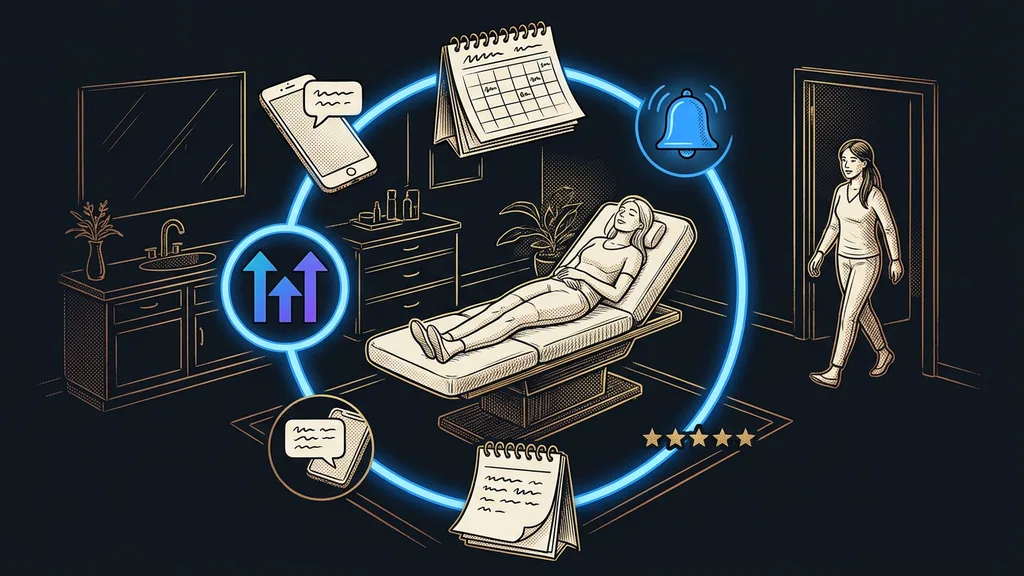
The appointment is just one stop in a cycle
Almost every booking system can take online bookings these days. But appointments get lost before and after the booking: in a late reply, in a forgotten visit, and in the client nobody reminded that it’s time to come back.
Visit cycle
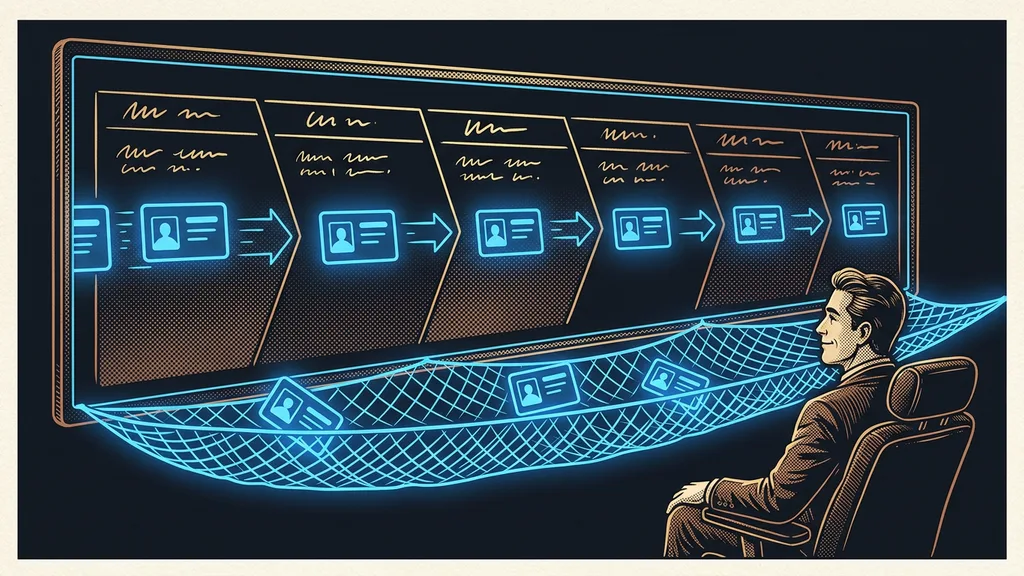
Everything that happens with a client from the first message to the next booking: the reply, the booking, the confirmation, the reminder, the visit, the review request, and the invitation to come back. A typical booking system covers one stop. GoHighLevel keeps the whole cycle on one client record, so nothing gets retyped between apps.
Almost every salon has a booking system these days. But few know what happens with a client between clicking on one appointment and clicking on the next.
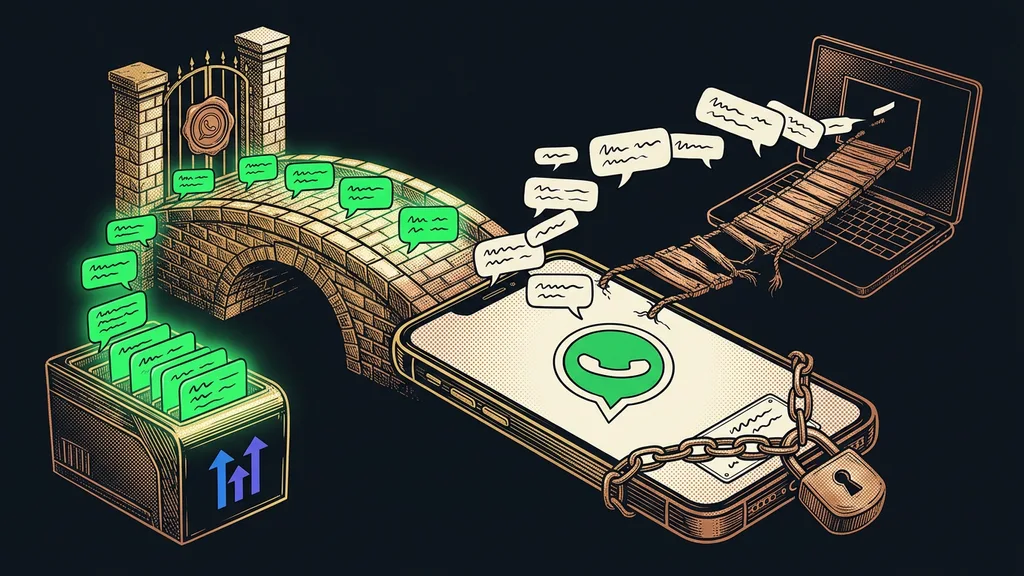
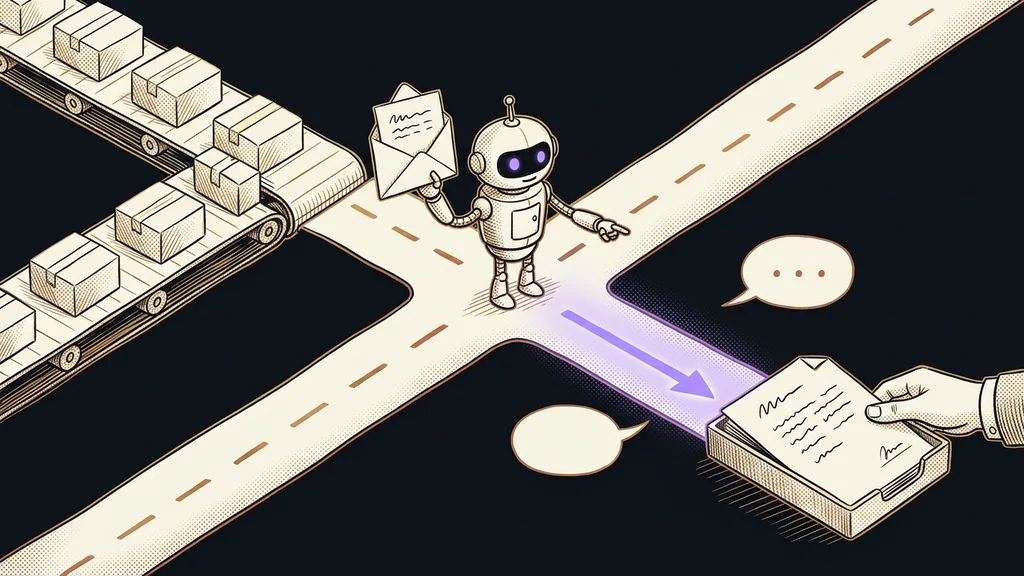
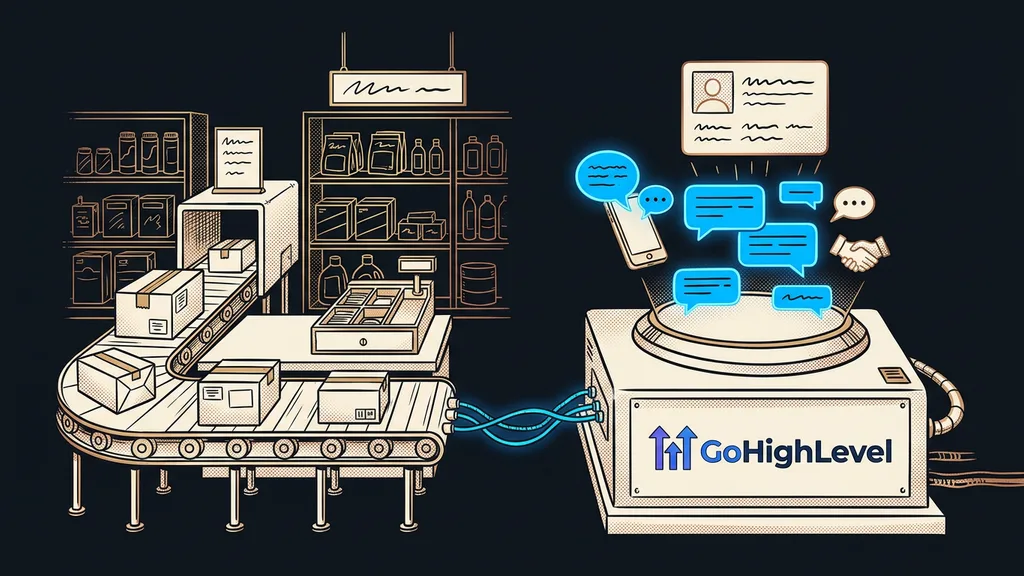
The cycle starts before the booking. A new client who writes in through the website is choosing between you and two other salons. That’s why your first reply has to go out within five minutes and include a link to open slots. In GoHighLevel, messages from the website, Instagram, and Facebook all land in one Conversations inbox.
Booking by service, person, and room
For clinics and salons, GoHighLevel has Service Calendars that track three things at once: the service, the person who performs it, and the place where it’s done. A regular calendar, like the one I describe in my article on GoHighLevel bookings, mainly works with people’s free time.
Service Calendar
A calendar type in GoHighLevel built for service businesses. Each service has its own length, a list of people who can perform it, and an assigned room or piece of equipment (Rooms & Equipment). The client then picks one or more services on a single page, which GoHighLevel calls the Service Menu, along with a specific esthetician.
The room and the equipment matter more to a clinic than it seems. There’s usually only one laser, but several doctors and treatment rooms. If the device doesn’t have its own entry in the calendar, two people can easily book it for the same hour. The calendar collects a deposit at booking through Stripe or PayPal. A Czech payment gateway connects through a different route.
What takes longest is the price list, not the tech. Writing down every service with its exact length, the people who can perform each one, and the time needed to clean the room between clients is the slowest part of the whole setup. The calendars themselves are then done in an afternoon. The most common question after launch is why clients aren’t being offered any slots. Almost always, someone on the team is missing their working hours, or the service is tied to a room that has no availability at the time.
A reminder that confirms the slot or frees it up in time
What works against no-shows is a reminder clients can reply to. A day ahead, the client gets a message with the time and address and confirms or reschedules with one click. A rescheduled appointment is still a visit, while a forgotten one is just a hole in your appointment book.
Every appointment in GoHighLevel has a status: confirmed, canceled, Showed, or No-show. You can attach a next step to each status. When the front desk marks a No-show, the client gets a polite message with a link to book a new time. Nobody has to chase them, and nobody feels awkward.
A week in your appointment book
Open last week and count three things. How many people didn’t show up without an apology. How many clients left happy and nobody asked them for a review. And how many of them didn’t book their next appointment, even though their service calls for one. Each of those three numbers points to a stop in the cycle nobody is watching today.
Which parts of this work AI can take over, such as answering questions about opening hours or taking calls nobody manages to pick up, I cover separately in my article on AI in a small practice. This article is about the framework such an AI can stand on in the first place.
After the visit: a review and an invitation to come back
The Showed status is the best trigger a salon has in GoHighLevel. A few hours after the visit, a review request goes out, and after the interval the service calls for, an invitation to the next appointment follows. I describe how to put together a request that doesn’t break Google’s rules in my article on getting Google reviews with GoHighLevel.
I set up the come-back invitation separately for each service. Hair coloring comes back on a different rhythm than a facial, and a post-treatment checkup on yet another. Clients who get the invitation on time book on their own.
Sensitive data: what belongs in GoHighLevel and what doesn’t
What belongs in GoHighLevel is what the appointment needs: name, contact details, service, and time. Diagnoses, medical history, before photos, and anything about a person’s health belong in medical records, not in CRM notes. That goes for an allergy an esthetician jots down too.
GoHighLevel is an American marketing and sales platform, not a medical records system. That’s why I watch three things with clinics. The intake form asks only for what the front desk needs. The reminder text never names the treatment, so a message on a locked screen doesn’t reveal to anyone where the client is going. And the team writes nothing in contact notes that they wouldn’t want to see in a stranger’s hands. I cover where data from tools like these physically lives in my article on where your data goes with AI tools.
Have your consents and your data processing agreement reviewed by a data protection officer or a lawyer.
Where GoHighLevel doesn’t belong in a clinic
A small salon with one esthetician and regular clients that’s happy with a simple booking system will get almost nothing extra from GoHighLevel. And as of early October 2026, the license costs $97 a month on the lowest plan. If you don’t want to send reminders, ask for reviews, or invite clients back, you’d be paying for a CRM you won’t use. A clinic that needs to link appointments to medical records and to billing health insurers relies first and foremost on its practice management system. GoHighLevel should then do only what surrounds it: the first reply, the reminder, and the review.
The whole system in a nutshell
- Messages from the website, Instagram, and Facebook land in one inbox, and the first reply includes a link to open slots.
- The Service Calendar tracks the service, the person, and the room with the equipment, so nothing gets double-booked.
- A reminder goes out a day ahead, letting the client confirm or reschedule.
- The No-show status sends a link to book a new time, and the Showed status sends a review request.
- Each service has its own return interval, and the invitation goes out on its own.
- Health data stays in the medical records. The CRM holds only the appointment.
This won’t make the empty treatment table disappear completely. People will keep getting sick and forgetting. But a message that goes out on time, on its own, saves most of that empty hour. If you’d like to have it set up in GoHighLevel done for you, we’ll start with your service price list and last week in your appointment book. I set it up myself and hand it over to your front desk myself, so you’re always asking the same person.