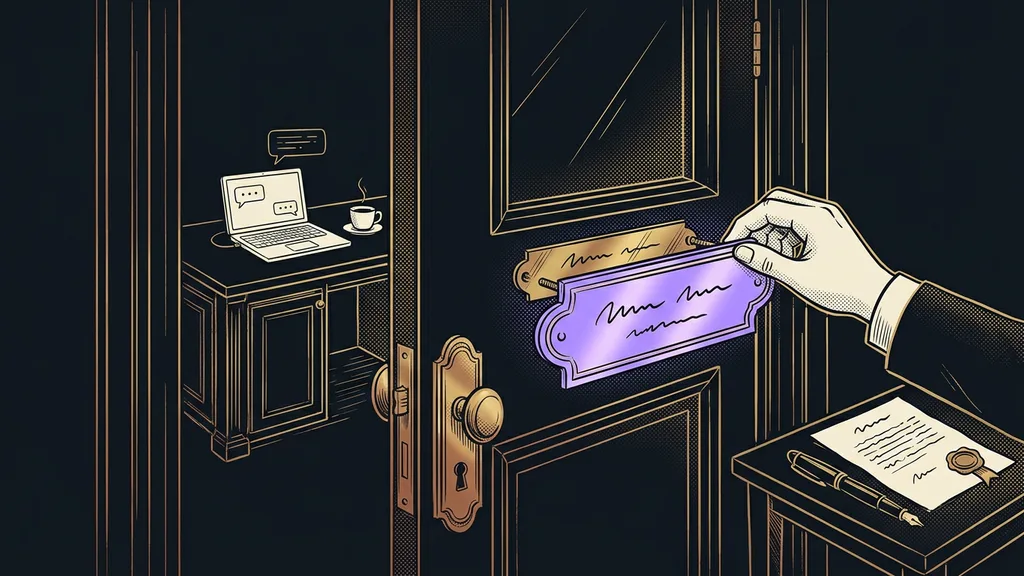
The decision about social media in another language comes sooner than you’d expect. Before the first English post exists, you need to know what name it will go out under, whether it goes on your existing profile, and how that name will be spelled on each network. Most people skip this part and start with the content. Then they carry that name around for years.
I saw this with an author who was taking a product abroad. The content was ready, and the plan was to start right away. We hit the brakes for one afternoon and sorted out the account names. It was the cheapest afternoon of the whole project, because everything you decide after that can be changed. The account address, hardly at all.
Account name first, content second
A foreign-language social media branch stands or falls on its account names. You can fine-tune the content after a month and the tone after six months. Changing a handle hurts, though, and every link that points to it raises the price of the change.
The very next question is whether to post from your existing profile. The answer is almost always no. A mixed profile hurts both languages: your local audience skips the English posts, your English-speaking audience skips the local ones, and you end up with two half audiences instead of two whole ones.
Handle
Your account’s address, the name after the @ sign. It’s different from your bio or display name, which you can rewrite anytime. Your handle appears in links, mentions, and on business cards, which makes it the hardest part of a profile to change.
You can rewrite the content, fine-tune the tone, and swap the photo. The account address is the one thing on a profile you won’t want to change after a year.
One handle on every network, even when one of them gets in the way
The goal is simple: the same name on every network, so people remember it once and find you everywhere.
In practice, it’s rarely that clean. Of the three accounts we set up, one network forced a deviation, and the name only worked with dots. That wasn’t a problem, because the base stayed the same and the difference is only visible to someone looking for it. The worse option would have been to back down and take a completely different name there.
So the rule is: first find a variant that works everywhere, and only then decide on looks. And check all the networks at once, including the ones you don’t plan to use yet. The only way to make sure nobody else grabs the name a year from now is to take it right away.
Language branch
A separate set of accounts in another language that runs alongside the original one. It’s neither a translation nor a copy of your existing profile. It has its own audience, its own pace, and often different topics too, because a foreign market cares about different things than your home market does.
The brand name stands next to the author’s name, not in its place
This is where people go wrong most often. Either the account carries only a person’s name, and then it never becomes a brand, or only the brand name, and then it lacks the trust a real face brings.
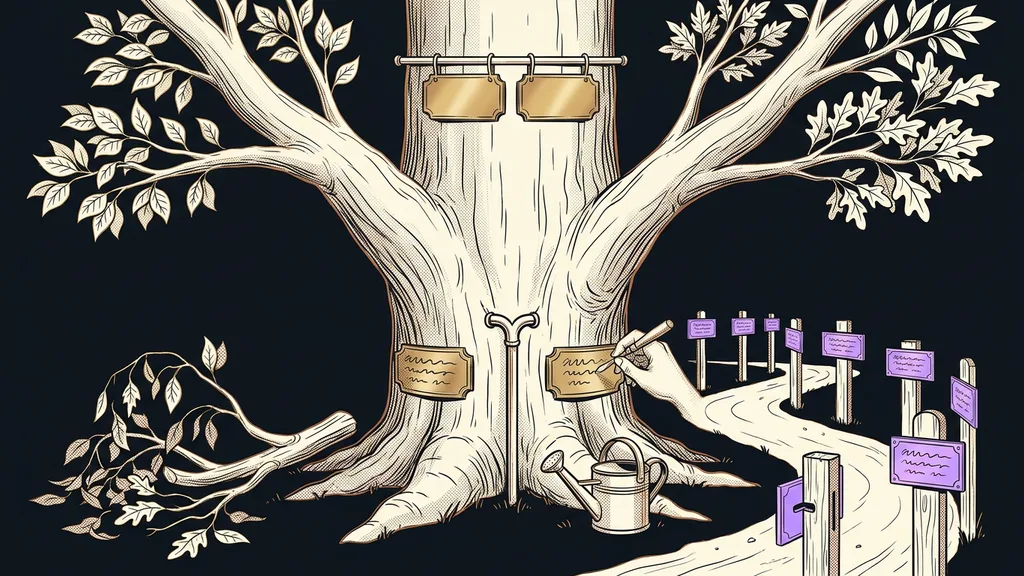
What works is the combination. The handle belongs to the brand, because a brand can carry growth and, over time, more people working under it. The author’s name stands visibly next to it, in the display name and the bio, because people buy from people. Sort this out at the start, and you won’t have to rename an account a year later, when links already point to it.
It also helps when the brand has its own visual signature. Three accounts that look like one thing come across as bigger than three mismatched profiles, and all it takes is agreeing on colors and formats. As with images that keep a consistent style, repetition is what counts here. How original each individual piece is comes second.
Try it now
Write down the handle you have in mind and check it on every network that might matter, including the ones you don’t plan to post on yet. For each one, note whether it’s free and in what variant. In ten minutes, you’ll know whether that name works across the board or whether you need to keep looking.
Running two branches mustn’t mean twice the work
A second branch can’t mean double the work, or it will fall asleep within two months. That’s why you plan how it will run at the same time as the names, right at the start.
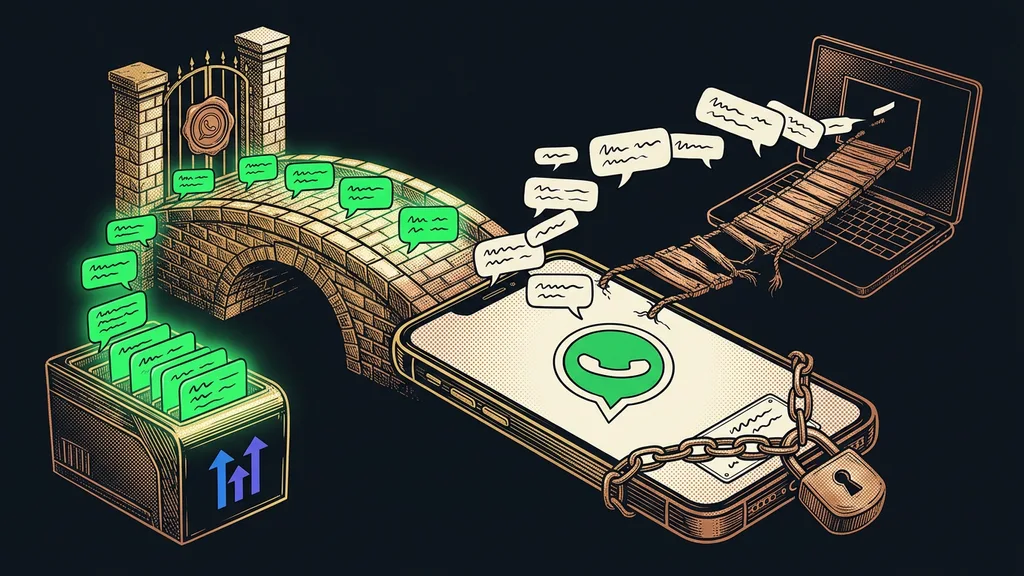
In practice, that means one place you publish to both languages from, and a shared plan instead of two calendars. When your posts go out to every network from one place, the second branch is just another line in the plan. And with content that gets prepared and published on its own, the difference between one language and two is even smaller, because what grows is configuration, not manual work.
Measure the branches separately. Each one has a different audience and a different pace, so a combined number tells you nothing. Links that show you who clicked are enough, and after a few weeks you know which network works in the other language at all.
When a second language branch isn’t worth it
It brings nothing to anyone who has nothing to offer in the other language. Without a product, course, or service that exists in English, you create extra work with no result, and the accounts are soon abandoned.
It also doesn’t pay off if you can’t yet publish regularly even in your own language. A second language won’t fix a problem with consistency. It will only double it. So first you build the offer and the rhythm, and only then do you add accounts. What to post on them is best learned from your own numbers, not from what your competitors do.
The whole process in a nutshell
- Decide whether the other language really needs its own accounts.
- Choose a handle and check it on all networks at once, including the ones you don’t use.
- Accept a small deviation where a network won’t allow the name, but keep the base the same.
- Give the handle to the brand and put the author’s name visibly next to it.
- Unify the visuals so the three accounts look like one thing.
- Publish both branches from one place and measure them separately.
Back to that afternoon when the author and I hit the brakes. There was nothing creative about it, and nobody was in the mood for it. A good start for a foreign-language branch shows up two years later, when there’s nothing to rename, not in the first post.