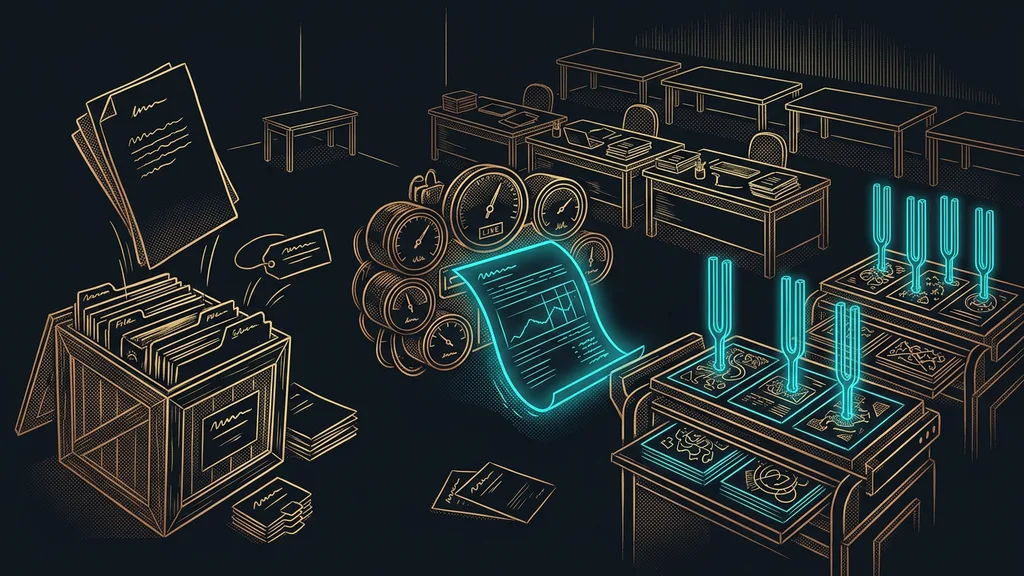
A marketing agency sells ideas and performance. But it bills hours, and those hours split differently than anyone would like: some go to creative work, some to client communication, and a surprisingly large share to onboarding and reports. Copying numbers between tools looks harmless on that list, but it grows with every new client.
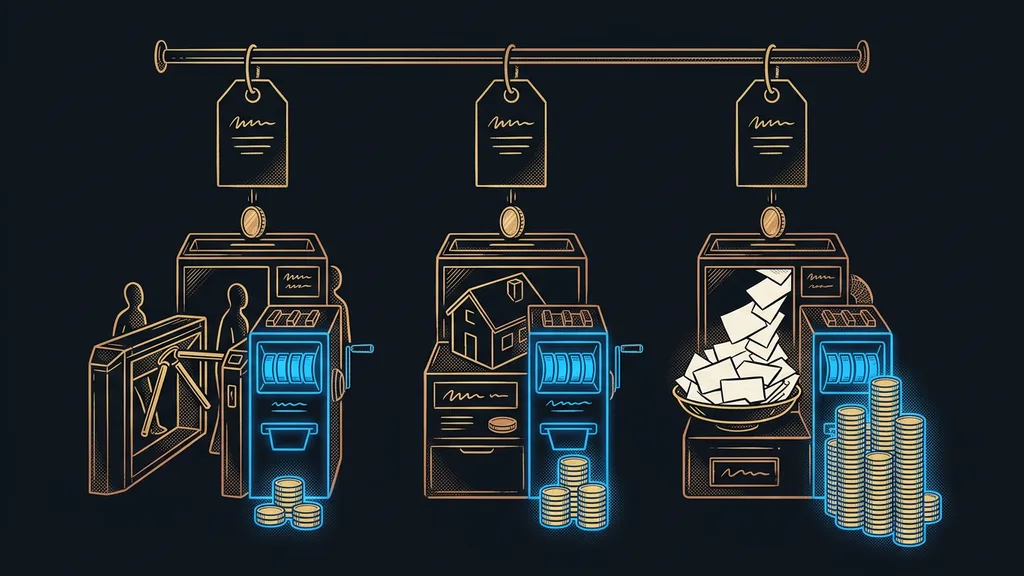
I know agencies from the inside. When I go through an owner’s week with them to see where it went, we almost always end up at the same three places: a new client’s first month, month-end reporting, and Thursday’s scramble for materials due on Friday. Creative work is never on that list.
Creative work isn’t what eats agency capacity
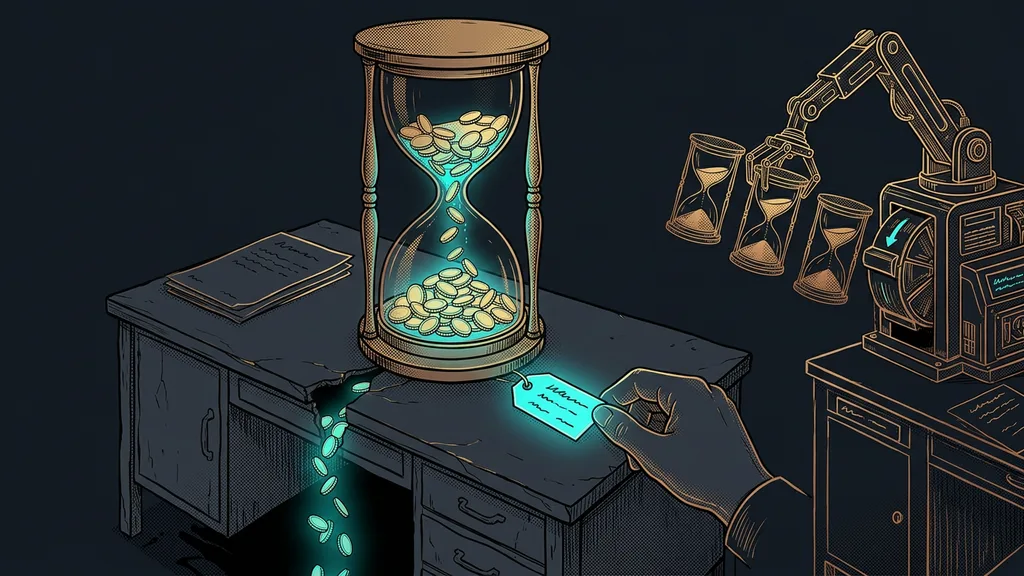
The hours vanish into work you redo for every client, almost the same way each time. Building a page, setting up emails, launching campaigns, putting together a report. For the first client, that’s craft. For the tenth, you’re copying your own homework.
Week zero
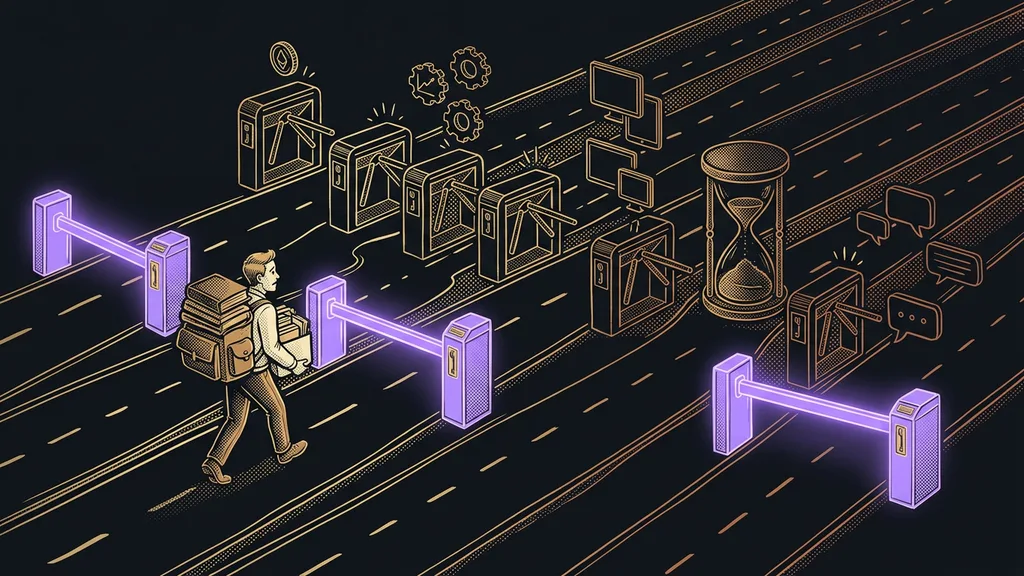
The stretch between signing and the first piece of work the client gets to see. Accounts and access get created, and pages, emails, and reports get built: things that look almost the same across similar clients. Out of consideration for the client, the agency usually doesn’t bill for it. Meanwhile the client waits, and the excitement of signing cools off.
Willpower and overtime won’t shorten week zero. Only one thing does: never starting from an empty account. In the same way, a better spreadsheet won’t shorten month-end. What shortens it is nobody collecting the numbers by hand.
An agency grows when it stops building the same thing twice. Doing more won’t get it there.
Client onboarding that doesn’t start from an empty account
Most of the setup is the same across similar clients. What changes is the logo, the copy, the numbers, and a few details of the offer. The structure itself stays. If you build online stores, you’re putting together the same cart for the third time, along with the same post-purchase emails.
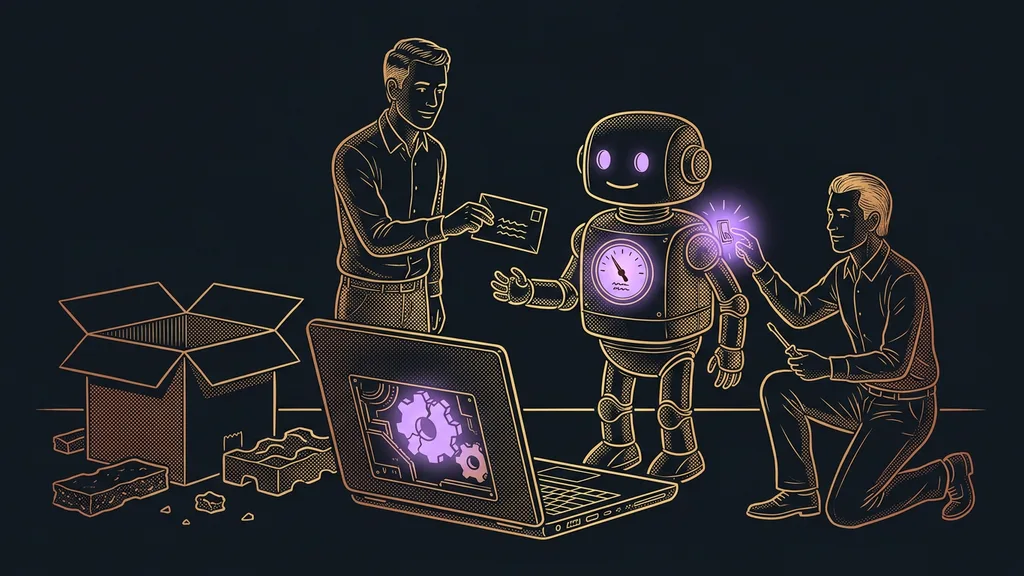
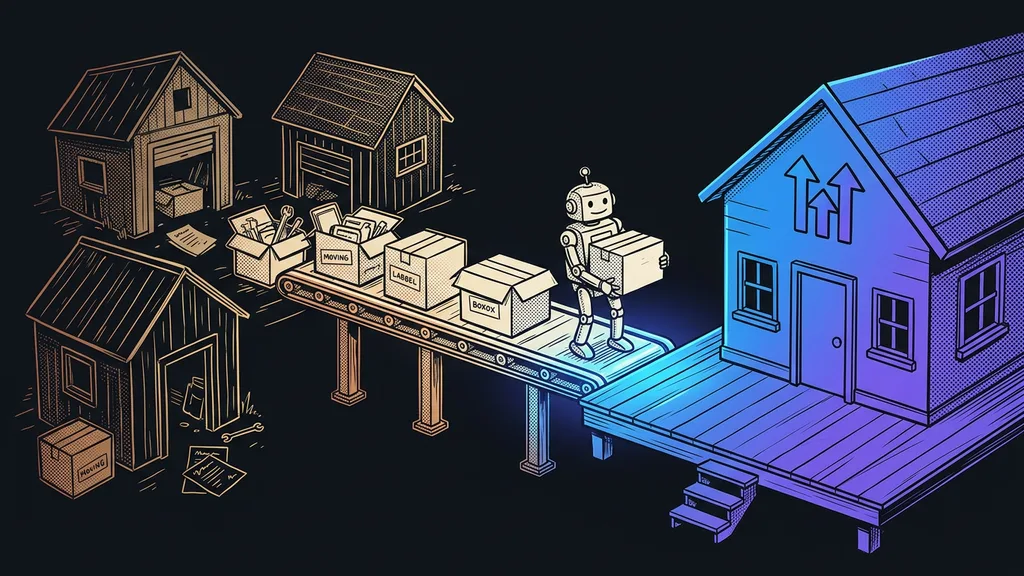
That’s why you can turn an account that already works into a template. A new client gets the whole system from it in a few minutes, and then you only fine-tune what’s different about them. Work that used to take three weeks shrinks to an afternoon with the client going over details.
The client notices right away. Instead of three weeks of prep, they see the first campaign in week one, and that’s exactly the moment when the relationship either takes hold or starts needing explanations. A fast start also decides whether a renewal even comes up six months later.
Reports nobody puts together by hand
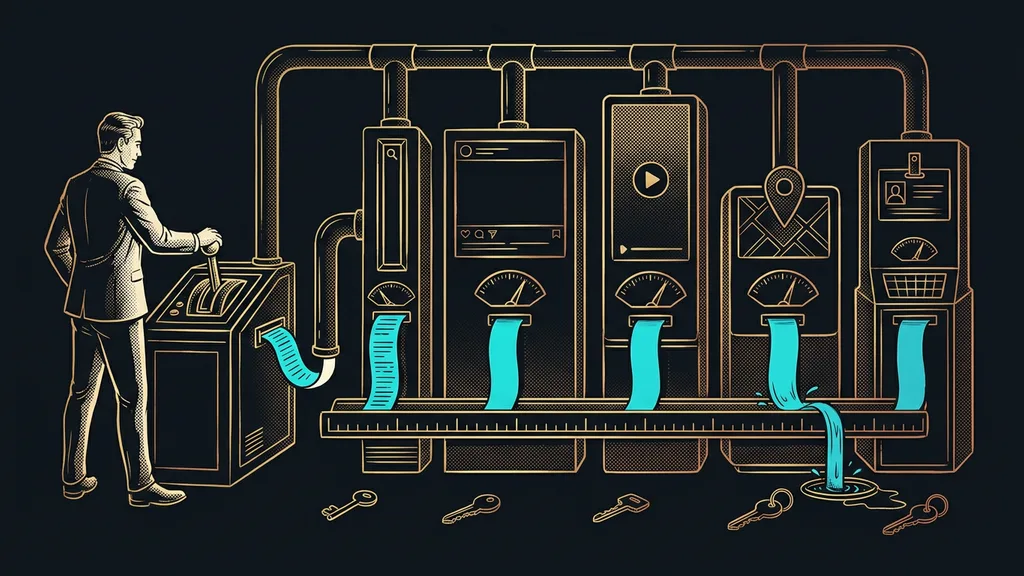
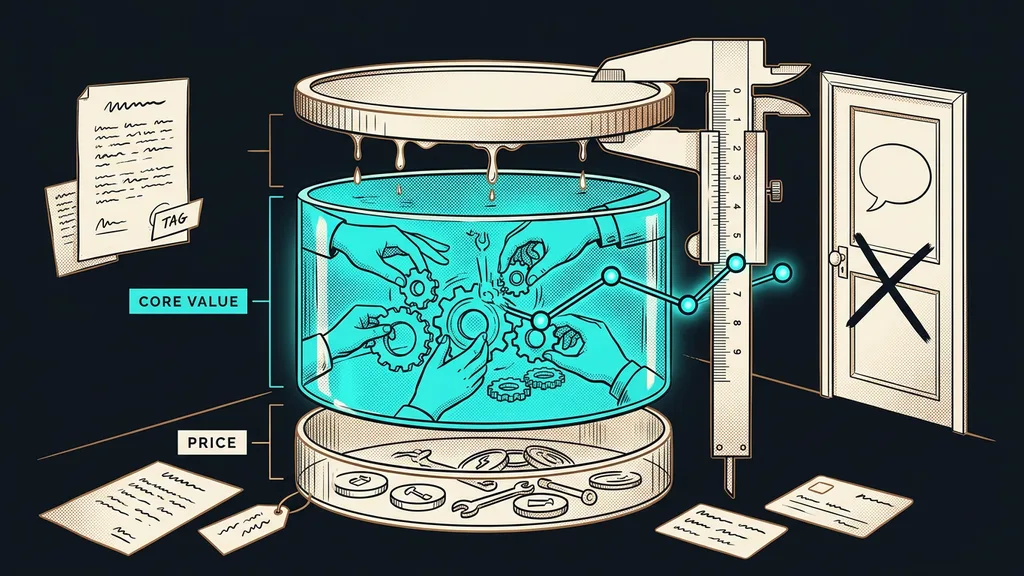
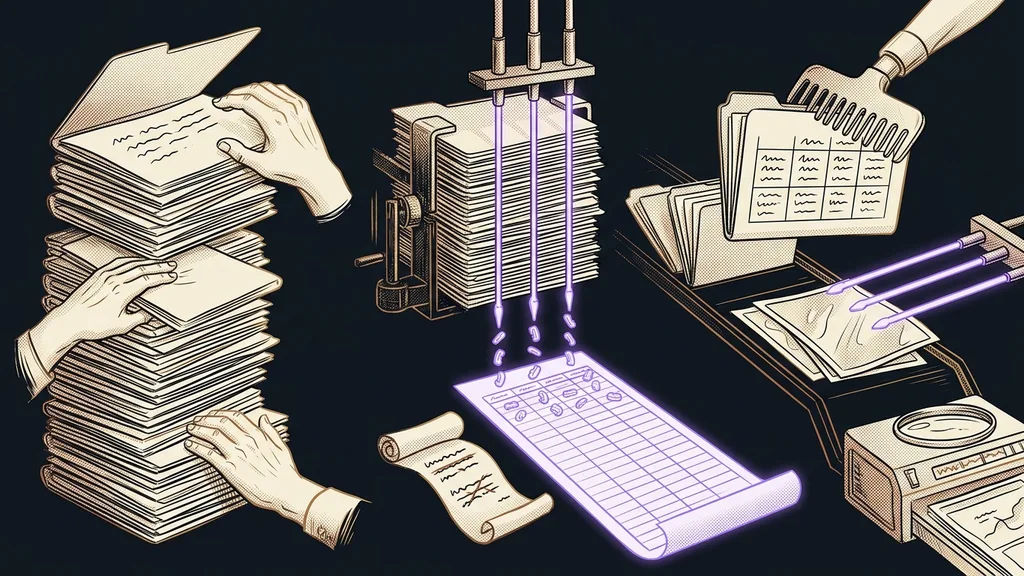
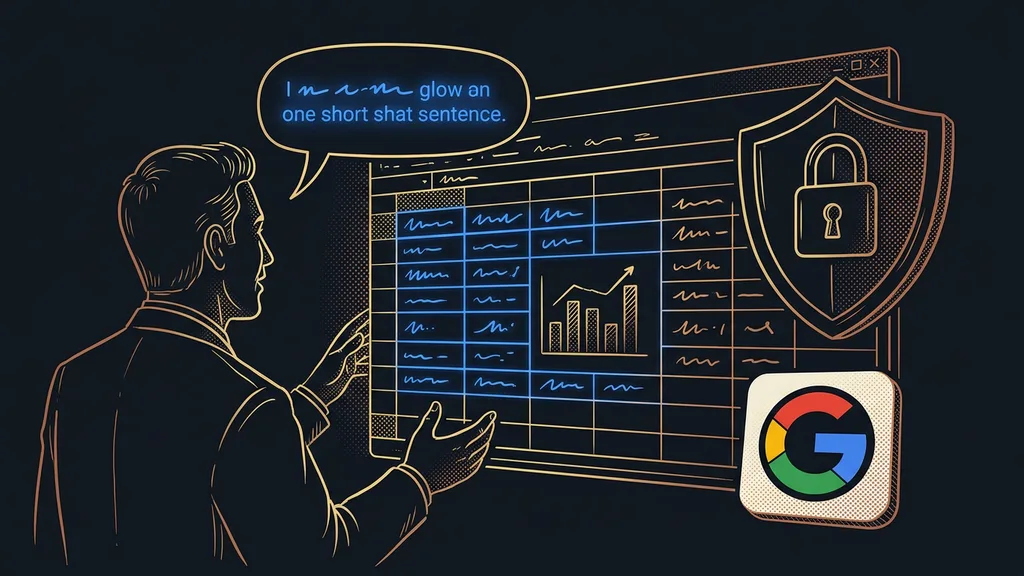
A report and an analysis are two different things. A report is numbers copied over from five places into one document, and a machine does the copying better, with no typos. Analysis starts only once the numbers sit in one place and someone stops to think about them.
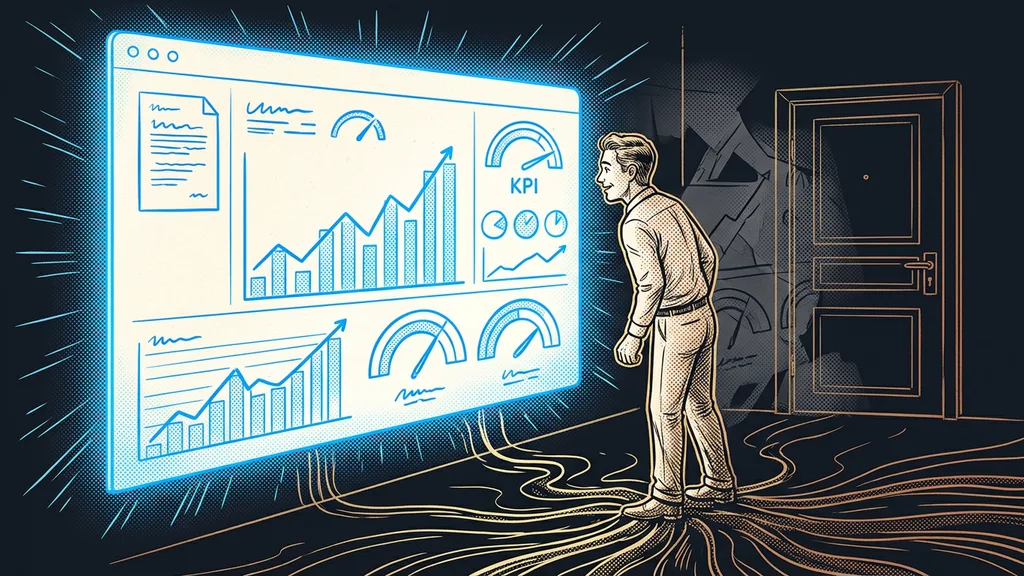
The client opens their own numbers whenever they like and sees exactly what you see. That changes month-end: instead of assembling spreadsheets, you write commentary on what the numbers mean and what happens next. It’s also the only part of the report the client reads all the way through.
For the numbers to make sense, it has to be clear where people came from. A link that remembers which post and which campaign a click came from turns guesswork in the meeting into one sentence you can put in the report.
One-minute self-test
Take last month’s report for one client and split the time you spent on it in two: collecting and copying numbers versus writing what to do with them next. Then multiply by your number of clients. Clients resent paying for the first part, and the second is the only reason they keep you.
Content for ten brands without all of them sounding the same
The worry that AI copy blurs together is justified. Ten clients really can end up with ten posts you can’t tell apart. When that happens, the cause is missing input: the model got nothing to tell the brands apart by. Its ability to write has little to do with it.
Brand voice
A written description of how a brand talks: which words it uses and which it never does, whether it addresses readers casually or formally, how long its sentences are, and how it ends them. For a person, it’s a brief for the copywriter. For AI, it’s a precondition. Without it, AI writes generically and all the brands merge into one voice.
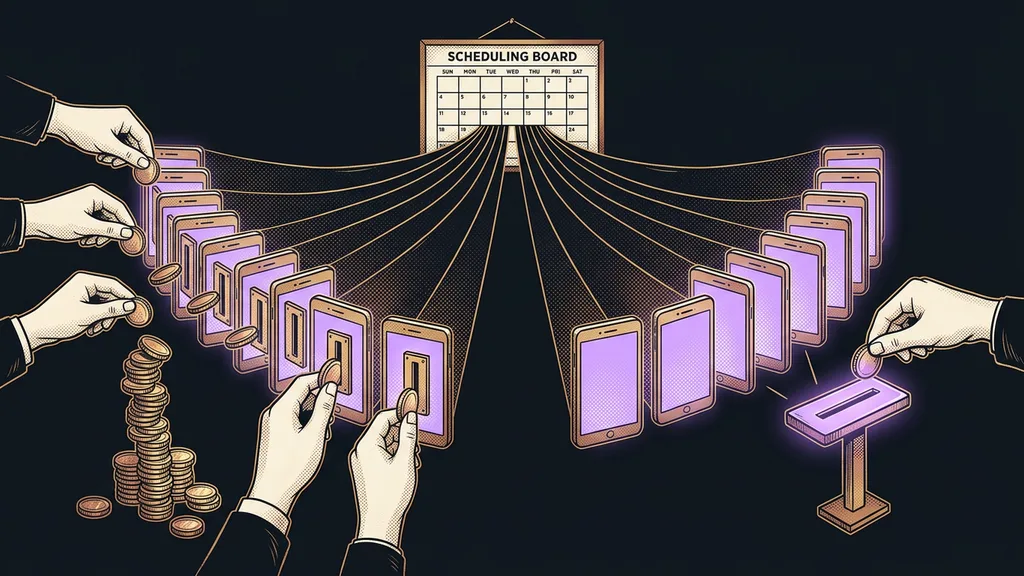
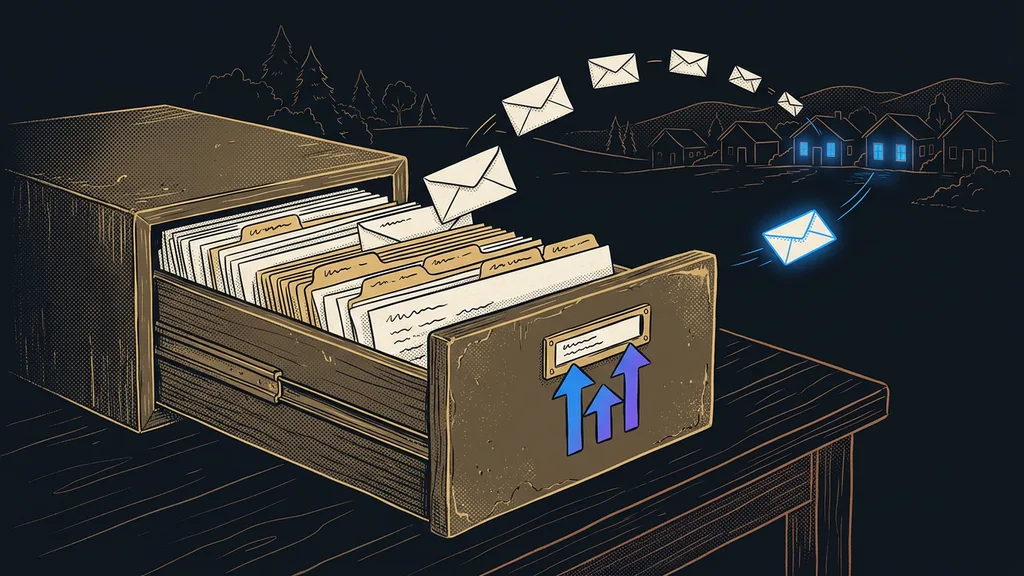
Once the brand voice exists, you can prepare posts for every network from one place, and the differences between clients survive. A person who knows the brand then approves the finished copy. Anyone who’s ever written in an agency knows the writing itself takes the least time. Hunting down the brief and the old versions takes the most.
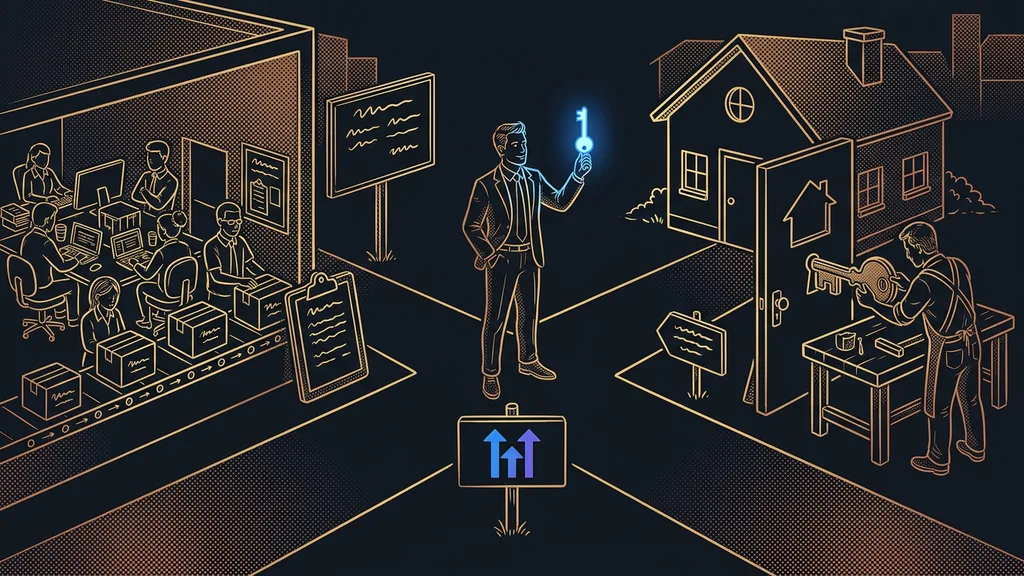
A freed-up hour can be spent in two ways. Either you take on another client, or you turn an existing one into a relationship that doesn’t end with the last invoice. The second path is calmer, and it looks better in the books.
Which agencies it won’t pay off for
This won’t do much for an agency with three big clients where every account is built completely differently. Templates won’t earn their keep there. They would mostly get in the way, because everything gets built to order every time. For an agency like that, a system speeds up reporting and communication at most, not the building itself.
It also won’t help where concepts and strategy get decided. Those take shape in people’s heads over a brief, and no tool will speed them up. And one last thing, straight up: the less an agency has its own processes written down, the longer the setup will take. If you haven’t written down how you do a report, you don’t have anything to hand over to a system yet.
The whole system in a nutshell
- A new client gets a ready-made setup from a template, not an empty account.
- Clients open their reports themselves, and the agency only adds the commentary.
- Links and campaigns track themselves, so nobody argues about where traffic came from.
- Every brand has its voice written down, and content gets prepared from one place to match it.
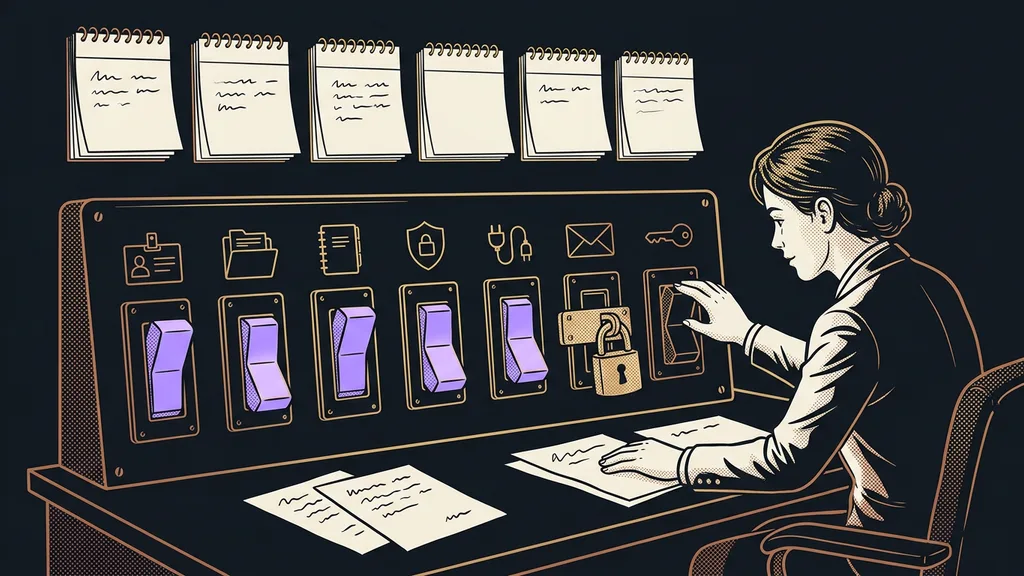
- A person approves, and the system sends and schedules.
And those three places where an agency’s week drains away? Onboarding, reports, and chasing materials won’t vanish, and that’s how it should be. What disappears is the manual copying that nobody enjoys and nobody ordered. More hours wouldn’t fix anything for an agency. What it needs is for the hours it already has to stop draining into work it has already done once.