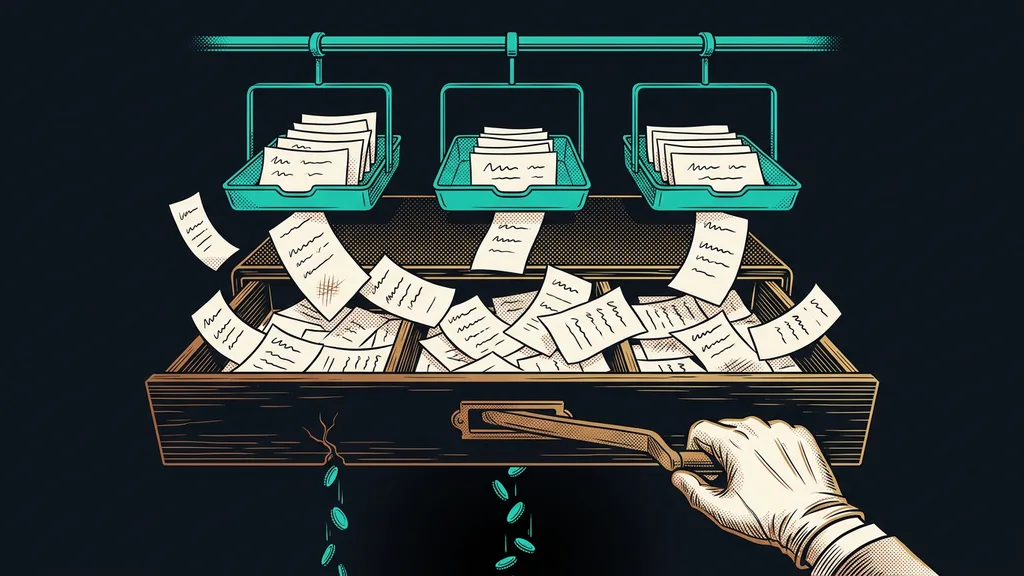
A real estate agency rarely loses a deal over price. It loses it to silence. A listing inquiry arrives at 2 p.m., the agent reads it at 7, and in the meantime the prospect has written to three other agencies. And nobody made a mistake. The agent was doing exactly what they’re paid for: standing in an apartment at a showing.
With the agents I set up systems for, it almost always looks the same. Your phone buzzes in your pocket, you’re holding the apartment keys, and next to you a prospect is asking about moisture in the basement. You can’t pick up. In the evening you’re looking at seven missed calls with no idea which one was the serious one.
Deals slip away in hours of silence, not over price
Whether a showing happens depends on how fast the first reply comes, more than on the quality of the listing. Whoever gets back to the prospect first usually books the appointment too. The silence between the inquiry and the reply has nothing to do with laziness: an agent simply can’t be in two apartments at once.
Dead window
The time between a prospect sending an inquiry and a human replying for the first time. For an agent, it stretches out on its own, because the day goes to driving between showings and site visits. You won’t see it in any report. The only sign is that people stop replying to you.
The worst part is that you never see this loss. You won’t get an angry email or a complaint. The prospect simply goes quiet, and you tell yourself they probably weren’t serious.
The apartment is only part of a prospect’s decision. How long they had to wait for you is the other part.
What the prospect sorts out before you pick up the phone
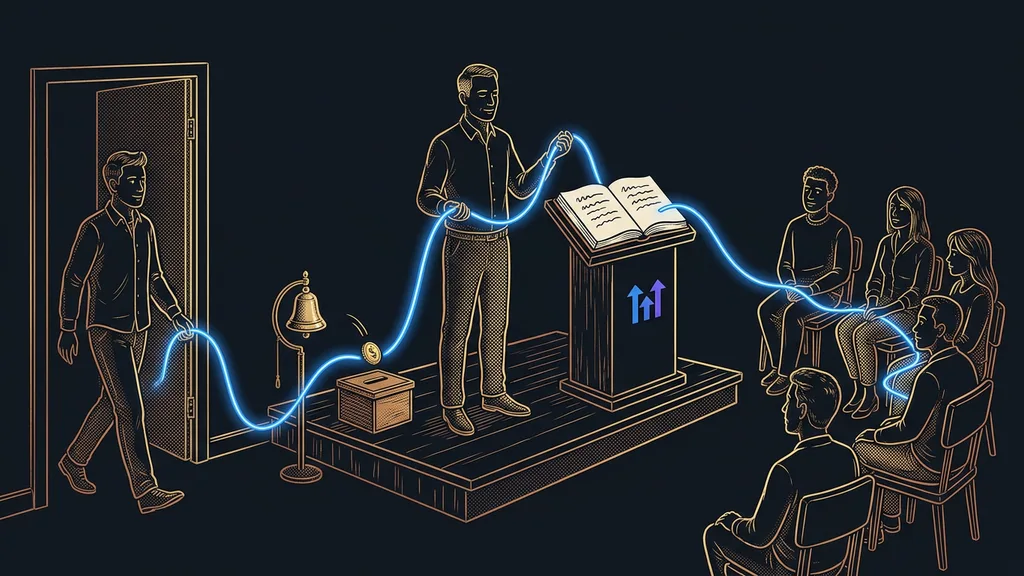
The system answers the inquiry right away and asks about what you need to know anyway: budget, how they’ll finance it, move-in date, and whether the prospect is selling a place of their own. The reply doesn’t sound like a bot. It asks in Czech, one thing at a time, and if the prospect would rather talk, it offers a phone call.
The answers land straight in that person’s record, tied to the specific property, instead of in a forgotten inbox. When the same prospect gets in touch a week later about a different apartment, you don’t start from zero and you don’t have to ask the same questions twice.
Inquiries don’t have to come only from listing sites. When a property has its own sales page connected directly to the CRM, the contact doesn’t get lost in email, and the confirmation goes out on its own. And the call you can’t take during a showing? A voice assistant picks it up and finds out which property it’s about, and you’ll find the caller once your hands are free.
One-minute self-test
Take your last ten listing inquiries and, for each one, find how many hours passed before your first reply. Then check how many of those people ended up at a showing with you. With the agents I go through this with, the two numbers are more connected than they’d expect.
Showings that book, confirm, and remind themselves
Scheduling is the second place where an inquiry falls apart. Three messages one way, two back, and by the time you agree on a time, the prospect has their eye on another apartment. Yet they could pick a time on their own.
Instead of trading times back and forth, they get a link to your open slots. The calendar makes sure showings don’t overlap and leaves time to get across town between them. A reminder goes out the day before, so you end up waiting outside a locked apartment far less often.
Lead qualification
Finding out whether a prospect is serious and has real money before you invite them anywhere. Agents do it over the phone, and it costs them a few minutes per caller. The system asks the same questions over messages, so you have the answers in advance. The human phone call stays. It just isn’t made blind anymore.
So before the appointment, you know who you’re showing around and where. What they’re looking for, how much they have to spend, what they’ve already seen with you. You arrive at the showing prepared and don’t ask about things the prospect already wrote down once.
The real work starts after the showing
The biggest untapped potential lies less in winning new listings than in the people who have already come to you once. They went to a showing, didn’t get back to you, and you didn’t have time for them. The system doesn’t forget them.
After the showing, a summary goes out with the documents the prospect will want anyway: the floor plan, the energy performance certificate, monthly running costs. A few days later comes a short question asking whether they’re still interested in the apartment. And you can see who opened the documents, because a smart link tells you who clicked. So your second call goes to someone who’s interested for real.
In the same way, prospects don’t disappear the moment a property sells. They stay in your list along with what they were looking for and in which area, so you can send them a suitable property before you even post it on a listing site.
Most people these days message on WhatsApp rather than by email, too. You can reply there in your own voice, so even a reply sent between two showings sounds like you, not like a template.
When it doesn’t pay off in real estate
Not every agency needs this. An agent who handles two listings a year and gets leads through people they know won’t get anything out of it. It doesn’t pay off where every deal is one of a kind, either.
If you sell one villa a year and deal with five people, you’ll serve them better from memory than any system could. It starts to make sense once inquiries come in so fast that you stop remembering them, and your day disappears into driving between showings. With five inquiries a month, it won’t pay for itself, not even by accident. With five a day, it pays for itself on the first deal that would otherwise have slipped through the cracks.
The whole system in a nutshell
- Inquiries from listings and from your own page land in one place.
- The prospect gets a reply right away, and the system asks about budget, financing, and timing.
- They pick a showing from your open slots themselves and get a reminder the day before.
- After the showing, a summary with the documents goes out, and a few days later a short question about whether they’re still interested.
- You step in where talking to a person makes sense: at the showing and in the price negotiation.
You’re holding the apartment keys, someone next to you asks about moisture in the basement, and the phone in your pocket buzzes. It won’t stop buzzing, and there’s no reason it should. It’s just no longer the only thing standing between you and the prospect. A good agent spends the showing thinking about the client, not about seven missed calls. Being the fastest to pick up the phone matters far less.