Is GoHighLevel right for an online store? As the main store, almost never. GoHighLevel is built for businesses that sell services and relationships: an inquiry, a meeting, a proposal, and ongoing work together. A classic online store runs on something else: inventory, carriers, and a Czech-compliant invoice. But as a layer on top of Shoptet (a Czech e-commerce platform) or Shopify, GoHighLevel does work the store platform can’t handle.
I hear this question most often from people who got GoHighLevel for their services and then found a store tab in the menu. They figure they could cancel Shoptet and finally have everything in one place. I get it. But in accounts I inherit from someone else, I also see how that turns out. The store is half set up, and the orders still get retyped into the accounting software by hand.
An e-commerce platform and a CRM do different jobs
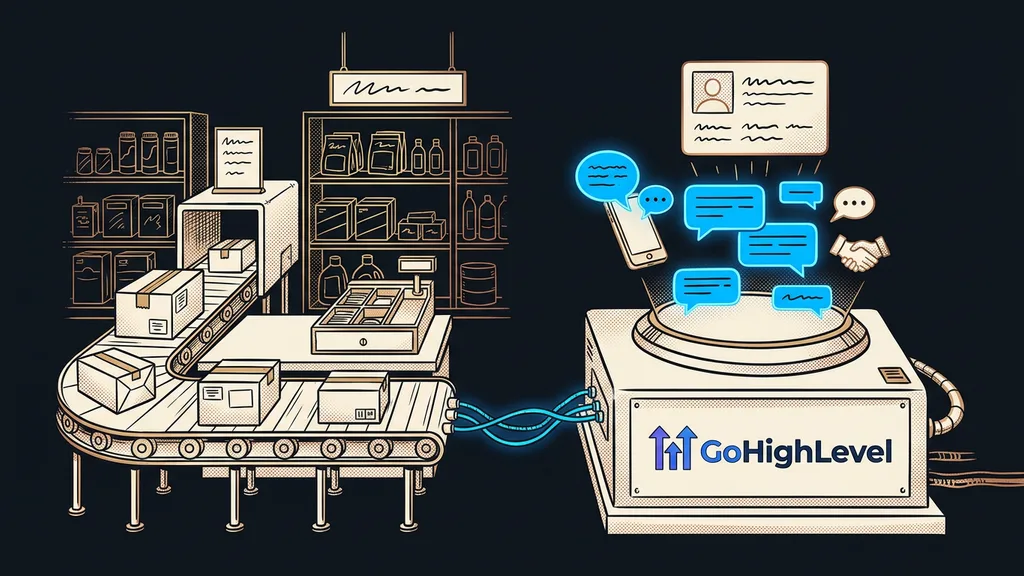
An e-commerce platform and GoHighLevel solve two different problems. The e-commerce platform keeps track of products and orders. GoHighLevel keeps track of the person and your conversation with them.
E-commerce platform
The software an online store lives in: product catalog, inventory, cart, payment, shipping, and invoice. Typically Shoptet, Shopify, or WooCommerce. It thrives when an order goes through without a single human touch. The customer chooses and pays, and the first time you see them is when you pack the order.
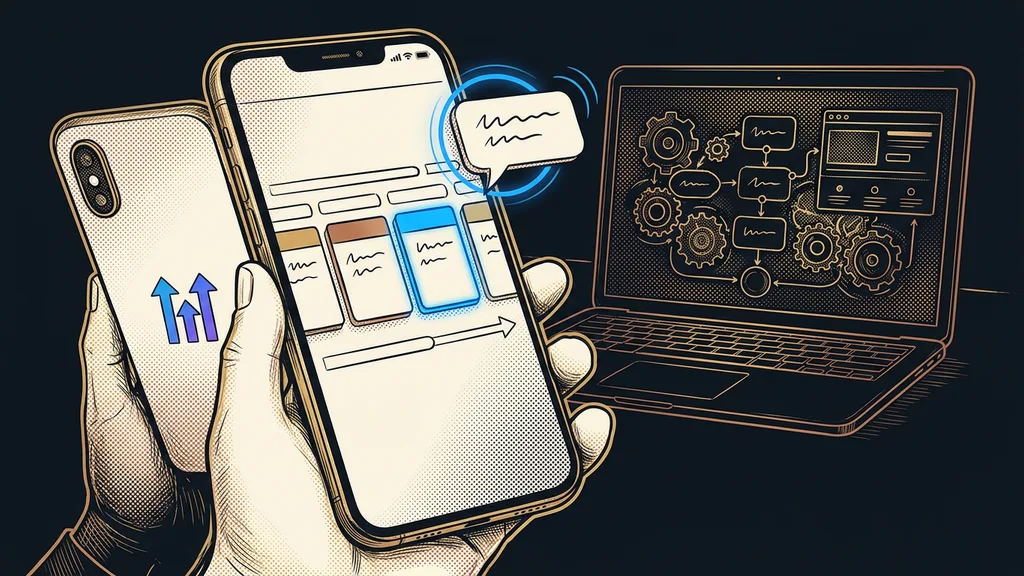
GoHighLevel comes at it from the opposite side. At its heart are the contact record, the opportunity in the pipeline, the calendar, and conversations from every channel in one inbox. Workflows then react to what a person did or wrote. The platform pays off where sales are decided in conversation.
An online store makes money when customers buy without asking a single question. GoHighLevel makes money where nothing gets bought without a conversation.
What the store built into GoHighLevel can do
More than you’d expect. You create the store in the website builder. According to HighLevel’s help docs, it handles product variants with SKU codes, product weight, and shipping rates by zone and weight. It also does related products, an order bump at checkout, a customer account with order history, and subscriptions. Stock levels are tracked on the Inventory screen in the Payments section.
For a Czech online store, though, what’s missing from that list matters more:
| What a Czech online store needs | The GoHighLevel store |
|---|---|
| Card payments | Stripe and PayPal natively, but not the Czech gateways GoPay or Comgate |
| Invoice with a variable symbol (the Czech payment reference) | the native invoice can’t include it, only through an integration |
| Pickup points and labels | label printing through the American service Shippo; no ready-made integration with Zásilkovna (Packeta) |
| Feed for price comparison sites | no ready-made export |
| Admin in Czech | English only; the customer-facing side can be set to Czech |
| Abandoned checkout | yes, as a workflow trigger |
Every row can be solved with an integration, but every integration is one more part someone has to build and maintain. I cover payments and the Czech route through FAPI (a Czech invoicing and payments tool) separately in my article on payment gateways in GoHighLevel.
When yes: a few products alongside services
A store in GoHighLevel makes sense when products are an add-on to a service. A yoga teacher sells a mat, a book, and a gift voucher. A beauty salon offers five products its clients buy after a treatment anyway.
In a business like that, the customer is already in the CRM because of their booking, and the purchase simply gets added to their record. You skip a second system and the matching of contacts between two databases. A few orders a month get packed by hand, and the invoice goes out through an integration, the same as for services.
When yes, take two: GoHighLevel on top of Shoptet or Shopify
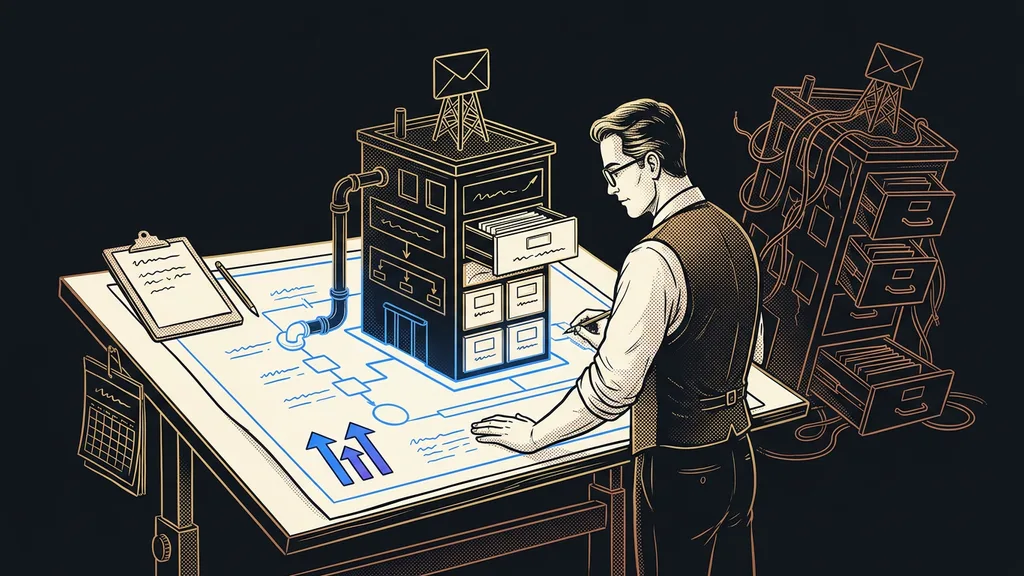
A bigger online store keeps its platform and builds GoHighLevel alongside it, for working with customers. This is the route I recommend to online stores most often.
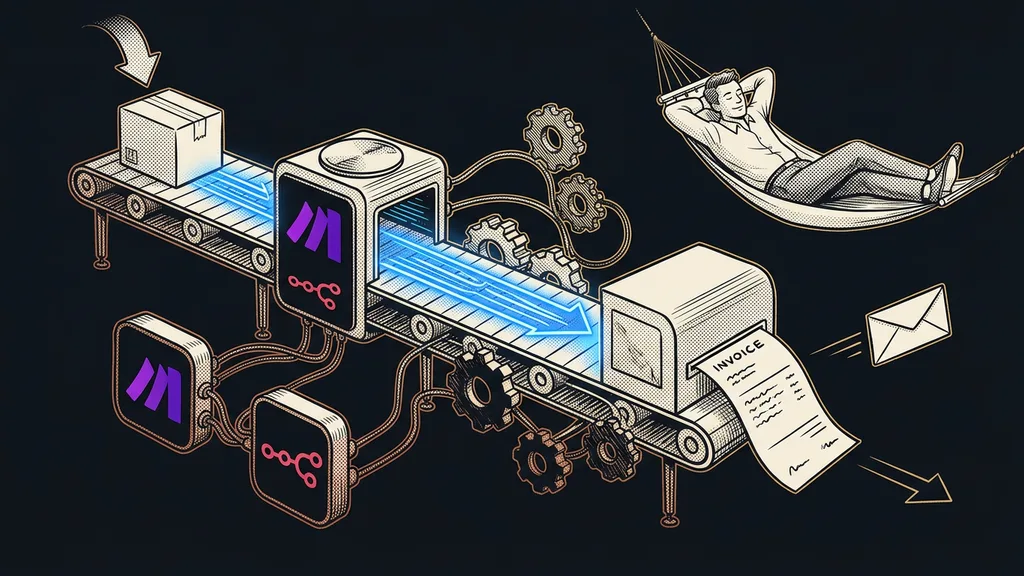
Shopify connects directly. According to HighLevel’s help docs, the Abandoned Checkout trigger detects an unfinished checkout in GoHighLevel’s own store and in Shopify, and the trigger for fulfilled orders works in a similar way. Neither Shoptet nor WooCommerce has a ready-made integration. But Shoptet sends a webhook for every new order, and a bridge in Make.com or n8n passes it into the CRM.
Trigger
The event that starts an automation in a workflow: a new order, an abandoned checkout, a shipped package. For an abandoned checkout, you set after how many minutes the cart counts as abandoned, and you can filter by cart value or by product. Without the customer’s email, the trigger won’t fire, because there’s no one to write to.
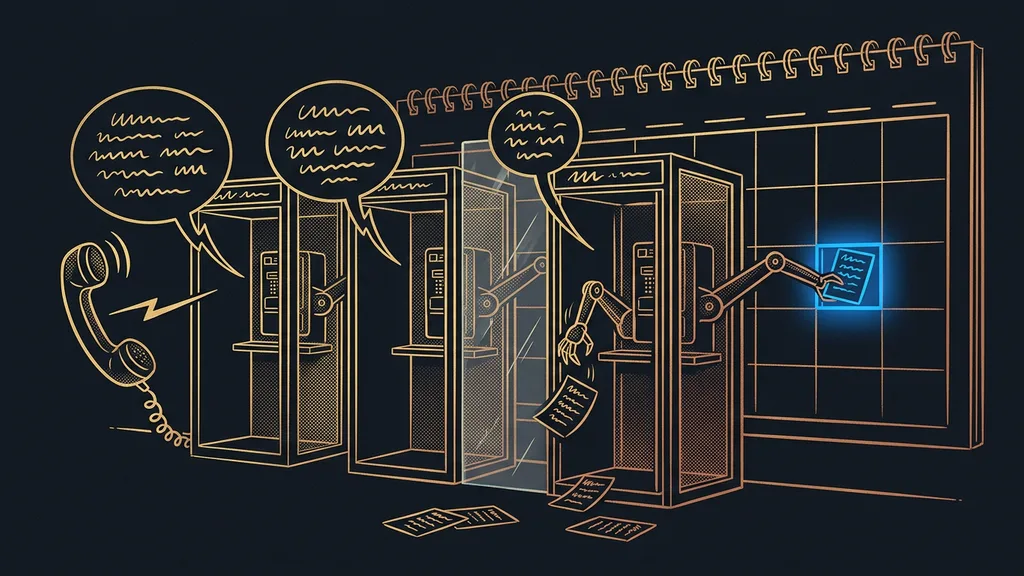
On top of an online store, GoHighLevel is worth it mainly for four things. Questions from chat, Messenger, and WhatsApp land in one inbox, and a chatbot answers questions about delivery times and shipment status. After delivery, a review request goes out, and wholesale customers get their own pipeline. But keep your newsletter with a product feed in Ecomail or SmartEmailing (Czech email marketing tools), because their e-commerce campaigns are more sophisticated.
Your last twenty orders
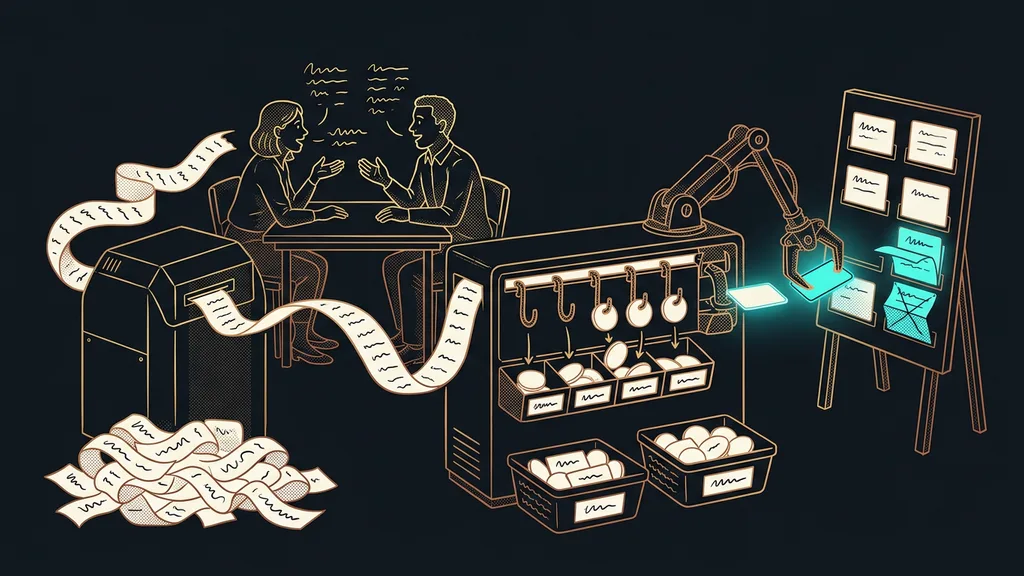
Go through your last twenty orders. For each one, note whether a conversation came with it: a question beforehand, a complaint, negotiating a wholesale price. If you find only a handful, GoHighLevel will mostly add one more subscription. If it’s half of them, it pays to get those conversations into one place.
When definitely not
Replacing Shoptet with GoHighLevel for a store with hundreds of products is a mistake I wouldn’t recommend to anyone. You’d lose Czech payments, invoices, carriers, and price comparison sites, and you’d have to rebuild each of them with an integration you already have out of the box elsewhere.
Definitely not where customers buy quietly and come back a year later, either. The inbox and pipeline have no one to work with. A store like that does fine with its own platform and good email marketing. And if all you need alongside your store is a customer database, my comparison of alternatives to GoHighLevel lists cheaper Czech CRMs that are more than enough for that.
The whole decision in a nutshell
- You mainly sell services plus a few products: build the store right in GoHighLevel and connect your invoicing.
- You have an online store with hundreds of products: keep your platform and, if needed, add GoHighLevel alongside it.
- On Shopify, GoHighLevel catches abandoned checkouts and fulfilled orders directly.
- On Shoptet or WooCommerce, a webhook and a bridge in Make.com or n8n carry the orders over.
- Before you decide, go through your last twenty orders and count the conversations.
The store tab in GoHighLevel’s menu pays off mainly for a business that sells a few products alongside its services. A bigger online store will see the platform’s strength elsewhere: the moment a WhatsApp question, a complaint, and a wholesale inquiry all land in one customer record. If you want to know which side your store belongs on, we can go through it together in a consultation about setting up GoHighLevel. From the first call to handover, you talk to me. Bring those twenty orders with you.