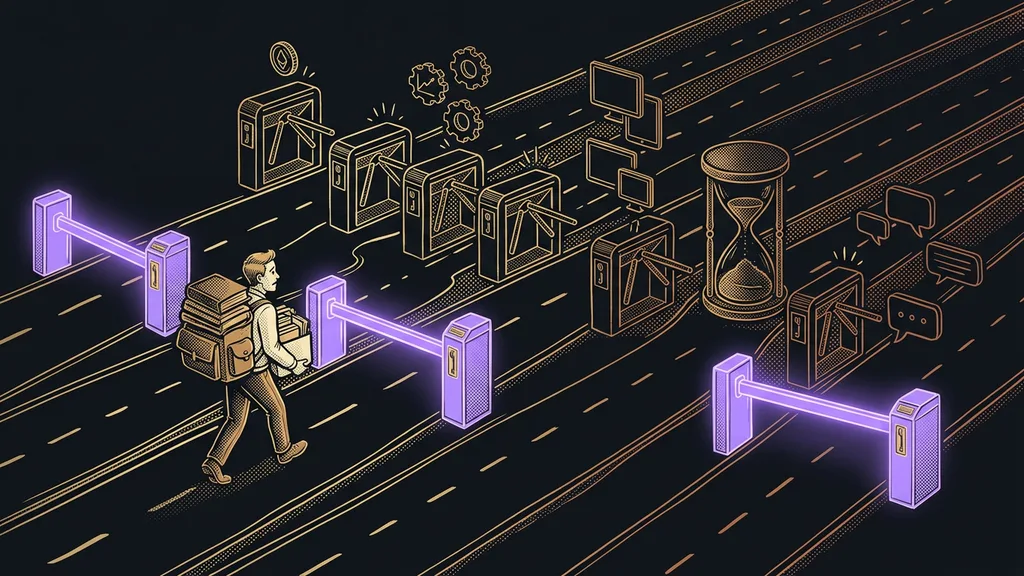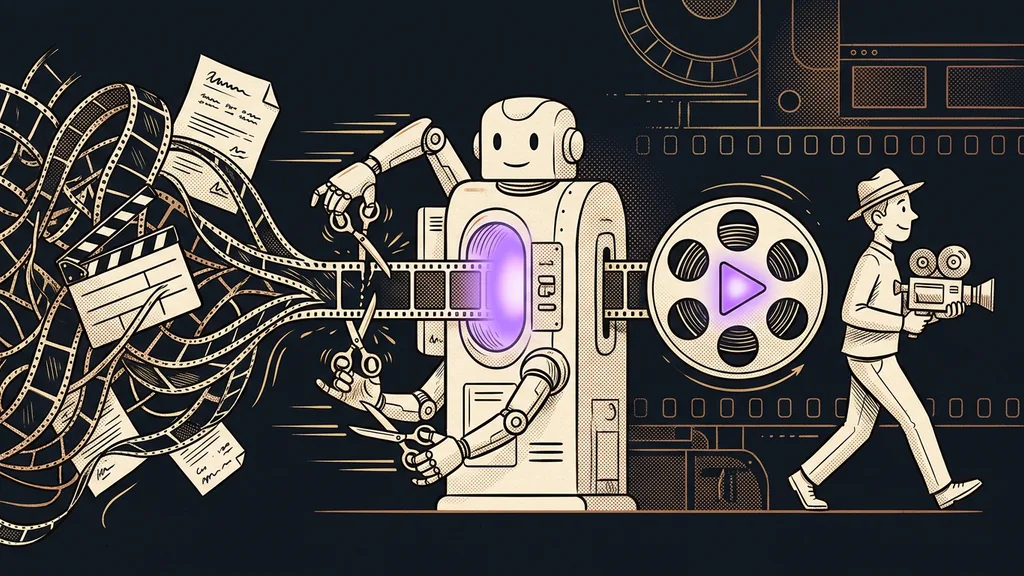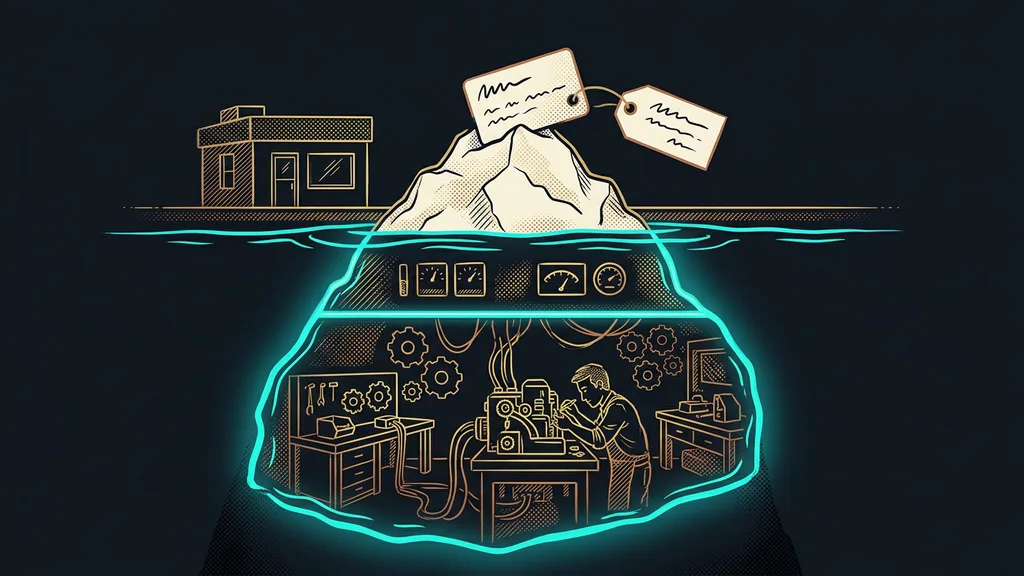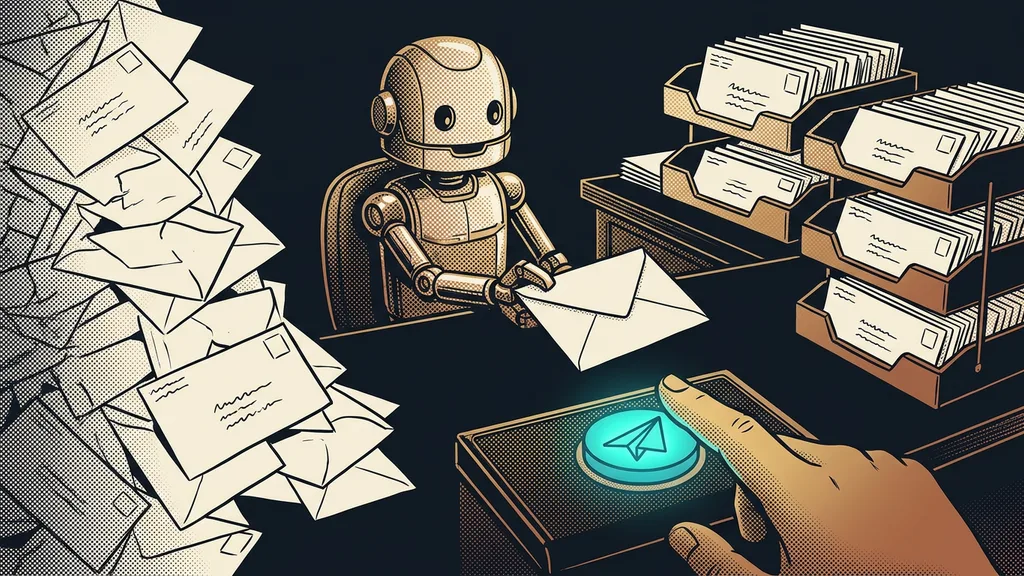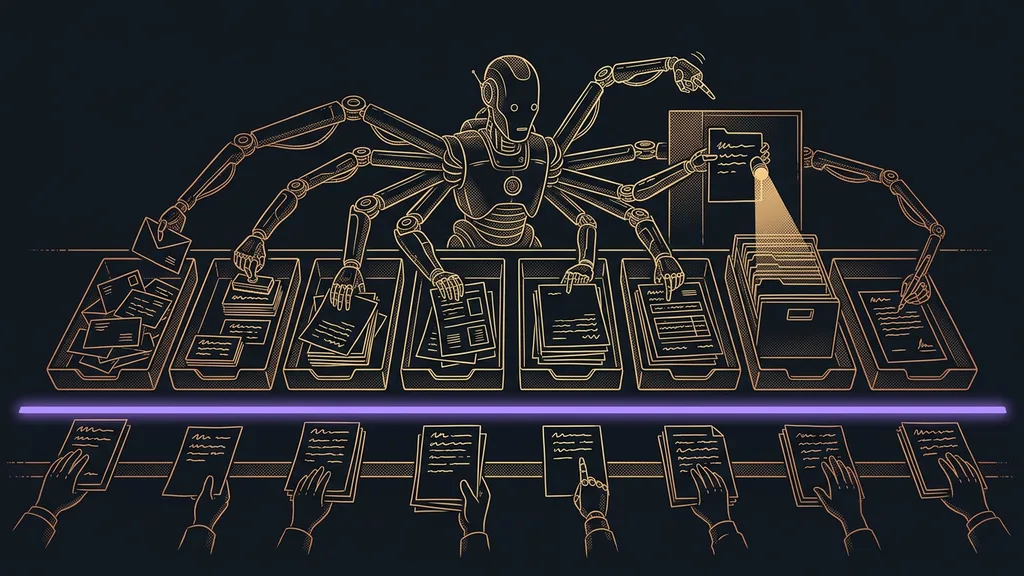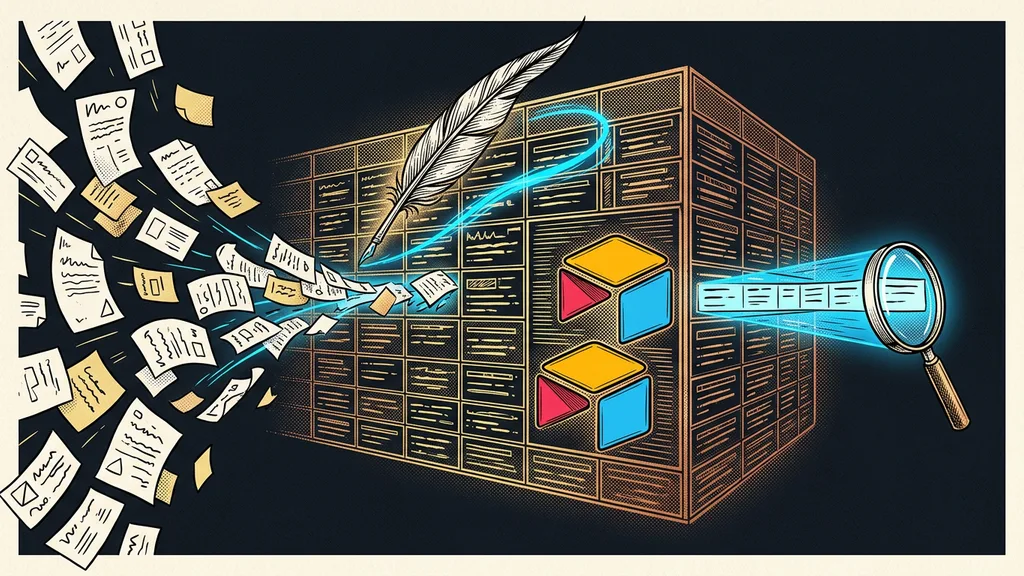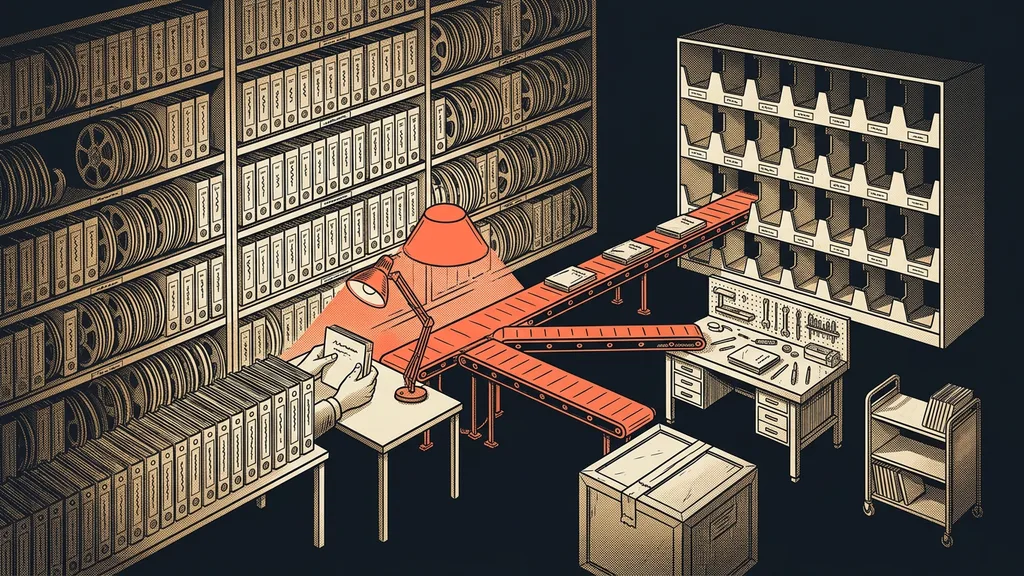
Almost every tool gets the AI agent label these days. A website chatbot, an automatic order confirmation, a helper in your inbox: they all go by the same name, and they’re all sold as something new. Yet an AI agent means something specific. It gets a goal rather than a procedure, and it chooses the steps itself. A small business usually needs one only once a chatbot and plain automation stop being enough.
I hear this in consultations over and over. A business owner forwards me an offer for an AI agent and asks whether to take it. When we go through it point by point, what usually falls out is a fixed procedure: a form comes in, the contact gets saved, an email goes out. You don’t need an agent for that. The rest of the offer is more interesting, it just gets the fewest lines.
What is an AI agent, and how is it different from a chatbot?
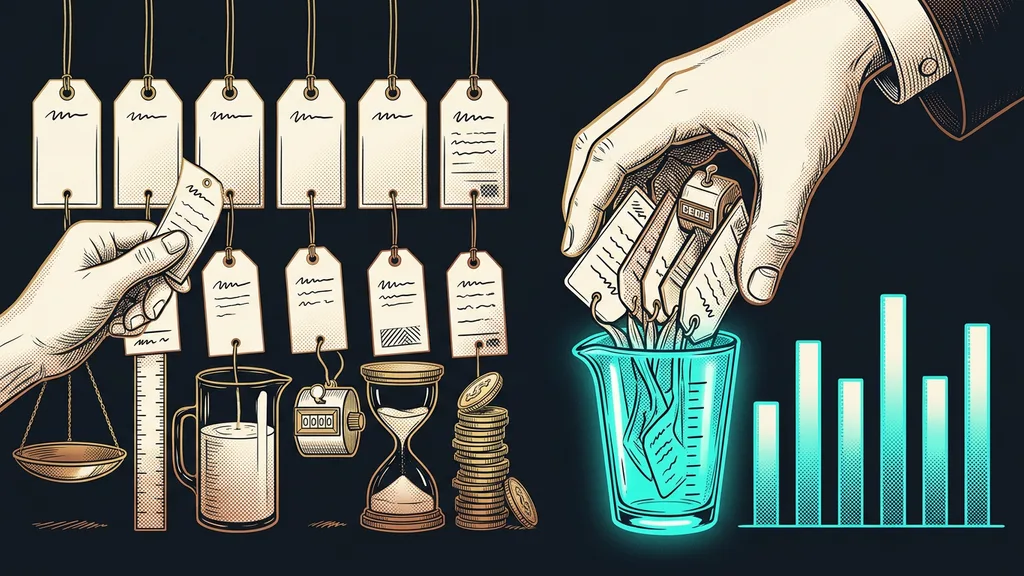
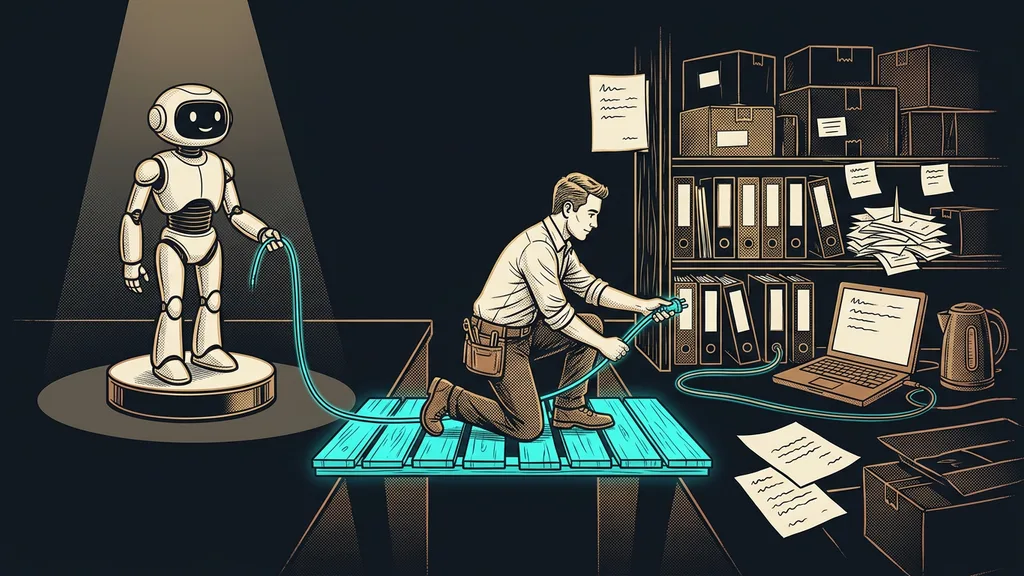
An AI agent is a program with a language model inside that sees a task through to the end on its own. A chatbot answers a question and waits for the next one. Automation carries out a procedure someone wrote down for it in advance. An agent builds its procedure on the fly, based on what it finds along the way.
AI agent
A program that gets a goal, not instructions. It decides on its own where to start, pulls data from your email, CRM, or calendar, looks at the result, and picks the next step based on it. One thing sets it apart from automation: nobody wrote the order of steps for it in advance.
Automation does the same thing every time, and that’s exactly why I like it. I bring in an agent only where the work is a little different every time.
Agent is one of the twenty terms I break down in my AI glossary for business owners. Here I’m giving it more room, because it’s the one people overpay for most in offers. Here’s how the three tools compare side by side:
| Question | Chatbot | Automation | AI agent |
|---|---|---|---|
| What it gets | a question | a trigger and a fixed procedure | a goal |
| Who decides the next step | nobody; it answers and waits | whoever wrote the procedure | the agent, based on what it finds |
| What you’re left with | an answer in a window | a completed action, the same every time | finished work to check |
| Where it goes wrong | it answers wrong or off-topic | with a case nobody anticipated | it picks the wrong step, which is why it needs boundaries |
The fork: where automation ends
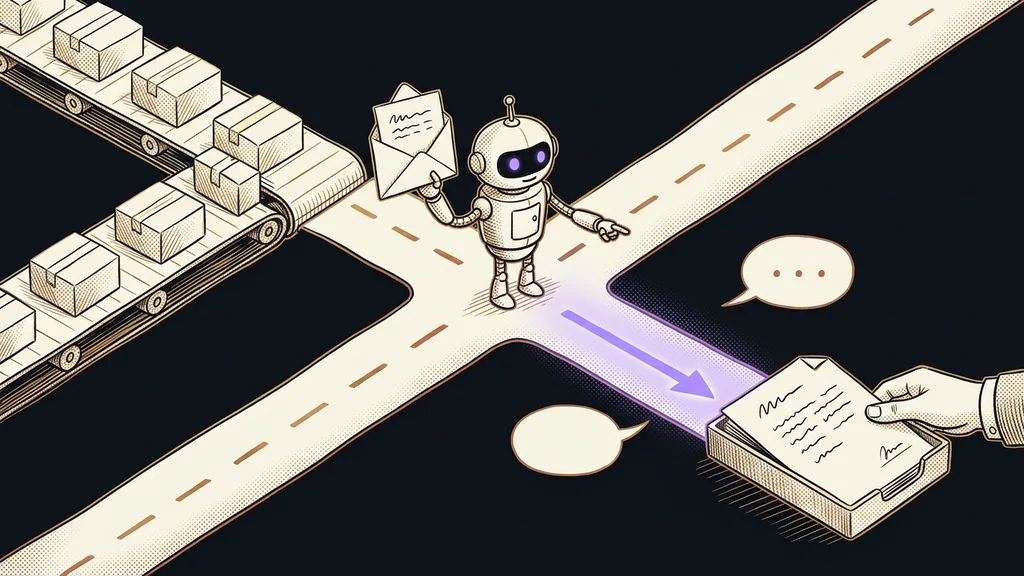
You need an agent where a process hits a fork: a point where the next step depends on the content and nobody can turn it into a rule in advance.
A fork in the process
A step where, today, a person has to read something, assess it, and only then decide which way to go. Automation knows only the paths someone drew for it. At a fork nobody anticipated, it stops or makes a mistake. An agent reads the situation and picks the path itself.
A typical example is an incoming email. Automation saves it and sends a confirmation. Whether it’s a complaint, a new order, or a question about a date, fixed rules can’t tell. An agent reads the email, looks up the sender in your CRM, finds they have an order in progress, and prepares a reply with its status. All that’s left for you is to check the reply and send it.
The follow-up system I built for clients works the same way. A fixed rule picks out the people who’ve gone quiet. What to write to each of them so it sounds personal and fits your last conversation is already a fork. AI handles that part in the company’s tone, and nothing goes out without approval. In the first live rollout, 16 out of 16 emails were right the first time.
Where an agent really saves a small business work
An agent pays off for work that repeats but looks a little different every time. With the clients I set up systems for, three situations come up most often:
- Incoming email and inquiries. The agent sorts them, looks up the context, and drafts a reply.
- Information from several places. In the morning, it goes through your inbox, calendar, and CRM and puts together an overview of where to start.
- Personal reminders. A customer who’s gone quiet gets a message that picks up where your last conversation left off.
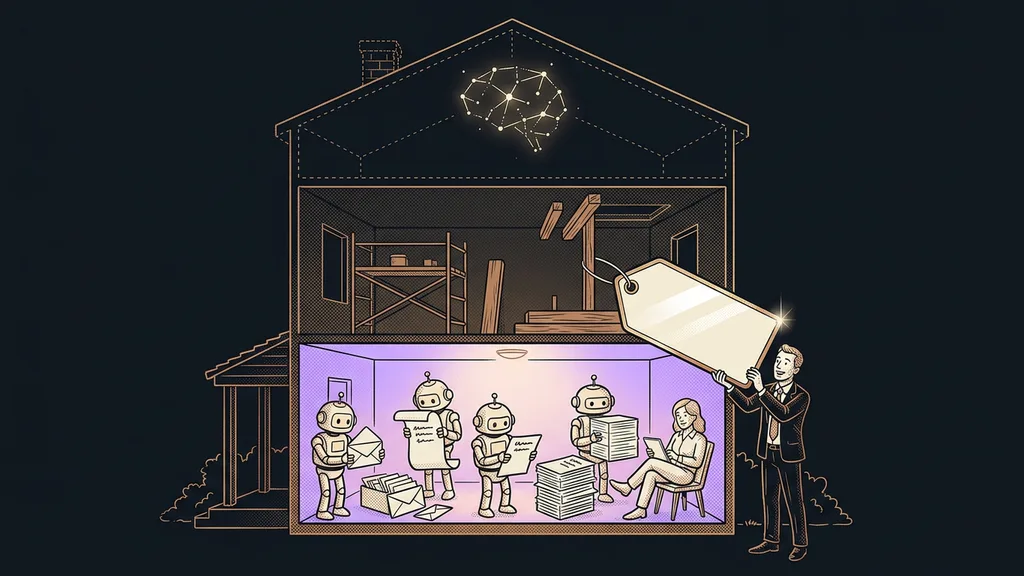
If you want to go further, you can split agents up by role. I’ve described separately what a team of five agents acting as company leadership looks like. To start, though, one agent per fork is enough.
A pen and one process
Pick the process that slows you down the most and write it out on paper, step by step. Wherever the sentence “then I look at it and decide” shows up, you have a fork, and that’s where an agent makes sense. Where there’s no such sentence, automation will do, and you’ll save money.
An agent needs boundaries, or it gets expensive and unpredictable
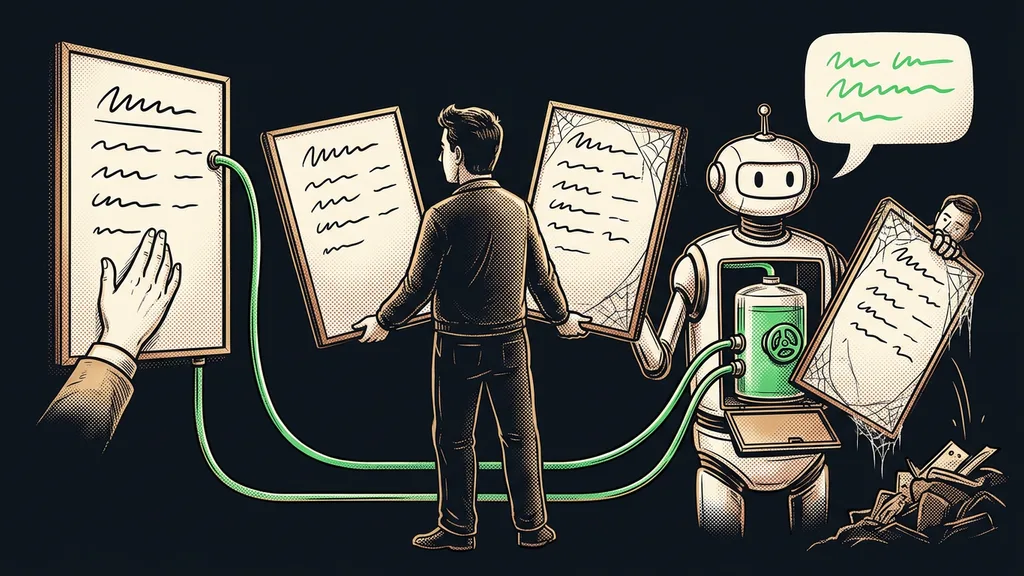
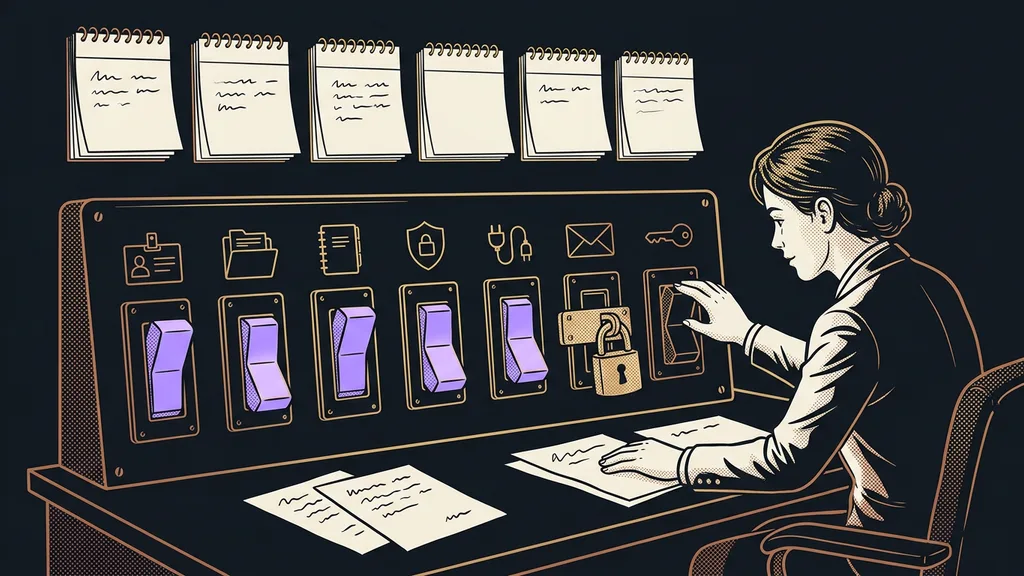
An agent may only do what you explicitly allow. Because it picks its own steps, it needs to know in advance what it may touch and where it stops. I always settle that with three questions: what it may read, what it may do on its own without asking, and where it has to wait for a human.
In my setups, an agent only prepares anything sent to customers, payments, and contracts. The decision stays with the owner. I explain why I insist on this in my article on the AI employee where you keep the final say.
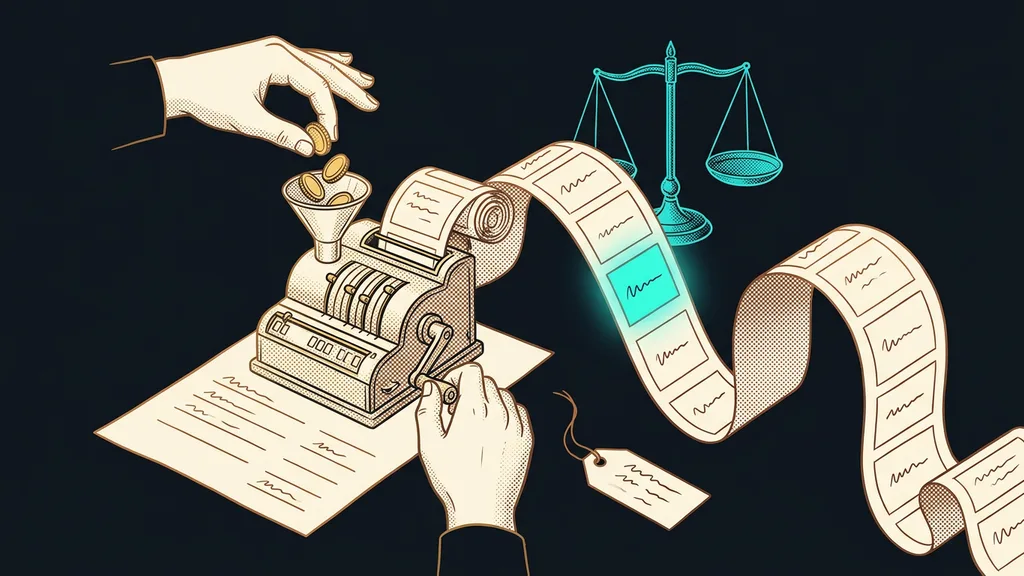
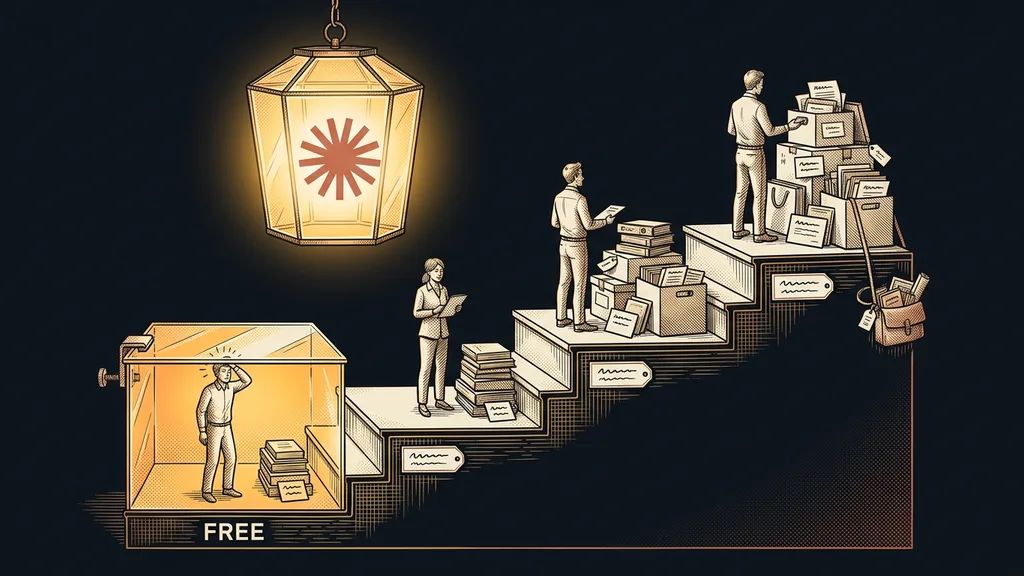
The second boundary is money. Automation costs next to nothing per run and behaves the same way every time. An agent asks the language model at every step, so you pay for every bit of its thinking, and the bill swings depending on how much work it gets. That’s another reason I don’t put it on tasks a fixed procedure can handle.
When you don’t need an agent
Most small businesses don’t need an agent yet, and they’re not missing out on anything. When the procedure is always the same, automation is enough, and where to start with it depends on what the process does with information.
If you mostly answer the same questions, a chatbot built on your own materials is enough. A chatbot with a knowledge base of 876 answers in Czech replies to customers even at 3 a.m., and it doesn’t need an agent for that. Whether to put a bot or a person on your chat depends on the type of question. And if you handle a few emails a week off the top of your head, an agent would just add one more thing to keep an eye on.
The whole system in a nutshell
- A chatbot answers, automation runs a fixed procedure, and an agent builds the procedure itself.
- You need an agent only at a fork, where the next step depends on the content.
- Find the forks with a pen: write out the process and look for the sentence “then I decide.”
- Set in advance what the agent may read, what it does on its own, and where it waits for you.
- Leave fixed procedures to automation, because it’s cheaper and behaves the same way every time.
With a pen in hand, you can read that AI agent offer too. Next to each promise, note whether there’s a fork behind it or just a form that can submit itself. If you’re unsure about any of them, we’ll go through it together in a first consultation. I run it myself, and it’s free. Then you strike everything from the offer that plain automation can handle, and you pay for an agent only where it makes real decisions.